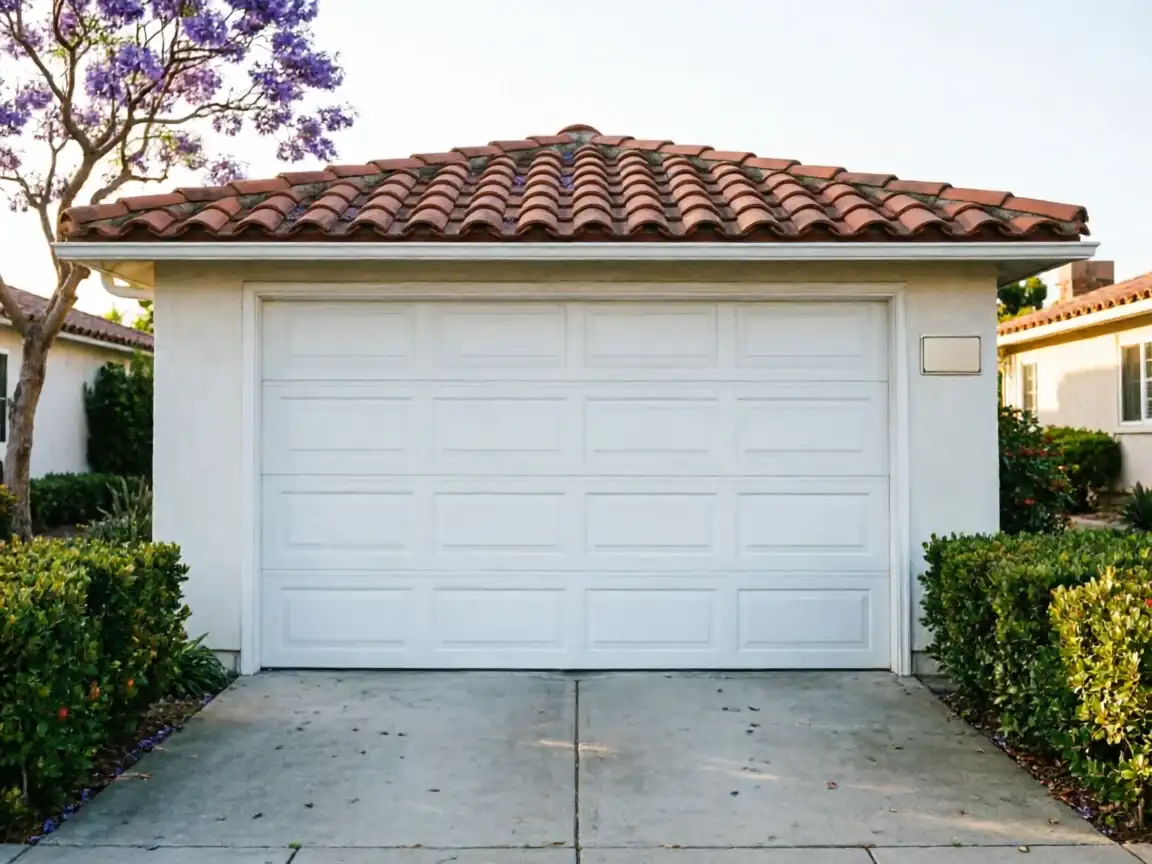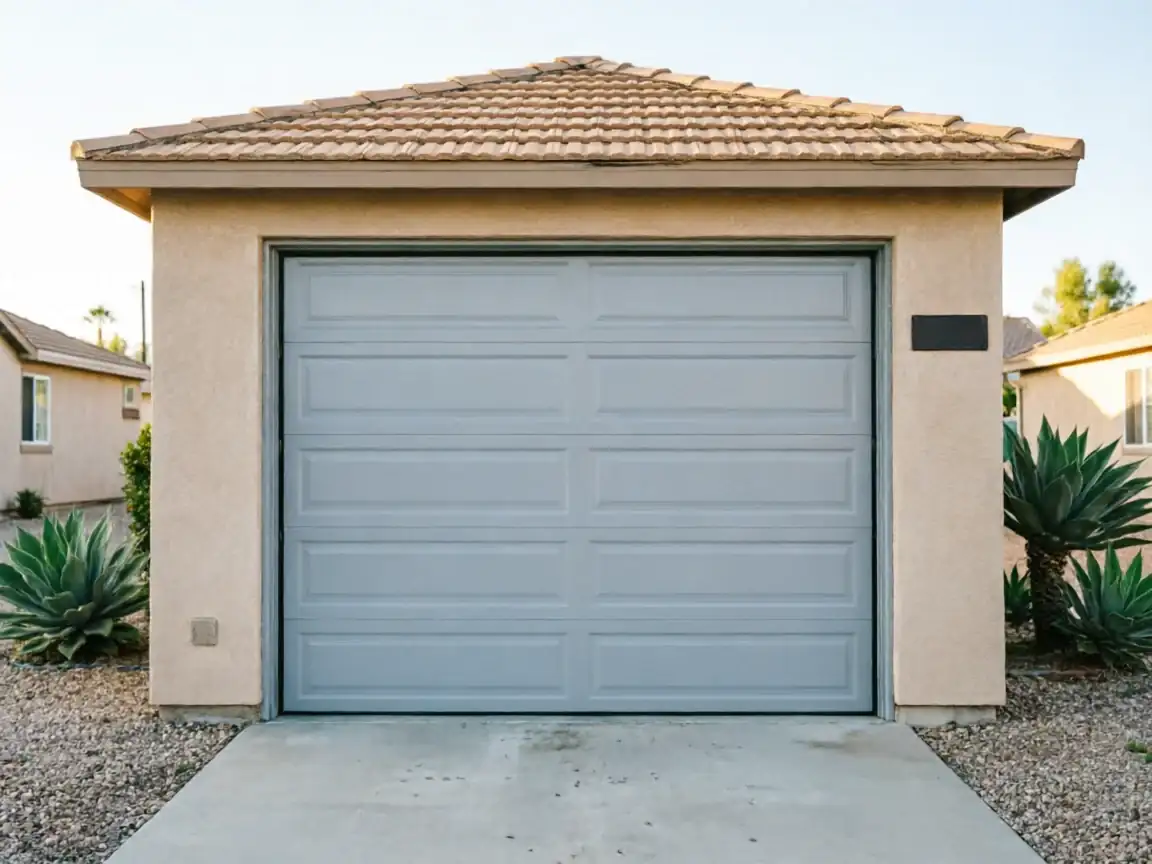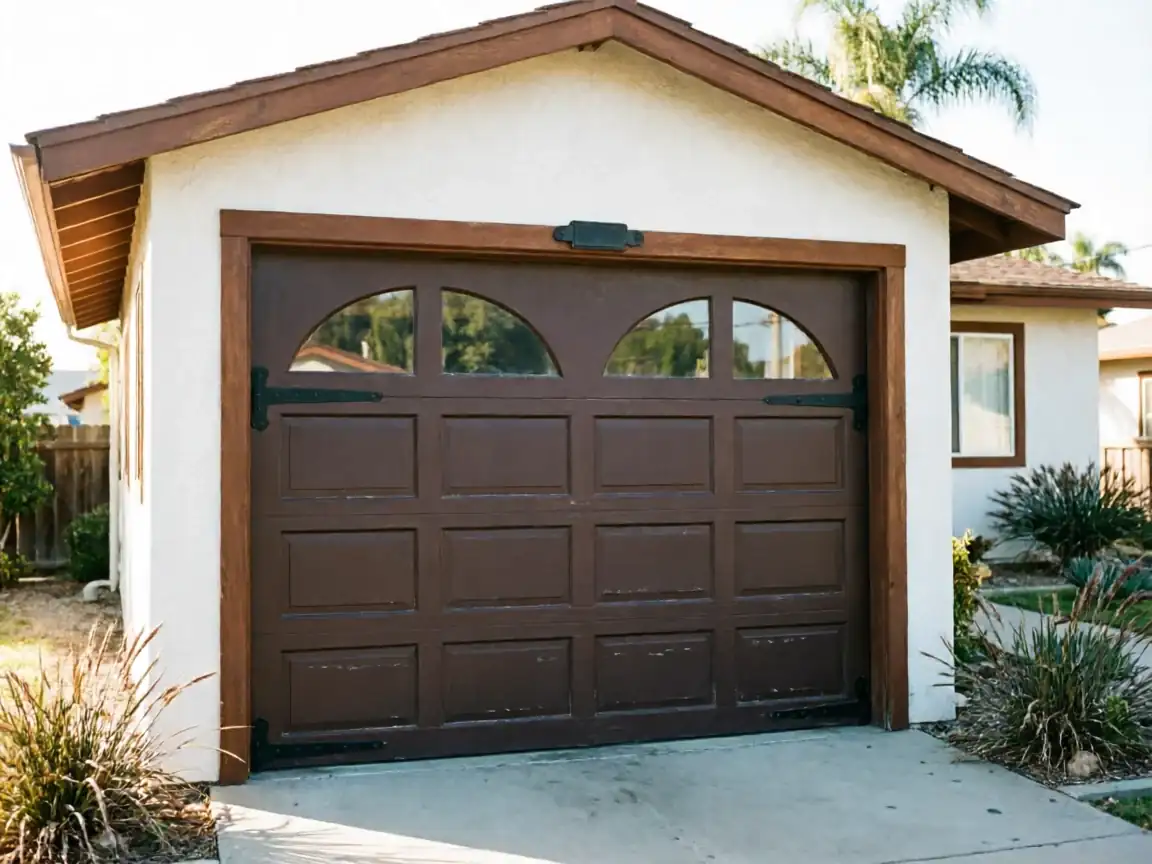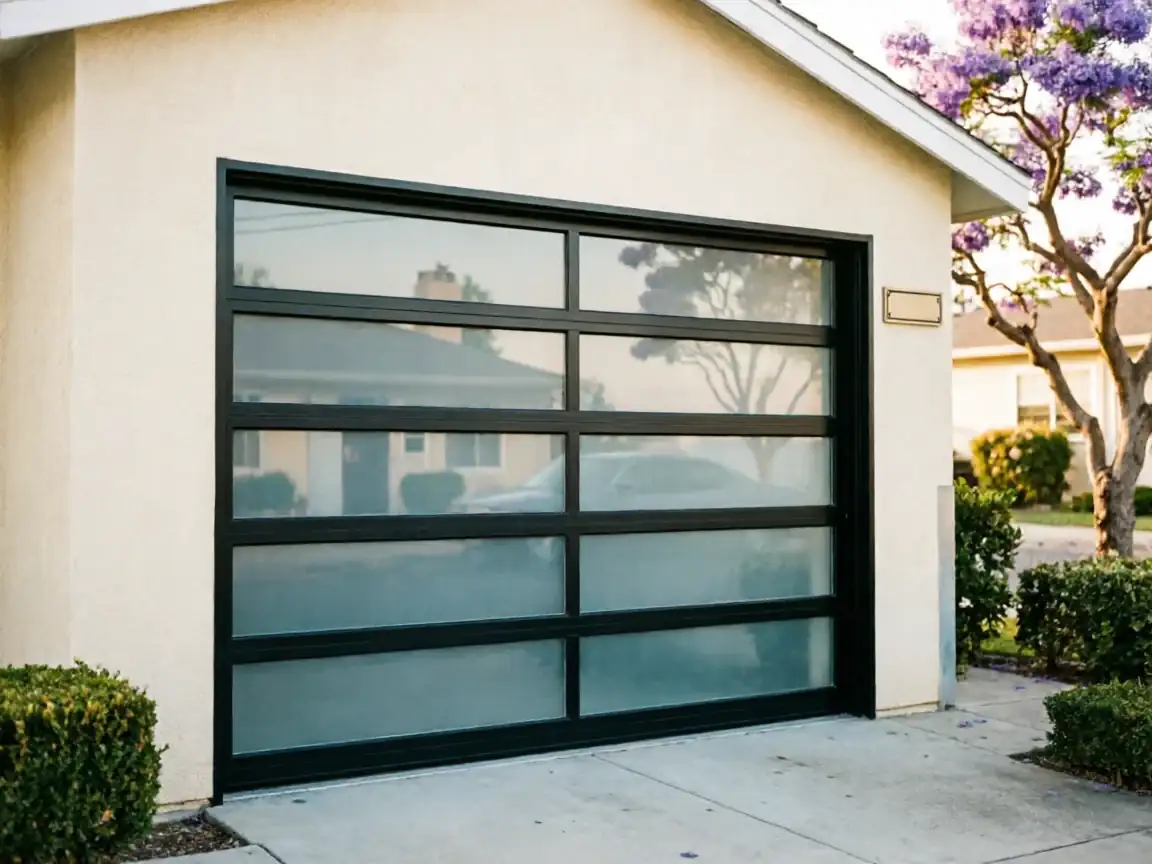
What We Do Not Do
We don't keep a crew stationed in Claremont. We run the 5 miles from our Pomona shop, which means we're not the guy who can be at your curb in ten minutes on a Tuesday afternoon walk-in. We also don't do custom architectural doors with specialty glazing or imported hardware - if you want a door that isn't in a standard product line, we'll tell you that up front instead of taking the job and guessing. And we don't replace a spring system when a cable has just jumped the drum; if the fix is a twenty-minute adjustment, that's what we'll quote, not a full teardown. Parts for some older opener models aren't something we keep on the truck every day, so a same-visit fix on a 1960s chain-drive unit sometimes means a return trip once the part's in hand. We'd rather say that now than string you along on-site.
How That Shows Up in the Door
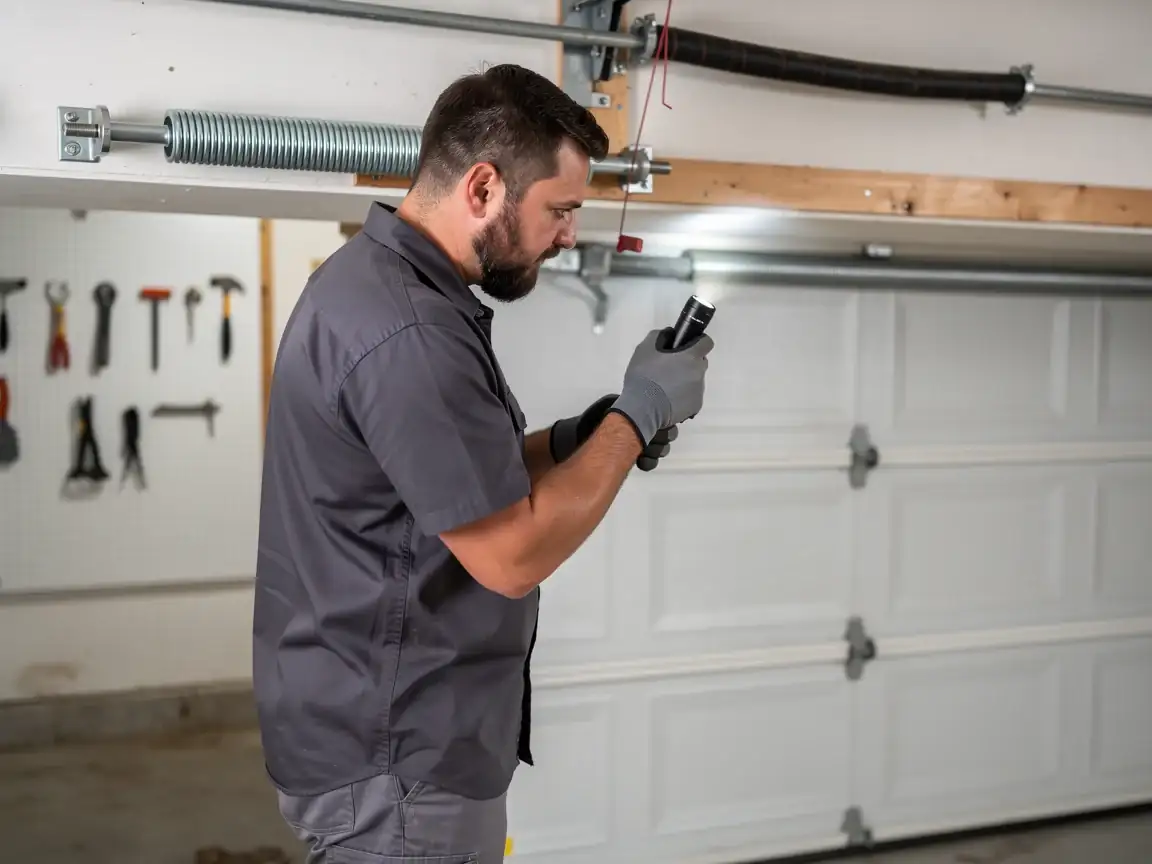
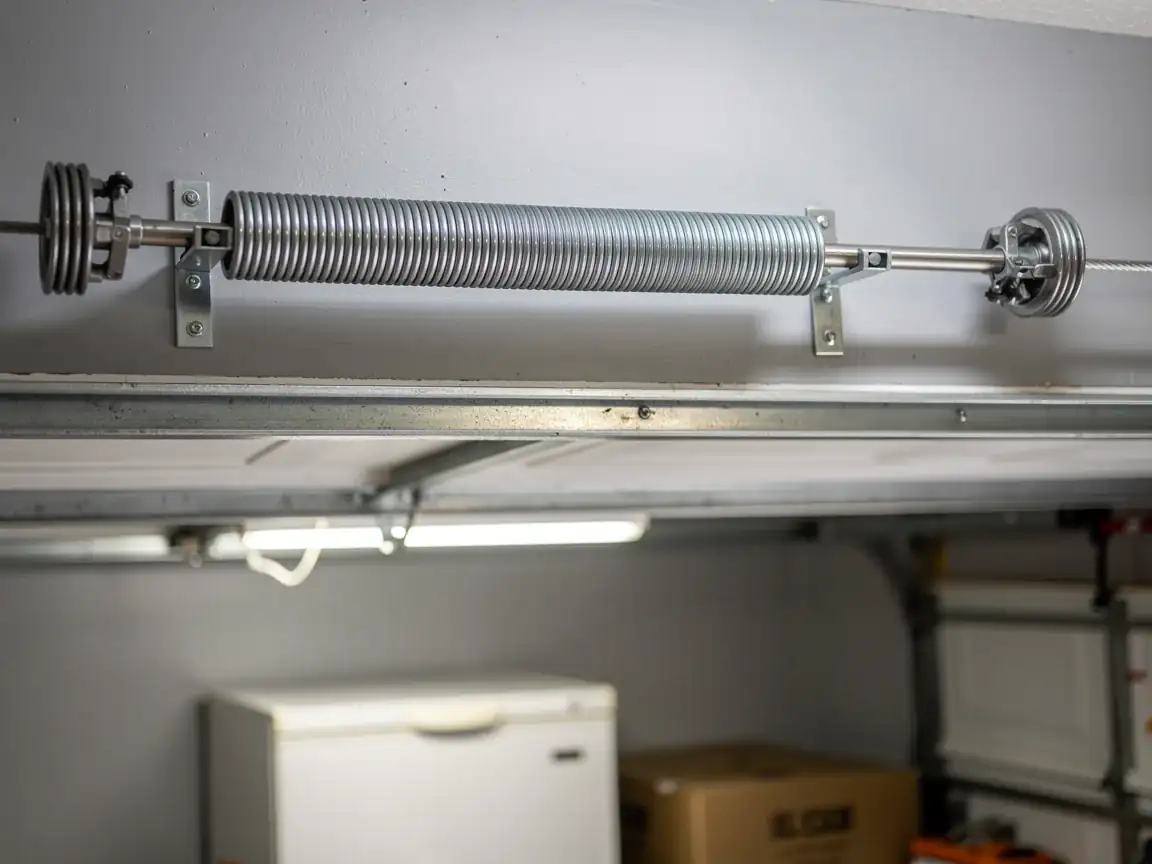
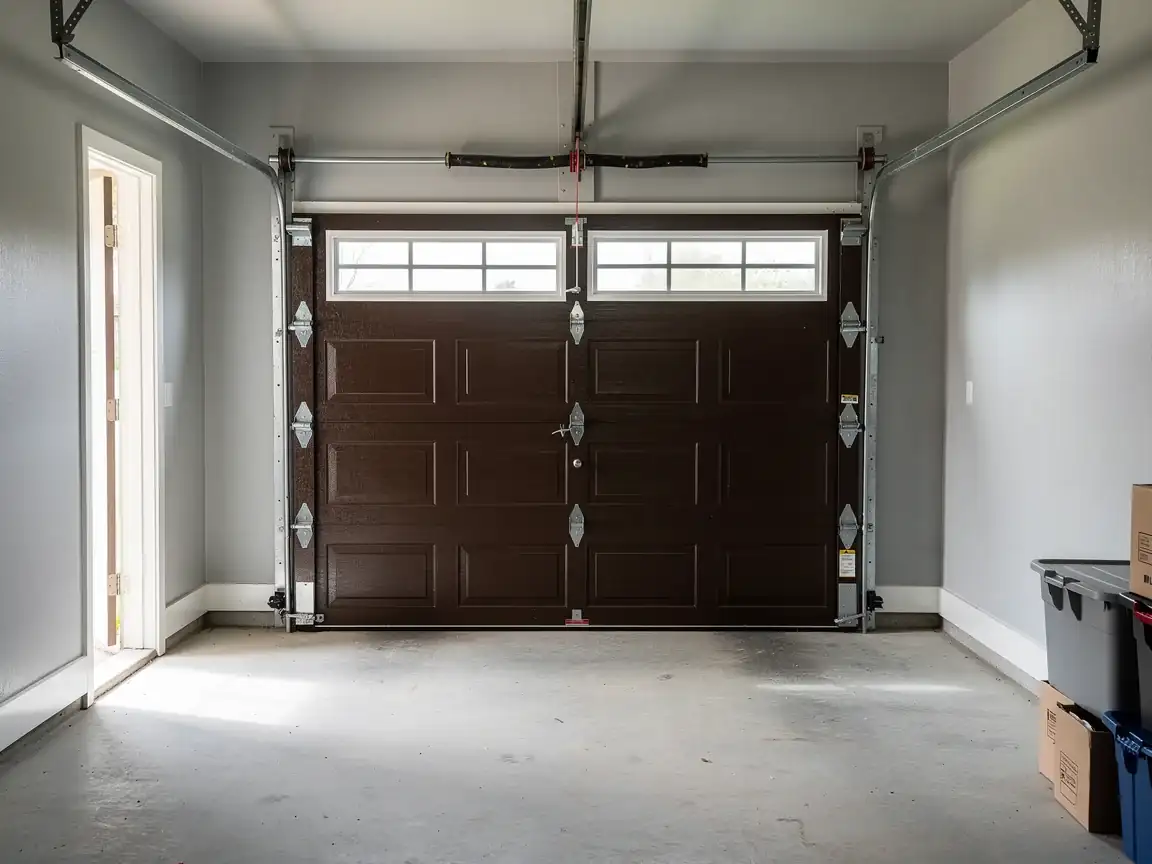
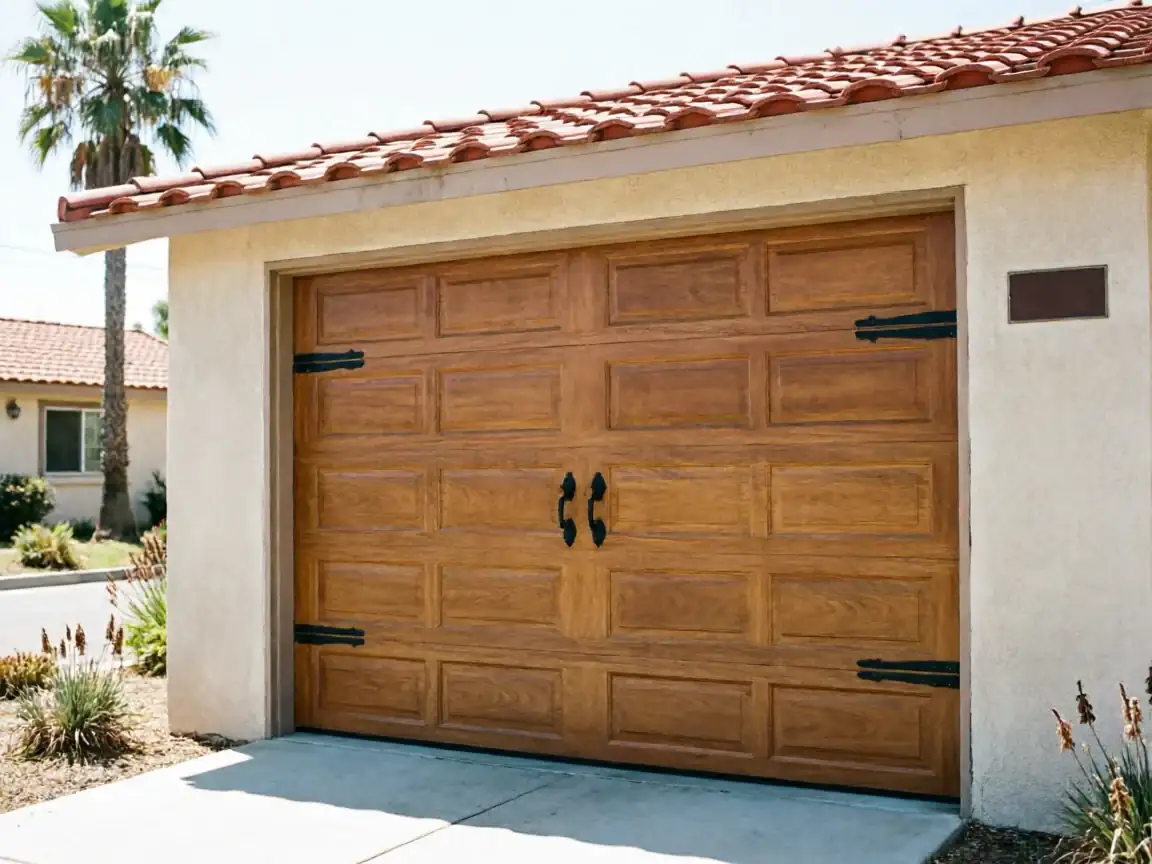
Claremont's housing has a median build year of 1966, which puts most garages here on original or near-original torsion hardware from a design era before today's safety cable standards and wider rollers. A door that old on a 7-foot opening usually runs a single torsion spring sized for a lighter panel than what's often been bolted on since - a heavier insulated replacement panel on old hardware is the single most common mismatch we find on these calls. The symptom is usually a door that's noticeably heavier to lift by hand than it should be, or an opener straining and reversing partway up. Track alignment also drifts more on houses this age because the framing has settled over six decades, so a track that was true in 1966 isn't necessarily true now.
What Was Built Here
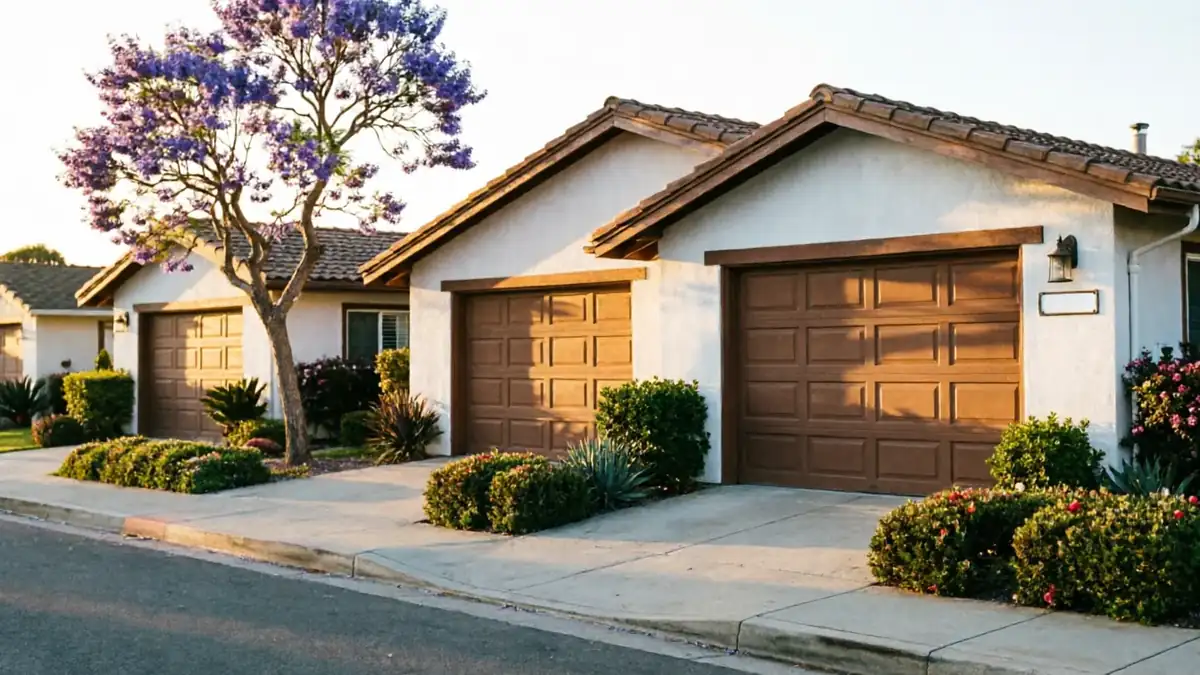
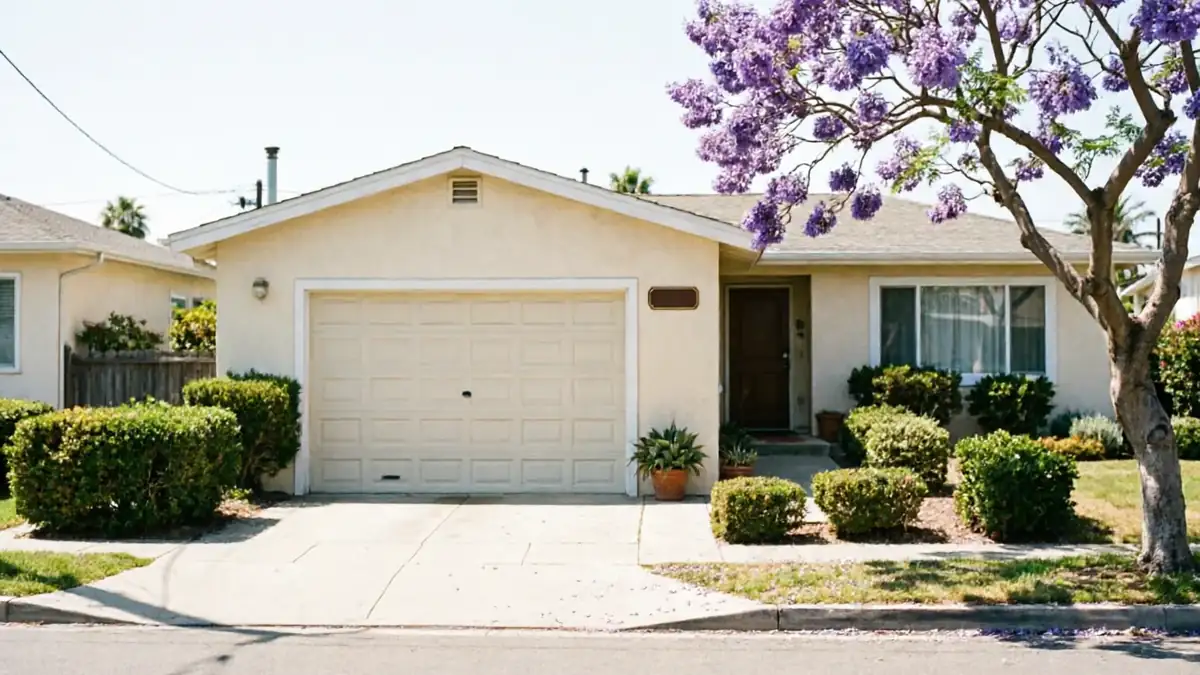
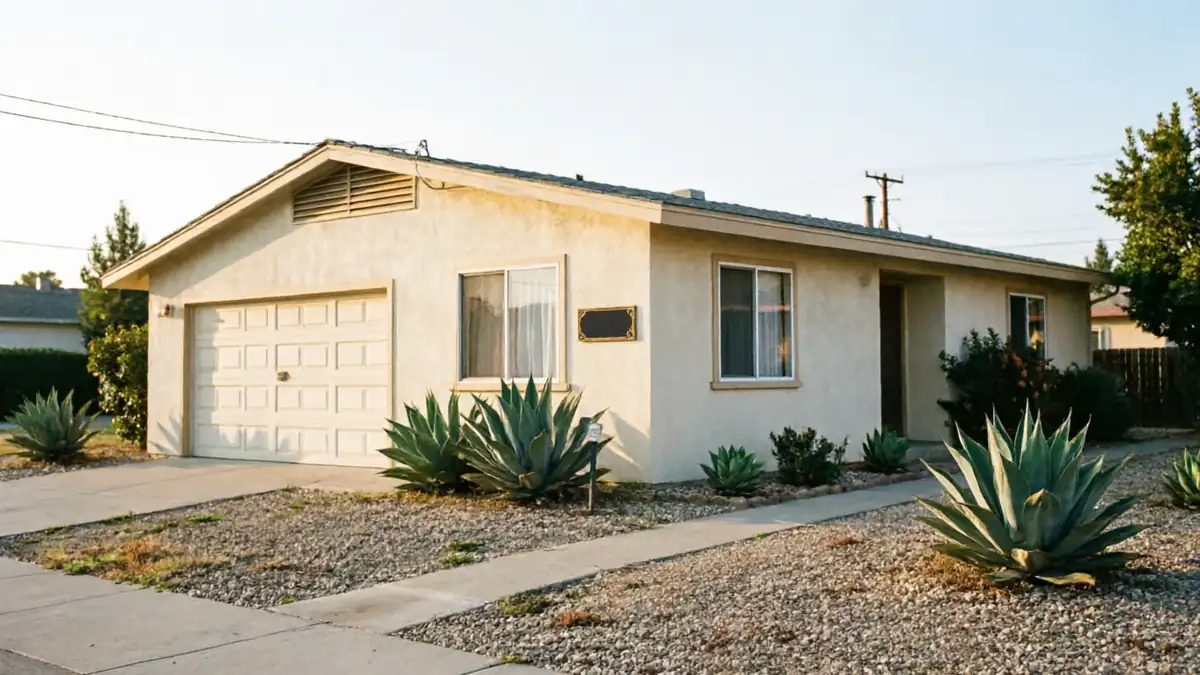
Claremont's housing stock centers on 1966, squarely inside the broader 1951-2007 build range for this part of the region but on the earlier end of it. That earlier date matters for garage doors specifically: a house from the mid-60s was built before steel sectional doors with factory insulation became the default, so a lot of what's on these garages now is a retrofit from some point after the original build, not what came with the house. With roughly 12,185 households in the area, that's a lot of garages built to one era's standard and often upgraded piecemeal since, which is why two houses on the same block can have completely different spring sizes, track widths, or opener generations even though the homes went up around the same year. The moderate heat band here doesn't put the same stress on doors that extreme desert heat does elsewhere, so most of what we see is age and wear rather than heat-warped panels.