Serving Pomona, CA & nearby
(909) 247-3740
Pomona, CA

What We Actually Check on a Pomona Service Call

What a Pomona garage door service call actually checks, from 1960s torsion hardware to heat-stressed openers, and what the common mistake costs homeowners here.

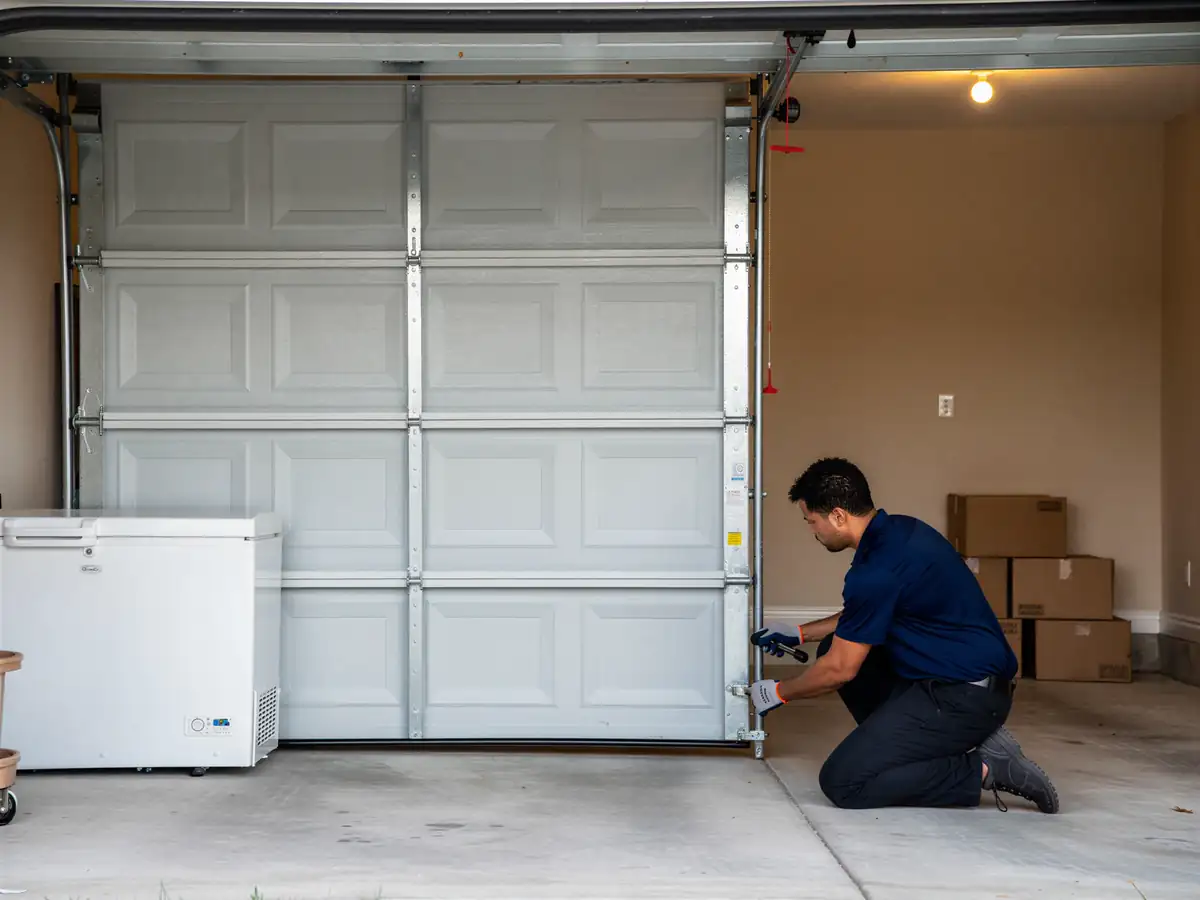
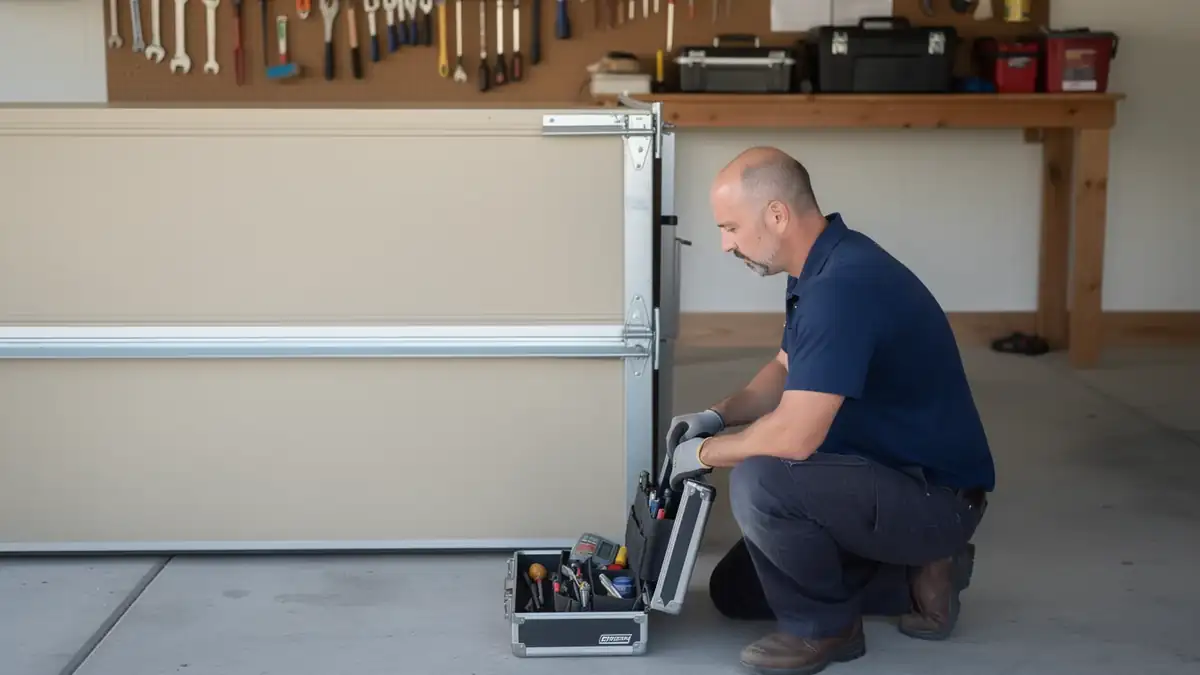
A technician kneels on a concrete floor next to a beige garage door and open toolbox.

What Local Conditions Do

Most of the housing stock in and around Pomona went up between 1951 and 2007, with the bulk of it dating to the 1960s and 70s. That matters on a service call because a door built on original 1960s track and hardware behaves nothing like a door installed in the last decade. On a call, we're looking at whether the hardware matches the house - a lot of Pomona garages still run the torsion springs and rollers that came with the build, just worn down by fifty-plus years of cycles. The climate here runs moderate on the heat band, which isn't the extreme desert heat some inland areas get, but it's still enough that steel expands and contracts season to season, and lubricant that was fine in spring gums up or dries out by late summer. A service call accounts for that: we check spring tension against the door's actual weight (which shifts as wood panels absorb moisture or steel panels sag), check whether the opener's force settings still match a decades-old door, and look at whether the track alignment has crept out of true from years of thermal movement. None of this is a guess - it's what happens to a 1960s-era door living through repeated Pomona summers, and it's the baseline for every call we run.

Checking It Yourself

Before you call anyone, there are a few things you can look at yourself, especially if your house falls in that common 1951-2007 build range. Pull the manual release and lift the door by hand - if it doesn't stay roughly where you leave it, the spring has lost tension and that's not a DIY fix. Look at the cables on either side of the door; on older torsion setups, fraying shows up first near the bottom bracket. Check the rollers - if they're the original steel rollers from a 60s or 70s install, they're due whether they look broken or not. Listen for grinding on the track, which usually means the track has shifted out of alignment, common once a house has settled for decades. What you can't check yourself is spring tension or opener force settings - both take leverage and tools you don't want to improvise with a door this old. If your opener is original to a 1960s or 70s build, don't try to adjust the force dial without knowing the travel limits; that's a pinch-point hazard, not a tinkering project.

The Situation

Pomona sits in a service area with roughly 538,102 households and about 249,850 owner-occupied houses, and median household income runs around $102,449. That income level means most owners here aren't choosing between a repair and a full replacement on cost alone - but the housing stock still drives the decision. A door and opener installed when the house was built in, say, 1965, has had close to sixty years of Pomona heat cycles on it. We also work near about 2 miles SSW, where some of the stock skews a bit newer, so the mix of hardware ages we see varies block to block, not just town to town. The common situation on a call: the spring is original or a prior mismatched replacement, the opener is a newer retrofit bolted onto old track, and nothing in the system was sized to work together. Sorting that out - what's original, what's been swapped, what's actually failing - is most of what a service call does before any repair gets quoted.

The Common Mistake

The mistake we see most in Pomona is replacing one part - usually the opener, since that's the part that makes noise when it's failing - while leaving a fifty-year-old spring or track underneath it. A new opener bolted to tired torsion hardware just makes the old hardware work harder, and it usually fails faster, not slower. Here's the honest limit: we don't recommend replacing an opener in isolation on a door this old without checking the spring and track first, even if that means telling a customer the call will take a little longer than they expected. We also won't tell you a repair is worth it when the door itself - panels, track, and drum - is far enough past its working life that a patch job is just deferring the same call six months out. On houses built in that 1951 to 2007 window, especially the 1960s-70s majority, that's a real call to make, not a sales pitch, and it's one we'd rather get right than fast.
How it works

From “it’s stuck” to “it’s fixed”

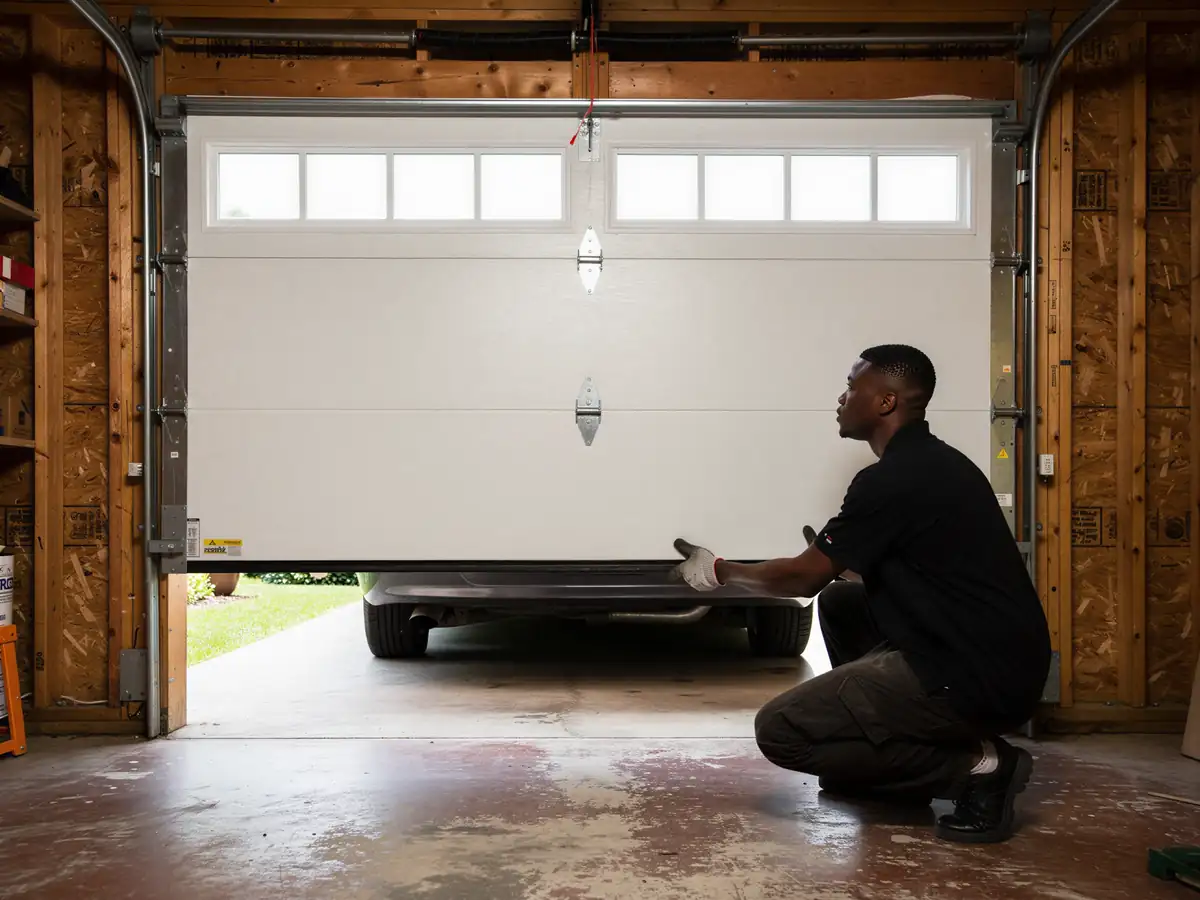
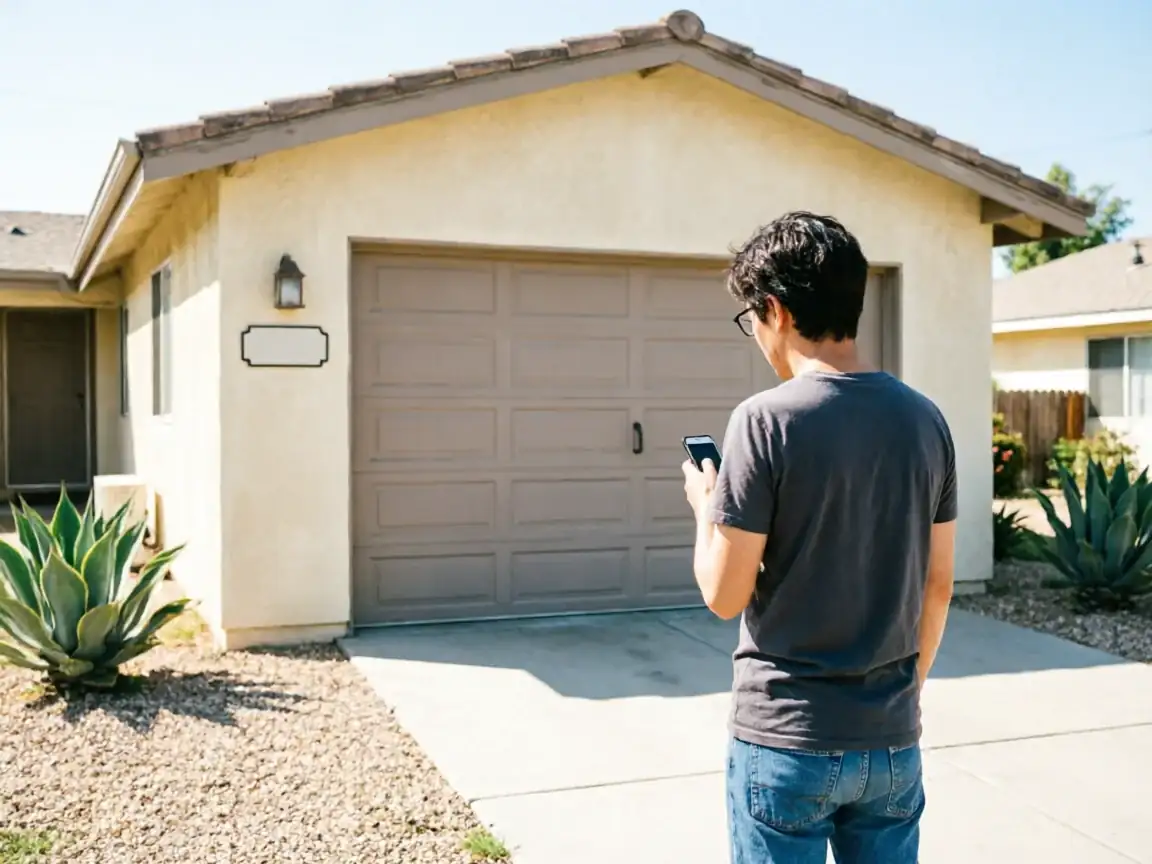
A person stands in front of a house with a closed brown garage door.

Tell us what’s wrong

Describe the symptom - won’t open, loud bang, opener runs but the door won’t move.

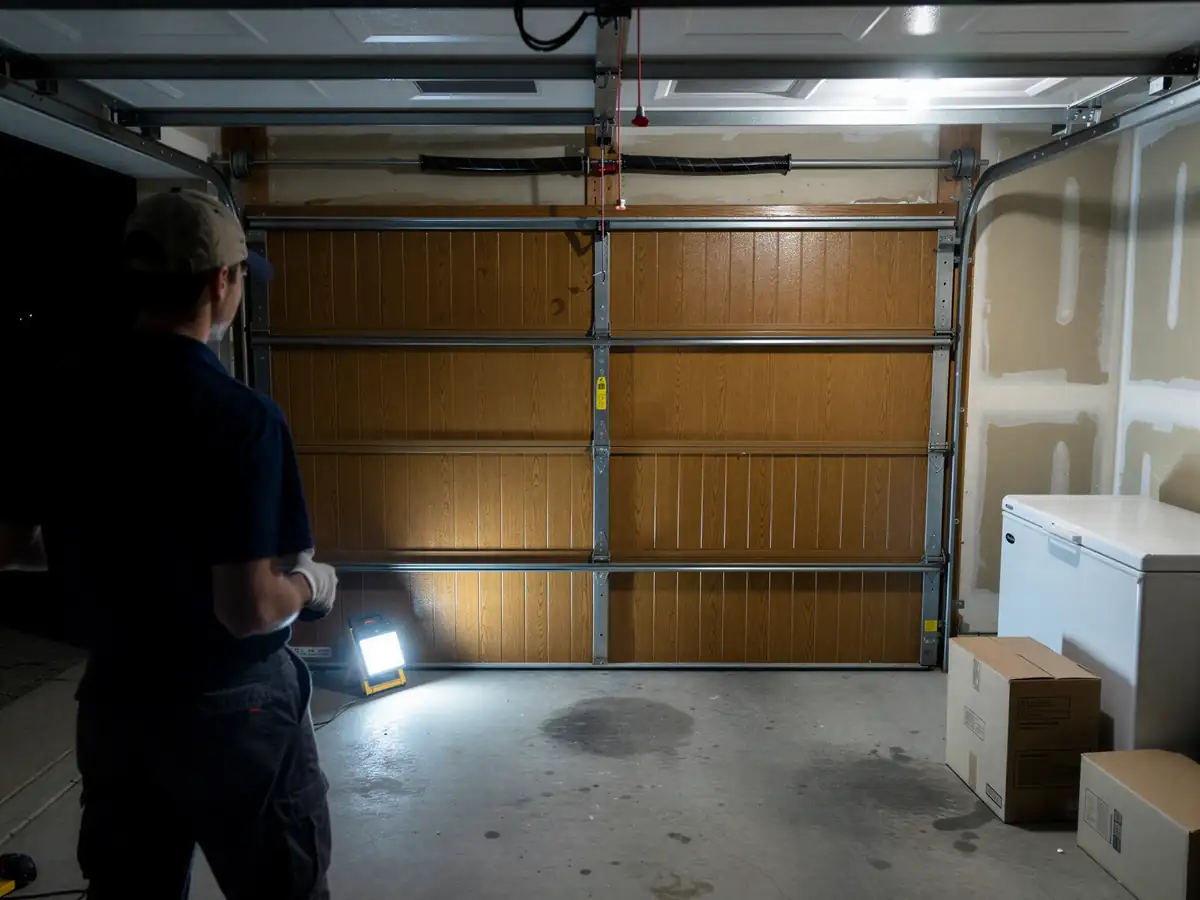
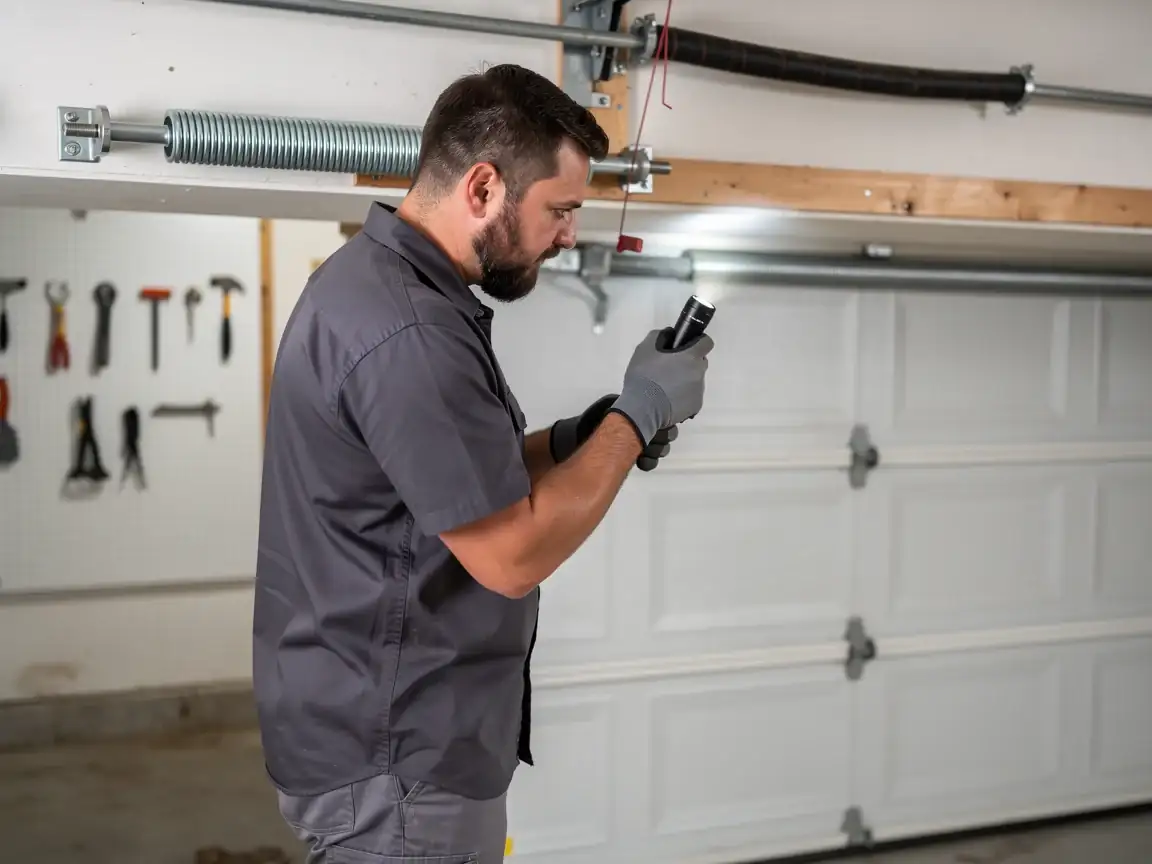
A technician shines a flashlight on a white garage door and springs.

On-site diagnosis

A technician tests the door under power and by hand and finds what actually failed.

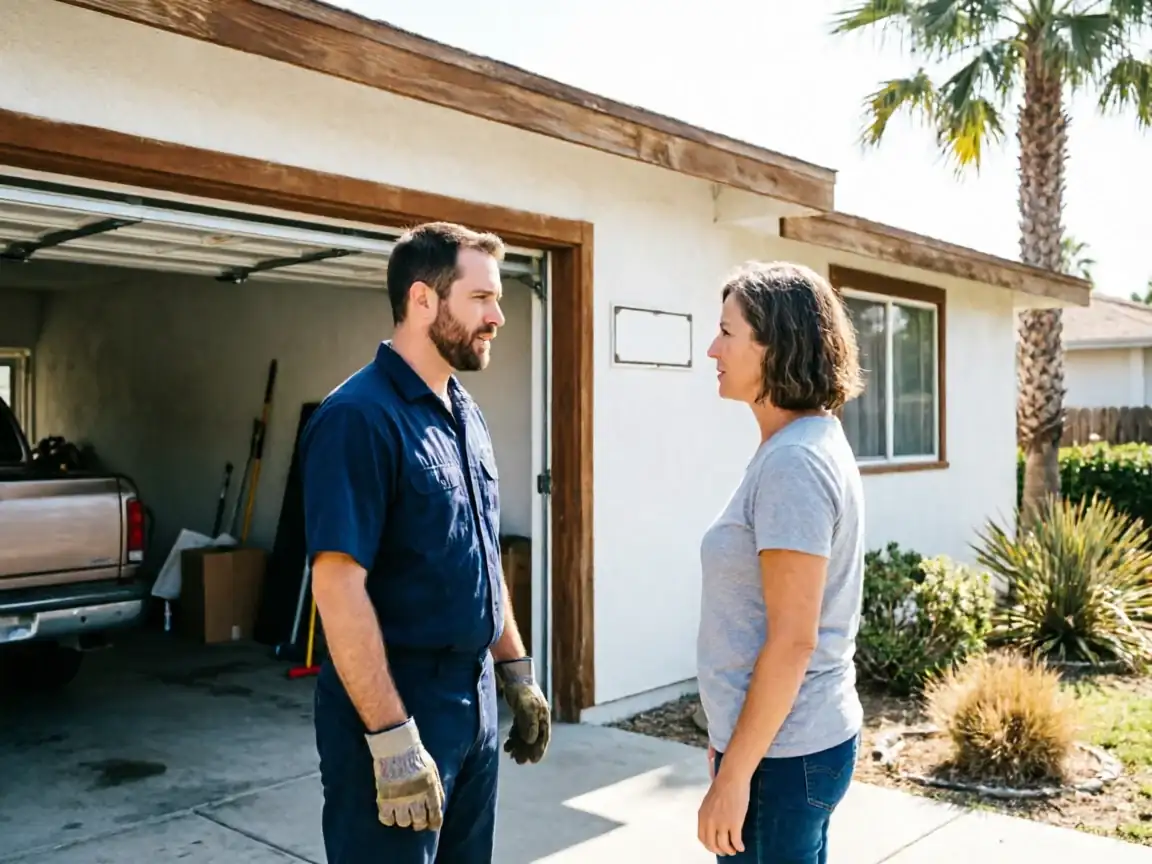
A technician in a blue uniform talks to a woman in front of a garage.

Clear, up-front plan

You get the fix that’s needed and what drives the cost - before any work starts.

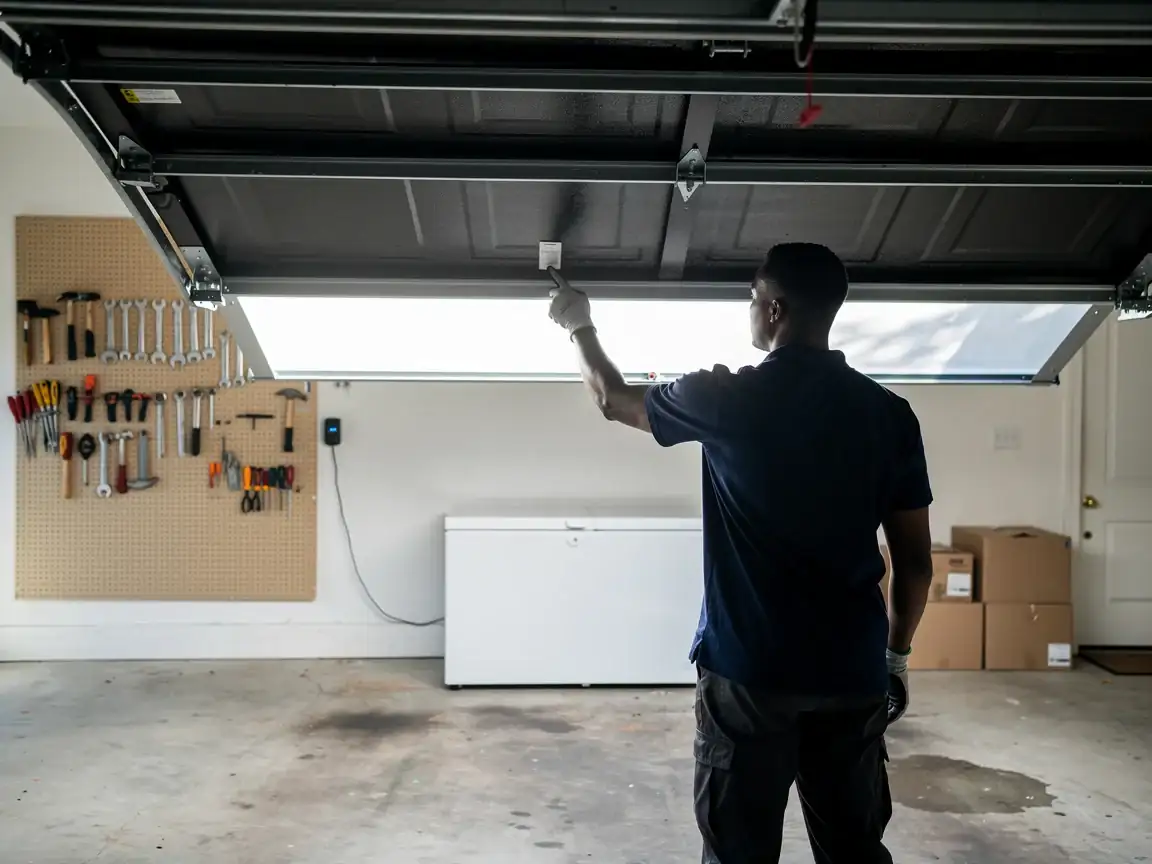
A technician in a blue shirt is inspecting the inside of an open garage door.

Repaired & tested

The repair is done, the door is set true and tested, and the work area left clean.

Not sure which repair your door needs in Pomona, CA? Describe what it’s doing - every job starts with a diagnosis.

How we work

What to expect

Diagnosis first

Every visit starts by finding what actually failed - not a pre-written parts list.

The right part for the door

Springs and openers matched to the door’s weight and age, so the fix holds up.

Straight answers

When a repair makes more sense than a replacement - or the reverse - you hear it plainly.

Clean, careful work

Tension released safely, hardware set true, the door tested under power before we leave.

What we do

Garage Door Services

Repair and installation work for Pomona homes and businesses.

Questions

Frequently asked

Straight answers about garage door repair in Pomona. Still unsure? Ask us directly.

01Why does my opener keep failing even after I replaced it?

If the opener is new but bolted to original torsion spring and track from a 1960s or 70s build, the old hardware is still carrying the real load. The opener just moves the door - it doesn't fix worn springs, bent track, or rollers that are decades old. Replacing the opener alone on an older Pomona house often just shortens the new opener's life.

02Does Pomona's climate affect garage door maintenance?

Pomona falls in a moderate heat band, not an extreme one, but seasonal heat still expands steel hardware and dries out lubricant faster than in milder climates. On a house with original hardware, that cycle adds up over decades. We check spring tension and track alignment with that seasonal shift in mind.

03How do I know if my garage door hardware is original to the house?

If your house was built between 1951 and 2007, which covers most of the area, and you haven't had the spring or track replaced, there's a good chance what's in the garage is original or close to it. A service call checks the hardware against typical build-year specs to tell you which parts are original and which have been swapped.

Ready to get your garage door sorted?

Tell us what it’s doing and where you are in Pomona - we’ll take it from there.

Request a QuoteCall