What We Do Not Do
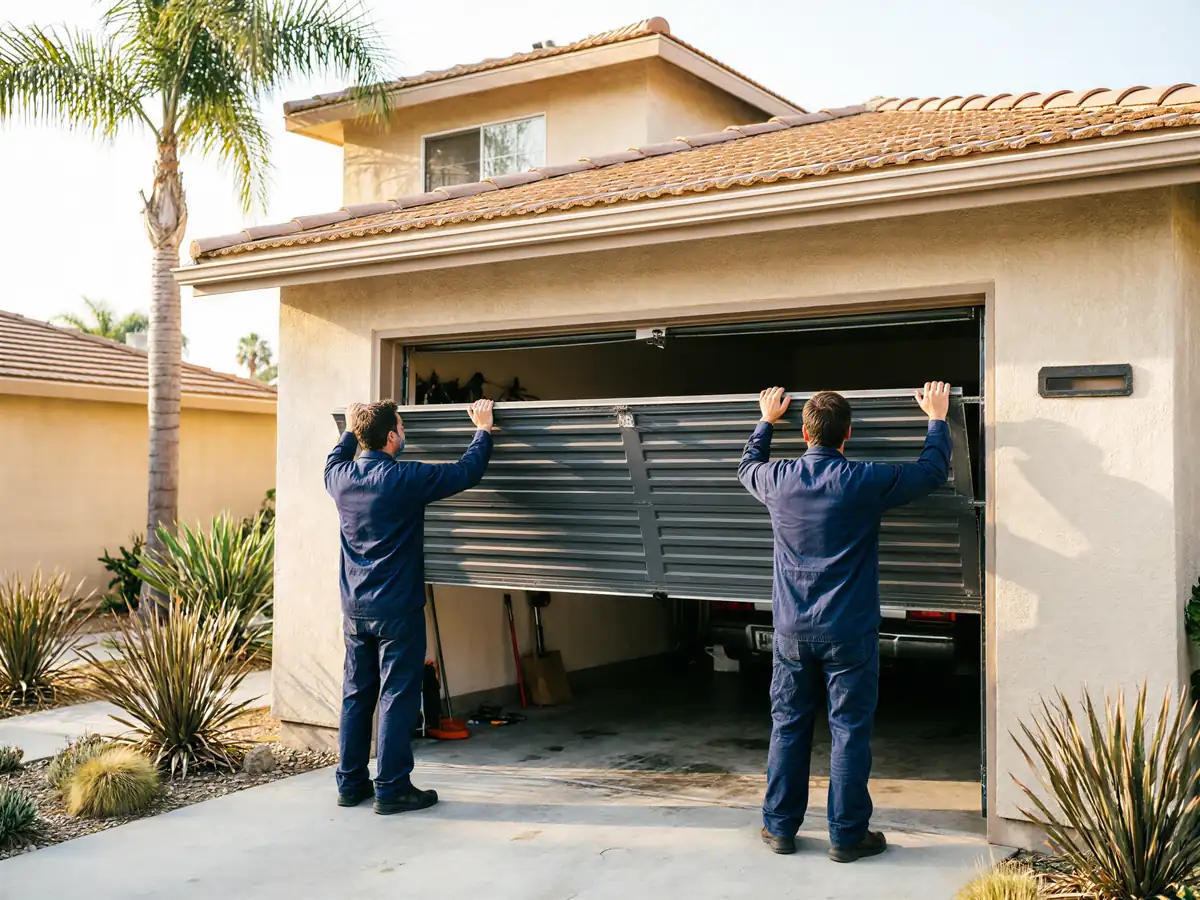
We don't keep a crew stationed in Diamond Bar. We run out of Pomona, about 5 miles away, and that's the honest version of how this works - a truck comes to you, there's no storefront here to walk into. We also don't try to force a repair on hardware that's past saving. If a torsion spring has taken the drum and track with it, or an opener is original to a 1979 build and the gears are stripped past the point of sourcing parts, we'll tell you replacement costs less in the long run than three visits chasing the same failure. We don't do multi-day callbacks either - if a job needs a part we don't carry on the truck, we say so up front instead of guessing and leaving you with a door that's still broken a week later. That's a real limitation, not a sales pitch, and it matters more here than it might in an older neighborhood, because parts for mid-1960s hardware and parts for late-1970s hardware aren't the same shelf.
How That Shows Up in the Door
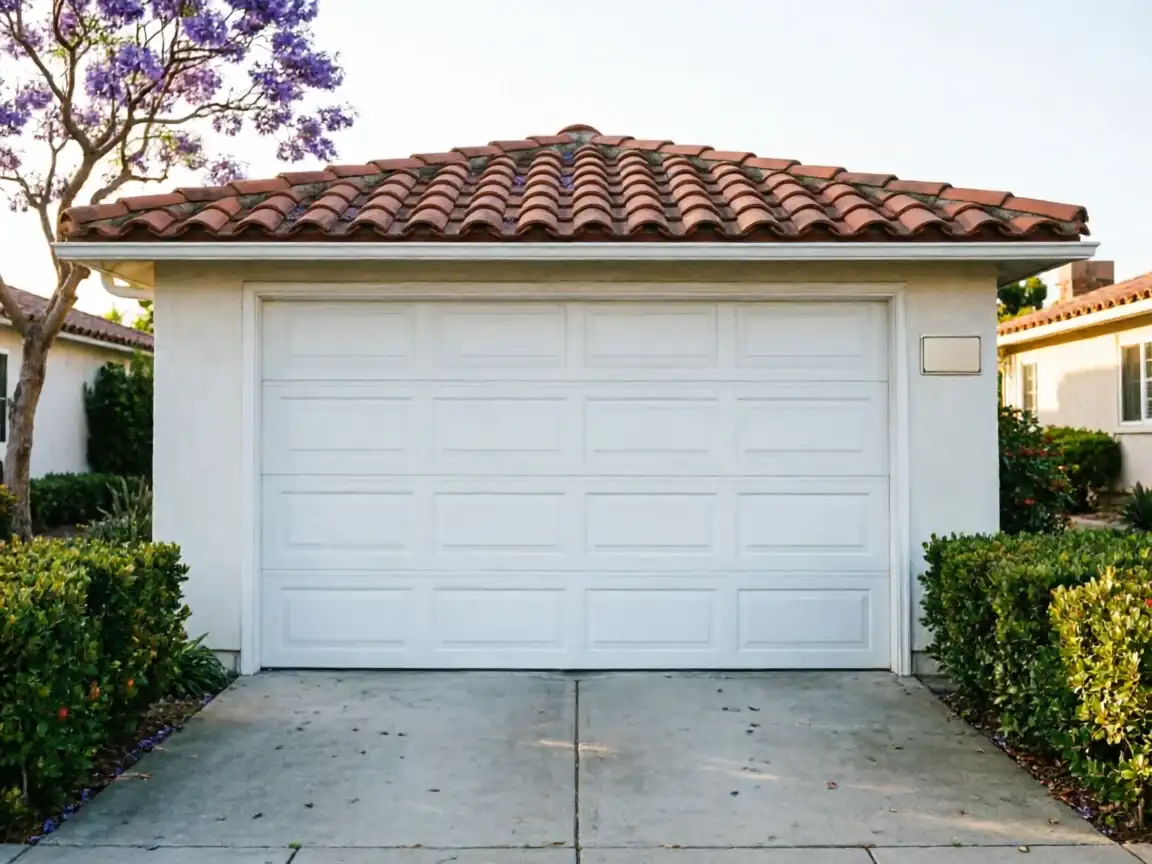
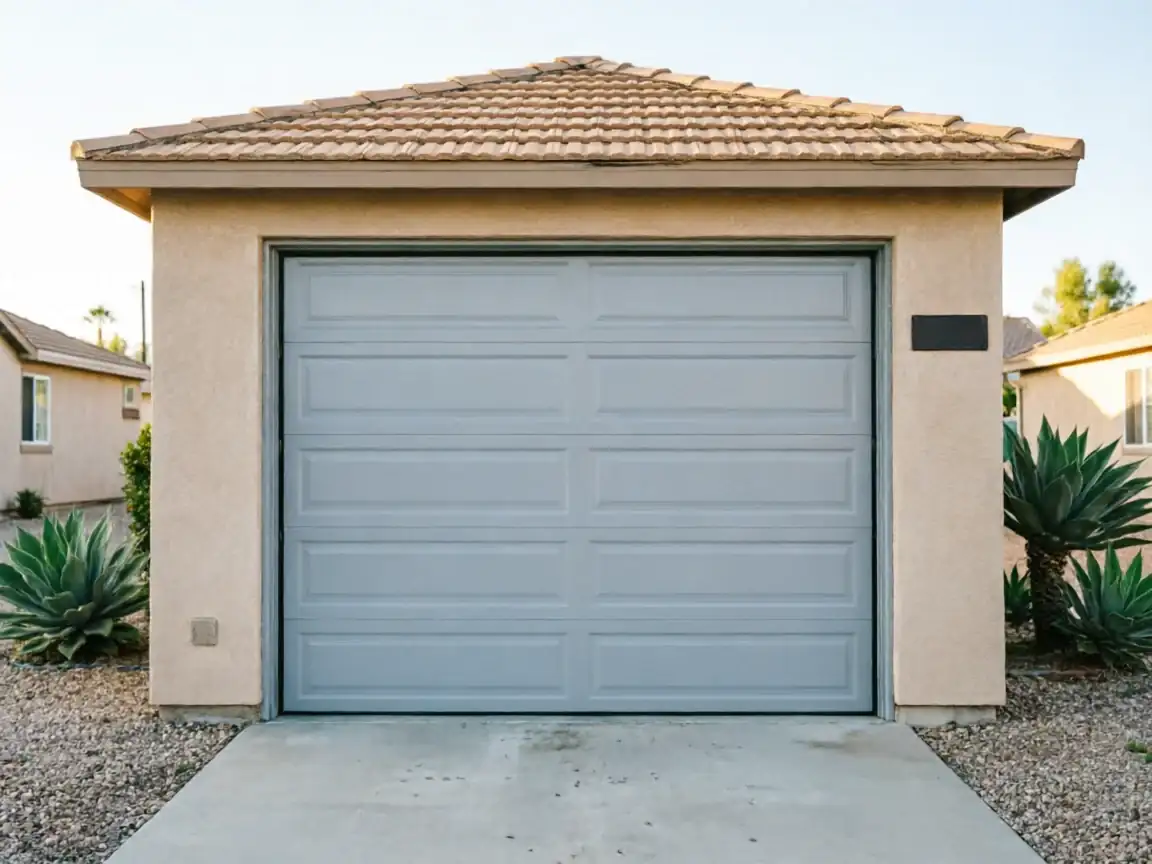
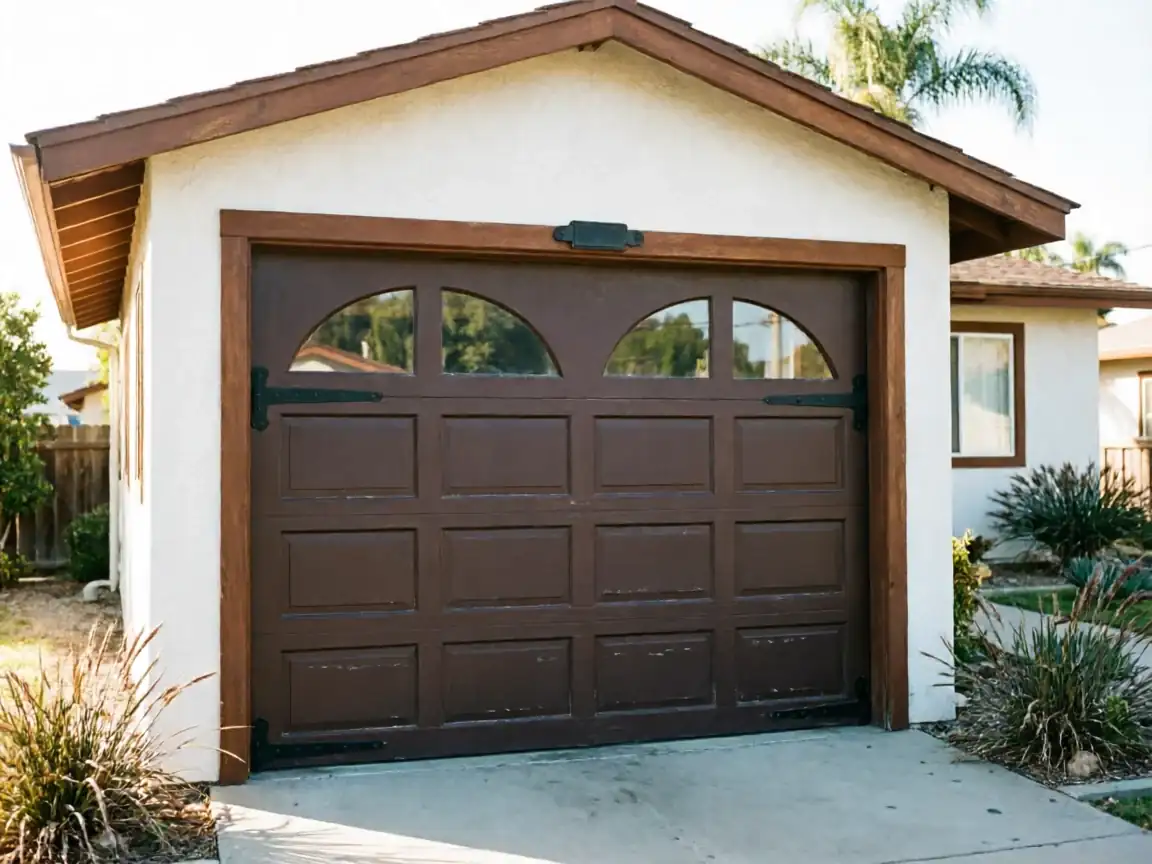
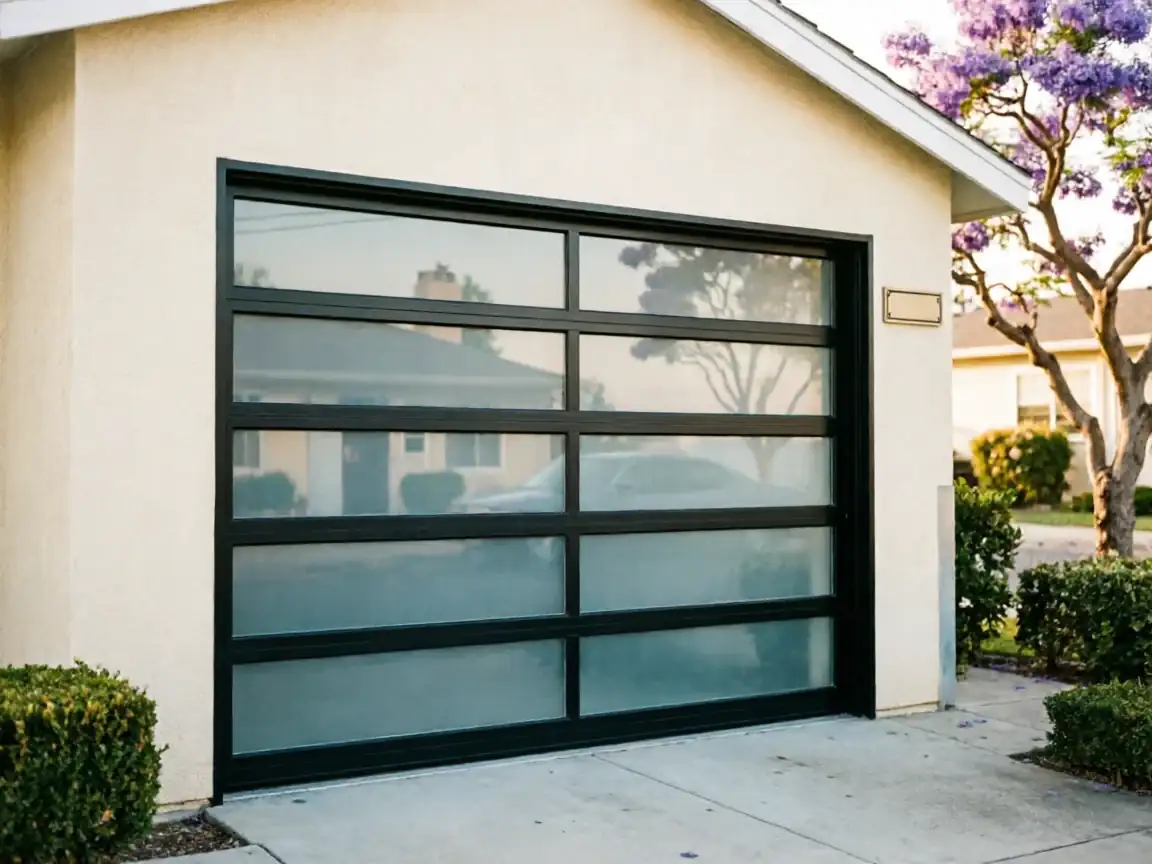
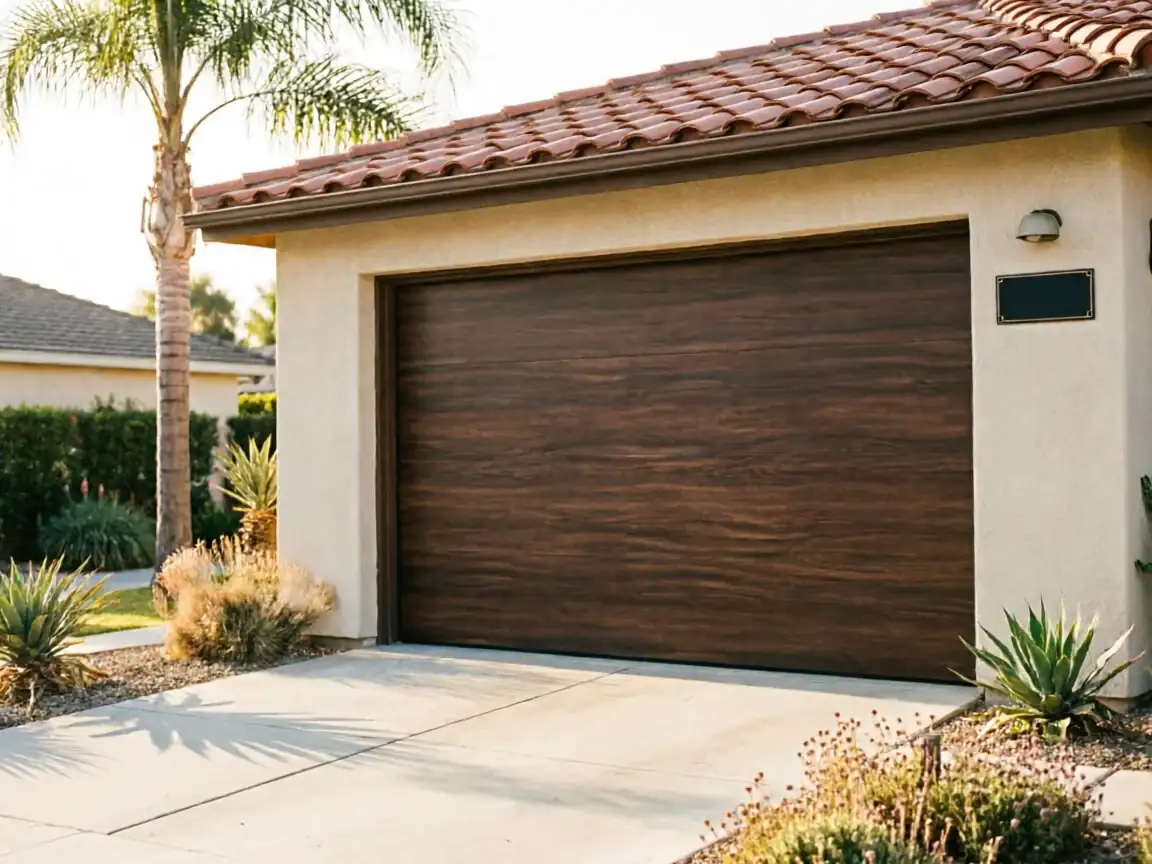
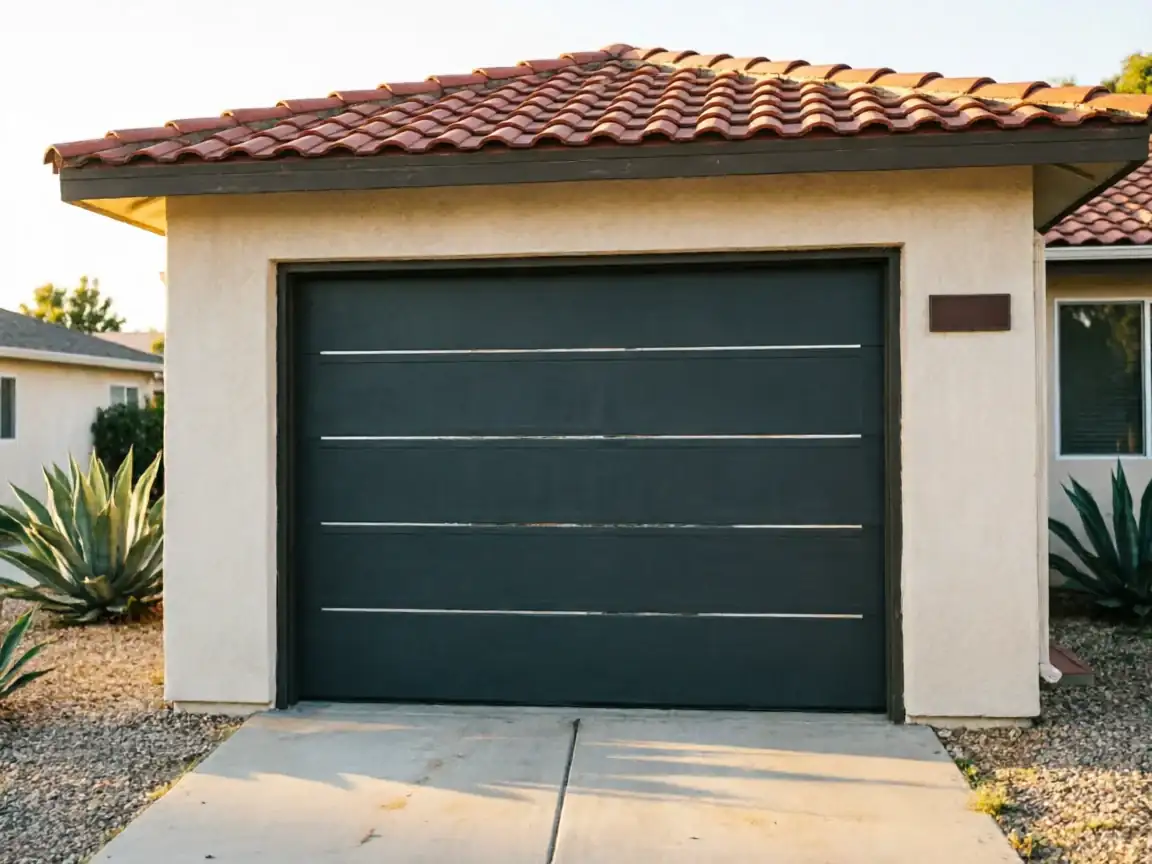
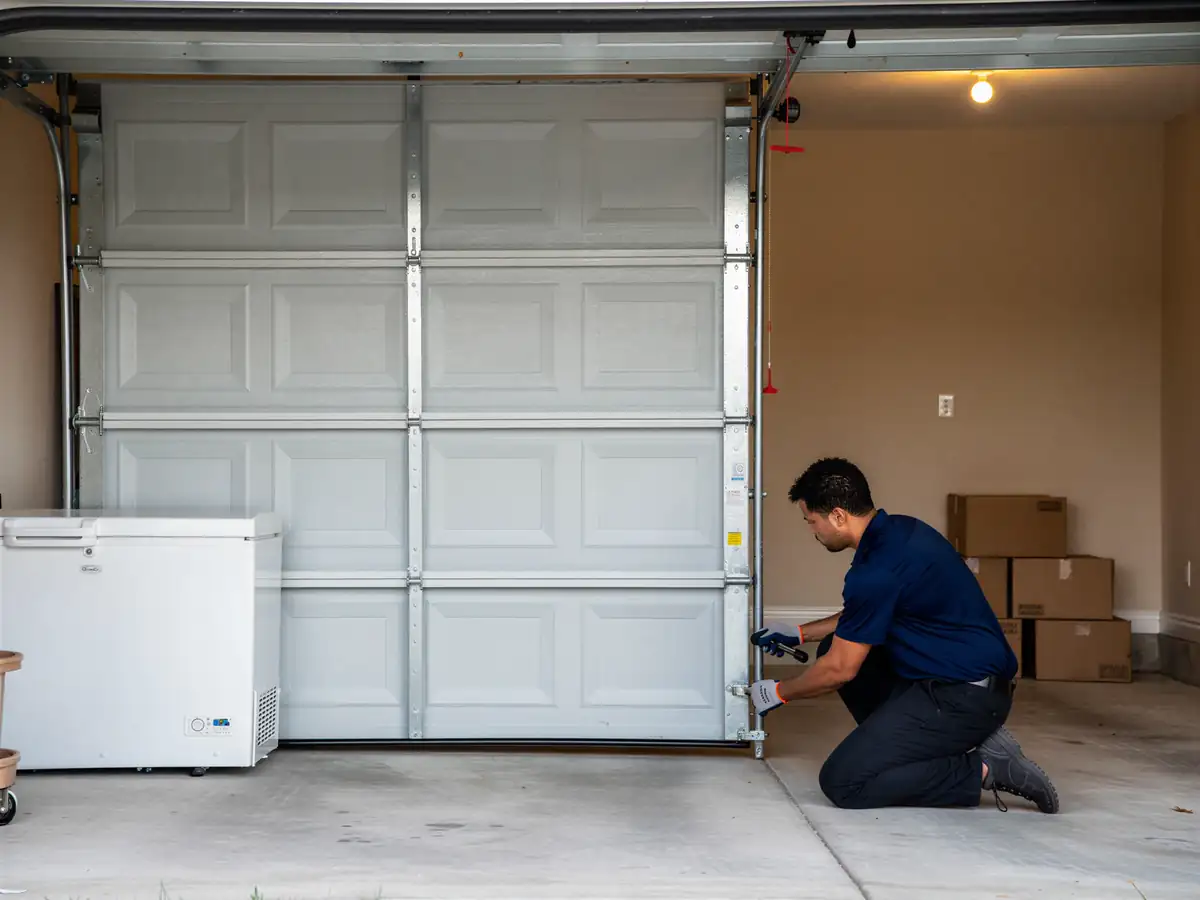
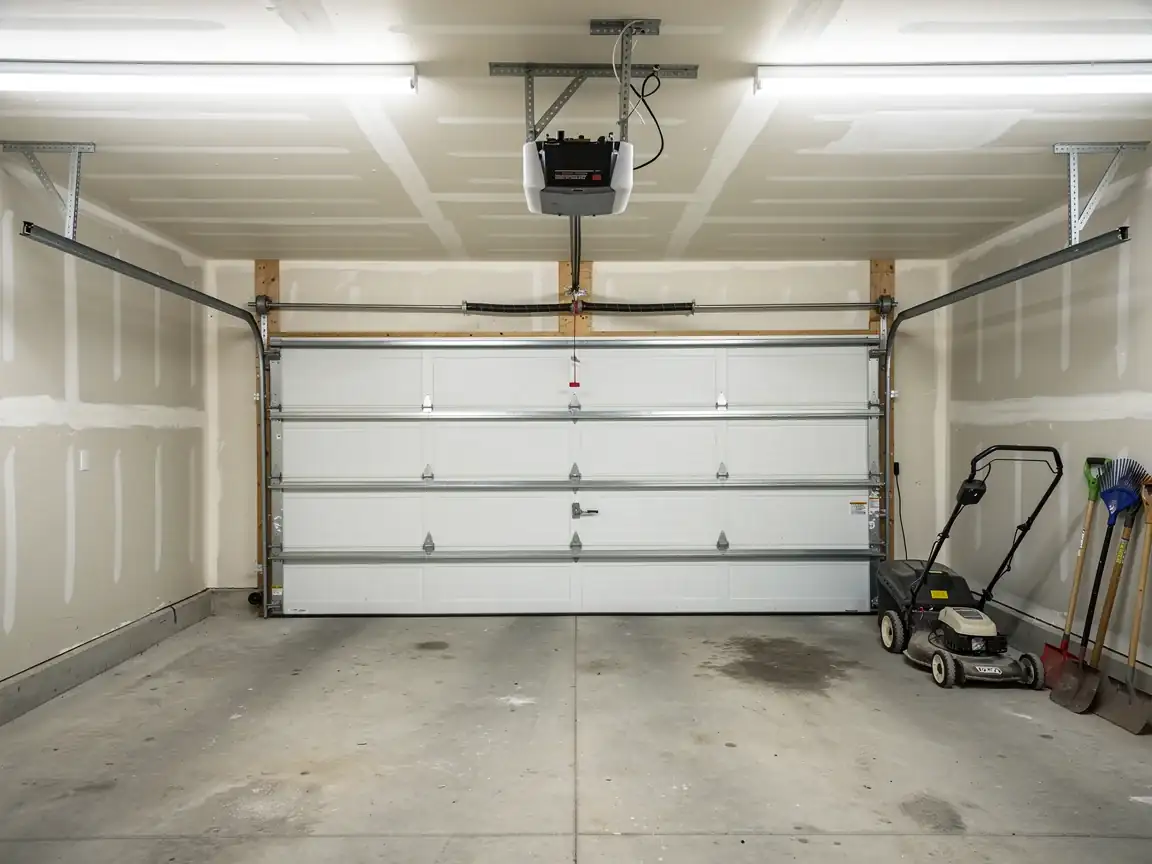
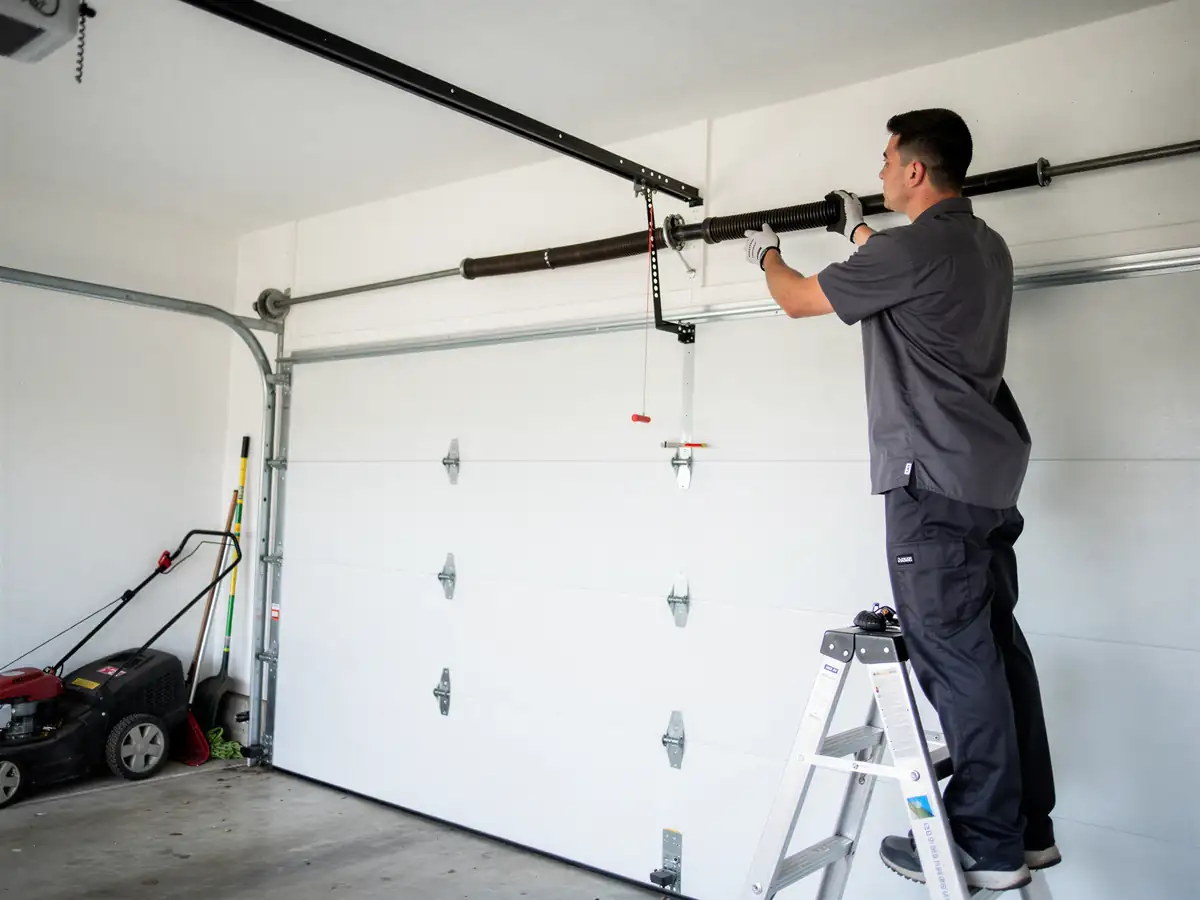
The broader service area the company covers runs from houses built as early as 1951 up through 2007, with a lot of that stock clustered in the 1960s and 70s. Diamond Bar sits later than that median - its housing centers on 1979 - and the gap matters. A 1979 build is more likely to have come with an extension-spring setup retrofitted at some point to torsion, or an early torsion system with a single spring sized light for a door that's since been swapped heavier. We also see steel sectional doors from that era with rollers worn oval rather than round, which throws vibration into the track long before the spring itself fails. None of this is the single-panel, hand-cranked gear you find in a neighborhood built in the 1950s. It's a different decade of hardware with its own wear pattern, and diagnosing it starts with knowing which decade you're standing in front of.
What Was Built Here
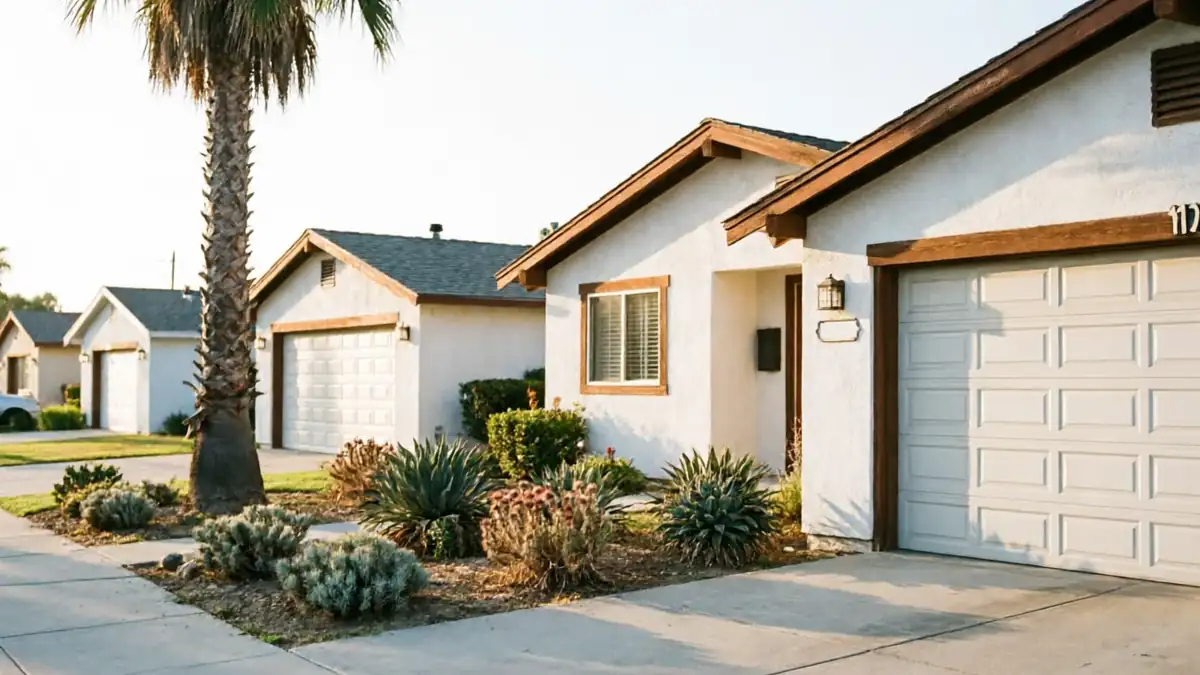
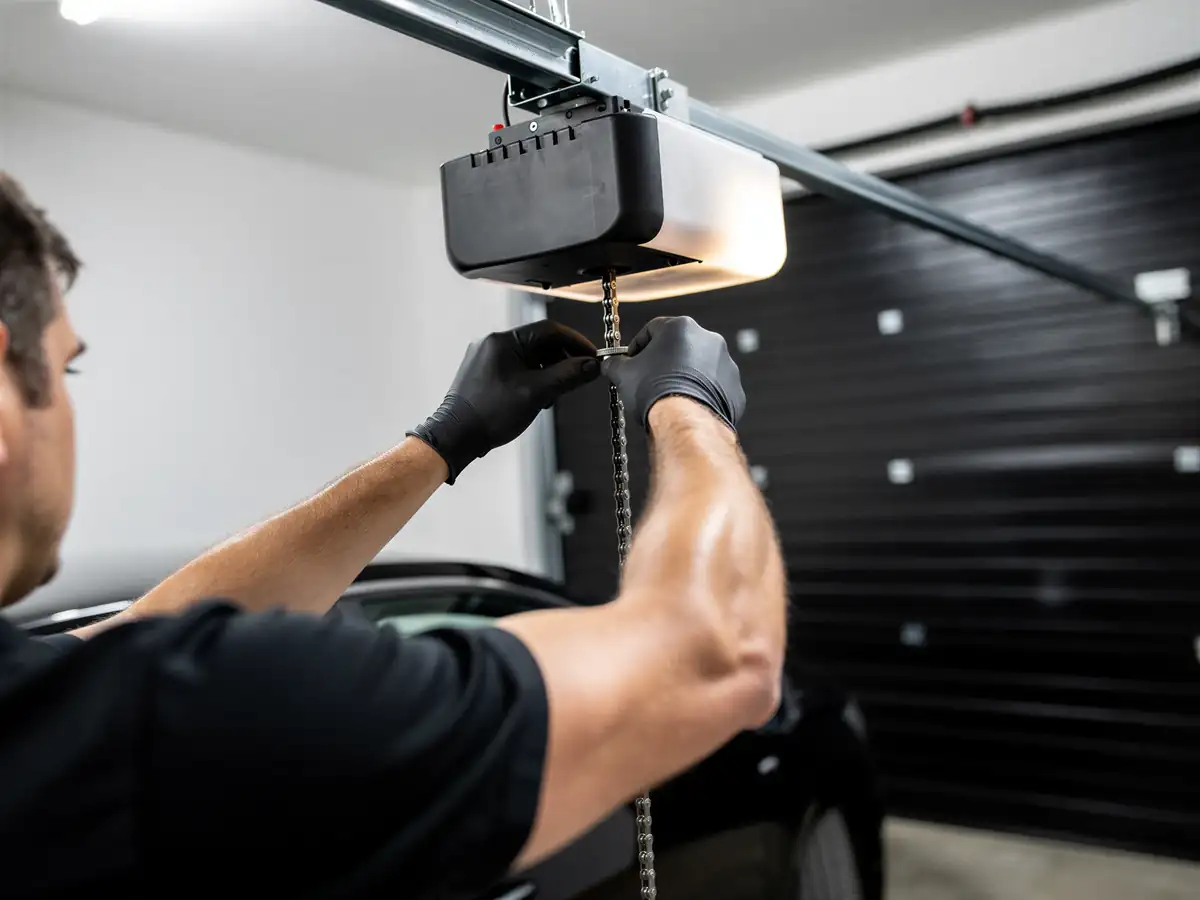
Diamond Bar's housing centers on 1979, noticeably later than the 1951-2007 range and 1965 median that describes the wider Pomona service area as a whole. That later build date generally means garage doors here are more likely to be steel sectional with torsion springs from the factory, rather than the older side-mounted or extension-spring setups found in 1950s and early-60s construction closer to Pomona. It also means the openers are more likely to be chain-drive units from the 1980s or 90s upgrade cycle - serviceable, but at an age where capacitors and circuit boards fail before the mechanics do. At 5 miles from Pomona, Diamond Bar is one of the closer stops on the list the company covers, which keeps the drive time short even though there's no local depot.