What You Are Seeing
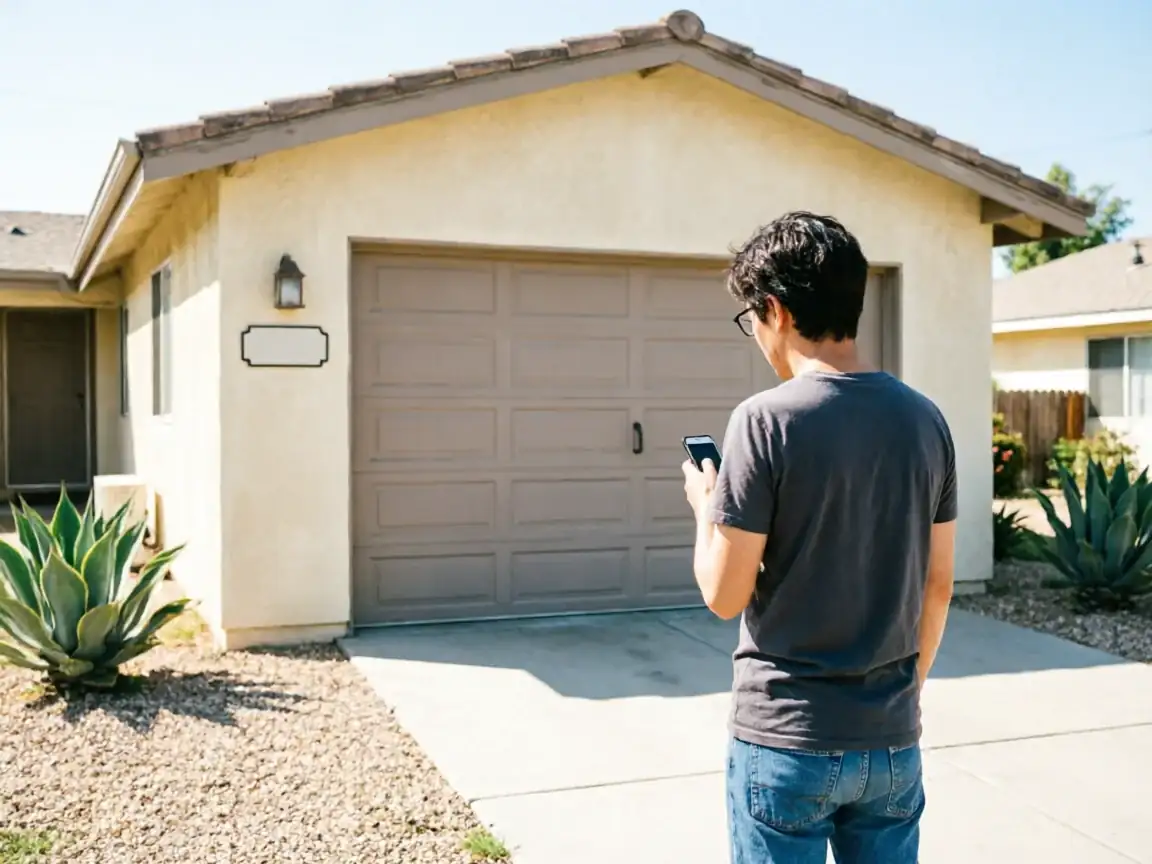
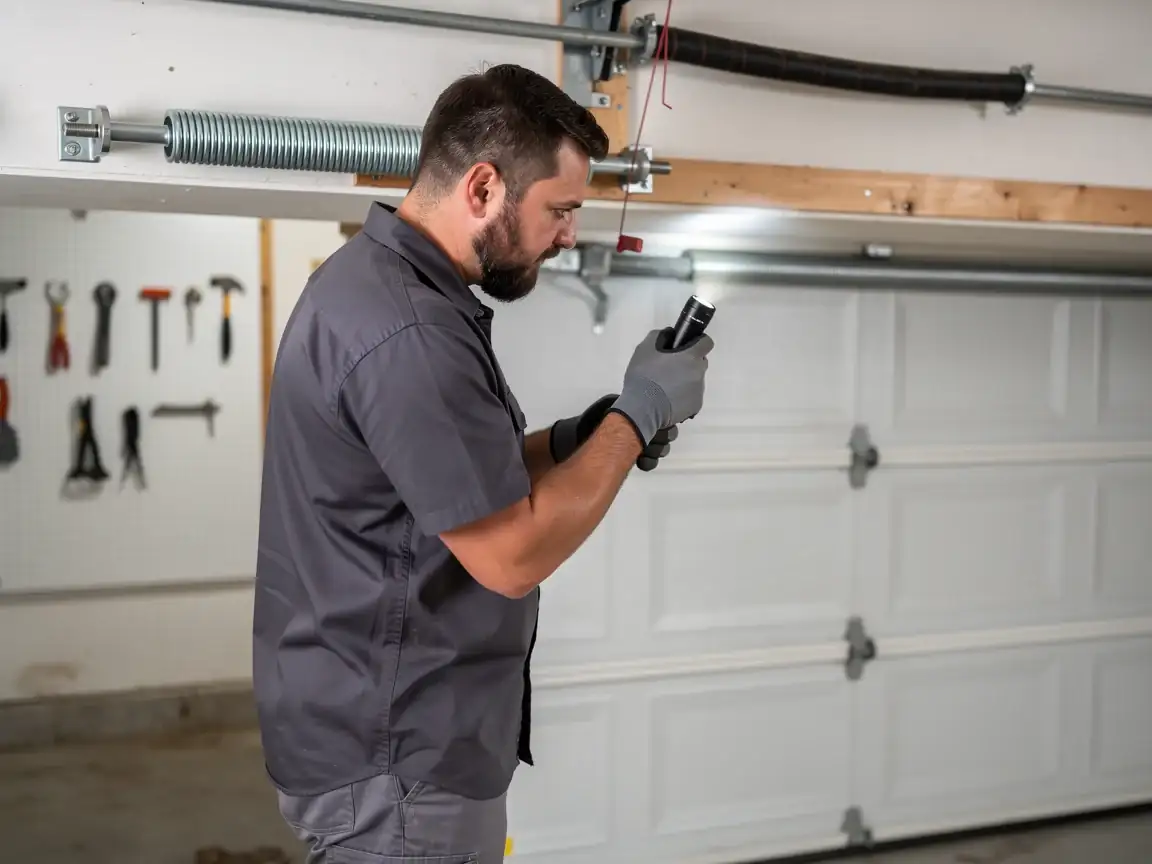
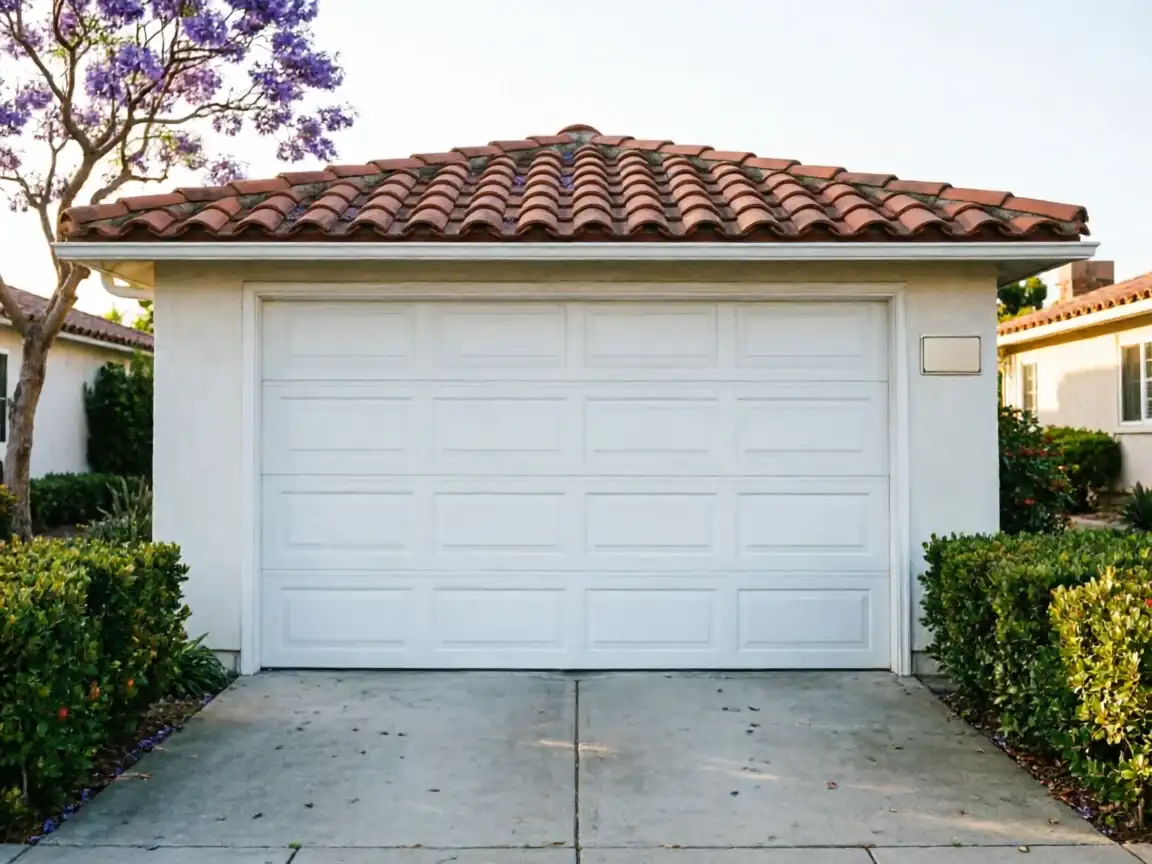
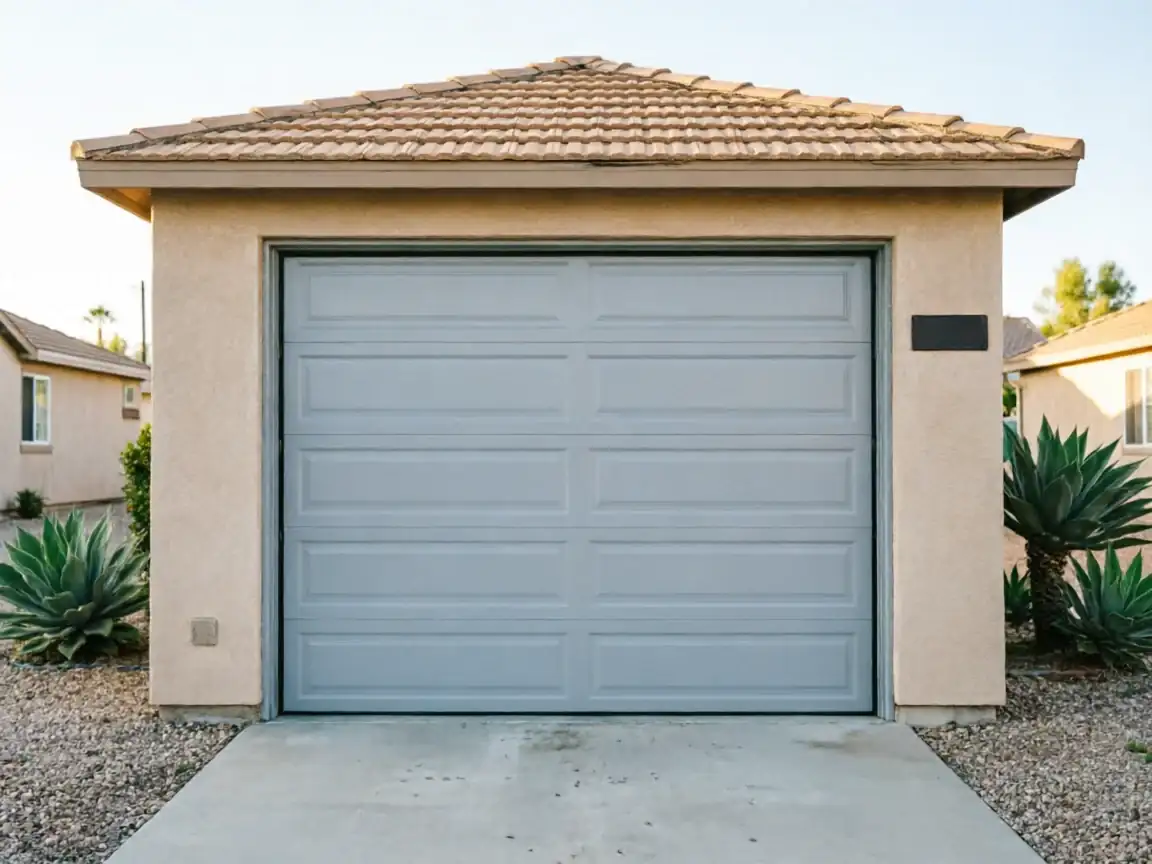
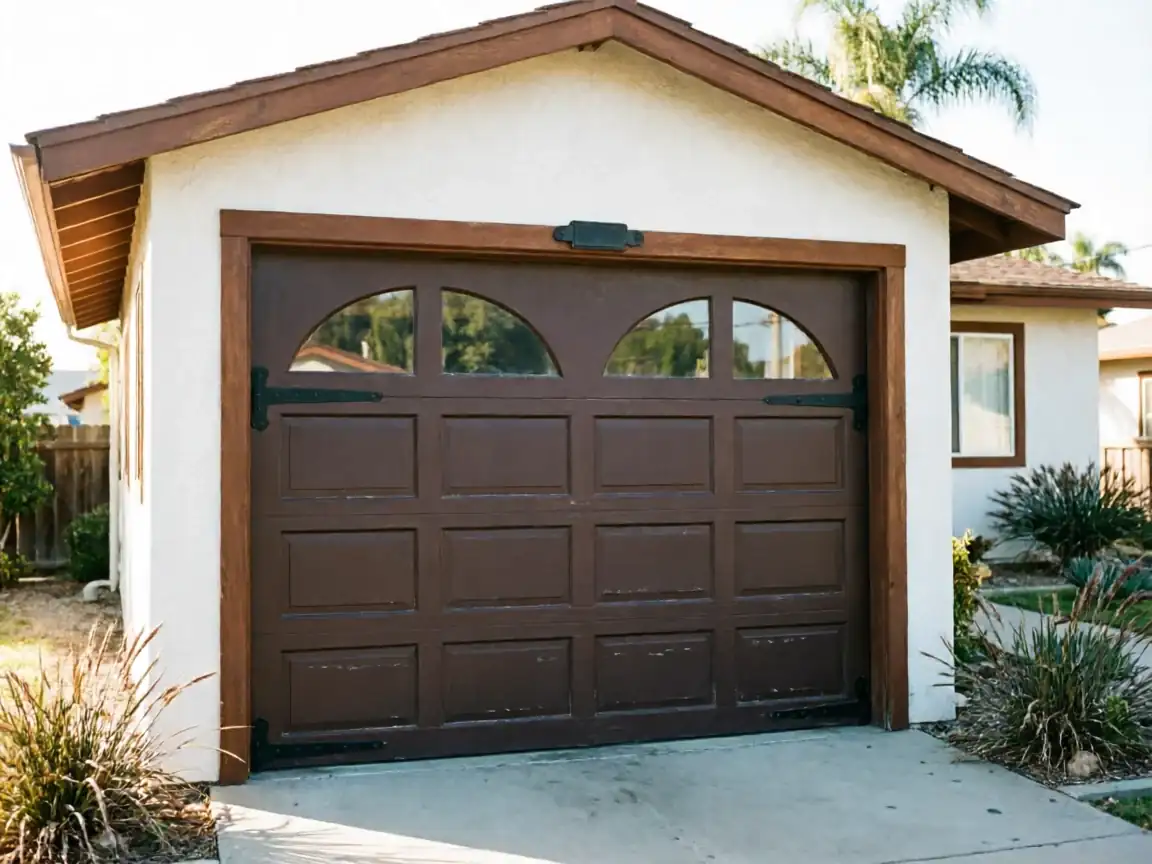
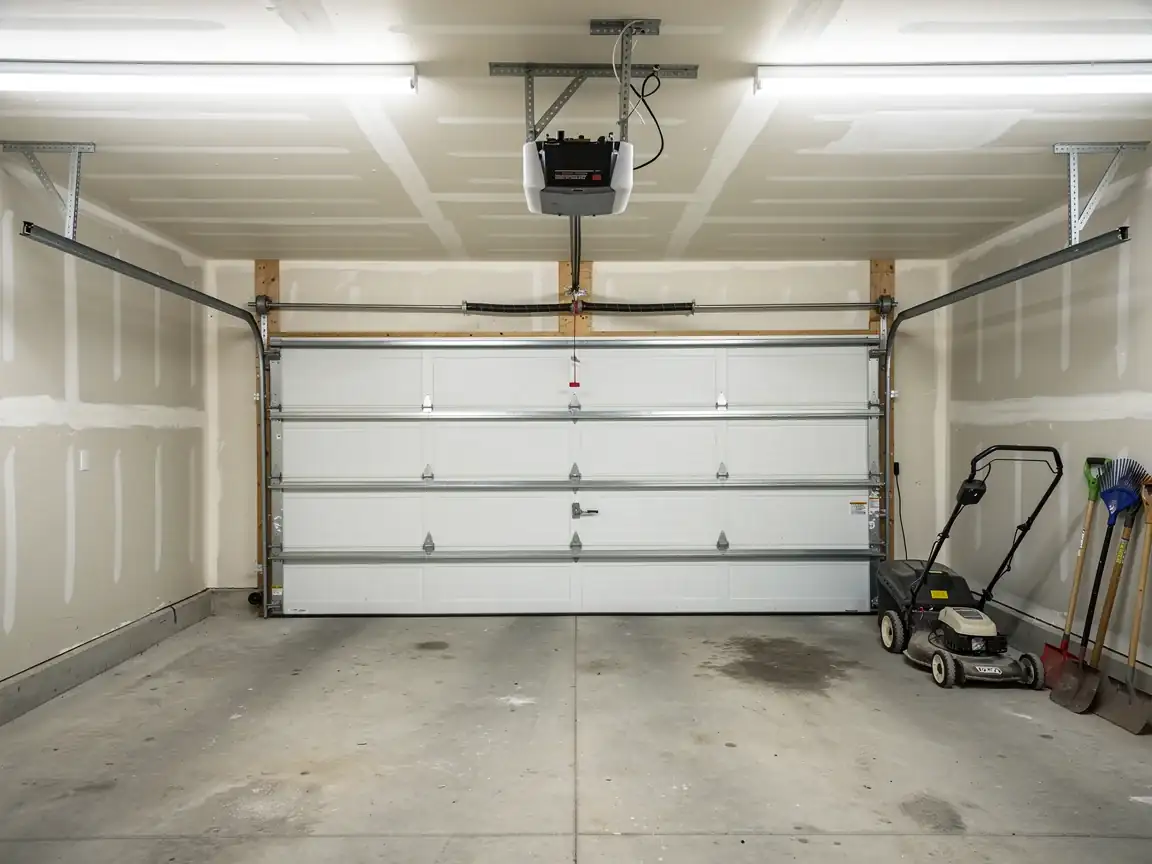
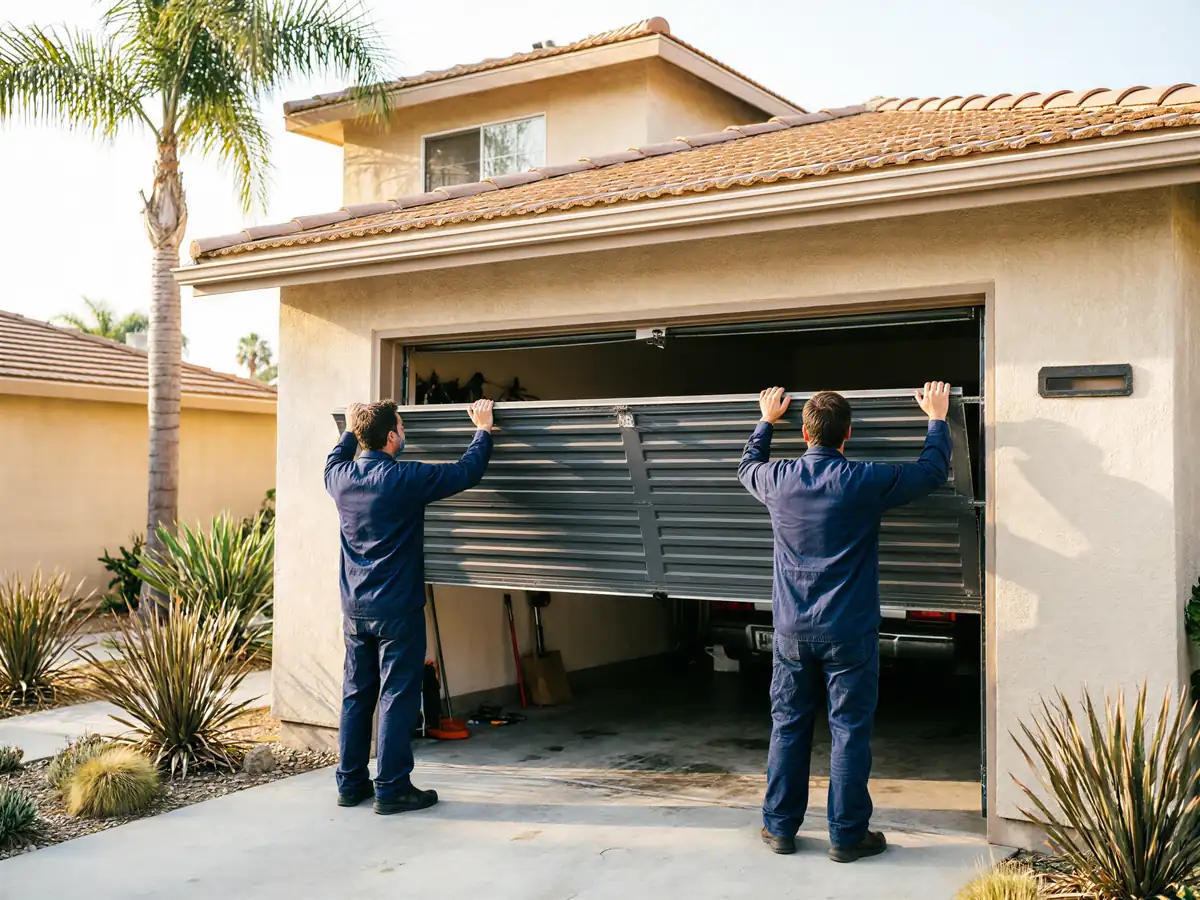
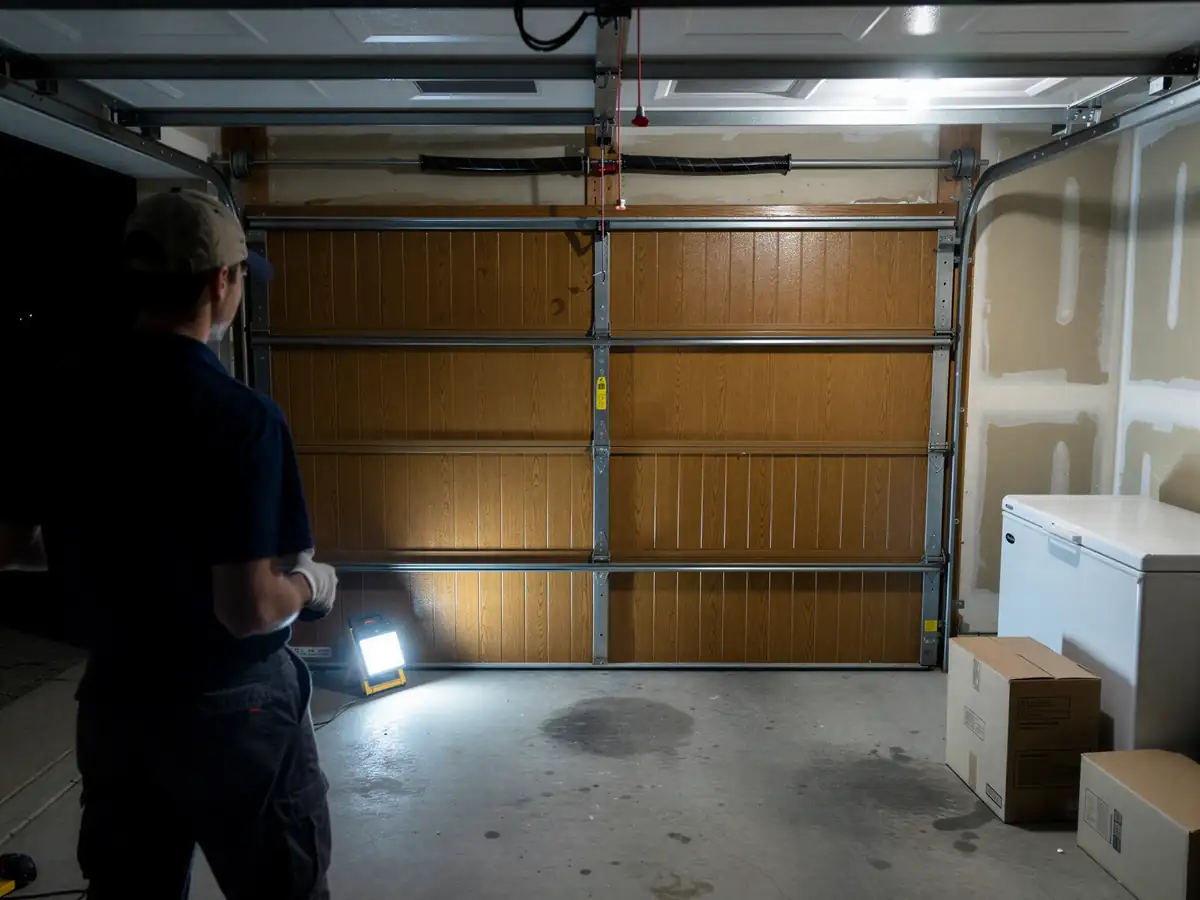
Diamond Bar's median home was built around 1979, a good fourteen years newer than the 1965 median across the wider Pomona Garage Door Pros service area. That gap matters more than it sounds. Houses from the late 1970s mostly came with steel sectional doors on extension springs mounted over the horizontal tracks, not the older side-mounted torsion hardware you find on 1950s stock elsewhere in the area. Extension springs stretch and sag over decades, and the galvanized coating on the coils from that era tends to pit before the spring itself snaps clean. If your door is lurching up unevenly, or one side drops faster than the other when the opener pulls, that's usually a tired extension spring losing tension, not a cable issue. A door that won't move at all, with the opener motor straining and clicking, often points to the same spring finally letting go. These aren't exotic failures. They're what you'd expect from hardware that's been cycling twice a day for over forty years in a house built when Carter was in office.
How to Book
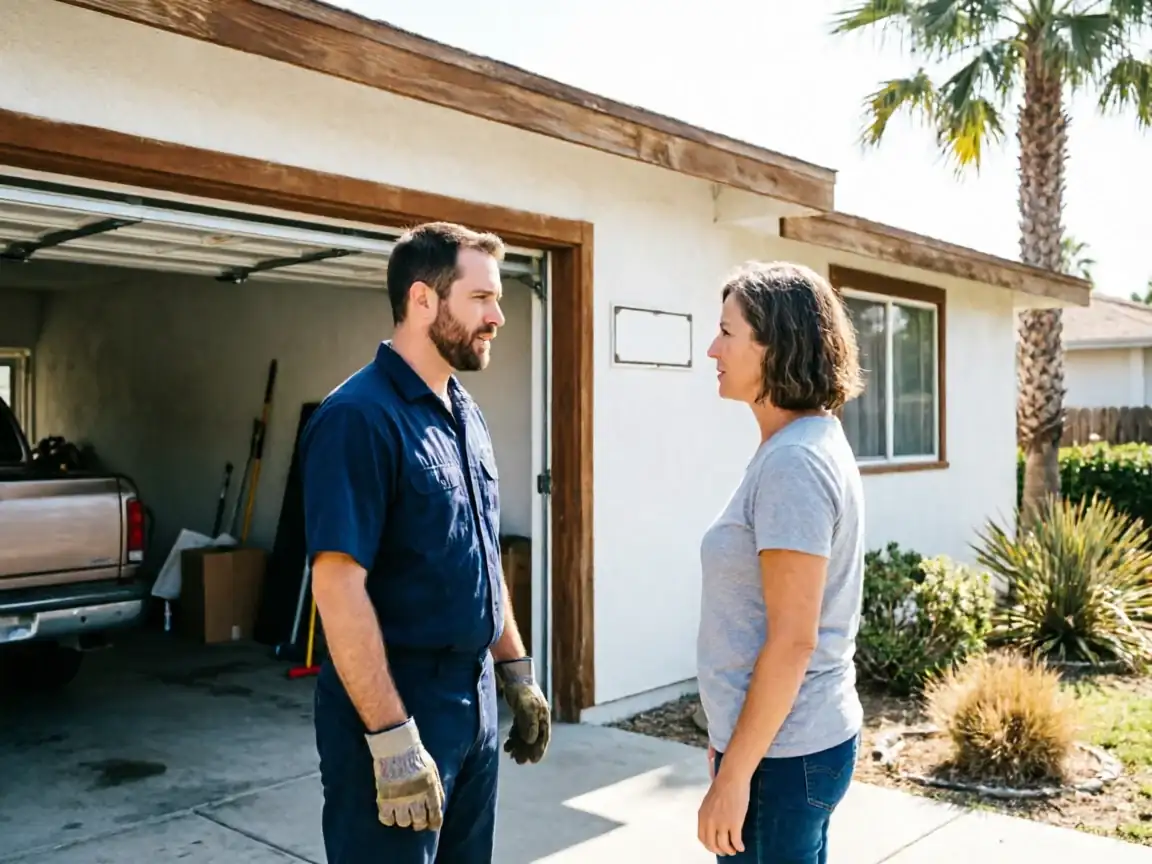
Pomona Garage Door Pros runs out of Pomona, and Diamond Bar sits five miles out, the shortest run on the list of areas covered. There's no branch or depot in Diamond Bar itself, so when you call, you're reaching the same crew that handles the rest of the service area, not a local office. That's worth knowing going in: the truck travels to you. Have the make of your opener and a sense of what the door is doing (won't open, dropped on one side, grinding noise) ready when you call, since that shapes what gets loaded on the truck before it leaves Pomona. You can find general info on how coverage works for this part of the map at /near/diamond-bar/, and the main emergency repair page for the Pomona side of the business is at /emergency-garage-door-repair-pomona-ca.
What the Repair Takes
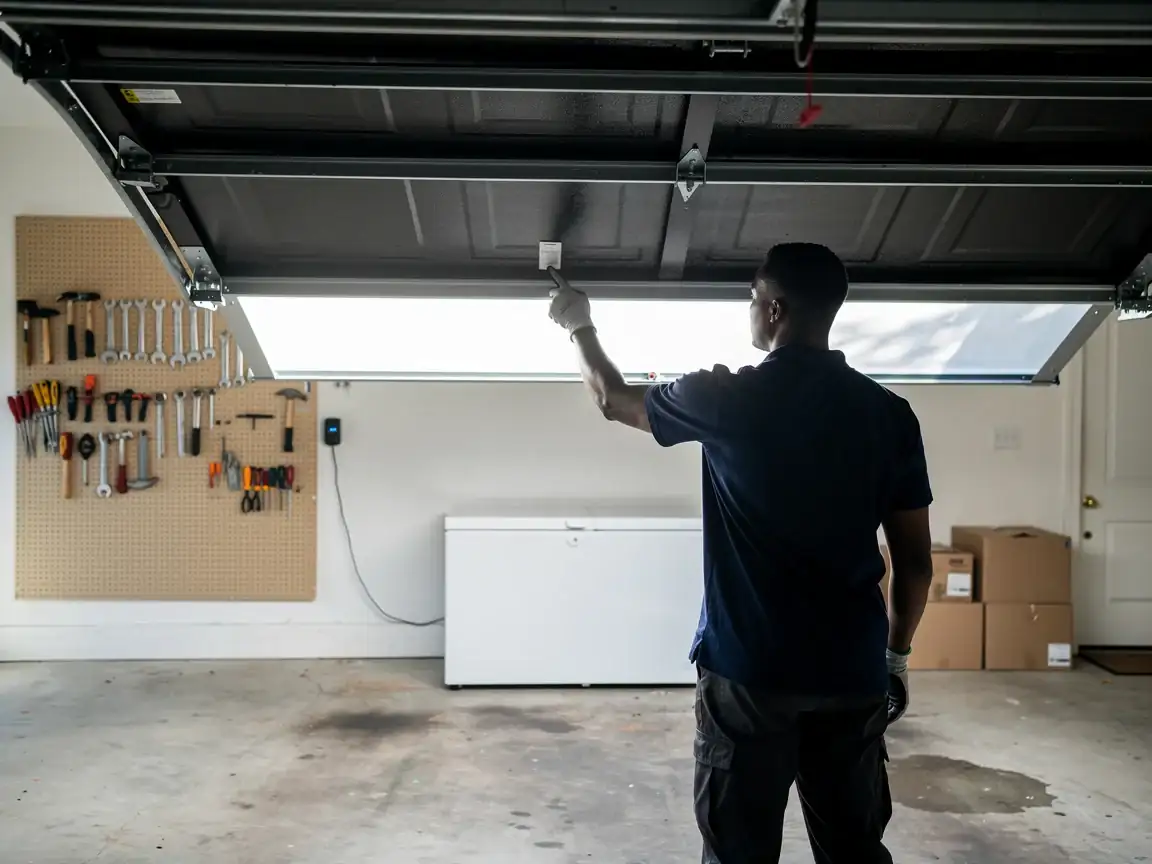
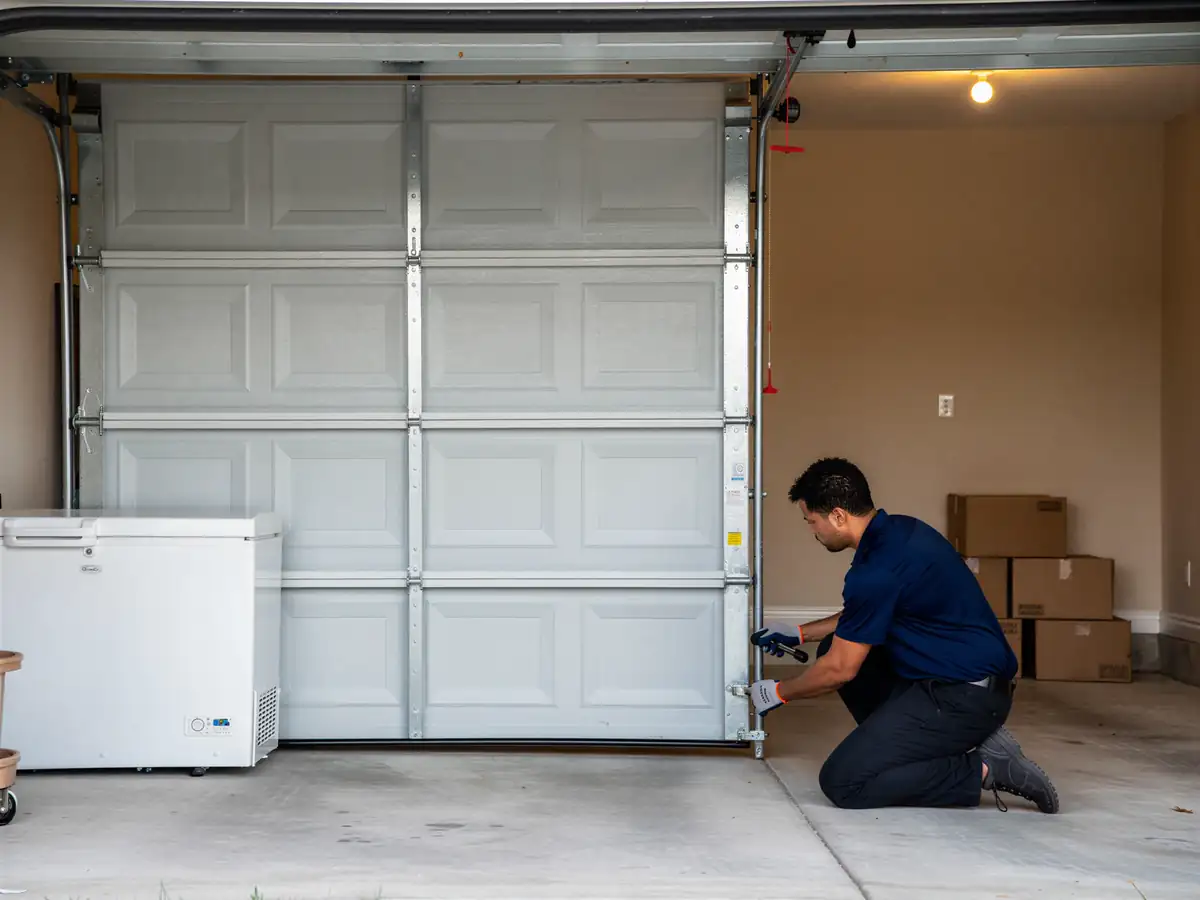
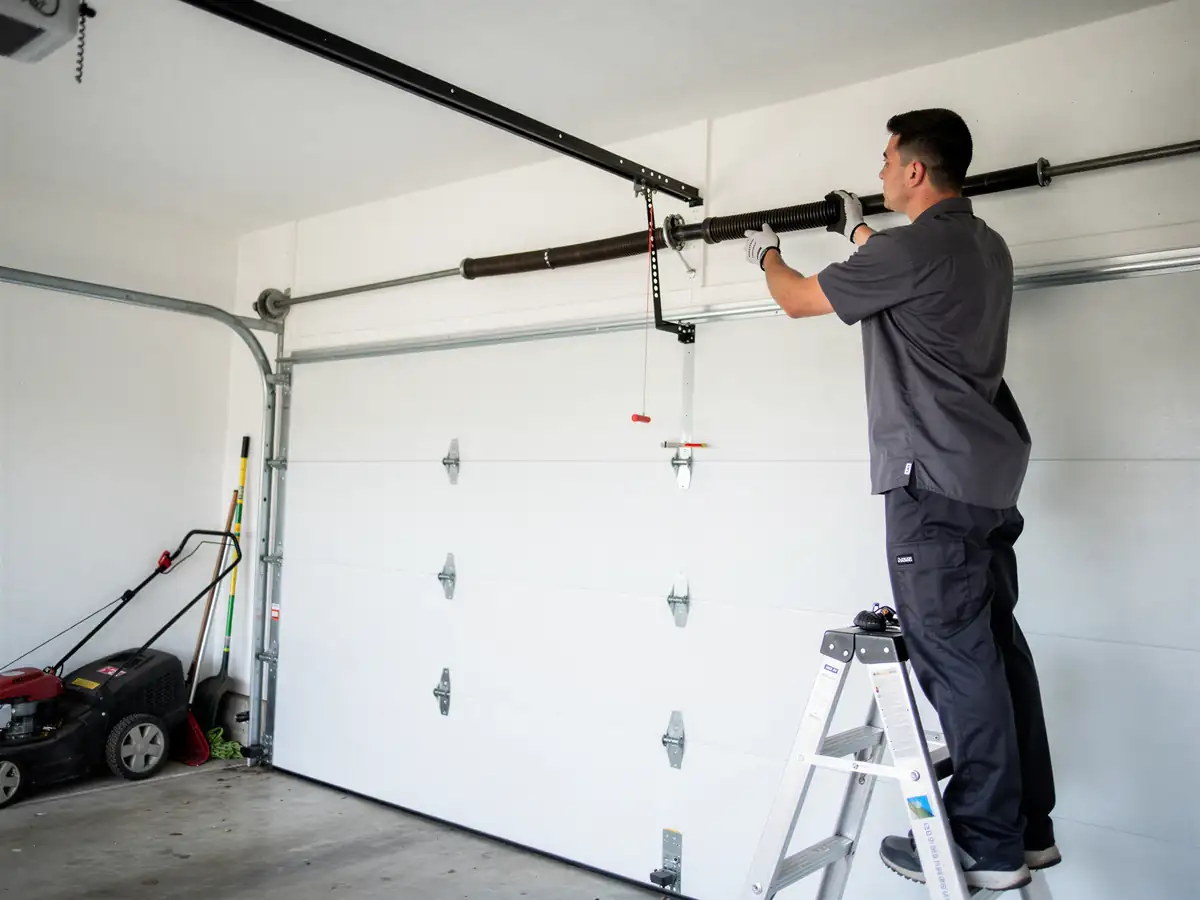
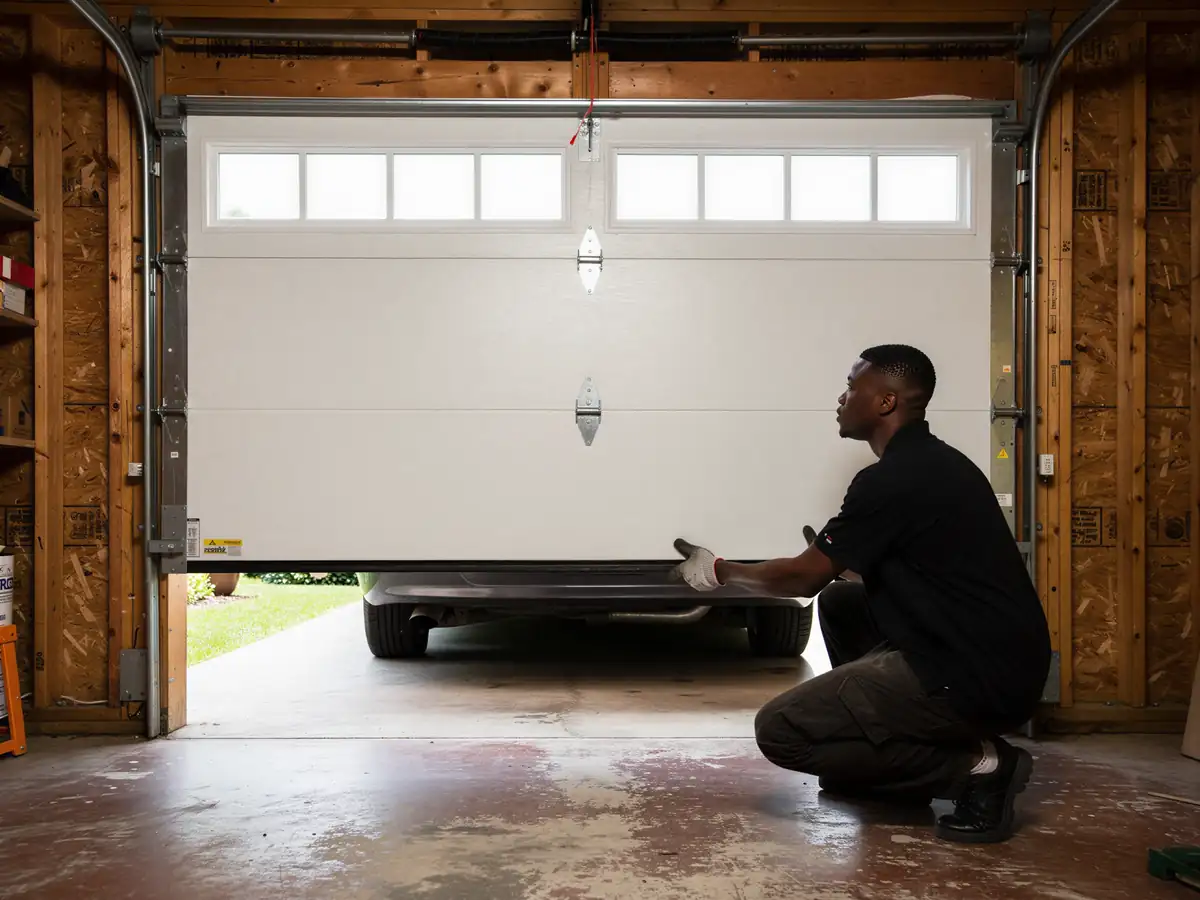
A spring job starts with sizing the replacement correctly for the door's weight and the drum it winds on, since extension springs aren't universal across a run of houses built in the same year. The old spring comes off the pulley, the new one goes on at matching tension on both sides, and the safety cable, if the house has one or the tech adds one, gets threaded through the center of the coil so a broken spring doesn't fly across the garage next time. After that, the door gets cycled by hand several times to check it balances at roughly waist height on its own, which tells you the spring tension is right before the opener ever takes another pull. Rollers and hinges often get a look at the same time, since a sagging door on worn extension springs tends to also be riding on nylon rollers that have gone brittle. Replacing both in one visit costs less in a second trip than fixing the spring now and the rollers in six months.
What Can Go Wrong
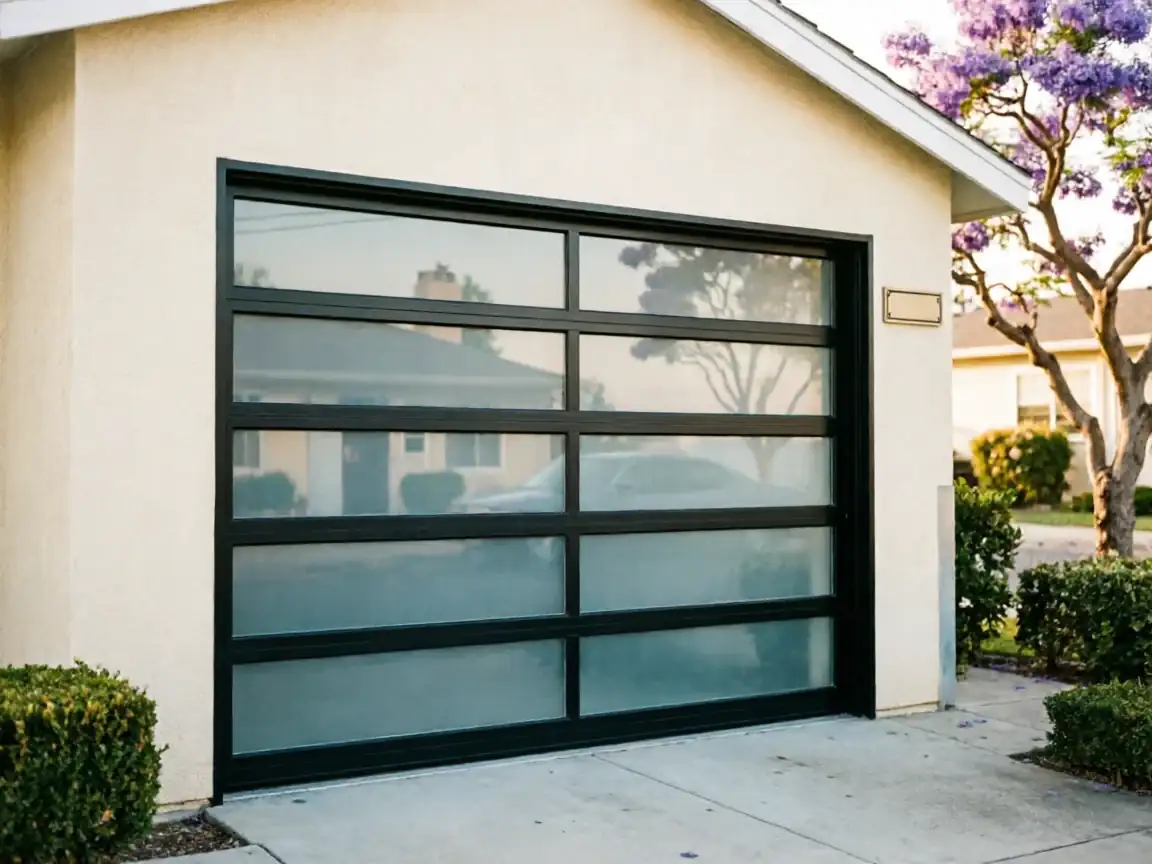
The service area sits in a moderate heat band, and while that's nowhere near the extremes that crack doors outright, sustained warm stretches do dry out the lubricant on extension spring coils faster than a cooler climate would. A spring that's been running dry for a few summers wears unevenly, which is part of why one side of an older Diamond Bar door often fails before the other rather than both at once. Torsion conversions are also a real option here if the existing extension-spring setup has failed more than once, since torsion systems don't whip the way a snapped extension spring can. That conversion is more work and costs more up front, and it's not always worth it on a door that's near the end of its life anyway; sometimes a full door replacement makes more sense than converting the spring system on a panel that's already dented or warped. That's the kind of call that gets made on-site, not over the phone.