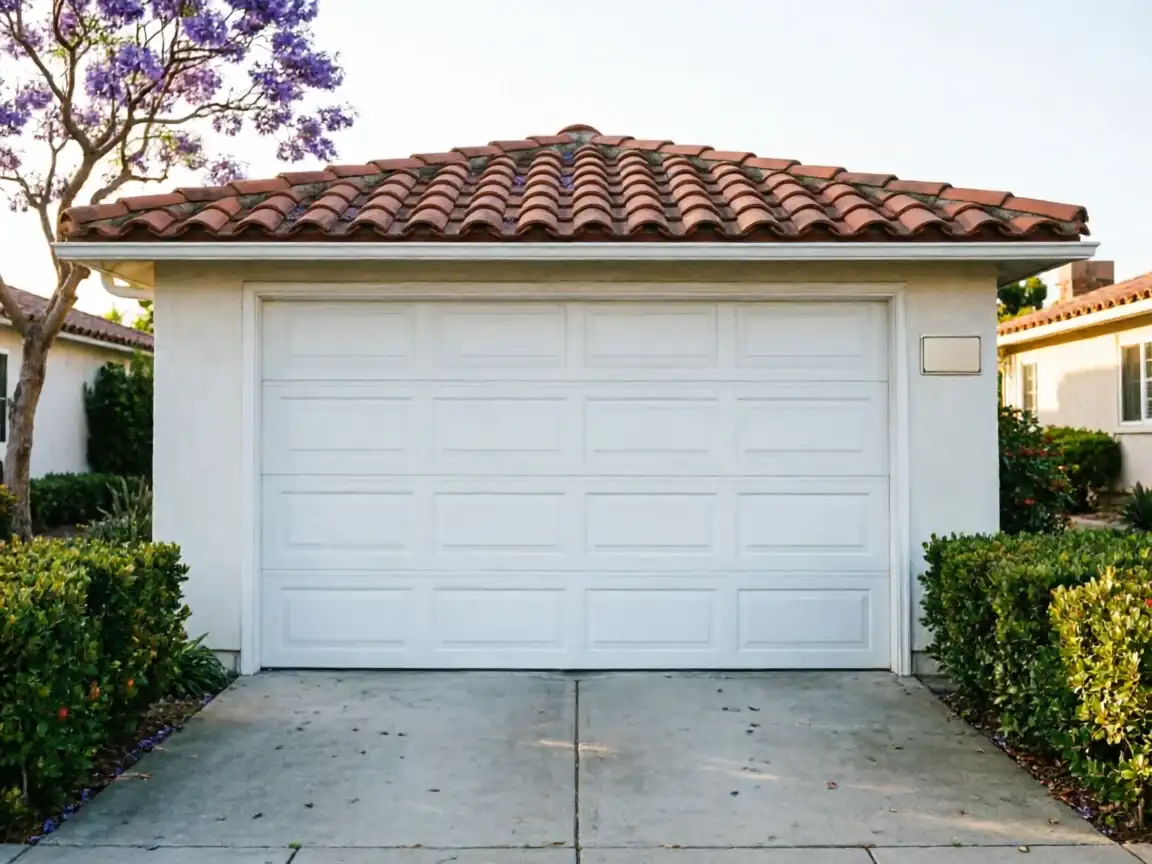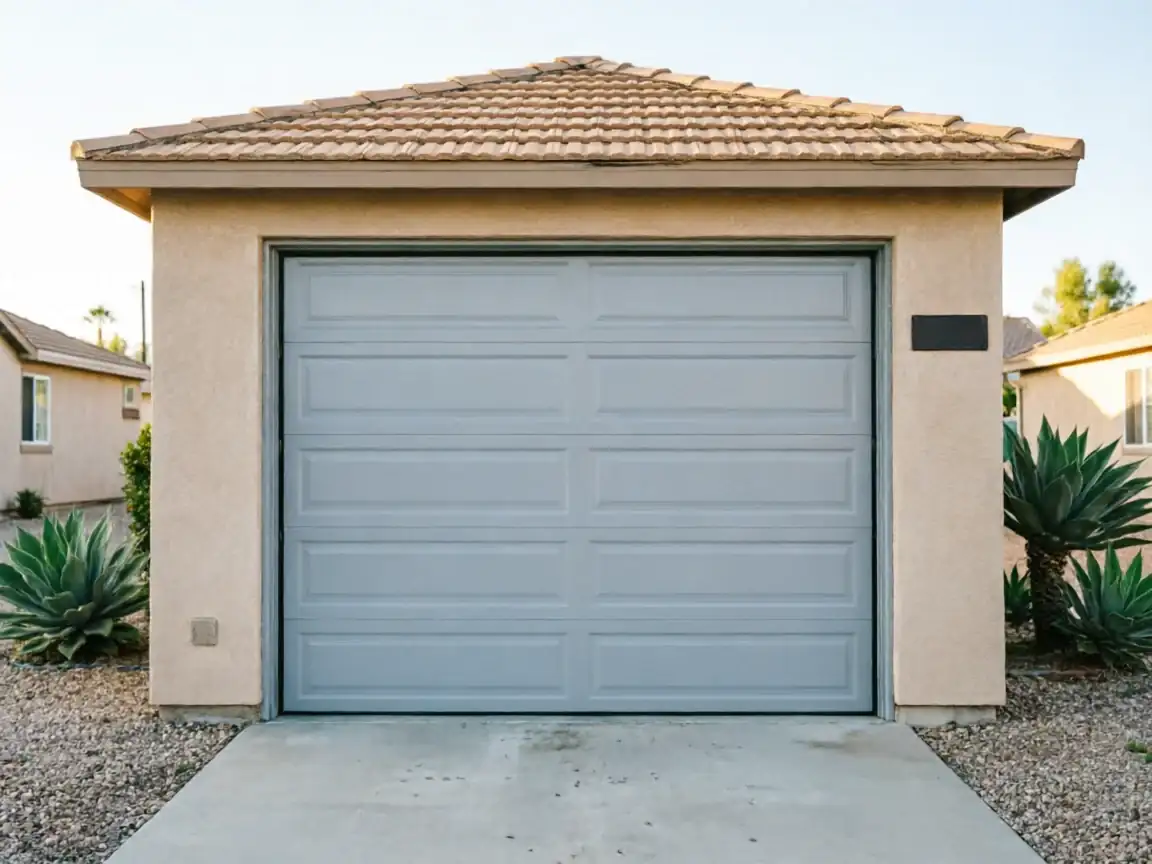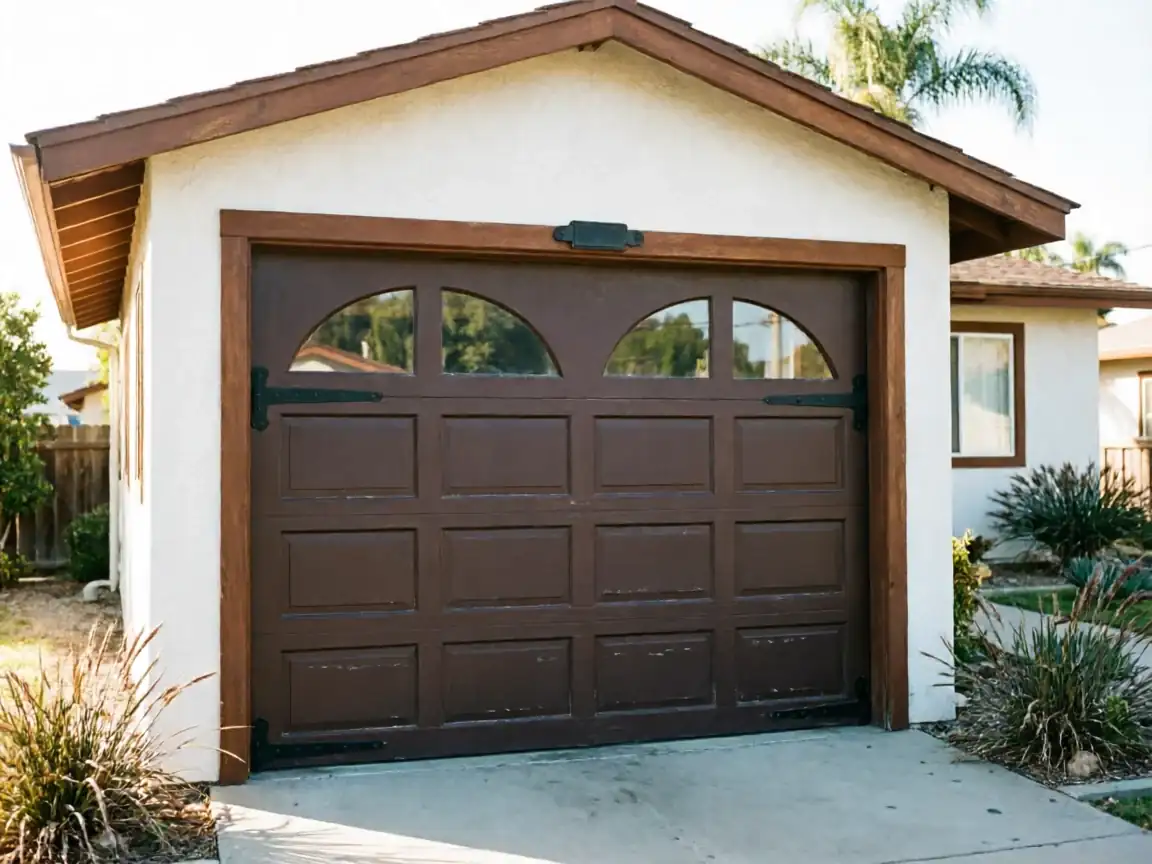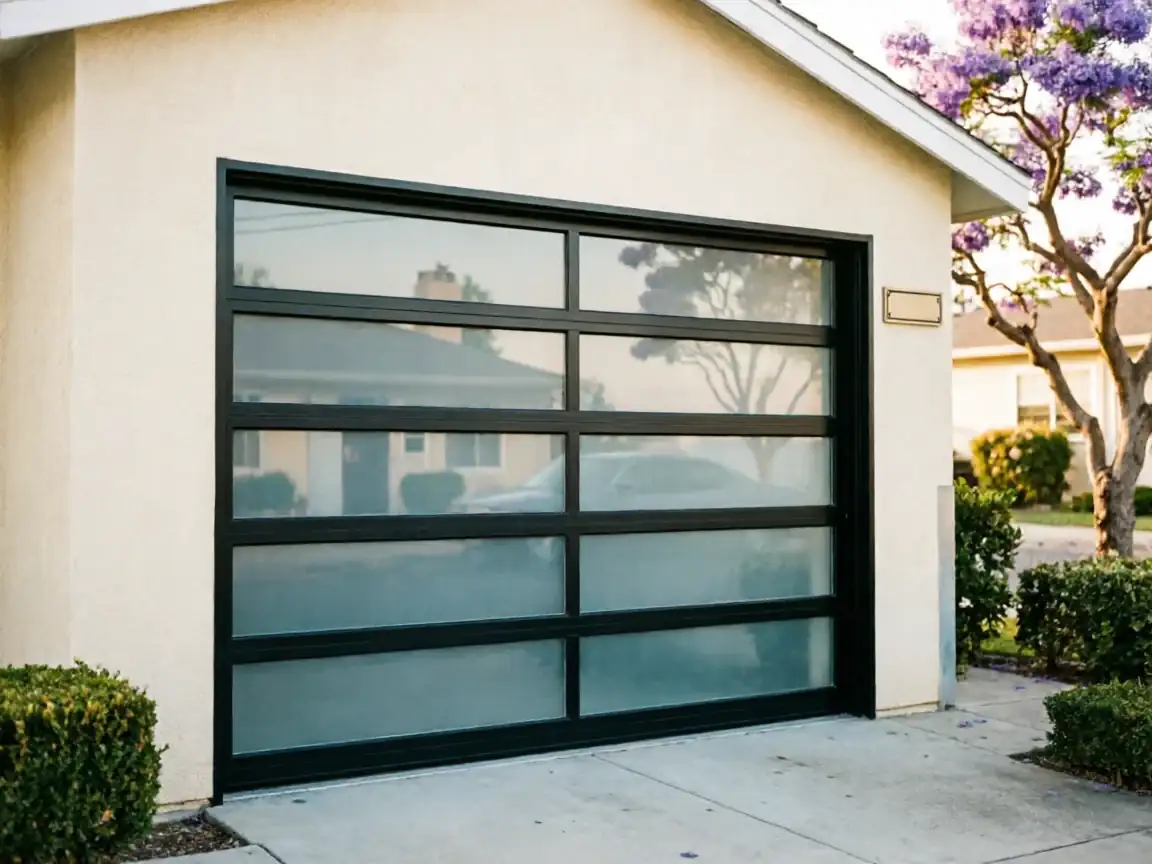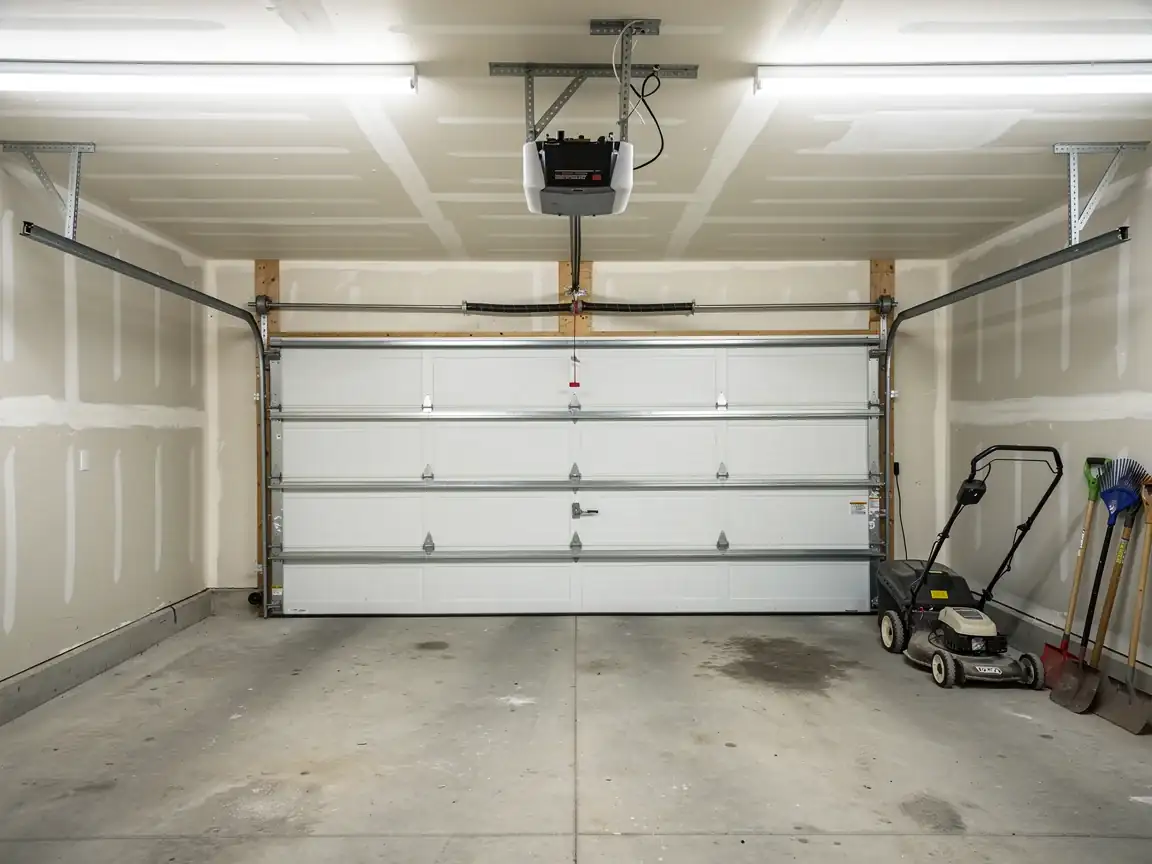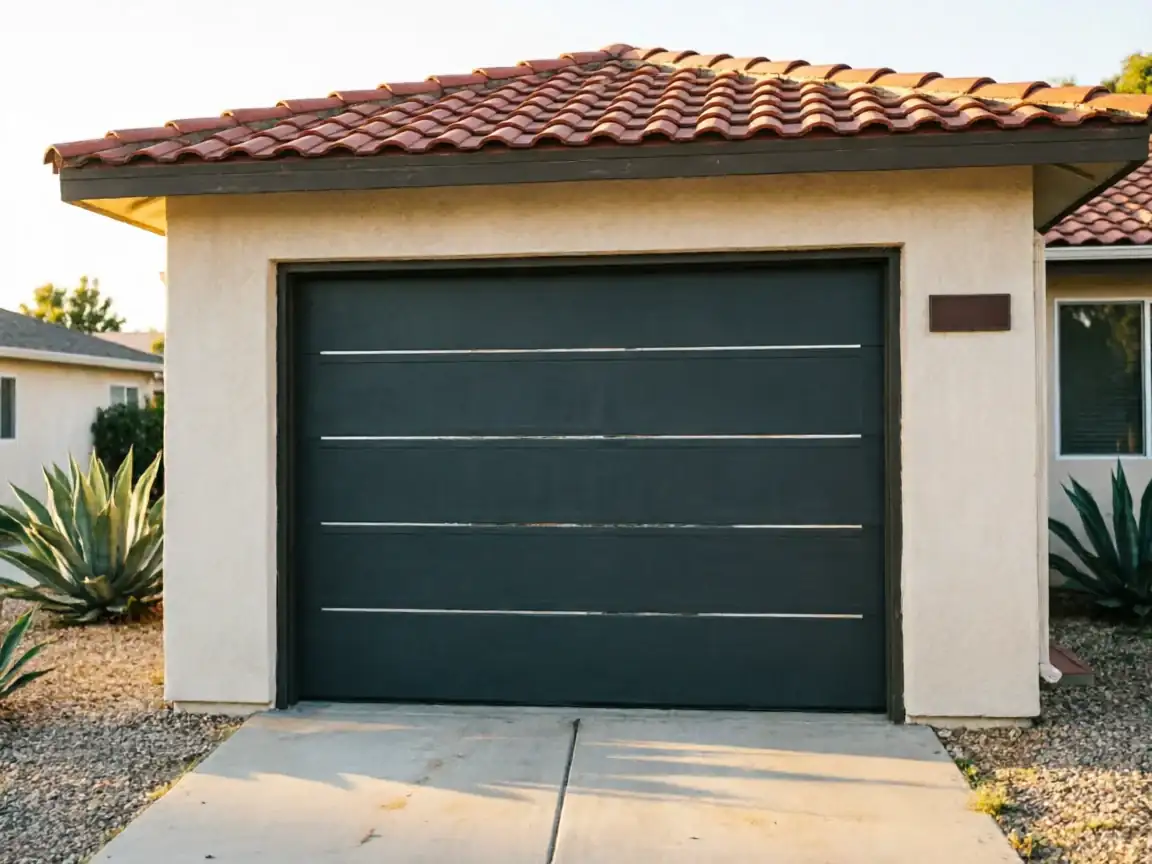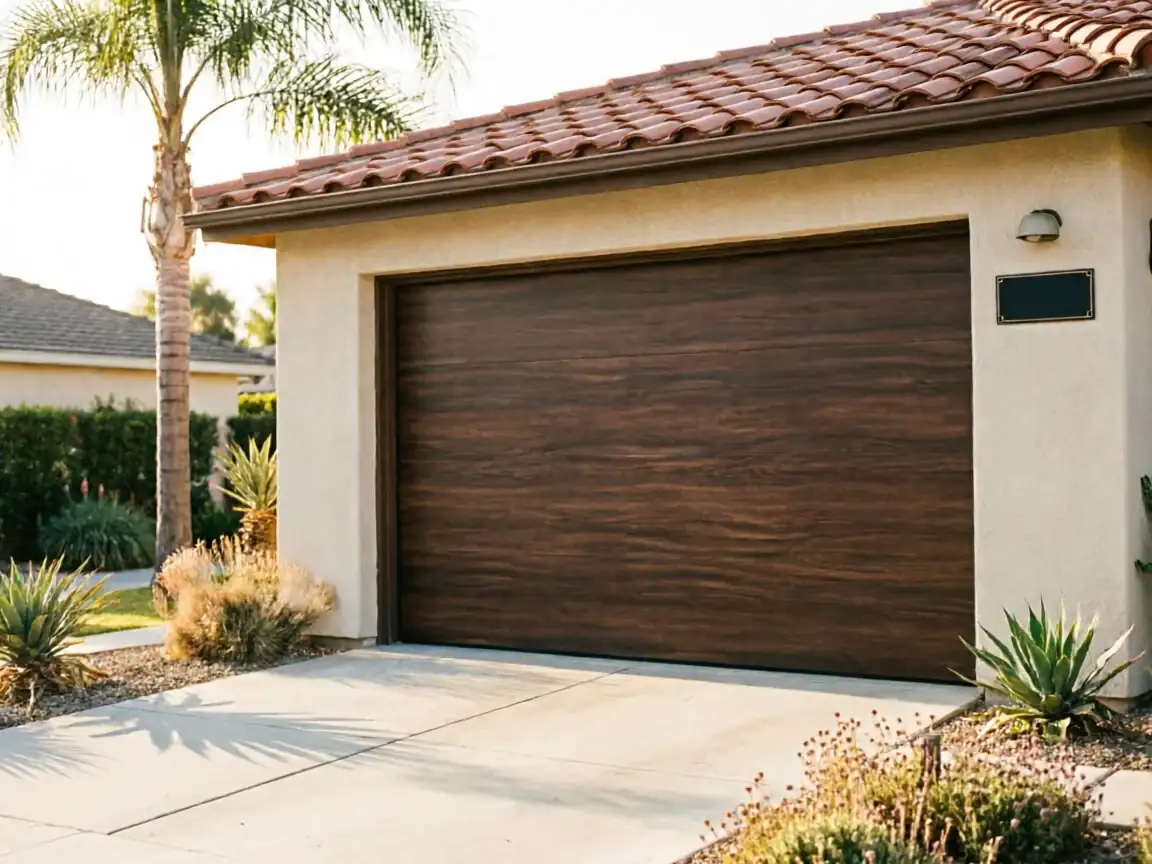
What You Are Seeing
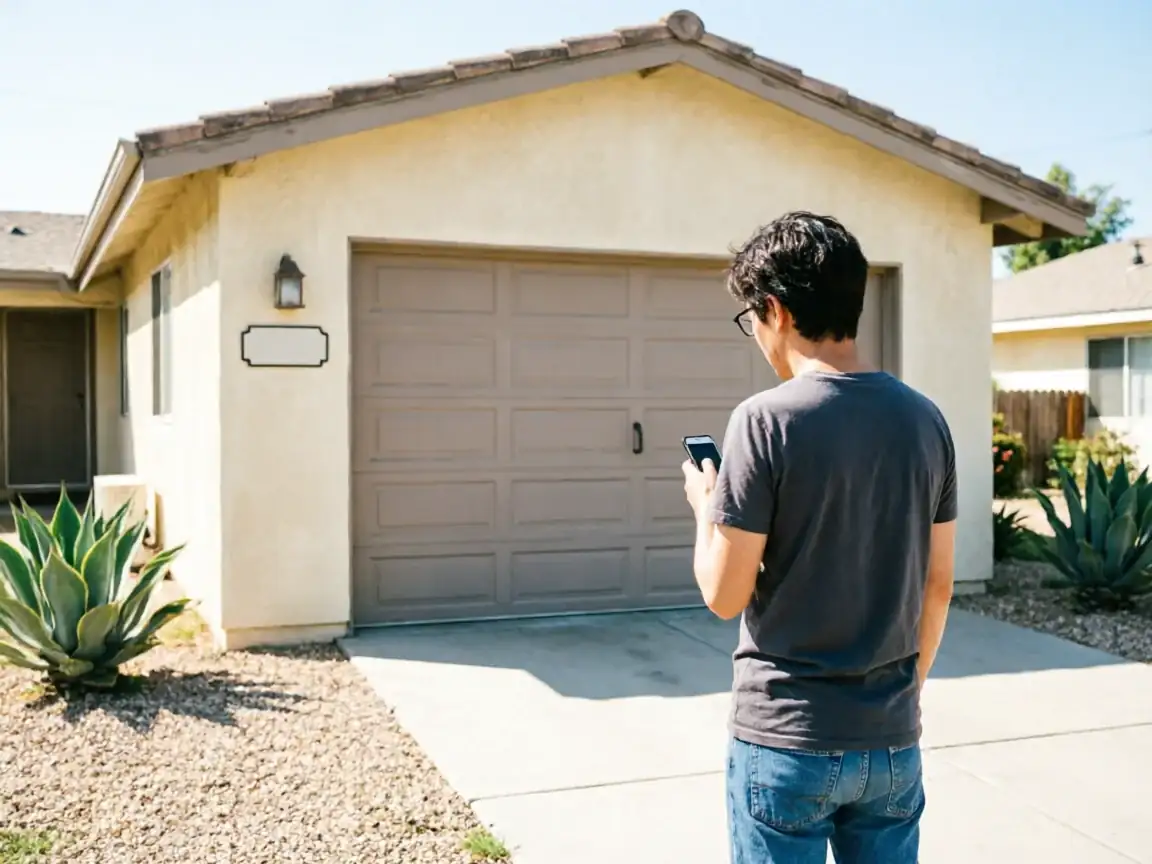
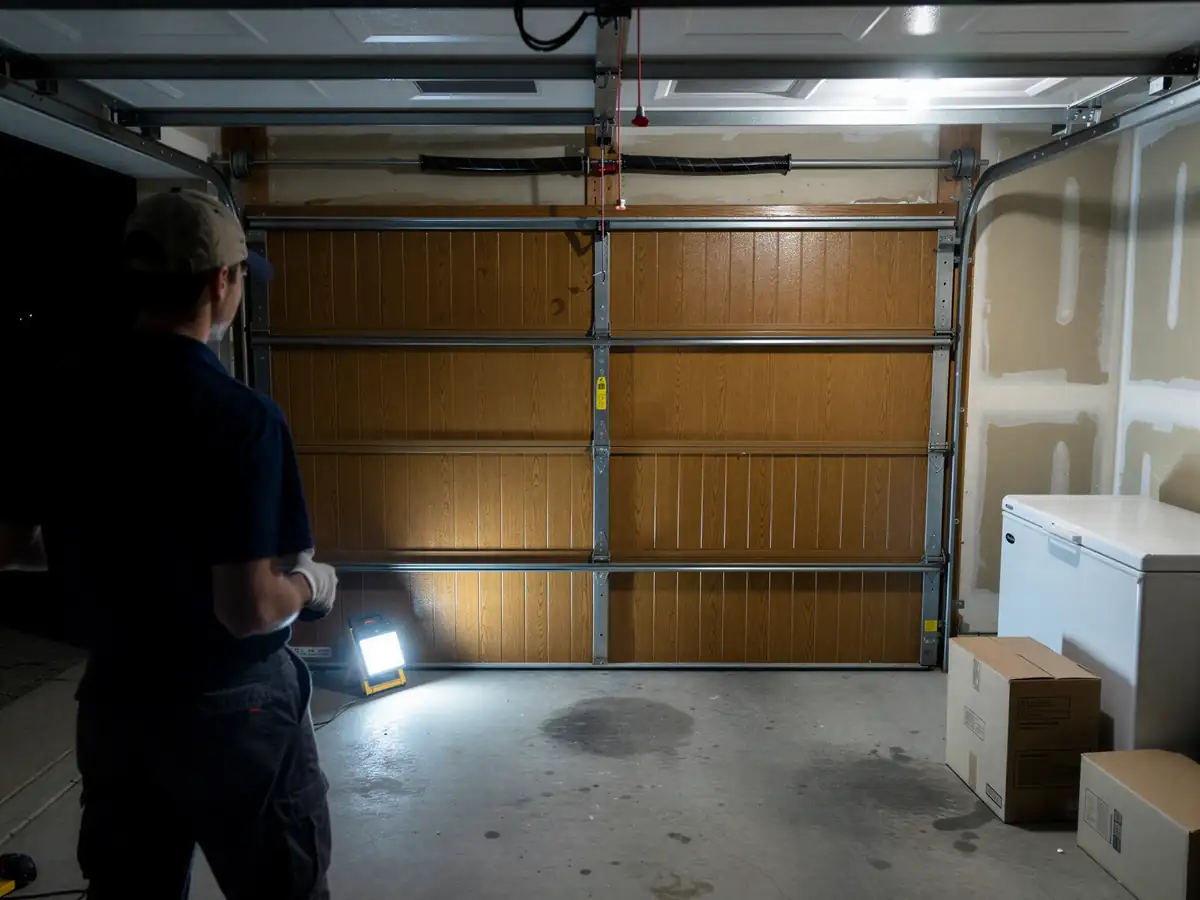
Most houses in Diamond Bar went up around 1979, which puts the neighborhood a solid generation ahead of the 1960s stock common closer to Pomona's center (median build year 1965 across the wider service area). That gap matters for the door itself. Homes from this later wave were built with wider garages to fit two full-size cars, so you're often looking at a 16-foot double door rather than the narrower 9-foot single-car openings common on older blocks. The doors that went in originally were usually wood composite panel doors or early steel sectional models, sized to that wider opening and hung on tracks built for the lighter springs of the era. Thirty-plus years on, those original doors are at the end of their service life - the composite skins delaminate, the steel panels dent and don't hold paint, and the torsion springs are rated for a weight class lighter than today's insulated doors. If your door is original to the house, you're not dealing with a quick fix. You're dealing with hardware and a panel system that nobody manufactures to that exact spec anymore, which is usually the point where full replacement costs less over time than chasing parts for a dying door.
How to Book
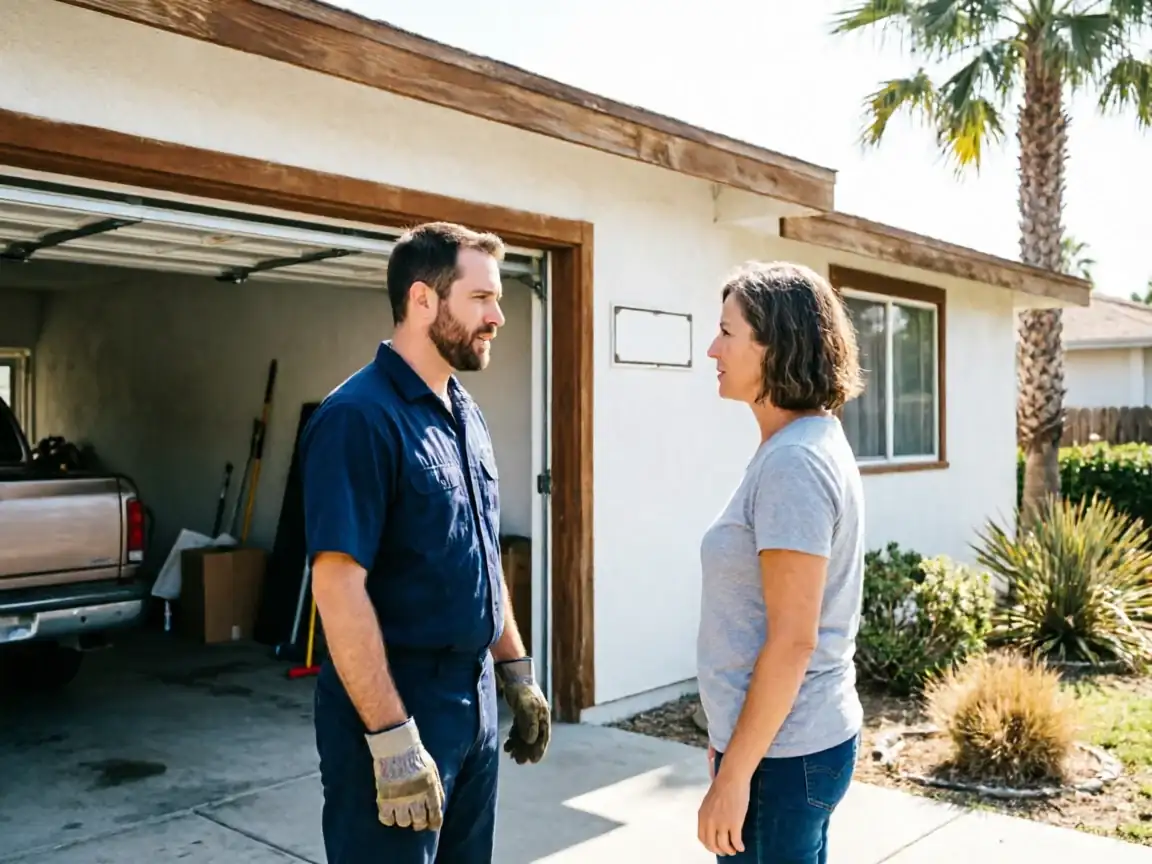
We run this job out of Pomona, about 5 miles from Diamond Bar. That's close enough that a new door install here doesn't cost you anything extra in scheduling complexity - it's a short drive, not a cross-county haul. Call and tell us the width of your current opening (single or double) and roughly how old the house is; if you're not sure, the 1979 figure is a decent starting guess for most of the area and helps us bring the right spring weight and track hardware on the first trip instead of a second one. We measure on site before we quote, because garage openings from this period aren't always exactly standard width even when they look it.
What the Repair Takes
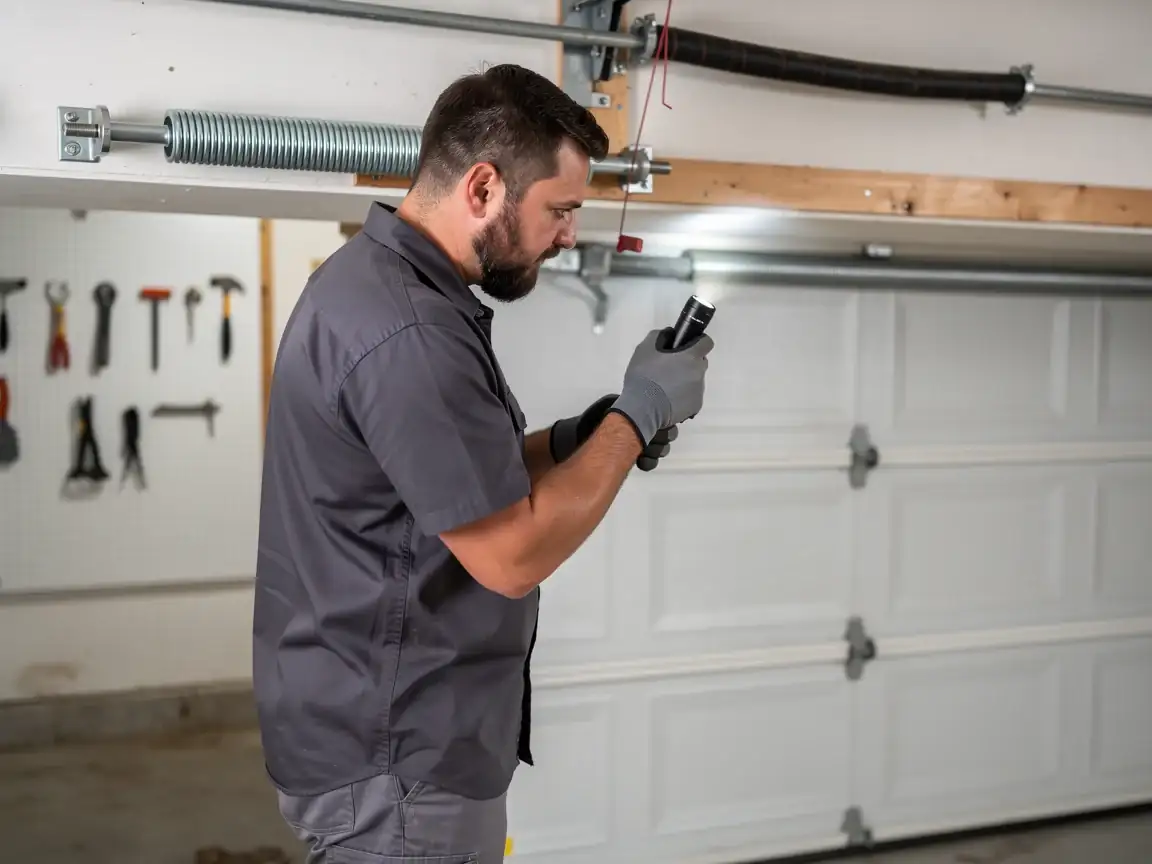
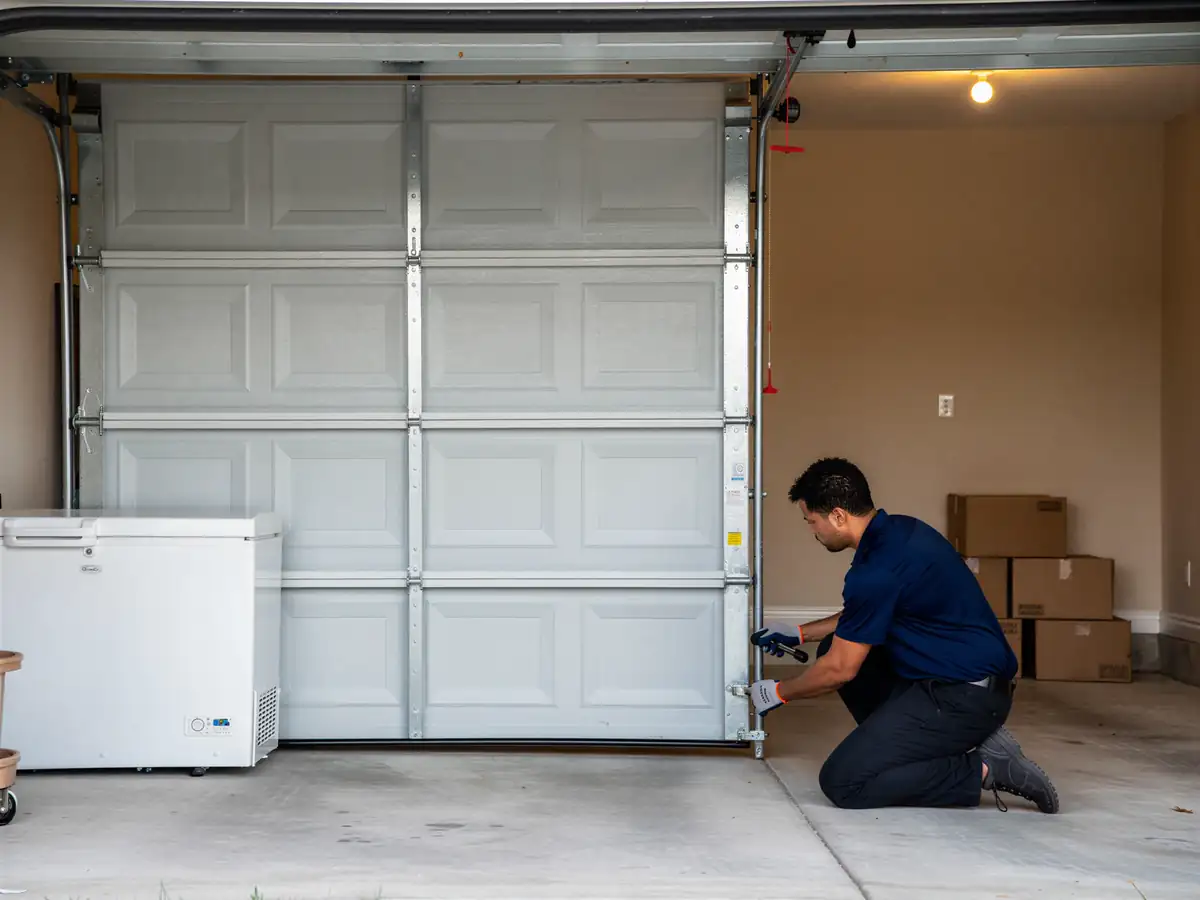
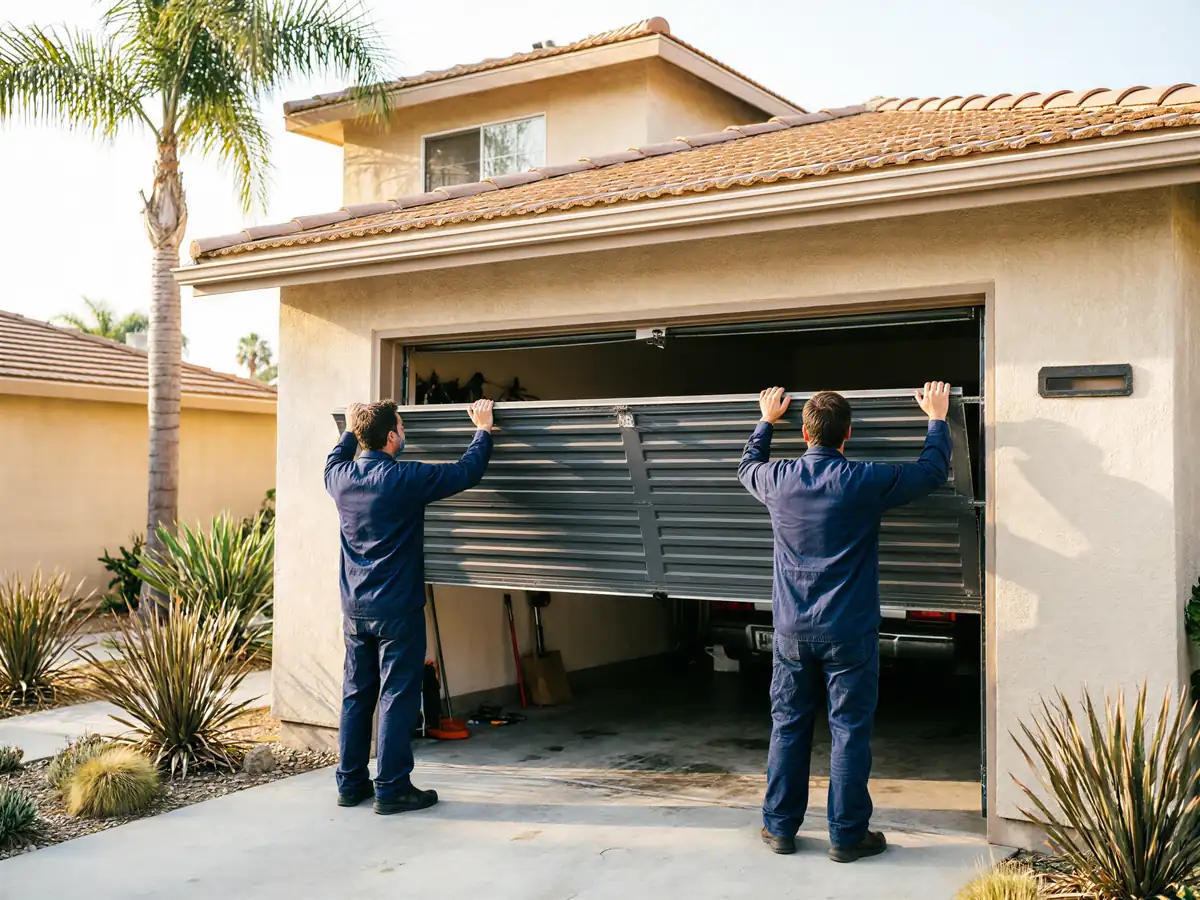
On a straight swap - same size opening, new door, new matched springs - we pull the old panels and track, check the jambs are square (older double openings sometimes aren't, after decades of settling), and set new track and springs sized to the new door's actual weight, not the old one's. Insulated steel or composite doors now run heavier or lighter than what went in originally depending on the model, so springs get re-sized every time, not reused. If the opening itself needs reframing because the original header was sized for a lighter wood door, that adds time and we'll flag it before we start, not after.
What Can Go Wrong
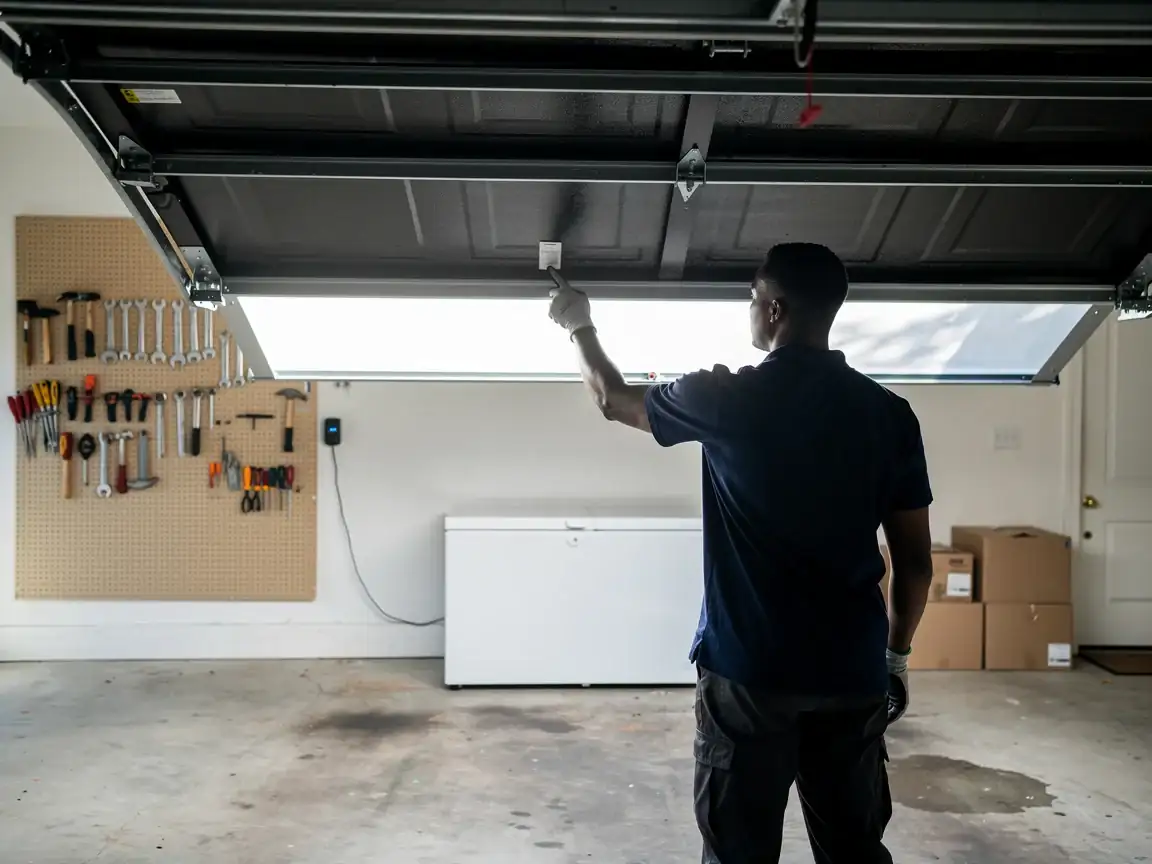
The most common surprise on a 1979-era double opening is a header or jamb that's shifted slightly out of square over four-plus decades, which means the new door track doesn't sit flush without shimming. We catch this at measurement, but it's worth knowing going in that a straightforward quote can grow by an hour of labor once we're inside the opening. The other issue: homes with the original wood composite doors sometimes have rot or warping in the jamb wood itself where the door seal failed years ago, and that's carpentry, not garage door work - we'll tell you straight if that's what we're looking at rather than install over a bad frame.