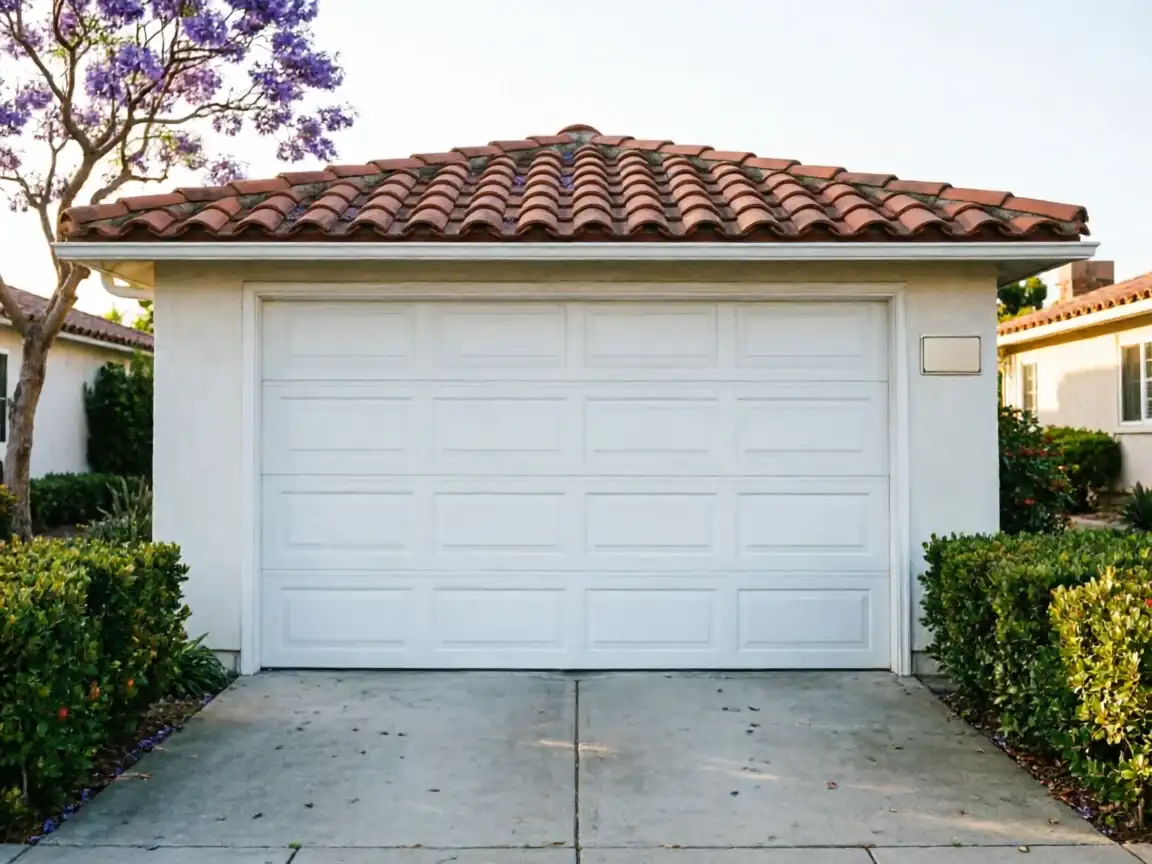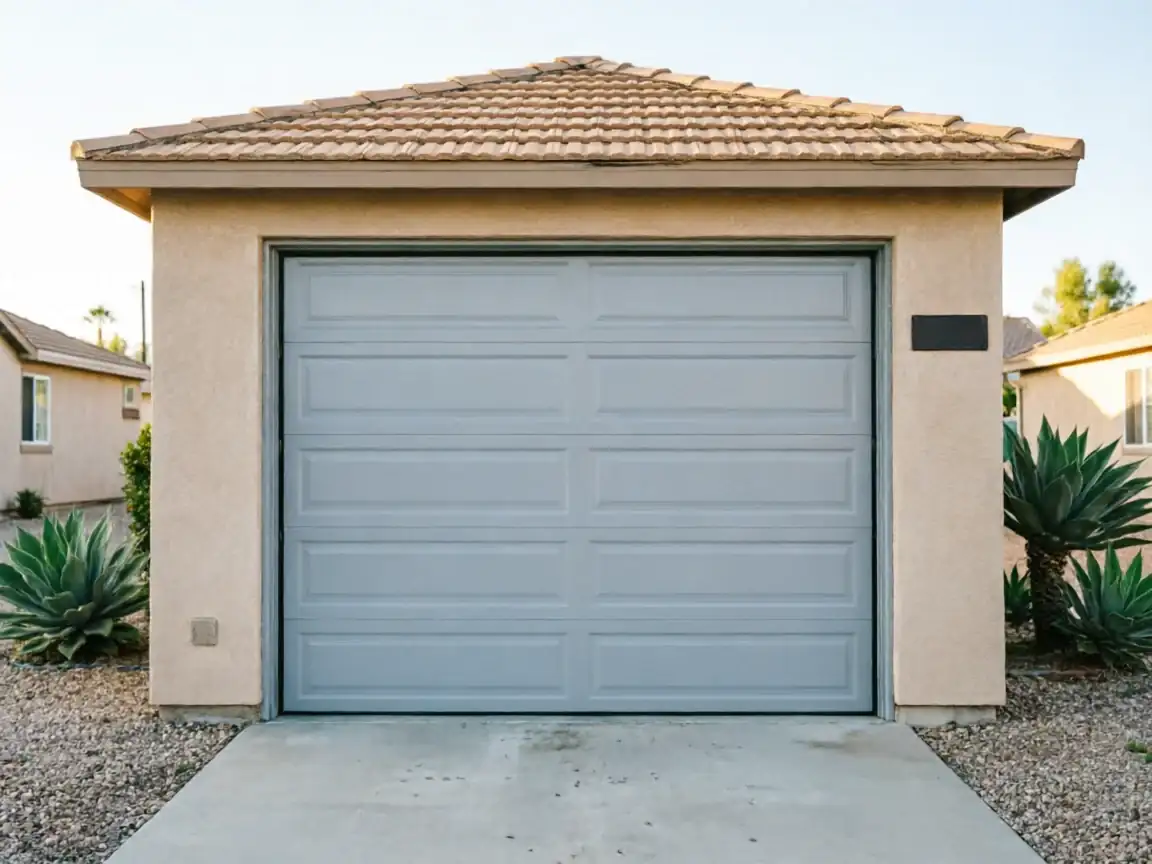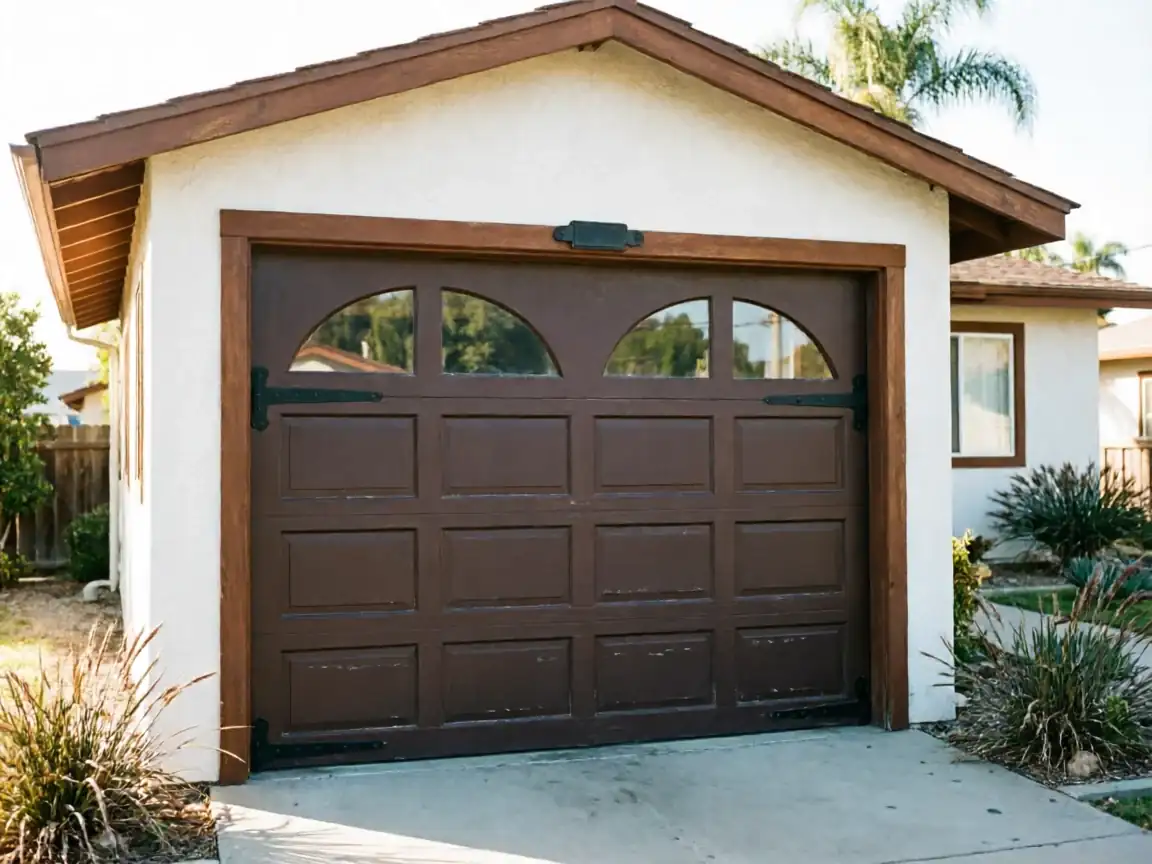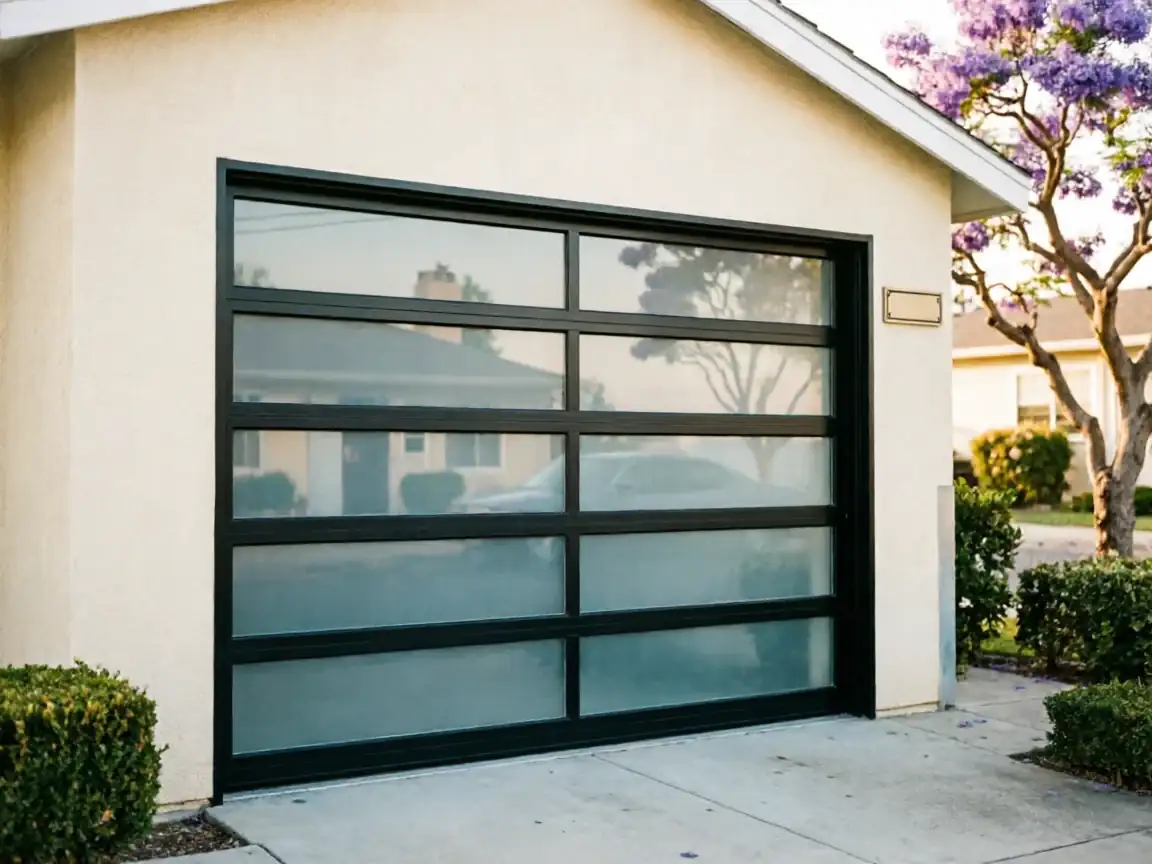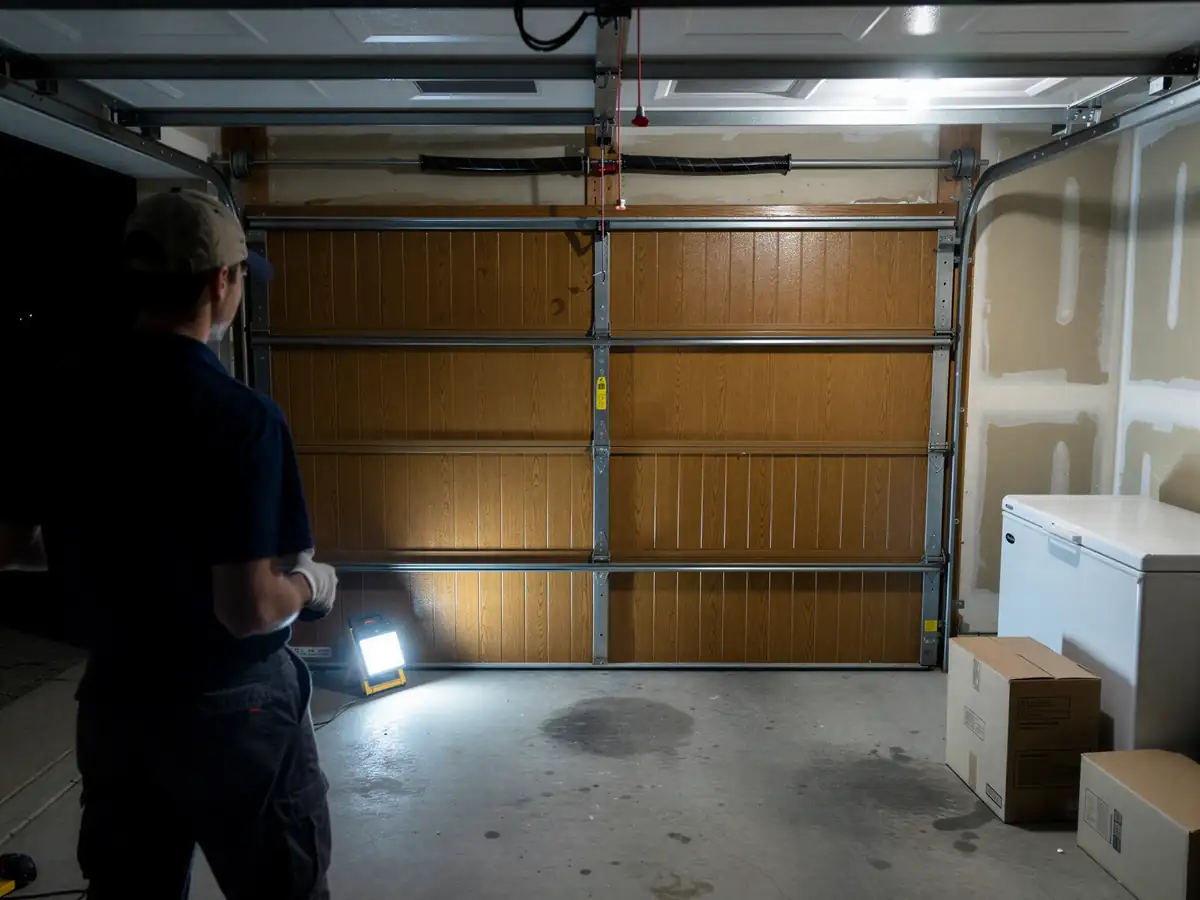
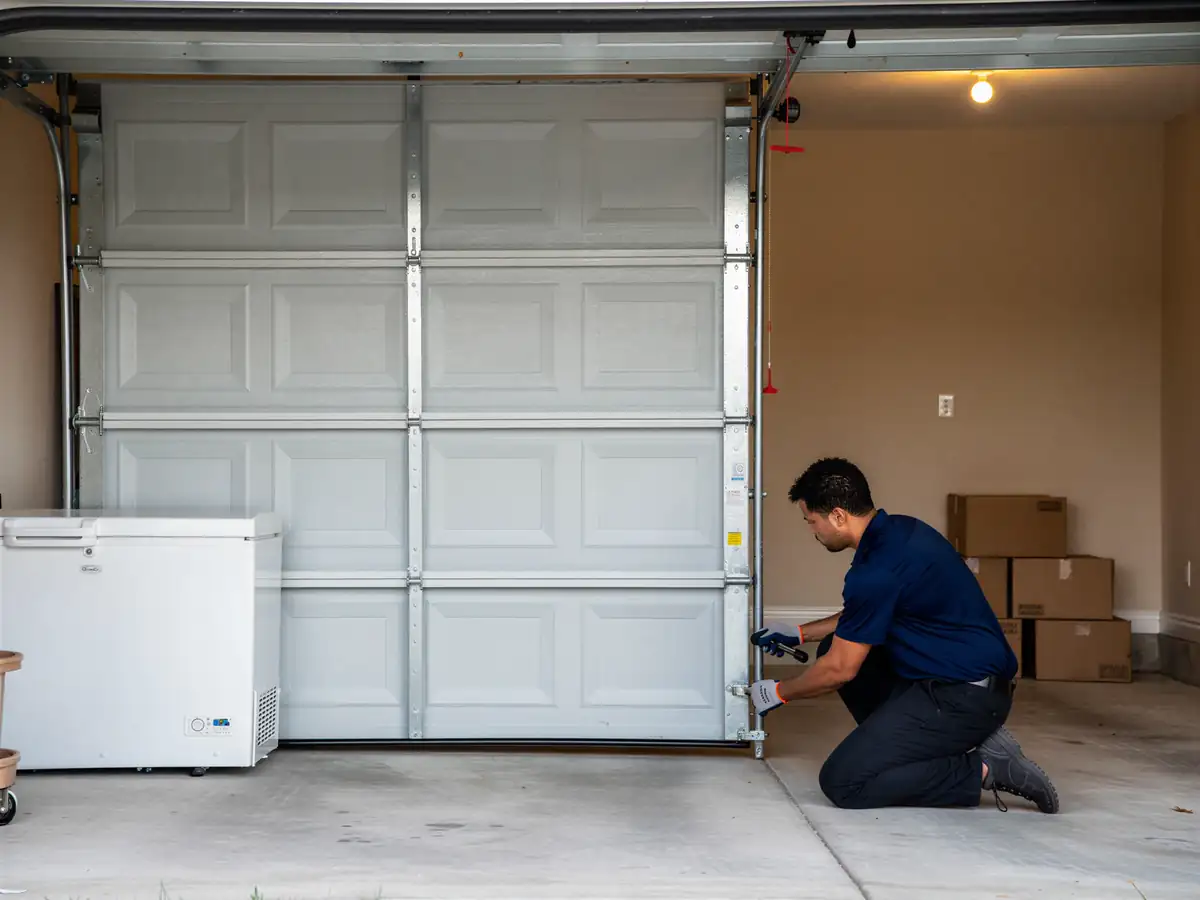
What You Are Seeing
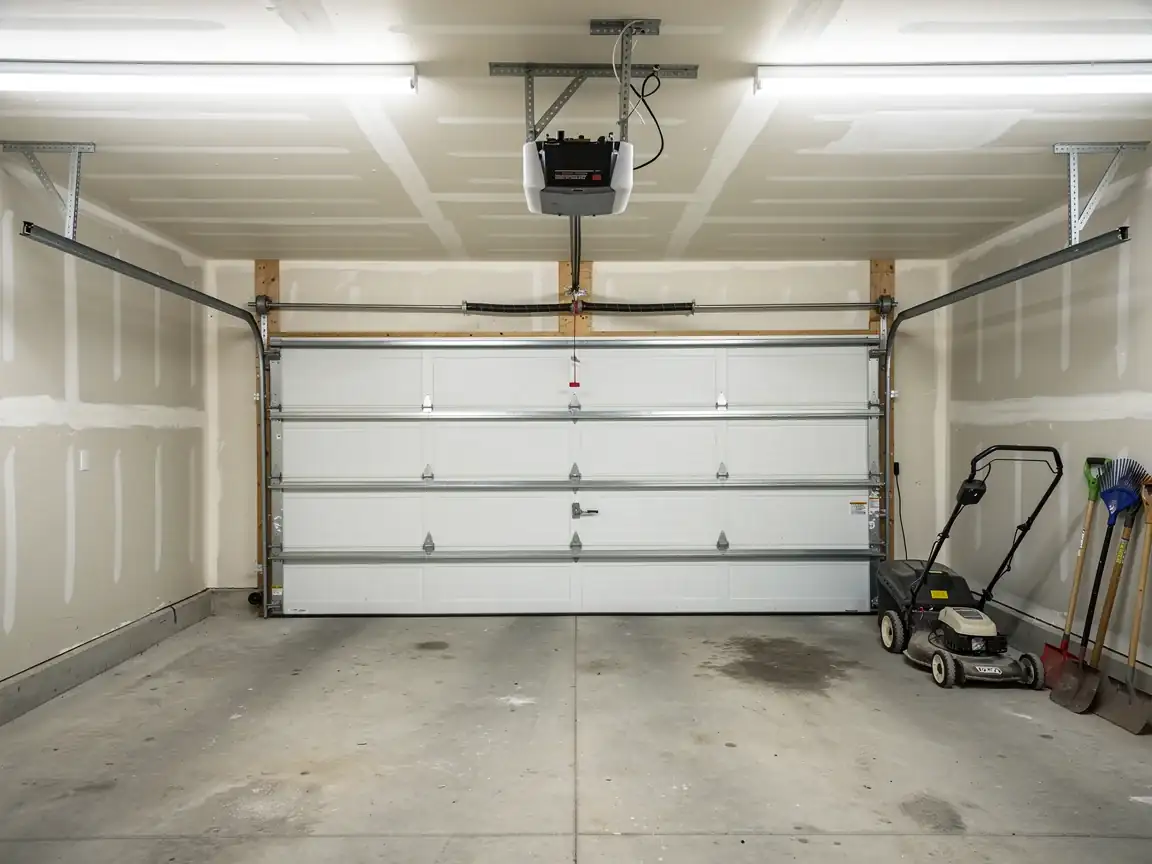
The fault we see most in Diamond Bar isn't what we see in the older parts of the Pomona service area. Housing here centers on 1979 - a good decade and a half newer than the 1965 median across the wider territory we cover. That gap matters more than it sounds like it should. Doors and openers installed in the late 1970s and early 1980s came before the 1993 federal rule that forced photo-eye reversal sensors onto every residential opener. A lot of those original openers got swapped out over the years, but plenty of garages still carry hardware from a retrofit done decades ago, on extension springs instead of a torsion bar, with safety cables that were optional rather than required.
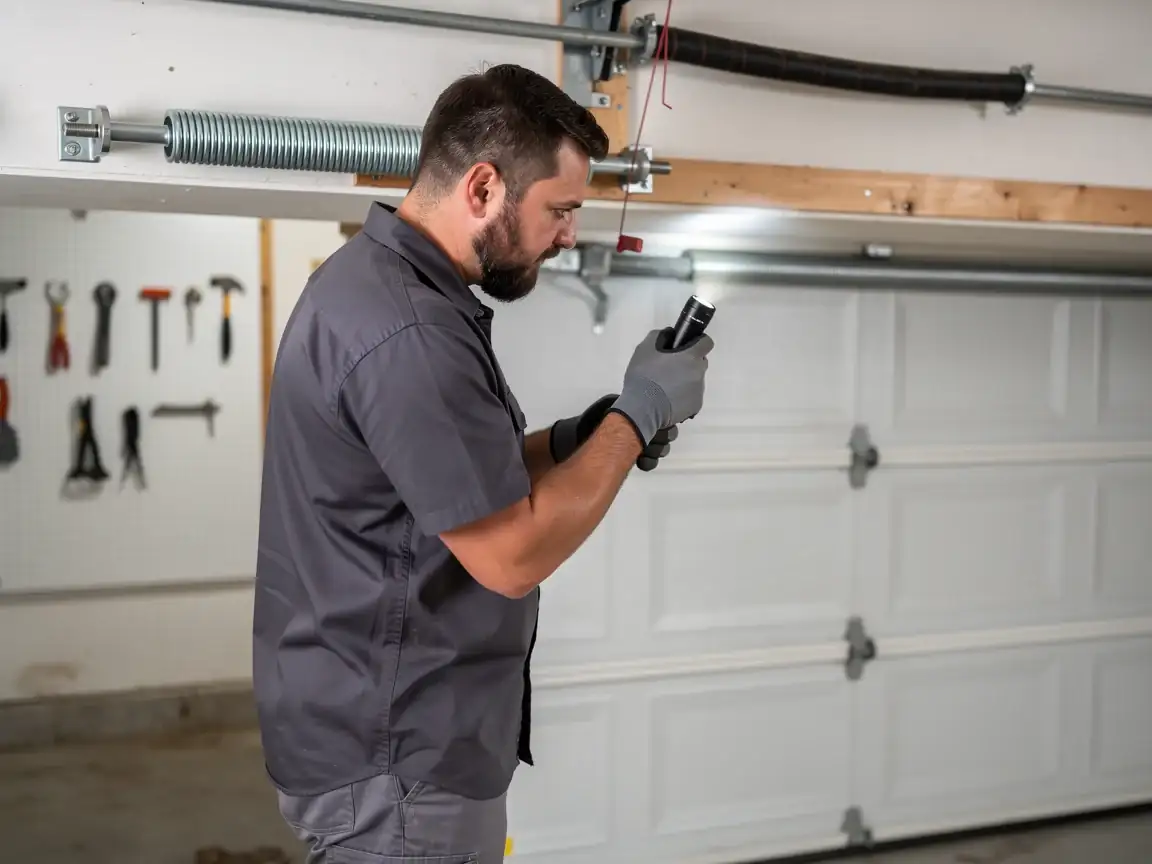
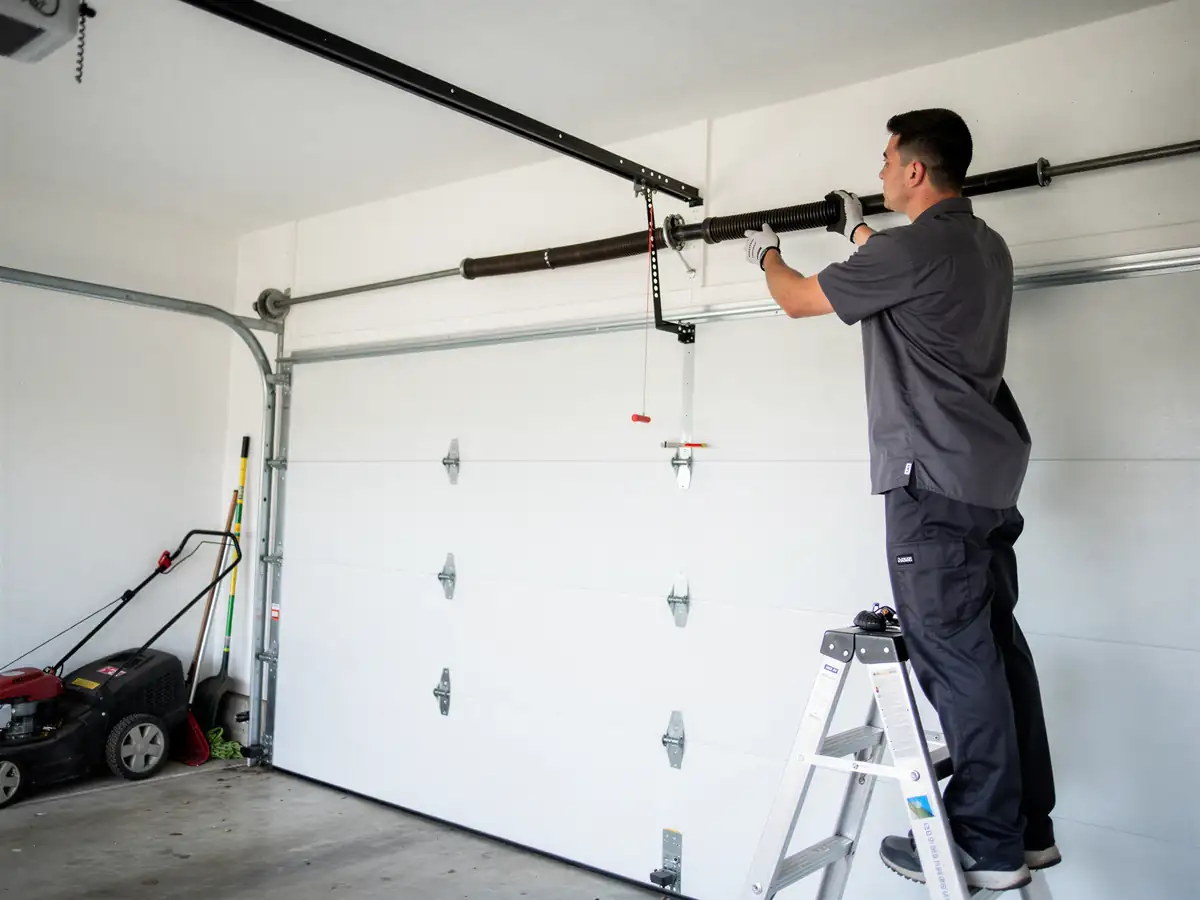
Extension springs stretch along the horizontal tracks instead of twisting above the door, and they fail differently than torsion springs do - more suddenly, with less warning creak beforehand. If your door is from this build era and you hear a bang rather than a slow give, that's usually it. We also see steel panels from this period that have outlasted their rollers; the panel's fine, the roller stem is what's worn through.
How to Book
We run out of Pomona, about 5 miles from Diamond Bar, and that distance is short enough that a same-visit spring swap or opener fix doesn't turn into a half-day affair just from drive time. We don't operate a branch or drop-off counter in Diamond Bar itself - every job here is a truck coming from Pomona, which is worth knowing if you're expecting a storefront nearby.
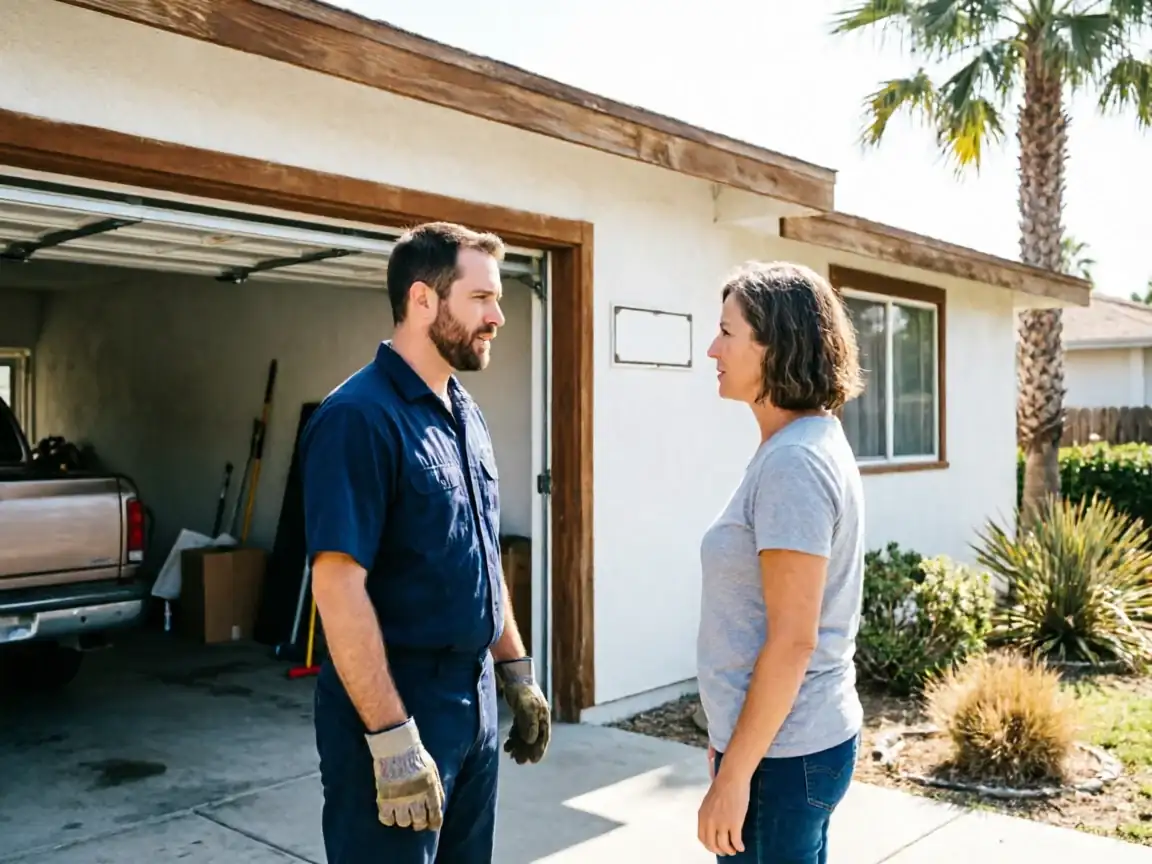
Across the full service area we cover 538,102 households, so when you call, tell us straight off that you're in Diamond Bar and roughly what the door is doing - won't open, won't close, loud bang, opener runs but nothing moves. That lets us bring the right spring size and the right roller stock instead of guessing on-site.
The DIY Question
A torsion or extension spring under tension can put you in the hospital
And we won't talk anyone through replacing one over the phone. That's not us protecting a job - it's a wound spring holding enough force to snap a bar or a cable loose fast.
What you can safely check yourself
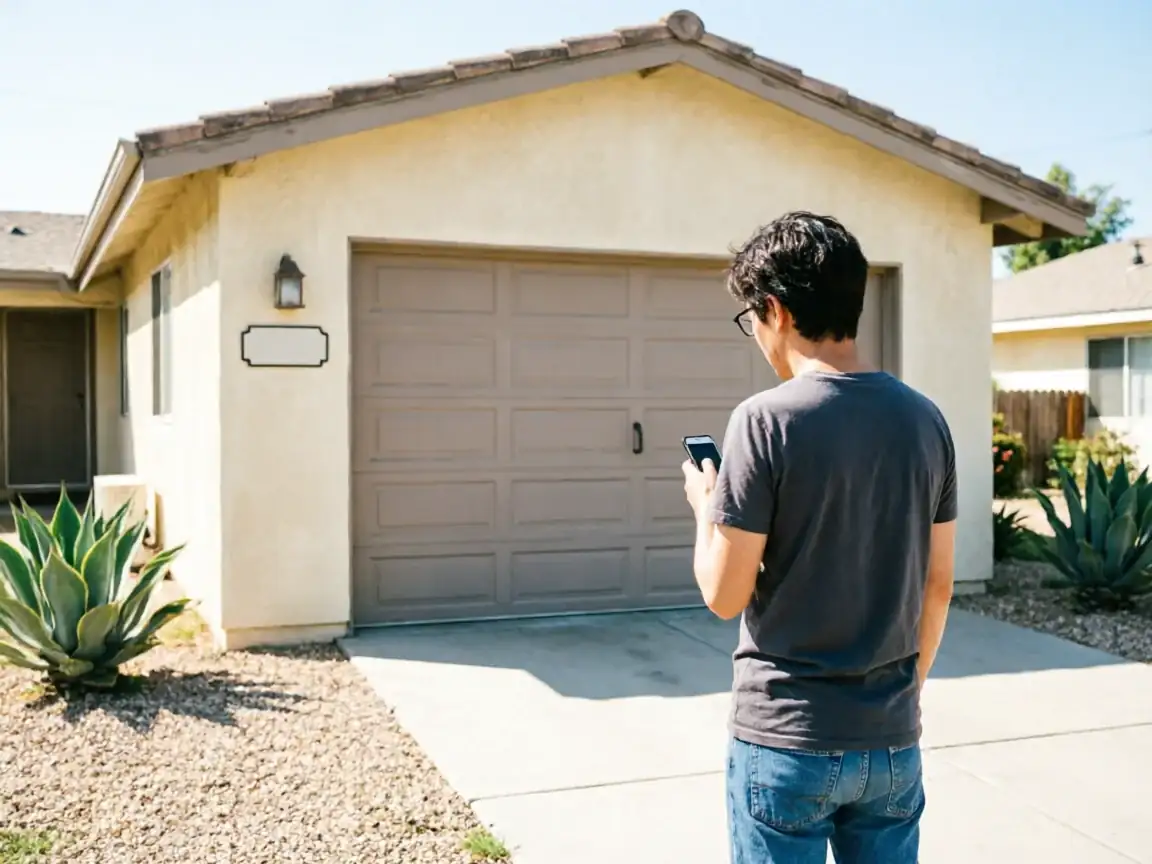
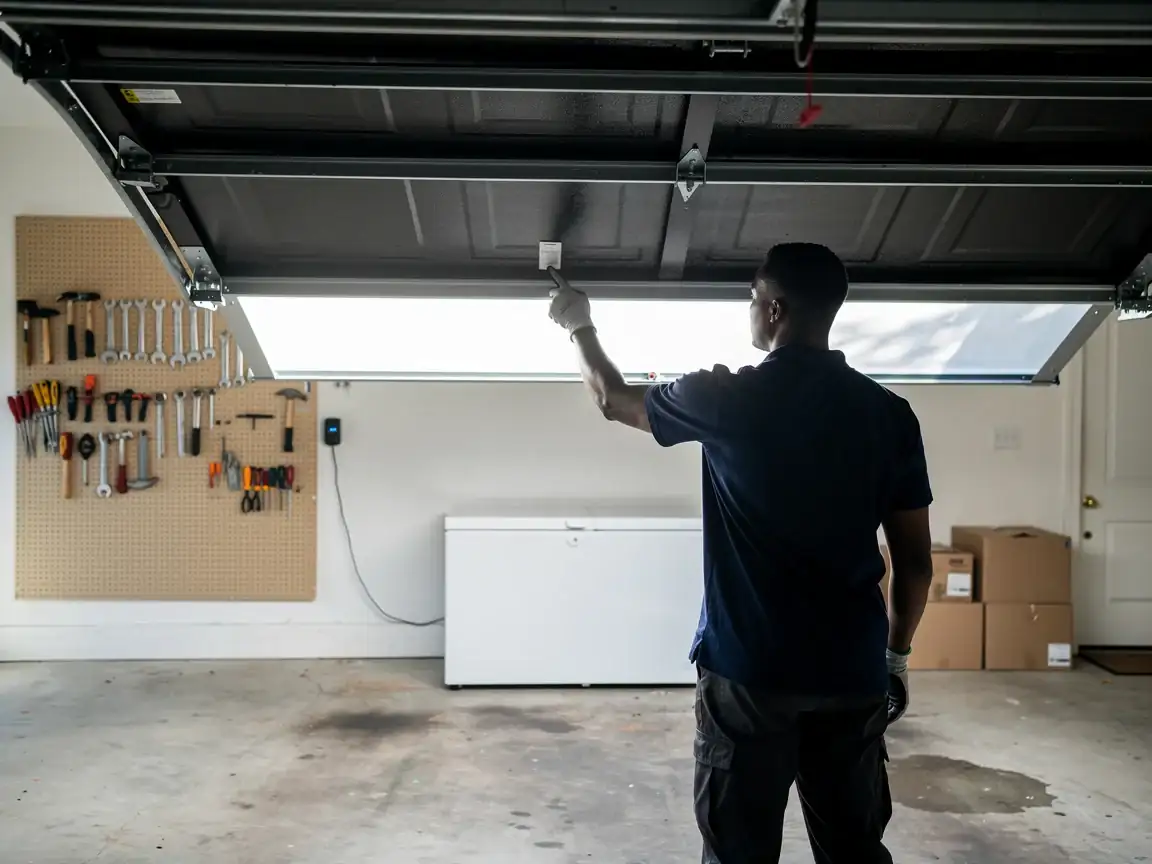
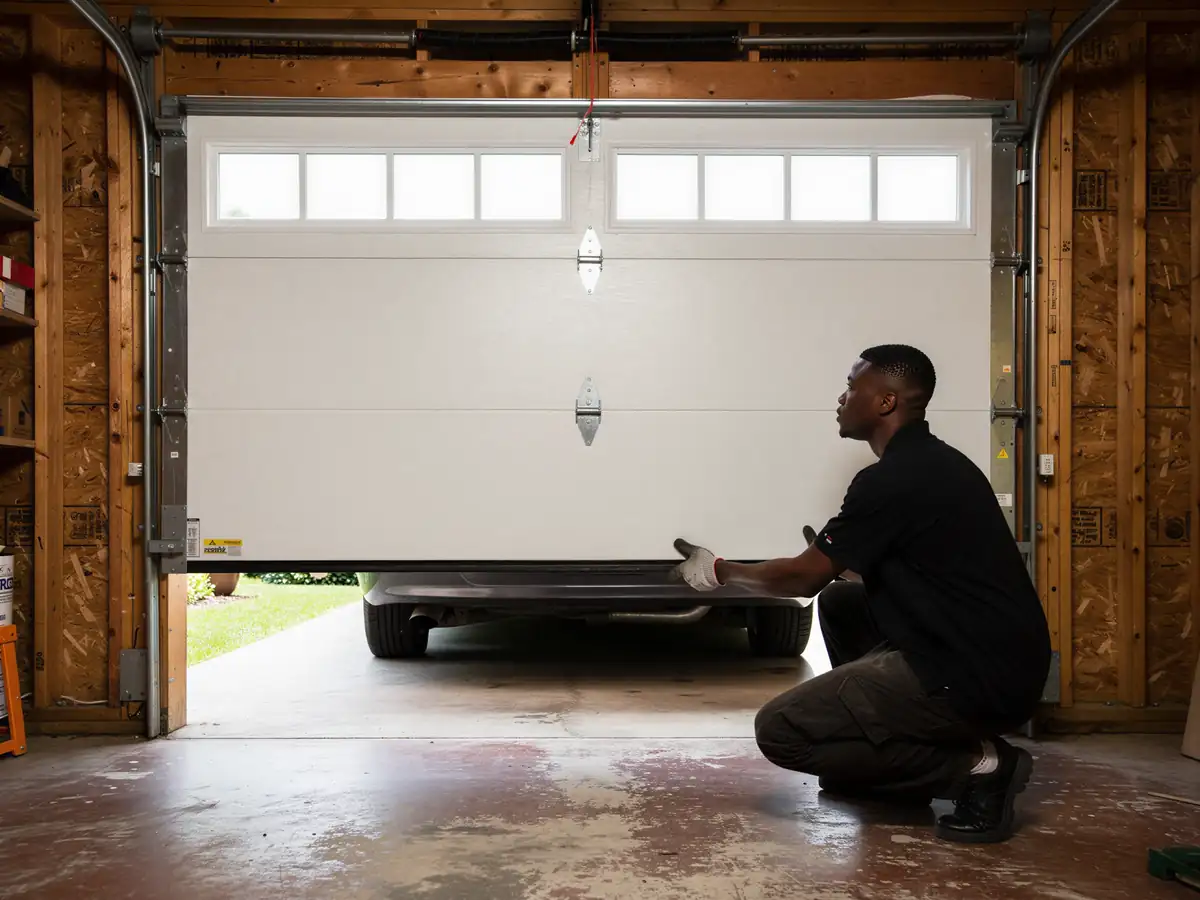
The photo-eye sensors at the bottom of the tracks (clean lenses, aligned, not blinking), the weatherstripping along the bottom panel, and whether the door is still balanced - disconnect the opener, lift it halfway by hand, and see if it holds. If it drops or shoots up, the spring tension is off and that's a call, not a project. Given how much of this neighborhood is still running hardware from its original 1979-era build, a door that's held together with mismatched parts added over 40-plus years isn't a safe place to start learning.
What the Repair Takes
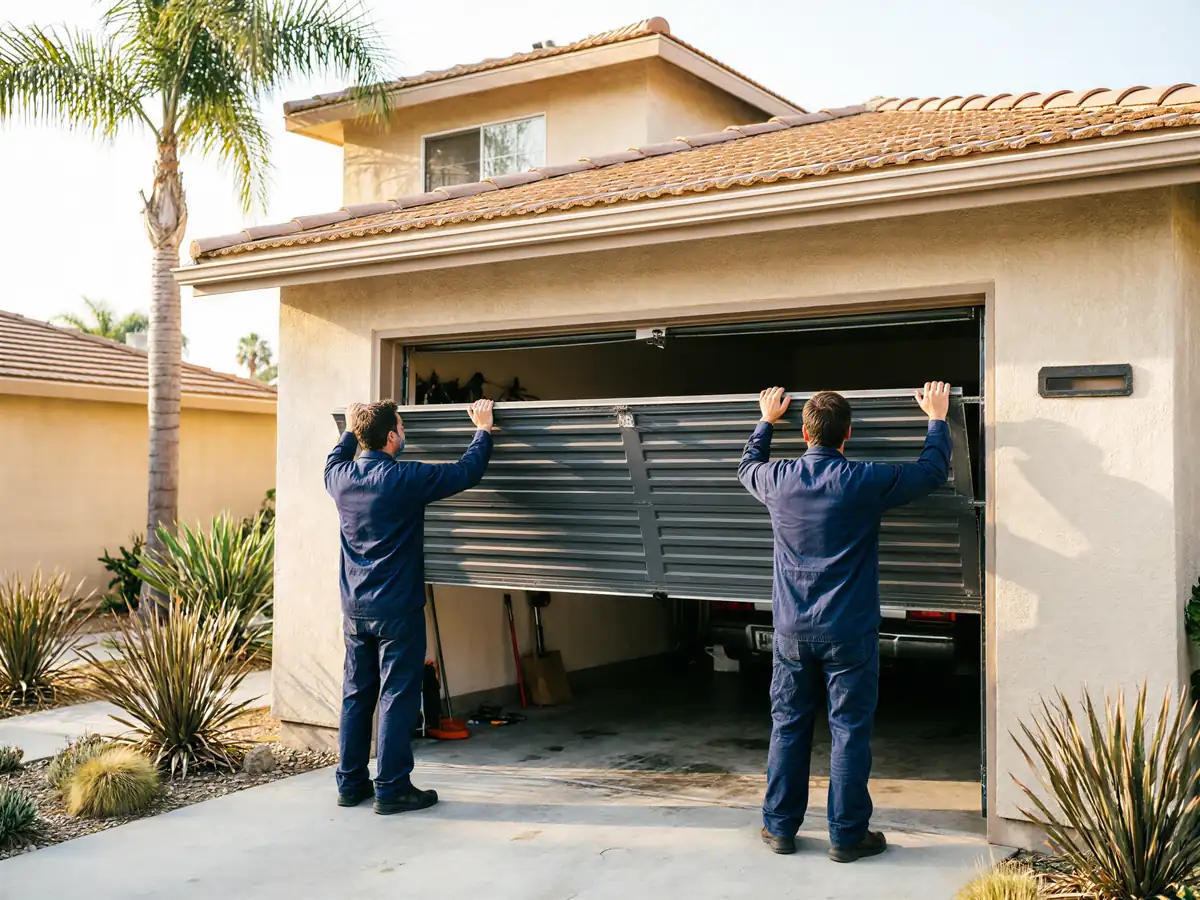
Most jobs on a Diamond Bar door fall into one of two buckets: spring replacement or roller and track work, and both are shaped by the age of the house, not the brand of the door. A broken extension spring on a double door usually means replacing both springs even if only one failed - they wear at the same rate and the second one is close behind.
Roller and track jobs run longer when the track itself has been knocked out of alignment, which happens more on older steel doors where the panels have thinned slightly over the decades. We carry common spring sizes and roller stock on the truck; anything odd - a discontinued panel profile or a proprietary opener part - can mean a special order, and we'll tell you that up front rather than string out a visit.
What Can Go Wrong
The climate here runs moderate on heat compared to the harsher desert bands further out, which is good news for springs - less thermal cycling means less metal fatigue from expansion and contraction. What it doesn't spare you is dried-out lubricant on rollers and hinges, which in a moderate-heat climate still breaks down over years of sun on a west- or south-facing door.
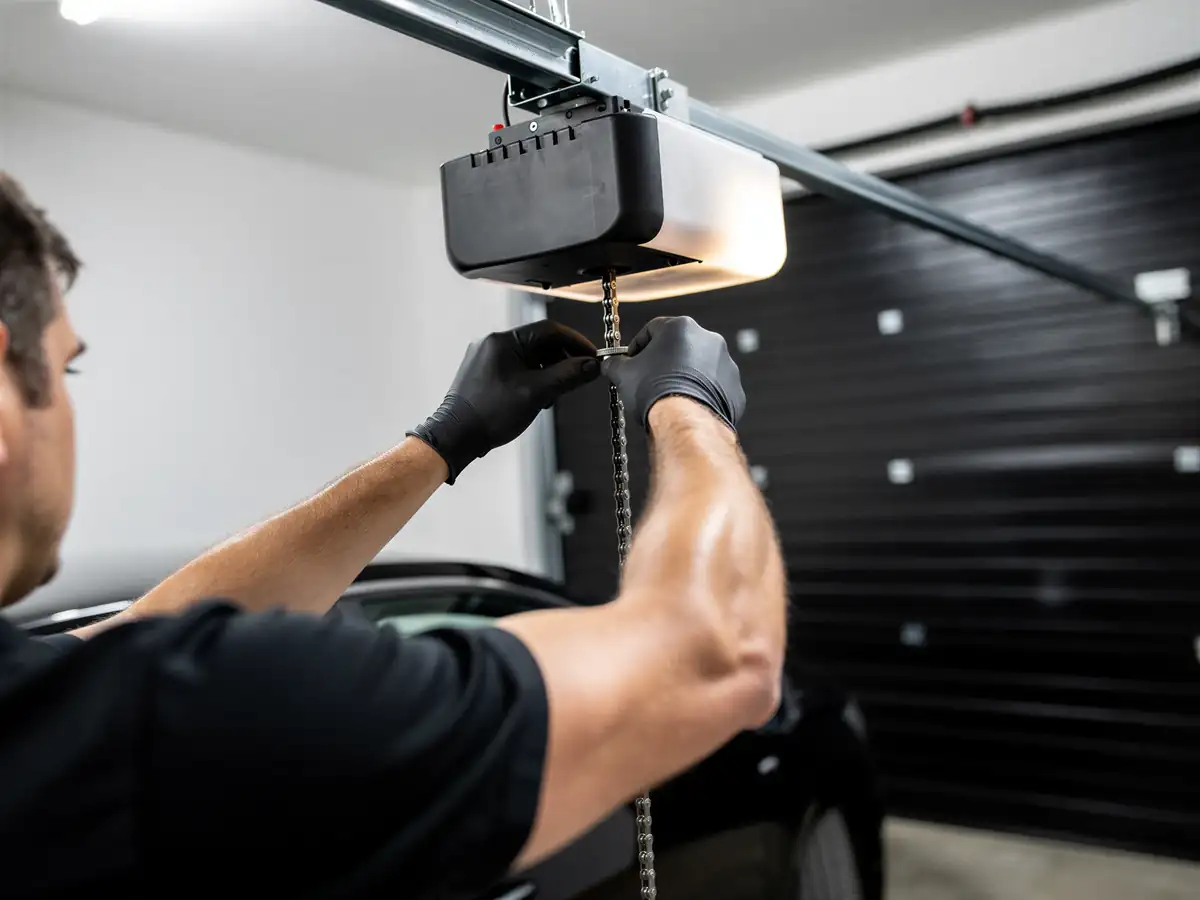
The other failure point tied to this area's build year is wiring. Openers from the late 70s and early 80s, even after a later opener swap, sometimes still run on wiring runs that were never updated - a loose wire nut at the wall button or a frayed sensor cord is a common call that looks like a dead opener but isn't.
Time on the Job
A straight spring replacement on a Diamond Bar door usually runs under an hour once we're on site with the right spring in hand
Roller and track realignment takes longer if the track has to come off the jamb rather than just get adjusted in place.
What we won't do is rush a balance check
A door that closes but isn't balanced will wear out a new spring early, and on a 1979-era door that's already carrying decades of incremental fixes, skipping that check is how you end up back here in six months instead of five years.