Why It Happens Here
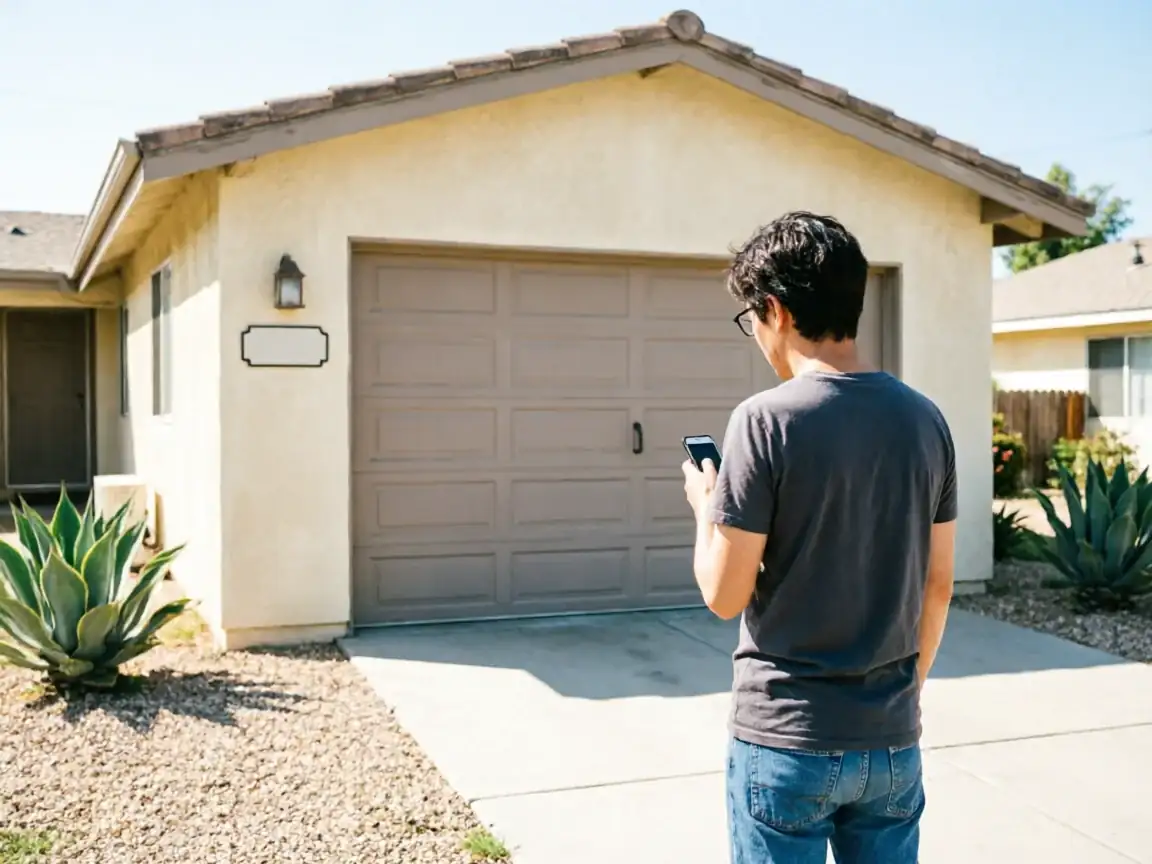
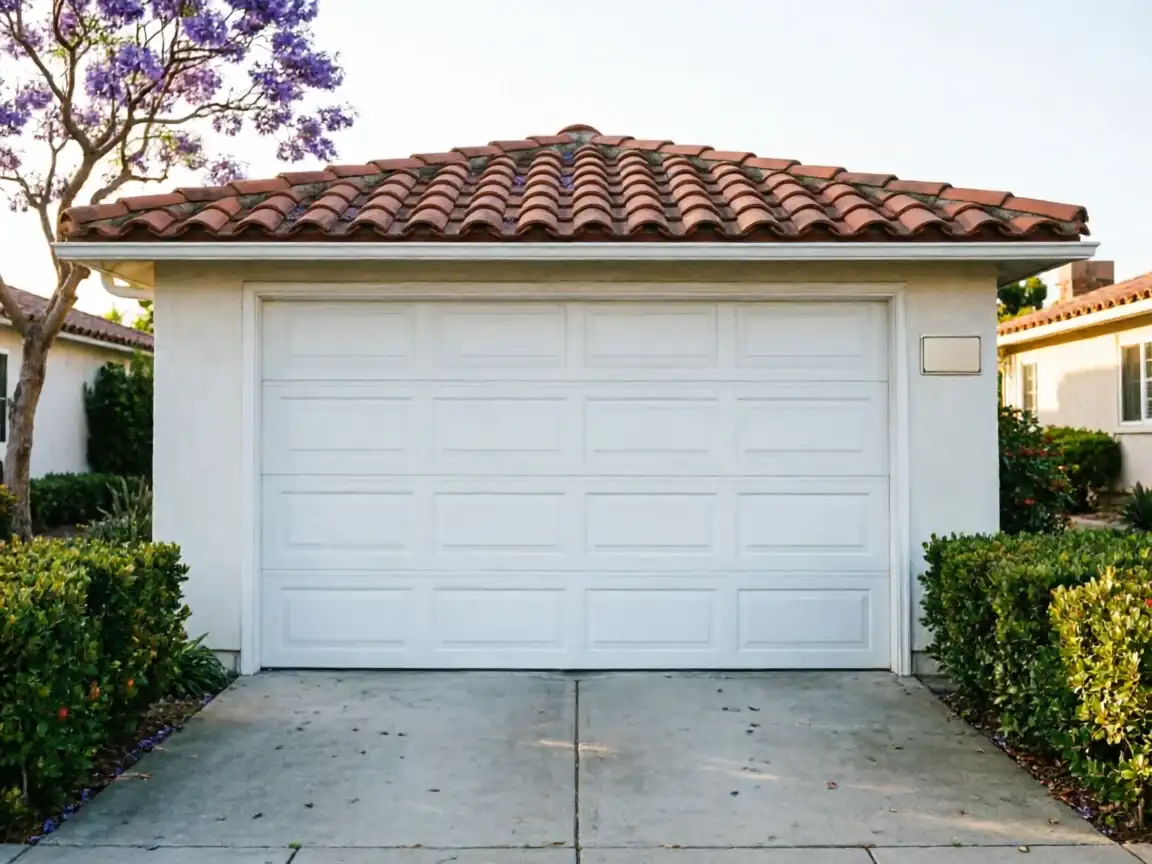
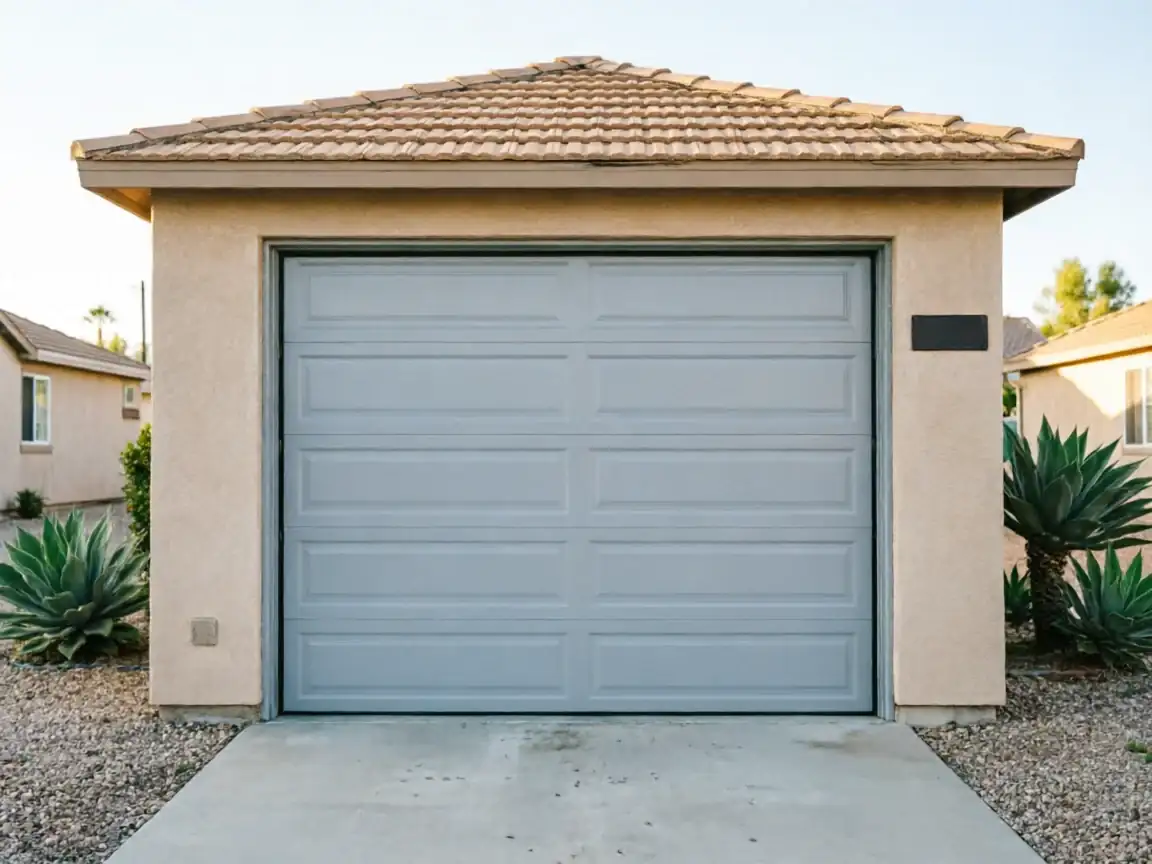
Most houses in Pomona's established neighborhoods went up between 1951 and 1965, back when a single steel door and a basic extension-spring setup was standard. Across the 45 named areas that make up this part of the valley, the bulk of the stock dates to the 1960s and 70s, which means a lot of garages still carry the original door, or a replacement from decades ago sized for an opener that's no longer made. That matters for installation because the rough opening, the track clearance, and the header space on a house from that era often don't match what a new door comes drilled for off the shelf.
Pomona sits in a moderate-heat climate band. That's not dramatic weather, but it's steady - daily expansion and contraction on wood and composite panels, and enough summer heat to dry out old weatherstripping and warp thin steel skins over the years. A door that's been absorbing that cycle since the house was built isn't failing because of one bad week. It's failing because thirty-plus years of ordinary heat finally wore it down. That's the case for a full install rather than another patch, and it's also why we measure the opening before we quote anything - guessing based on the house's age gets you a door that doesn't seat right.
What You Are Seeing
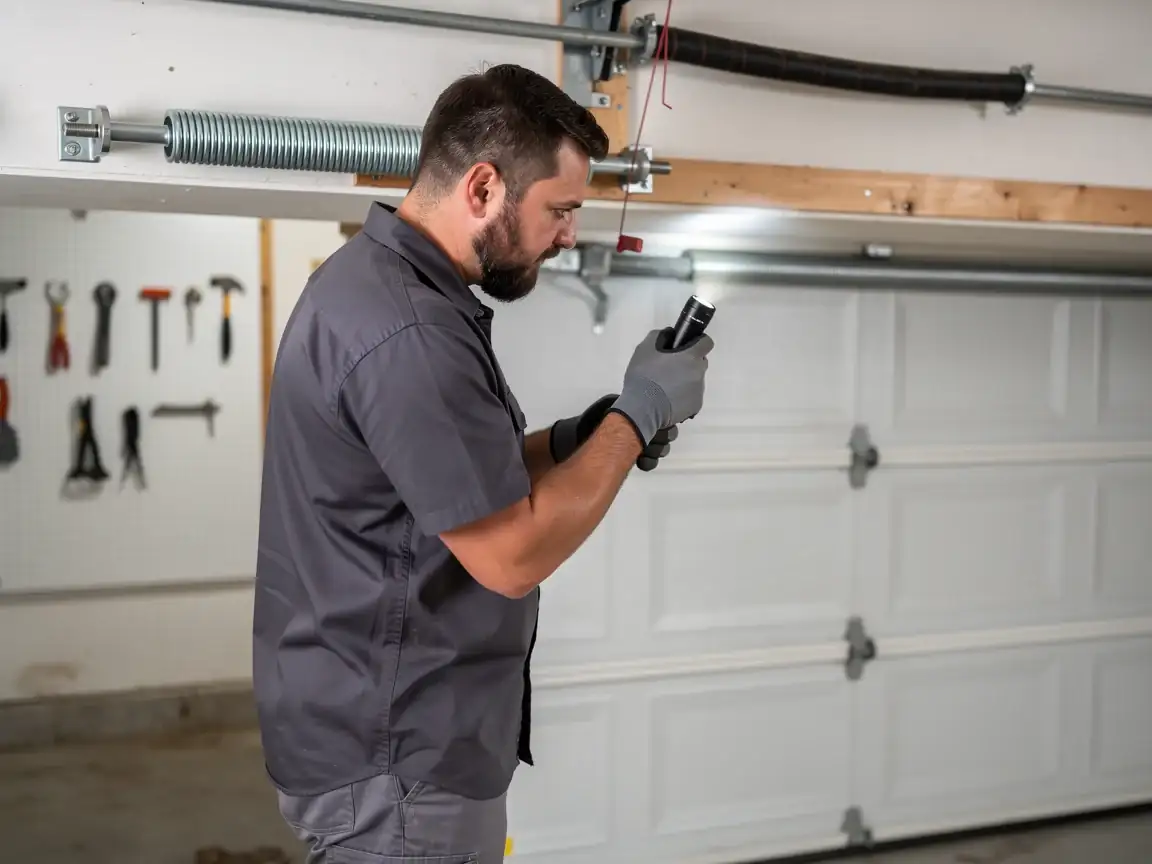
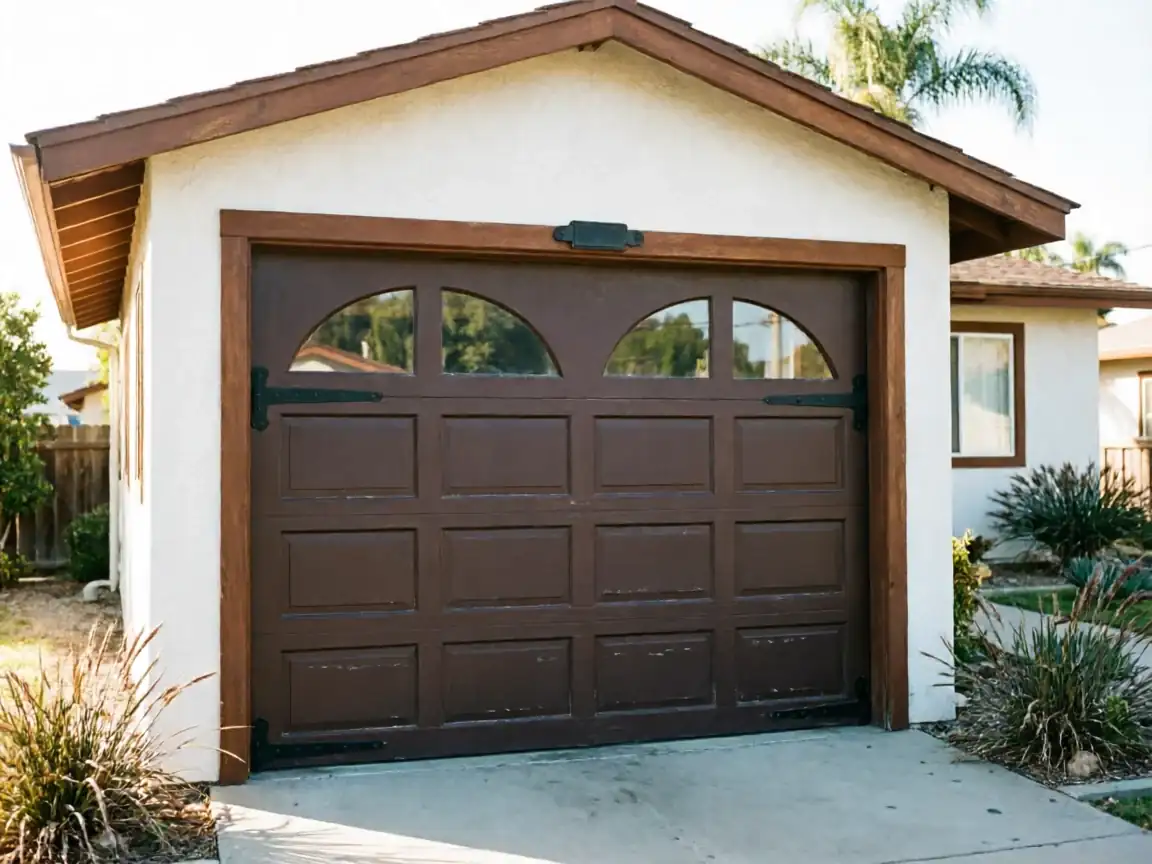
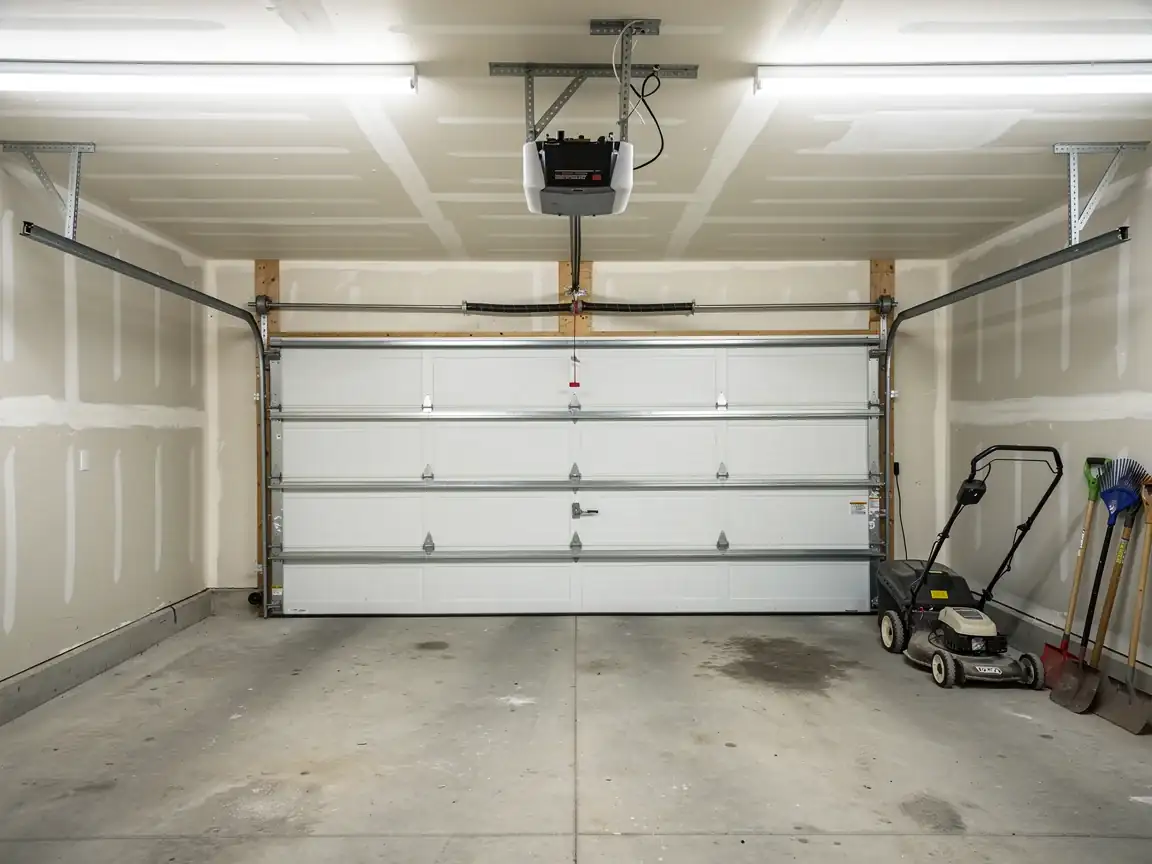
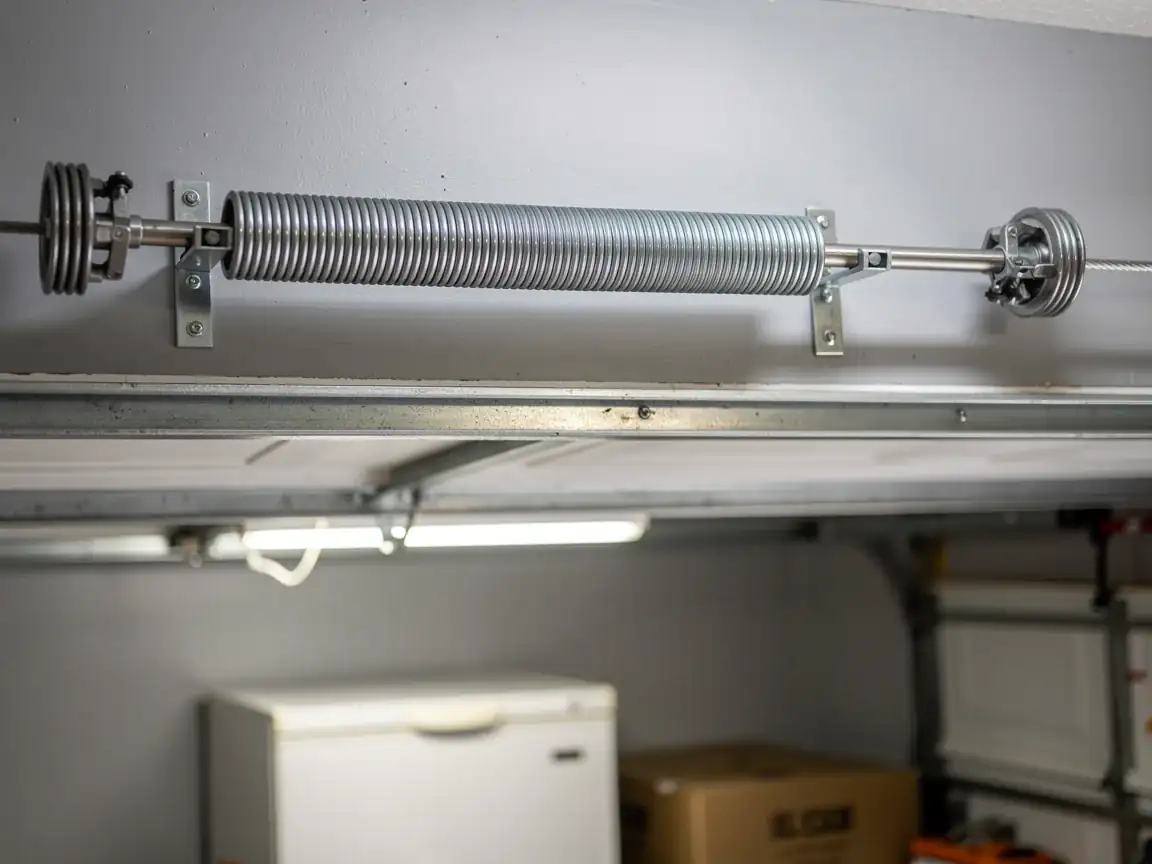
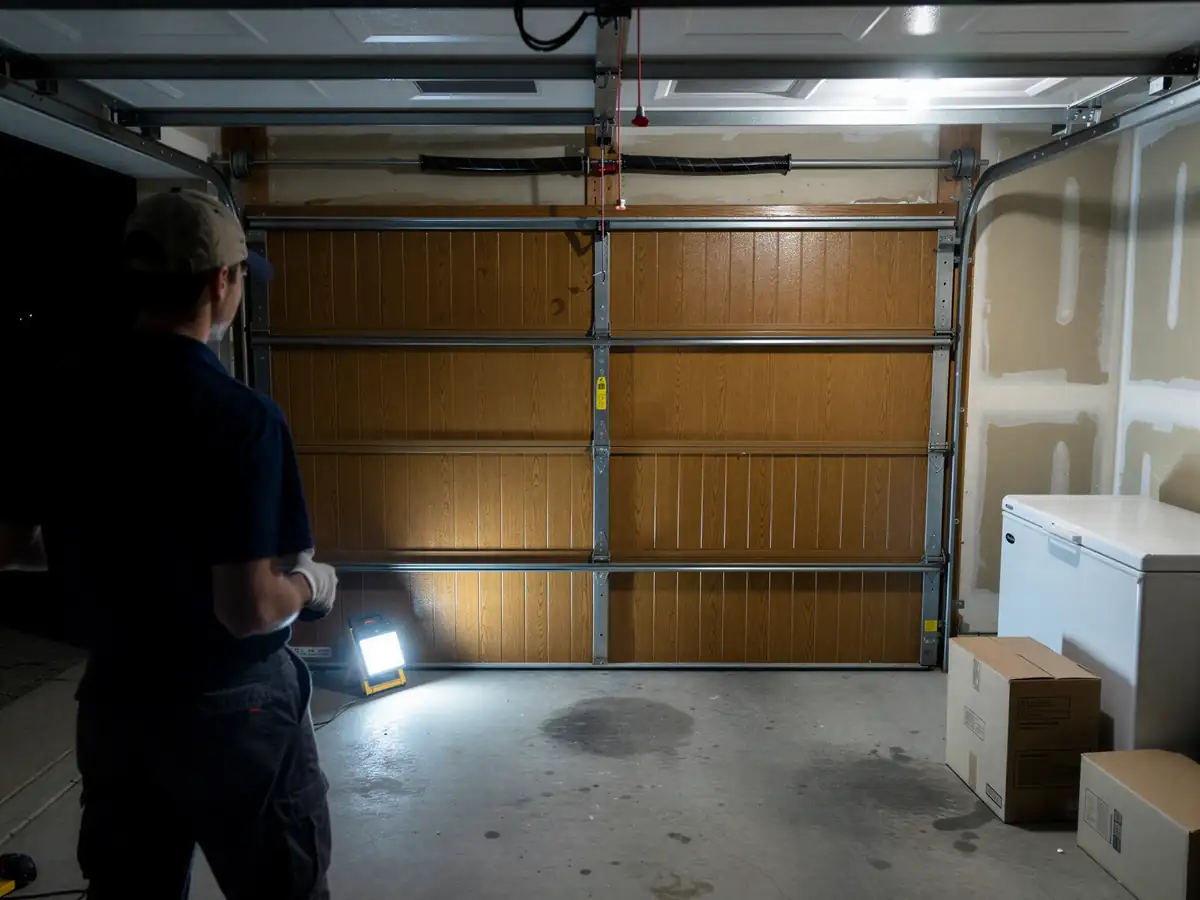
If your door is original or close to it, the signs are usually mechanical before they're cosmetic. Panels that flex visibly when the door moves. A track that's been bent back into shape more than once. Rollers that grind instead of roll. On the older torsion setups common in this housing stock, you might also notice the spring looks undersized for the door's weight - some of these were installed before current cycle-life springs were standard, and nobody's upgraded the hardware since.
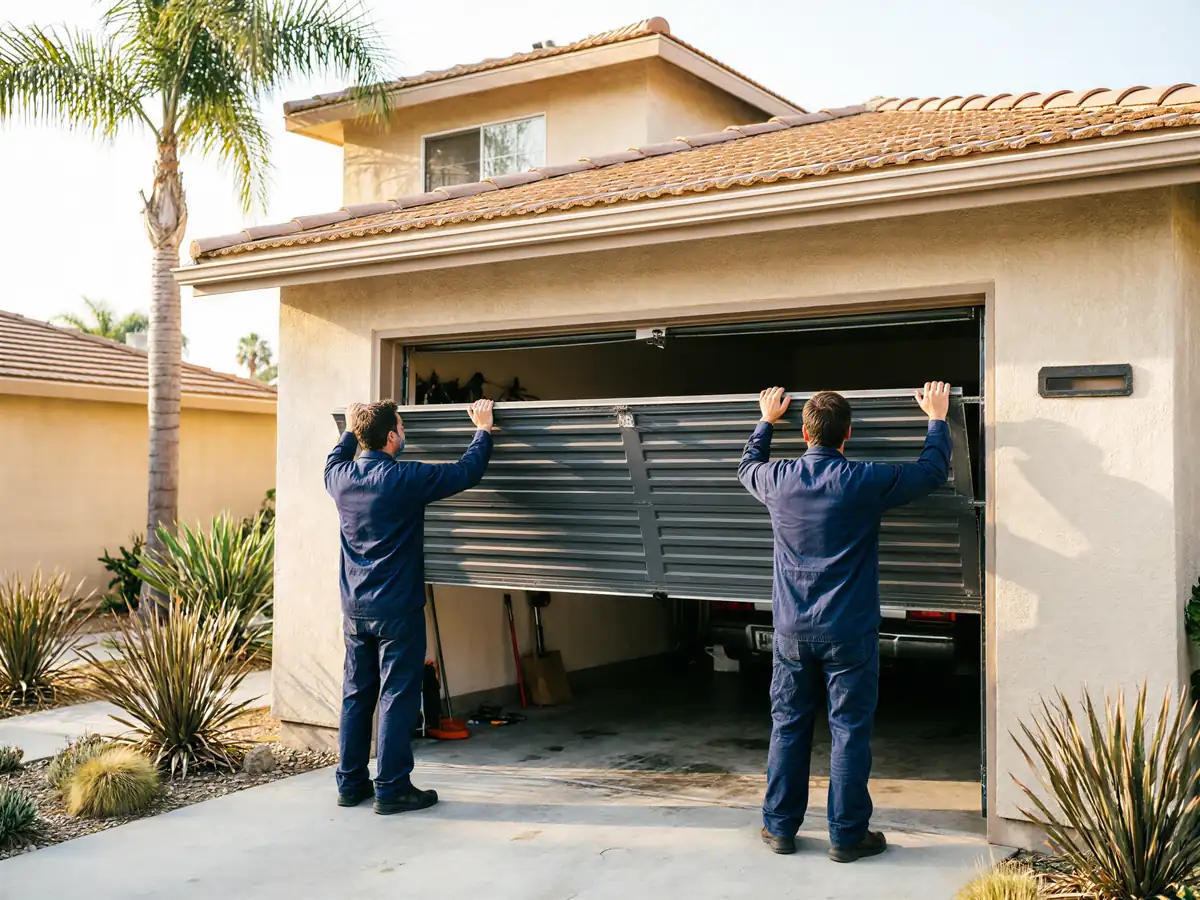
Water staining at the bottom panel is common too, especially on doors without a proper bottom seal retrofit. None of these on their own mean you need a new door tomorrow. Together, especially on a door that's original to a house built in the 1960s or 70s, they usually mean the door has done its job and is near the end of it. We'll tell you straight if a repair buys you a few more years or if you're better off replacing - we don't push a new install on a door that still has life in it.
The DIY Question
Swapping a garage door panel or hanging a new door yourself is possible
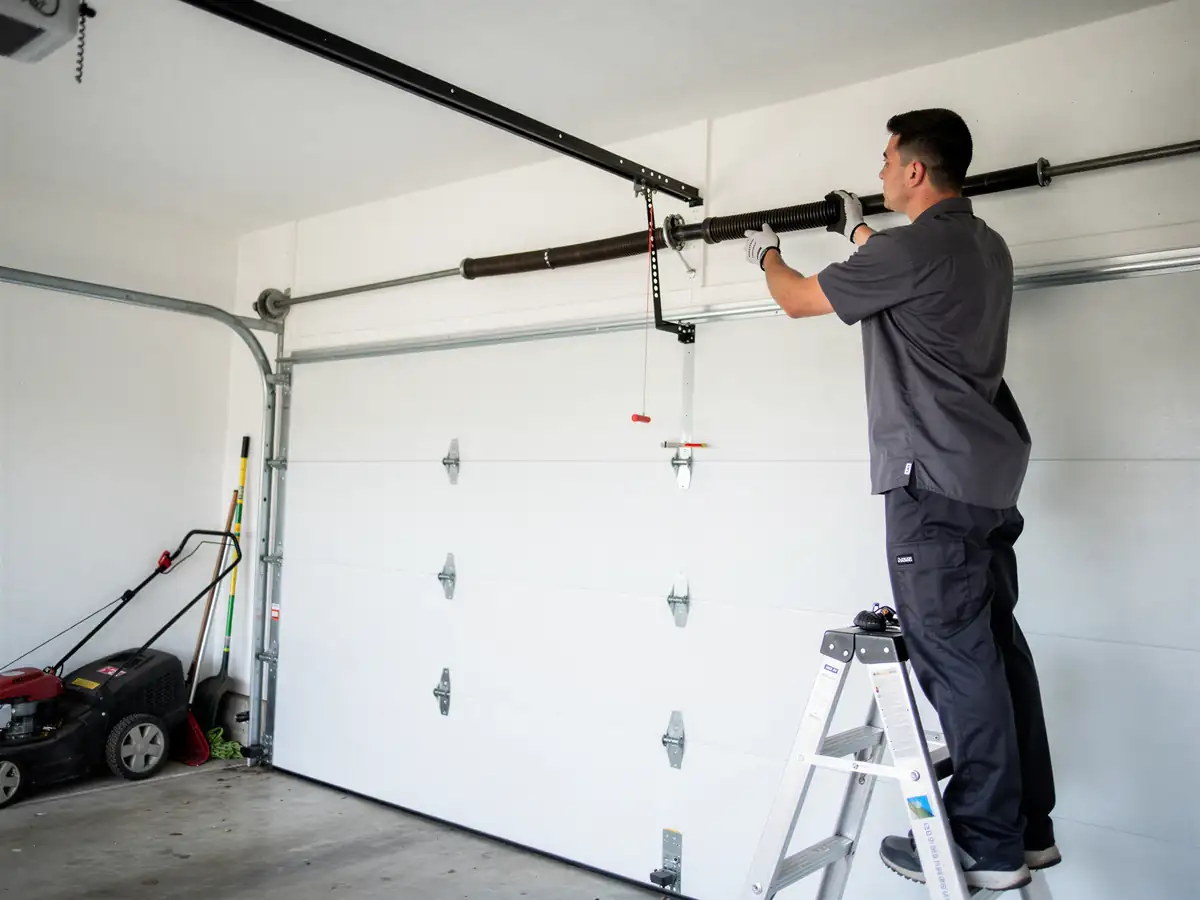
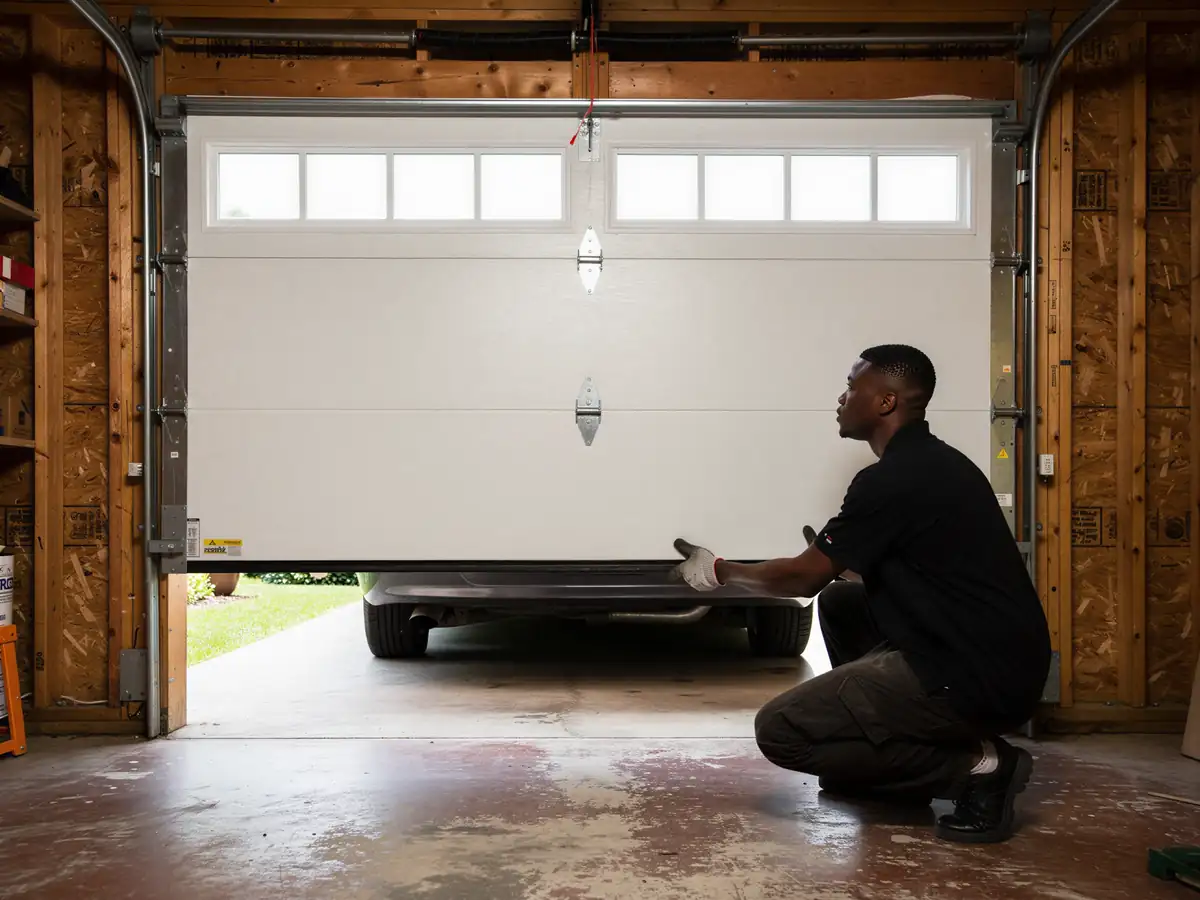
And plenty of people have done it. Where it goes wrong is the spring system - a torsion spring under tension can cause real injury if you don't have the bars and the technique, and that's not something we'll talk you through over the phone. If your project is cosmetic, like replacing hardware or weatherstripping on a door that's otherwise sound, that's a reasonable weekend job.
Here's the limitation we'll own
We don't carry every panel style or color in stock, and some discontinued doors from the 1960s and 70s housing stock can't be matched at all - if a manufacturer stopped making a line, we replace the whole door rather than hunt for a panel that doesn't exist anymore. We'll tell you that up front instead of stringing out a repair that isn't really fixable.
How to Book
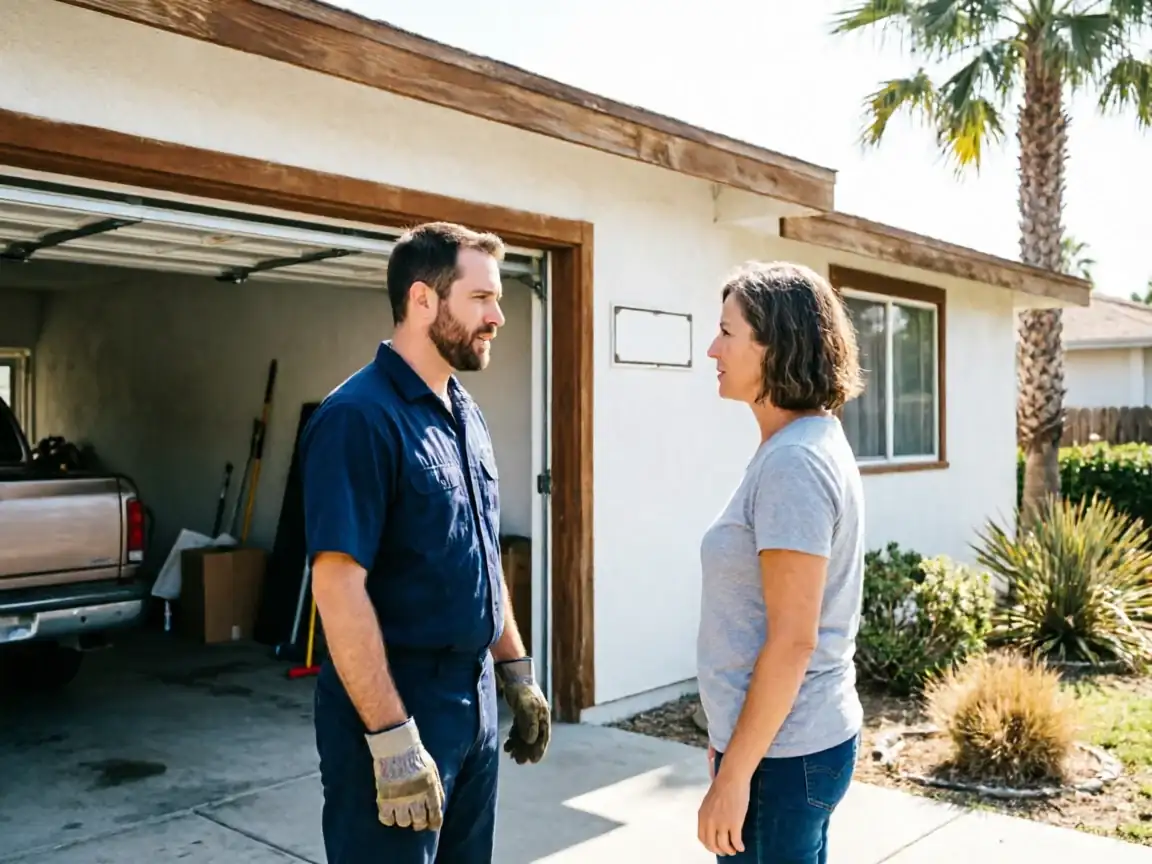
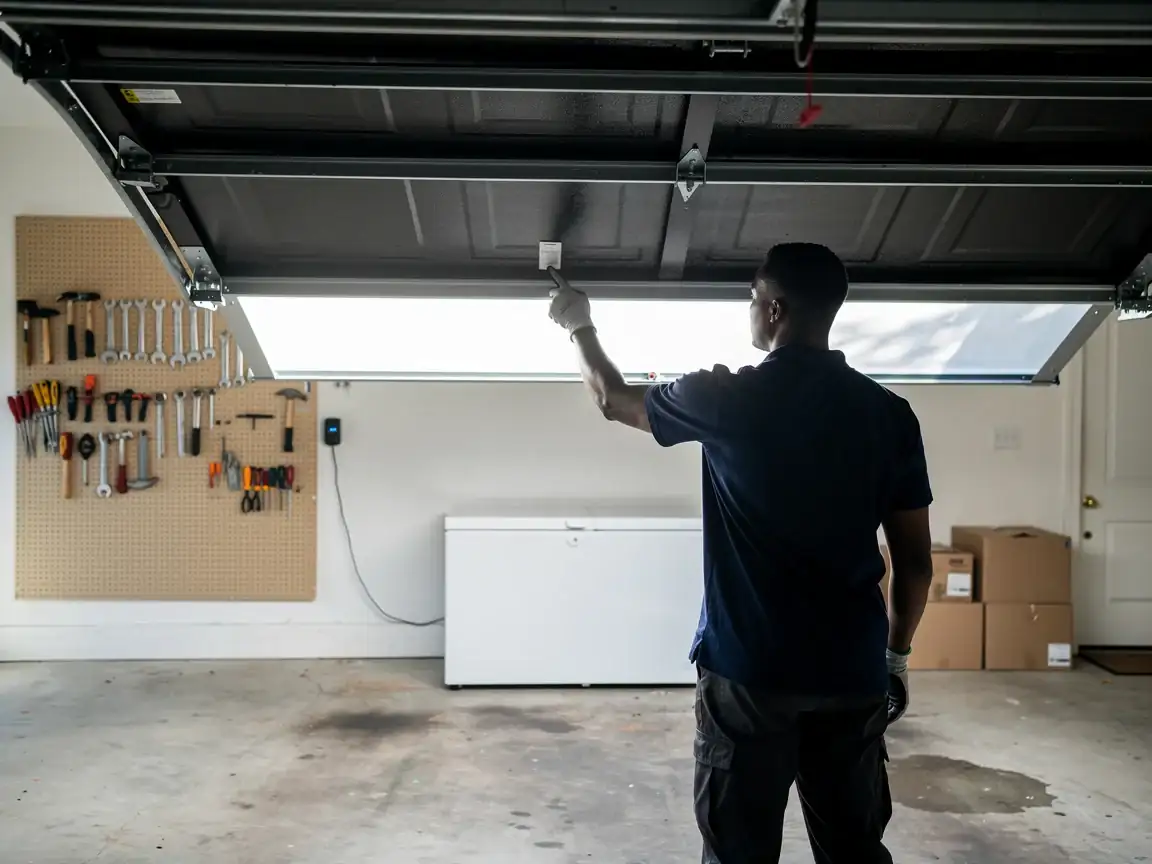
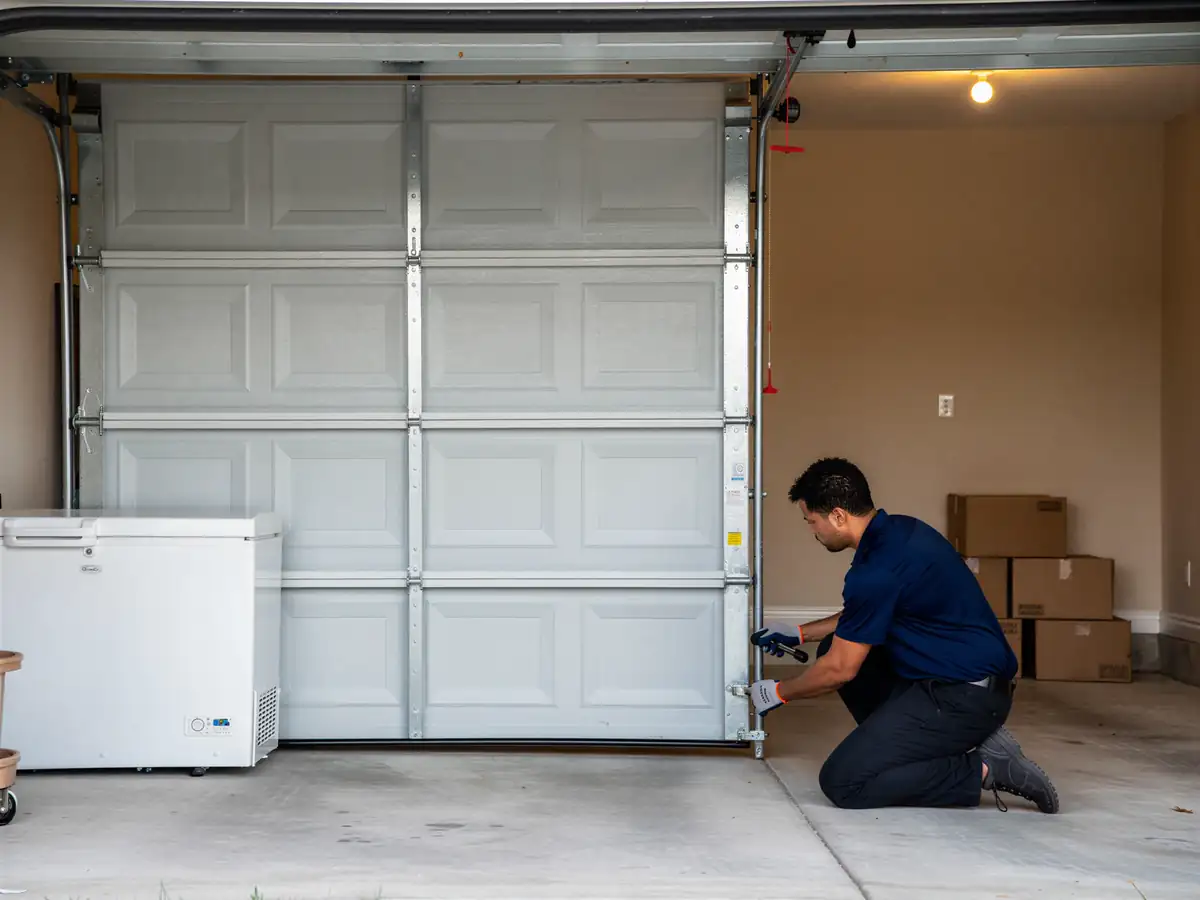
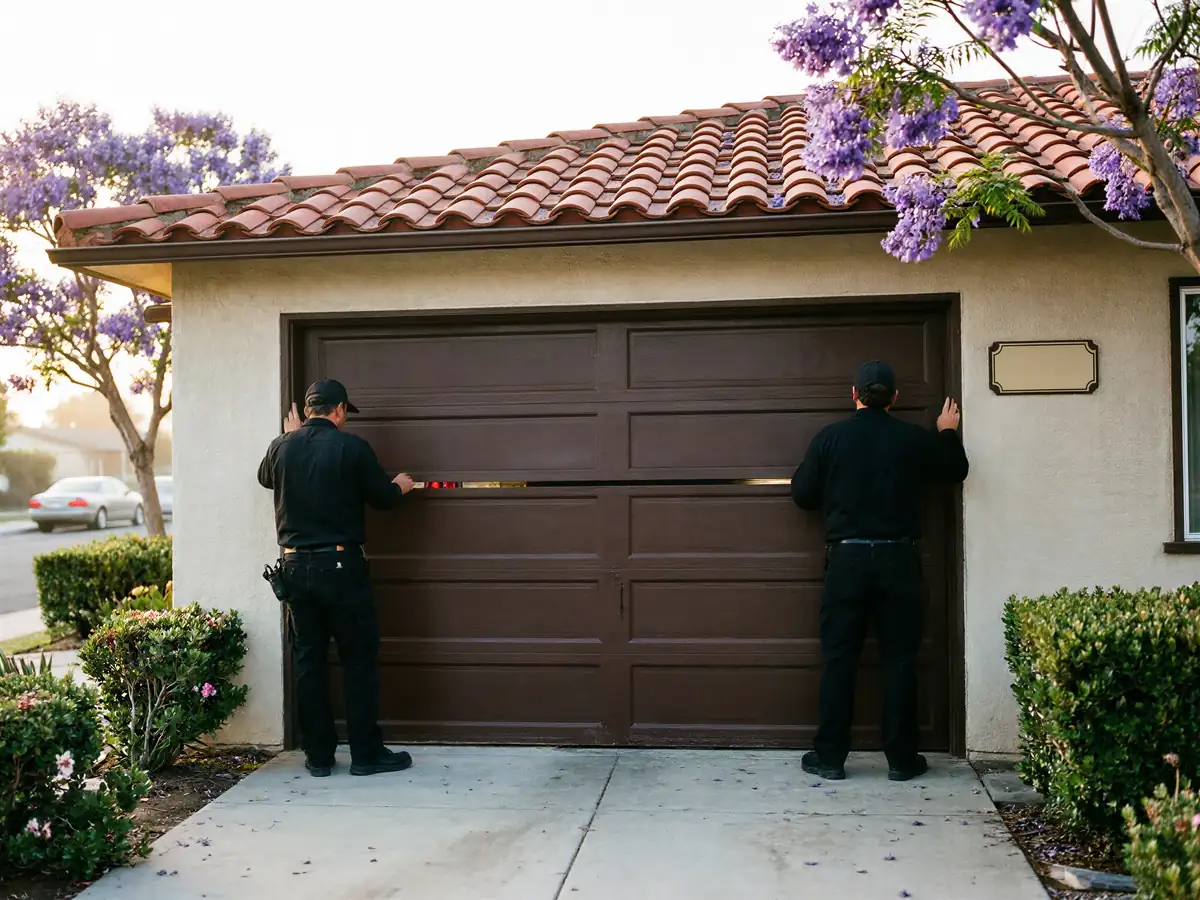
We come out, measure the actual opening, and tell you what fits before we talk price. For a house with an older frame or a nonstandard opening - common enough in this part of the valley given when most of it was built - that measurement step matters more than the door you pick off a brochure. Get in touch through our site and we'll set up a time to take a look.