Why It Happens Here
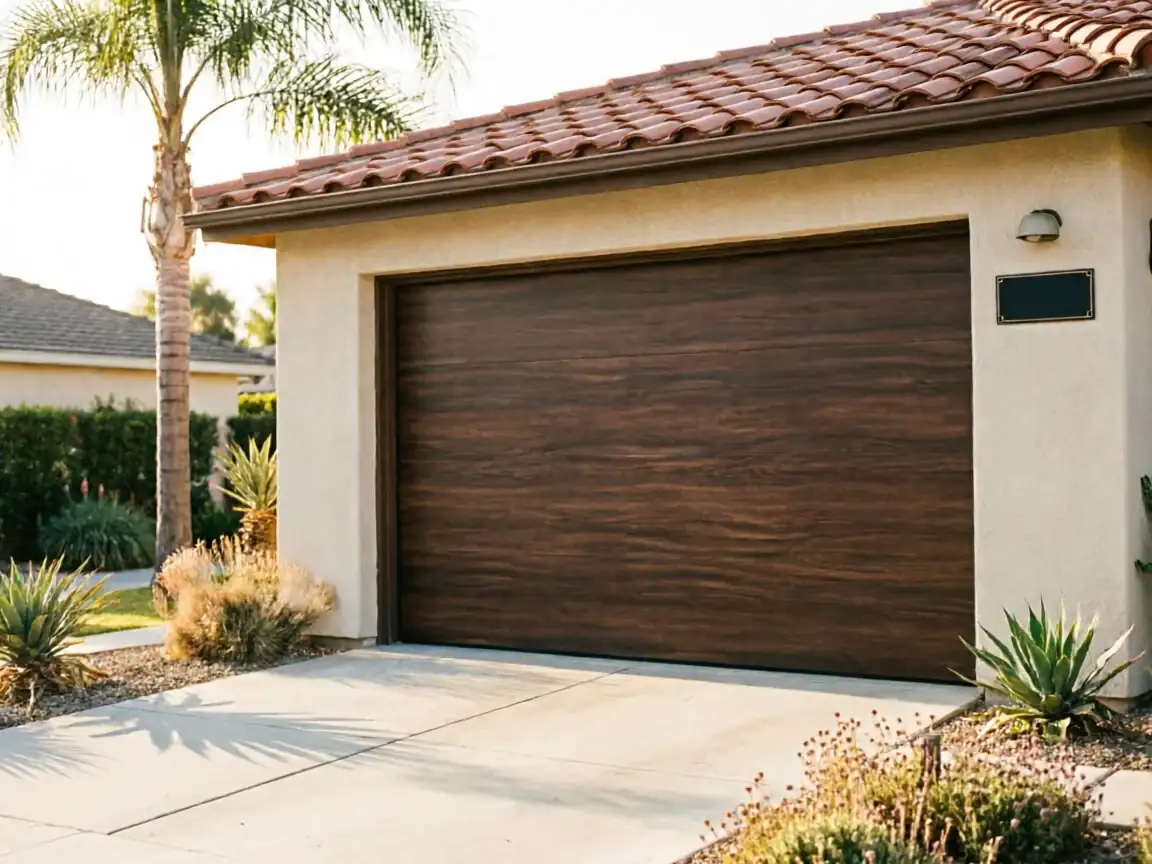
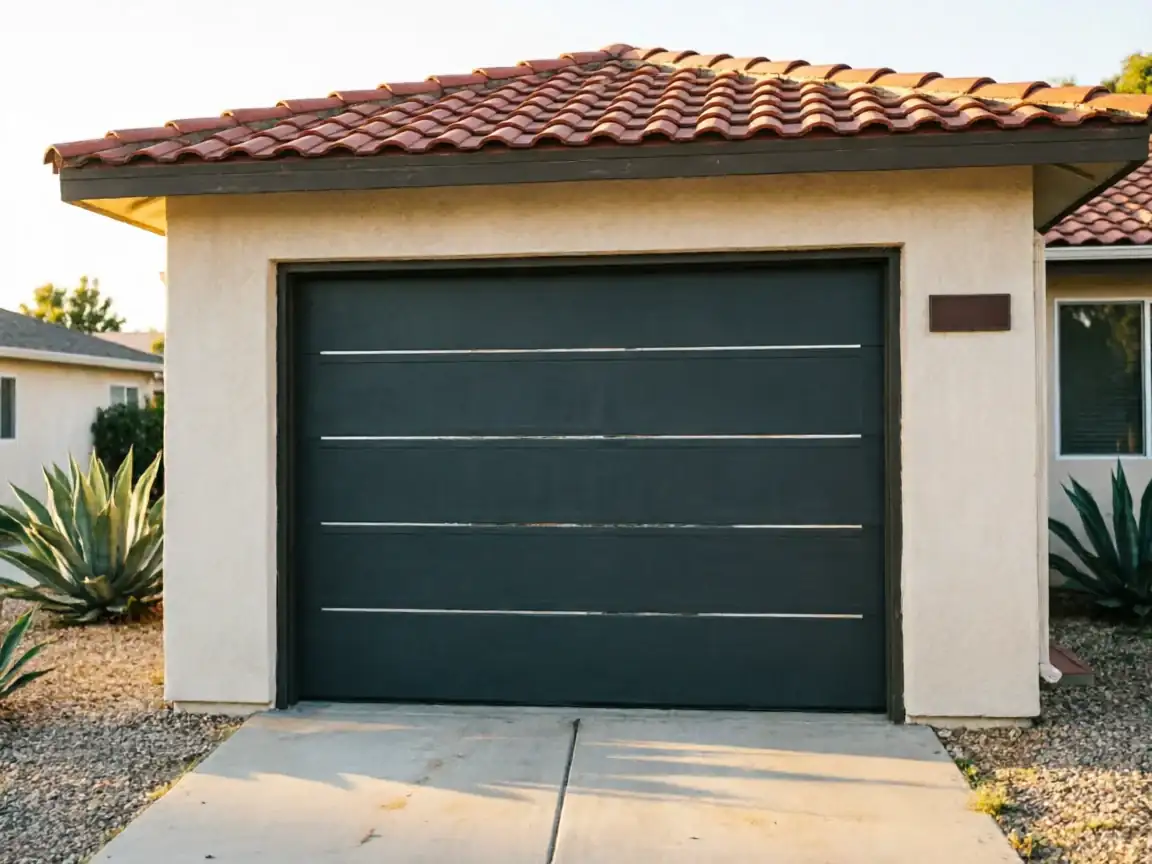
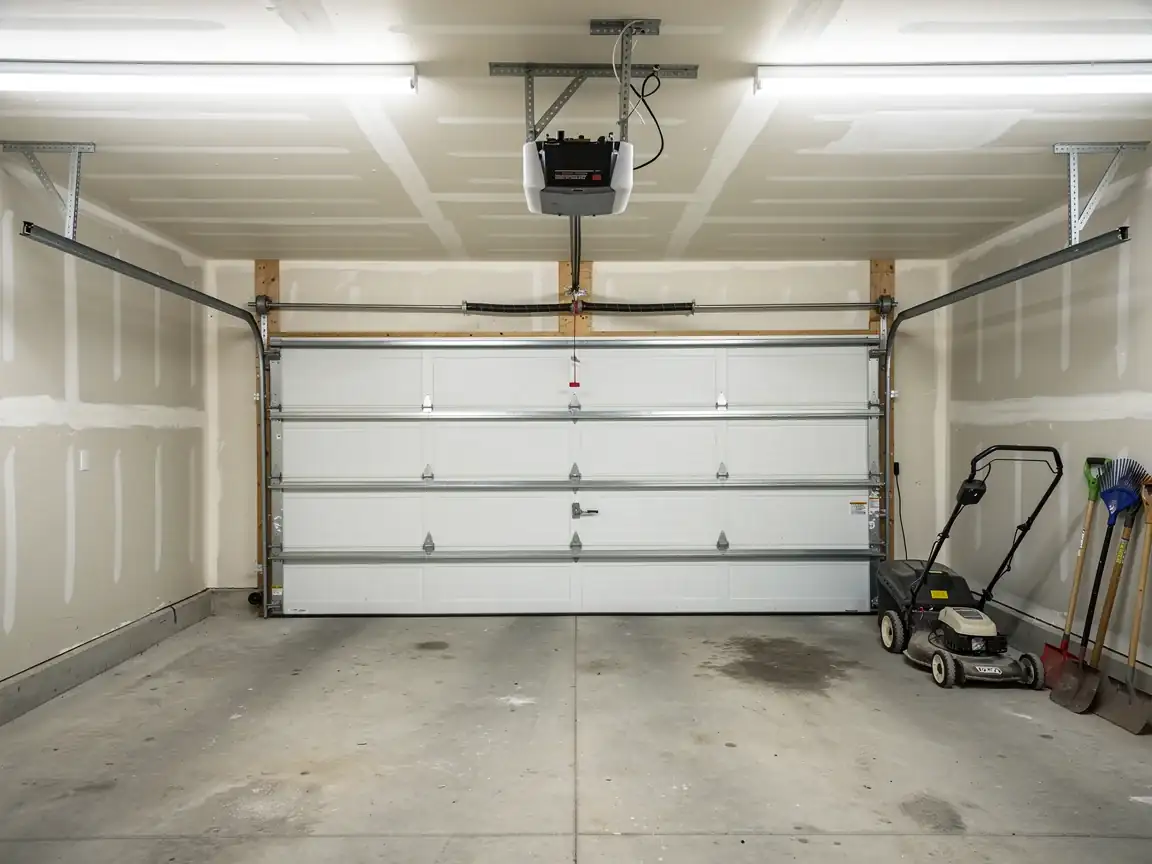
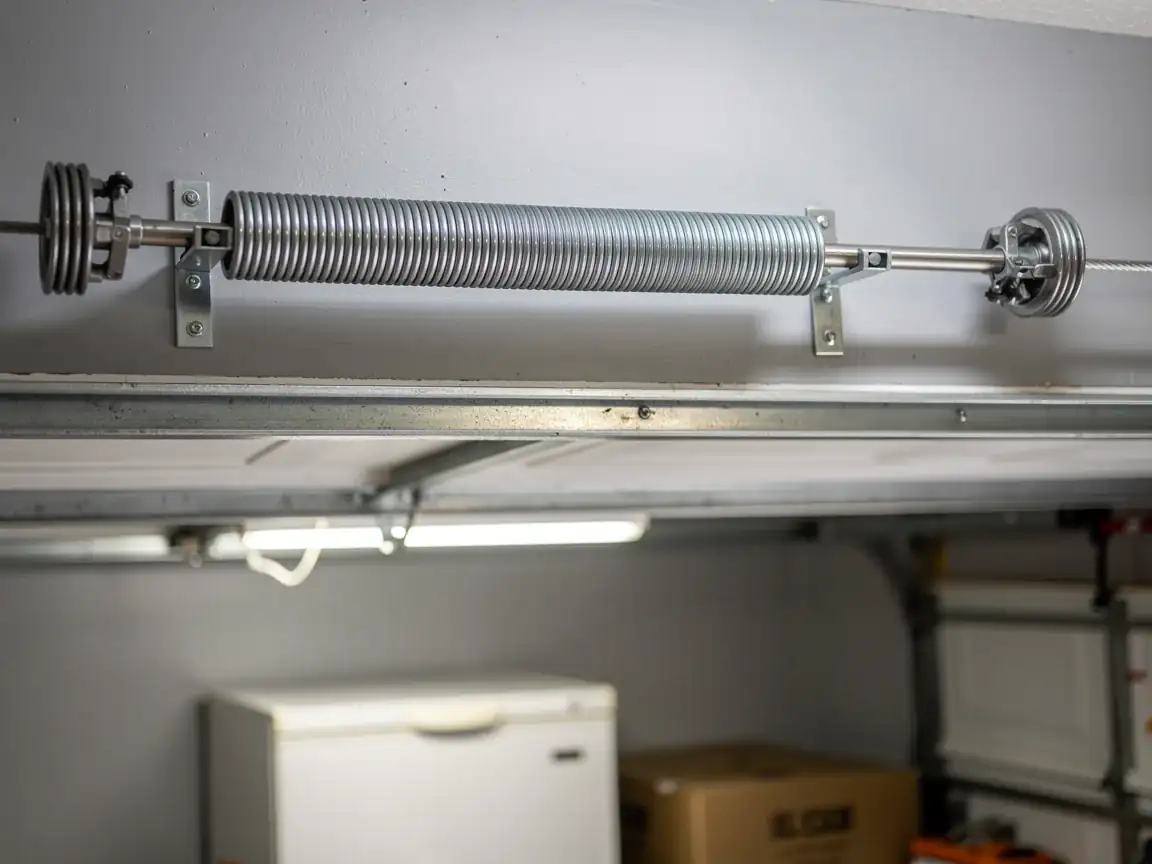
Pomona's housing mostly went up between 1951 and 2007, with the median build year sitting around 1965, and that one number explains most of the service calls we get. A door and opener installed when a house was framed in the mid-1960s is well past any reasonable service life, and a lot of the original torsion springs and rollers are still hanging on the same brackets. Across the 45 named areas that make up this part of the valley, the dominant stock is 1960s-70s construction, which means steel springs sized for a lighter door, steel rollers instead of nylon, and galvanized cable that's been flexing for five decades.
The climate here is a moderate heat band, not desert-extreme, but it's enough. Summer heat dries out spring lubricant and hardens the rubber weatherstrip at the bottom panel, and the expansion-contraction cycle on an aging torsion spring's coil wears the temper faster than the spec sheet assumed. None of this is dramatic weather damage - it's slow, cumulative fatigue on hardware that was already old when the heat started working on it. That combination of 1960s installs and a hot, dry summer stretch is why the failure pattern in Pomona looks the way it does.
What You Are Seeing
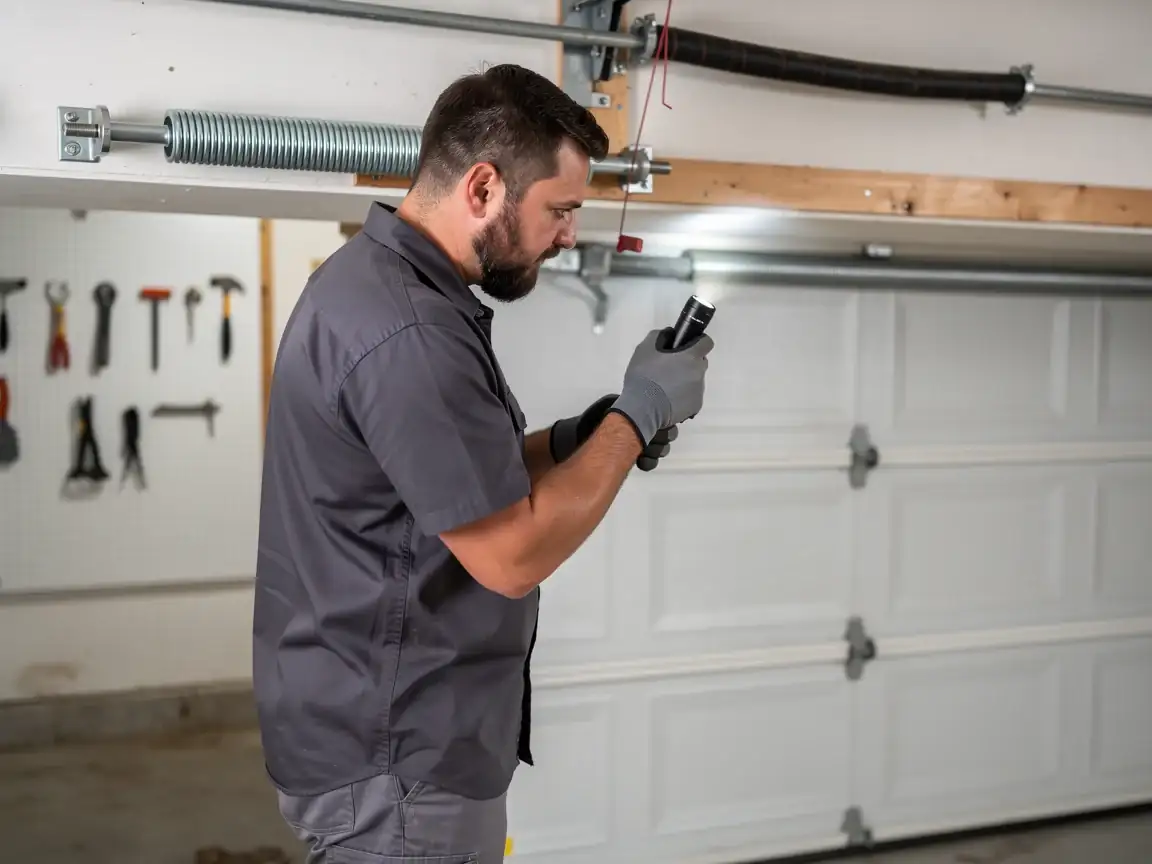
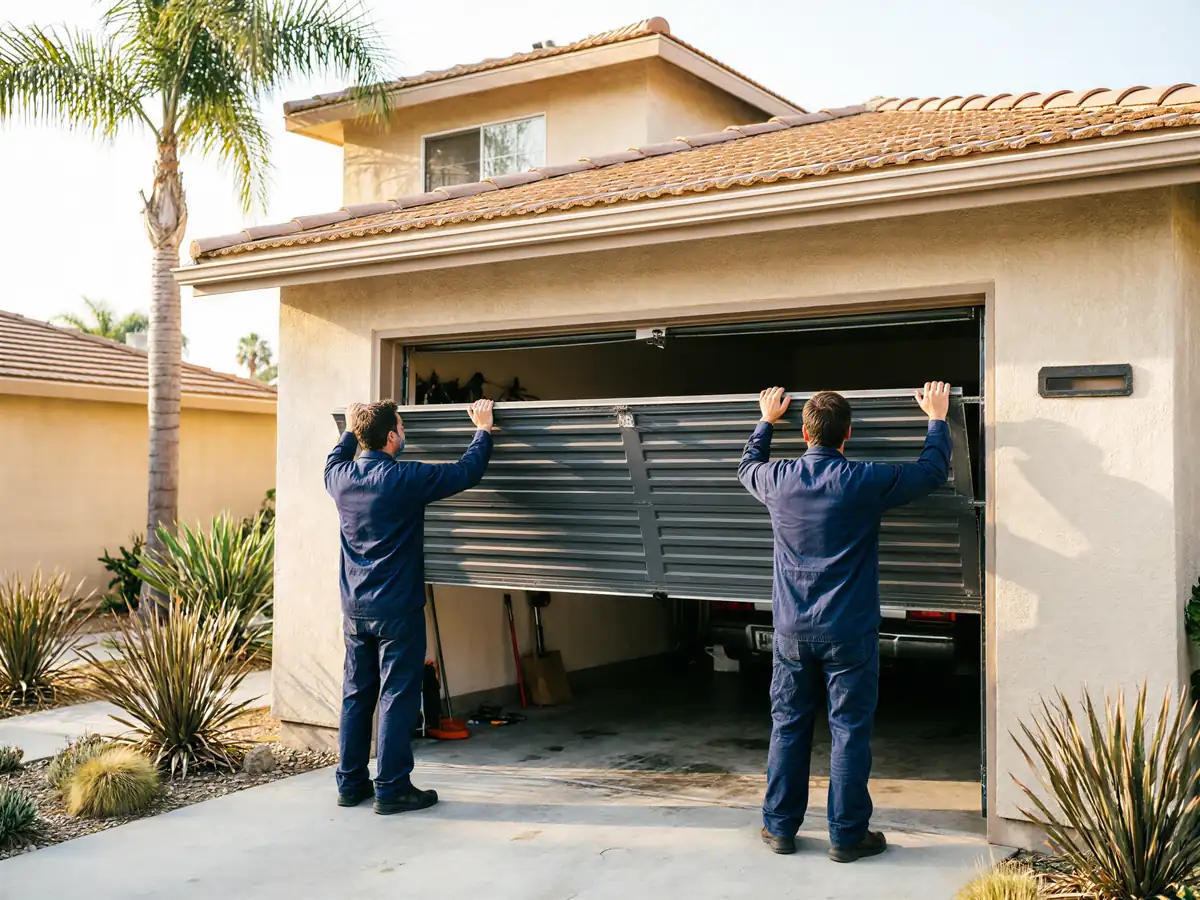
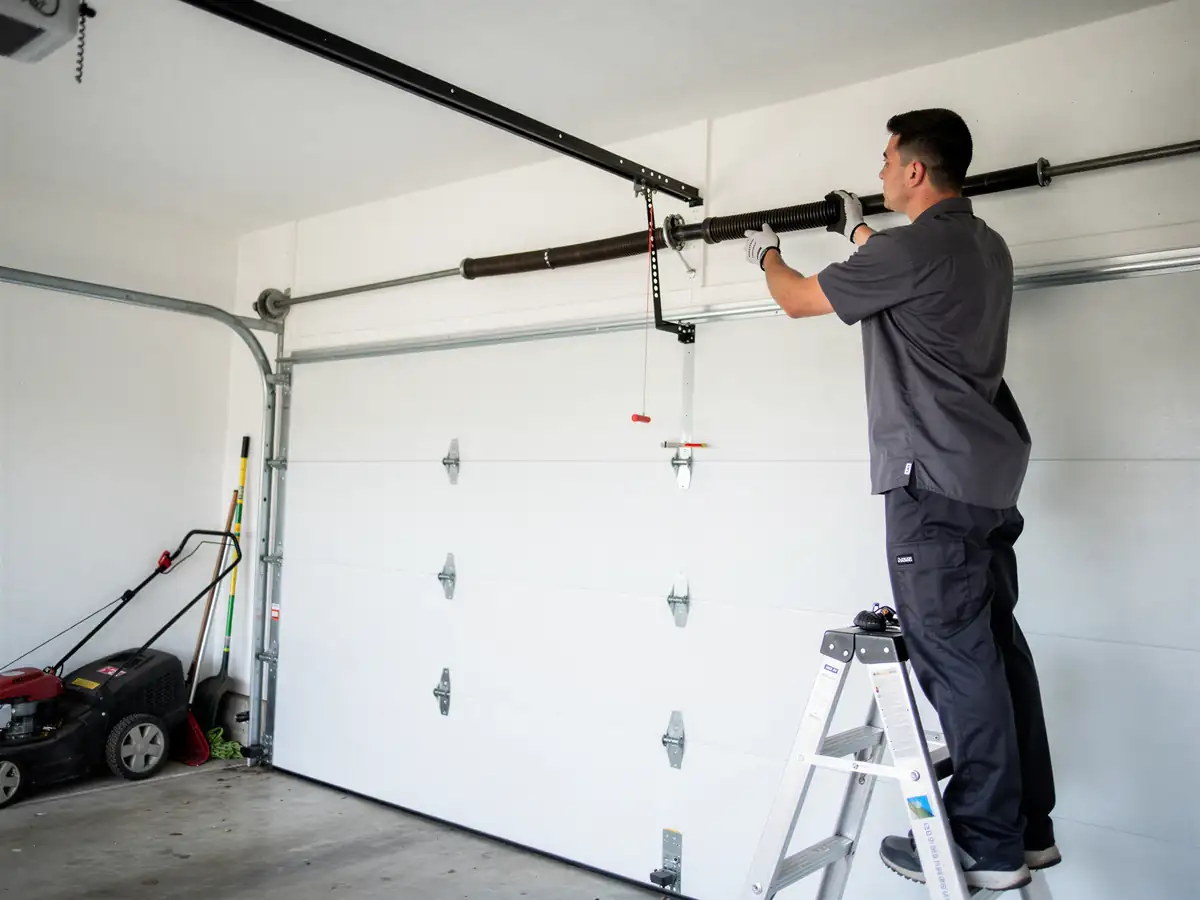
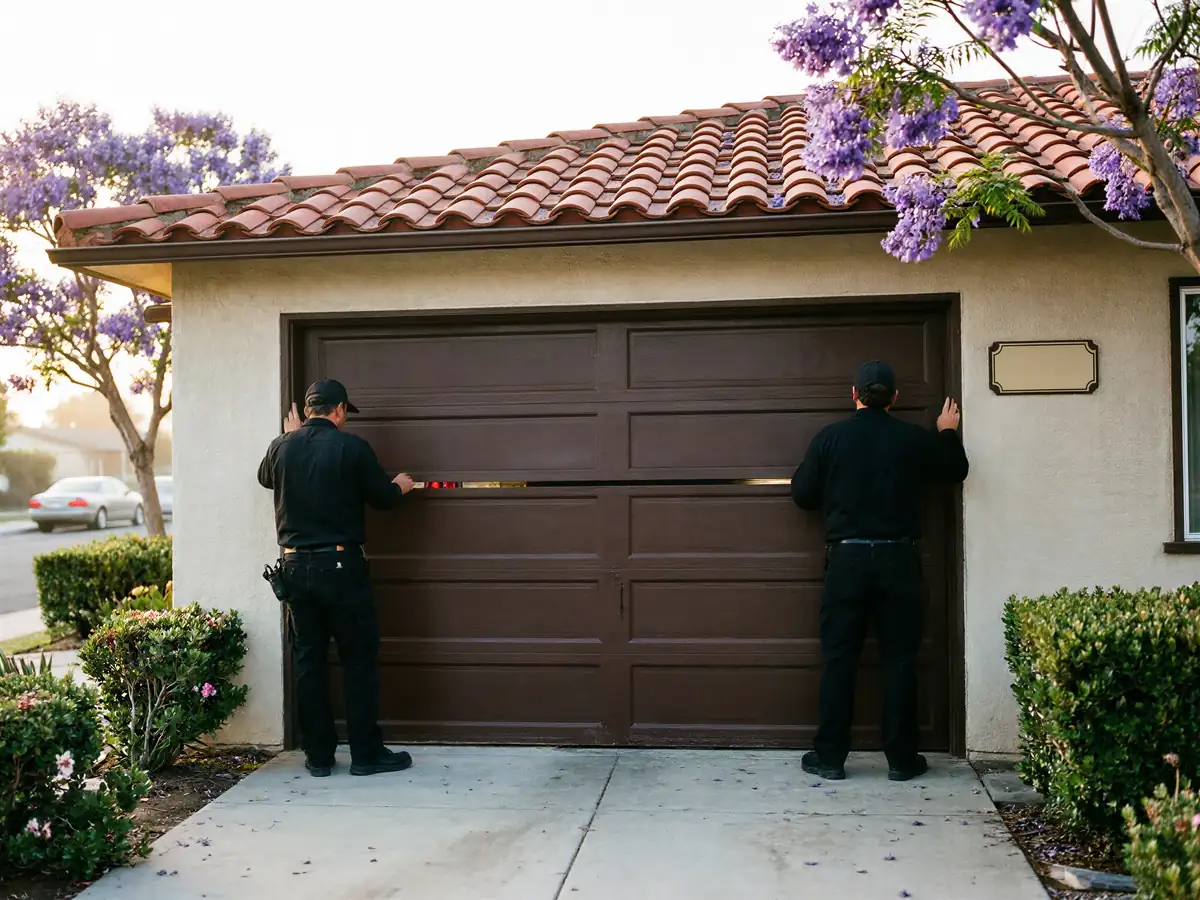
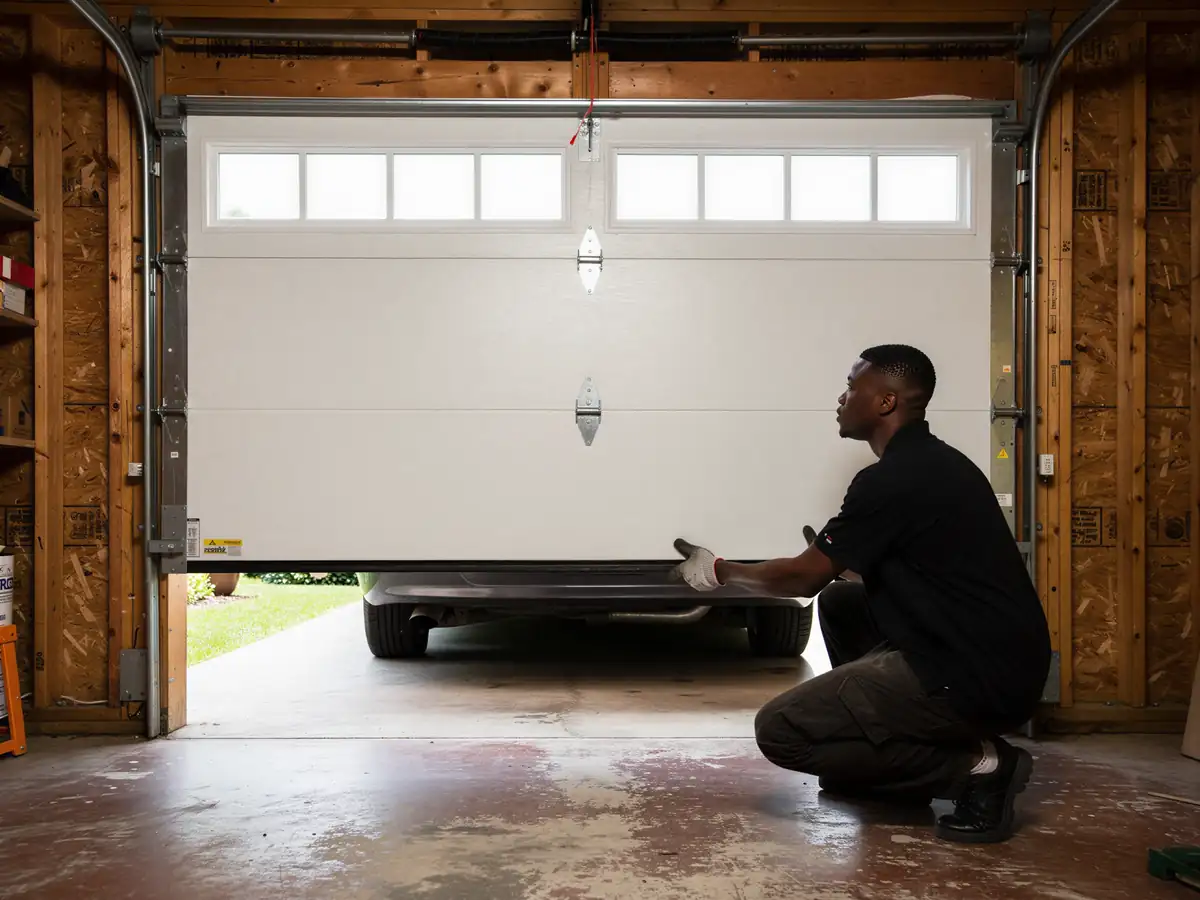
The most common call is a door that won't lift, or lifts partway and stops - that's almost always a torsion spring that's finally given out after years of heat-cycling on original hardware. Second most common: a door that shudders or jumps on the track, which on a house from the 1960s-70s stock usually traces back to rollers that were steel from day one and have worn an oval groove into the track over fifty-plus years.
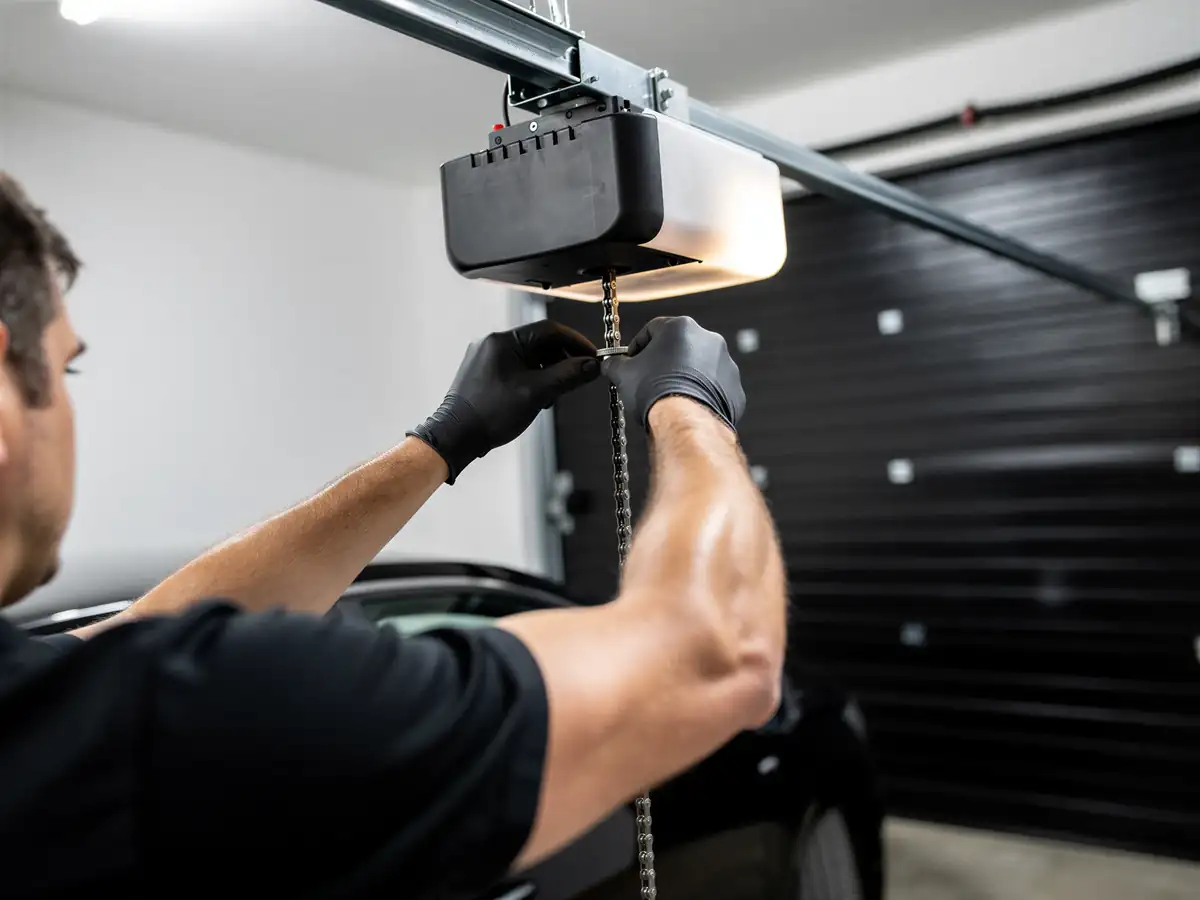
You'll also see openers that run but don't fully close, or that reverse partway up - on older installs that's often a worn limit switch or a safety sensor that was added later as a retrofit and never aligned right. If the bottom panel has started flaking or the weatherstrip has gone brittle and cracked, that's the moderate-heat climate doing what it does to rubber and painted steel over decades, not a one-season problem.
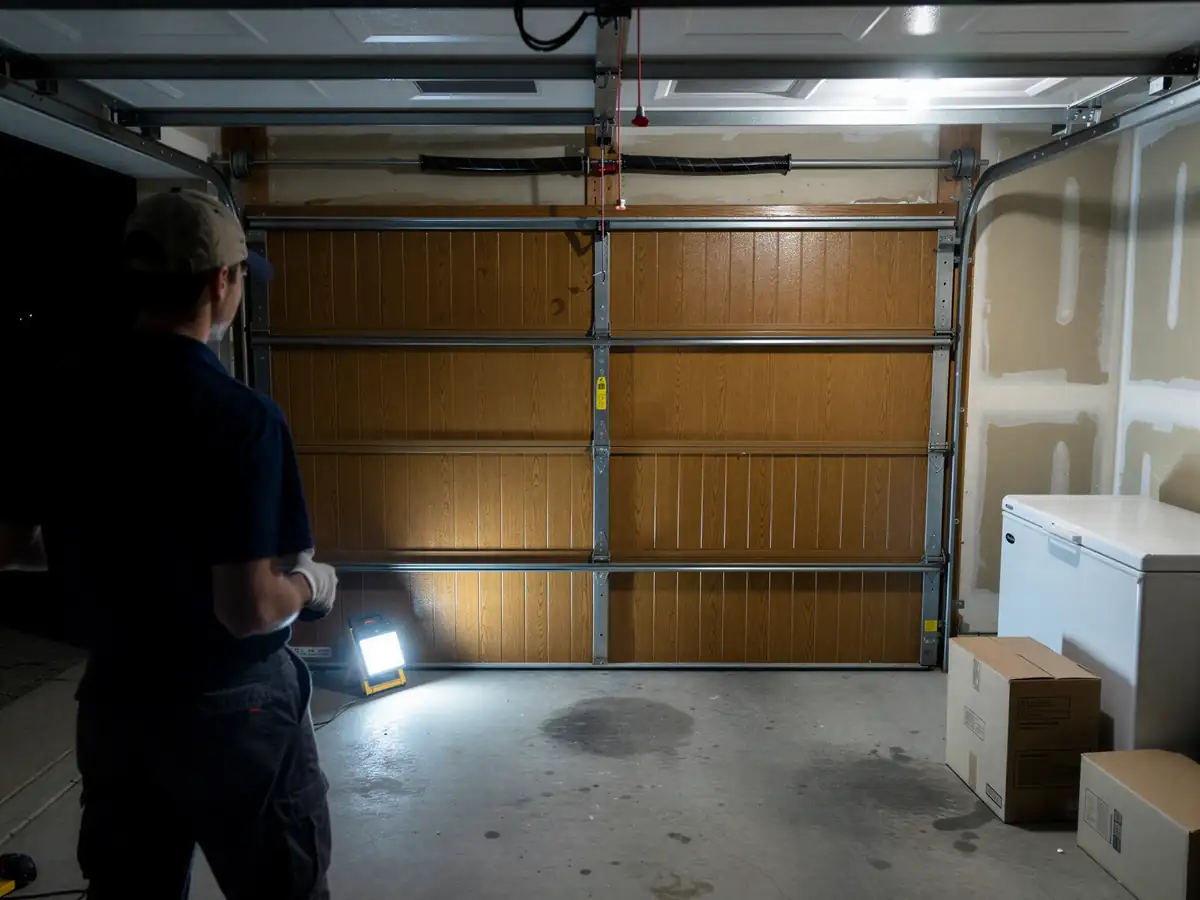
We don't guess at this over the phone. A spring that looks fine can be down to its last few cycles, and a track that looks straight can be bent just enough to bind a roller. Worth saying plainly: if the door is original to a 1960s build and one major part has failed, the rest of the hardware is usually close behind, and patching one part at a time can cost more than doing the job once.
The DIY Question
A torsion spring under tension can put someone in the hospital
And that's true whether the door is five years old or fifty. We don't recommend homeowners touch spring replacement, period - the wind-up bars and the force involved aren't forgiving of a mistake. That's the honest limit on what we'll walk you through over the phone.
What you can check yourself
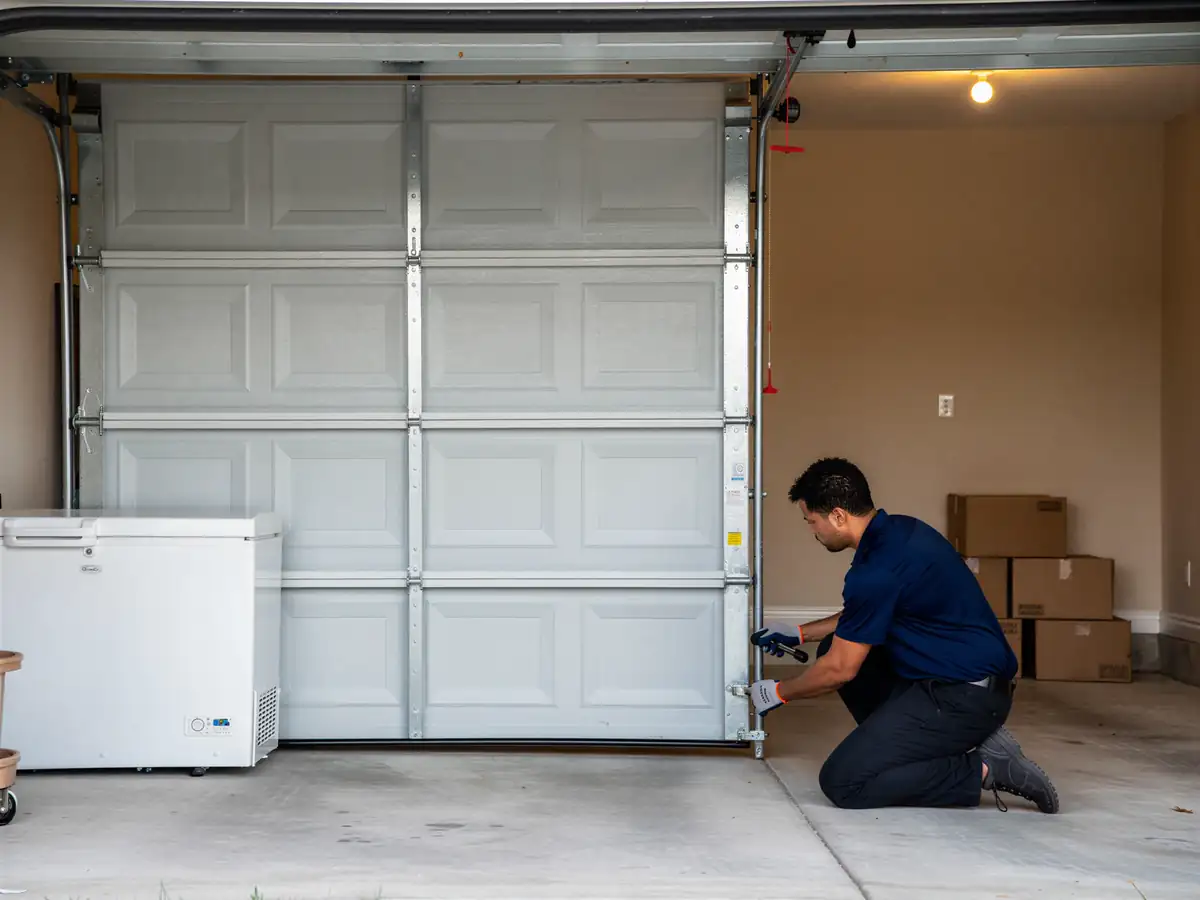
The weatherstrip at the bottom panel, whether the rollers are visibly worn or chipped, and whether the track bolts are loose at the wall. On a house with original 1960s-70s hardware, loose track bolts are common just from decades of the door banging against them, and tightening them is a reasonable homeowner job with a socket wrench.
If your opener is a retrofit added after the original build, note that too
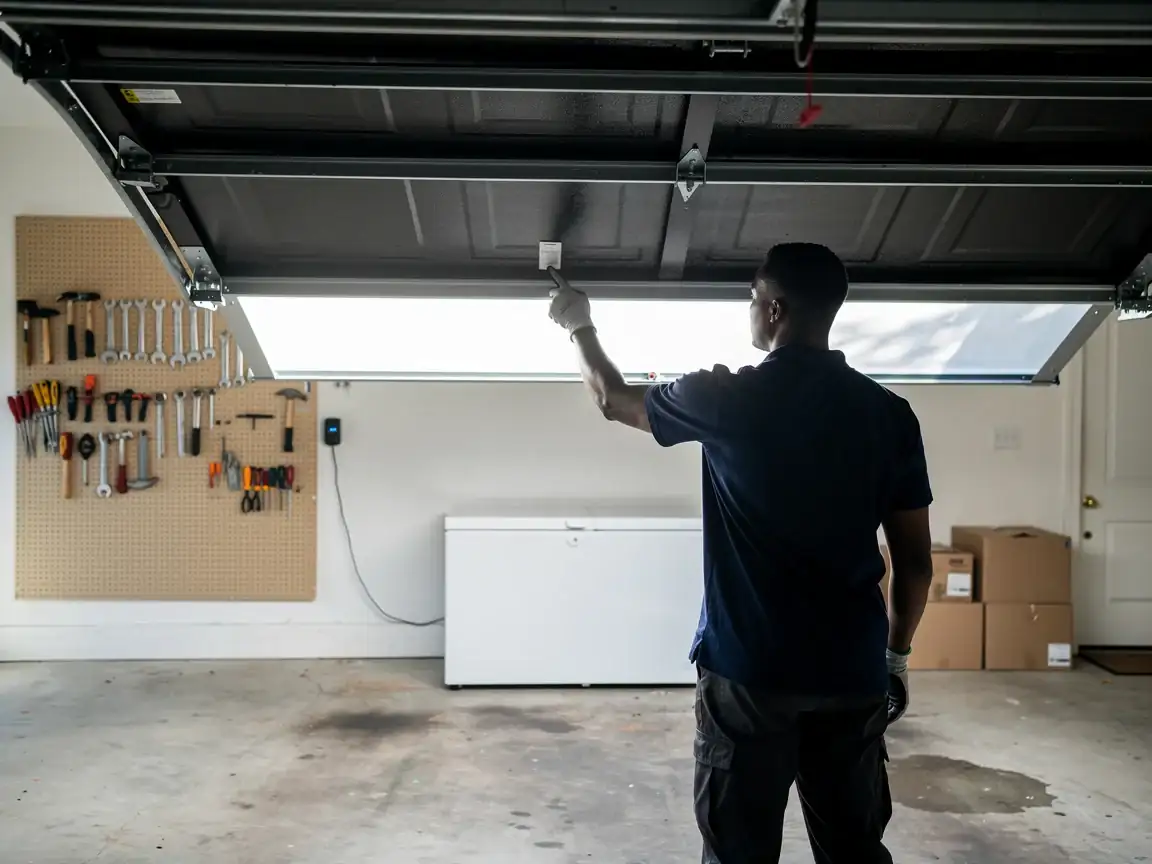
It changes what we bring on the truck. Lifting the door by hand with the opener disengaged tells you if the problem is spring tension (heavy, won't stay up) or something mechanical in the track (binds or jumps at a specific spot). That's useful information to give us before we quote the job, and it's the one piece of troubleshooting we'll actually ask you to do.
How to Book
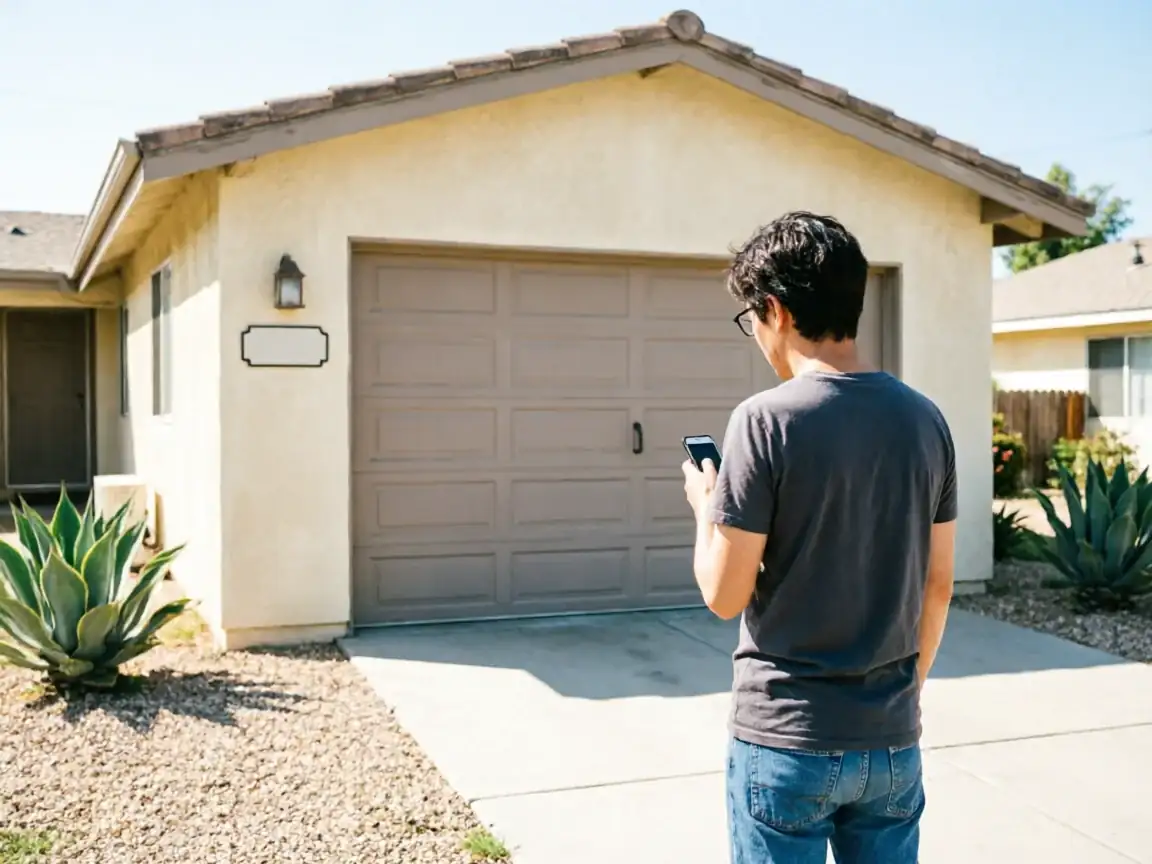
Tell us the age of the house if you know it, or just the neighborhood - knowing whether we're dealing with original 1960s hardware or a later retrofit changes what parts we load before we drive out. We serve the Pomona area and the nearby communities within the same service radius, including just southwest, Claremont, La Verne, Montclair, Diamond Bar, and the rest of the areas in this part of the valley.
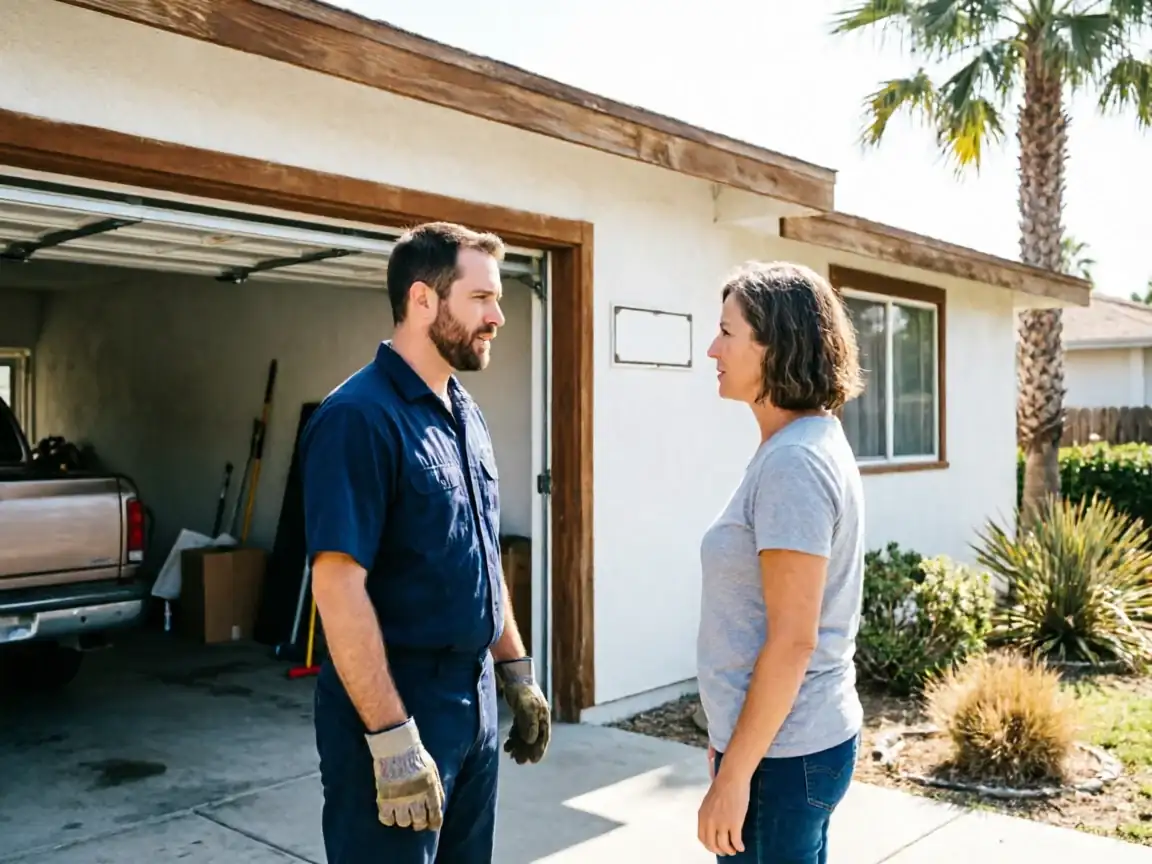
Give us a quick description of what the door is doing - won't lift, jumps on the track, opener runs but door doesn't move - and we'll tell you honestly whether it sounds like a spring, a roller, or something in the opener before we ever get to your driveway. For a house with the original hardware from a 1960s or 70s build, we'll usually ask a few extra questions up front, because replacing one worn part on fifty-year-old hardware sometimes isn't worth it compared to doing the whole assembly at once.
Start at our homepage and request a call back, or give us the details directly - we'll get back to you with a straight answer, not a sales pitch.