Serving Pomona, CA & nearby
(909) 247-3740
Pomona, CA

Why Doors Go Off Track in Pomona Homes

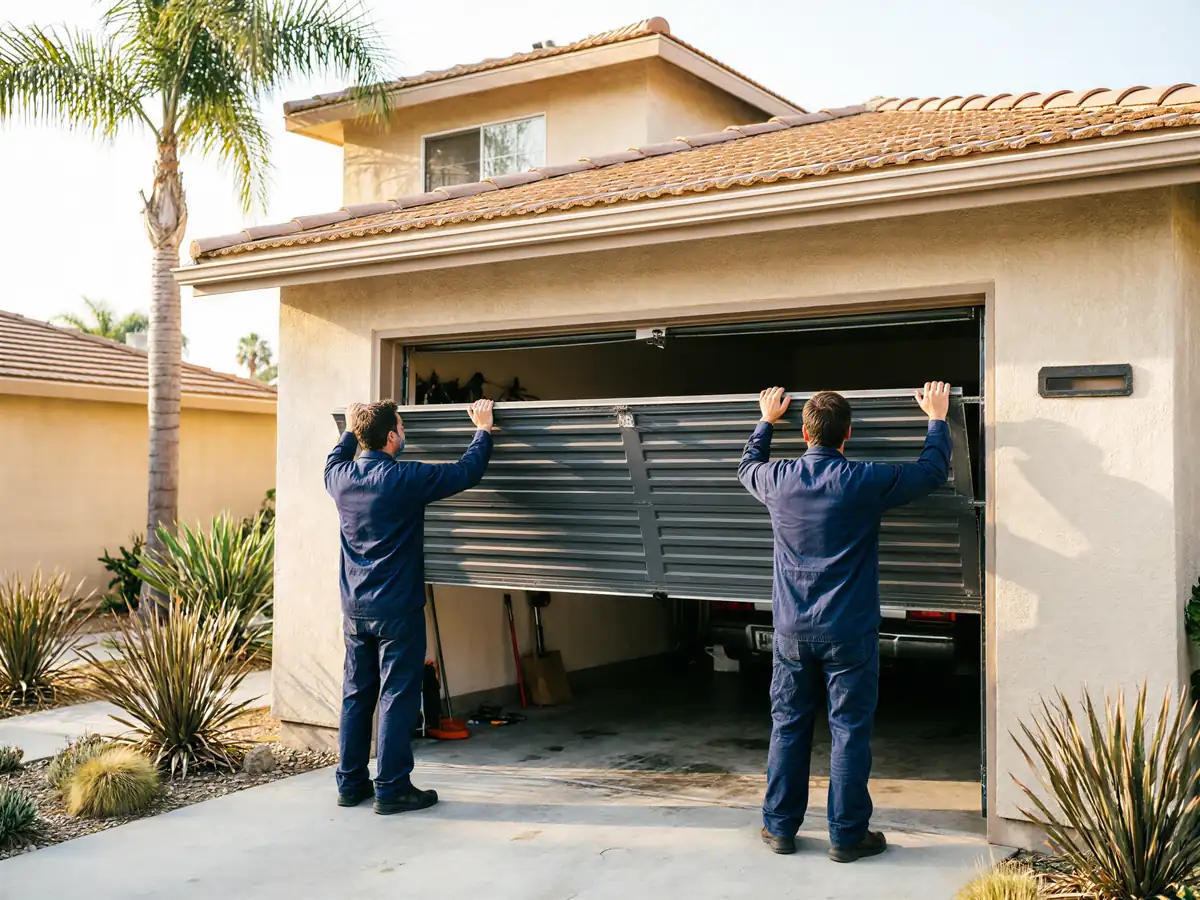
Pomona's housing stock dates mostly to the 1960s and 70s, and original track hardware plus heat cycling are the two most common reasons a door jumps its rail here.

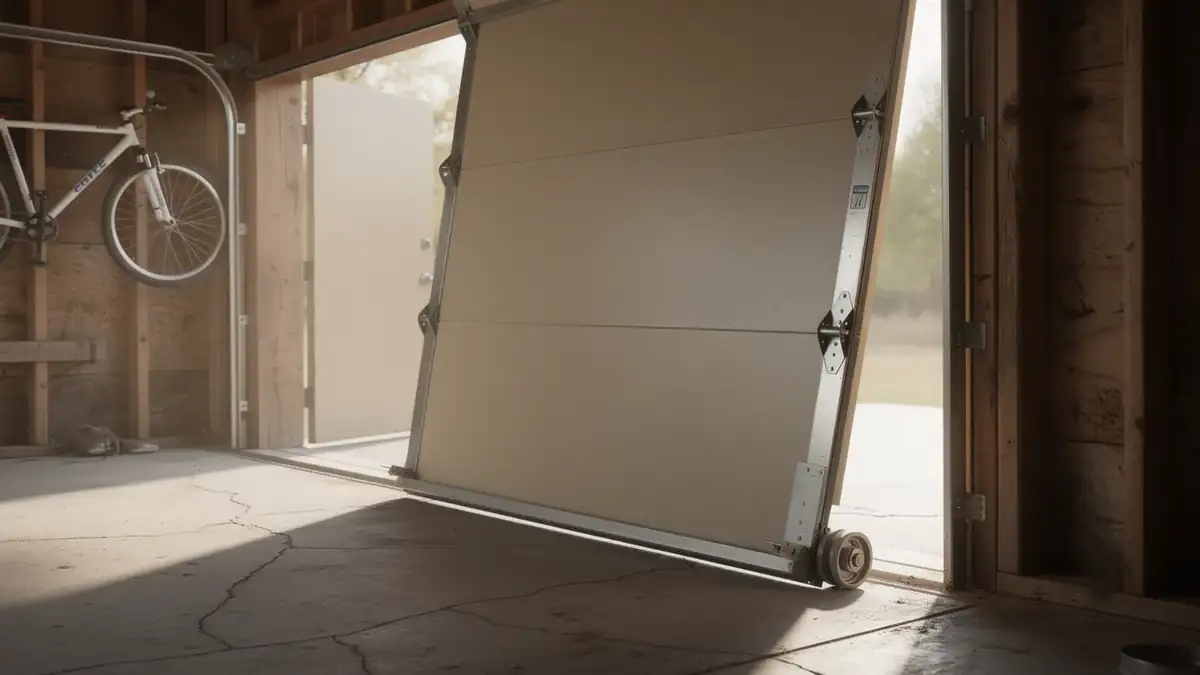
A beige garage door is partially open with a bicycle hanging on the wall.

What Local Conditions Do

Most of the housing around Pomona went up between 1951 and 2007, with the median build year sitting at 1965, and the bulk of it falling into that 1960s-to-70s wave that covers the 45 named areas in this service territory. That matters for tracks because a lot of these garages still carry their original steel rail, hung on brackets that were torque-set decades ago and never touched again. Steel track expands and contracts with heat, and this area sits in a moderate heat band, not an extreme one, but it's enough that a garage facing west or getting full afternoon sun will cycle through real temperature swings on the metal day after day. Over 50-plus years that cycling works the lag screws loose in the framing a little at a time. You don't see it happen. You just notice one day that the door rides rough on one side, or the rollers chatter two inches from the top of the travel. That's the bracket starting to walk, not the opener failing. A door built on hardware from the 1960s or 70s wasn't engineered with modern roller tolerances in mind, so once the track shifts even an eighth of an inch out of plumb, the rollers start fighting it instead of riding it.

Checking It Yourself

Open the door halfway and look at the vertical track on each side where it bolts to the framing. On houses from this era, that's usually lag bolts into a wood jamb, and you're looking for a bracket that's pulled slightly away from the wood, or a gap that lets the track flex when the door passes. Run your hand along the horizontal track near the top, where it curves toward the ceiling. If it's loose enough to wiggle, the hangers have worked free. Next, stand back and sight down the track from the floor to the top corner. A straight line should look straight. A kink or a bow near a joint is where a roller will eventually jump the rail. Check both sides, because Pomona garages with original 1960s-70s track often have mismatched wear: one side gets more sun through the day and has more movement in the bracket than the other. None of this requires taking the door apart. It's a five-minute look with a flashlight before you decide whether it's a tighten-the-bolts job or something further along.

The Situation

On a door that's still running original hardware from a 1960s or 70s build, a track going out of alignment is rarely a single event. It's cumulative: loose brackets, a slightly bent section near the bottom roller, maybe a cable that's started to fray from rubbing against a track edge it was never designed to touch once things shifted. By the time a door actually jumps the track, those small issues have usually been compounding for a while, and the heat cycling this area sees keeps feeding the problem every summer. The risk isn't just a stuck door. A door that comes off track under tension, especially with a torsion spring still loaded, can drop fast or swing loose, and that's a hazard to anyone standing near it when it happens.

The Common Mistake

The mistake we see most is someone forcing the door back onto the track by hand or with a pry bar, then running the opener again like nothing happened. That gets you moving for a day or two, but it doesn't address why the track moved in the first place, and on a house with original 1960s-era hardware, forcing bent rail back into shape usually just relocates the weak point instead of fixing it. We'll be straight with you: if the track itself is bent rather than just loose, bending it back rarely holds for long, and replacing that section is the honest call even though it costs more up front than a quick realignment. We won't tell you to replace a whole door when tightening brackets and swapping a bent foot of track will do the job.
How it works

From “it’s stuck” to “it’s fixed”

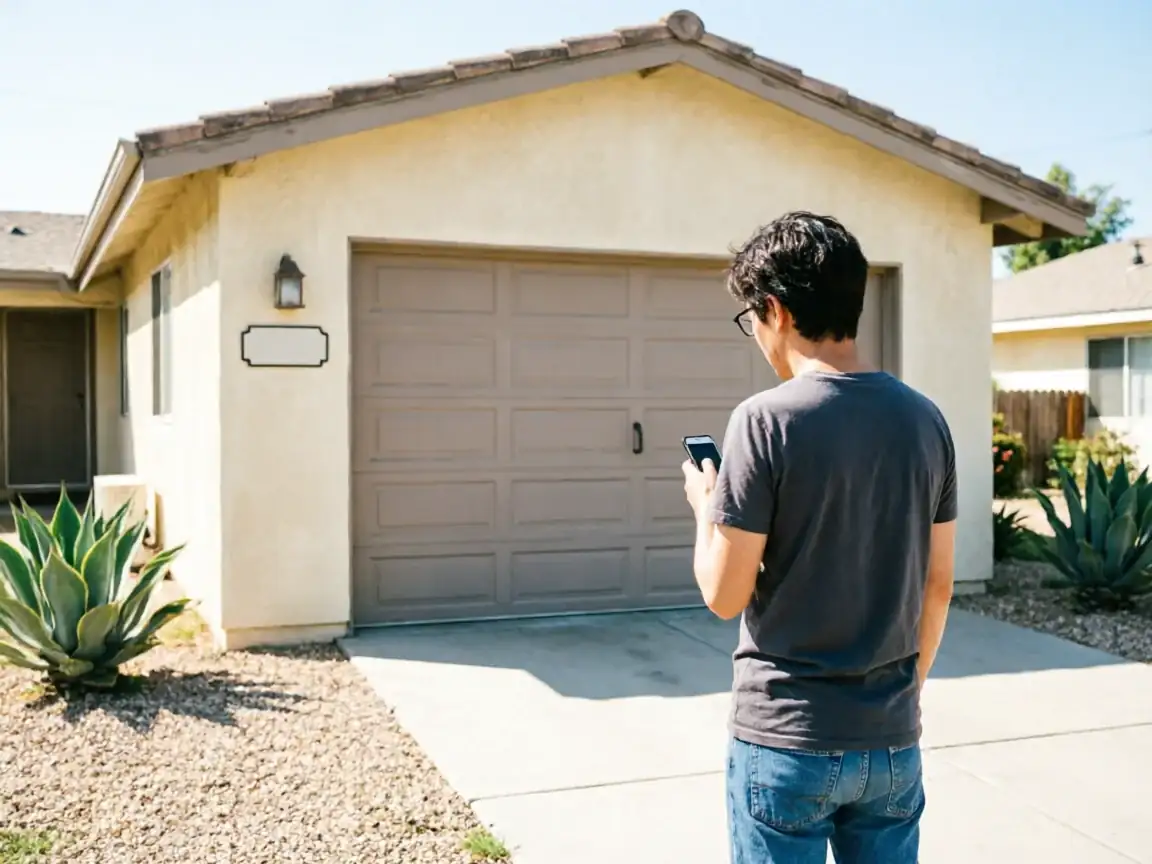
A person stands in front of a house with a closed brown garage door.

Tell us what’s wrong

Describe the symptom - won’t open, loud bang, opener runs but the door won’t move.

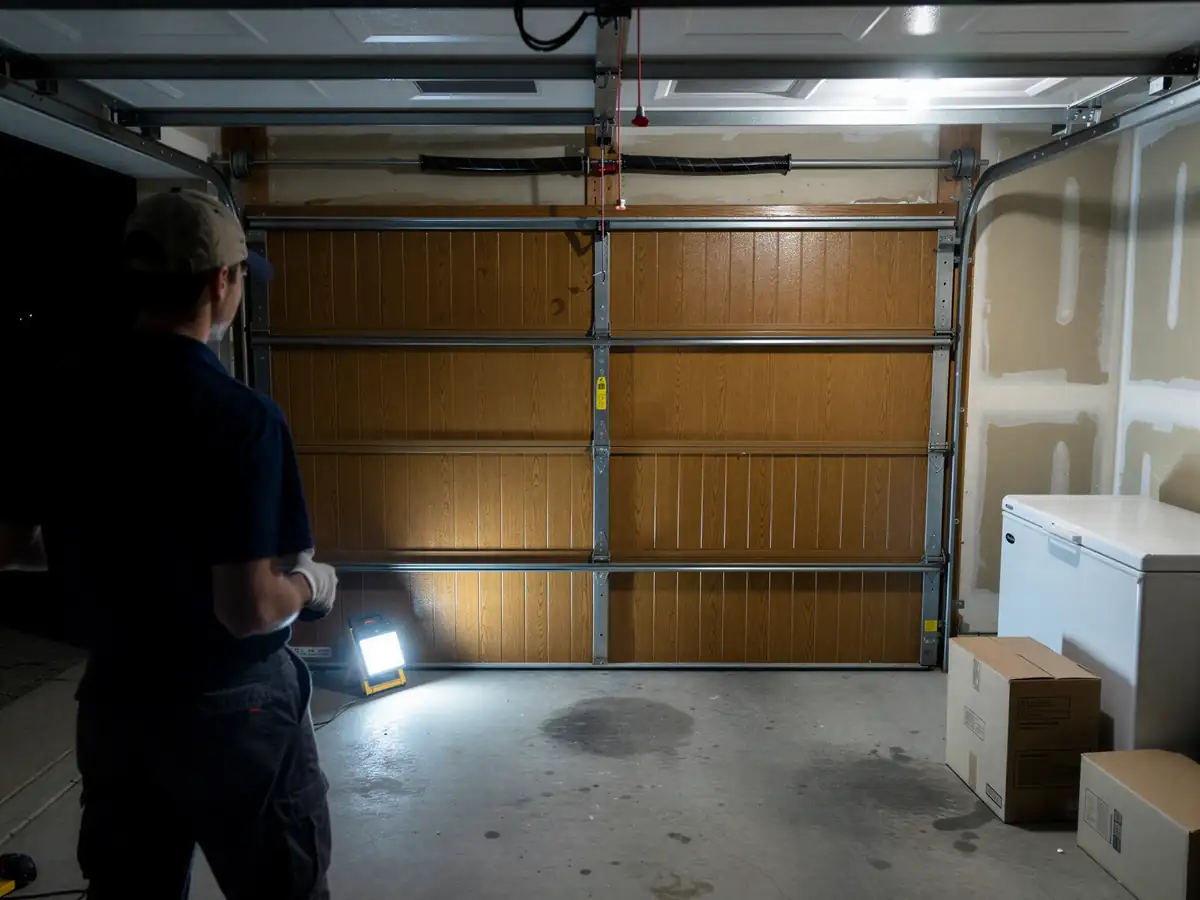
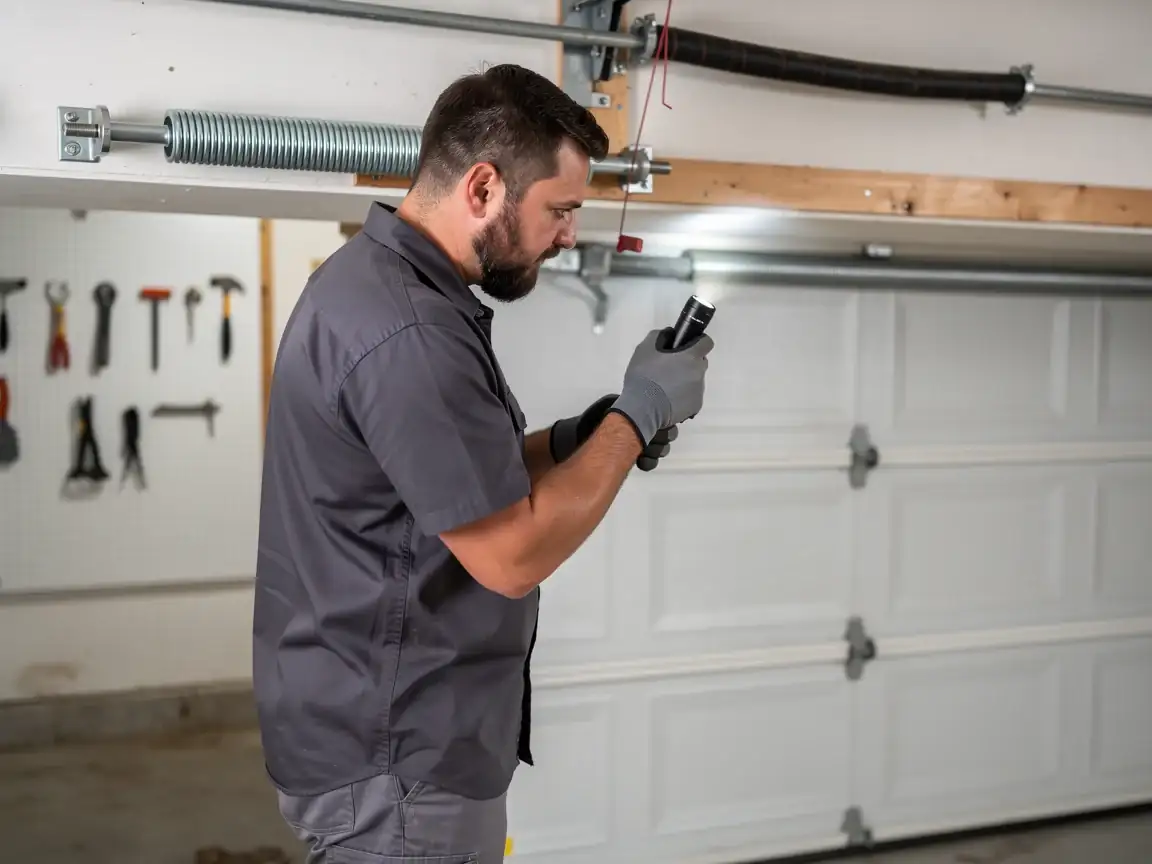
A technician shines a flashlight on a white garage door and springs.

On-site diagnosis

A technician tests the door under power and by hand and finds what actually failed.

A technician in a blue uniform talks to a woman in front of a garage.

Clear, up-front plan

You get the fix that’s needed and what drives the cost - before any work starts.

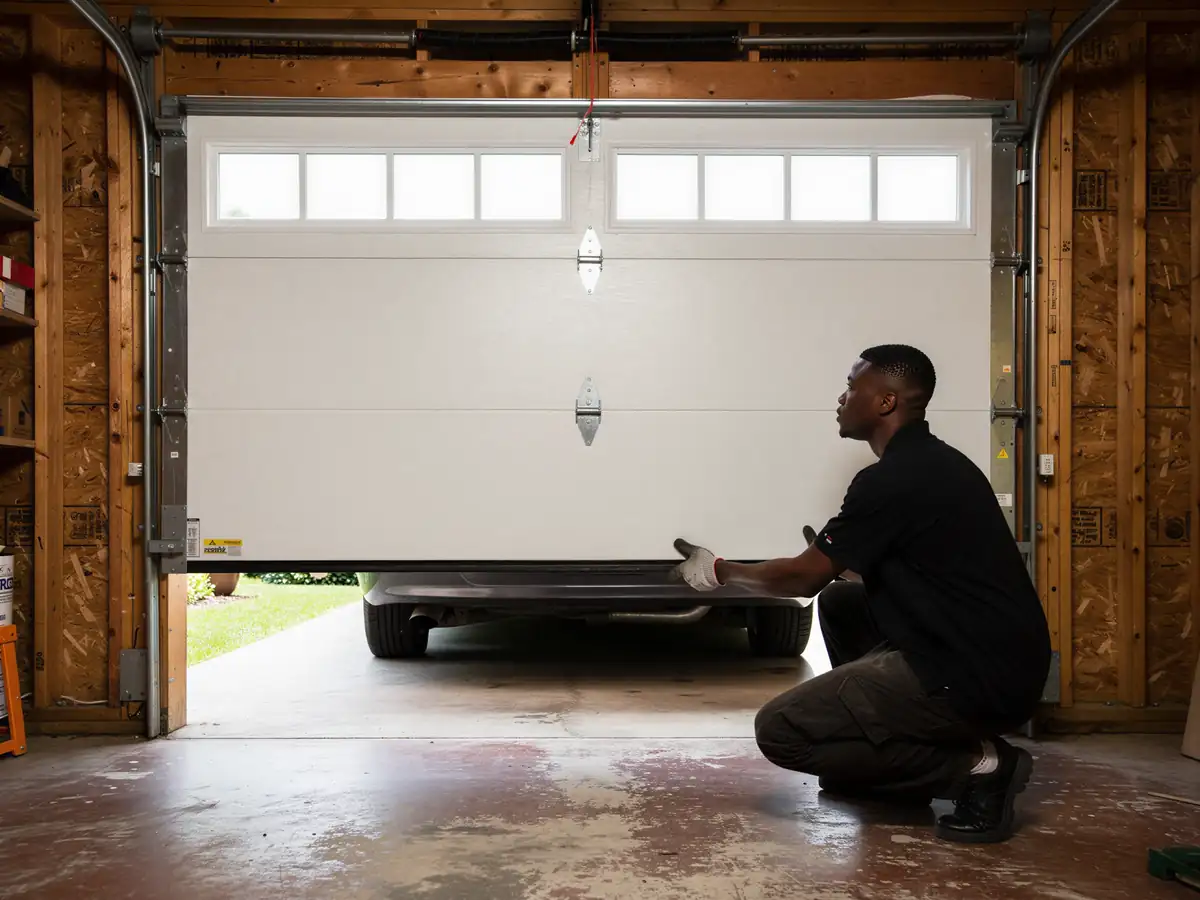
A technician in a blue shirt is inspecting the inside of an open garage door.

Repaired & tested

The repair is done, the door is set true and tested, and the work area left clean.

Not sure which repair your door needs in Pomona, CA? Describe what it’s doing - every job starts with a diagnosis.

How we work

What to expect

Diagnosis first

Every visit starts by finding what actually failed - not a pre-written parts list.

The right part for the door

Springs and openers matched to the door’s weight and age, so the fix holds up.

Straight answers

When a repair makes more sense than a replacement - or the reverse - you hear it plainly.

Clean, careful work

Tension released safely, hardware set true, the door tested under power before we leave.

What we do

Garage Door Services

Repair and installation work for Pomona homes and businesses.

Questions

Frequently asked

Straight answers about garage door repair in Pomona. Still unsure? Ask us directly.

01Why does my garage door only go off track in summer?

Houses in this area sit in a moderate heat band, and steel track expands with heat. On original hardware from the 1960s or 70s, decades of that expansion and contraction work the mounting brackets loose a little each year, so problems tend to show up or worsen once the hot months hit.

02Is a door that jumped the track safe to leave until I can get it looked at?

Not if the spring is still under tension. A door off track with a loaded torsion spring can shift or drop unexpectedly. Don't force it back on yourself and keep clear of it until someone can check whether the spring is holding safely.

03Can I just bolt the bracket back tight instead of replacing anything?

Sometimes, yes, if the track itself is still straight and only the mounting has worked loose. But on a lot of houses built in the 1960s-70s wave around here, the track has also picked up a bend near the bracket, and re-tightening a bent section rarely lasts.

Ready to get your garage door sorted?

Tell us what it’s doing and where you are in Pomona - we’ll take it from there.

Request a QuoteCall