What Local Conditions Do
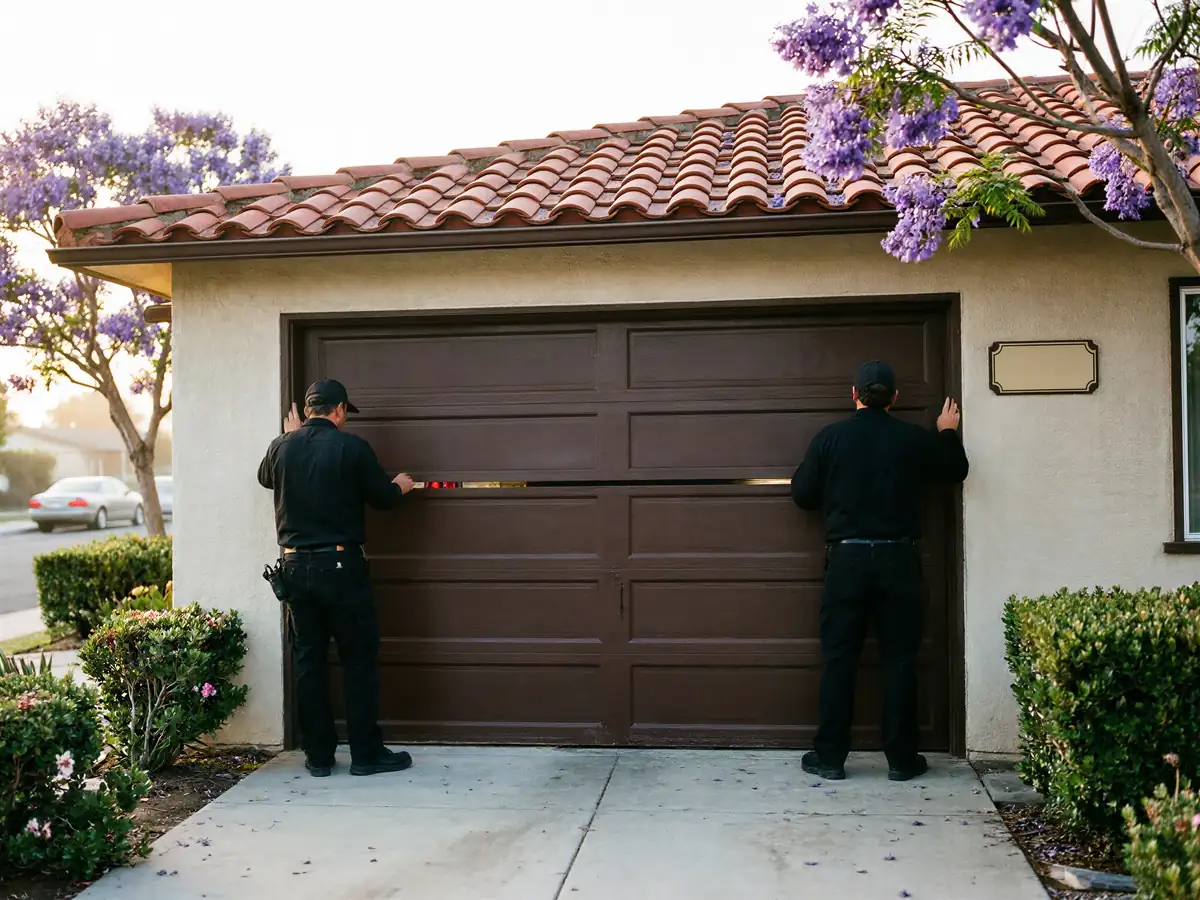
Most houses on this side of the valley went up between 1951 and 2007, with the bulk of the stock dating to the 1960s and 70s. That matters when you're picking a replacement door, because the opening itself was framed for the standard sizes and hardware of that era. A door built to today's thicker insulation specs can be heavier than the jamb and header were ever sized for, which means some replacements need the frame reinforced, not just the door swapped.
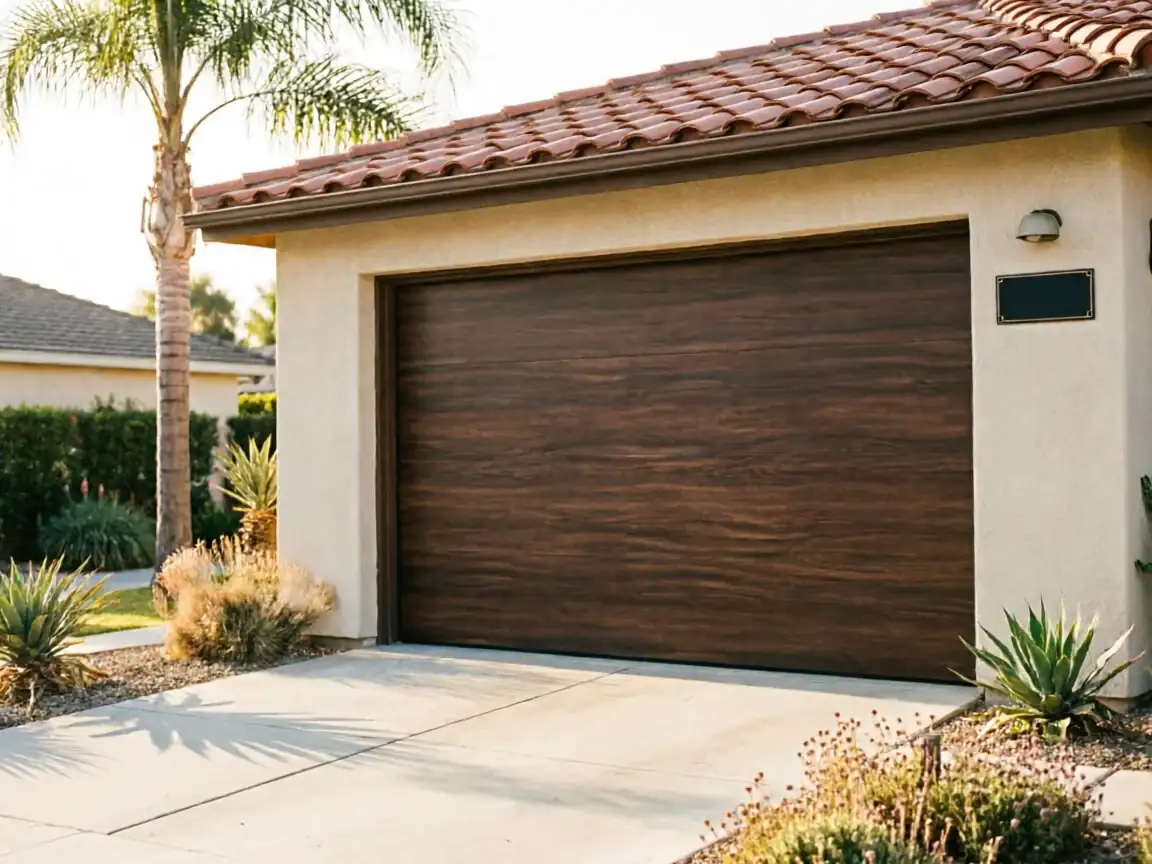
The climate here runs moderate heat rather than the extreme desert swings you get further east or north. That's good news for door material: you don't need the same expansion allowances or the heavy-gauge steel some hotter inland areas require. A standard steel or composite door with factory weatherstripping handles the heat load here without the panel warp that shows up in harsher climates. You're not fighting the same battle as places further out toward the Inland Empire.
What this means in practice: when a salesperson quotes you a door, ask whether the spec is built for your climate band or a generic national average. A door engineered for extreme heat costs more and isn't buying you anything here.
Checking It Yourself
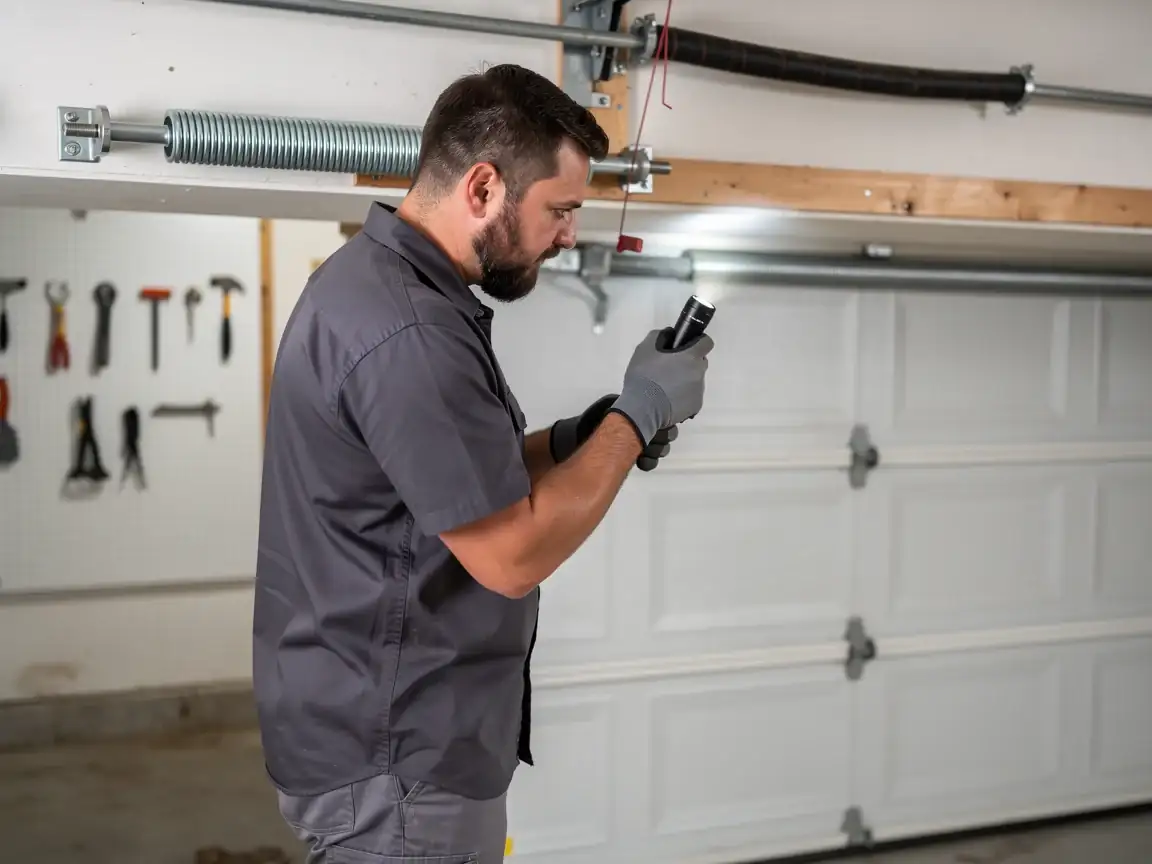
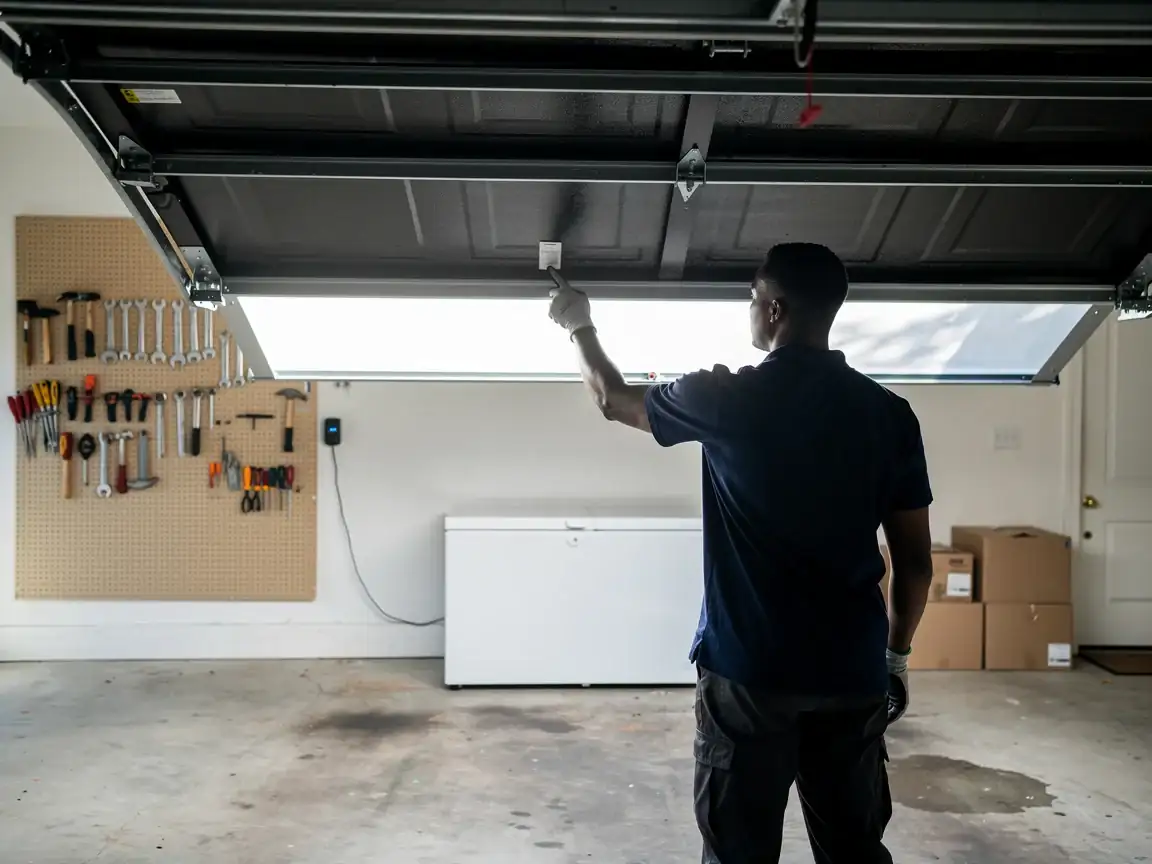
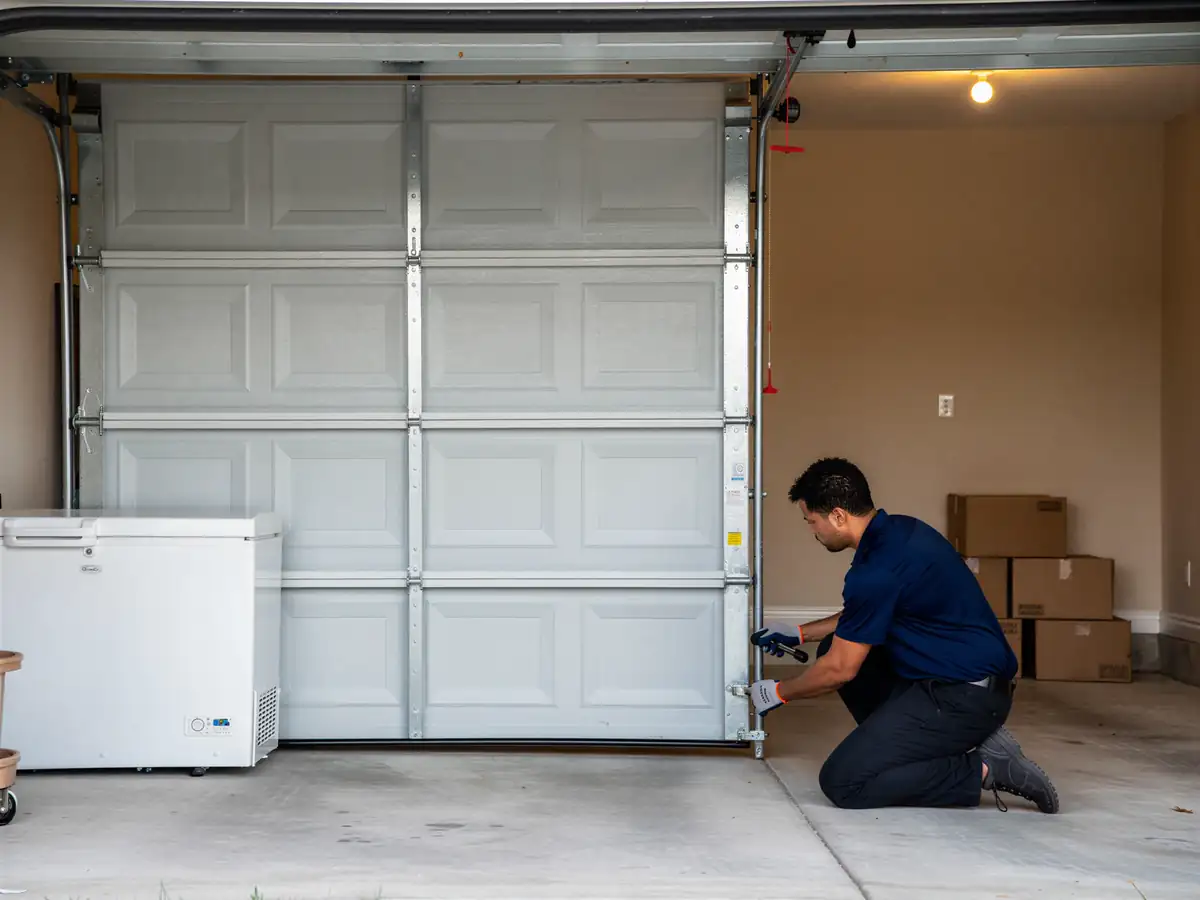
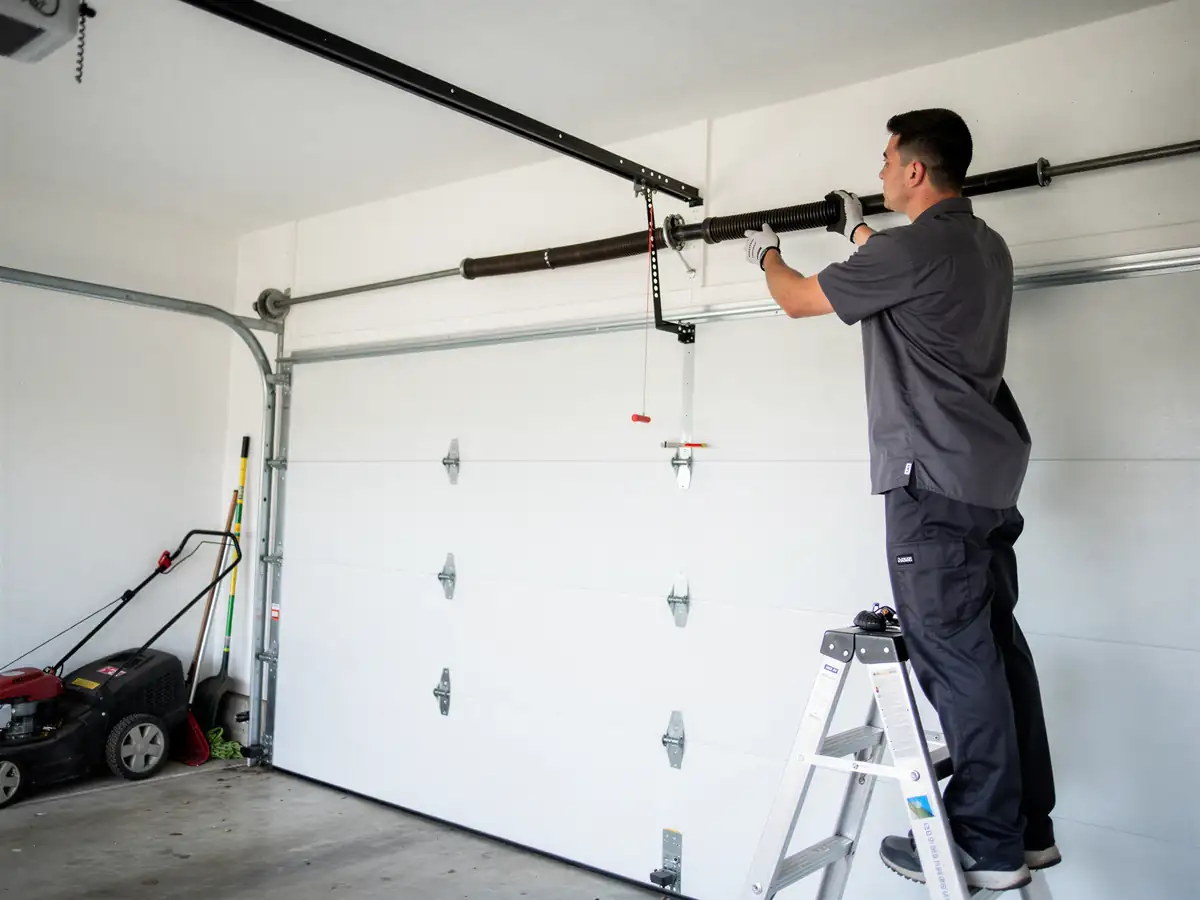
Before you call anyone, open and close the door a few times and watch the track. On a house from the 1960s or 70s, the original track and hardware were often sized for a lighter wood door than what's in the opening now if a prior owner already swapped it once. Mismatched hardware is the single most common reason a "new door" doesn't track straight.
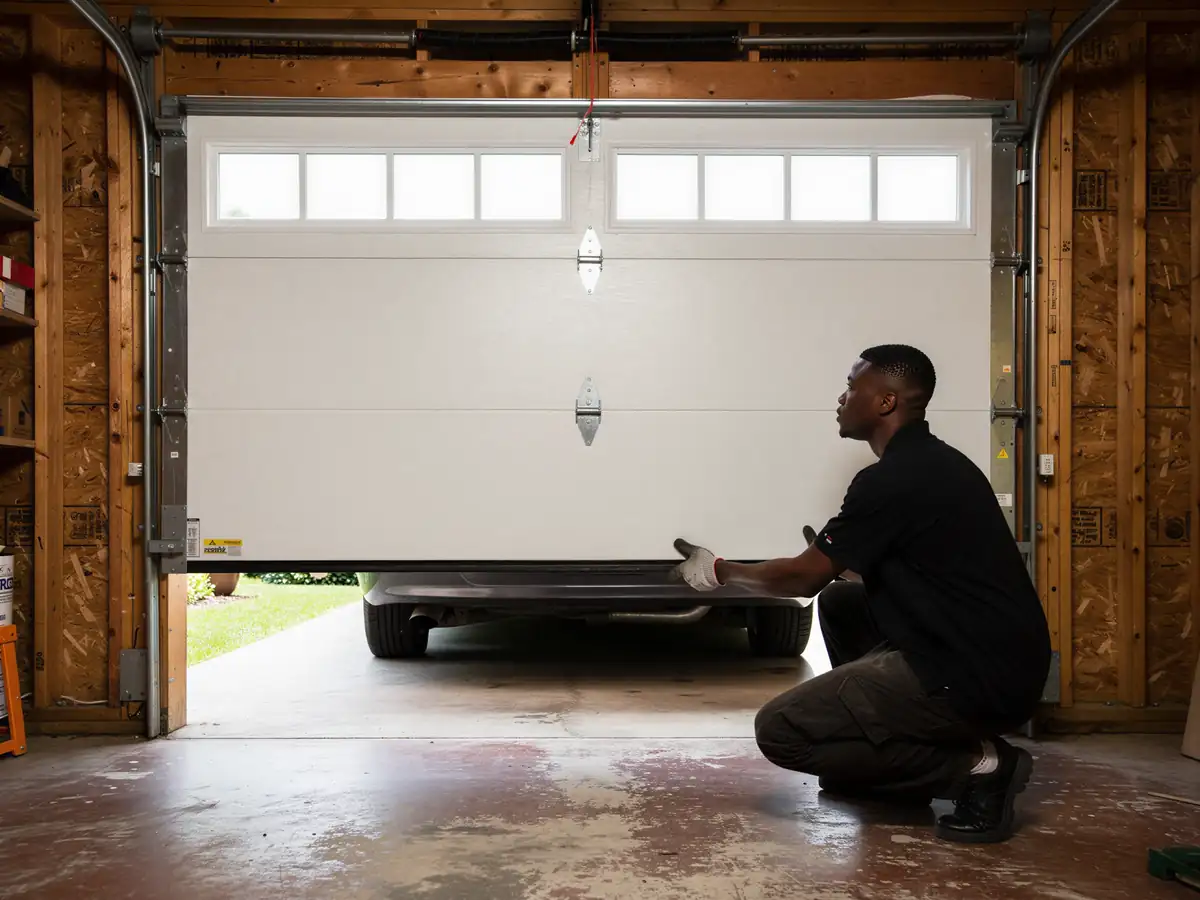
Check the header above the opening for sag or daylight gaps. Houses from this period used dimensional lumber that was adequate for the lighter doors of the time; if you're stepping up to a heavier insulated door, that header is worth a look before the new door goes in, not after.
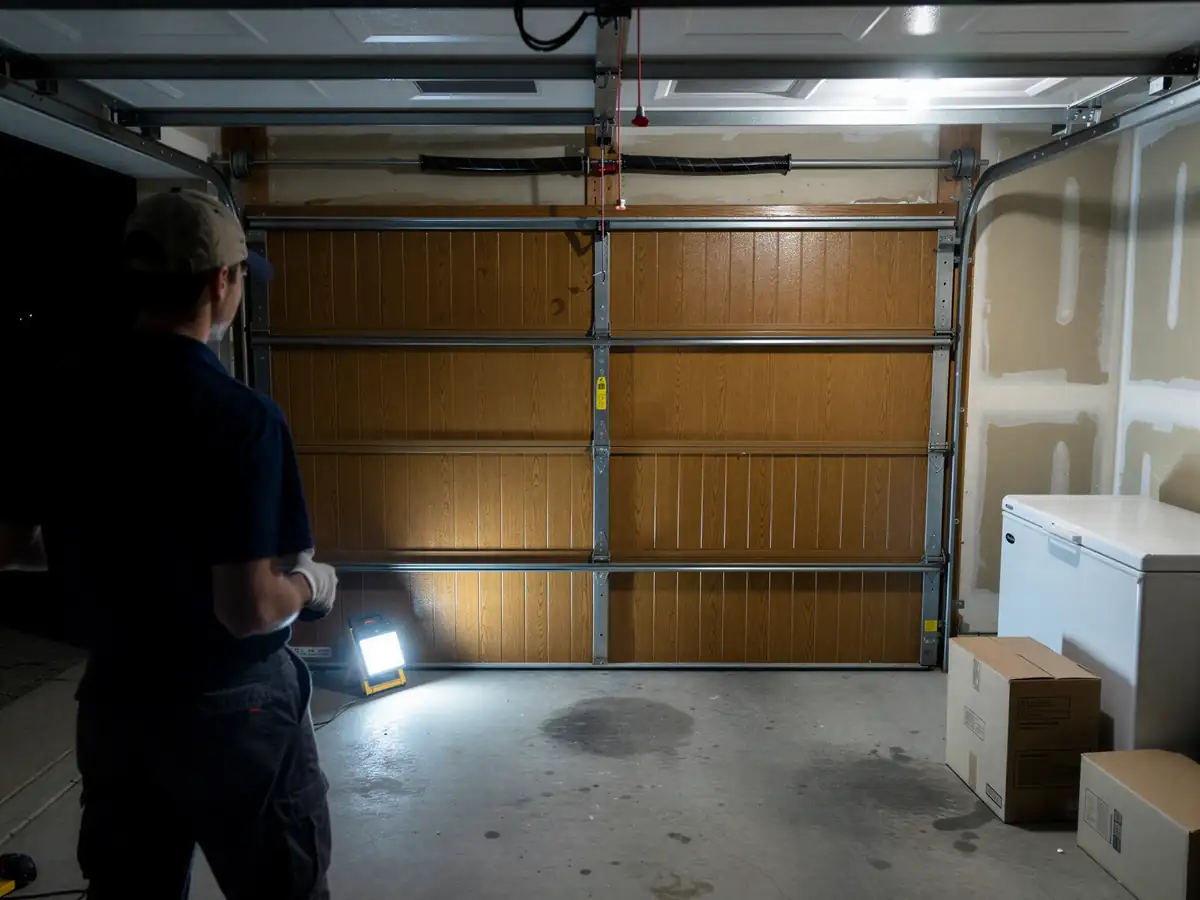
Look at the panel seams too. In moderate heat like Pomona's, you shouldn't see gapping or warping from sun exposure on a properly installed door. If you do, it's installation or hardware, not the climate, and that's a cheaper fix than a full replacement.
The Situation
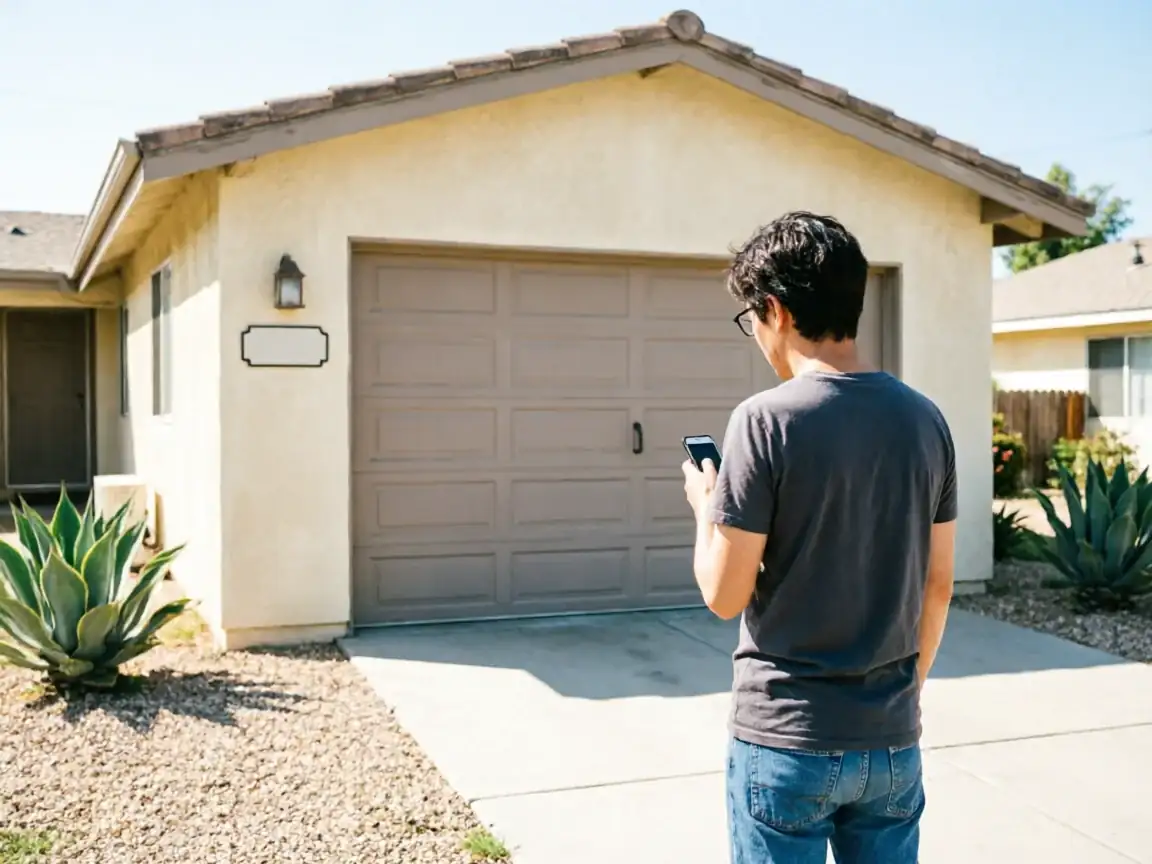
With median household income in the service area around $102,449 and a mix of owner-occupied houses that skews toward older construction
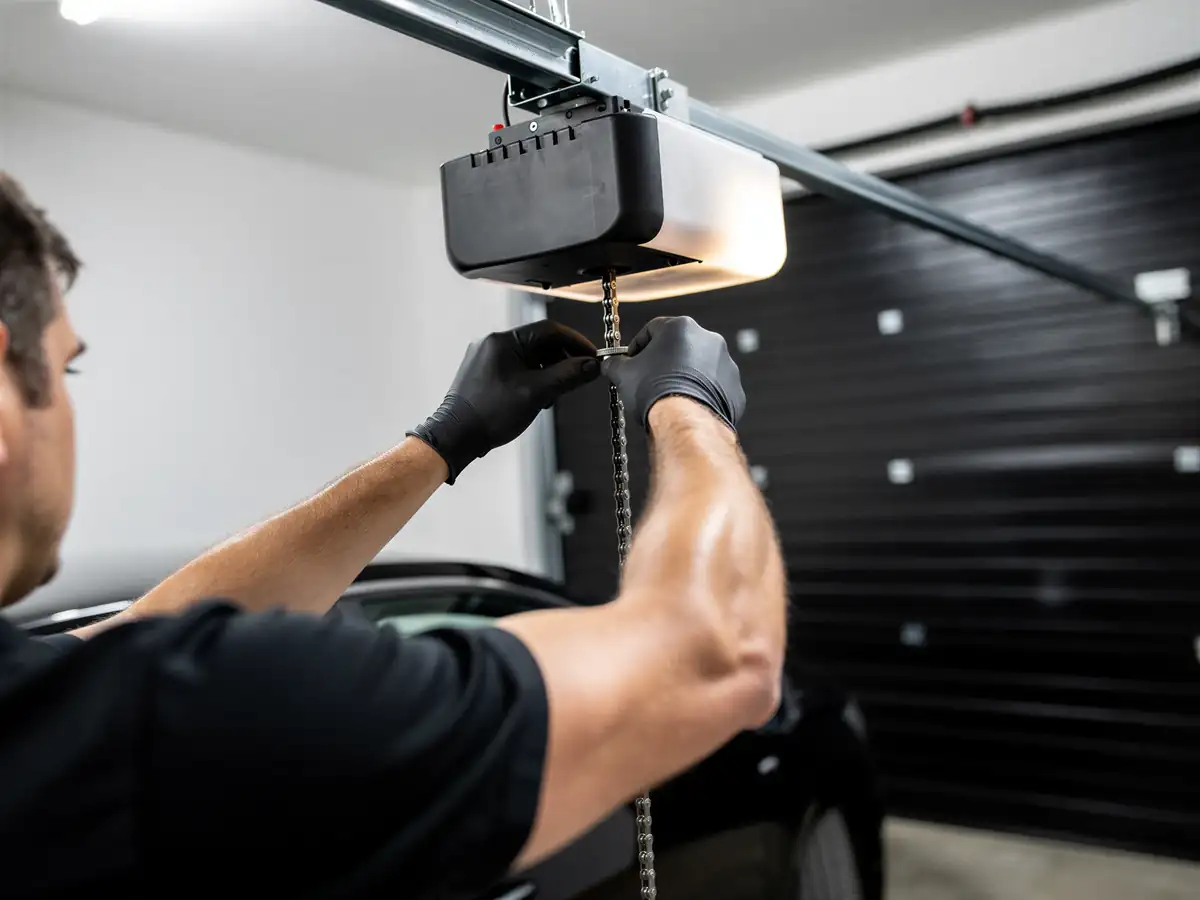
A lot of replacement jobs here are driven by age, not damage. A door that's lasted since the 1960s or 70s has usually earned its retirement through worn rollers and tired springs rather than a single accident.
Across the wider area
Montclair, La Verne, Claremont, Walnut, and the other nearby communities within a few miles - the housing stock tells a similar story: 1960s-70s builds predominate, so the openings, headers, and original hardware tend to share the same quirks. If you're comparing notes with a neighbor in one of those towns, the door that worked for their house is a reasonable starting point for yours, but the header reinforcement question still needs its own check.
The Common Mistake
The mistake we see most is homeowners buying a door sized for extreme climates when Pomona's heat band is moderate. That upcharge buys insulation and expansion tolerance you don't need here, and it adds weight the original opening may not be built to carry without reinforcement.
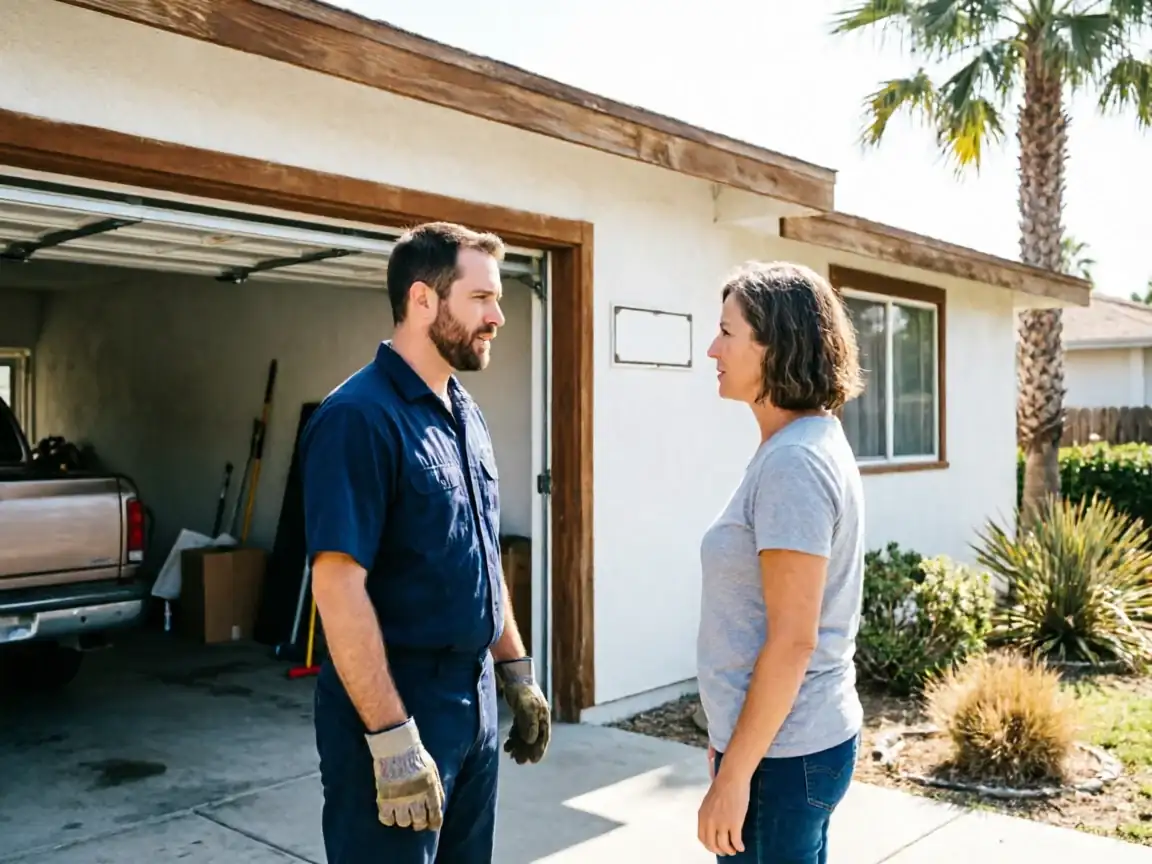
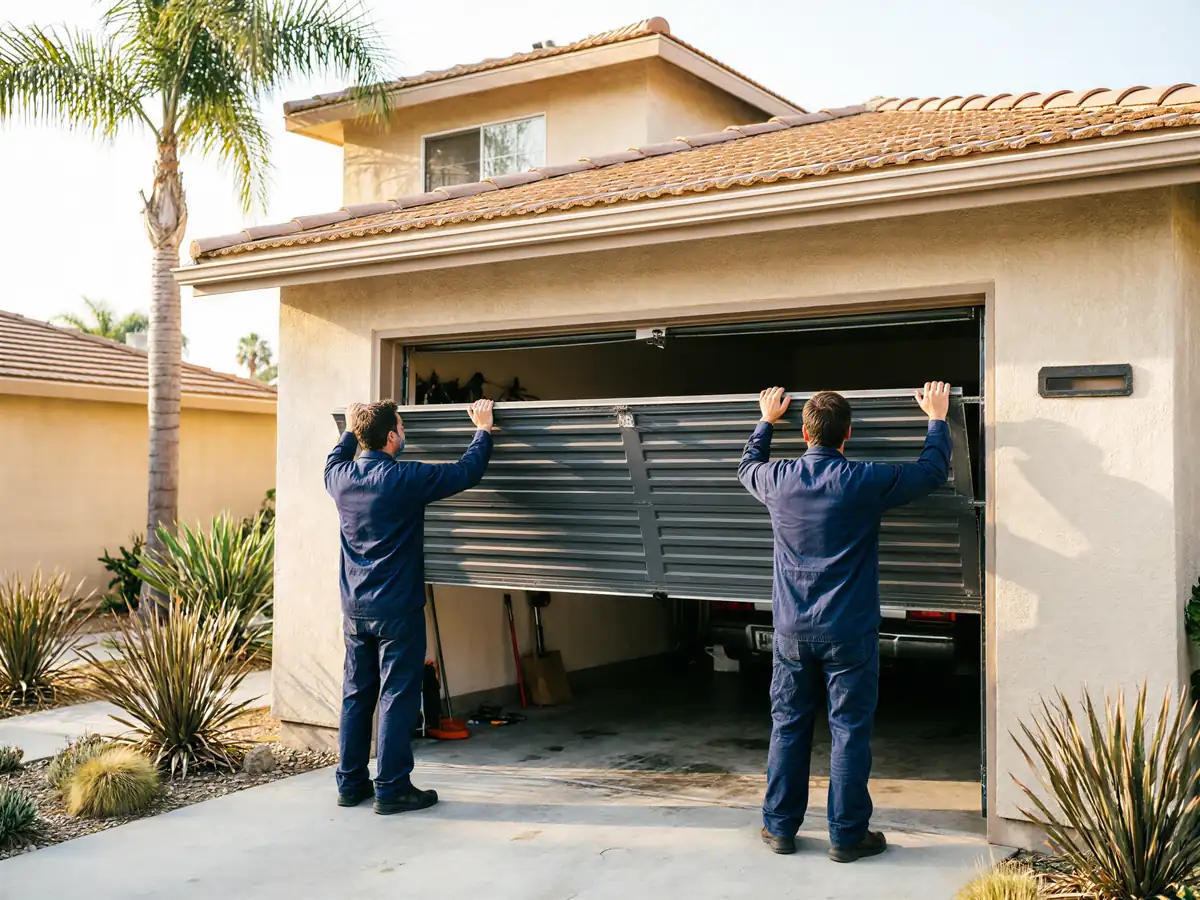
The other mistake is skipping the header and track check because the old door looks fine lying in the driveway. If your house is part of that 1951-2007 build range, there's a real chance the opening has never been upgraded to match a heavier modern door. We won't install a heavy insulated door on original 1960s framing without checking the header first - that's not a sale we'll push, because the callback six months later costs everyone more than the five extra minutes of inspection now.