Why It Happens Here
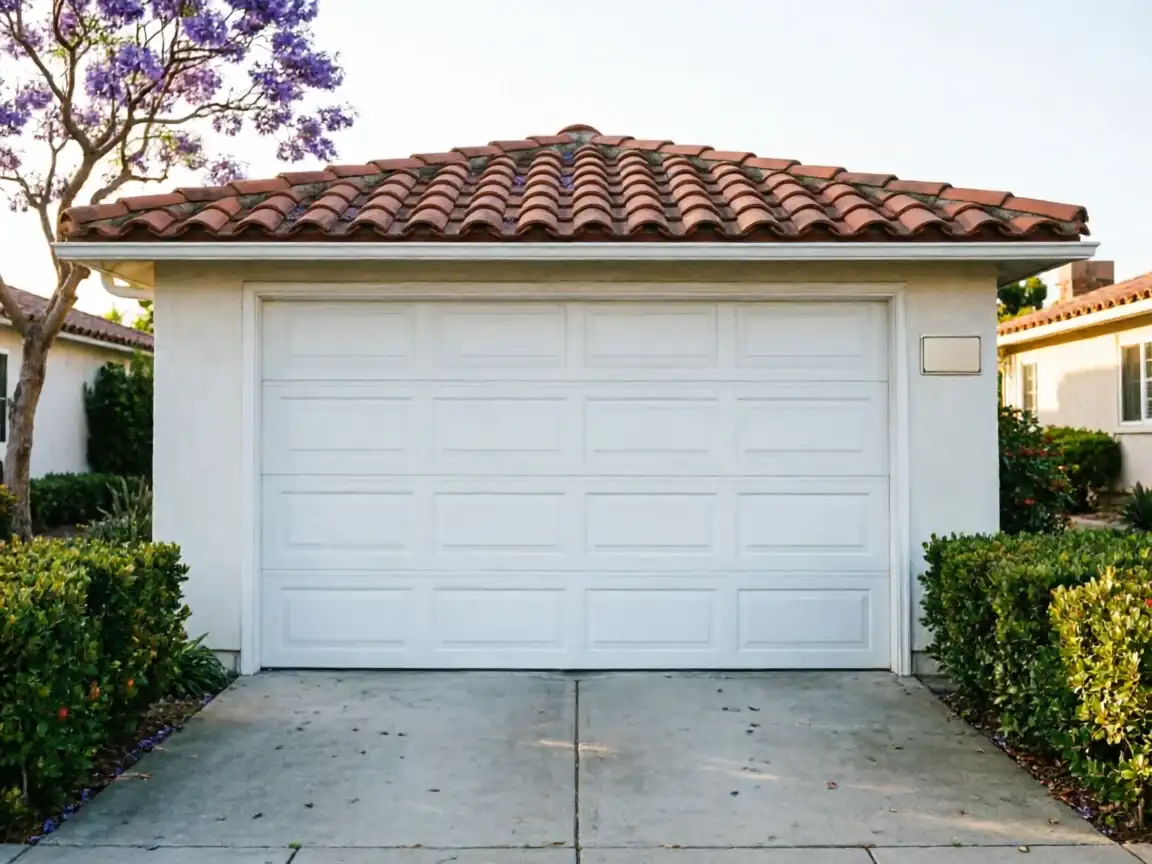
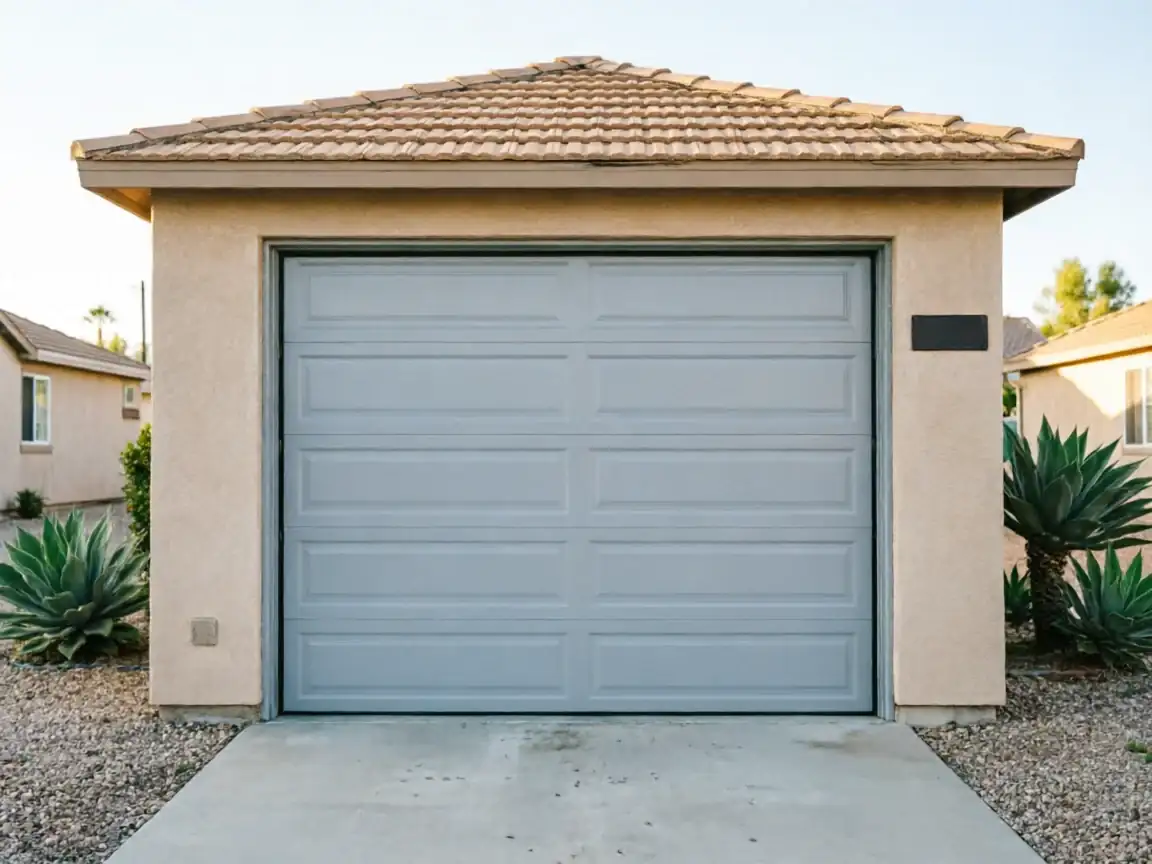
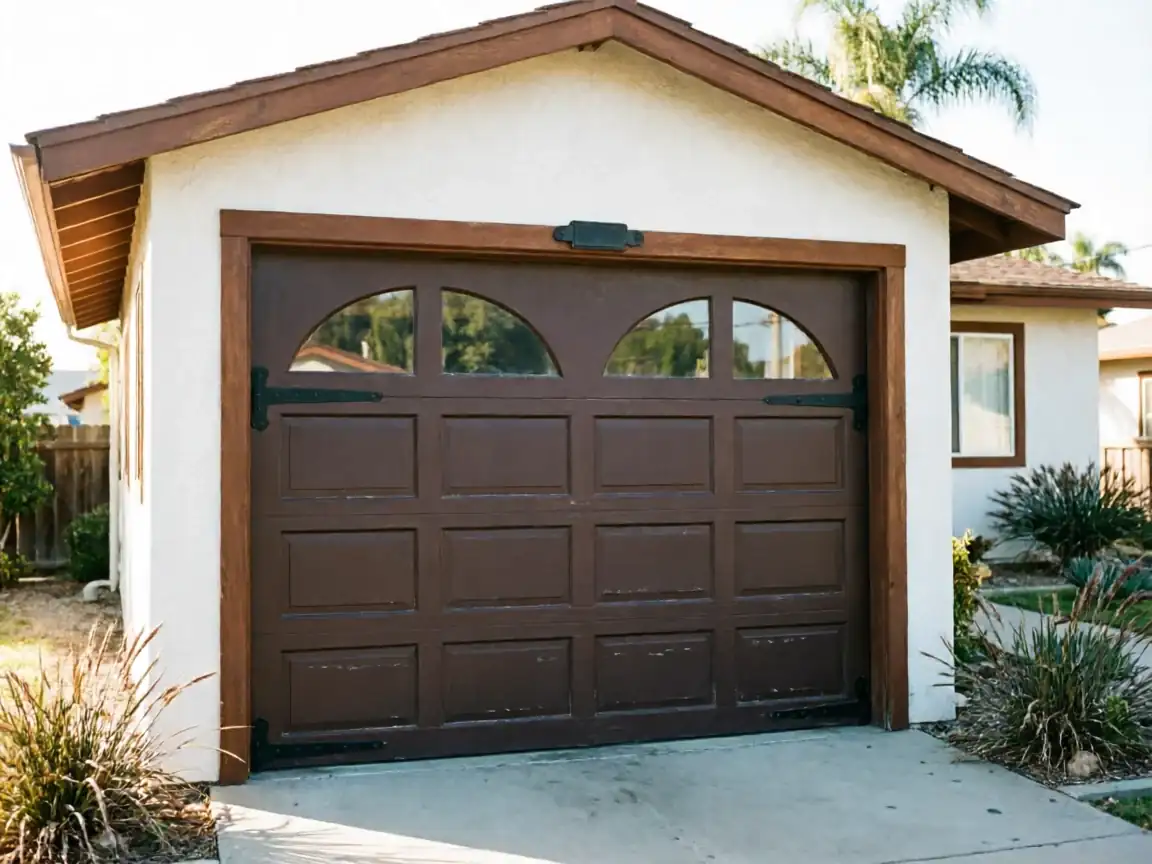
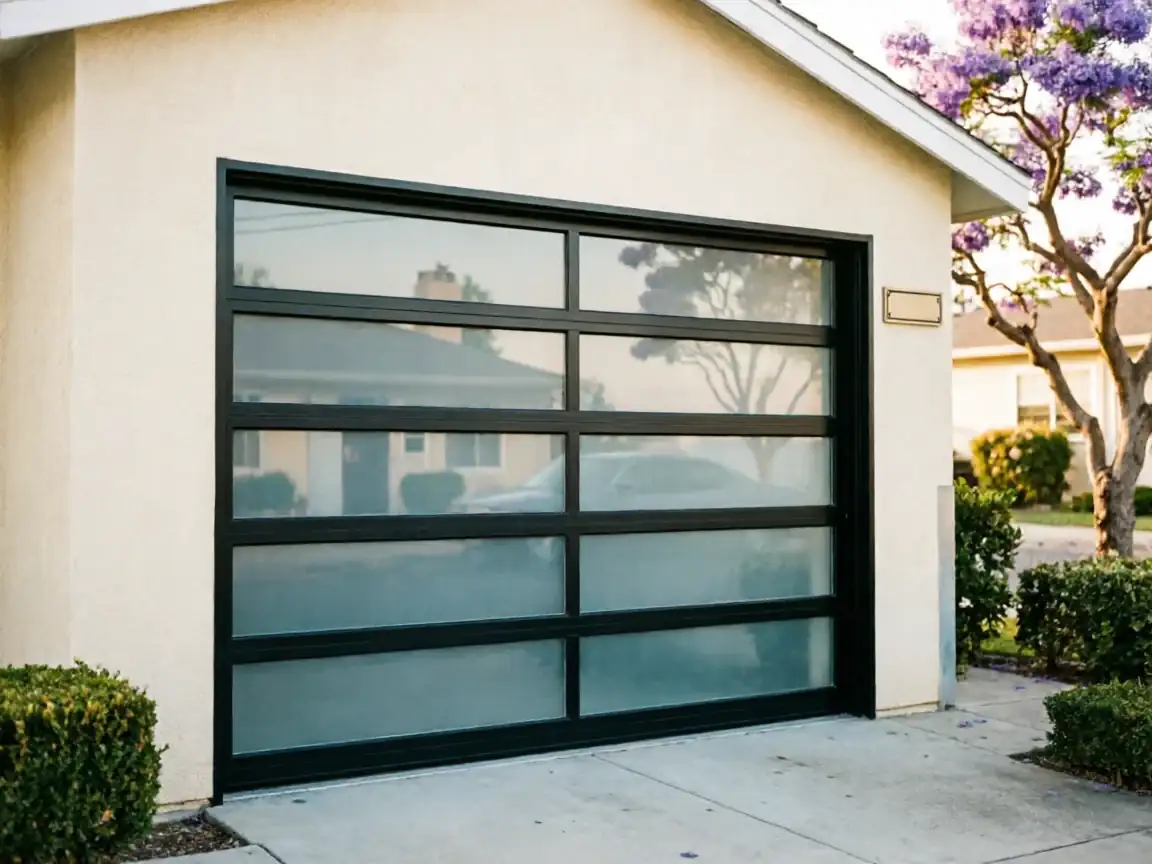
A big share of the housing stock in this part of the valley went up between 1951 and 2007, with the median build year sitting around 1965. That matters for springs because a house built in the mid-1960s has had roughly six decades of cycles on its original torsion or extension setup, or on a second-generation replacement that was never upsized when heavier insulated doors replaced the original panel doors. Most of the 45 named areas in this service territory share that same 1960s-70s core, so the failure pattern repeats block after block: steel fatigues, galvanizing wears thin at the coil ends, and the spring eventually lets go on a cold morning or a hot afternoon.
The climate here runs on the moderate-heat side rather than the extreme end, but repeated heat cycling still dries out the factory lubricant on a spring faster than a cooler coastal climate would. Dry coils rub more on themselves and on the stationary cone, and that friction is where small surface cracks start. None of this is a defect in any one door - it's what happens to mid-century torsion hardware that's been doing its job in a warm inland valley for fifty-plus years.
What You Are Seeing
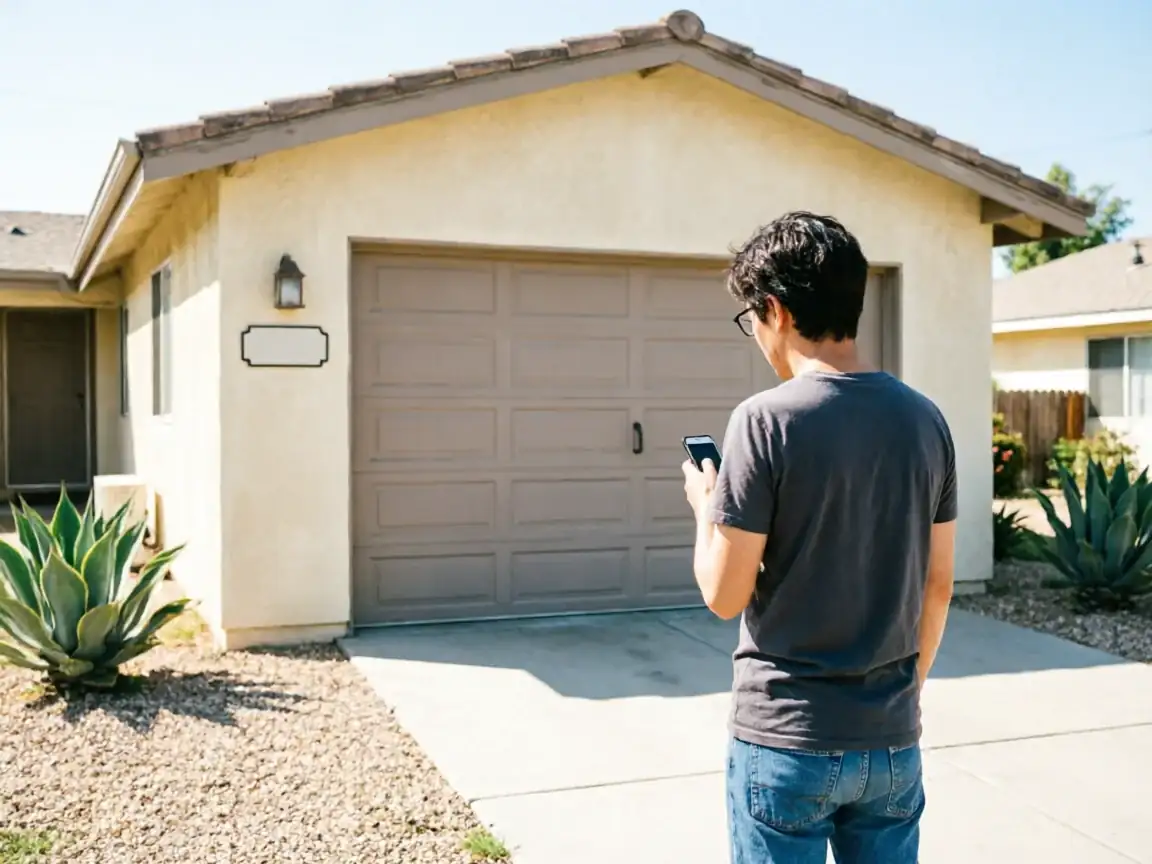
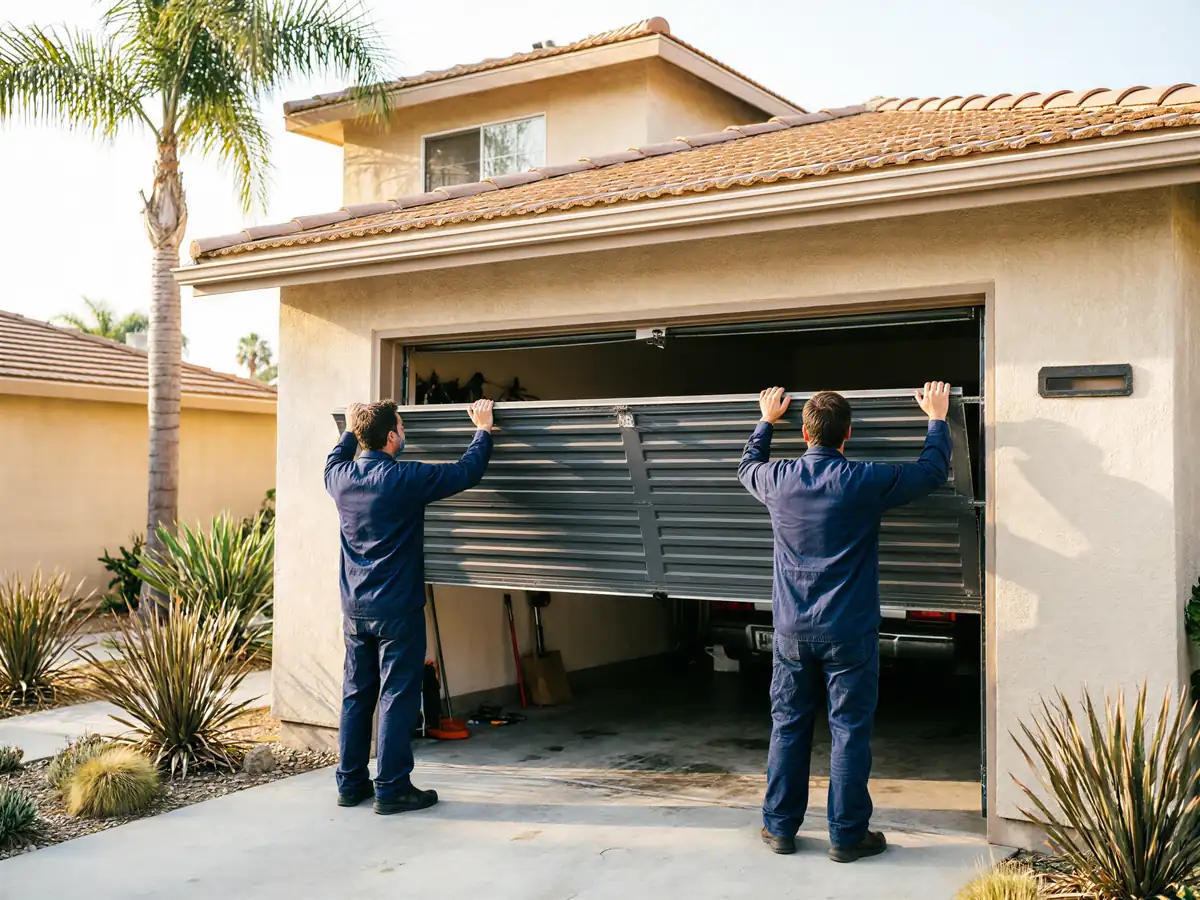
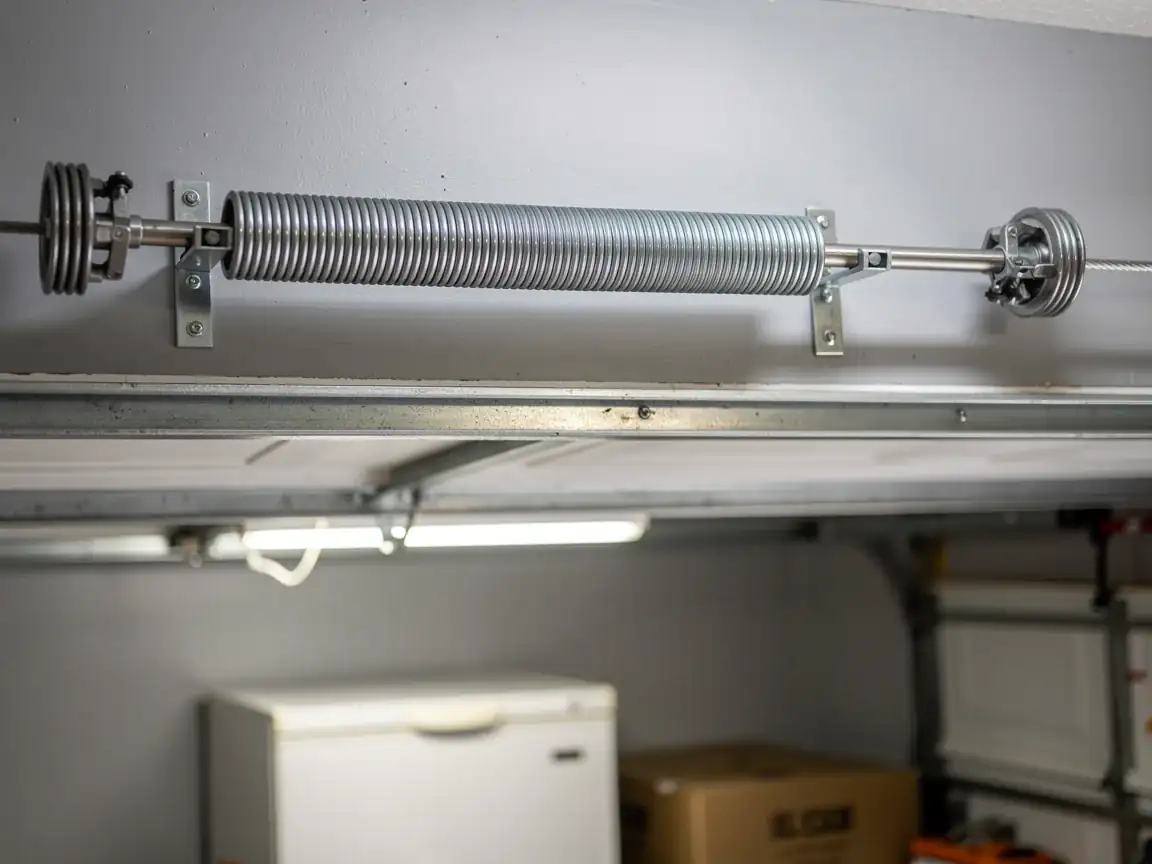
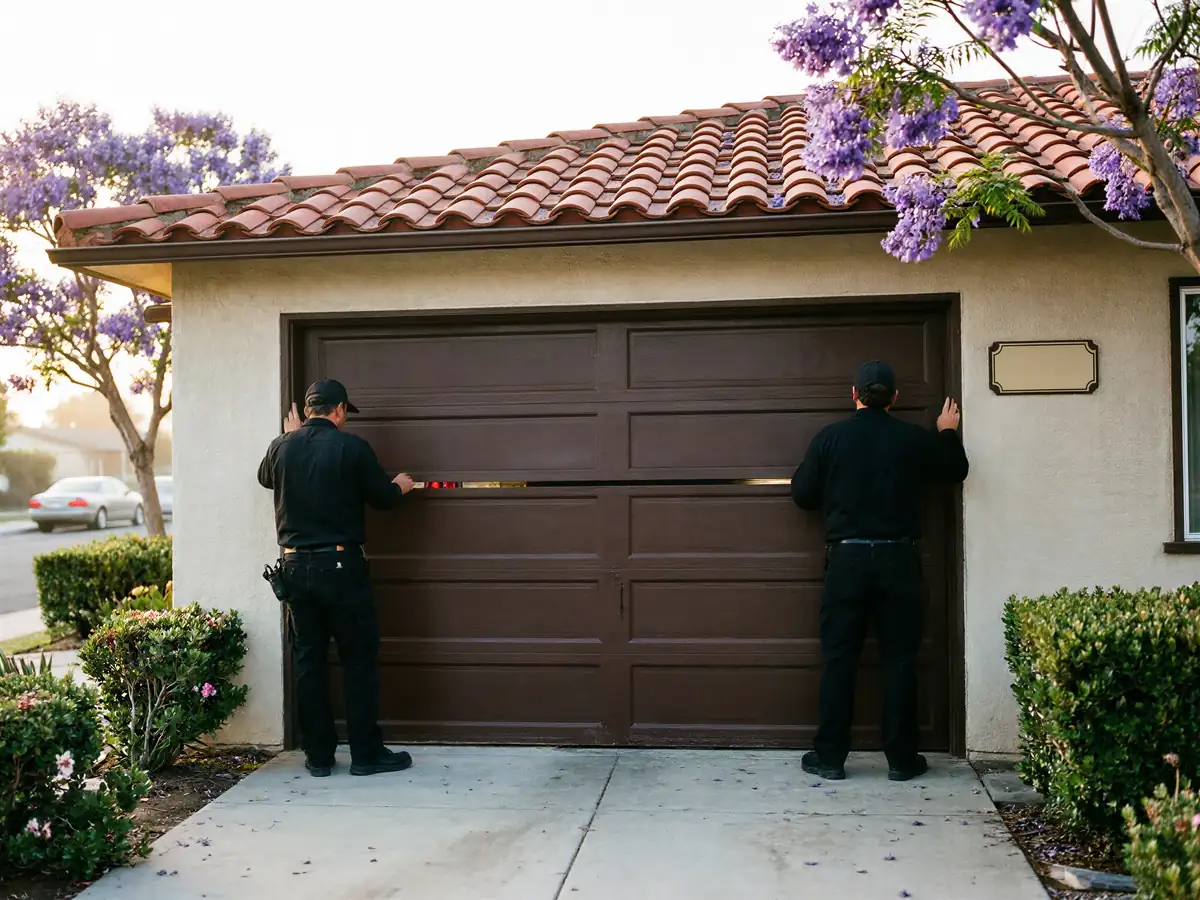
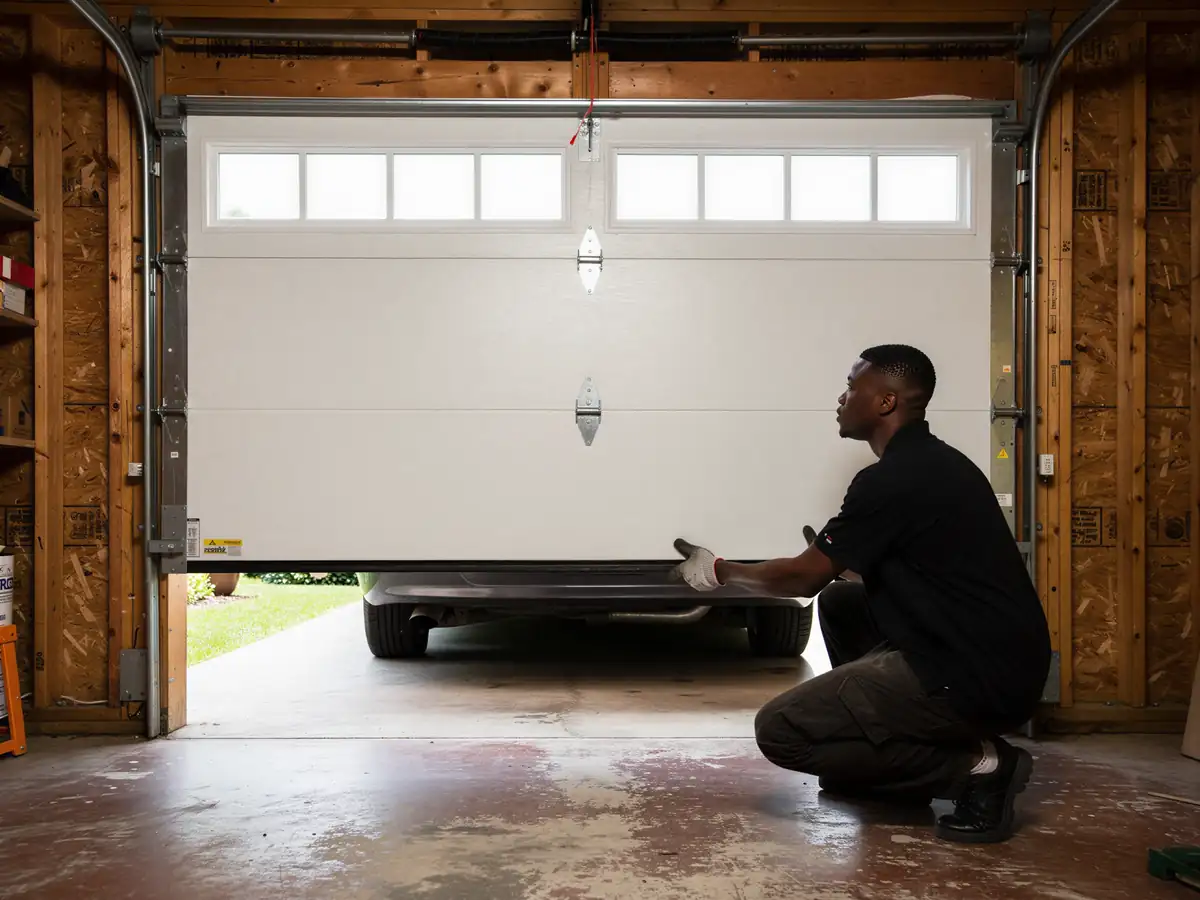
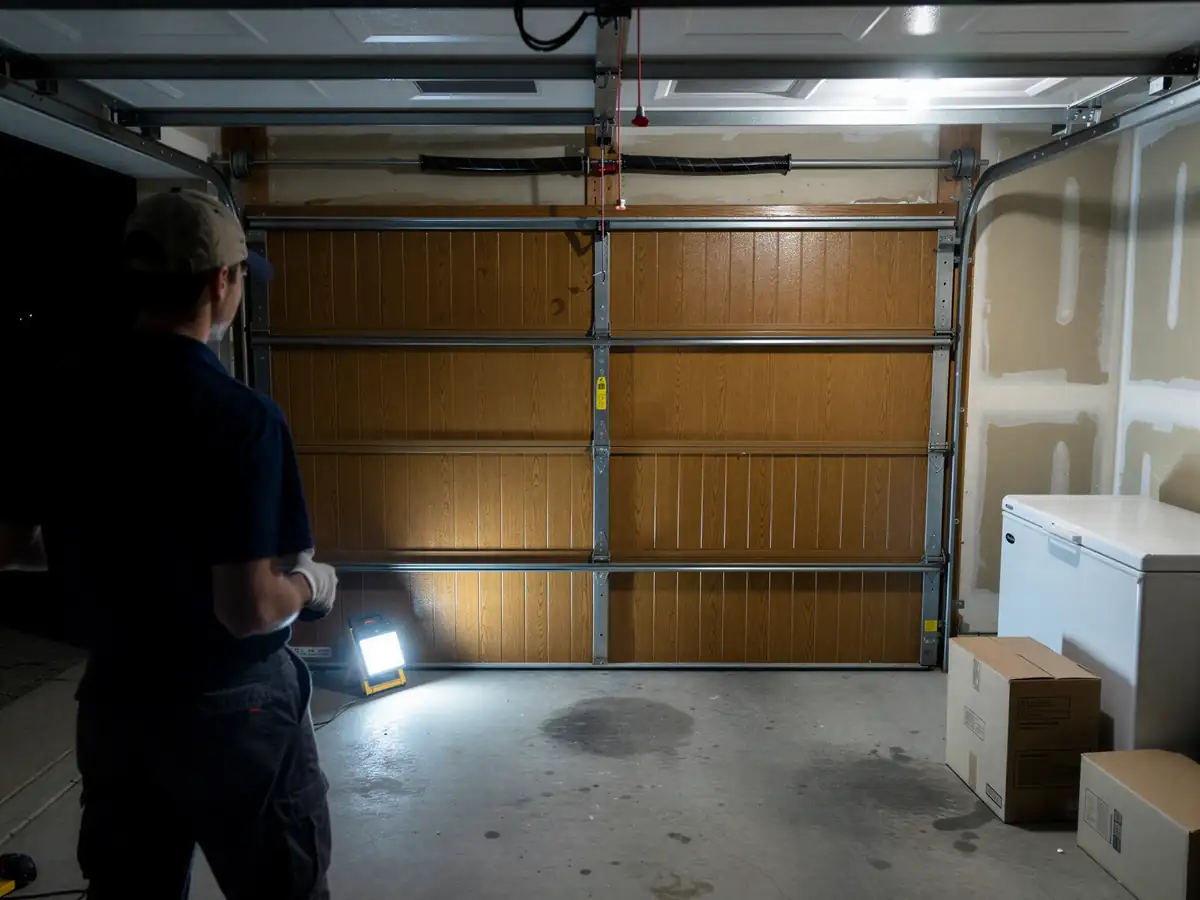
A torsion spring usually goes with a loud bang from the garage, and afterward the door either won't lift at all or lifts a few inches and stops dead under its own weight. If you pull the release cord and the door feels like it weighs twice what it should, that's the spring, not the opener. Extension springs - the long ones stretched along the horizontal tracks on either side of the door - tend to fail quieter, sometimes just going slack, and you'll notice the door dropping faster than usual on the way down.
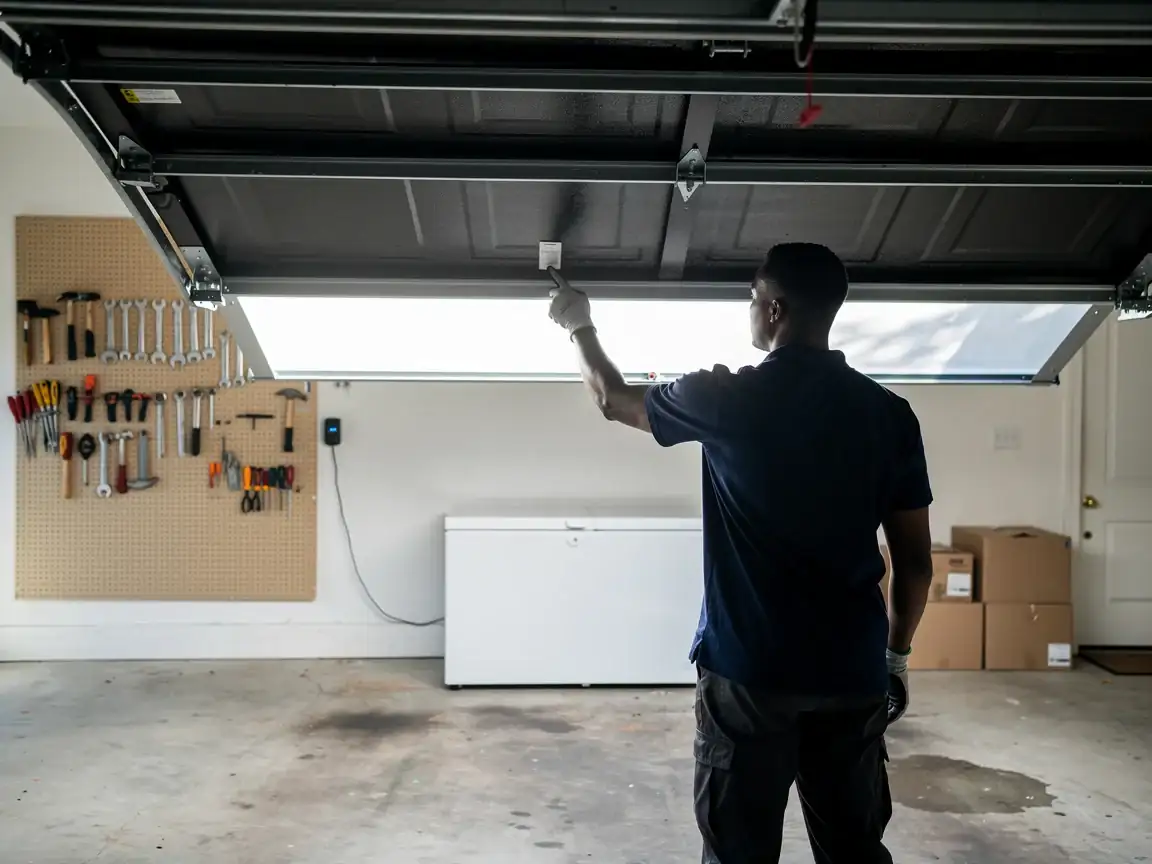
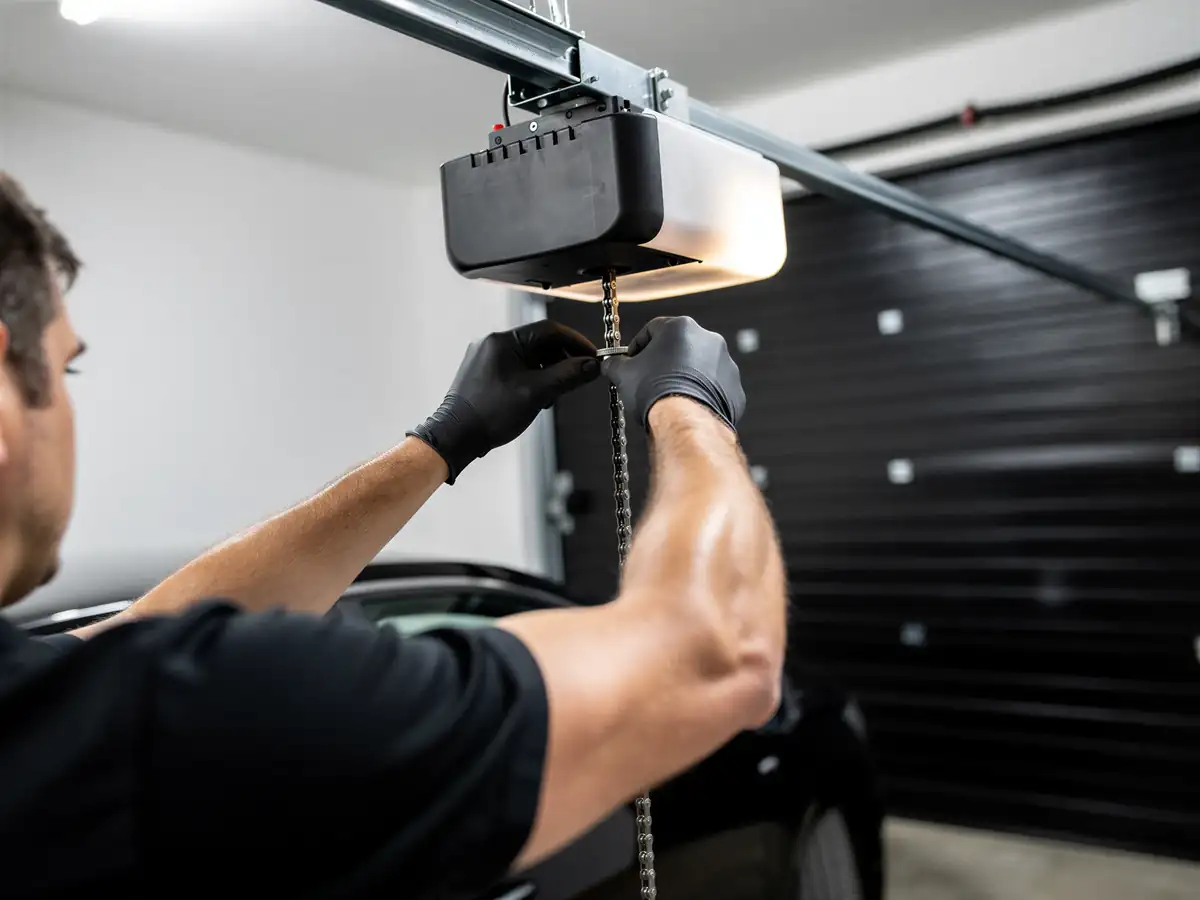
On older torsion setups common in this housing stock, you'll also see a worn cone, a stretched or frayed cable, or a bearing plate that's rusted in place from decades of use - any of those can look like a spring failure but needs its own fix. A door that's noticeably off-balance, where one side drags or the panels rack slightly in the opening, often means a single spring on a double-spring system has already failed and the other one is now doing the full job alone.
The DIY Question
Don't do this one yourself
A wound torsion spring holds enough stored tension to break bones or worse if the winding bars slip, and that risk doesn't go down because the spring looks small. Extension springs are a little less dangerous to handle but still whip hard enough to cause real injury if a cable lets go while you're working near it.
What you can safely check yourself
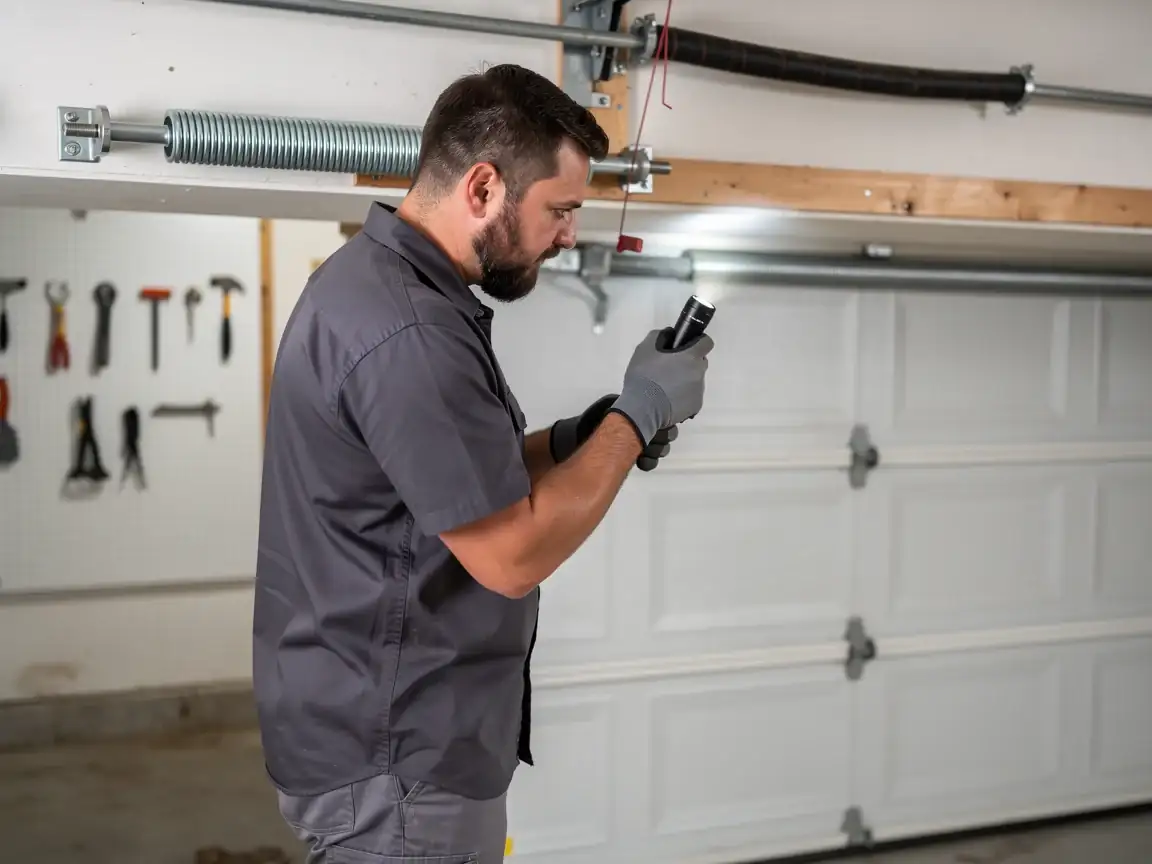
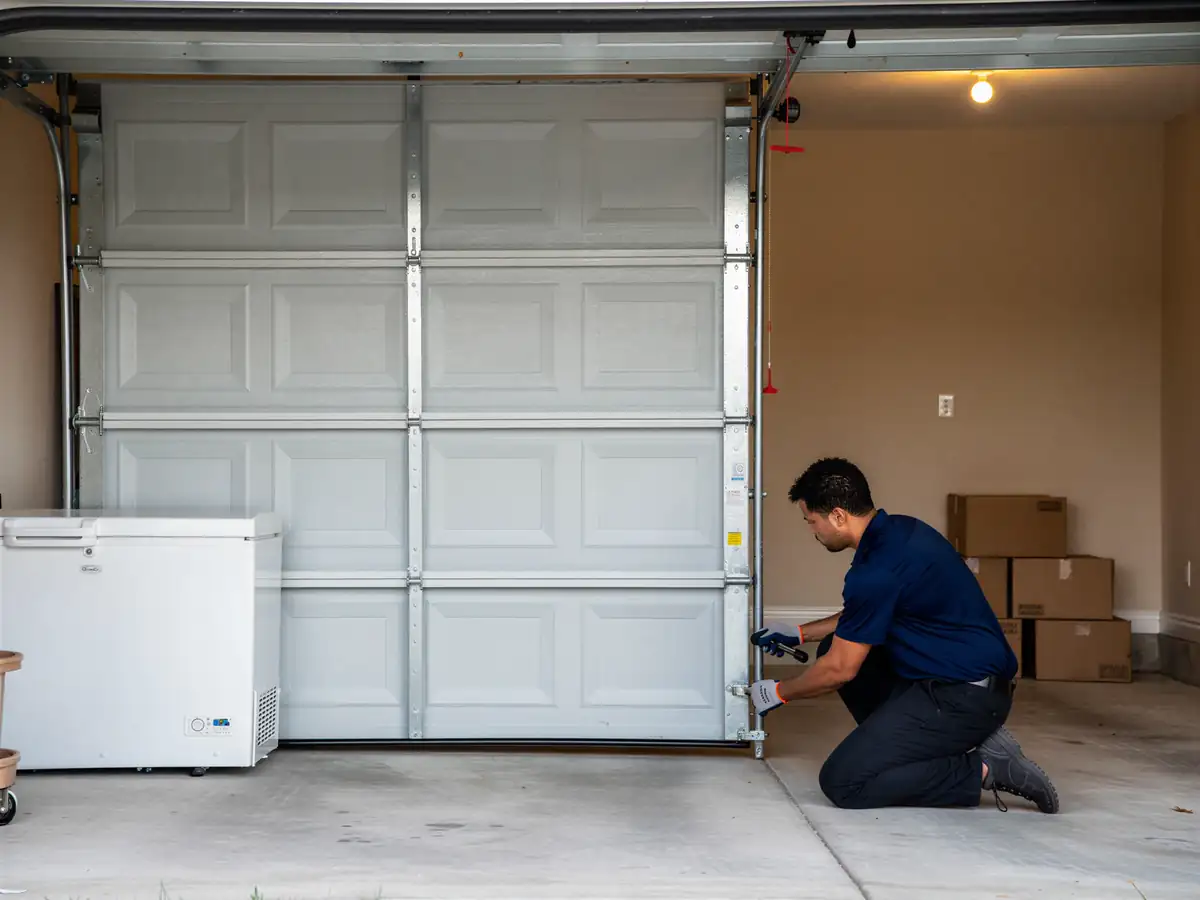
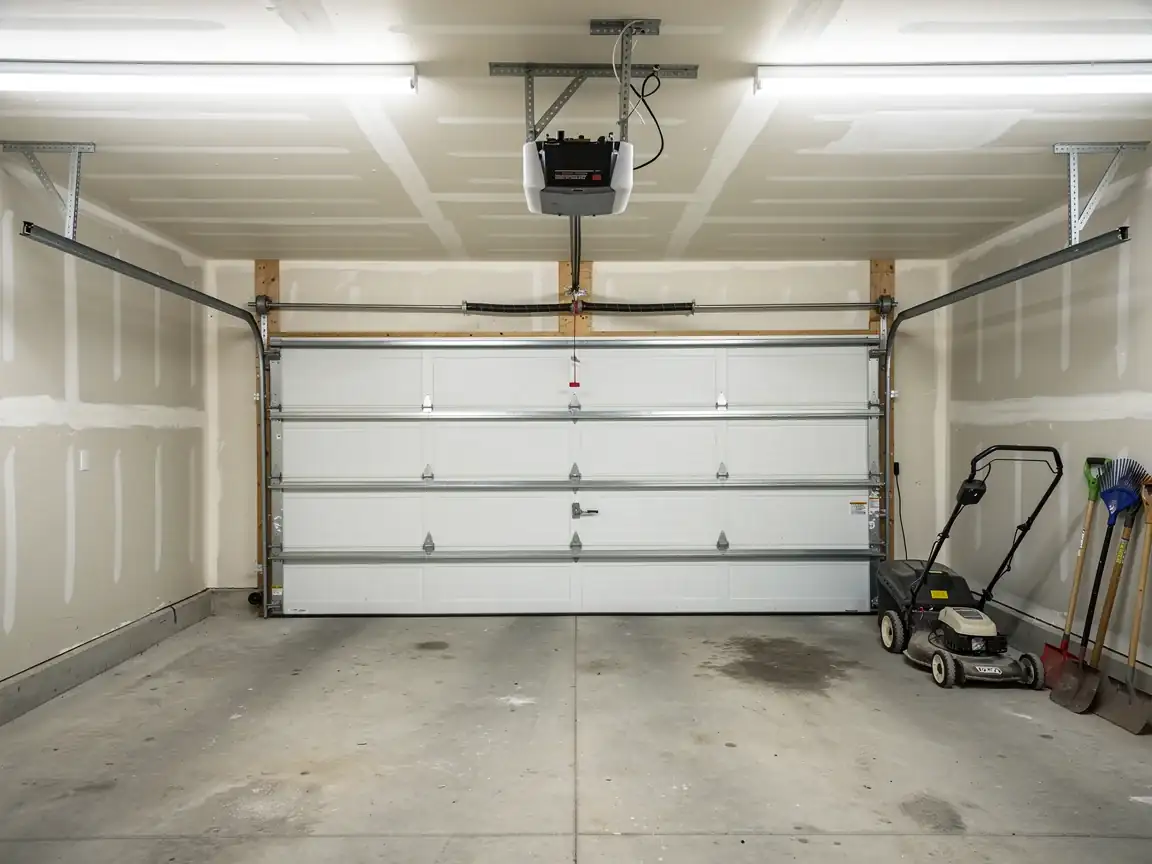
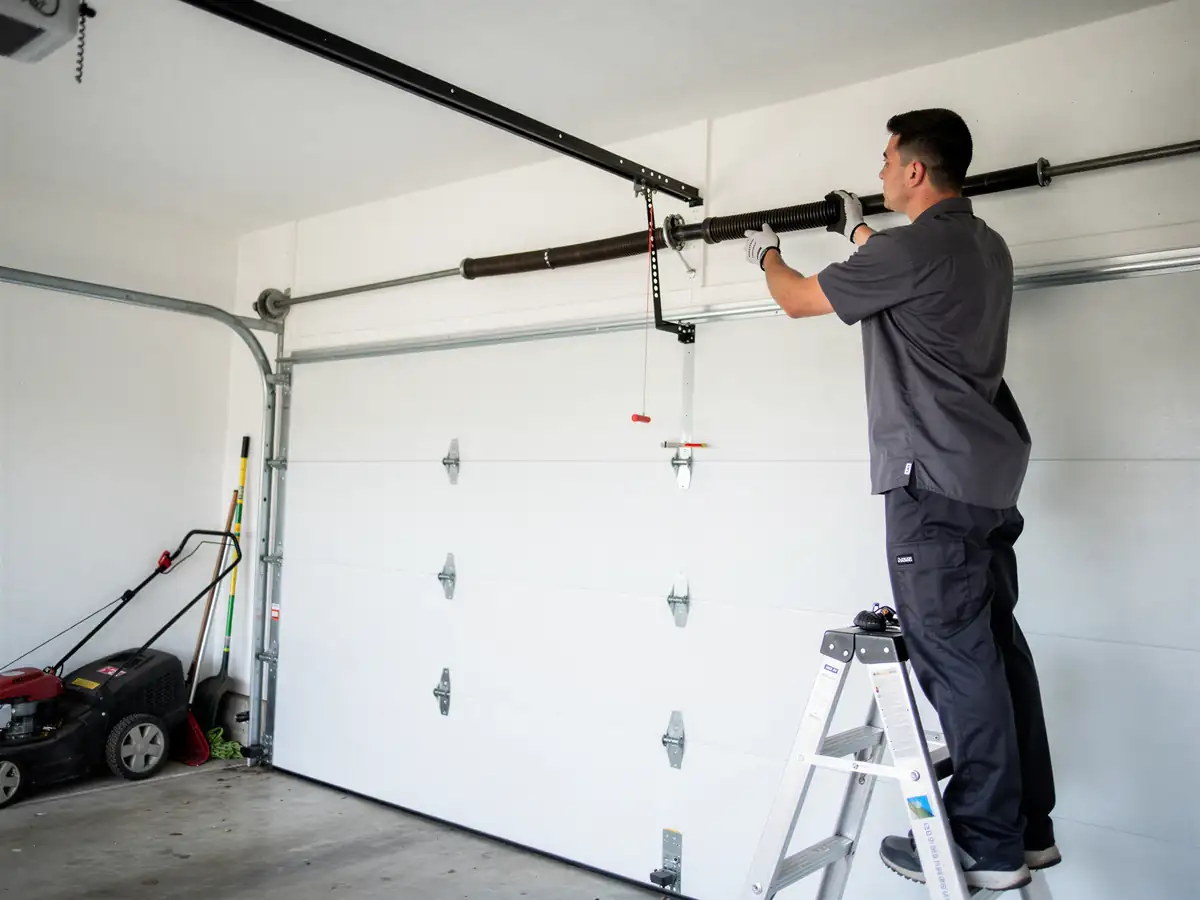
Whether the door is a torsion system (one spring, usually two, mounted on a shaft above the door) or an extension system (springs stretched along the tracks), and roughly how old the hardware looks. That tells us what to bring on the truck. We'll be straight with you if a 1960s-era torsion setup is undersized for a heavier modern door - sometimes the fix is a matched spring, sometimes it's worth upgrading the whole shaft and bearing assembly at the same time rather than patching a fifty-year-old system twice in two years.
How to Book
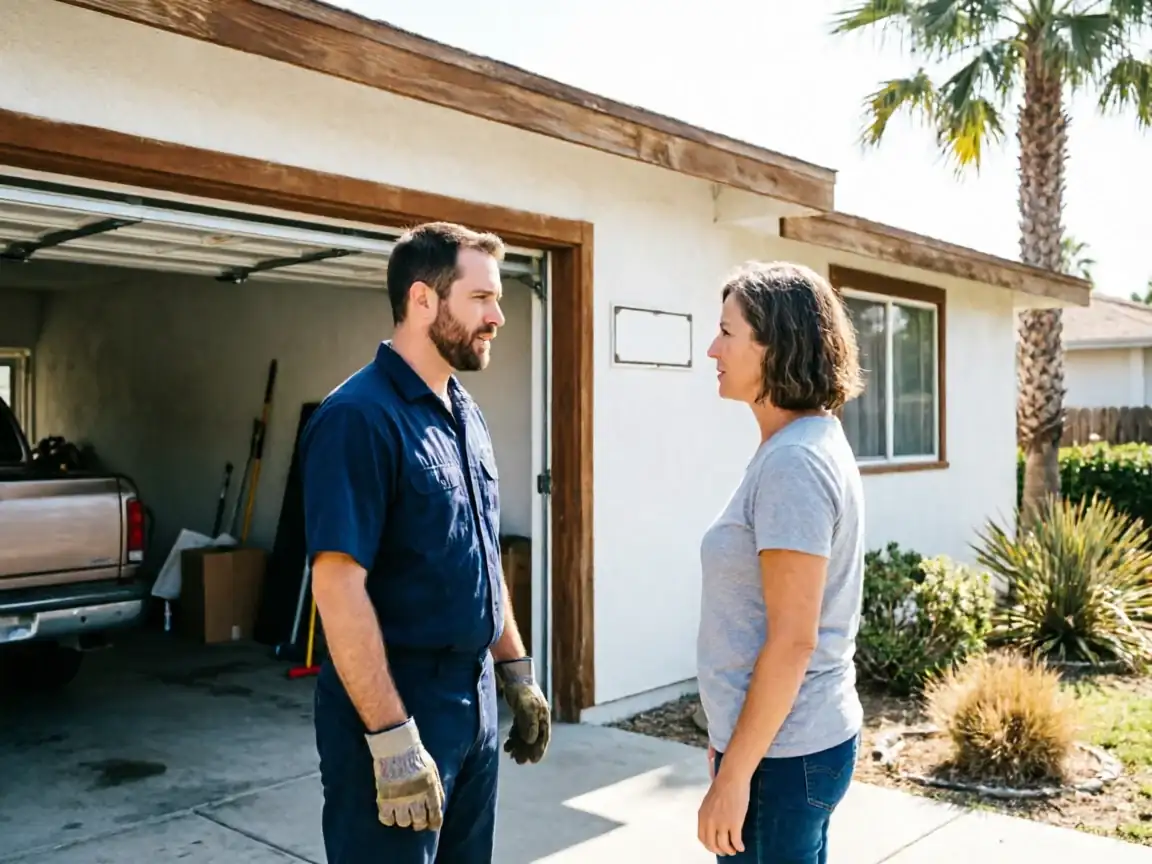
We cover Pomona and the surrounding communities, including just southwest of the city, out to Montclair, La Verne, Diamond Bar, Claremont, Walnut, Covina, and the wider area with roughly 538,102 households and 249,850 owner-occupied houses. Call to describe what the door is doing - the bang, the dead weight, the slow drop - and we'll tell you over the phone whether it sounds like a straightforward spring swap or something that needs a look first. Get started here.