Why It Happens Here
Most houses across this part of the basin went up between 1951 and 2007, with the typical home dating to around 1965. That matters for panels more than people think. Doors installed in that window were steel, built in sections bolted to a frame, and sized to specs that manufacturers have since changed more than once. When one panel on a 1960s or 70s door gets hit by a bumper or a basketball, the replacement panel you can buy today often doesn't bolt up the same way the original one did.
Across the 45 named areas that make up this service territory, the bulk of the garage stock is still that same 1960s-70s vintage. It's not a Pomona quirk so much as a building-boom pattern, and it means a huge share of the doors out there are carrying at least one mismatched or re-painted panel already.
The climate plays a role too. This area sits in a moderate-heat band, not a freeze zone, so panel failure here tends to come from sun exposure rather than cold cracking. Steel skins warp and the foam core behind them delaminates after years of heat cycling, especially on south- and west-facing garages. That shows up as a panel that looks fine from across the street but doesn't sit flush anymore.
What You Are Seeing
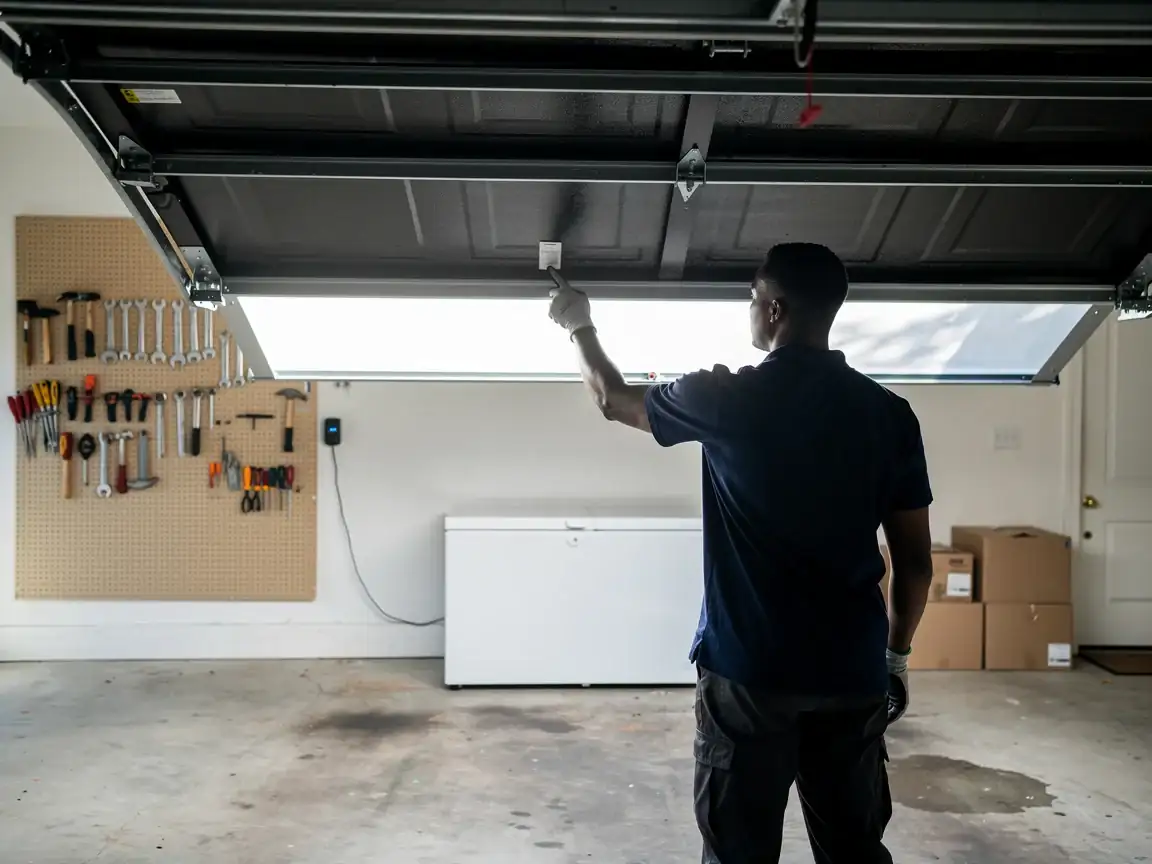
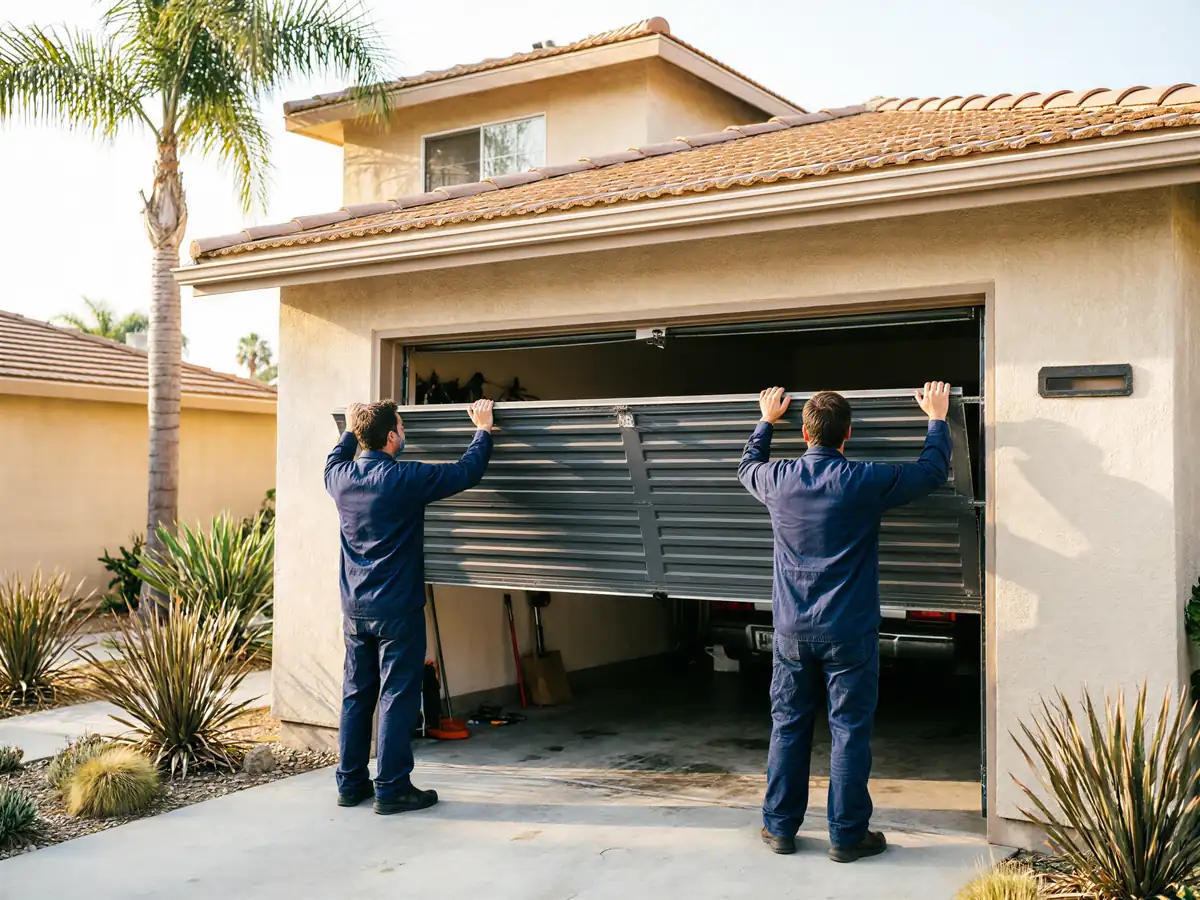
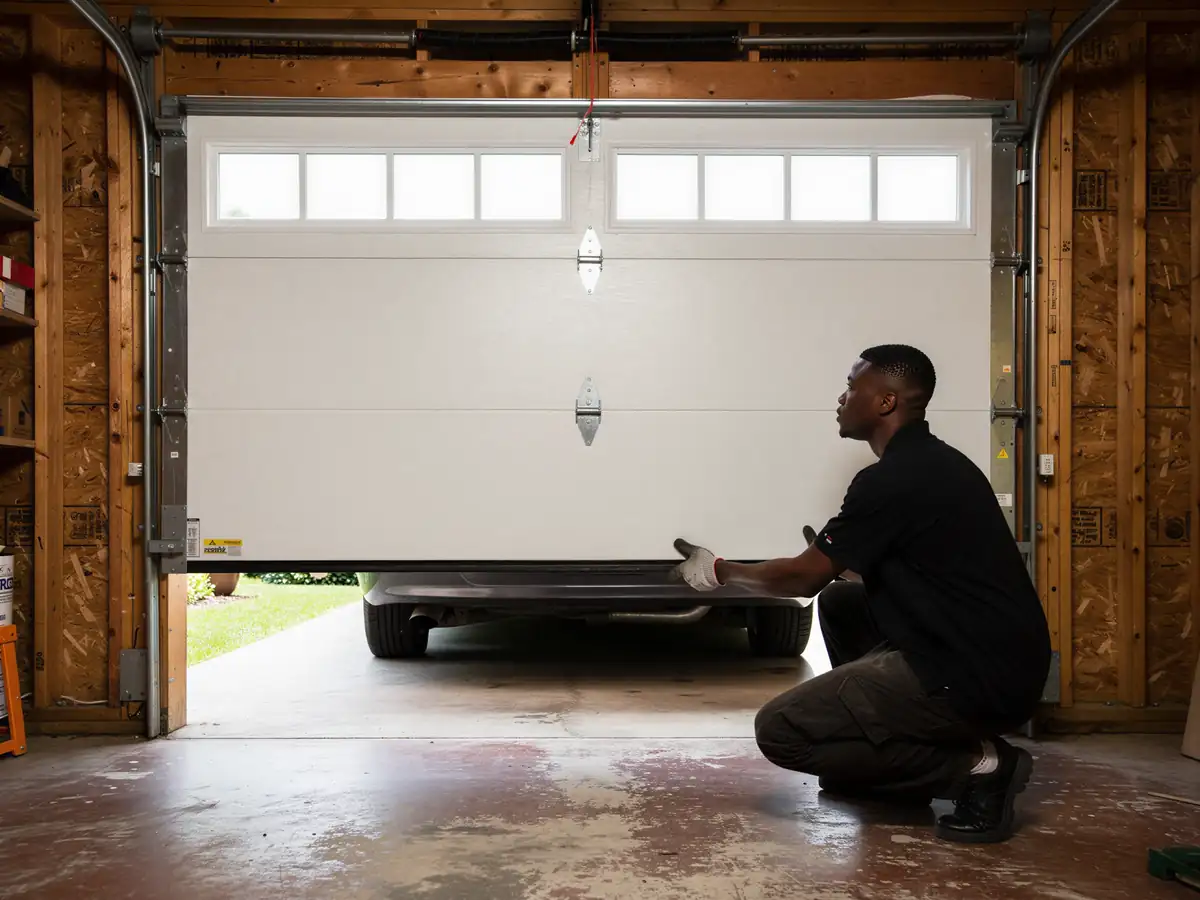
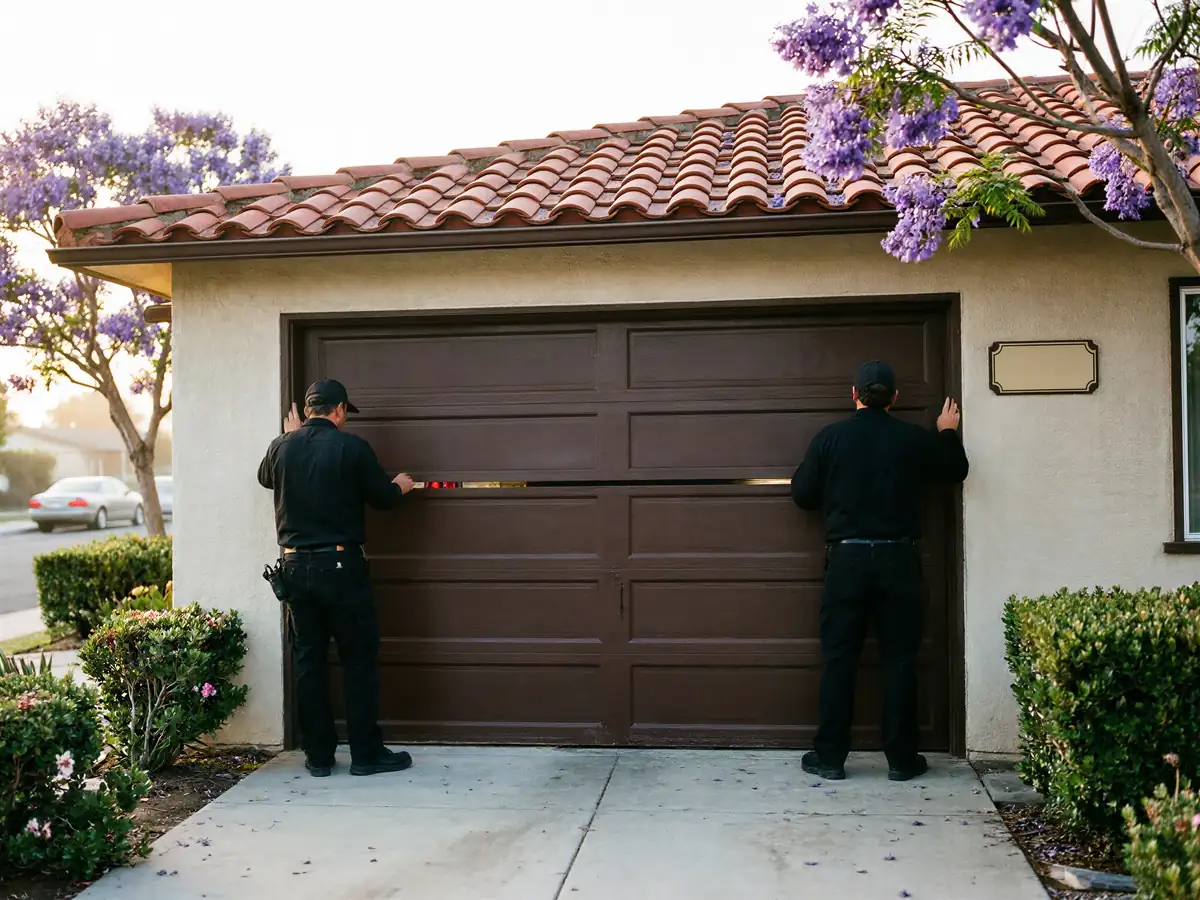
The most common call is a single dented or caved-in panel, usually the bottom section where a car bumper or a trash can lid catches it. On the older steel doors that make up so much of this area's stock, that dent doesn't stay cosmetic for long. Once the skin is creased, the panel loses rigidity and starts pulling at the hinges above and below it, which puts extra load on rollers that were never meant to carry an uneven door.
Rust is the second pattern, almost always starting at the bottom panel edge where water sits after it runs off the driveway slope. On a door old enough to predate galvanized skins, that rust can eat through from the inside before it's visible outside.
The third pattern is fading and chalking, where one or two panels have gone a different shade than the rest of the door because they were replaced at some point and the finish was never a true match. None of these are emergencies on their own, but a cracked or buckled panel changes how the whole door balances, and that's when a spring or cable that was already marginal decides to go.
The DIY Question
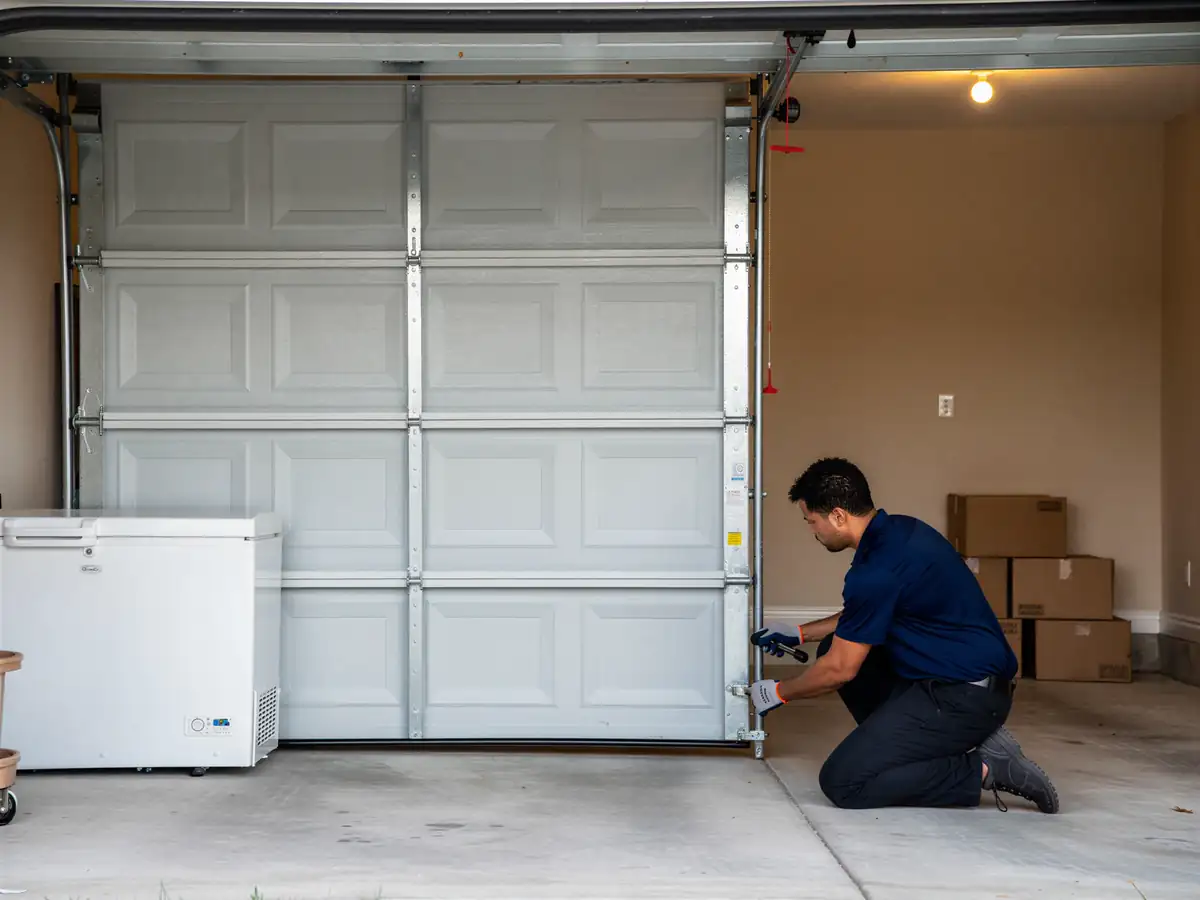
Swapping a single panel sounds like a bolt-off, bolt-on job, and on paper it is
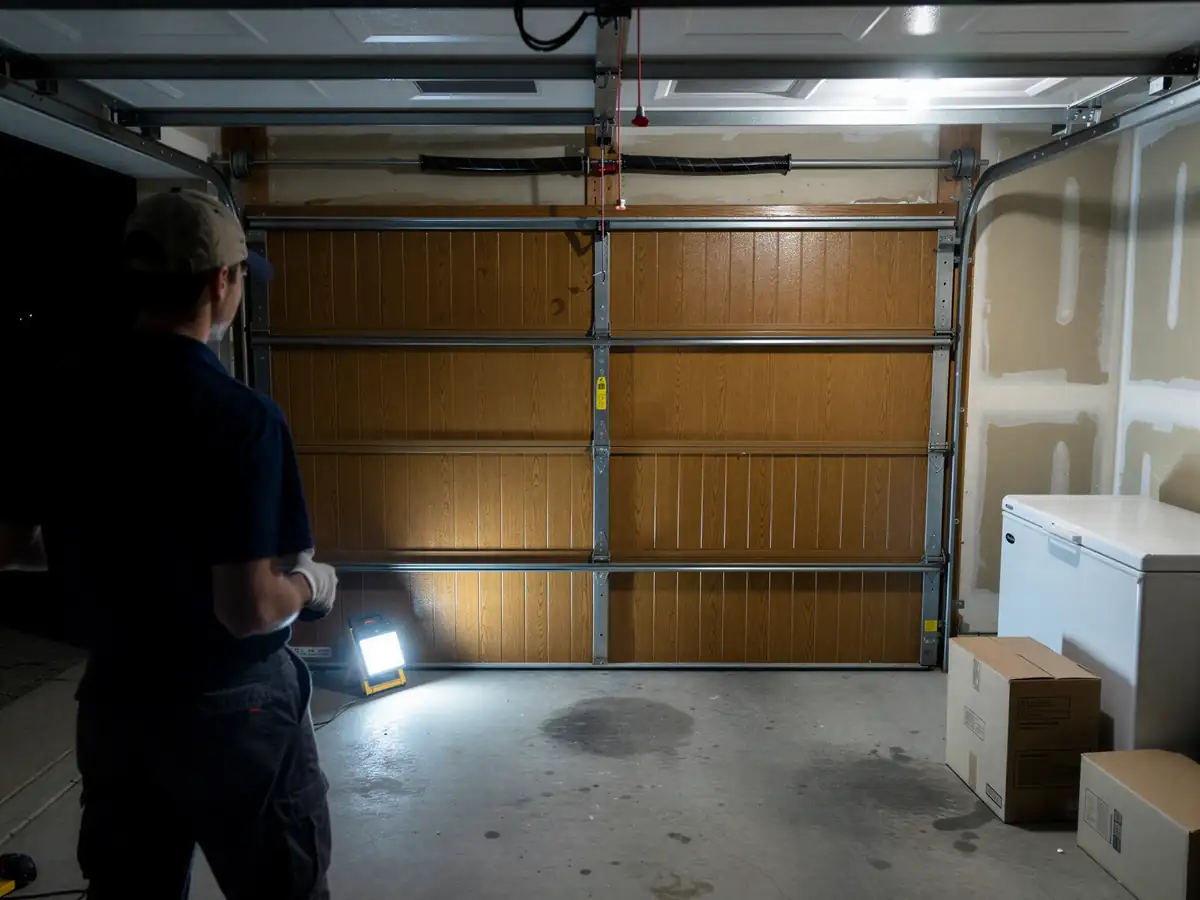
The catch is finding a panel that actually matches. Doors from the 1960s and 70s era common in this area were made to section widths and rib profiles that a lot of manufacturers have discontinued. A panel ordered off a current catalog may be close enough to bolt on and still look wrong, or worse, not line up with the existing hinge spacing at all.
We'll say plainly where we draw the line
If we can't source a matching panel for your door, we won't force one on and call it done. At that point, the honest answer is usually a full door replacement instead of a patch job that looks like one. That's not an upsell, it's just what happens when a part stops being made.
What you can safely check yourself before calling anyone
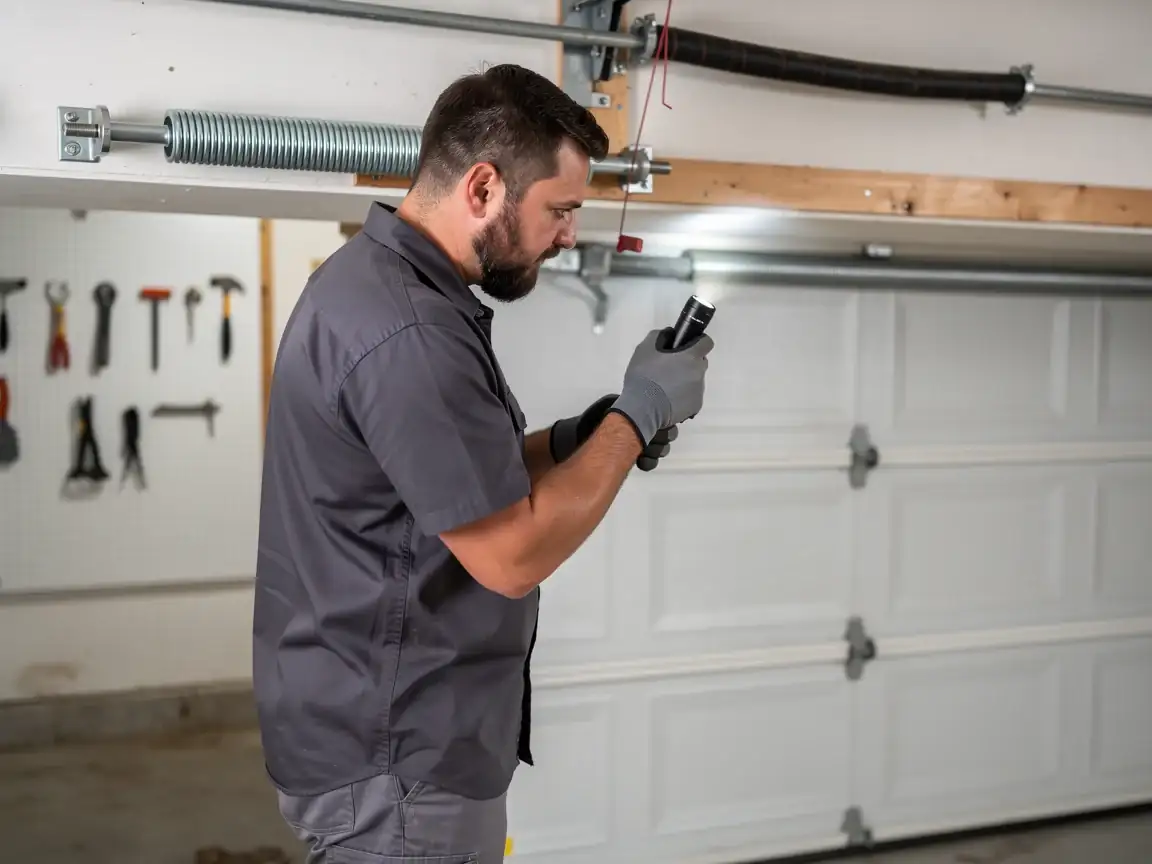
Whether the dent is cosmetic only or has cracked the panel seam, whether the door still opens and closes square, and whether the damage is near a hinge (harder fix) or mid-panel (easier fix). That tells us what we're walking into before a truck ever leaves.
How to Book
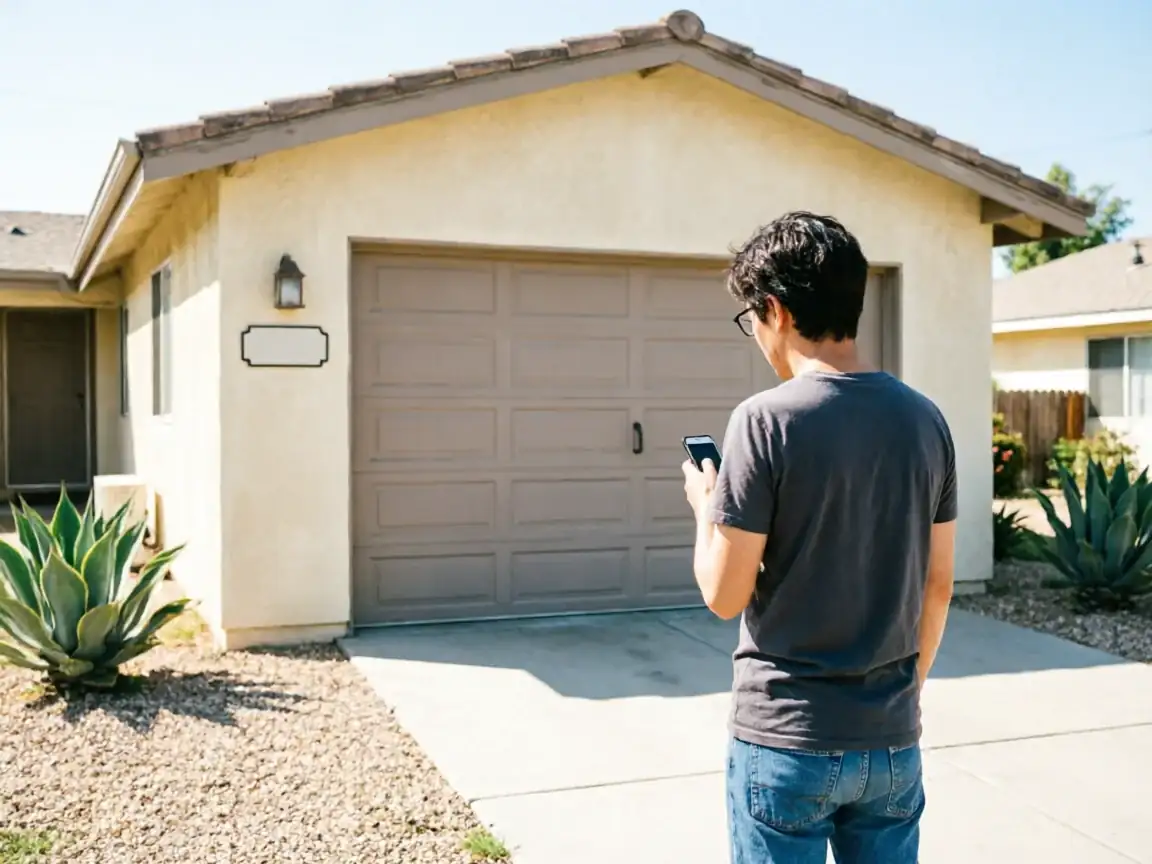
If you've got a dented, rusted, or mismatched panel and want to know whether it's a panel swap or a full door, the fastest way to get a straight answer is to call and describe what you're seeing, including roughly how old the door is and which panel is affected. Photos help more than a phone description ever will.
We cover panel replacement across this service area, not just the city center, so if you're closer to than downtown, that's still inside the territory we run. Start at the home page and we'll get you to the right next step.