What We Do Not Do
We don't keep a truck or a depot in Eastvale. Every call here means a 12-mile run from our shop in Pomona, so we don't promise a same-hour arrival the way a company sitting inside the neighborhood might. We schedule Eastvale jobs in blocks rather than one-off dashes, and we tell you that up front rather than guess at a window we can't hit.
We also don't rebuild a logic board on a dead opener. If the circuit board in a belt-drive opener has failed, which happens more than people expect on homes built in the last fifteen to twenty years, we replace the opener head rather than chase a part that's often not worth sourcing for what it costs. And we don't force a spring built for a lightweight door onto a heavier insulated steel door just because it's the one already on the truck - Eastvale's newer sectional doors run heavier than the thin single-panel doors common in older parts of the region, and the spring has to match the door in front of us, not a guess.
We don't do new-construction installs bundled with a builder contract. If a tract home needs a first-time opener or door swapped in during a remodel, that's a different scope than the repair work we run out here.
How That Shows Up in the Door
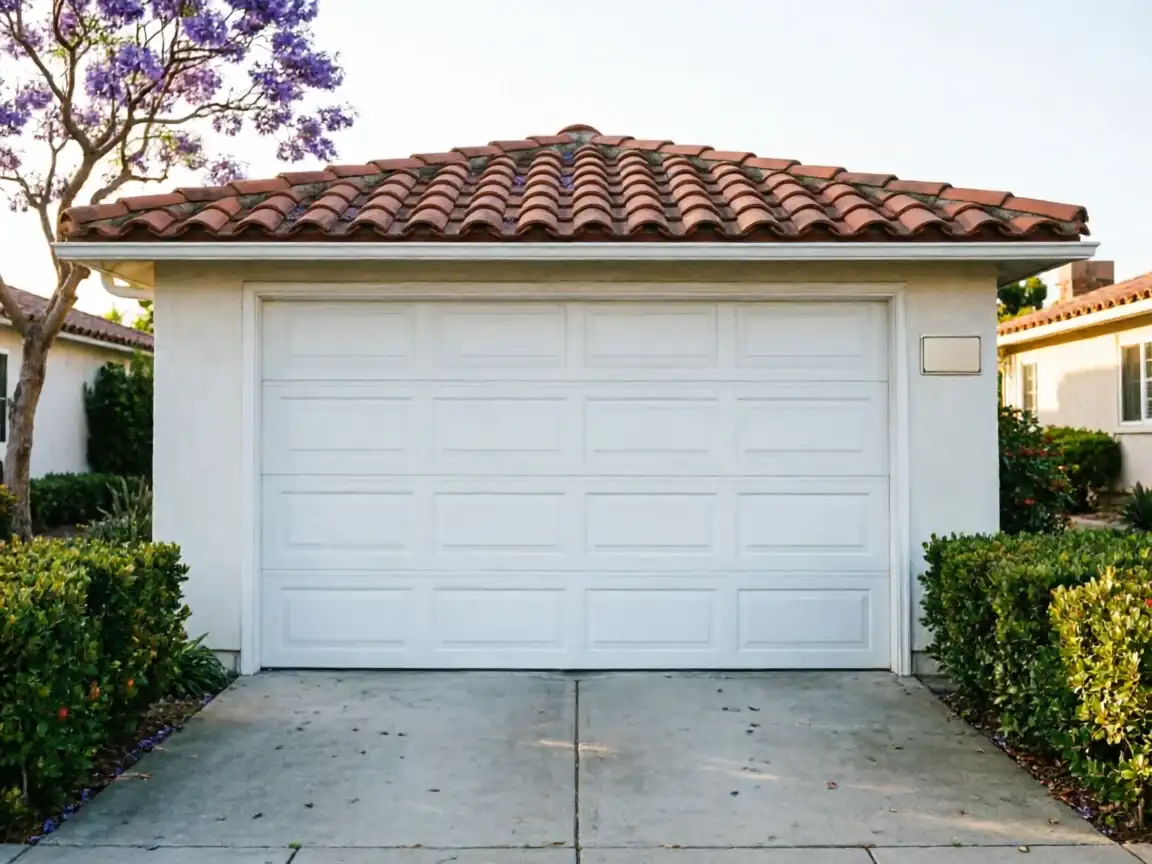
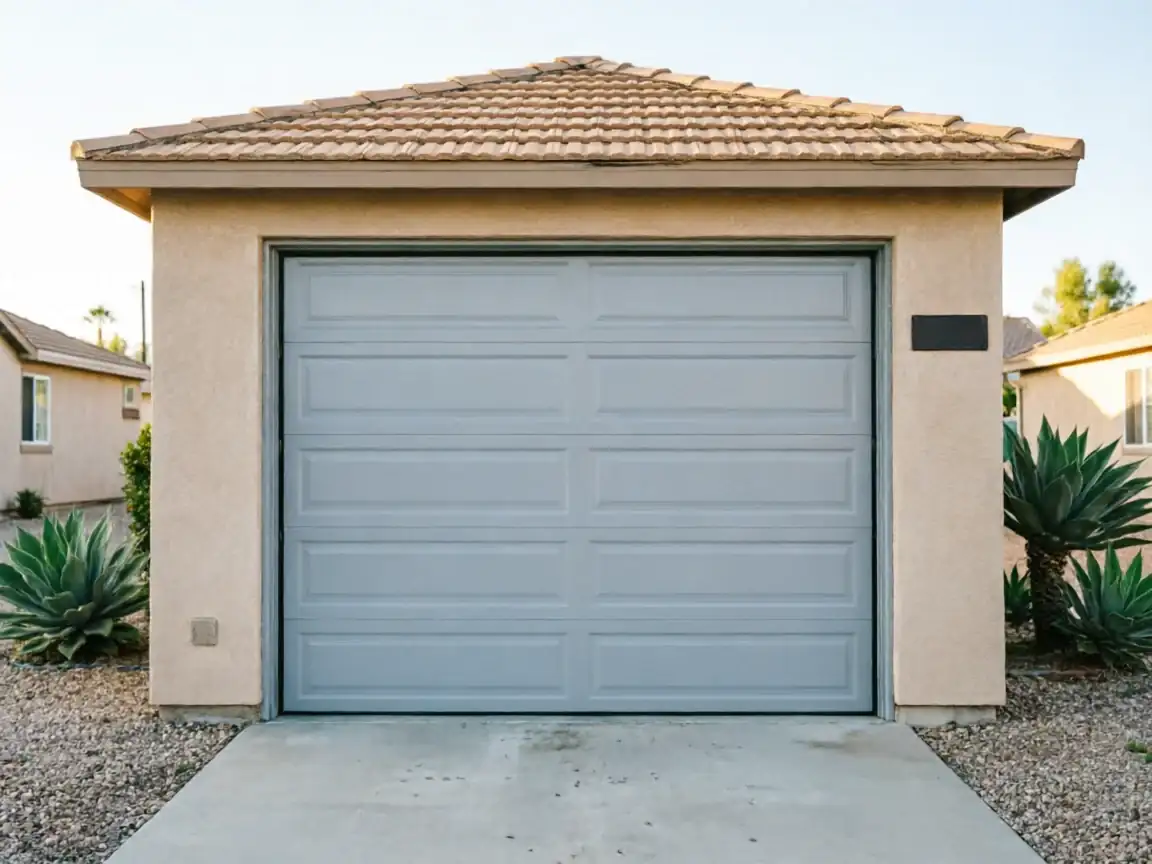
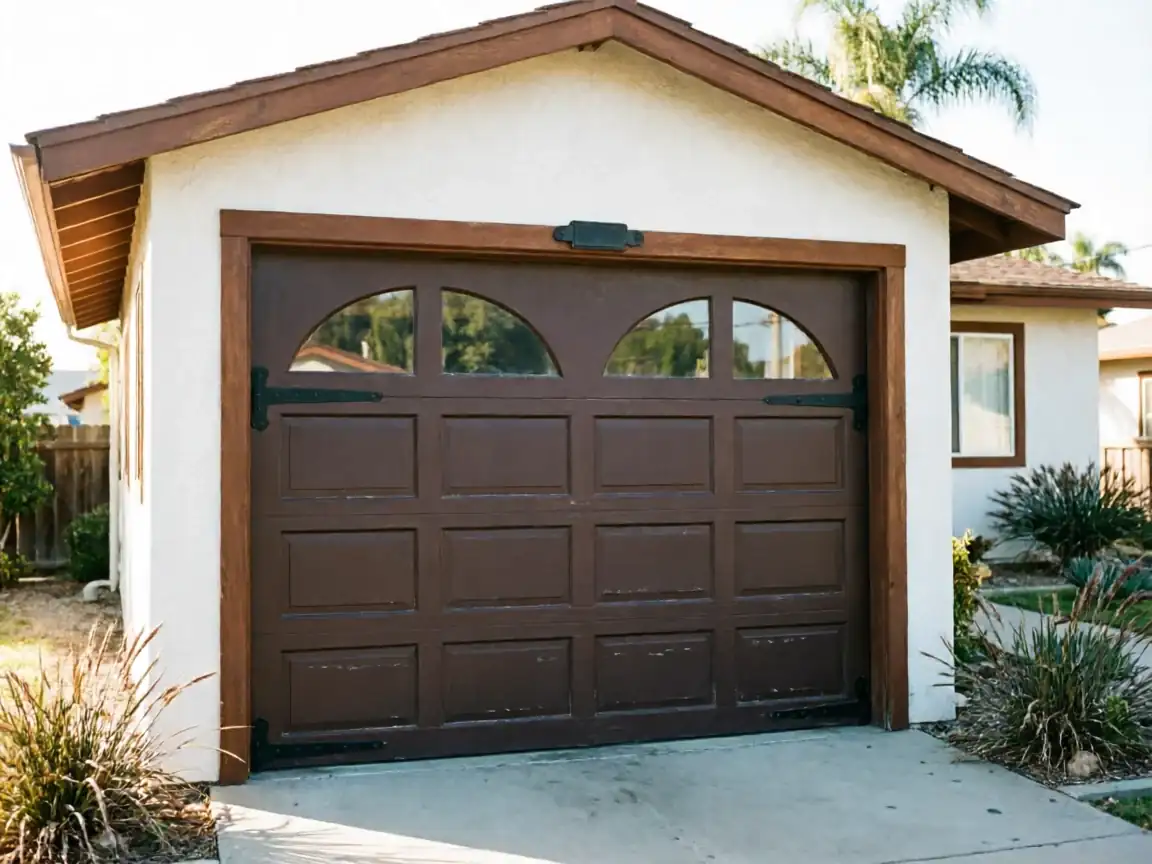
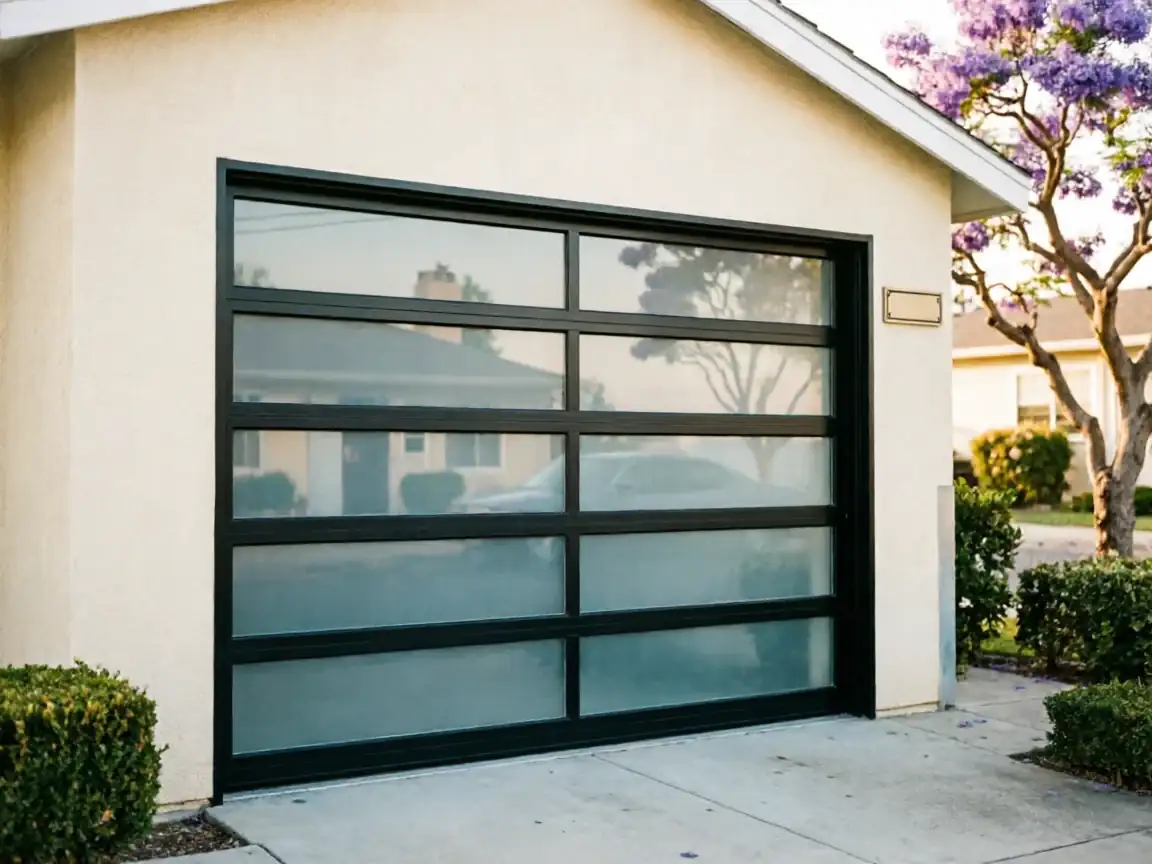
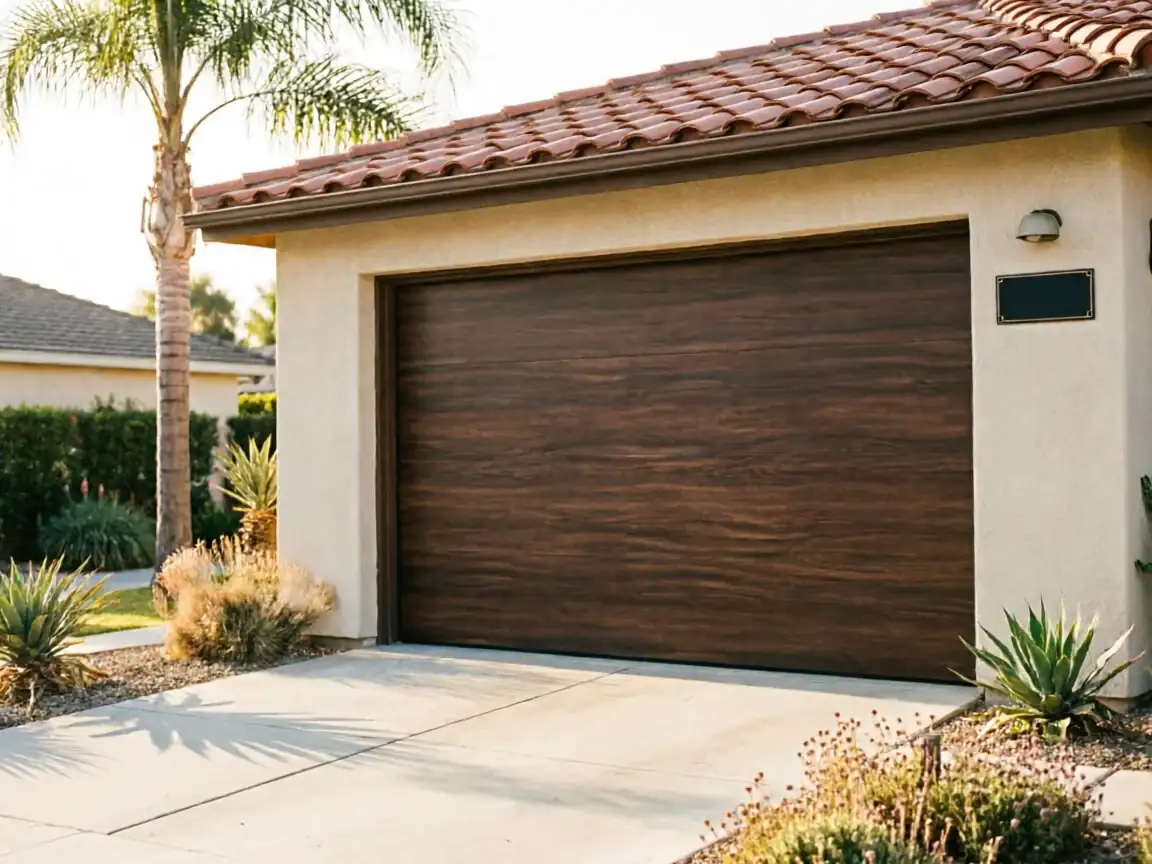
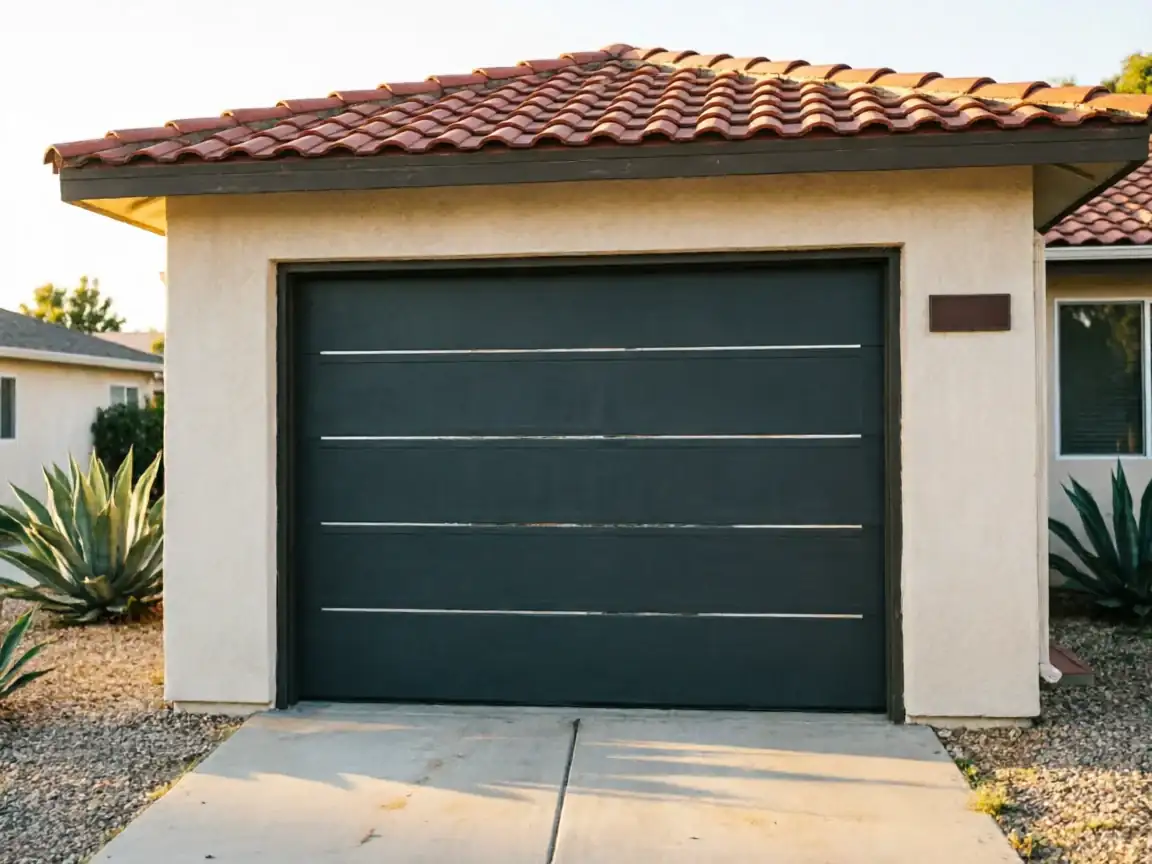
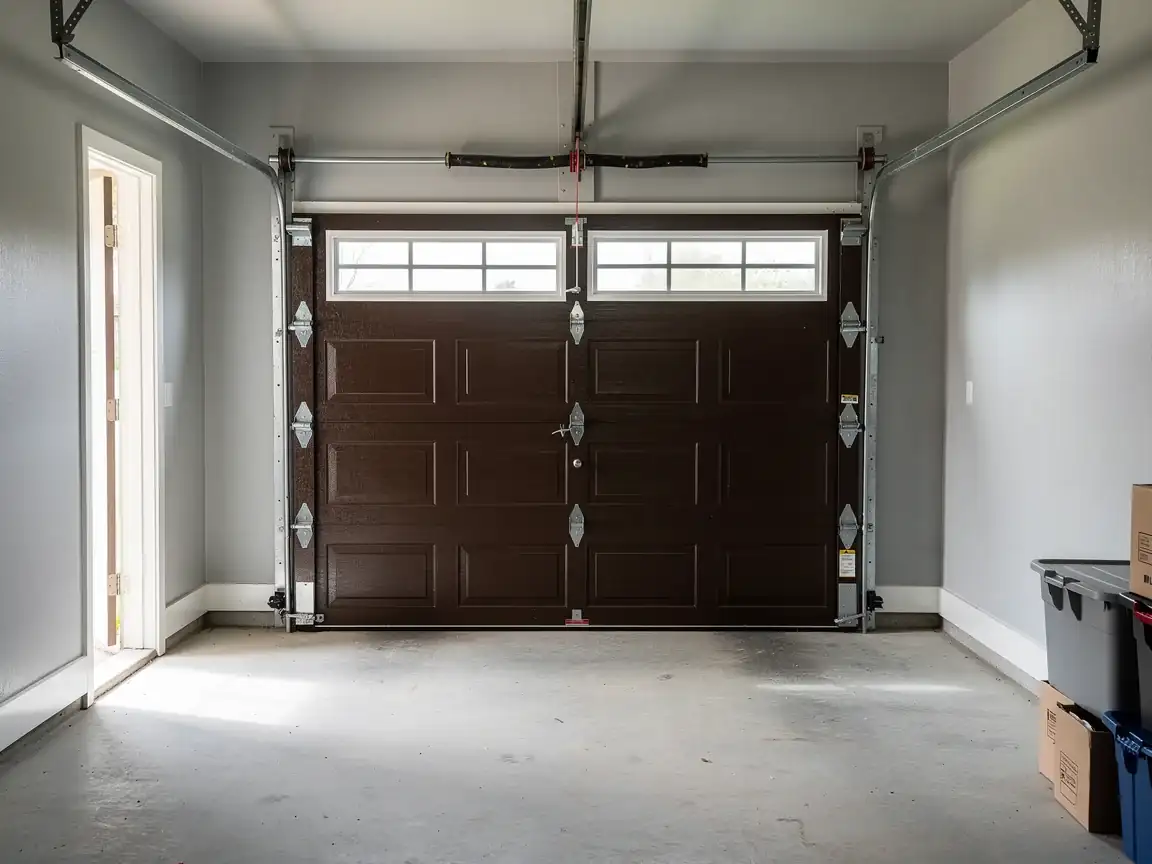
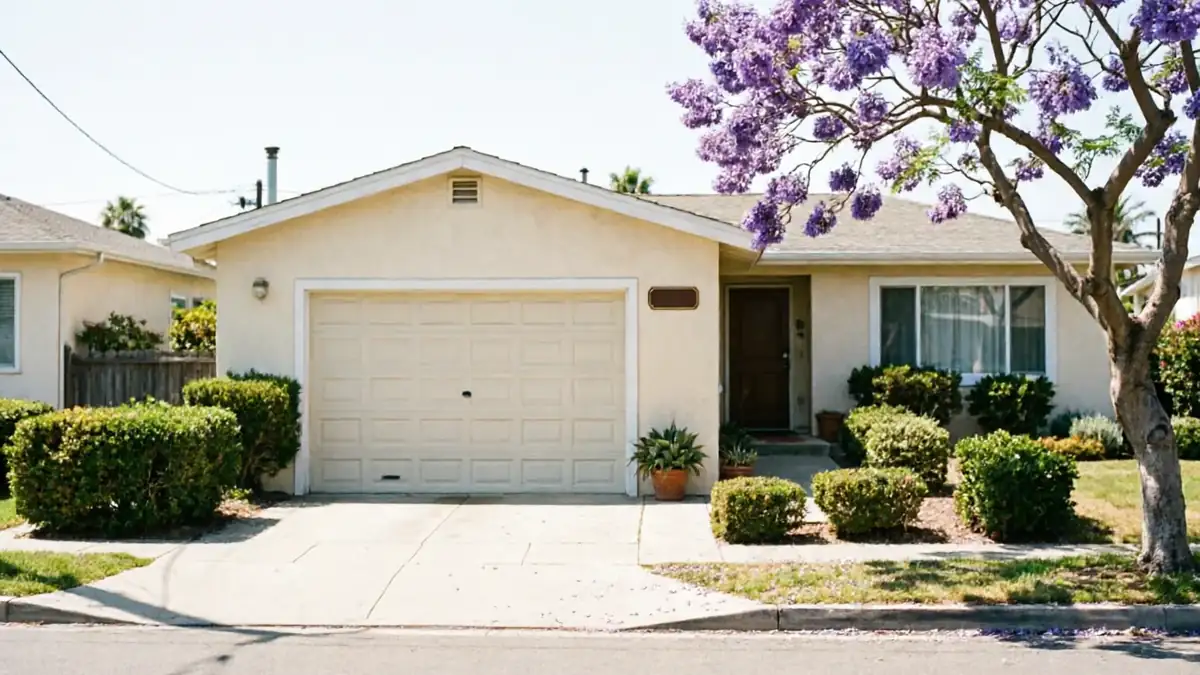
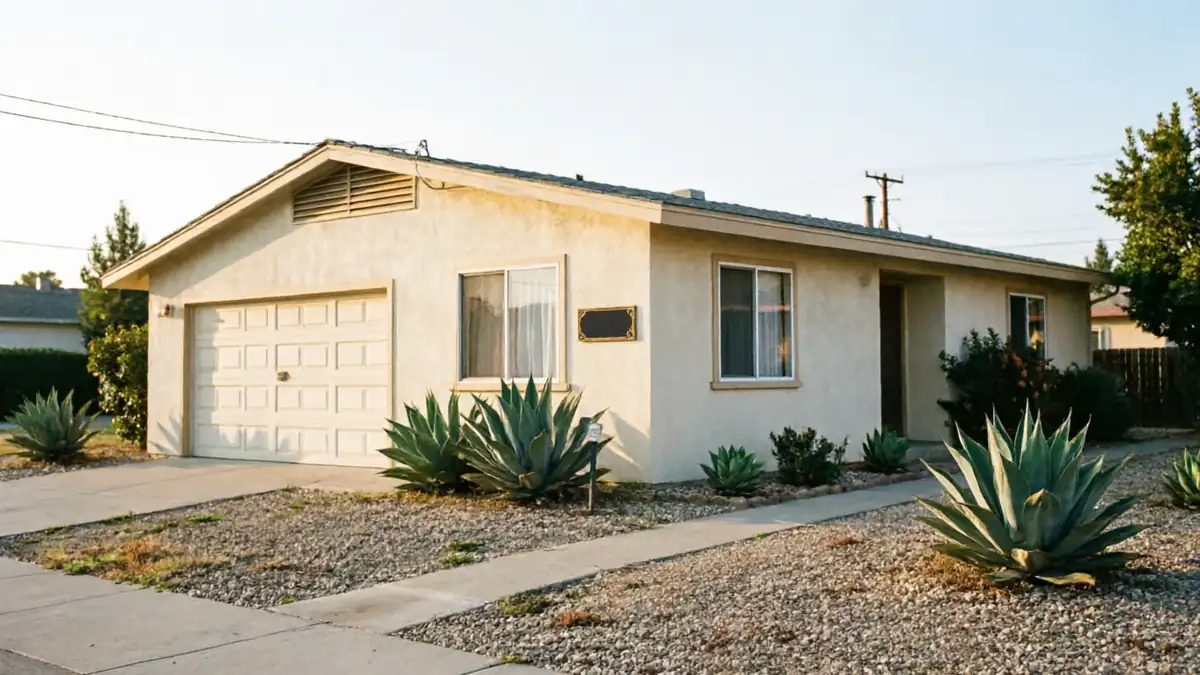
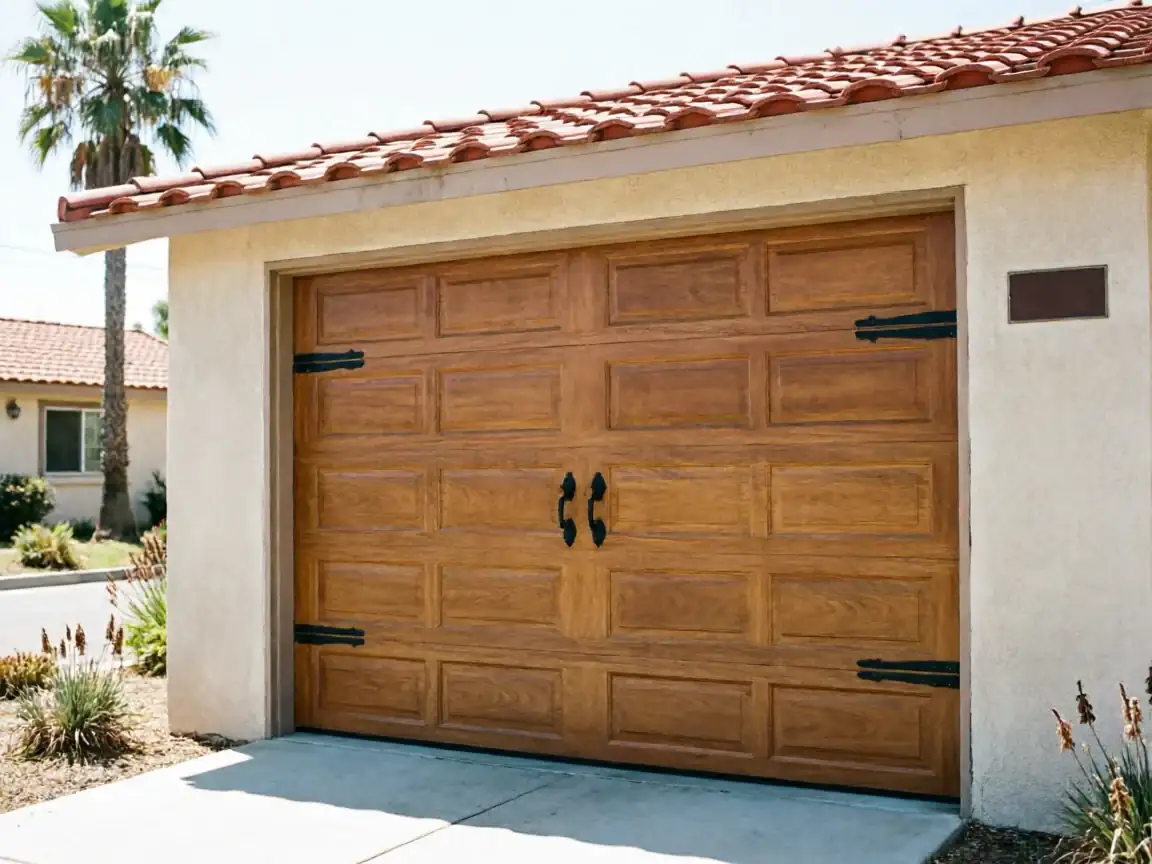
The service area overall has houses going back to 1951 with a median build year around 1965, but Eastvale sits at the newest edge of that range - the median year built here is 2007. That's not a small gap. It means the doors we see in Eastvale are almost never the old one-piece wood slab with side-mounted hardware that still turns up in the older pockets of the region. They're steel sectional doors with factory torsion springs, insulated panels, and openers wired for rolling-code remotes and photo-eye safety sensors from the start.
The faults follow the hardware. Instead of worn hinge pins and cracked wood panels, Eastvale calls run heavy on photo-eye sensors knocked out of alignment, belt-drive opener logic boards that stop responding to remotes, and rollers that have worn out from high daily cycle counts rather than from decades of age. A door built in 2007 isn't failing because it's old. It's failing because something mechanical inside a twenty-year-old insulated door has finally worn through, and that's a different diagnosis than the ones we run in neighborhoods built forty years earlier.
What We Do Most in This Area
Most of what we get called out for in Eastvale is opener trouble, not door trouble
Logic boards in belt-drive and chain-drive openers from the 2000s and 2010s fail in a fairly predictable way - the opener still hums but won't take a signal, or it reverses every time it tries to close. We diagnose the board before we replace anything, because sometimes the fix is a misaligned photo-eye sensor and not the opener at all.
We also see a steady run of roller and cable wear on insulated two-car sectional doors
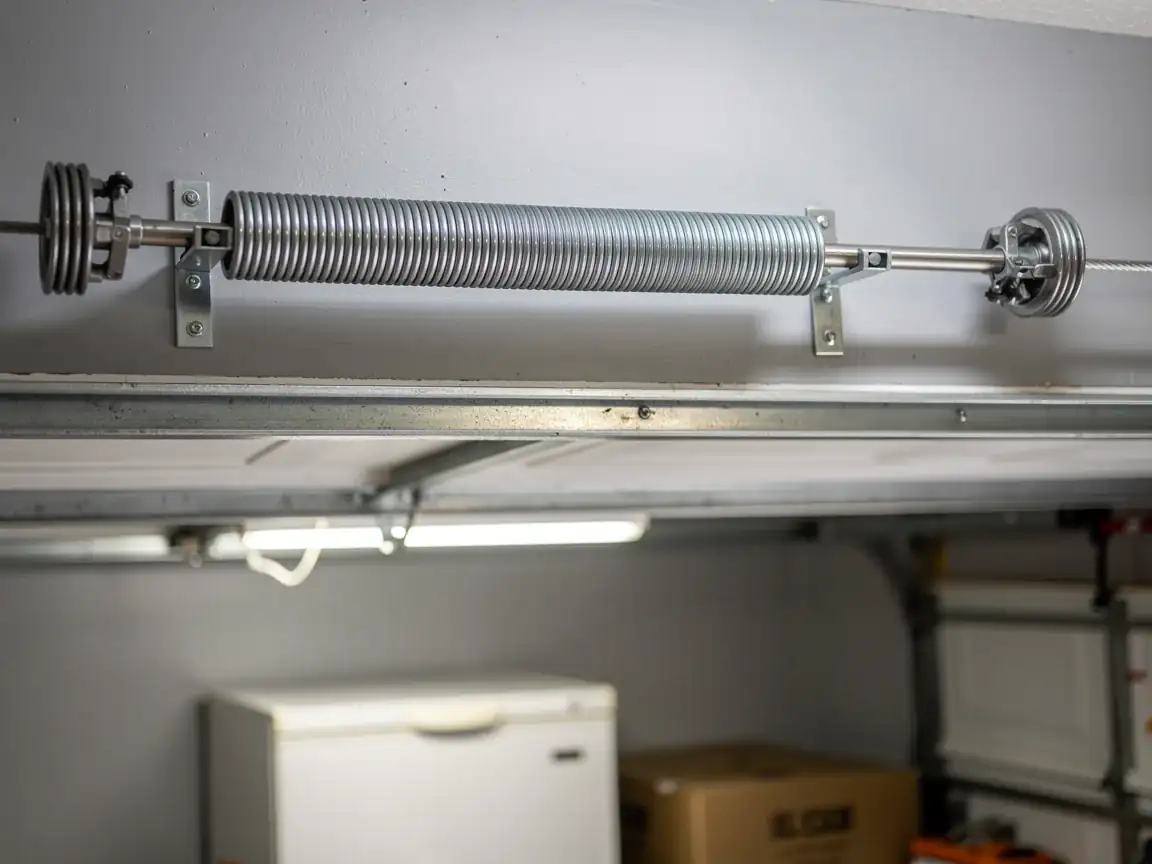
Which is the standard door style across the tract-built streets here. These doors are heavier than the older single-layer doors elsewhere in the region, and that extra weight puts more load on the torsion spring and the rollers over the life of the door. When a spring goes on one of these, we size the replacement to the actual door weight rather than a stock spring, since an insulated panel door built after 2000 isn't carrying the same load as an older uninsulated one.
We do less work here on the oldest-style failures
Cracked wood jambs, obsolete one-piece doors - simply because the housing stock doesn't have many of those left standing.
What Was Built Here
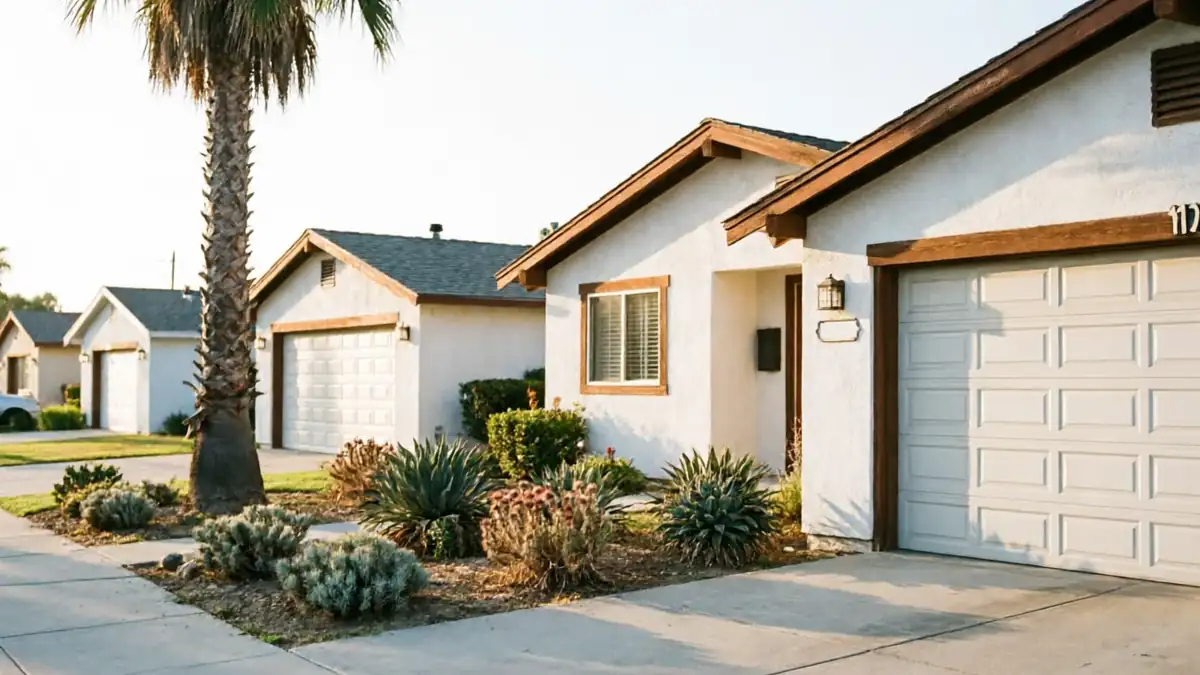
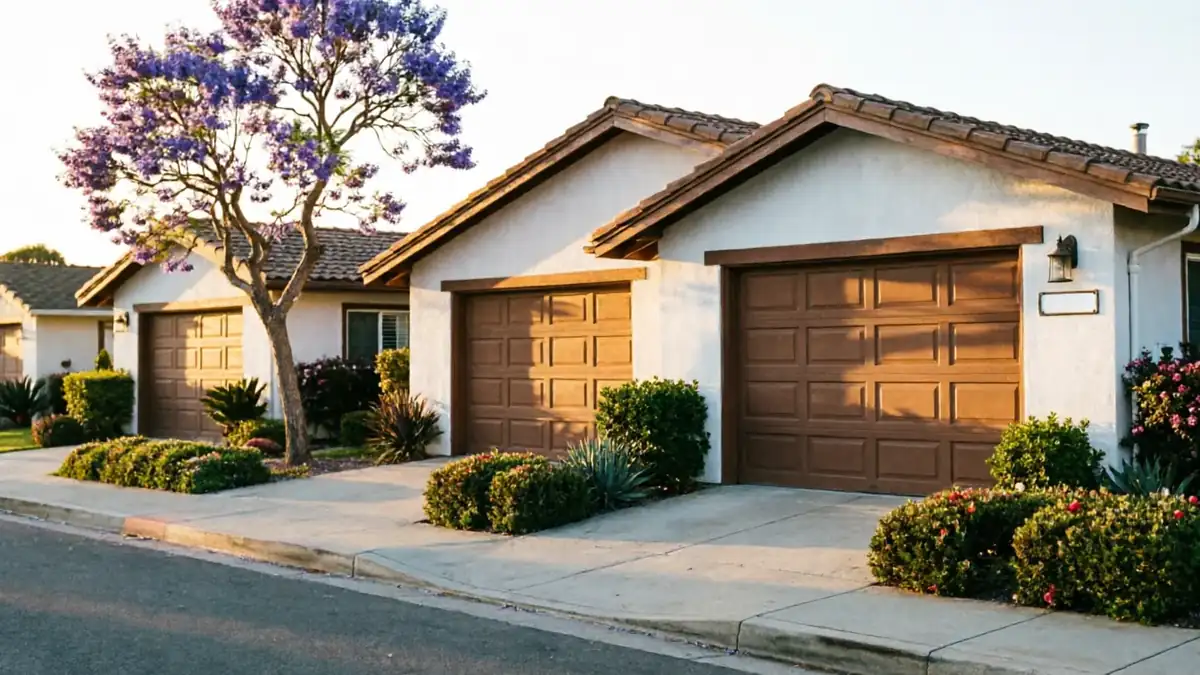
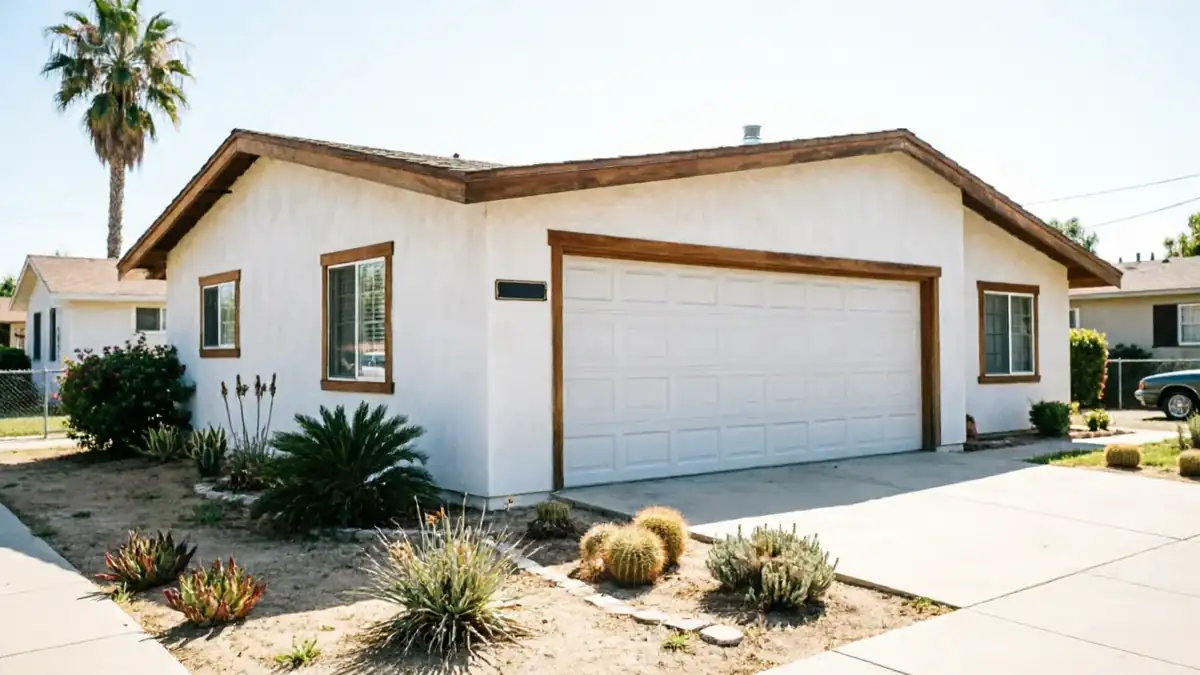
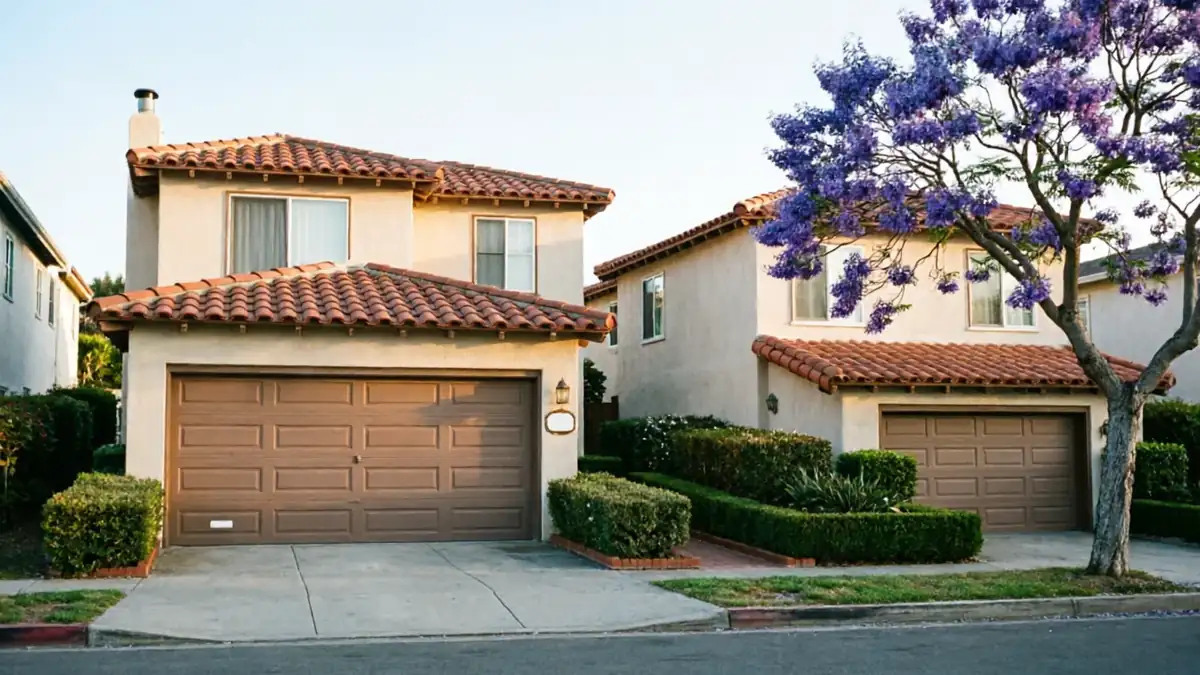
Eastvale's housing stock sits at the newest end of the service area's range. Across the broader area, homes went up anywhere from 1951 to 2007 with a median around 1965, but Eastvale itself has a median build year of 2007 - meaning most of the neighborhood went up in a single wave of development rather than growing block by block over decades. That matters for doors and openers because a neighborhood built in one era tends to have the same handful of door models, the same opener brands, and the same failure points showing up street after street.
The area has about 17,824 households and a median household income of $161,322, well above the wider service area's median of $102,449. That tracks with what we see on site: insulated steel sectional doors, mid-range to upper-range opener units, and homeowners who tend to replace a failing opener outright rather than patch an old one. The climate here runs the same moderate-heat band as the rest of the region, so heat-driven wear on springs and seals isn't a distinct issue for Eastvale - the age and build style of the door is what drives the calls, not the weather.