The DIY Question
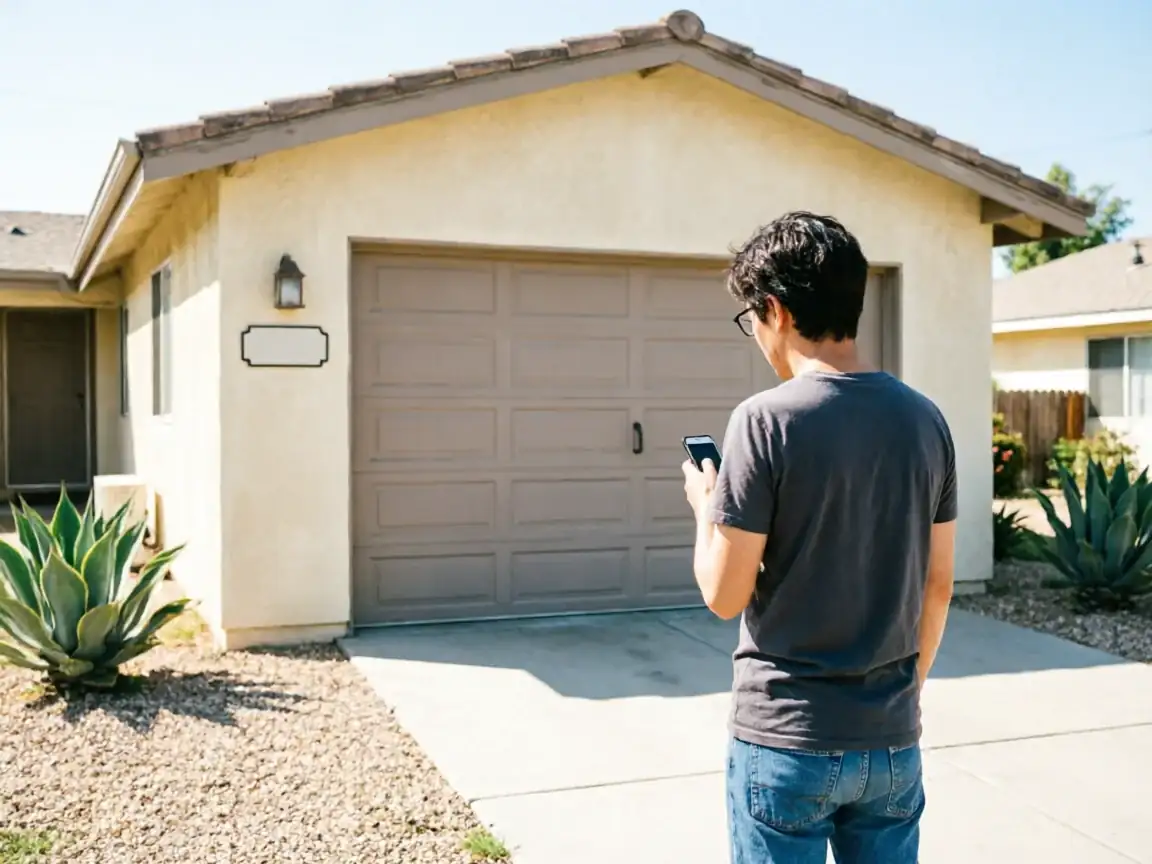
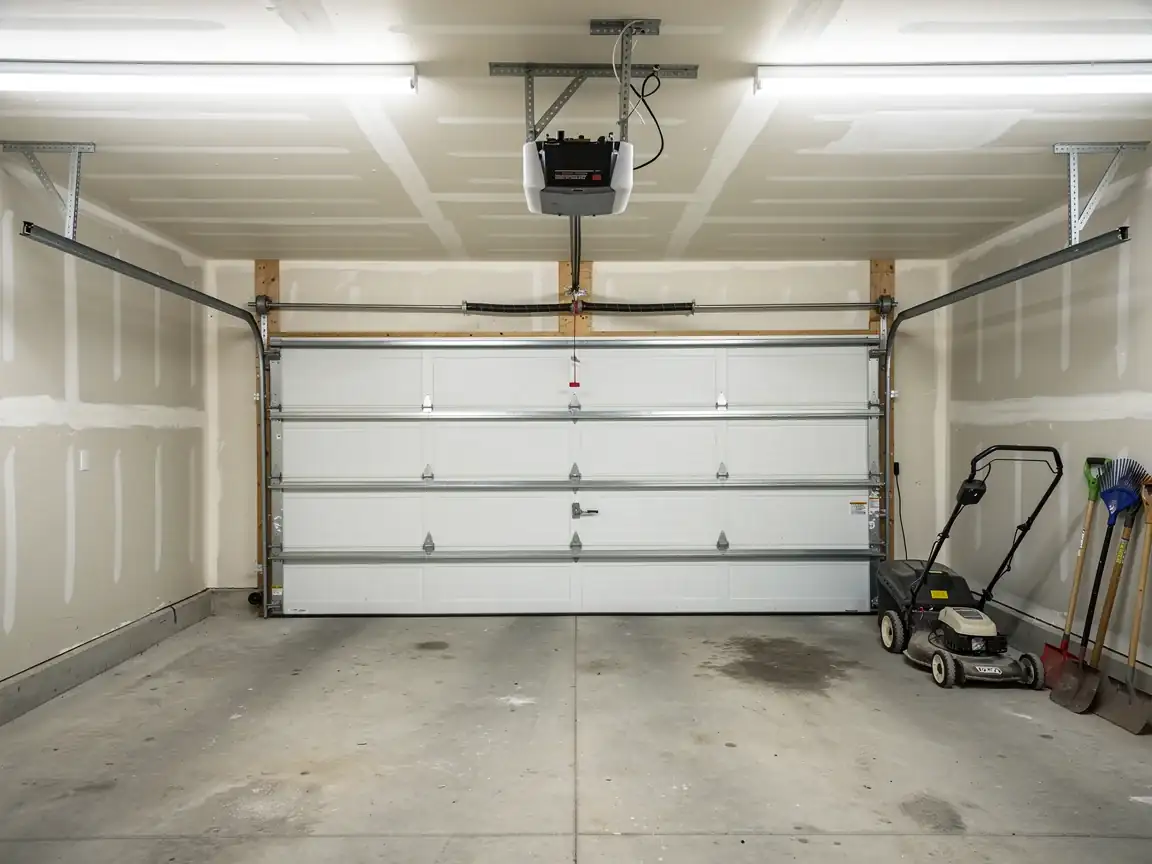
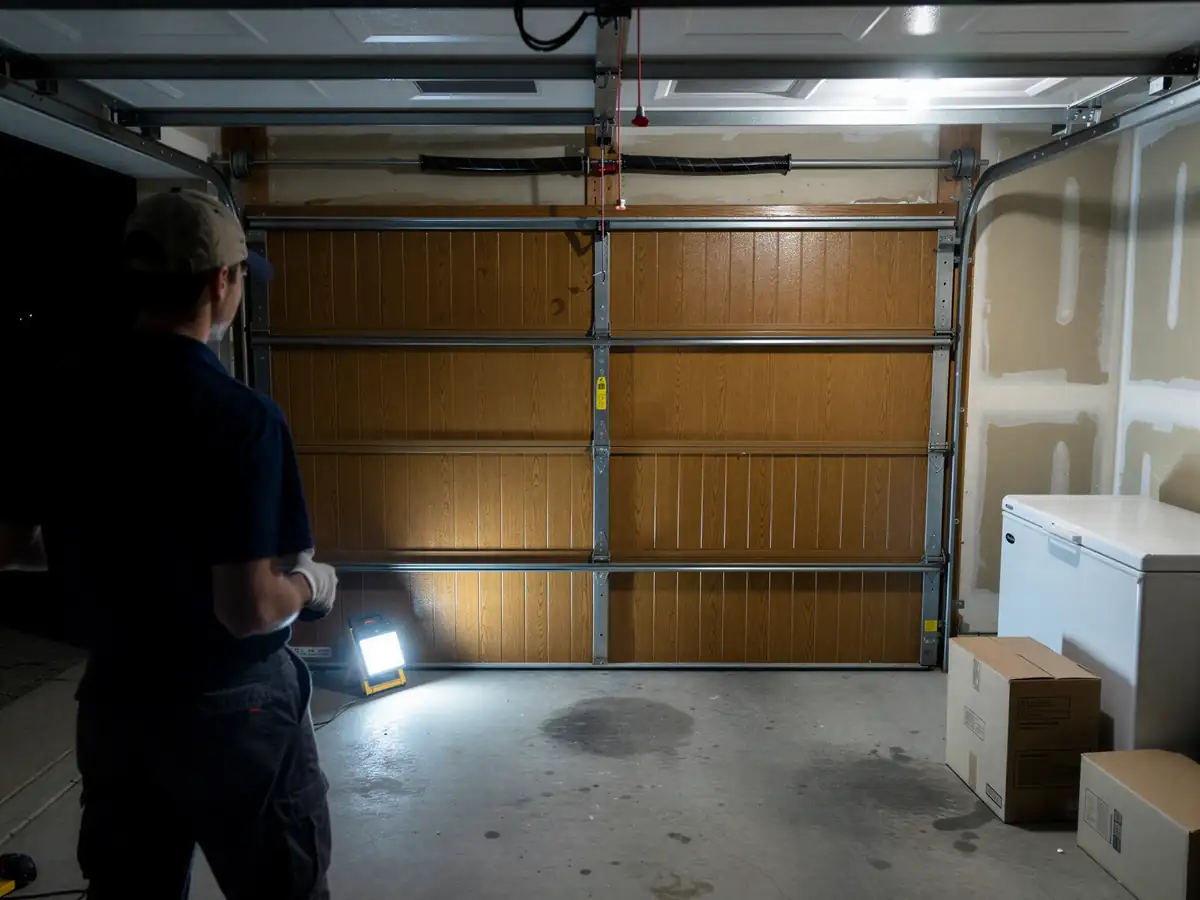
Eastvale's housing stock is young compared to most of the towns we cover out of Pomona - a lot of it went up around 2007, which means you're not dealing with an old chain-drive unit bolted to a light aluminum door. You're dealing with a heavier insulated steel door, often a two-car or three-car size, paired with a belt-drive or screw-drive opener that has a circuit board, a wall console with a screen, and sometimes a battery backup. That weight and that electronics layer change what's reasonable to tackle yourself.
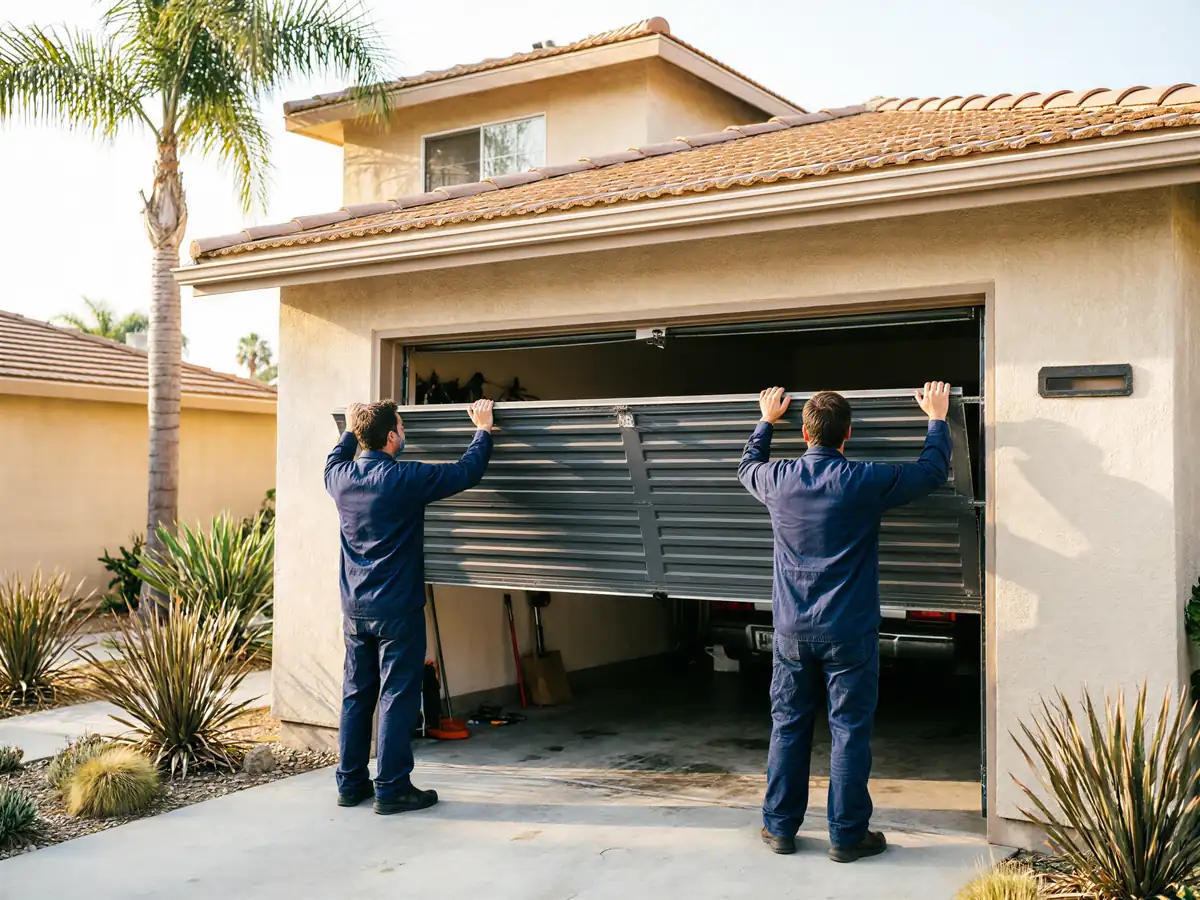
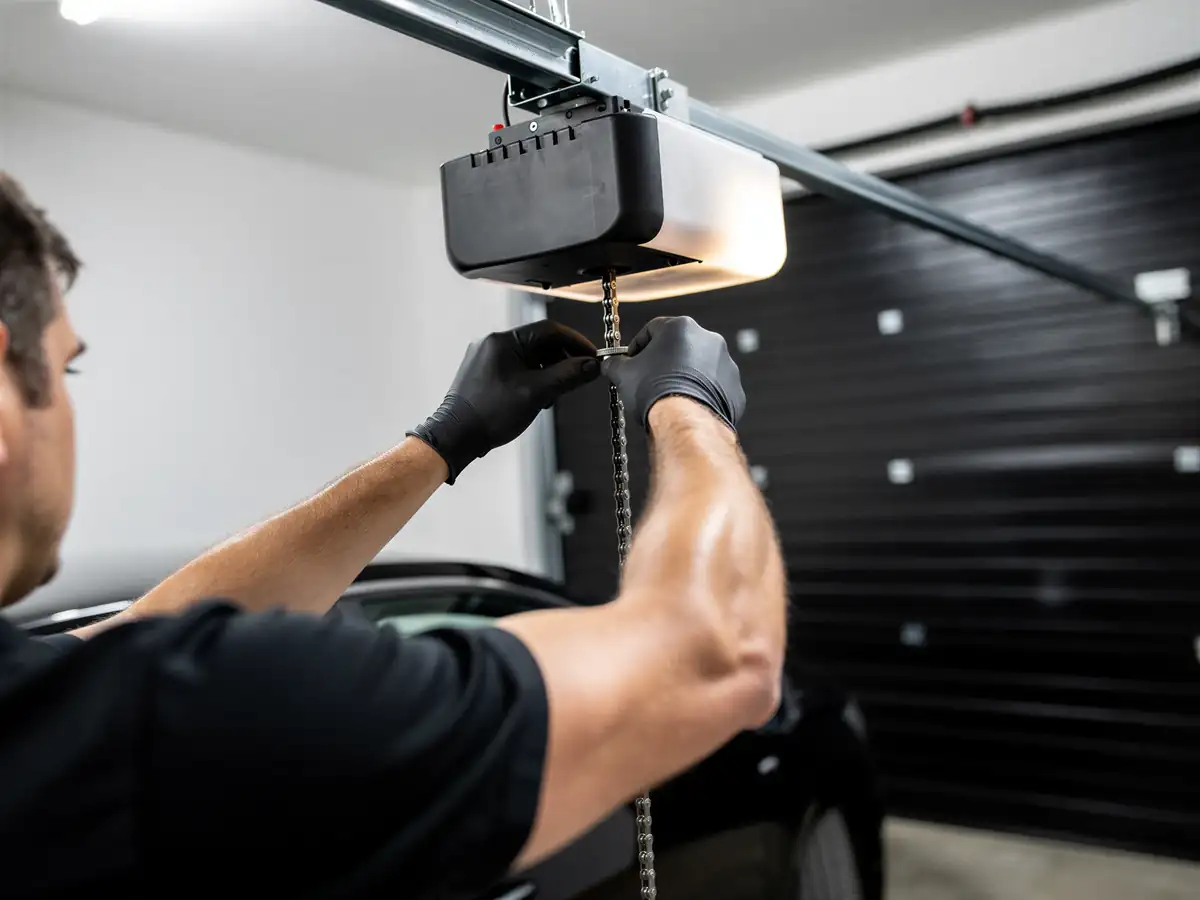
Swapping a remote battery or resetting the travel limits with the owner's manual in hand is fine. Anything involving the logic board, the force settings, or a motor that hums but doesn't move the door is a different job. On a door this size, a wrong force setting isn't a minor annoyance - it's a door that comes down with enough weight to do real damage if the safety sensors aren't reading right. If your opener is clicking, humming, or flashing a code and the door won't budge, that's a call, not a project.
We're honest that some of this is a five-minute fix once someone's looked at the board. We're also honest that we come from Pomona, about 12 miles out, so we're not a same-block operation - plan on scheduling rather than a knock on the door within the hour.
Why It Happens Here
Because most of Eastvale was built around 2007, almost none of the openers out here are the decades-old mechanical units we still service in older parts of the territory. What fails instead is usually the electronics: logic boards that degrade with age and heat cycling, drive belts that stretch, or safety sensors that drift out of alignment on a door that's been opened and closed thousands of times by a household with two cars and a garage used daily.
The climate here runs moderate heat for this part of the region, which isn't brutal on hardware the way a true desert swing would be, but a garage that sits closed and warm through summer afternoons still cooks the plastic housings and gear sets inside an opener faster than a shaded, older-style detached garage would. On newer builds, that opener is also more likely tied into a smart-home setup - Wi-Fi module, app control - and when that layer glitches, homeowners sometimes assume the whole unit is dead when it's really one board or one sensor.
Household income here runs well above the typical figure across the wider service area, and that tracks with what we see: two-car and three-car garages, full-size insulated doors, and openers built to handle more weight and more daily cycles than the single-car setups common in older neighborhoods nearby.
What You Are Seeing
The opener hums or clicks but the door doesn't move
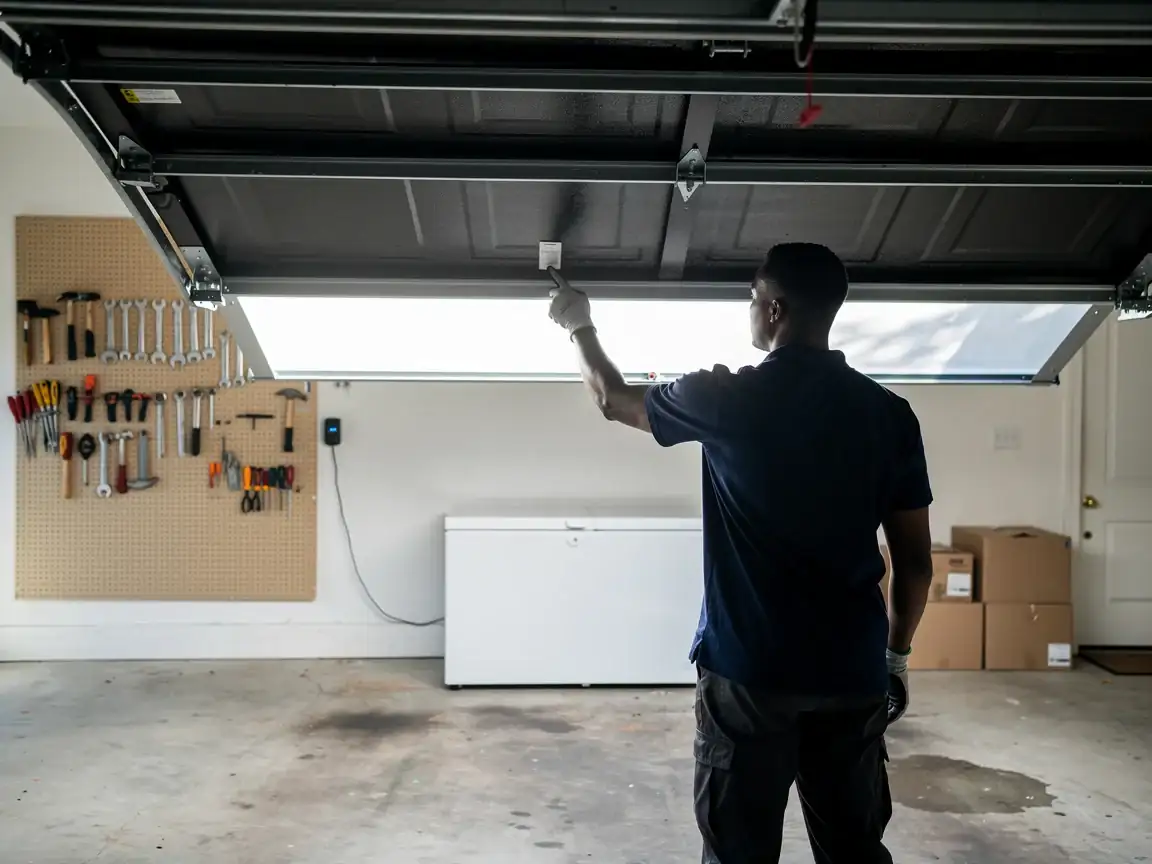
Usually a stripped gear or a belt that's slipped, not the motor itself. The door starts down and reverses right before it touches the floor - almost always a sensor that's out of alignment or has a hairline crack in the lens, common on garages that get direct afternoon heat. The wall console lights up but nothing happens at the head unit - points to a board or a wiring issue rather than the motor.
On these newer, heavier doors, a failing opener sometimes shows up as a door that moves but strains audibly
Which can mean the opener is overworking because the springs have lost tension - not an opener problem at all, just one that looks like one. Smart-app disconnects without any physical symptom usually mean the Wi-Fi module needs a reset, not a repair call, though if it keeps happening it's worth having someone check the board.
We can't diagnose over the phone with full confidence
What sounds like a dead motor is sometimes a $20 sensor, and what sounds minor is sometimes a board that's actually failed. That's the one honest limit here: we need eyes on it.
What the Repair Takes
For a sensor realignment or a basic logic-board reset, we're usually in and out quickly once we're on site. A board replacement or a belt/gear kit takes longer, partly because some parts for newer screw-drive and belt-drive units aren't something we carry on the truck for every model - we may need to order the specific part, which adds a day or two depending on the brand.
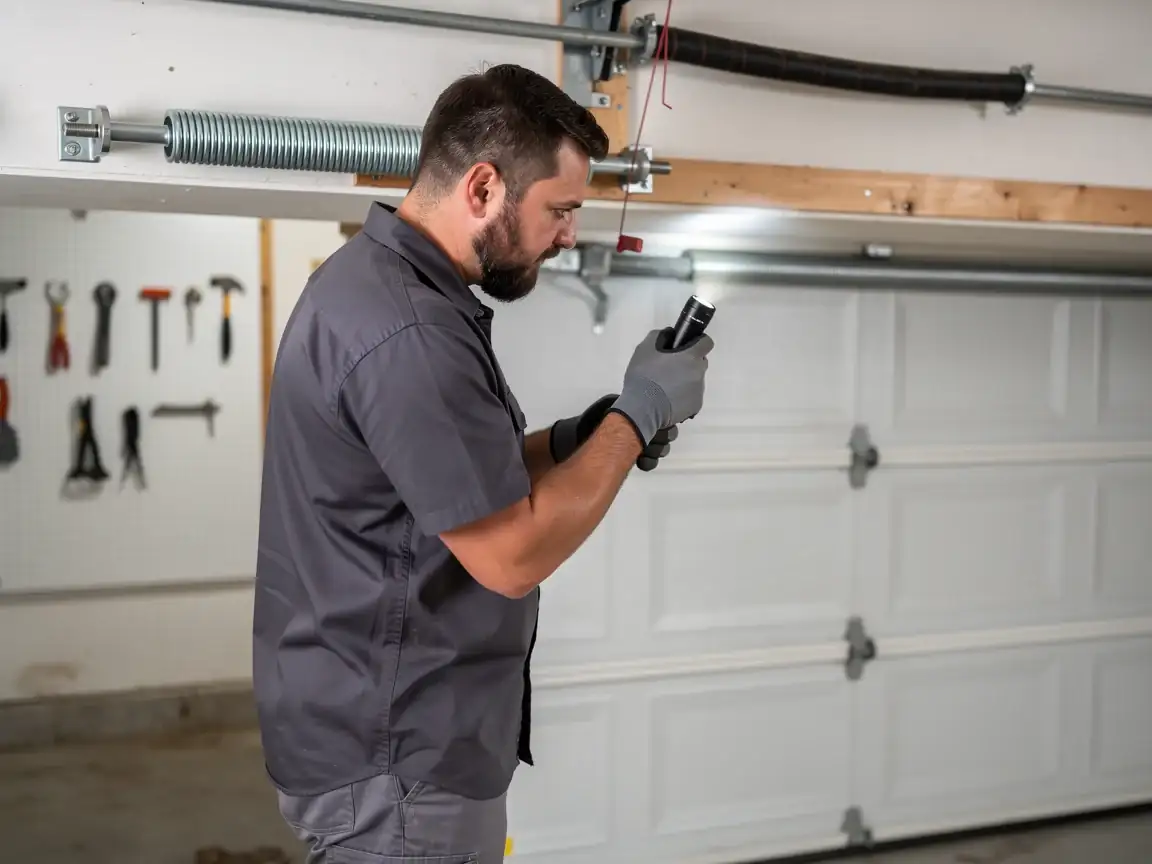
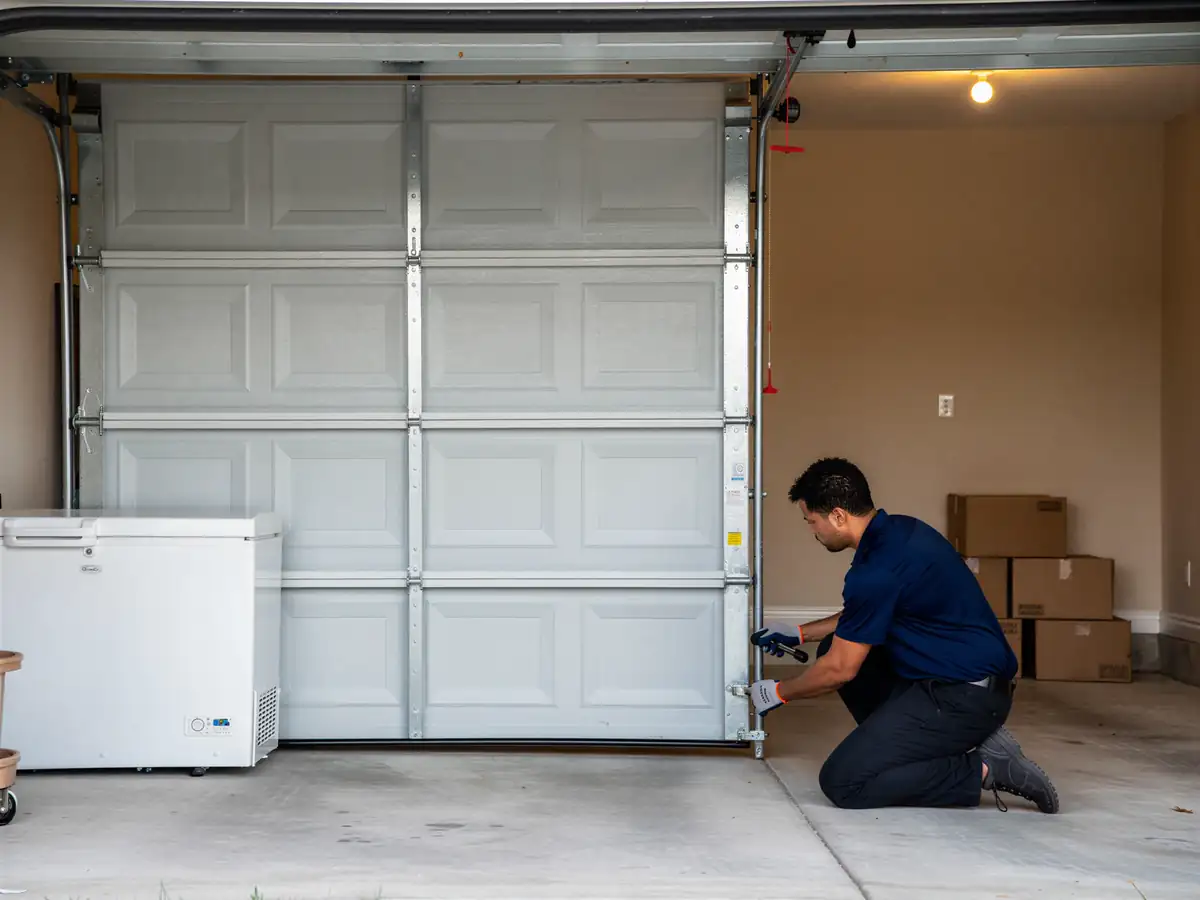
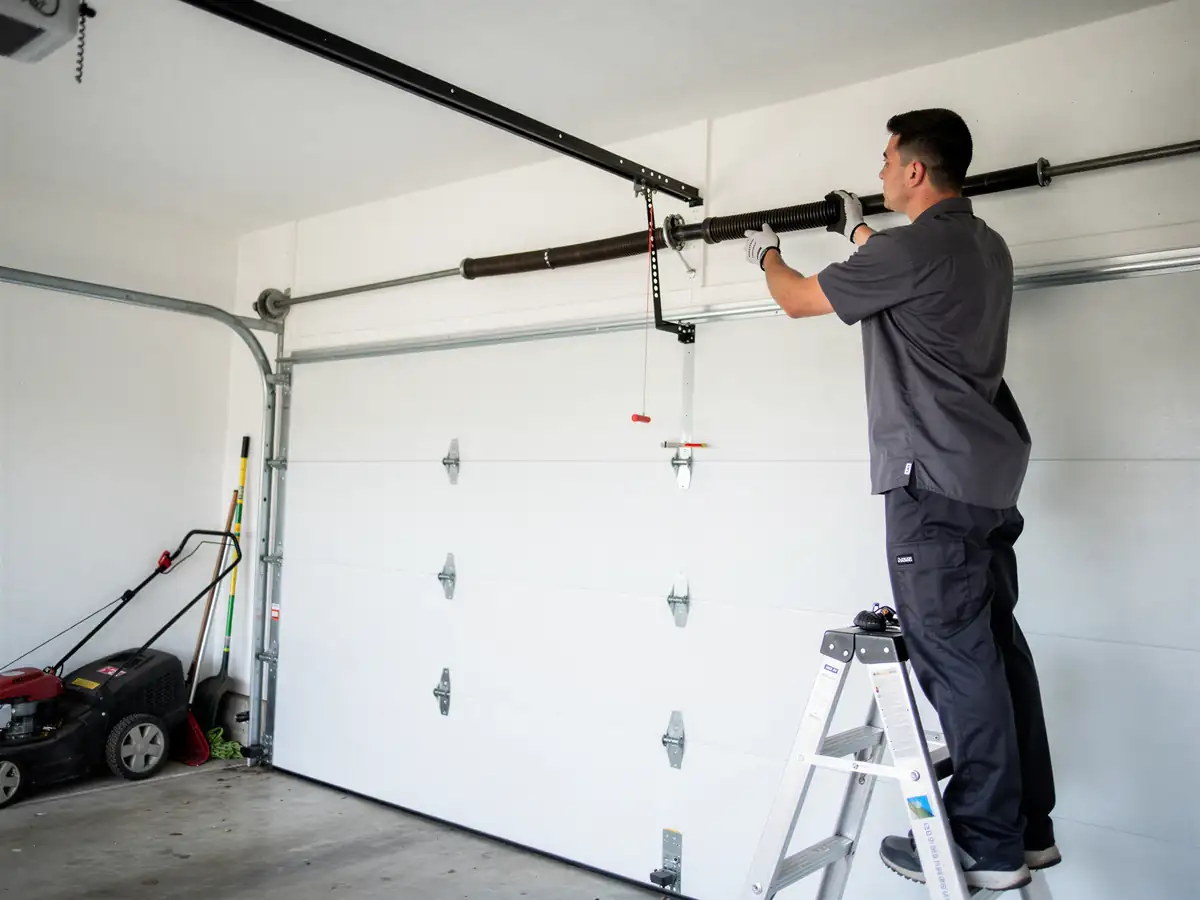
Because Eastvale's garages skew toward heavier, insulated two- and three-car doors, we also check the door's balance and spring tension as part of any opener call. An opener replaced on a door with weak springs will just fail again, faster, so that gets flagged even if it wasn't the original complaint.
Since we run out of Pomona, about 12 miles from here, we schedule Eastvale calls rather than treat them as walk-up emergencies - worth knowing before you call expecting a same-hour fix. See our Eastvale service area page for what else we cover nearby, or the Pomona opener repair page for the full rundown of what this repair involves company-wide.