The DIY Question
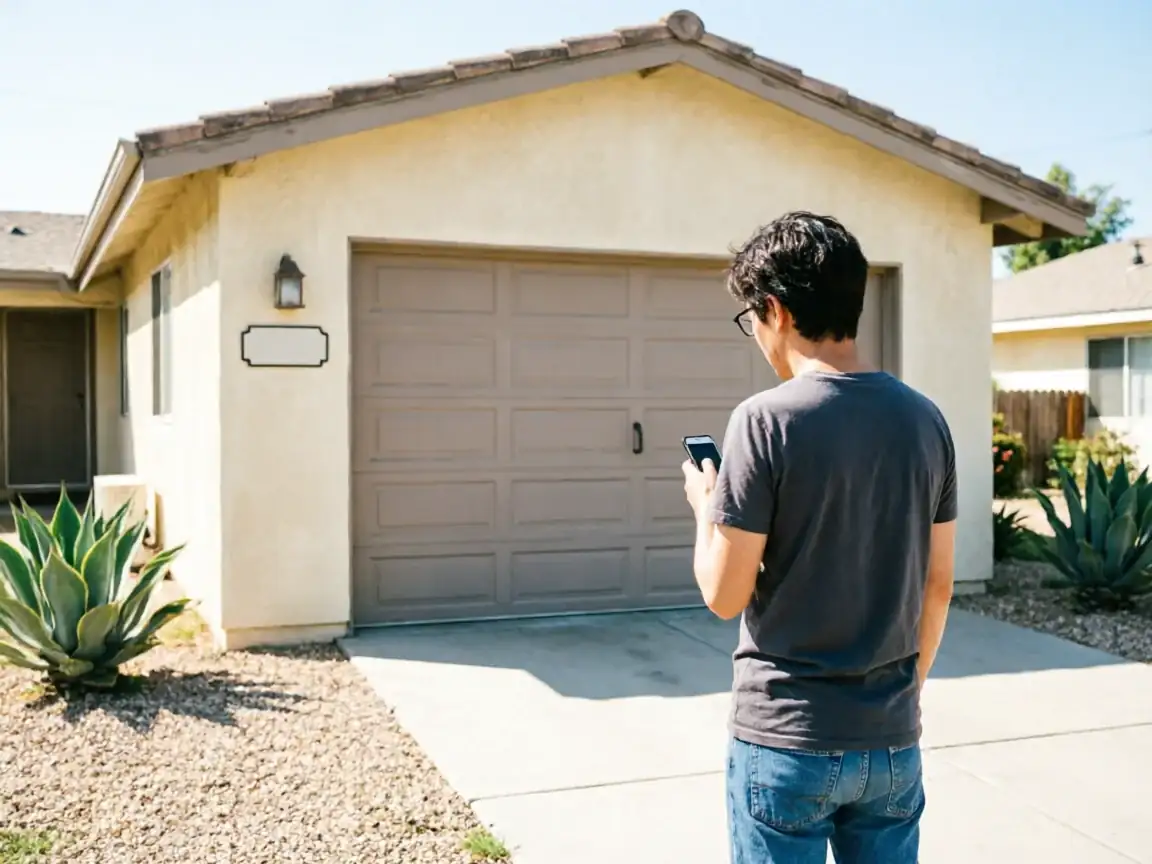
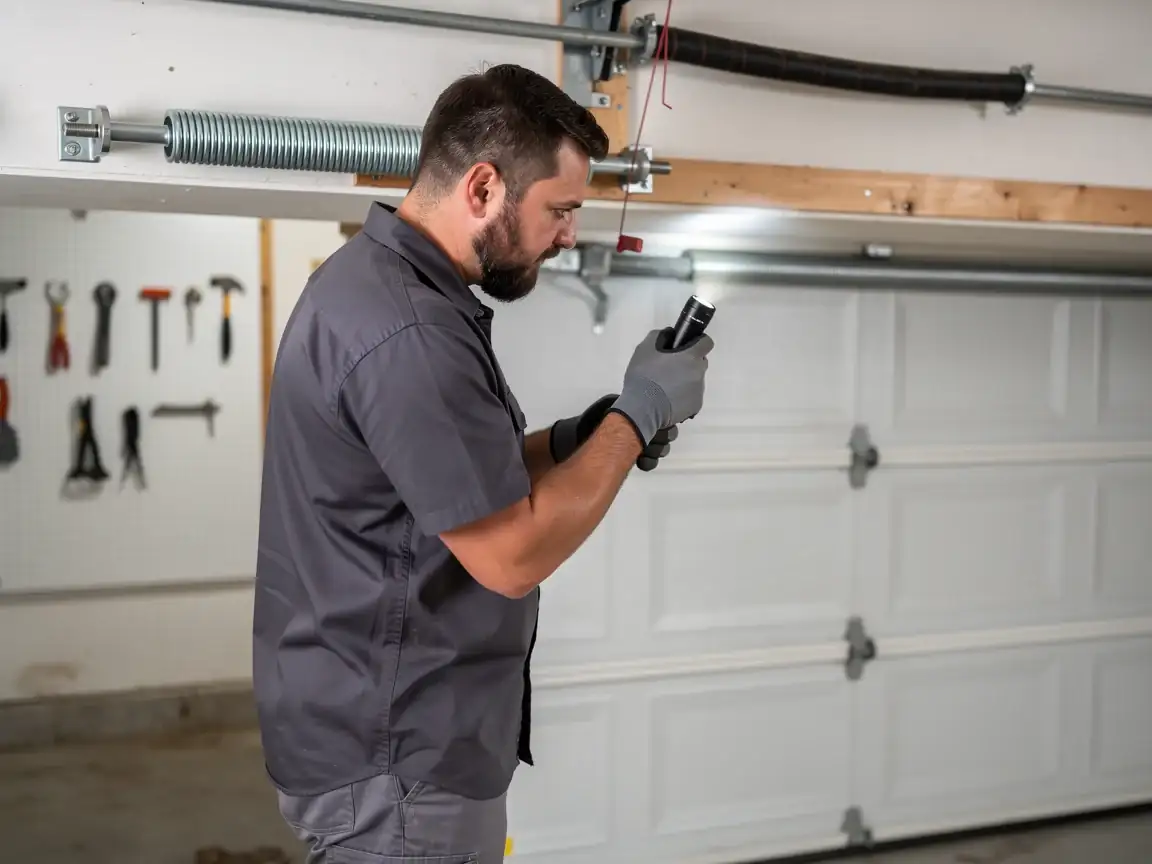
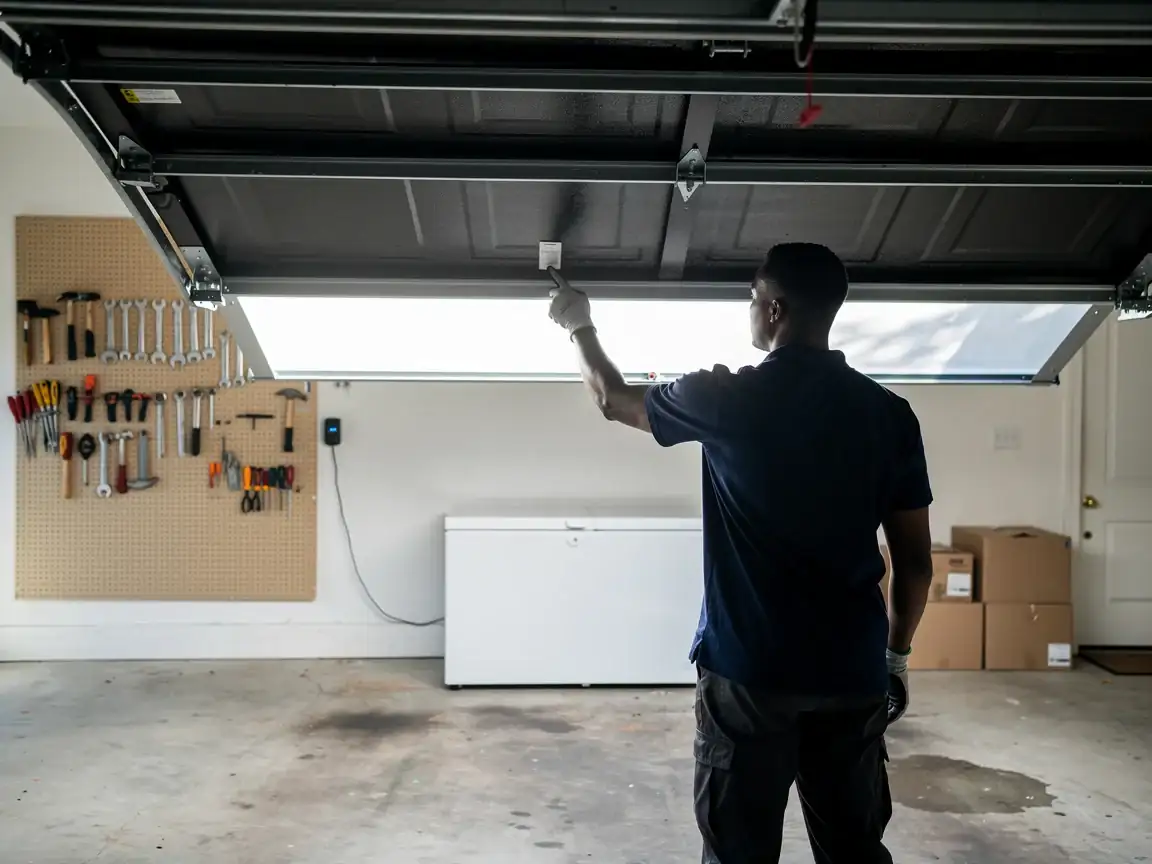
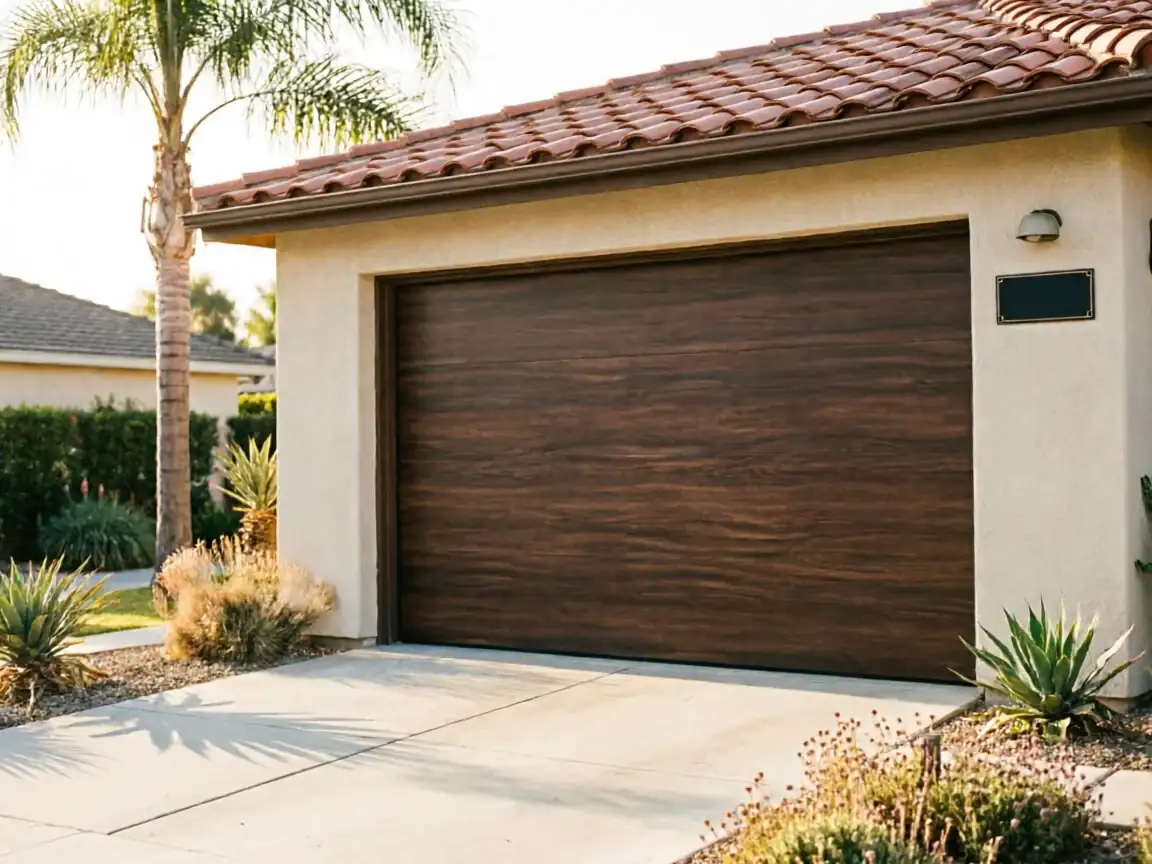
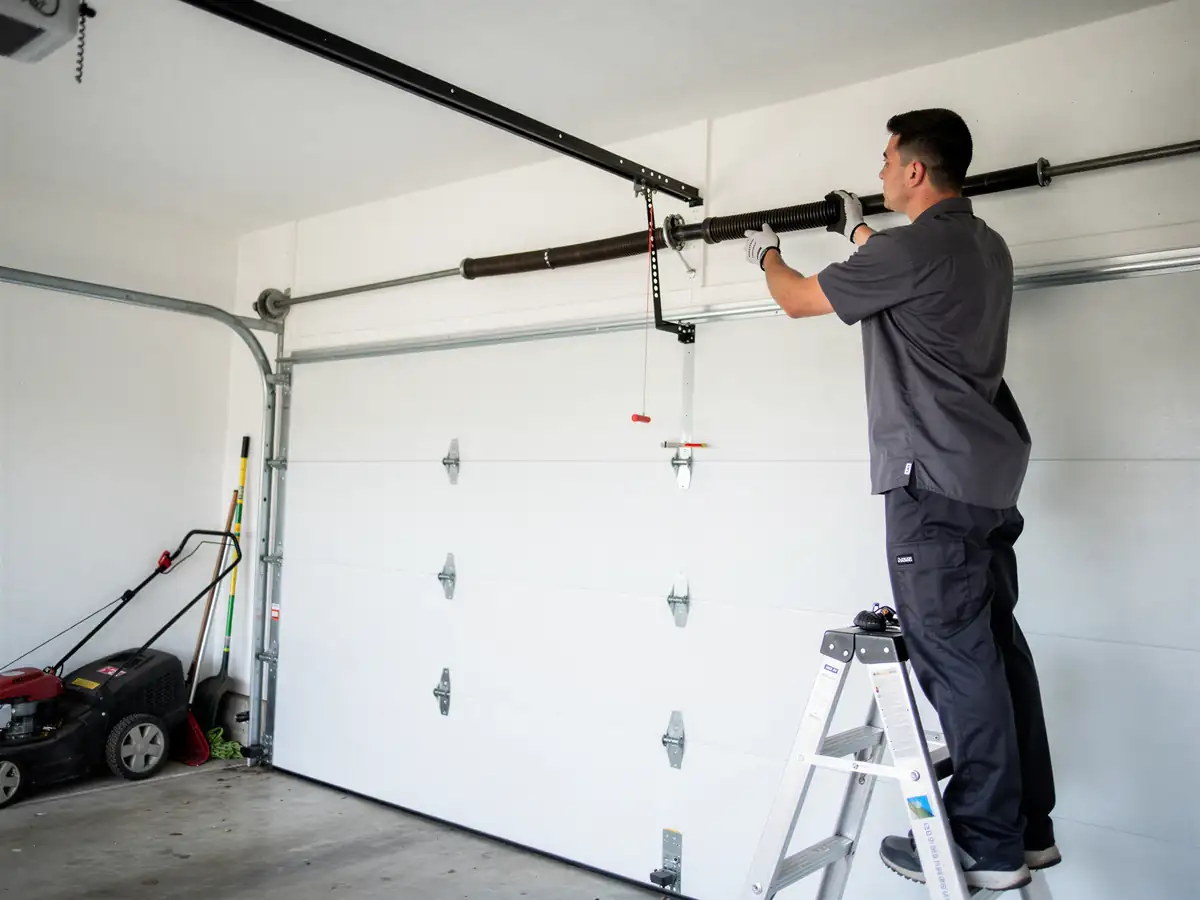
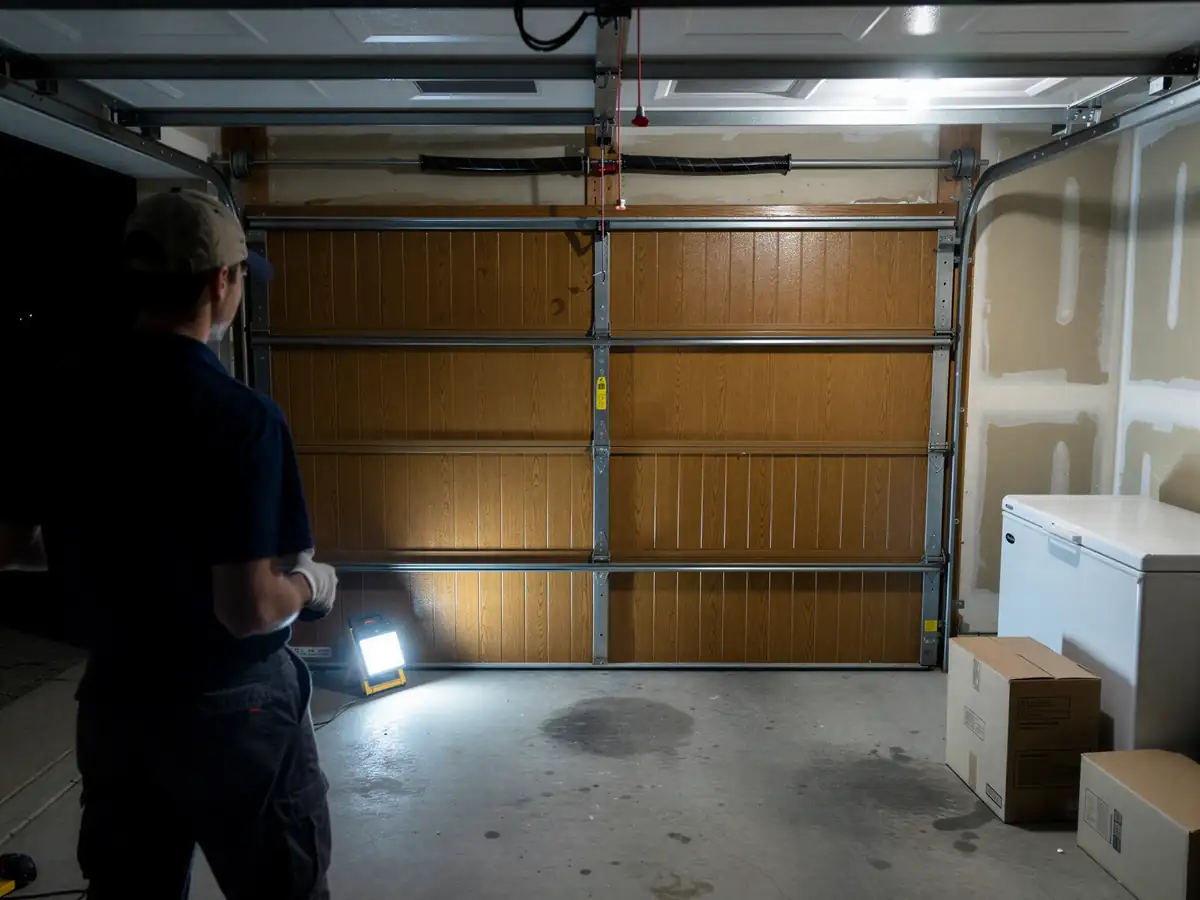
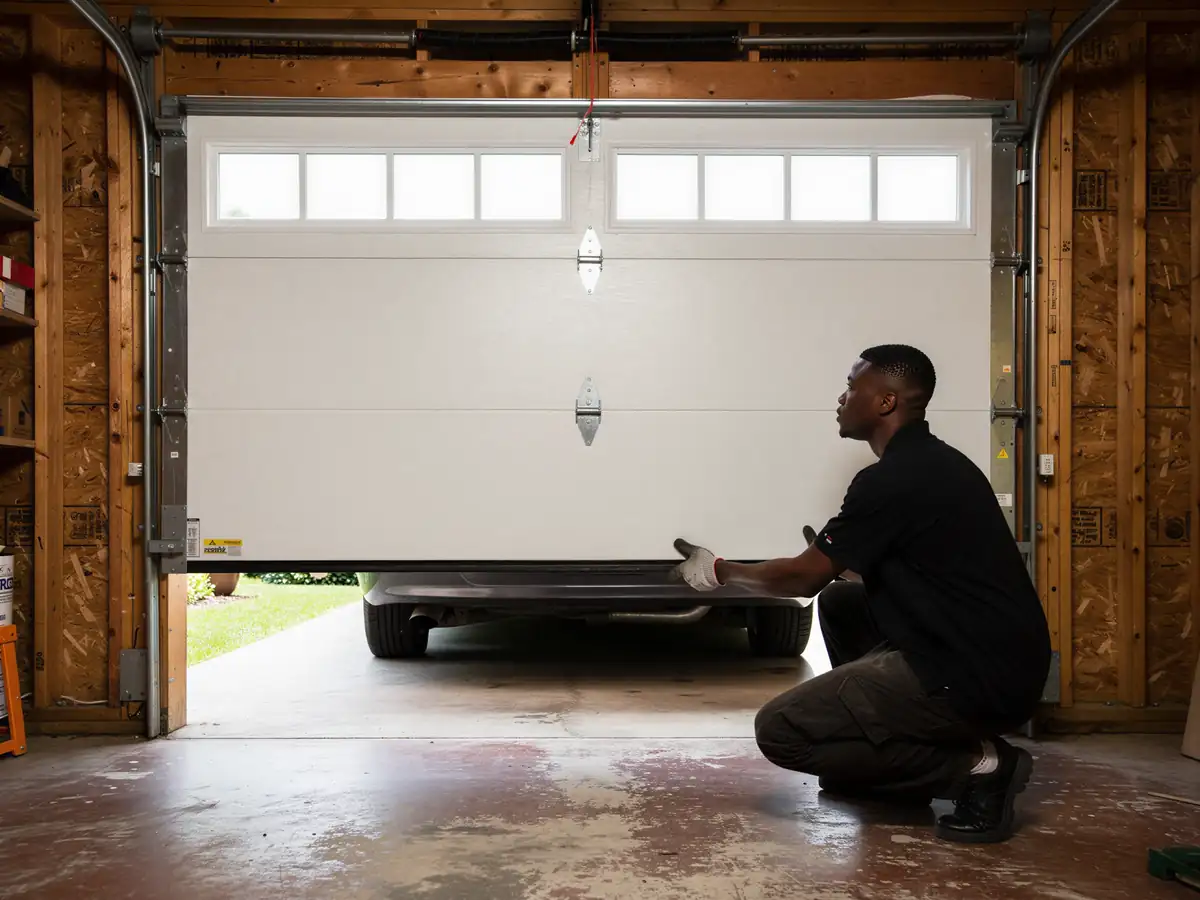
Eastvale is one of the newest pockets in the service area, with a median build year of 2007. That changes the maintenance conversation compared to older suburbs nearby. A door and opener installed when the house was built is likely still running on its original torsion spring, original rollers, and original opener logic board - nothing has failed yet, so nothing has been swapped out. That's good news and a trap at the same time. Lubrication, track alignment, and a basic balance check are well within reach for an owner with a ladder and an afternoon: wipe the tracks, oil the hinges and rollers with a garage-door-specific lubricant (not WD-40, which washes grease out of bearings), and check that the door holds steady halfway up when disconnected from the opener. What you shouldn't do yourself is touch the spring system. A torsion spring under tension on a door this age has never been serviced, which means it's also never been inspected for wear - and a spring that's seventeen years into its working life on a daily-use door is closer to the end of its cycle count than the middle. That's a call, not a weekend project.
Why It Happens Here
Across the wider service area, housing runs from 1951 to 2007 with a lot of 1960s and '70s stock mixed in. Eastvale sits at the far edge of that range - built at or near 2007 itself, with 17,824 households, almost all in homes under two decades old. That means the fault pattern here isn't the one we see on older torsion hardware elsewhere: it's not rust on a forty-year-old spring or a bent track from a door nobody's adjusted since Carter was president. It's wear showing up for the first time on hardware that's finally logged enough open-close cycles to need attention. Household income in Eastvale runs well above the area median - $161,322 against $102,449 across the broader service area - and that tracks with what we see on site calls: larger two- and three-car garage doors, heavier insulated panels, and openers with more load on the spring system than a single-car door from an older, smaller house. Heavier doors wear their first set of rollers and cables faster, not slower, even when the house itself is newer.
What the Repair Takes
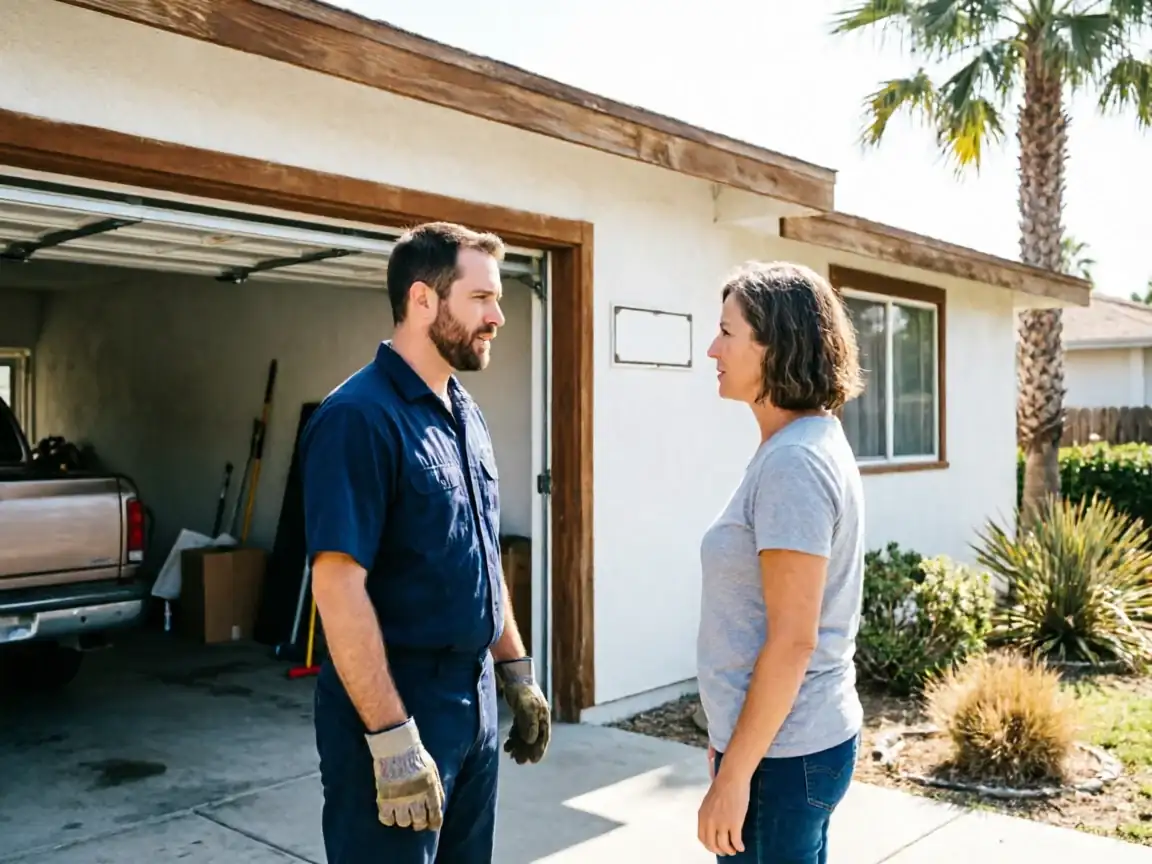
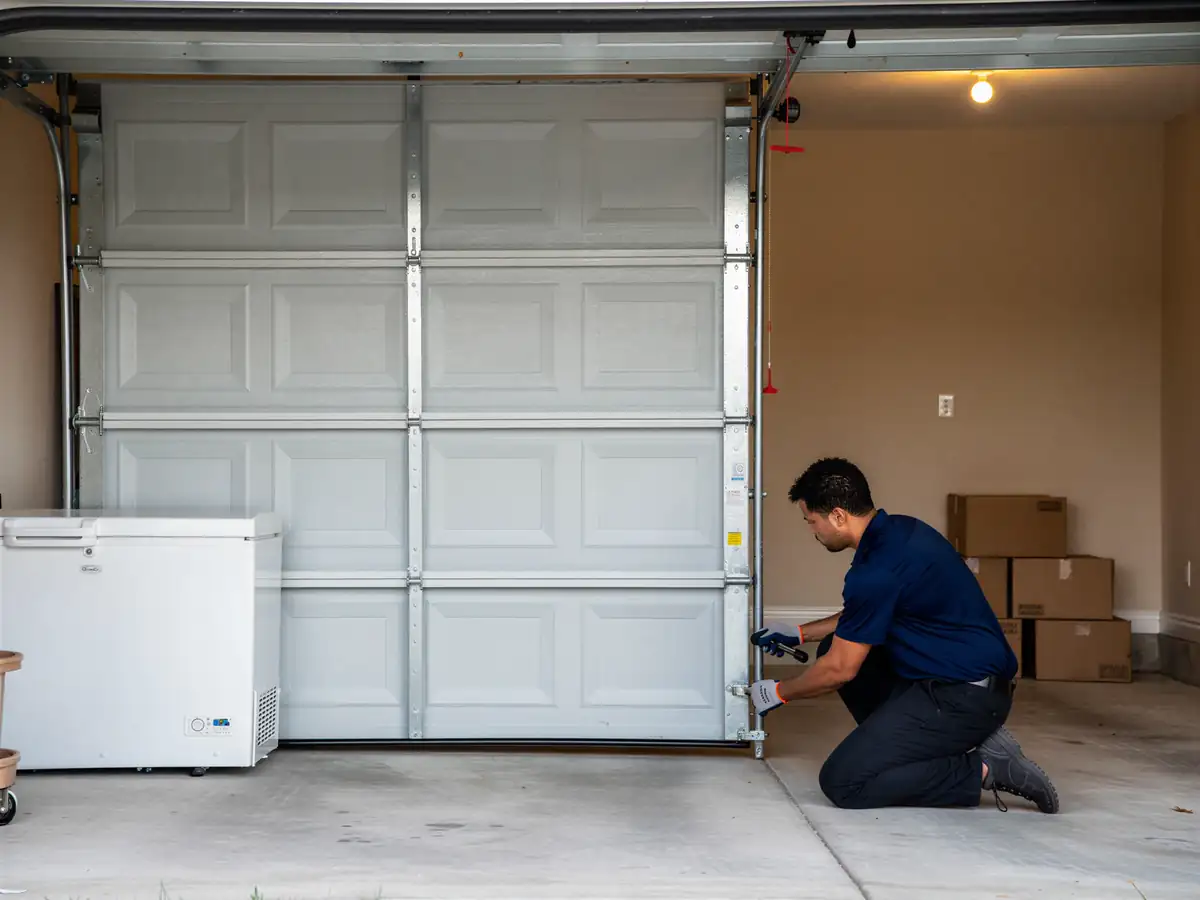
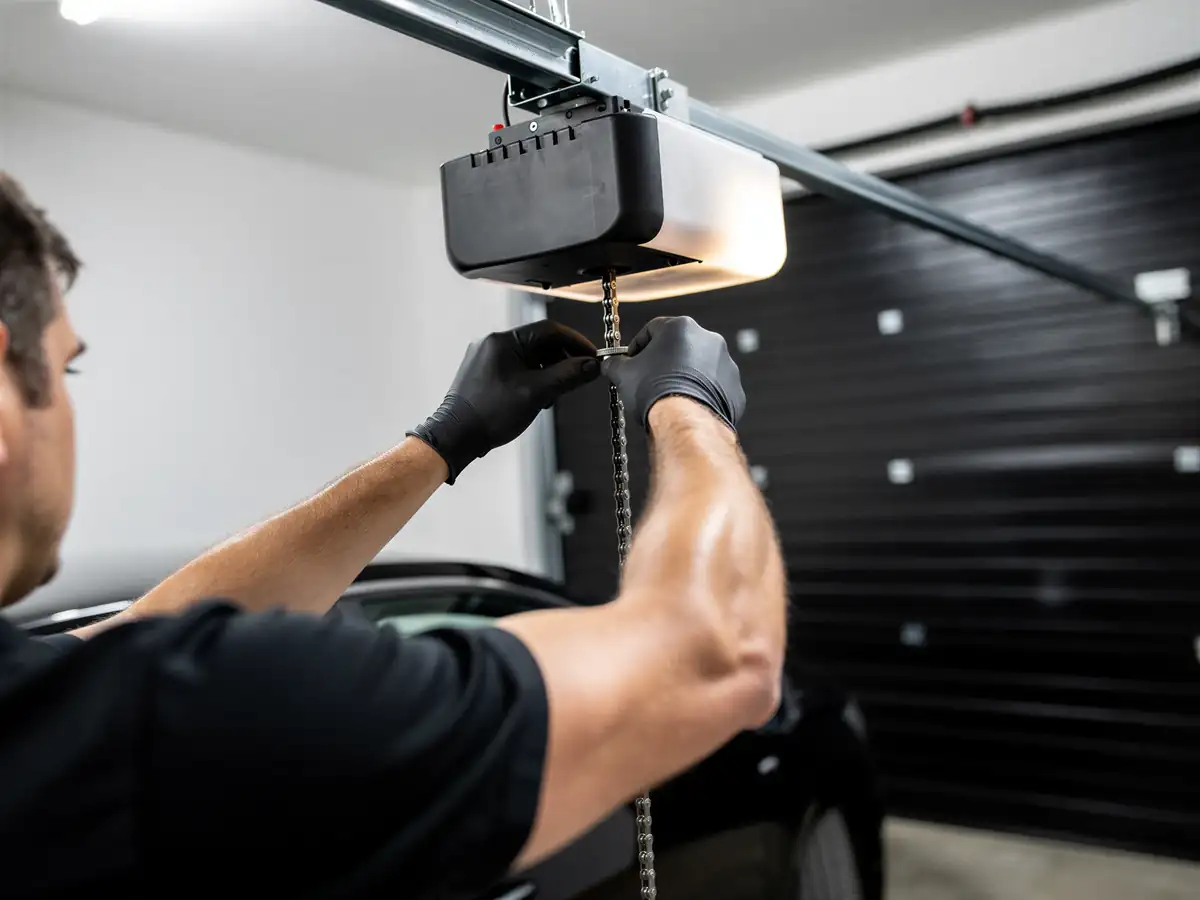
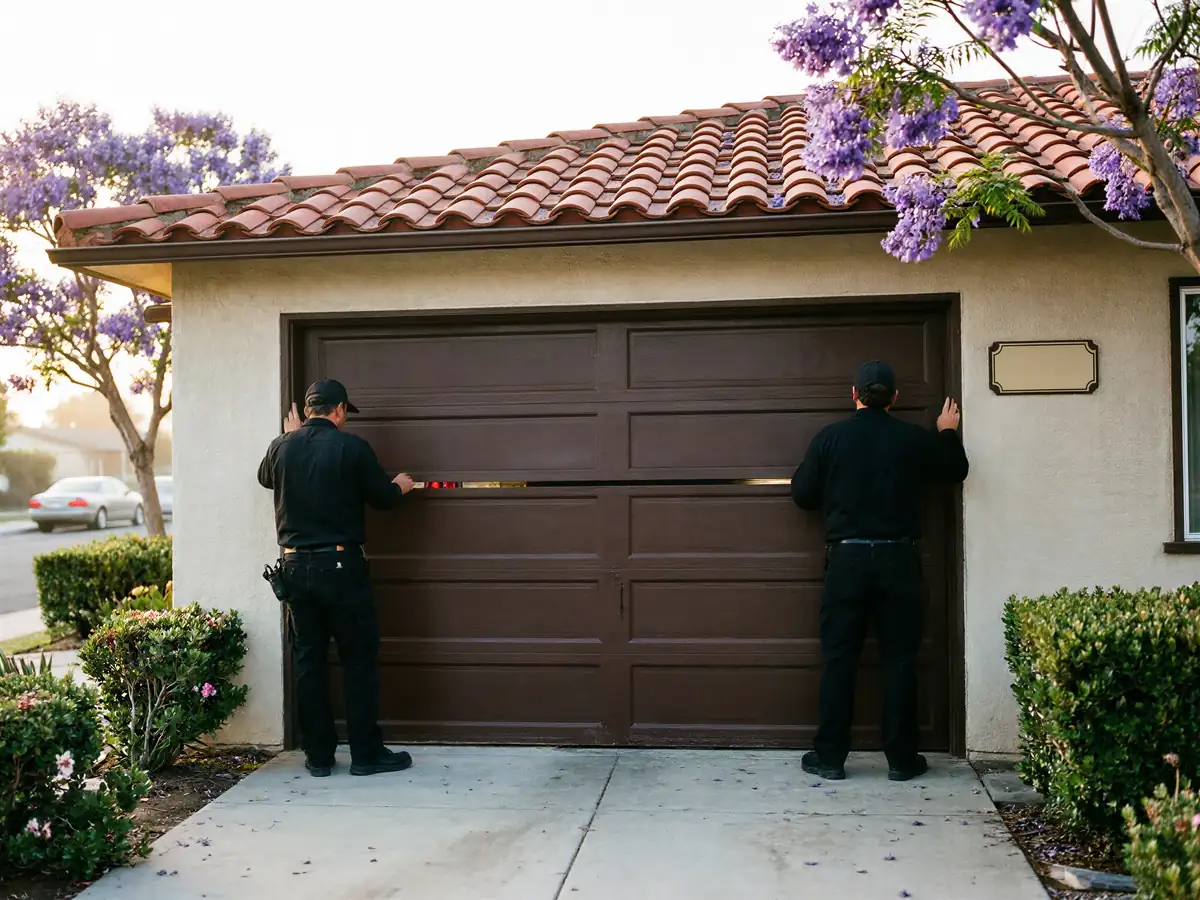
A standard maintenance visit on a door this age in Eastvale usually means checking spring tension and balance, replacing rollers before they fail rather than after, lubricating the track and hinges, and testing the opener's force and travel limits against current safety settings - settings that may never have been checked since the house was new. We work out of Pomona, about 12 miles away, so Eastvale calls get scheduled on the same route as the rest of the territory rather than dispatched from a local branch; there isn't one. One honest limitation: if a spring on a door this age has already stretched or shows surface pitting, we'll tell you to replace it rather than adjust it. Tensioning a spring that's already fatigued buys a few months and then fails at a worse time, usually with the door open. On hardware this young, that's rare - but it's worth saying plainly rather than promising a fix that won't hold.