The DIY Question
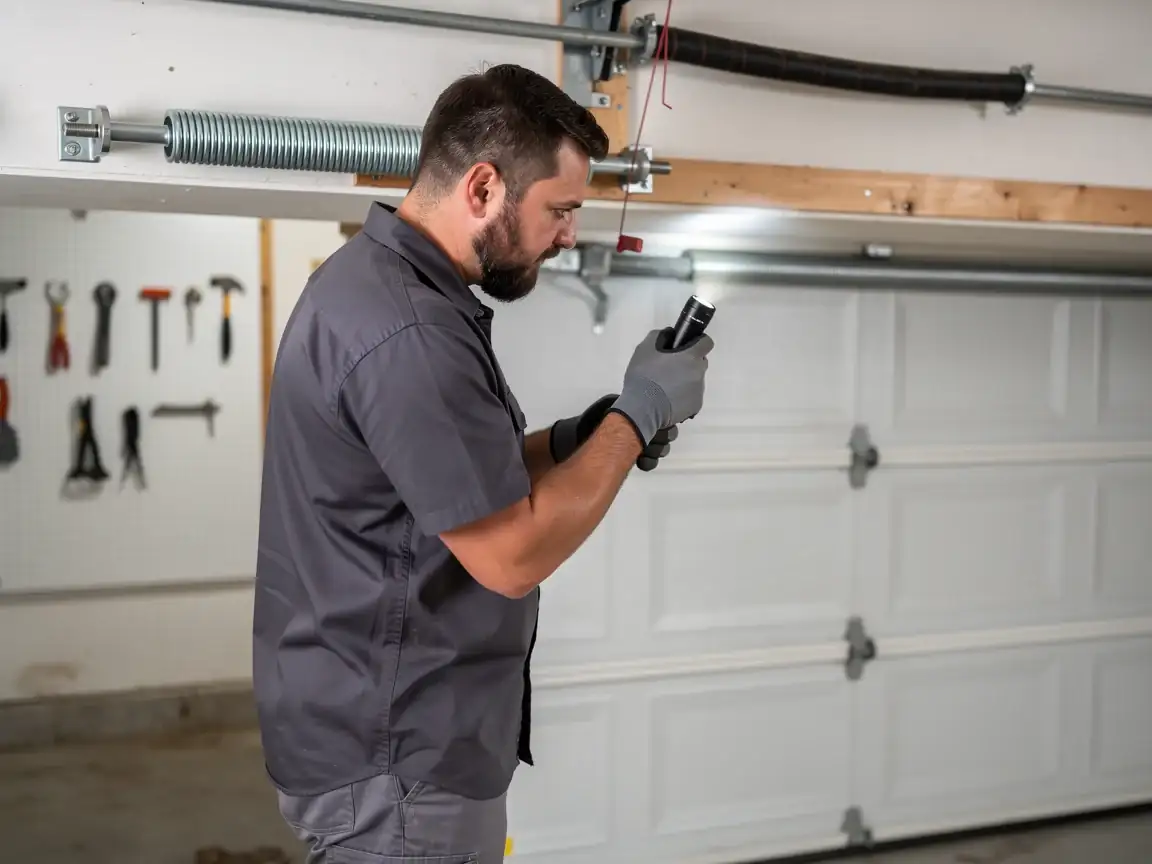
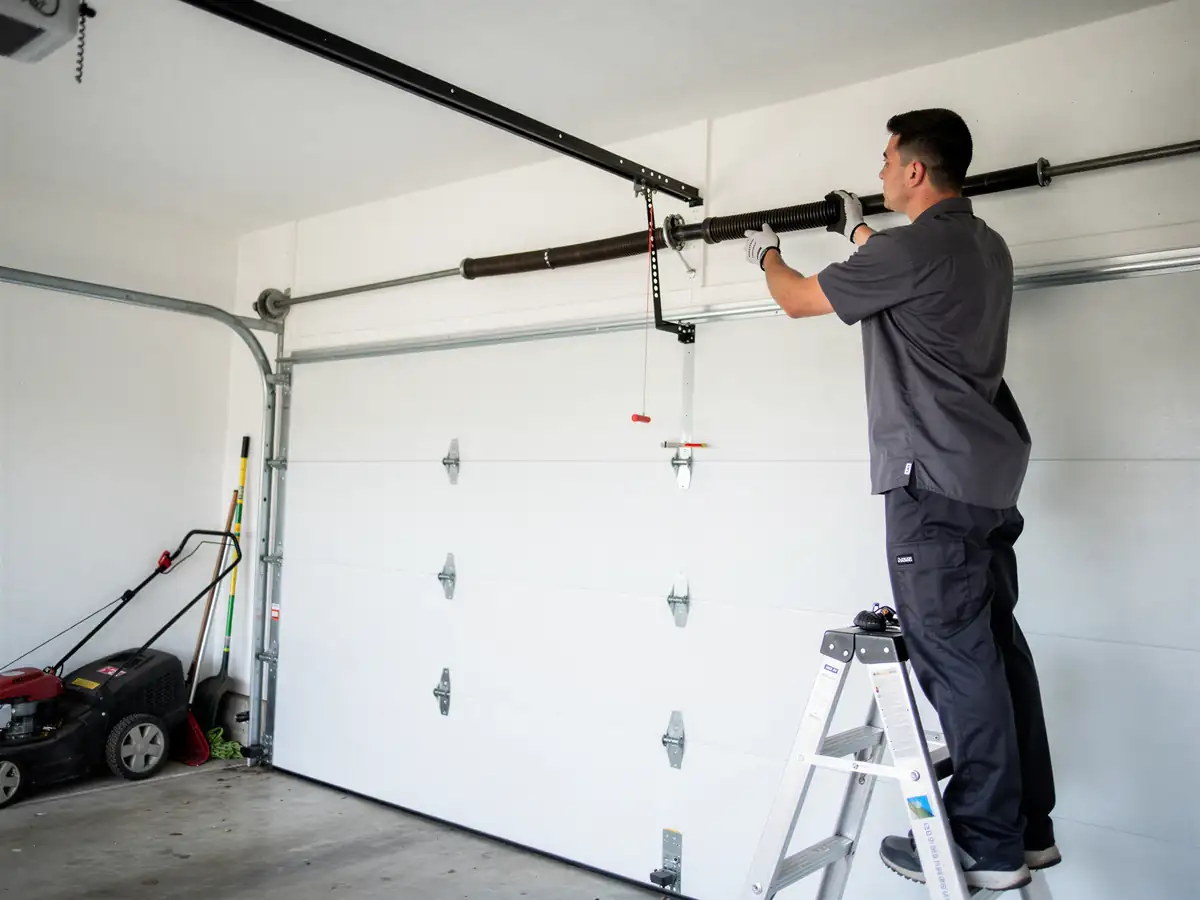
A broken torsion spring looks like a job you could tackle with a YouTube video and a trip to the hardware store. It isn't. The spring is wound under enough tension to break a wrist or worse, and the winding bars and cones that do it safely aren't something most homeowners own or have used before. We'll say the honest part up front: we don't walk people through doing this over the phone, and we won't sell you a spring to install yourself. That's not a sales pitch, it's the one thing about this job we won't bend on.
What's worth knowing, especially in a newer build like most of Eastvale, is that the spring itself is usually a standard torsion size even on a heavier two-car door. The failure point is almost always the spring winding down from normal cycle wear, not something unusual about the house. If your opener is straining, clunking, or the door won't stay up when disconnected from the opener, that's a spring complaint, not an opener complaint, and it's worth getting it looked at before the cables or the opener motor take the extra load and fail too.
Why It Happens Here
Eastvale's housing stock sits at the newest edge of what we see across the wider Pomona service area, where the median build year runs back to 1965. Eastvale's own median is 2007, which means most of the doors we're called out to here are original or near-original to tract construction from the early 2000s, not decades-old hardware pieced together over the years. That's a different failure pattern than older neighborhoods: less rust and seized hinges, more straightforward fatigue from cycle count on a door that's been opened and closed the same way since the house was built.
Eastvale also runs a notably higher median household income, over $161,000 against roughly $102,000 across the broader service area, and that tracks with what we see in these garages: more two- and three-car configurations, heavier insulated steel doors, and taller openings than the older single-door setups common in the 1960s tracts closer to Pomona. A heavier door asks more of its spring over the same number of cycles, so even with newer hardware, failure isn't rare here, it's just a different kind of wear.
What You Are Seeing
The clearest sign is the door that won't budge
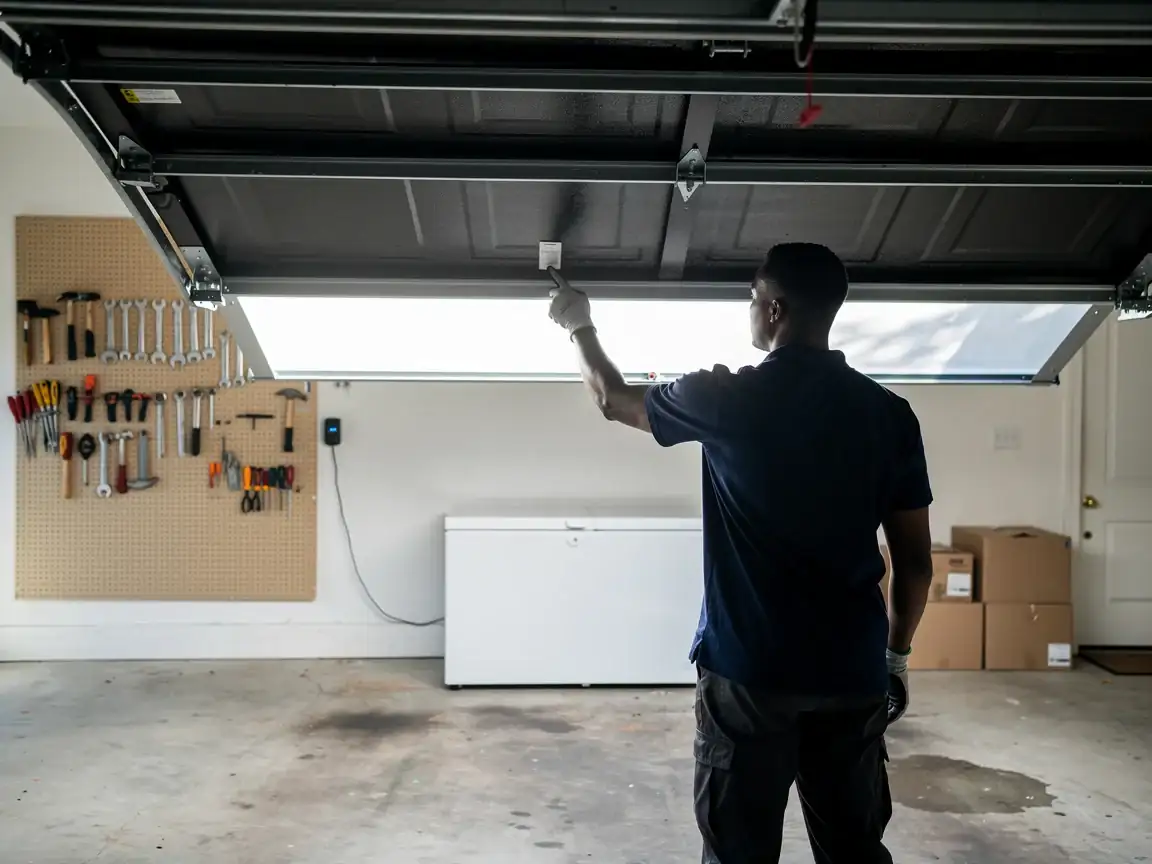
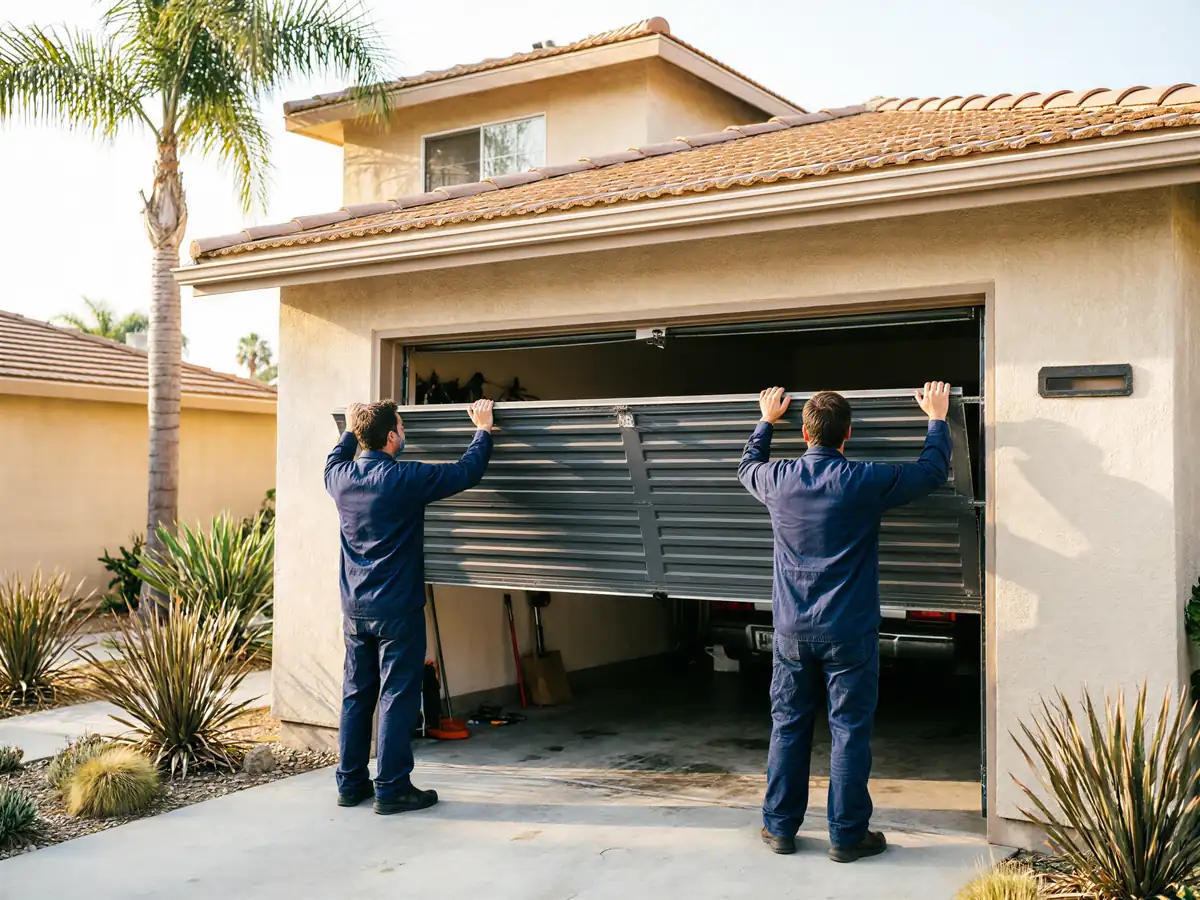
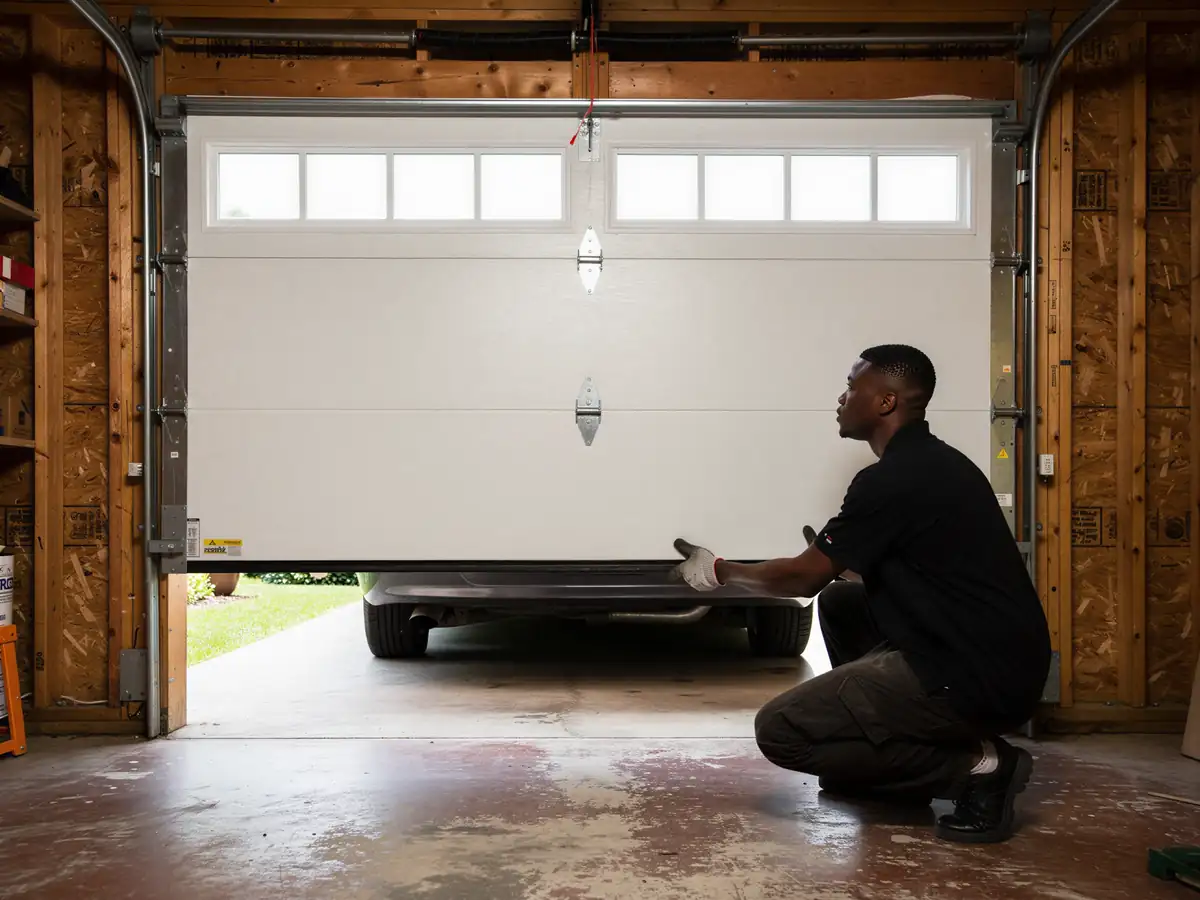
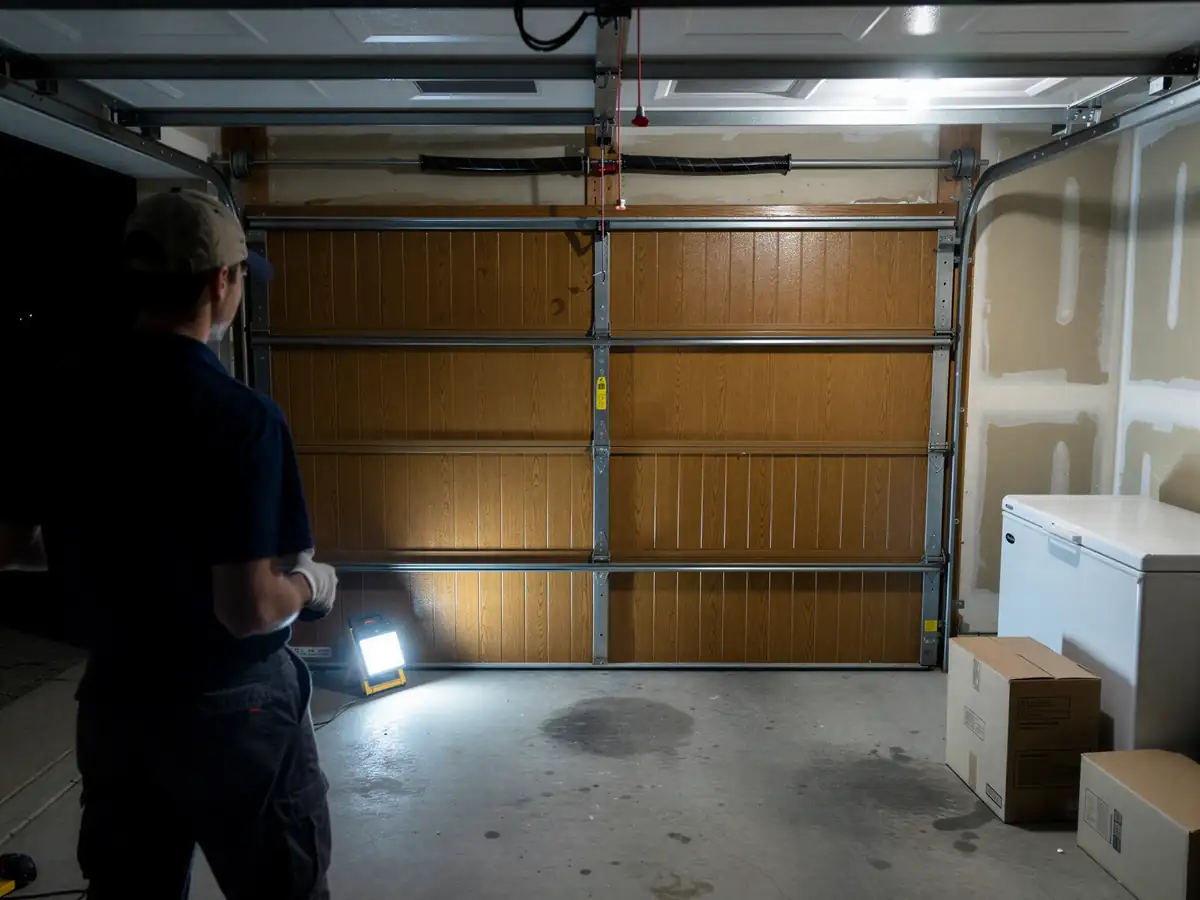
Or one that an opener tries to lift and stalls partway. Disconnect the opener and lift the door by hand; if it feels like dead weight instead of being roughly balanced, the spring has let go or is close to it. On a double-wide door, which is common in Eastvale's newer tract layouts, you'll sometimes get a loud bang first, the spring snapping under tension, followed by the door refusing to move at all.
A slower warning sign is a door that's gotten noticeably harder to lift by hand over a few months
Or an opener that strains and gets hot before the door moves. That's a spring losing tension gradually rather than snapping outright, and it's worth a call before it fails completely and takes a cable or the opener's drive gear down with it. Either way, don't force the door open with the opener once you suspect the spring. That's how a second, more expensive part gets added to the job.
What the Repair Takes
We run this call from Pomona, about 12 miles out to Eastvale, which is far enough that we schedule it into a route rather than treat it as a drop-everything stop. That's not a complaint about the distance, it's just how the day gets planned, and it means booking ahead gets you a tighter window than a same-day walk-in request would.
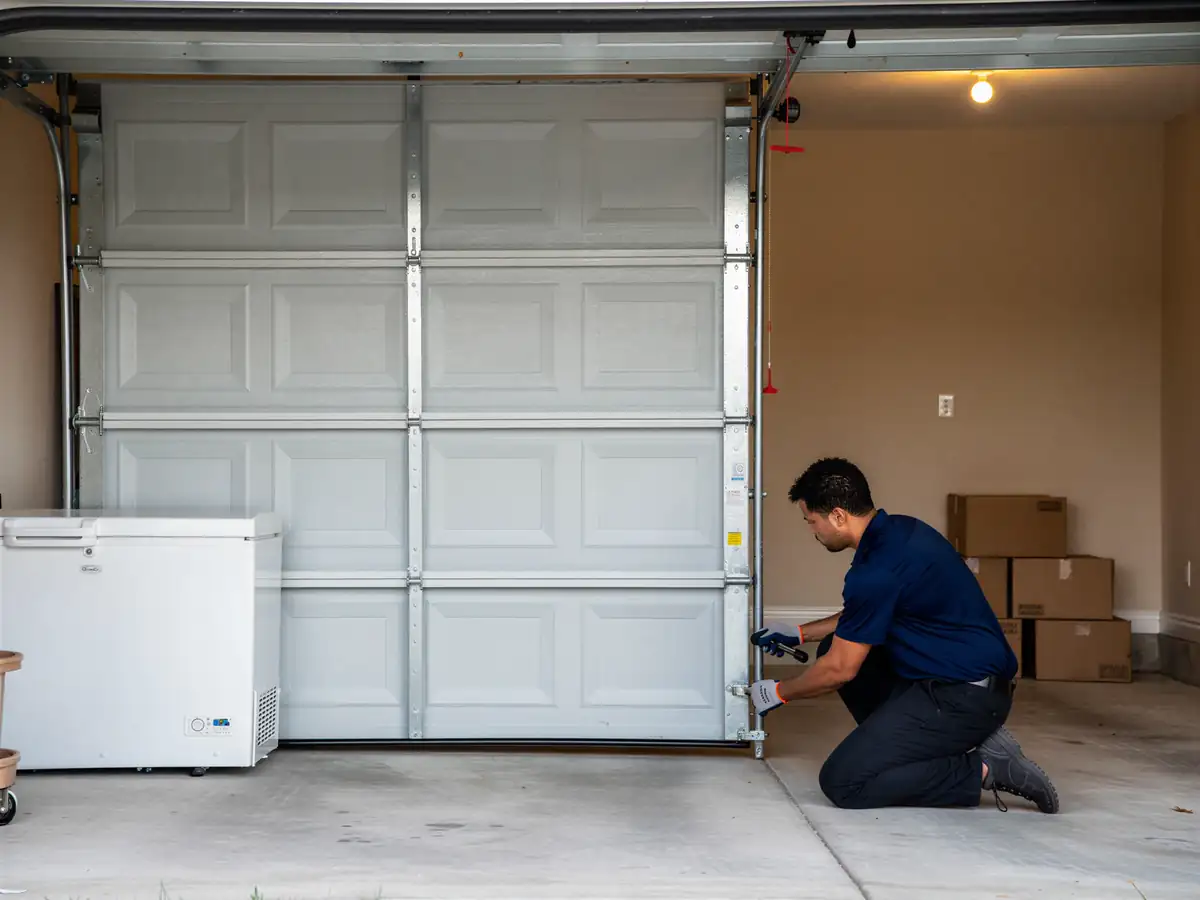
On site, the job is matching the new spring to the door's weight and cycle rating, not just swapping in whatever's on the truck. Given how many Eastvale garages run heavier two-car and three-car doors built after 2000, getting the wind and wire gauge right matters more here than it would on a lighter, older single door. We carry common torsion sizes, but an unusual door weight or a less common spring length can mean a short wait on a part, which we'll tell you about before we start, not after.