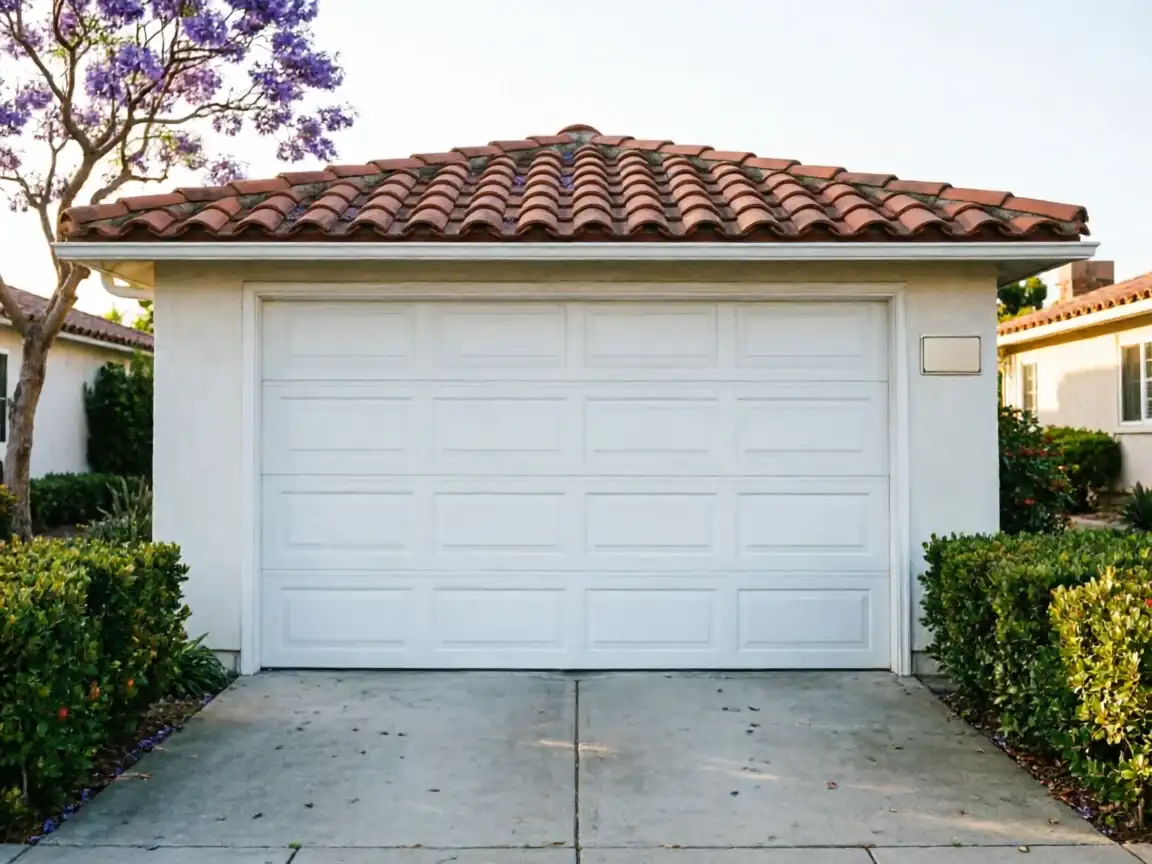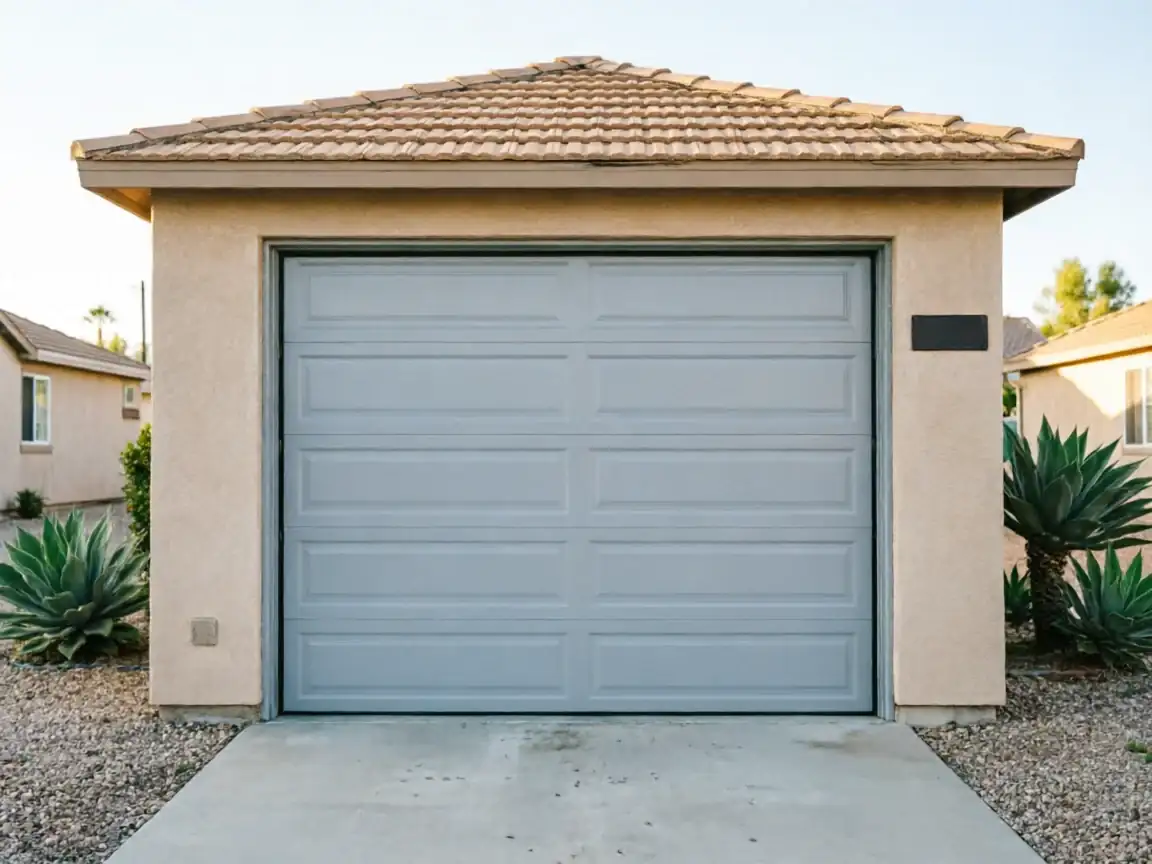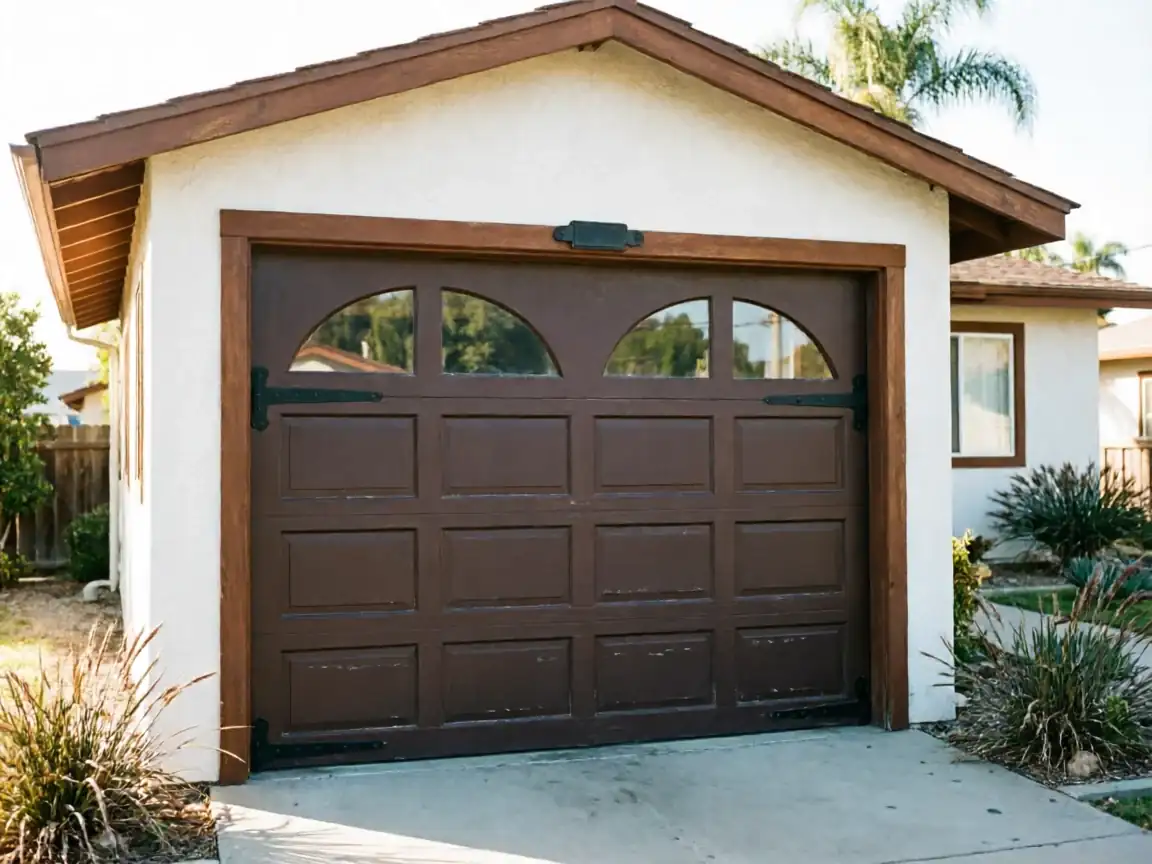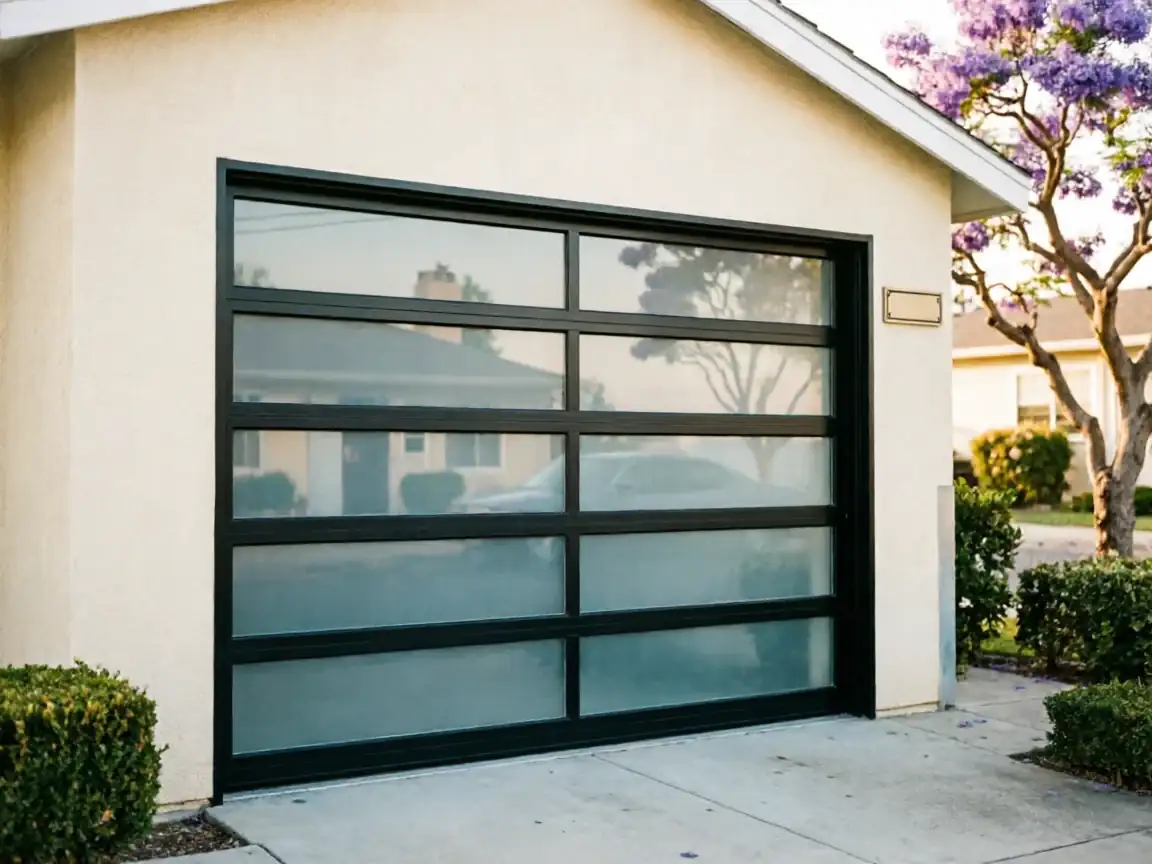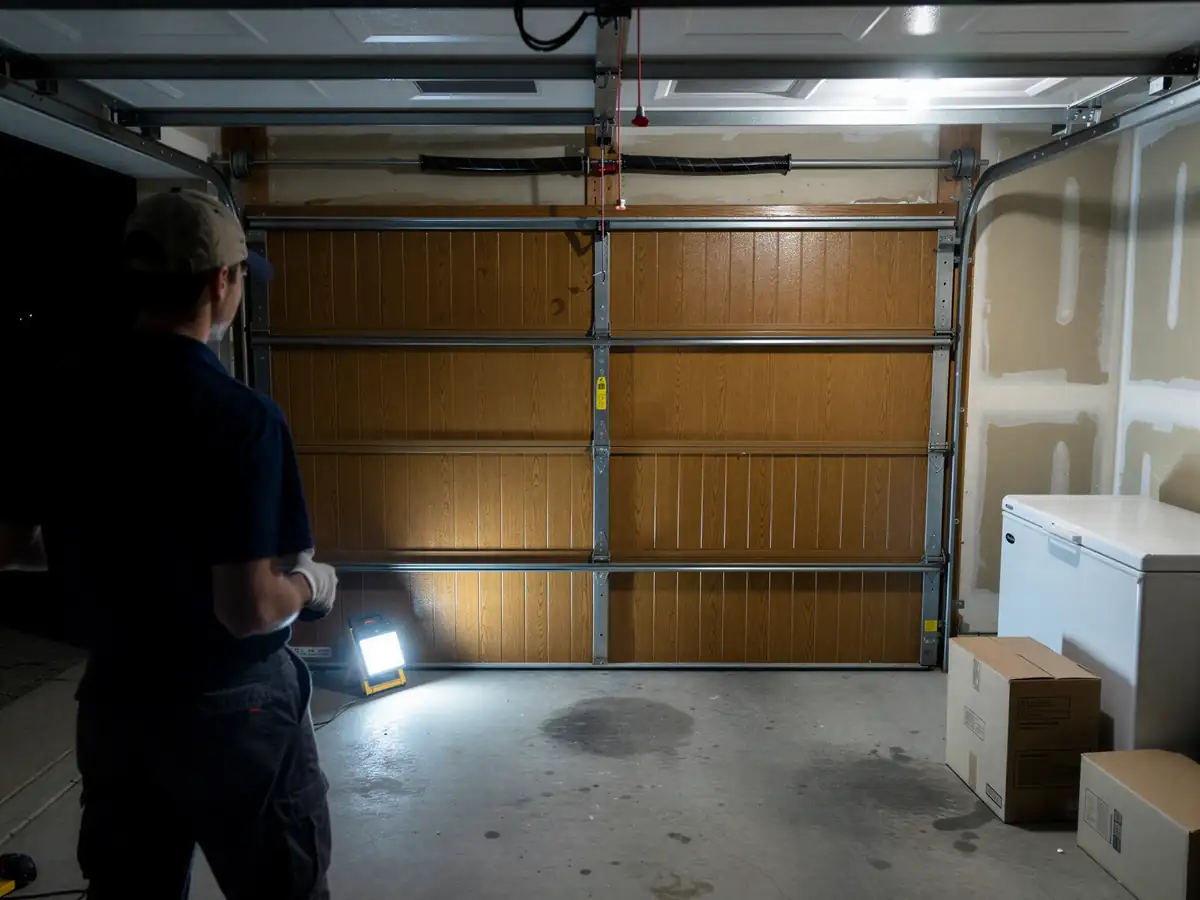
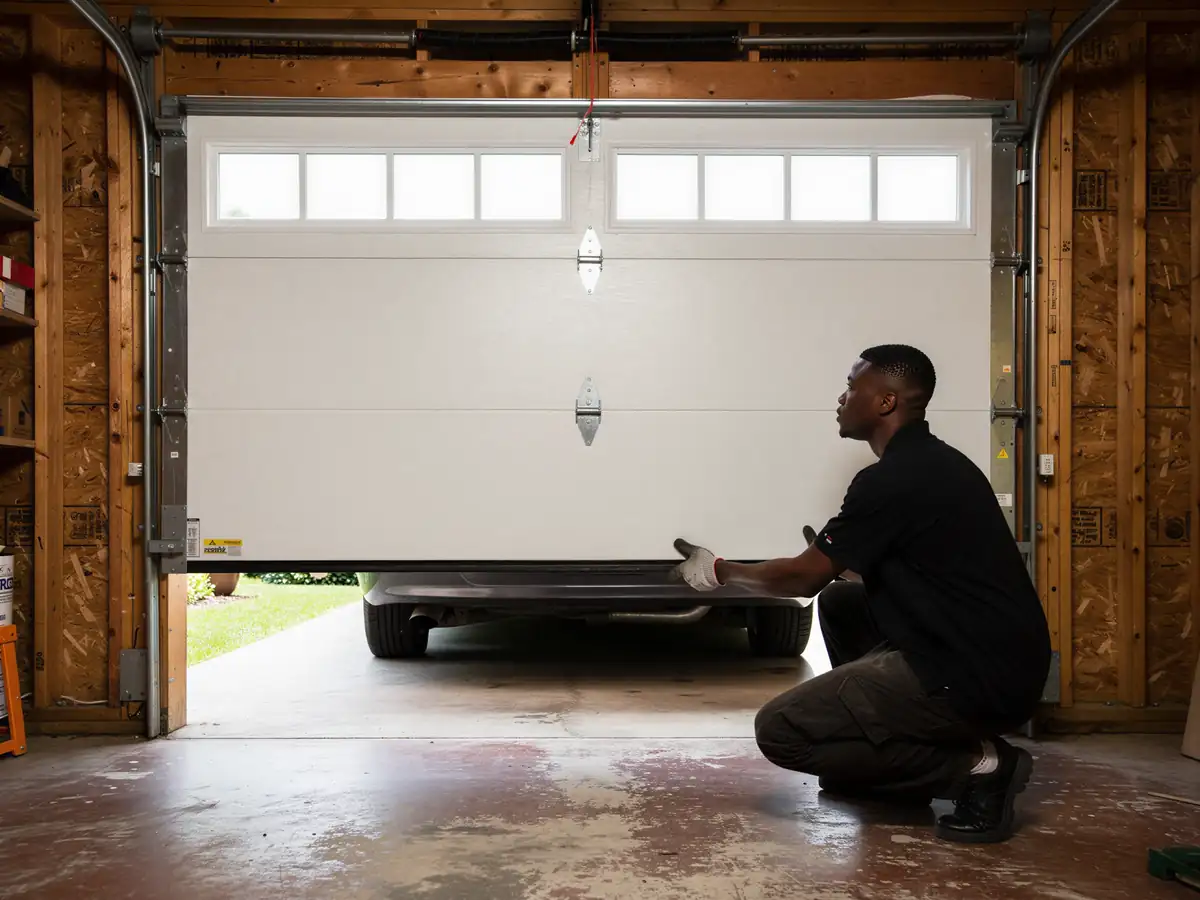
What You Are Seeing
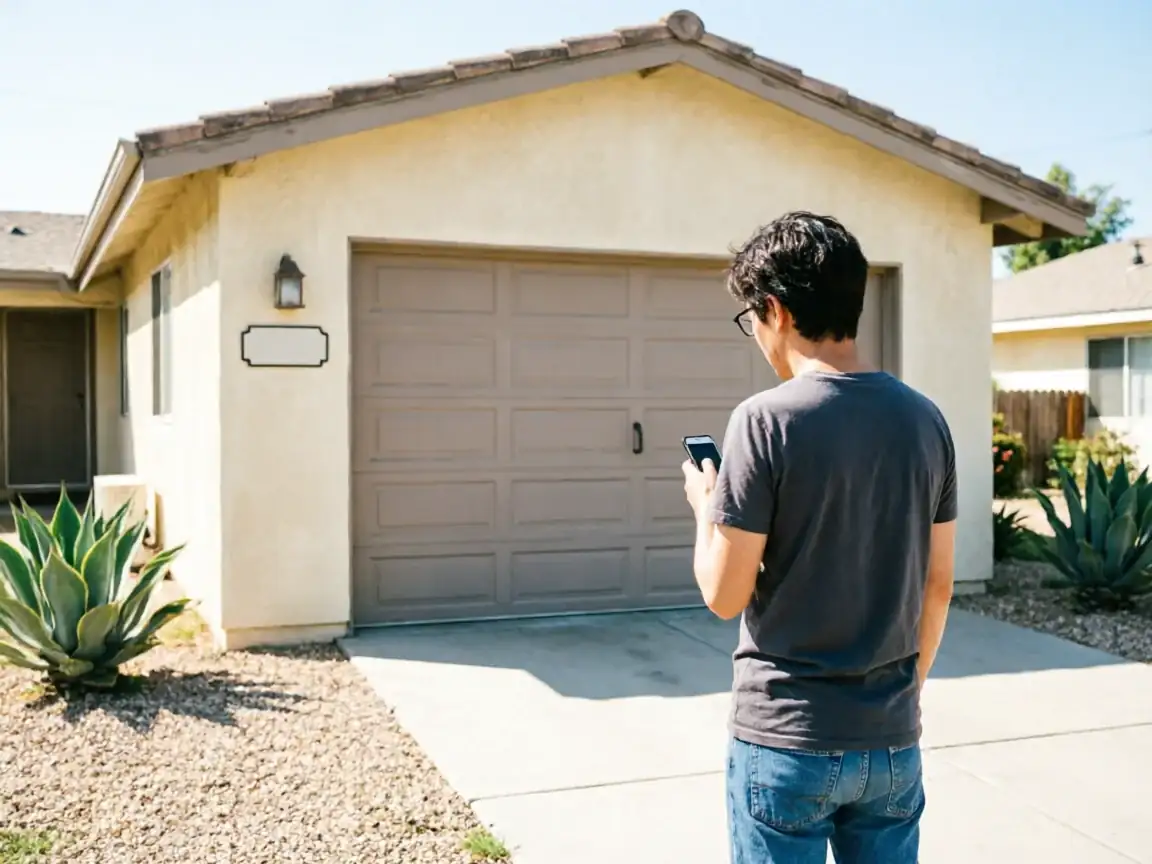
Diamond Bar is five miles from our shop in Pomona, which is a short run - close enough that a maintenance stop here rides along on the same afternoon as a call in Montclair or La Verne, not a special trip. That matters less for how fast we show up and more for how we plan the day: a town this close gets folded into the regular route instead of scheduled as its own detour.
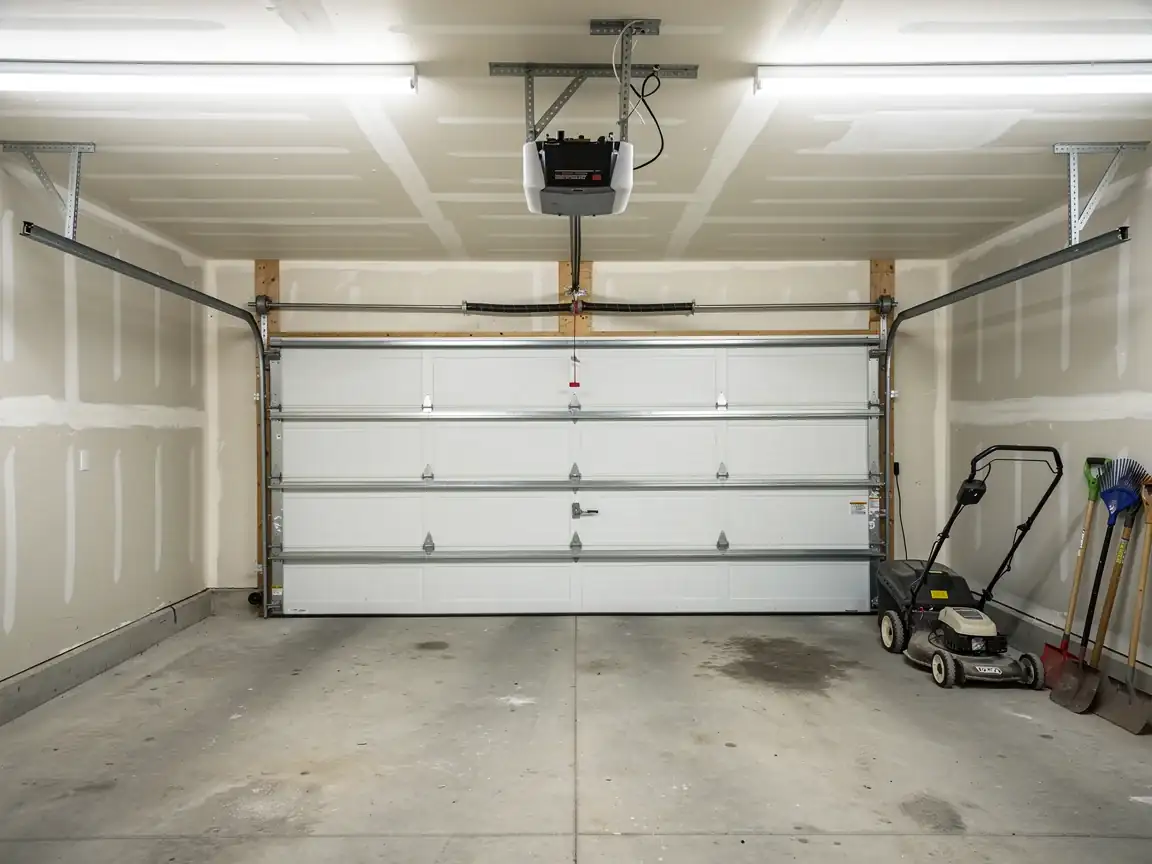
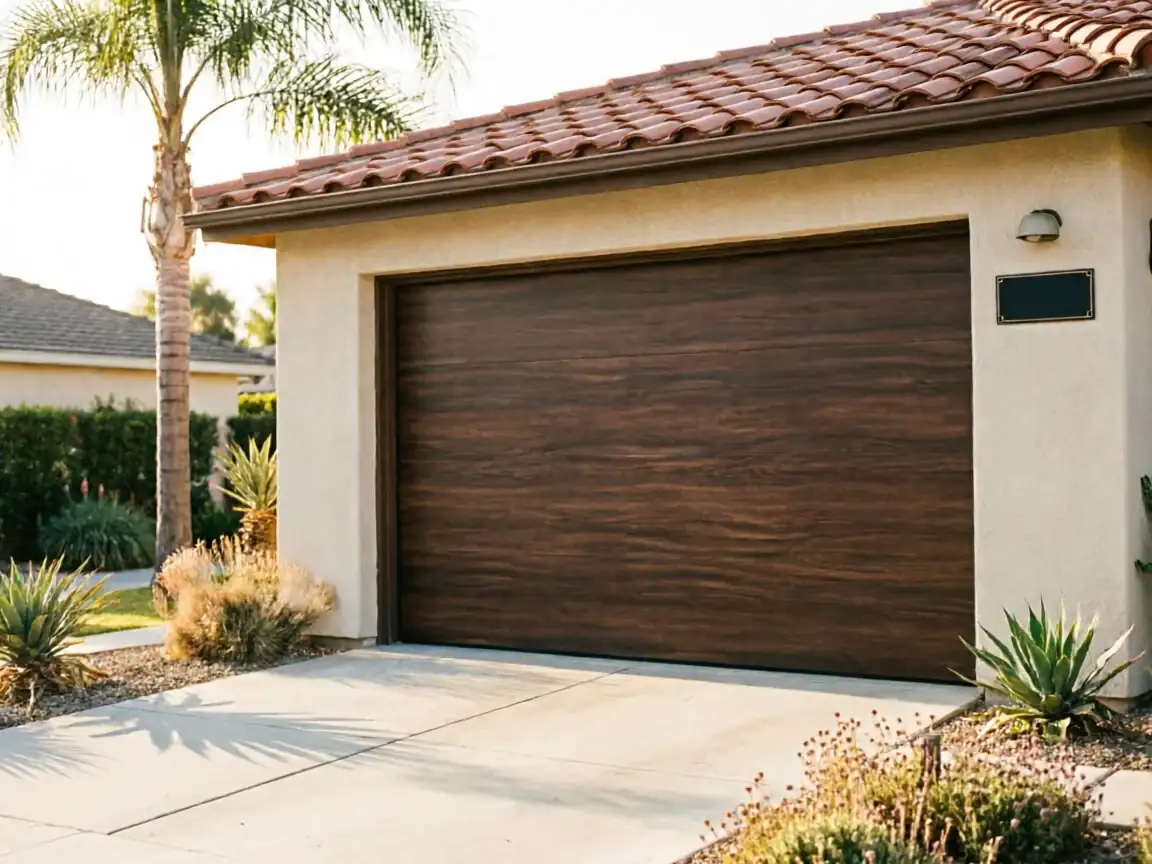
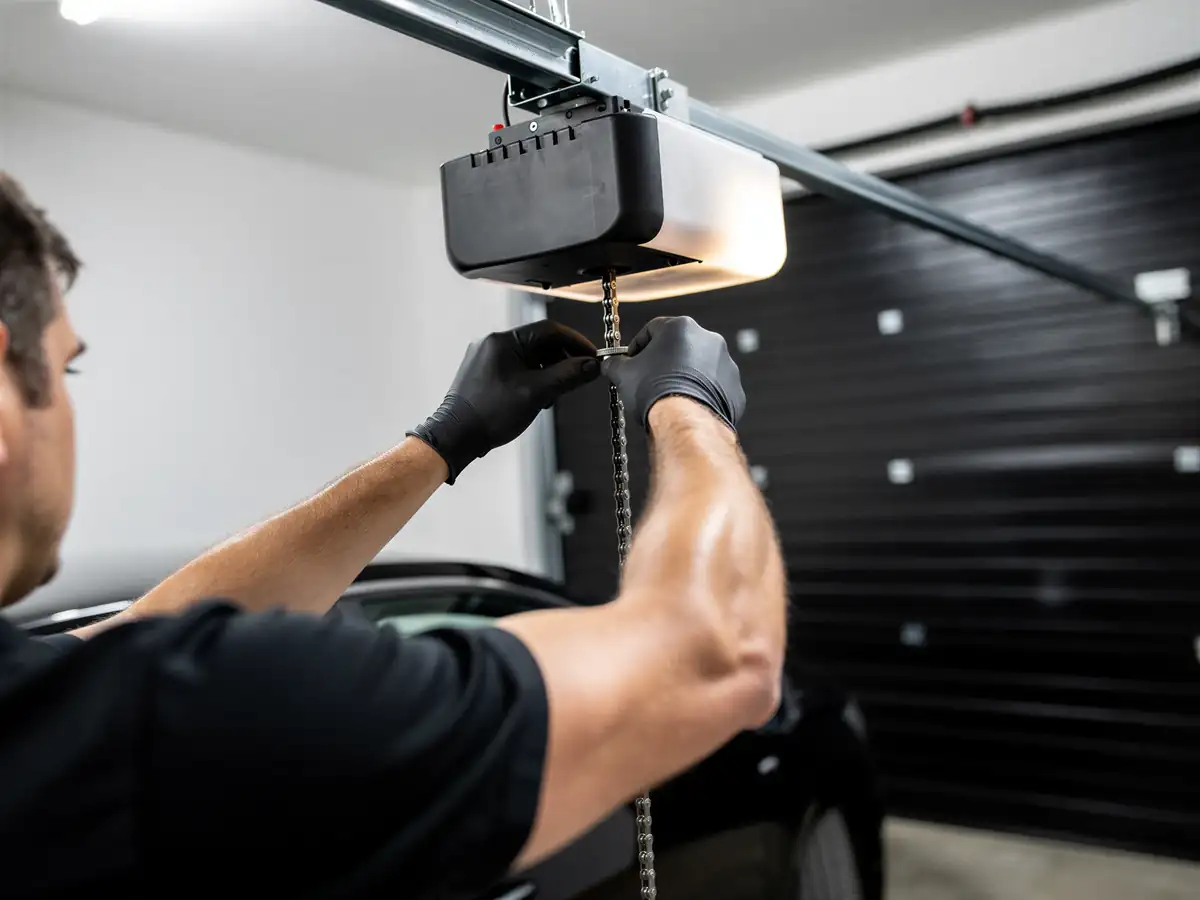
What's more useful to know is what's actually in your garage. Most houses in Diamond Bar went up around 1979, a good fifteen years newer than the 1965 median across the rest of the territory we cover out of Pomona. That later build date usually means a steel sectional door on a torsion spring rather than the older wood panel doors still hanging in some of the 1960s tracts closer to the shop, and it often means an opener from an earlier generation of chain-drive units that have been swapped once or twice since the house was built. The hardware ages the same regardless of the house's good looks - rollers wear, cables fray, the spring loses tension - but a 1979 build gives you a different starting point for what's likely original and what's already been replaced.
How to Book
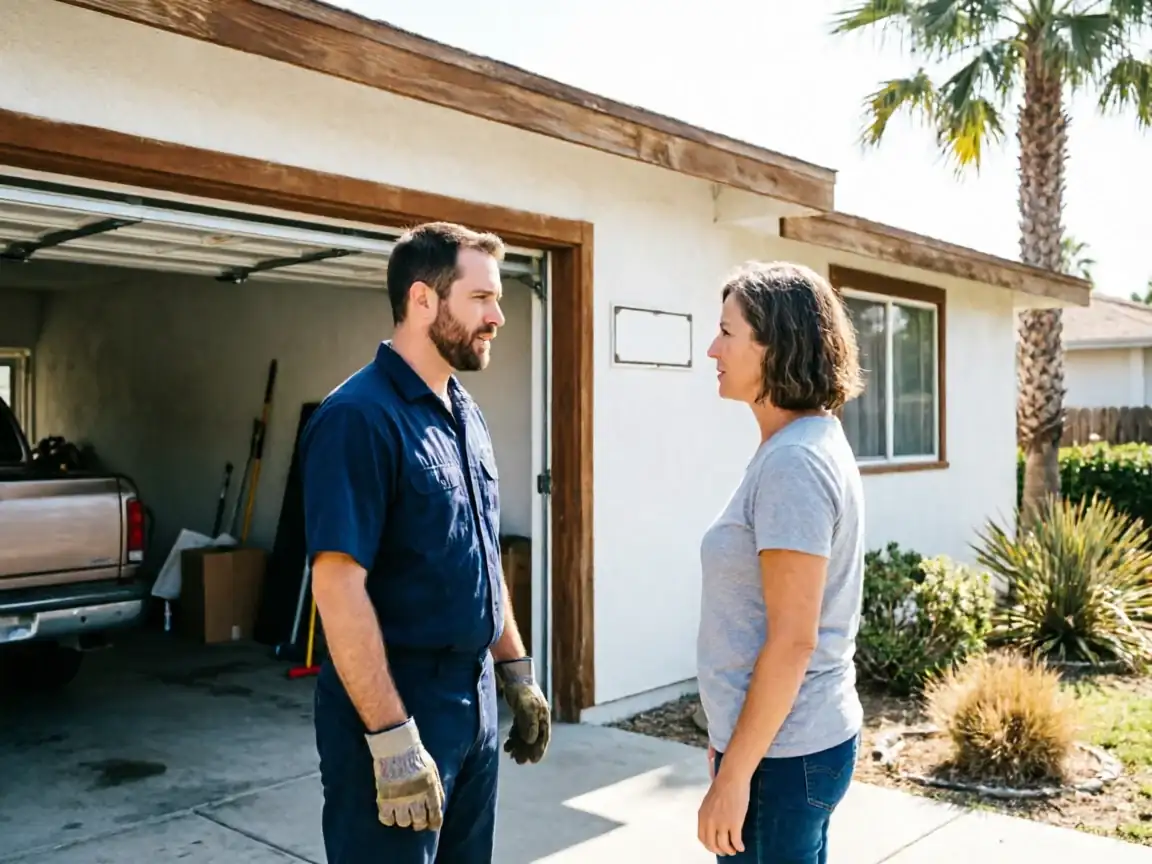
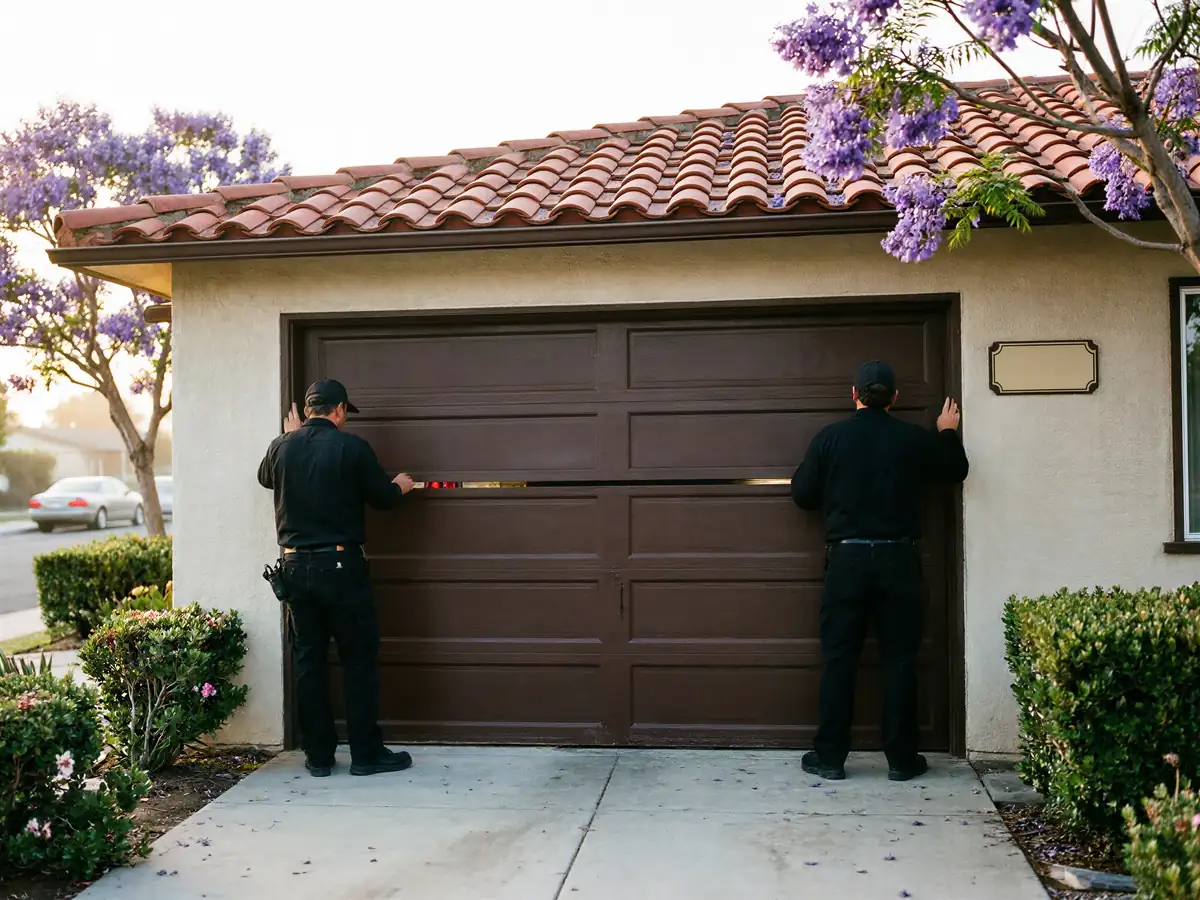
A maintenance visit here is booked the same way as anywhere in our service area: tell us the make and rough age of the door if you know it, and we work the stop into the route that covers this side of the territory. We don't run a branch office or a separate crew in Diamond Bar - every job here is dispatched from Pomona, so we're not going to promise a same-day slot that doesn't match how the route actually runs that week.
If you're not sure whether you need a tune-up or a repair, say what you're seeing - a door that's noisy going up, an opener that strains, a spring that looks stretched - and we'll tell you honestly which one it is before anyone drives out. You can see the areas we reach from Pomona, including Diamond Bar, on our coverage page. If you're looking at a bigger repair rather than routine upkeep, our Pomona maintenance and repair page covers what that work involves in more detail.
The DIY Question
Lubricating rollers and hinges, checking the weatherstrip
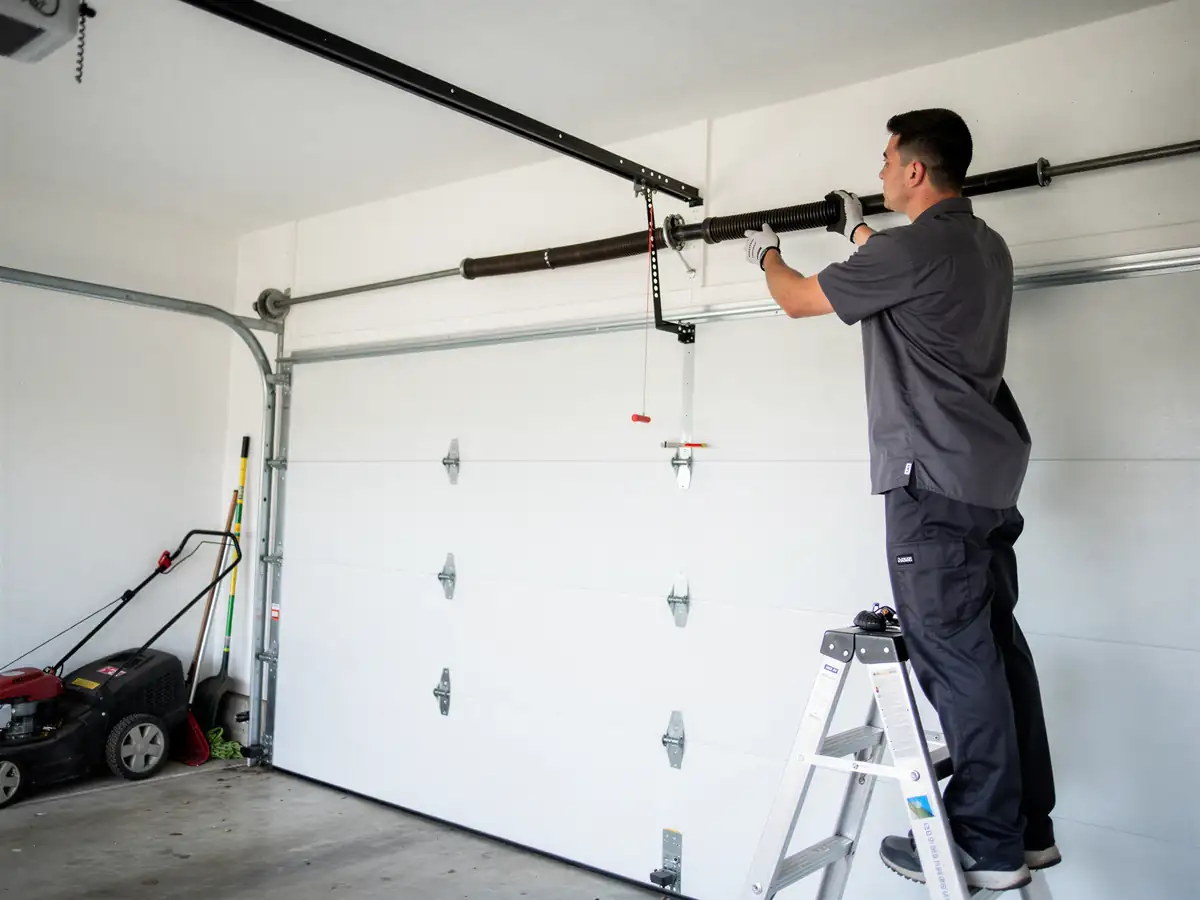
And tightening visible hardware are all fine to do yourself, and doing them twice a year will catch a lot of problems before they become calls. What you should not touch is the torsion spring. It's under enough tension to cause a serious injury if it lets go while you're working near it, and that's true whether the door is five years old or forty-five.
With households here mostly in homes built around 1979
A fair number of torsion springs are either original or one replacement in, and that's long enough for the steel to fatigue without any visible warning. If a spring looks stretched, if there's a visible gap in one of the coils, or if the door has gotten noticeably heavier to lift by hand, that's a repair call, not a maintenance task. Everything else on the list - track alignment, roller condition, cable fraying at the drum - is worth a homeowner's eye during the tune-up, even if the fix itself needs a tech.
What the Repair Takes
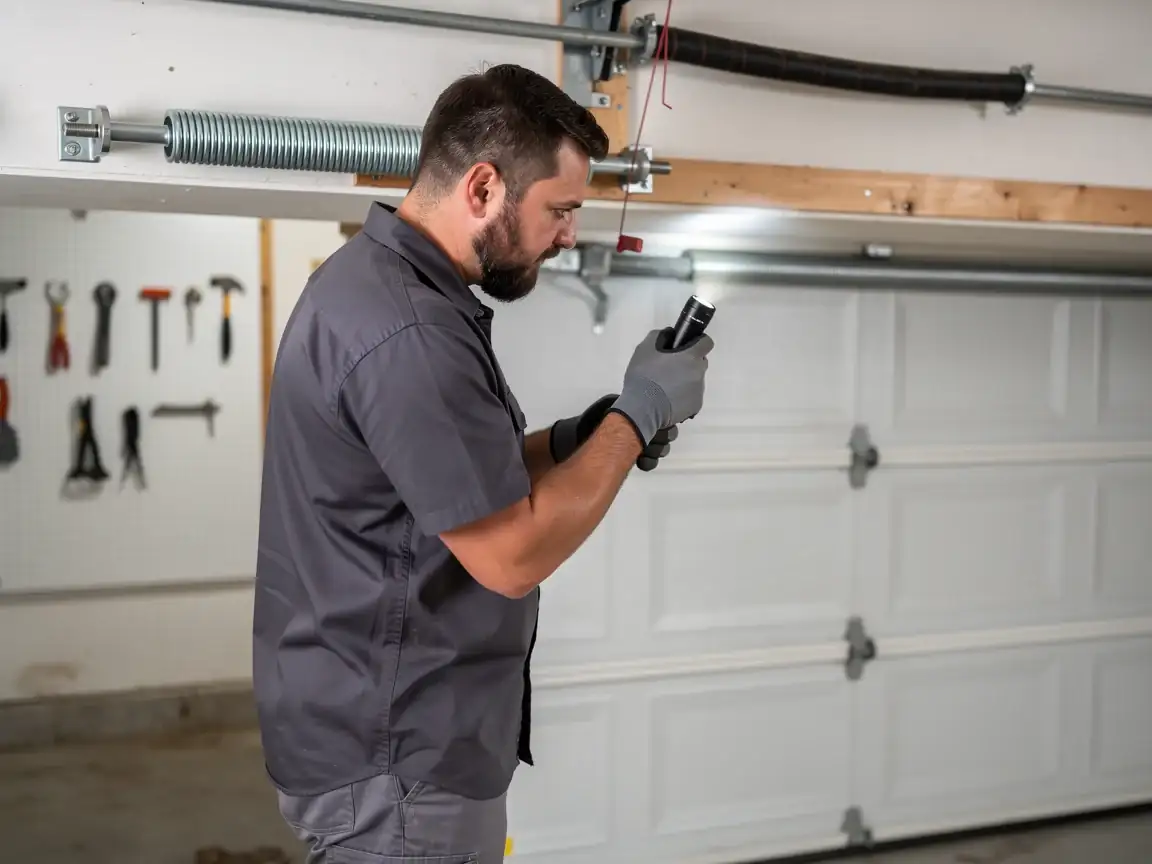
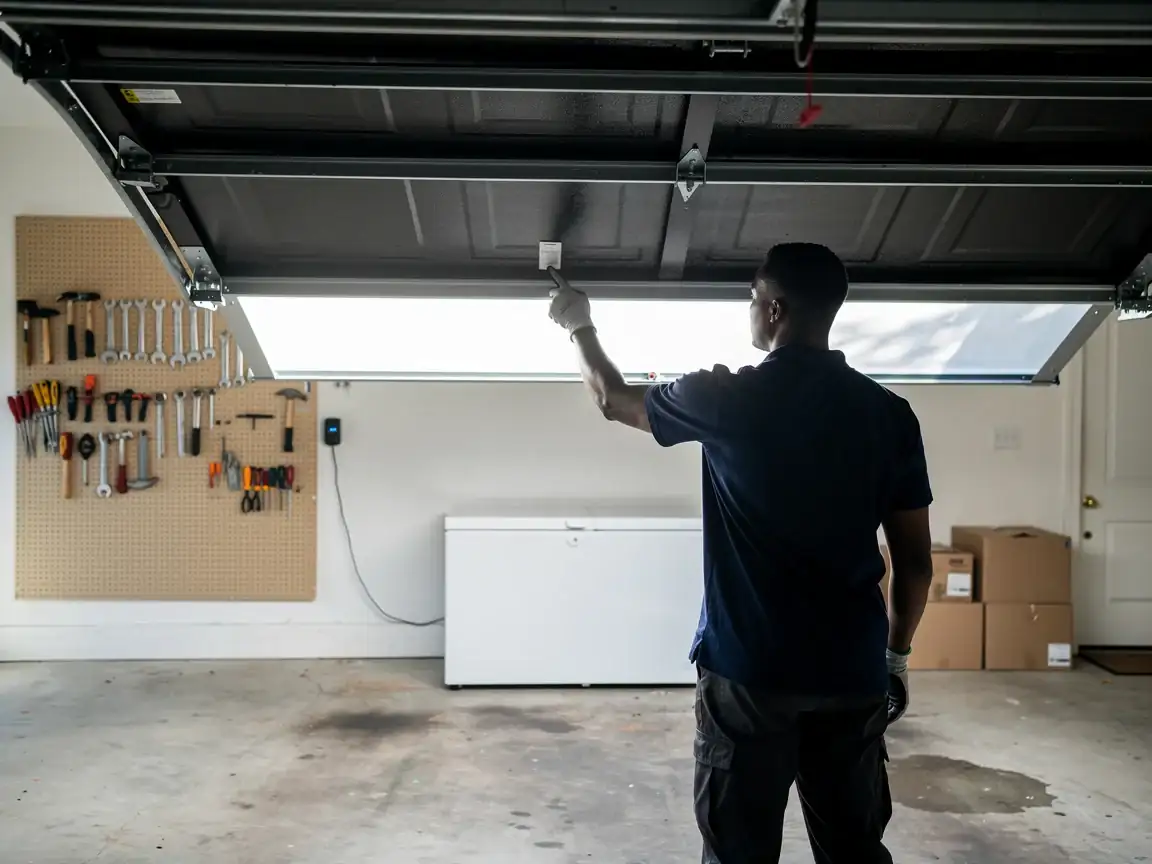
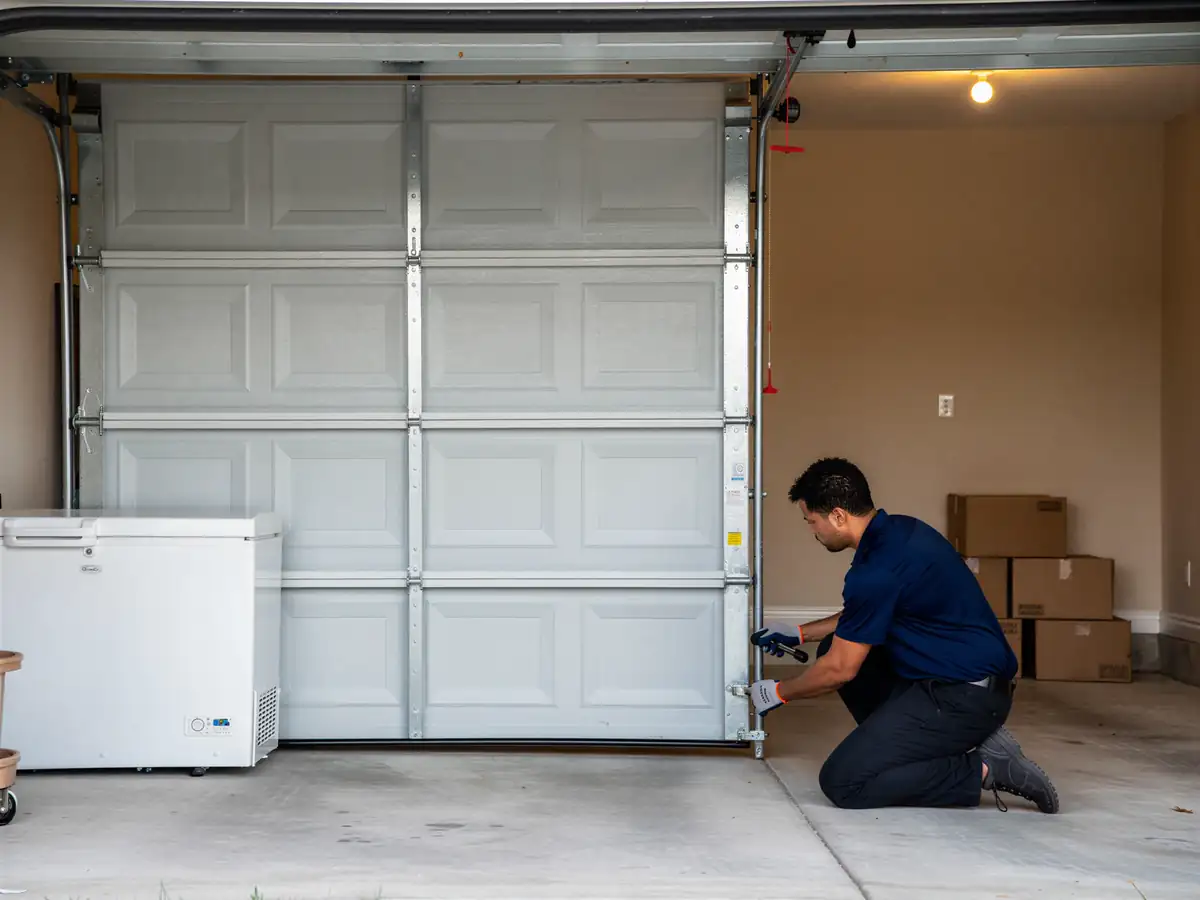
A standard maintenance visit covers the track, rollers, hinges, cables, and spring tension, plus a check of the opener's force settings and safety reversal. On a steel sectional door from the late 1970s or newer, that's usually a straightforward visit - the hardware is more standardized than what you find on the older wood doors in some of the 1960s-era neighborhoods closer to Pomona.
Where it gets slower is parts. If a roller or hinge on an older opener needs replacing and it's not a size we carry on the truck, that part has to be ordered, and we'll tell you that up front rather than stringing out a visit. We don't stock every obsolete chain-drive opener part going back decades, and pretending otherwise would be the wrong kind of promise to make.
What Can Go Wrong
The most common issue we see on doors from this era is a worn roller bearing that's gone unnoticed because the door still opens - it just grinds a little louder each month until the track itself takes damage from the vibration. Second most common is an opener force setting that's crept out of adjustment, which either makes the door reverse for no reason or, worse, lets it keep closing against something in its path.
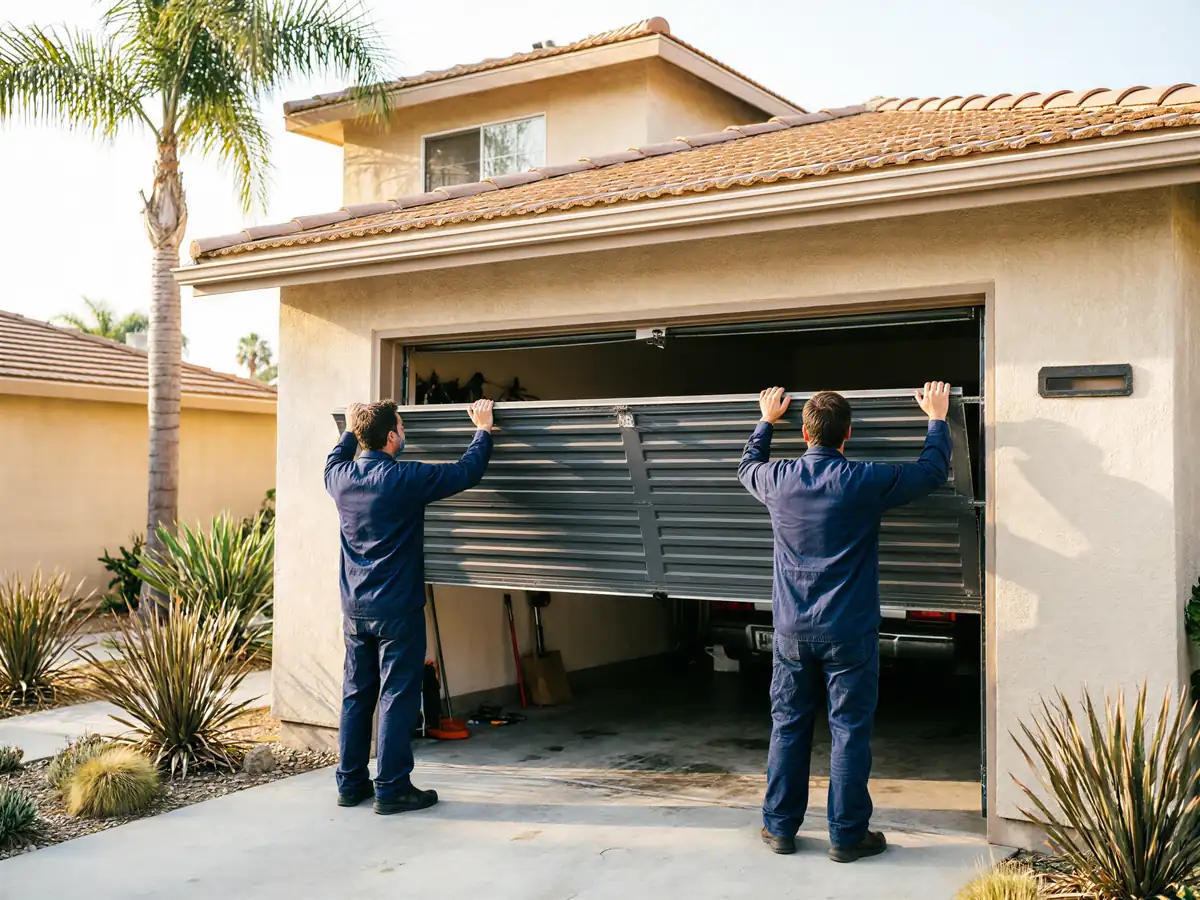
Springs fail less dramatically but more seriously - a sudden loud bang, then a door that won't budge or that drops unevenly on one side. None of these are Diamond Bar-specific failures exactly, but a 1979-era door is old enough that original hardware is wearing out now, and new enough that a lot of owners assume it's still