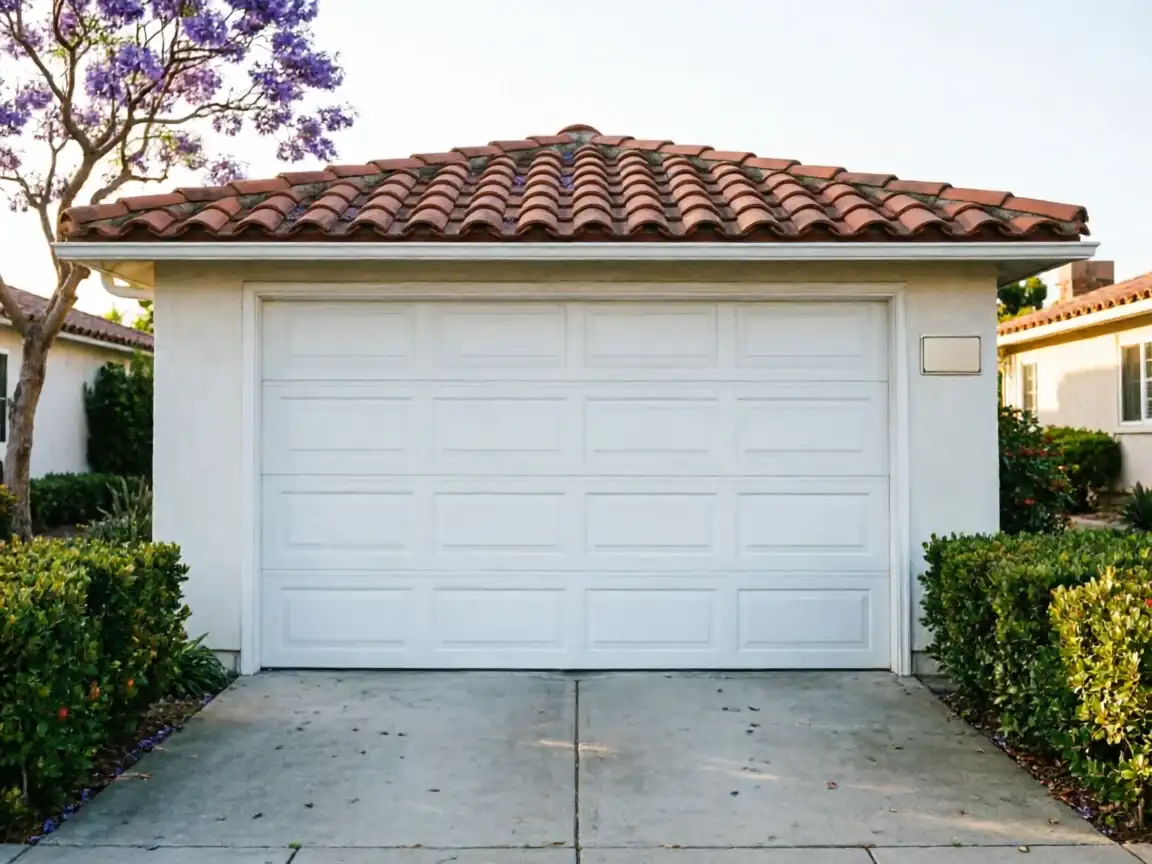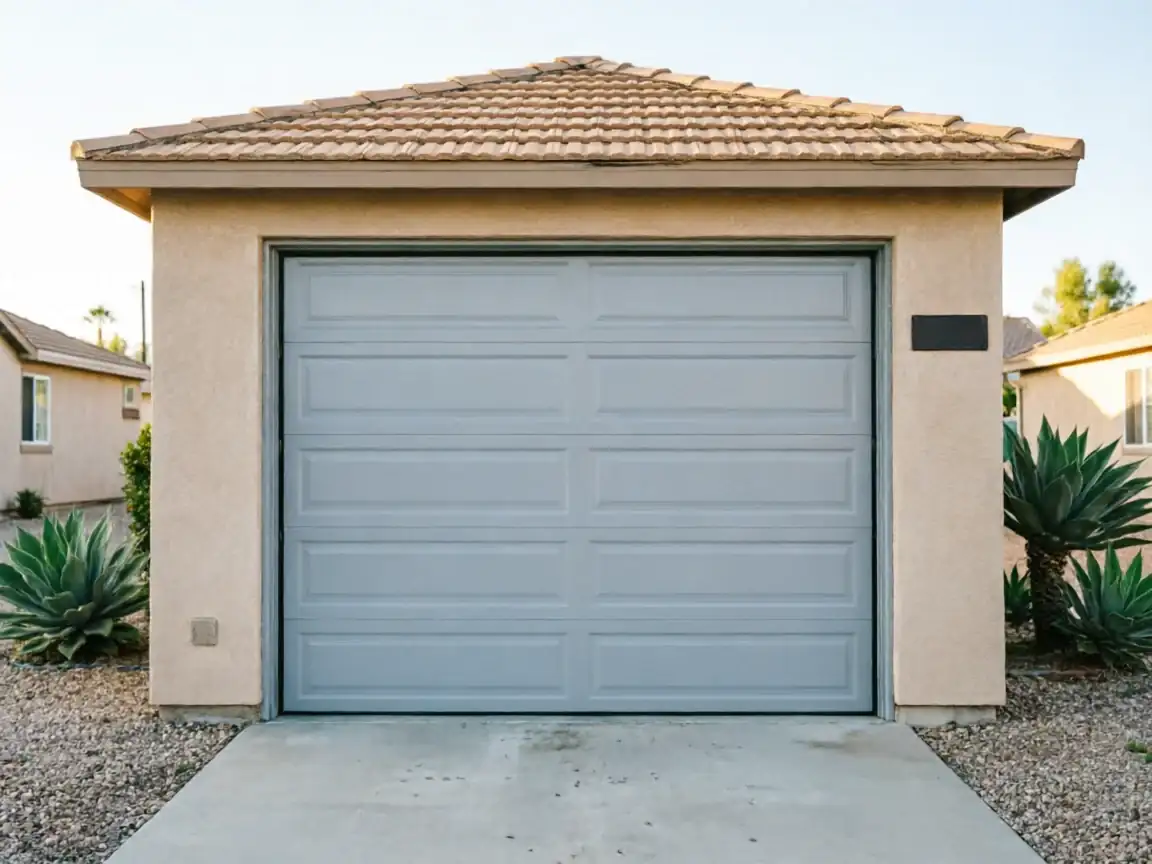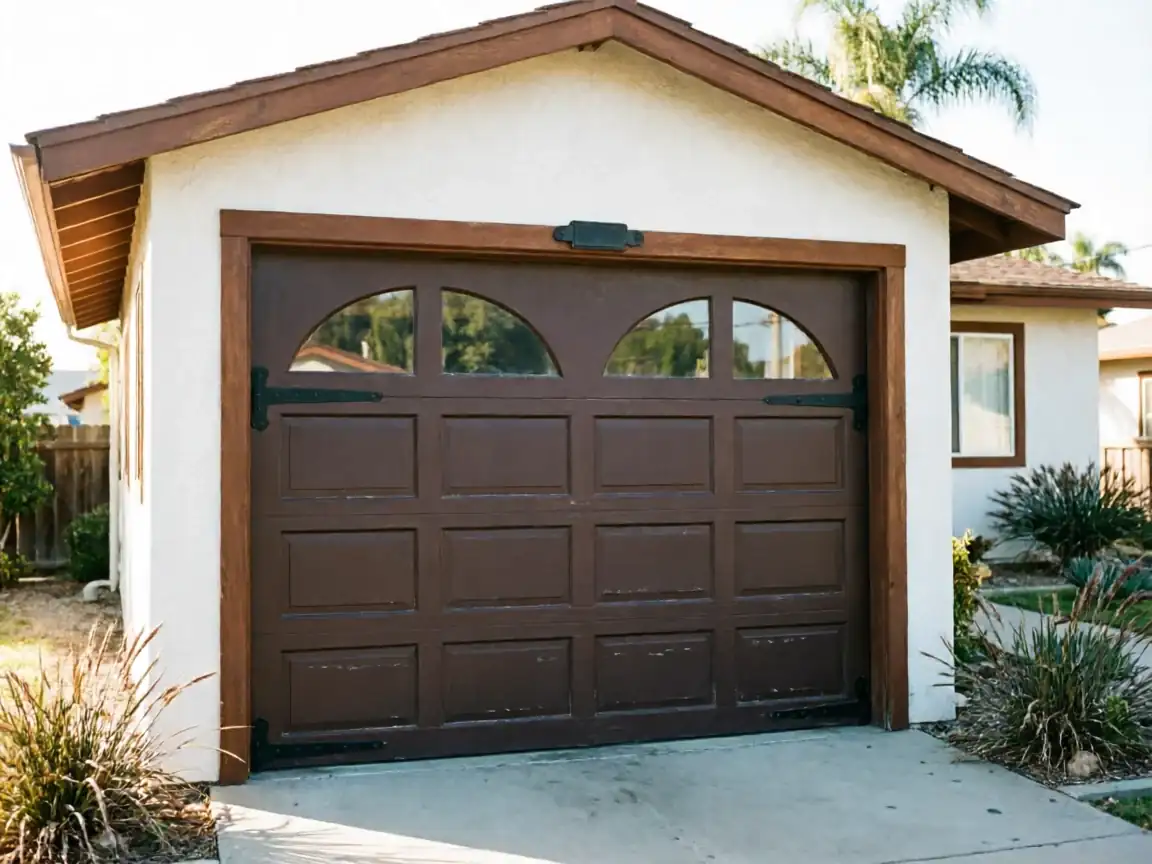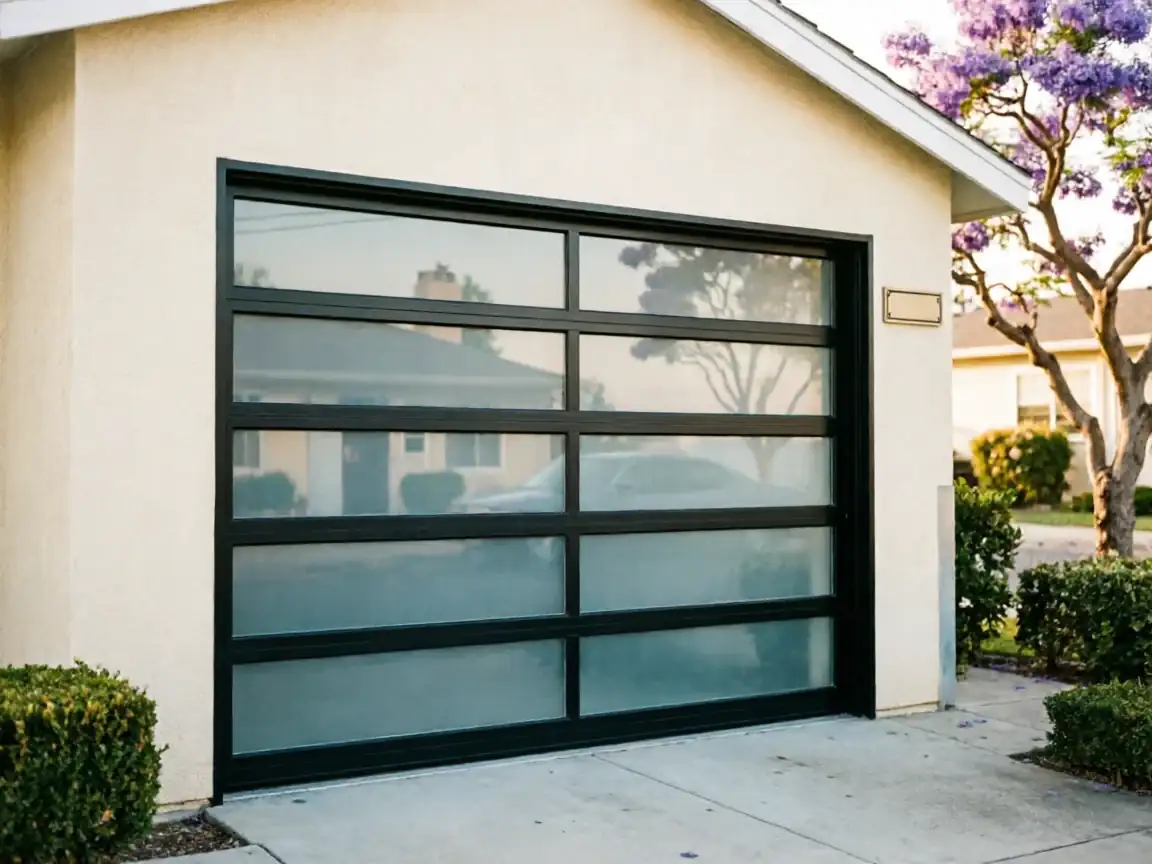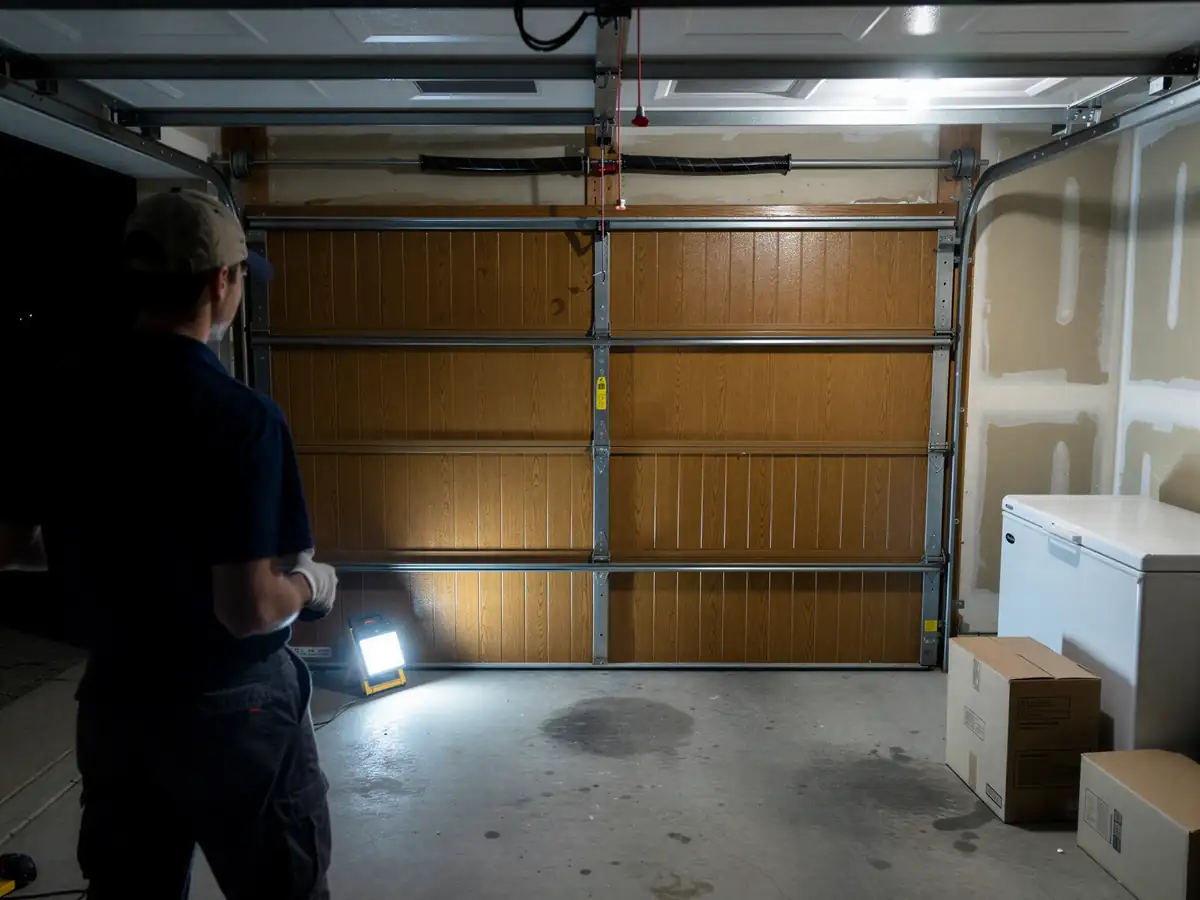
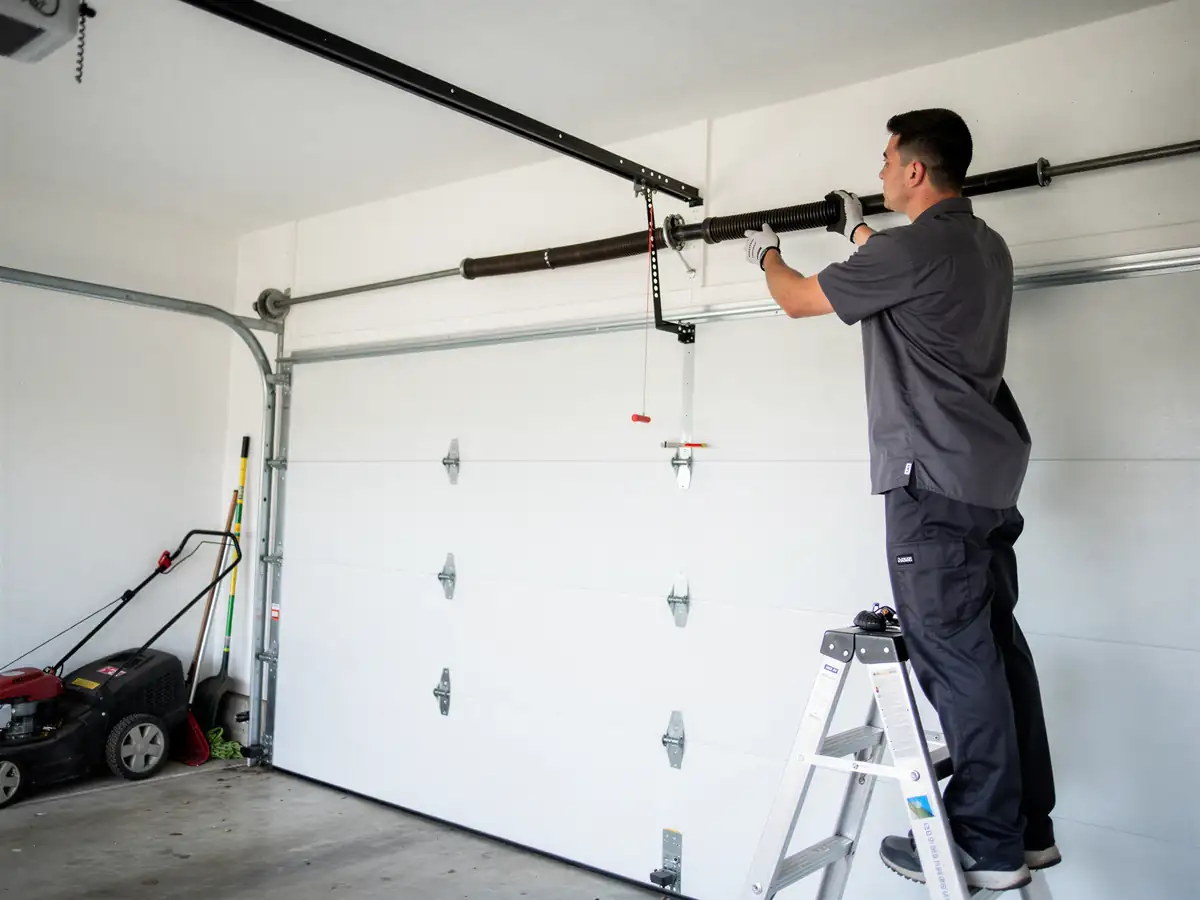
What You Are Seeing
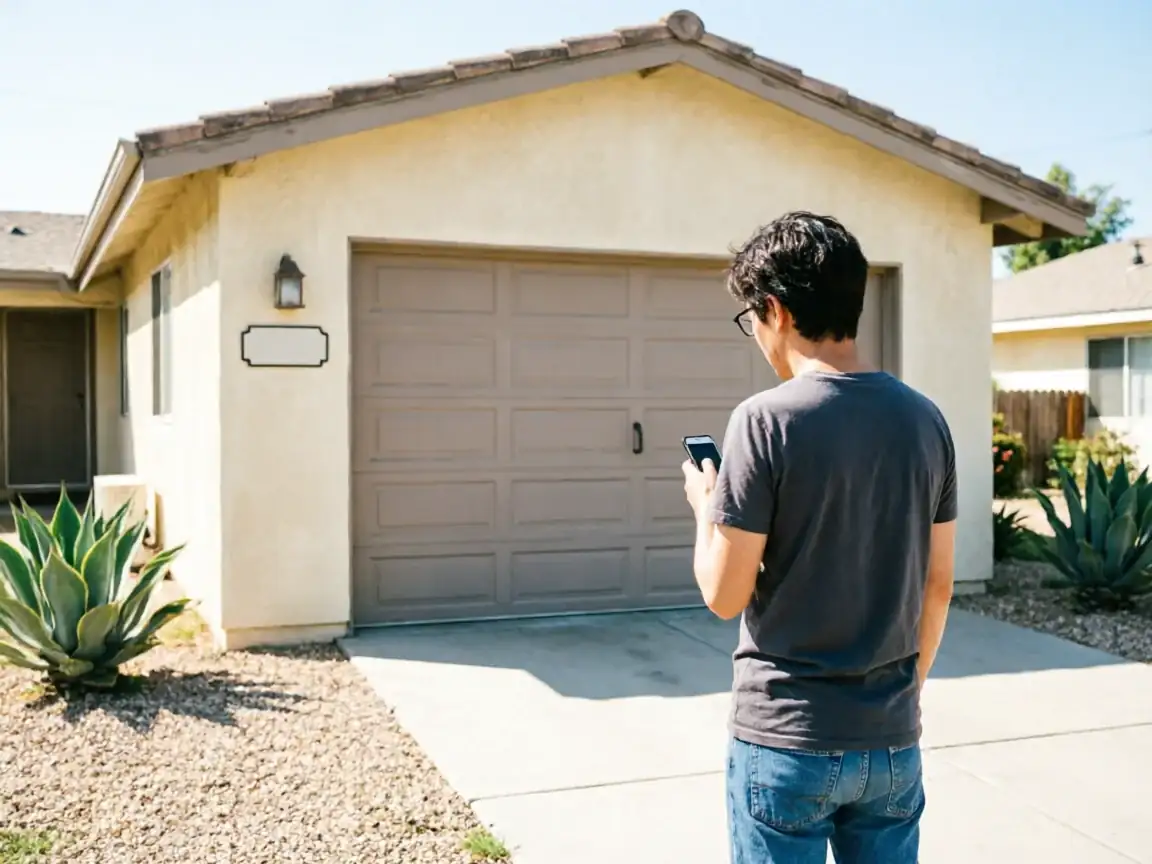
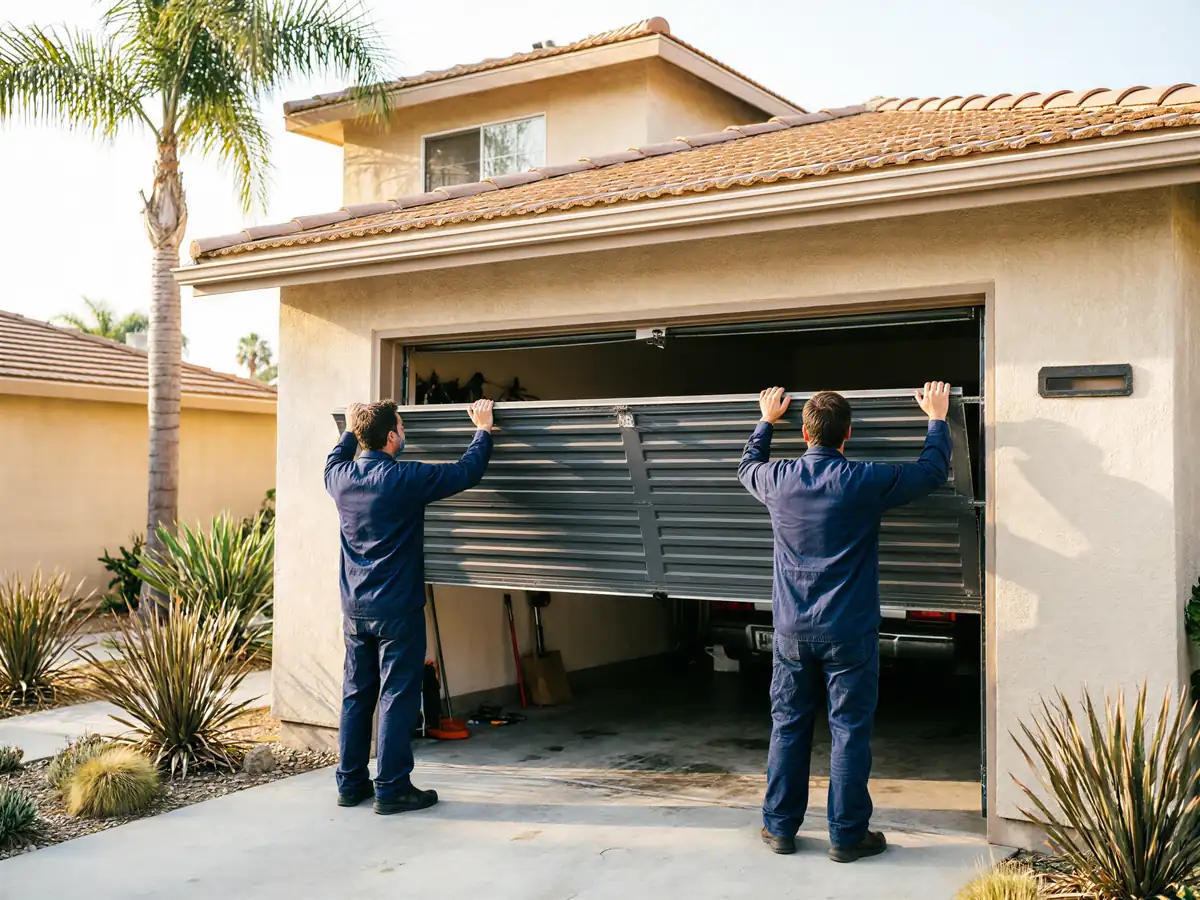
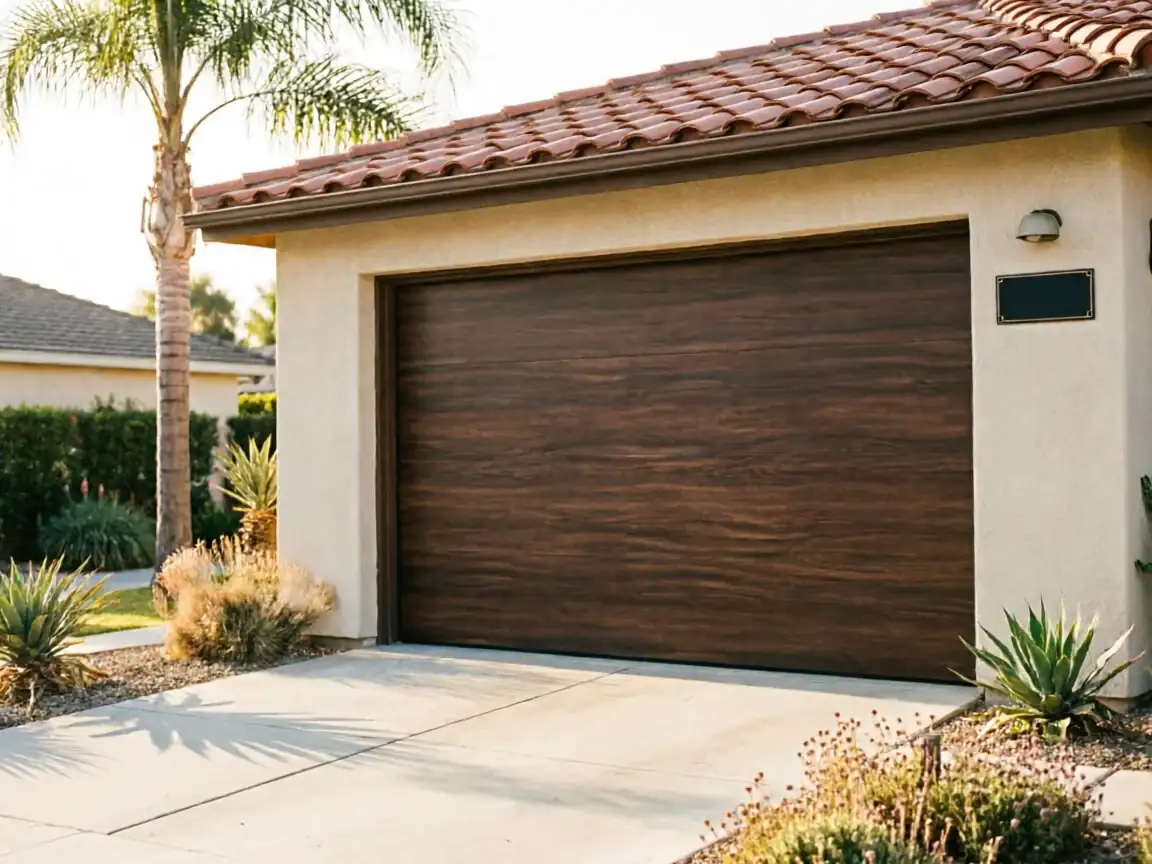
Most of the Pomona-area service territory sits on a median build year of 1965, but Diamond Bar skews newer - typical construction here dates to 1979. That gap matters more than it sounds. Houses built in the mid-60s often still carried older extension-spring setups bolted to the side rails, the kind that need a safety cable to keep a broken spring from becoming a projectile. By 1979, torsion springs mounted on a shaft above the door opening had become standard in new construction across Southern California, especially on the heavier sectional doors that went up on garages this size. So when a Diamond Bar homeowner calls about a door that won't budge, or a spring hanging in two pieces above the opening, the fix usually involves a torsion spring sized for a door and header built a decade or more after what you'd find on the Pomona side of the territory. We come out from our Pomona shop, about 5 miles away, and the first thing we check is whether the hardware matches what a late-70s build should have - sometimes an earlier remodel swapped in parts that don't.
How to Book
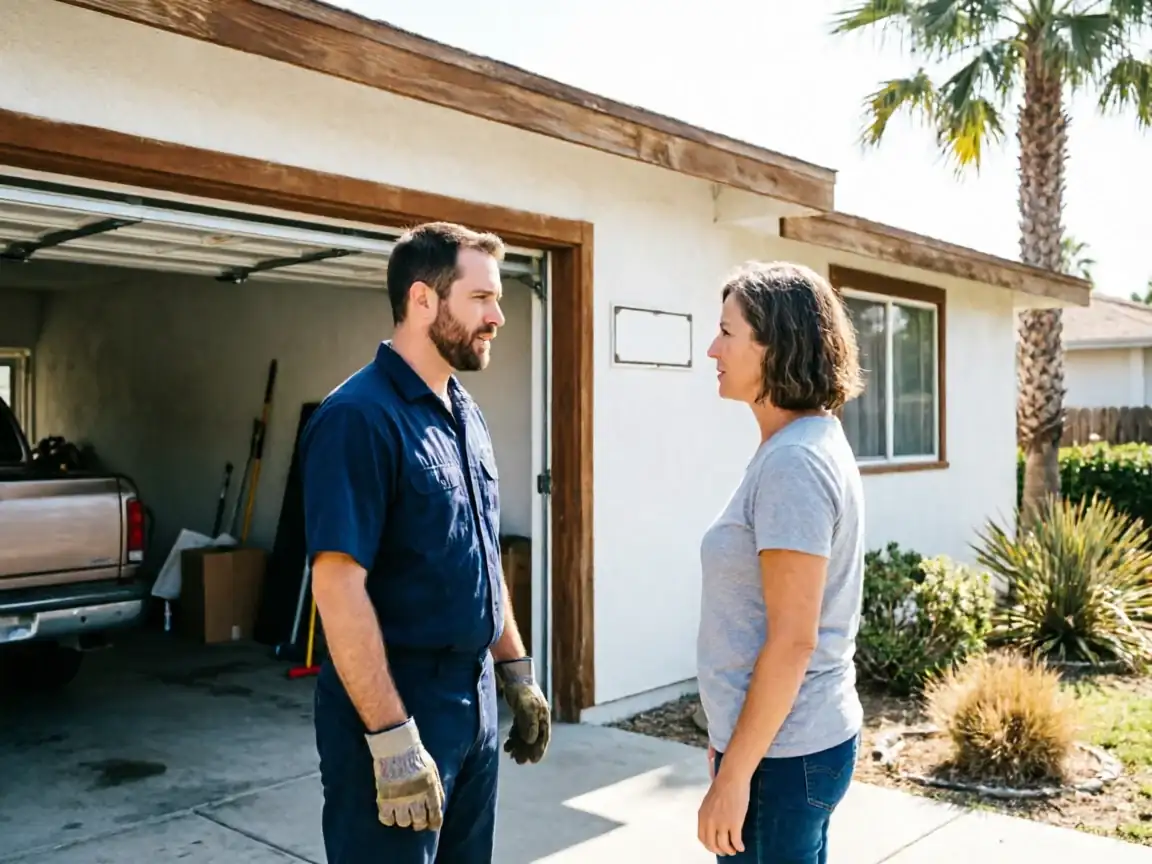
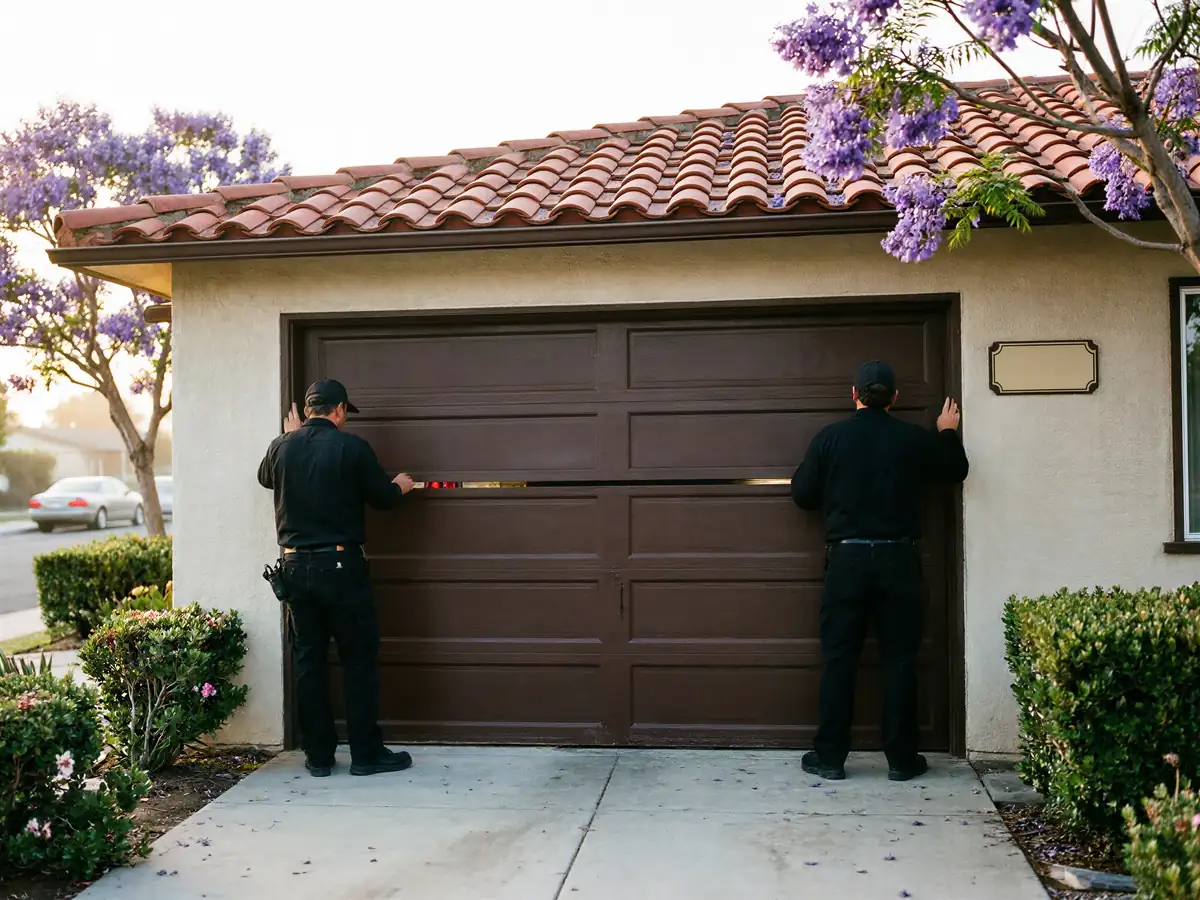
We run this job out of Pomona and drive in to Diamond Bar for the call - there's no separate branch or drop-off point here, just a truck that comes to your driveway. Tell us the door size, whether it's a single or double, and whether the spring broke on one side or both; on a double torsion door, both springs usually need replacing together even if only one let go, since the other is on the same clock of wear. You can also browse what we cover nearby at /near/diamond-bar/, or compare this against the Pomona-specific page at /garage-door-spring-repair-pomona-ca if you want to see how the two differ.
What the Repair Takes
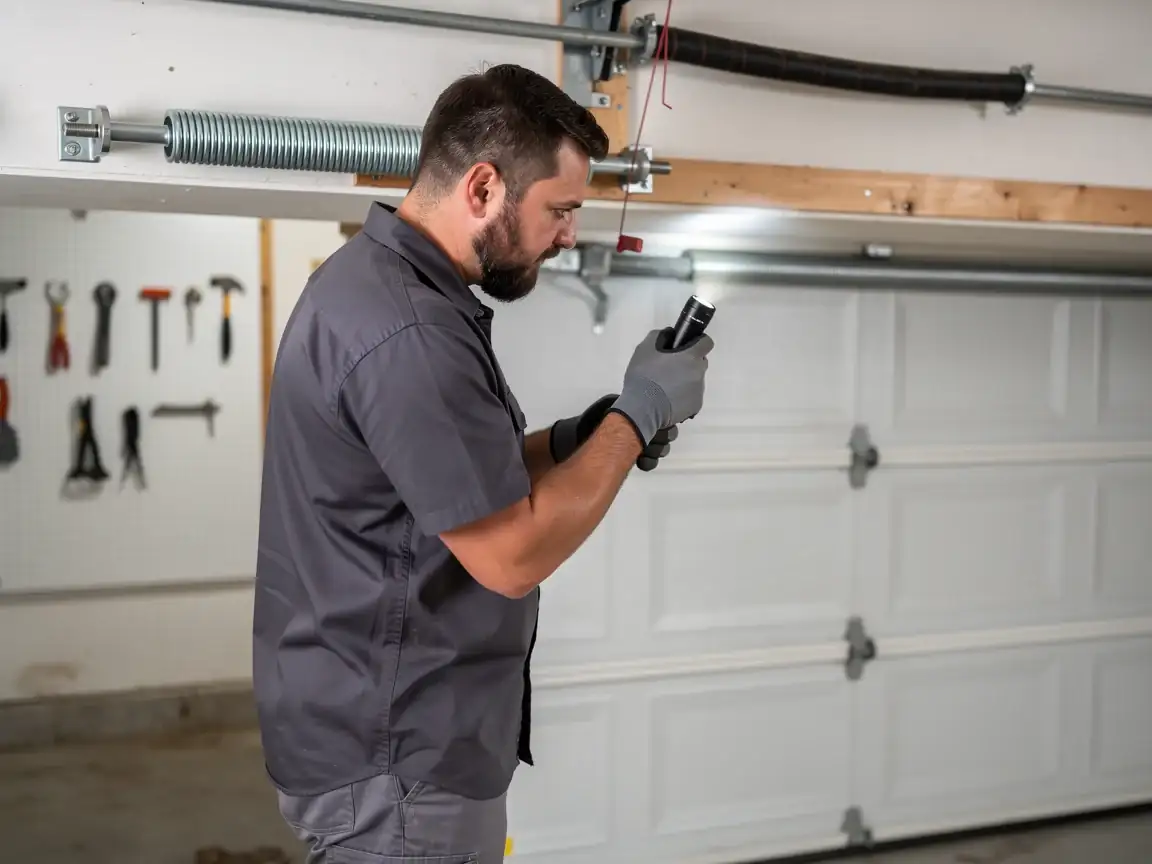
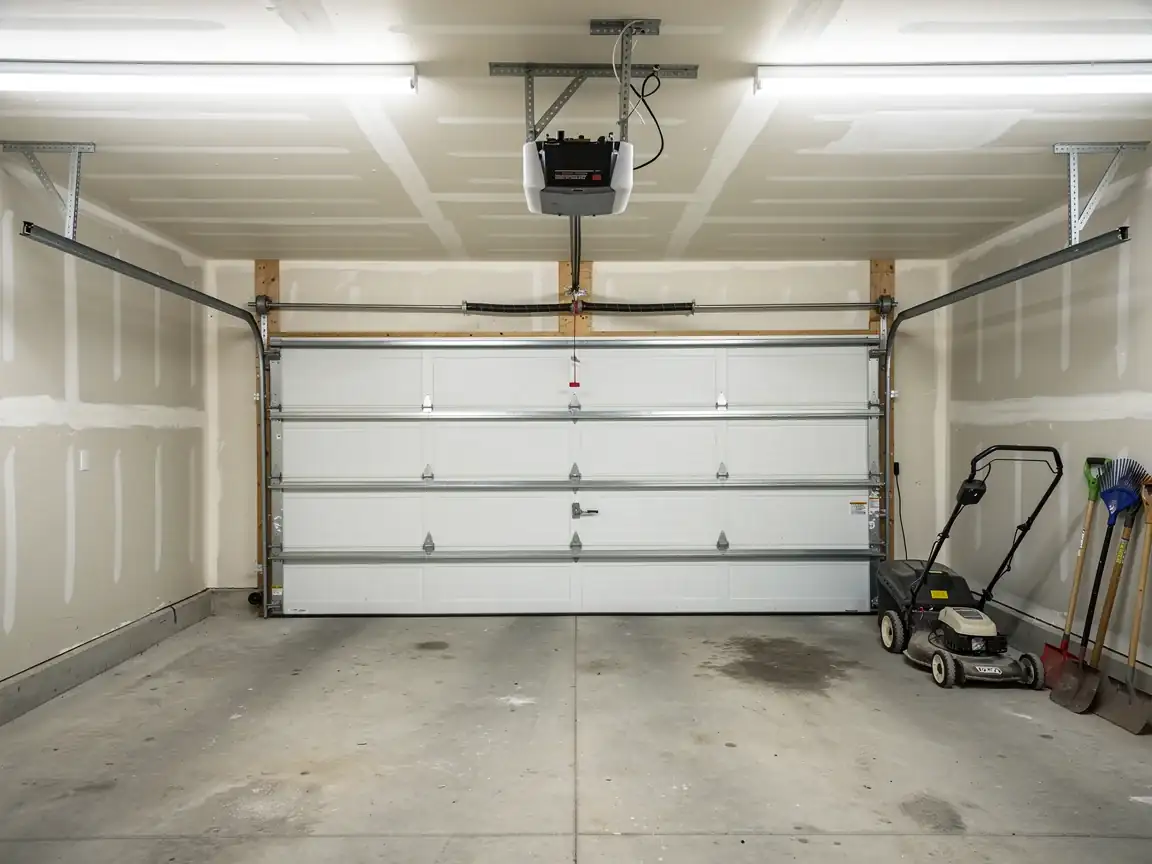
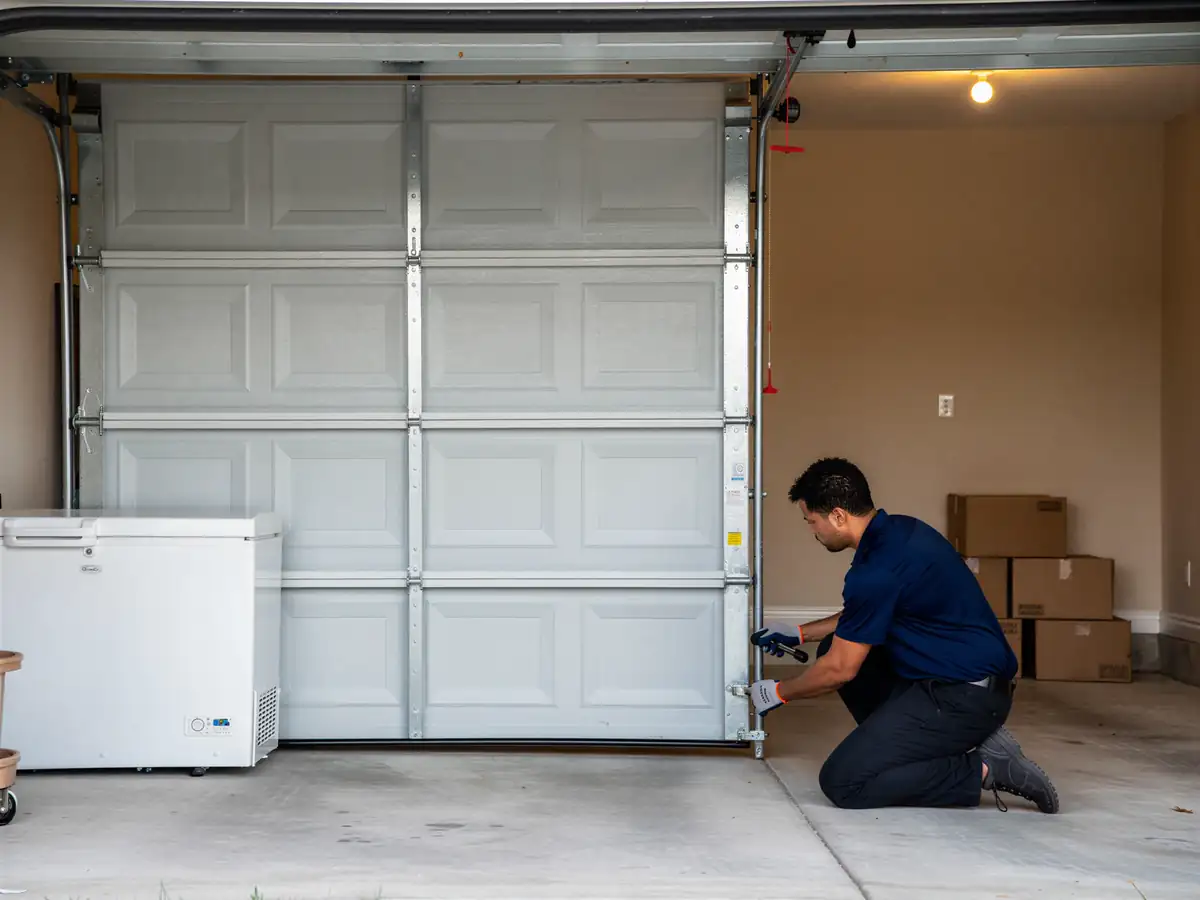
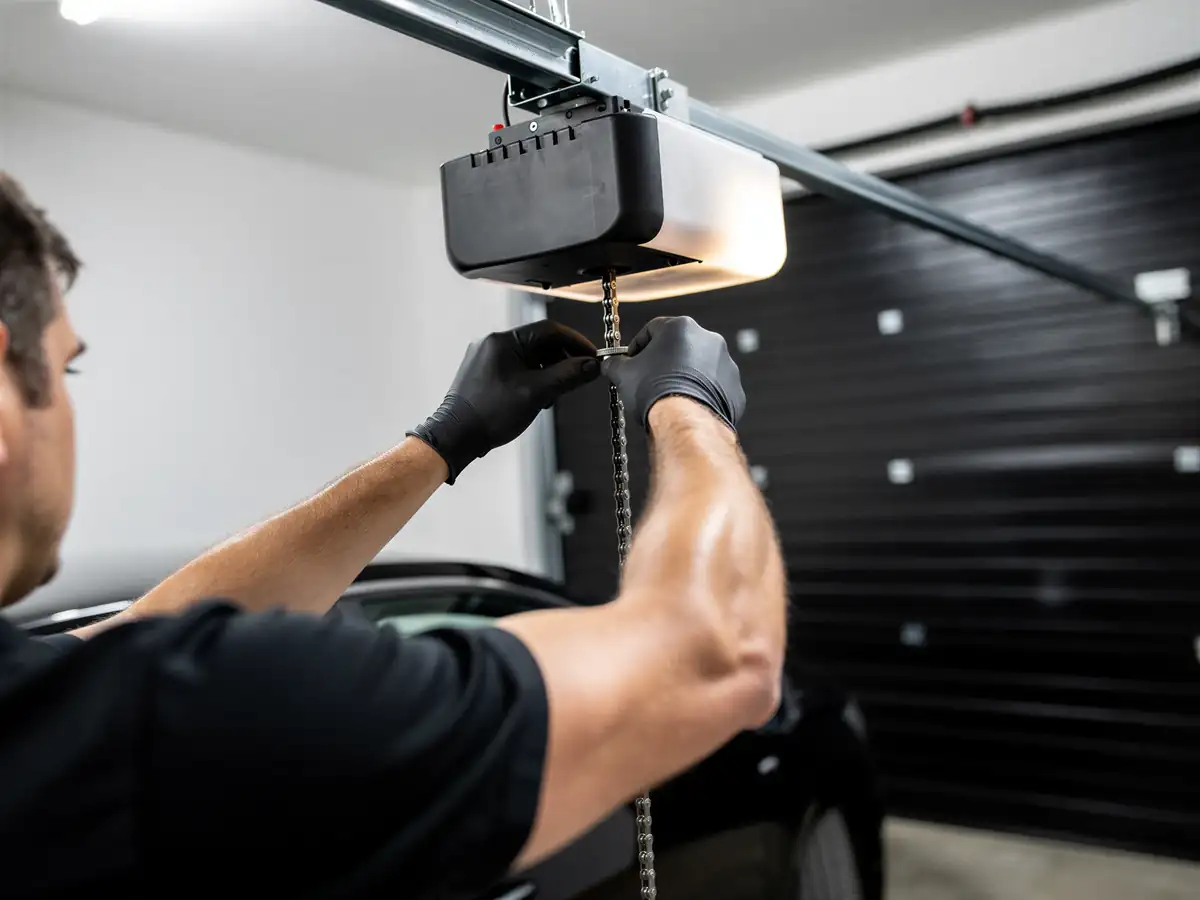
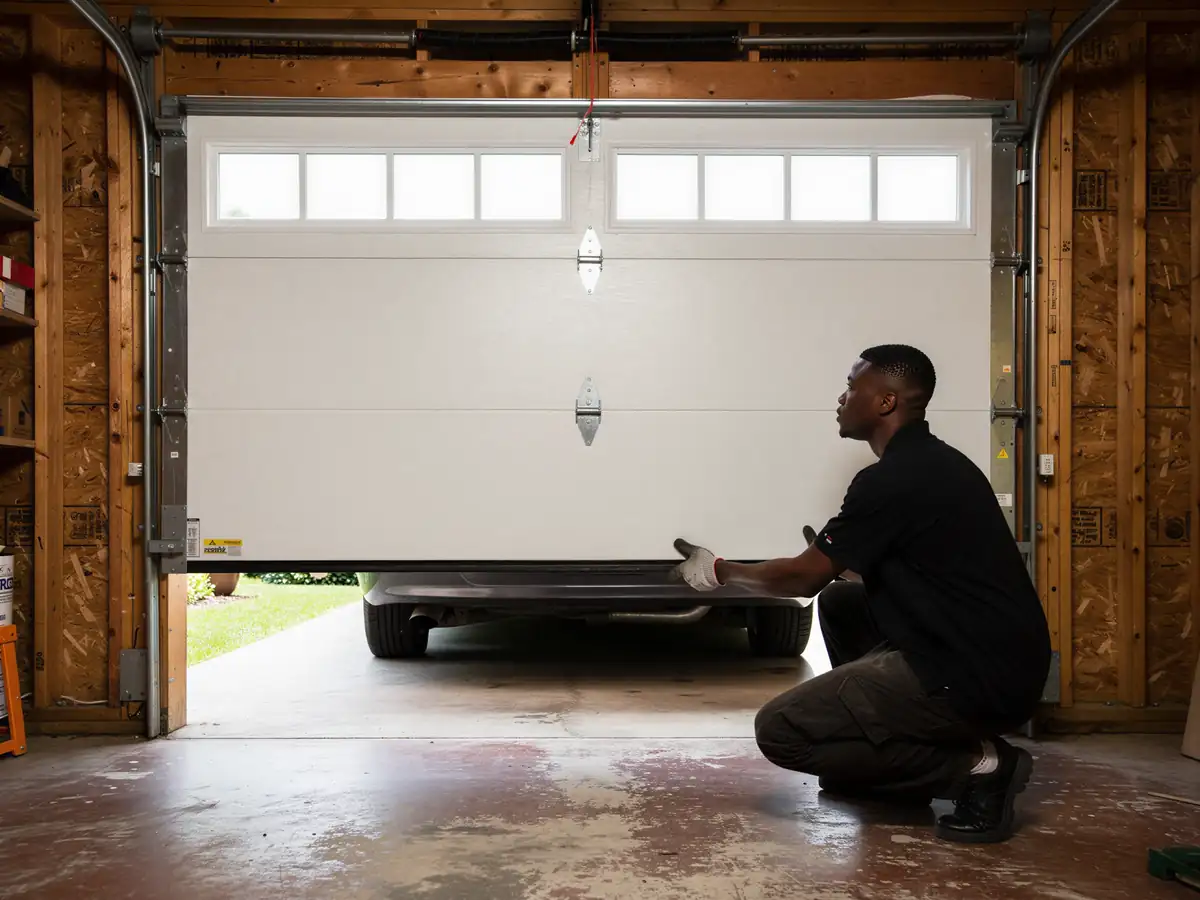
On a 1979-era sectional door, we're almost always dealing with torsion springs on a center shaft rather than side-mounted extension springs, which simplifies the job but raises the stakes if the wind count is wrong. We measure the wire gauge, the inside diameter, and the length of the existing spring, then cross-check that against the door's weight - a steel sectional door from this period usually runs heavier than the aluminum doors built before it, so the spring has to be rated for that load, not just the hole it fits into. We replace cables and end bearing plates if they're worn, since a new spring on an old bearing plate just transfers the failure point. Household income in this corner of the service area runs higher than the territory average - $106,602 against a service-area median of $102,449 - and we see more owners opt for upgraded, higher-cycle springs rated for 15,000-20,000 cycles instead of the standard 10,000, since the cost difference is small relative to not doing this again in five years.
What Can Go Wrong
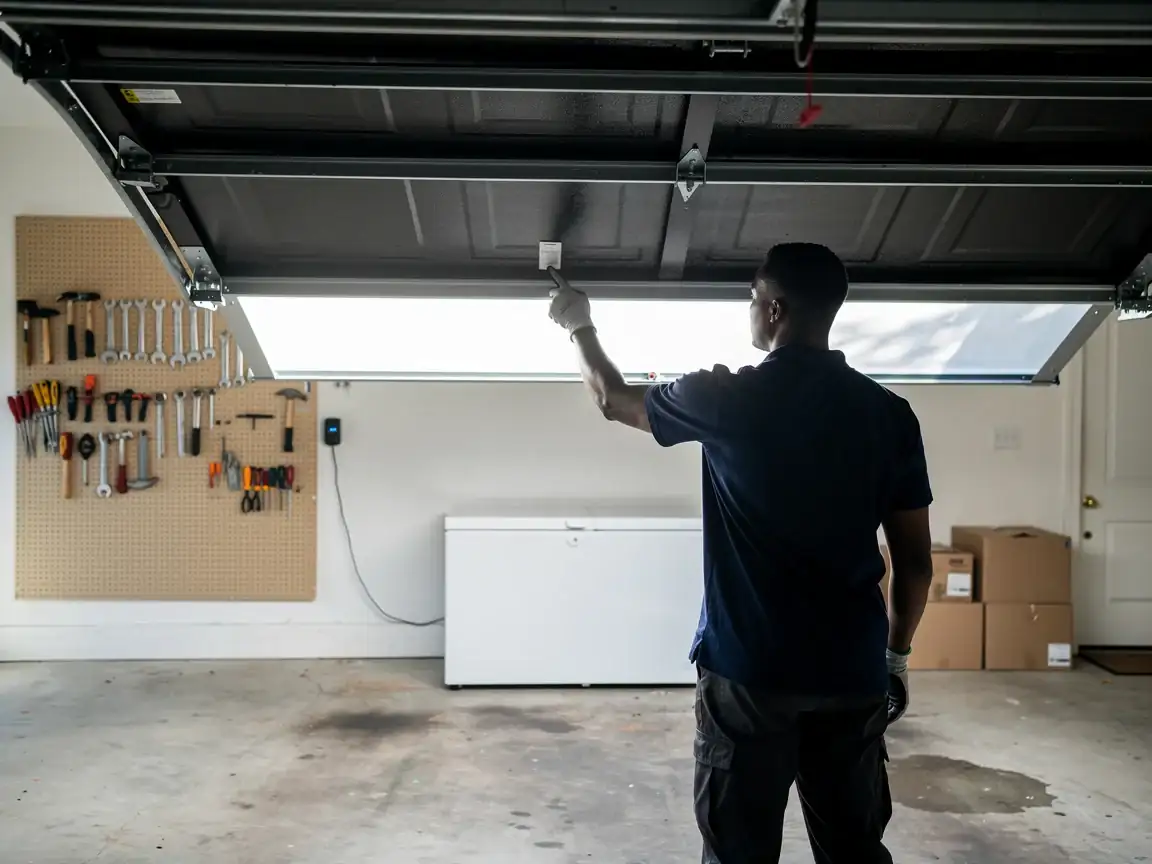
The HEAT band covers this whole service territory, Diamond Bar included, and heat doesn't break springs the way cold does in other climates - steel doesn't go brittle here. What it does is bake the lubricant out of the coils faster, so a spring that's never been oiled runs dry and fatigues sooner than its rated cycle count. We also find that garages converted for extra storage or a workshop get opened and closed more times a day than the spring was sized for, which shortens its working life regardless of the weather. On the torsion side specifically, a bent shaft or a cable that's jumped the drum can look like a spring failure but isn't - those get fixed differently and for less. We check for that before we quote a spring replacement, because replacing a spring that wasn't the actual problem means the door comes back broken within weeks.