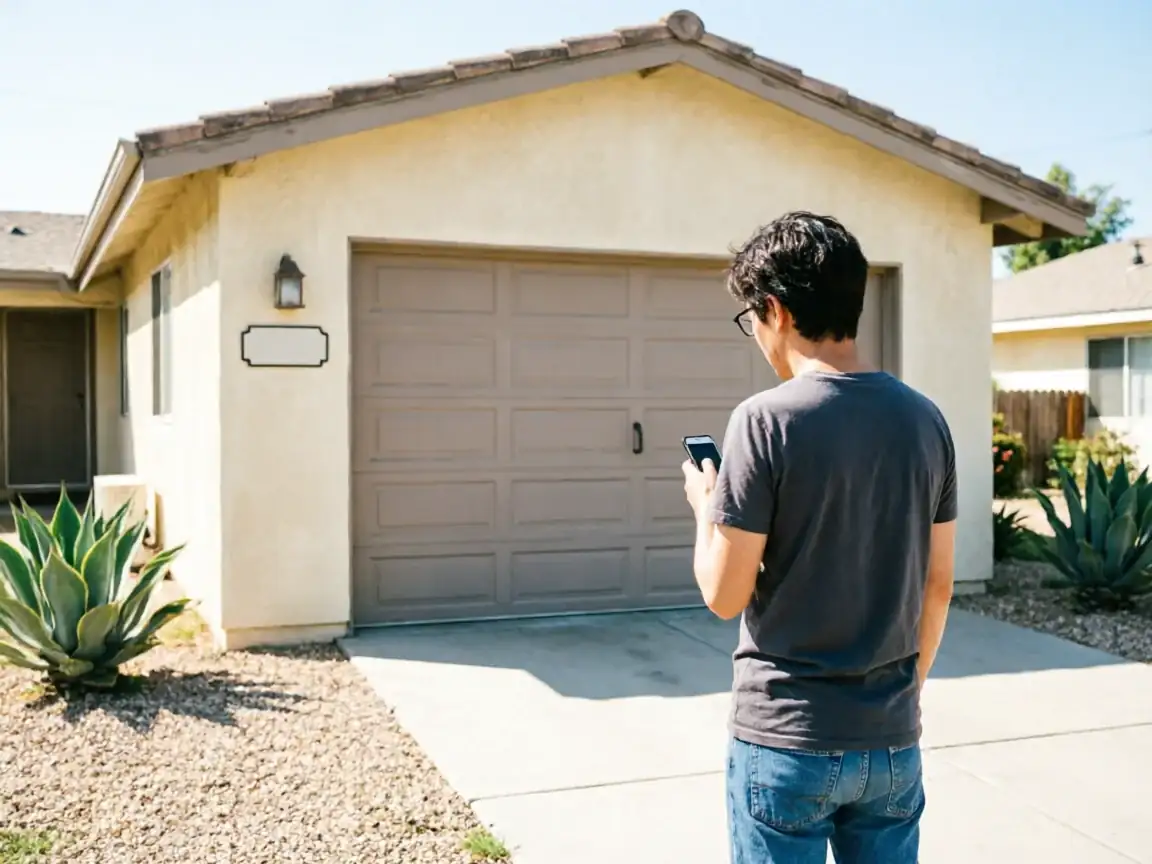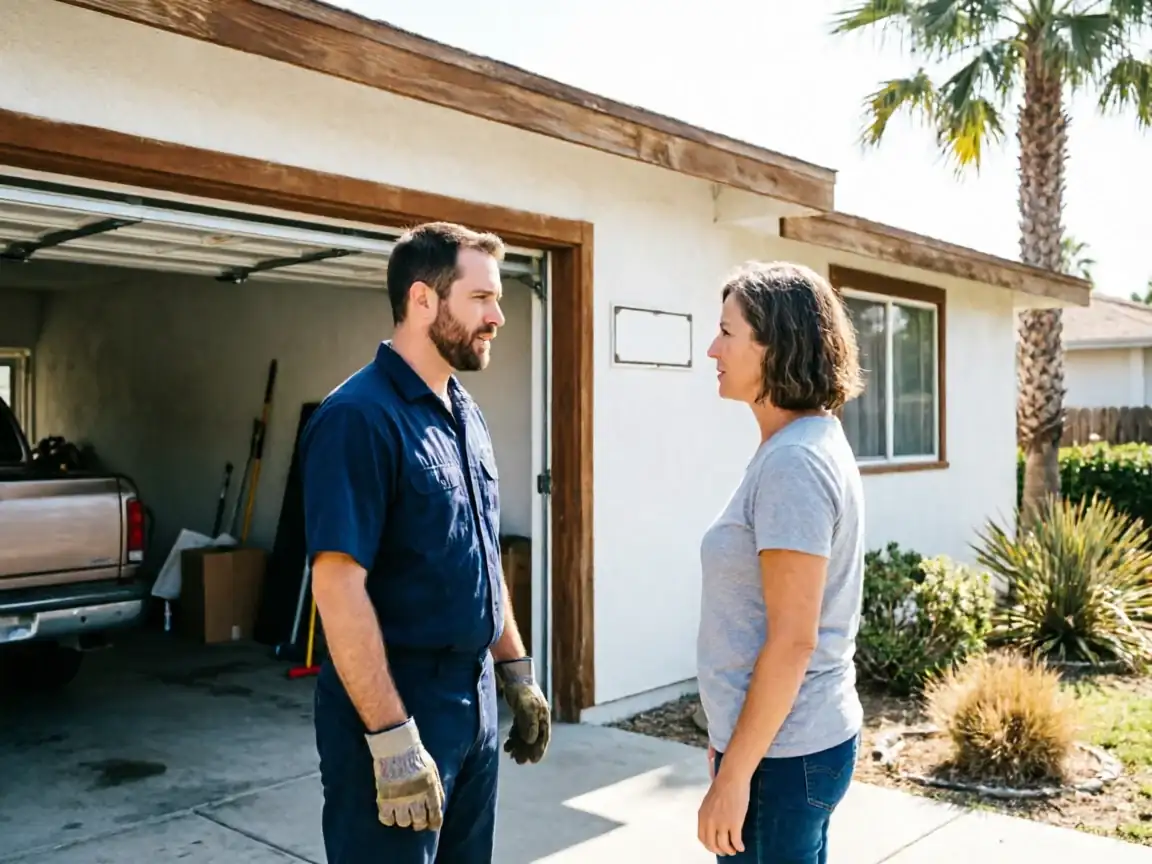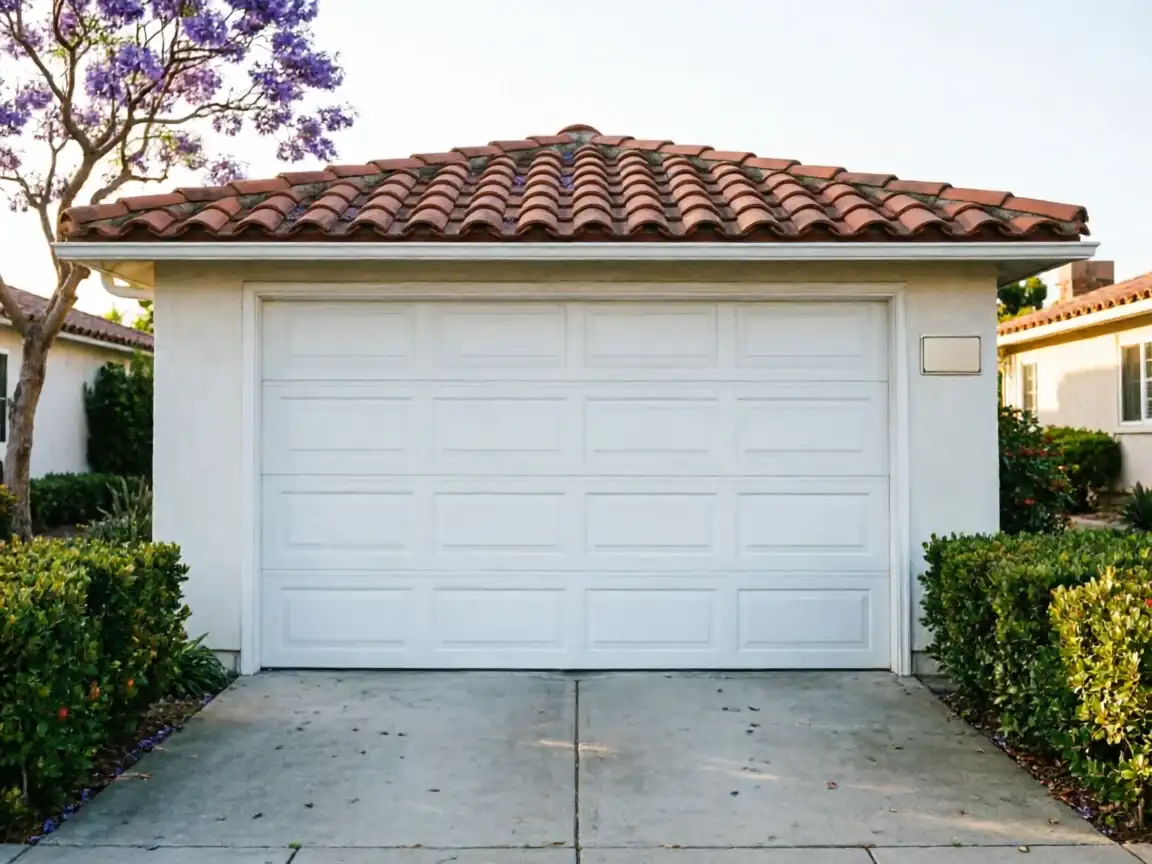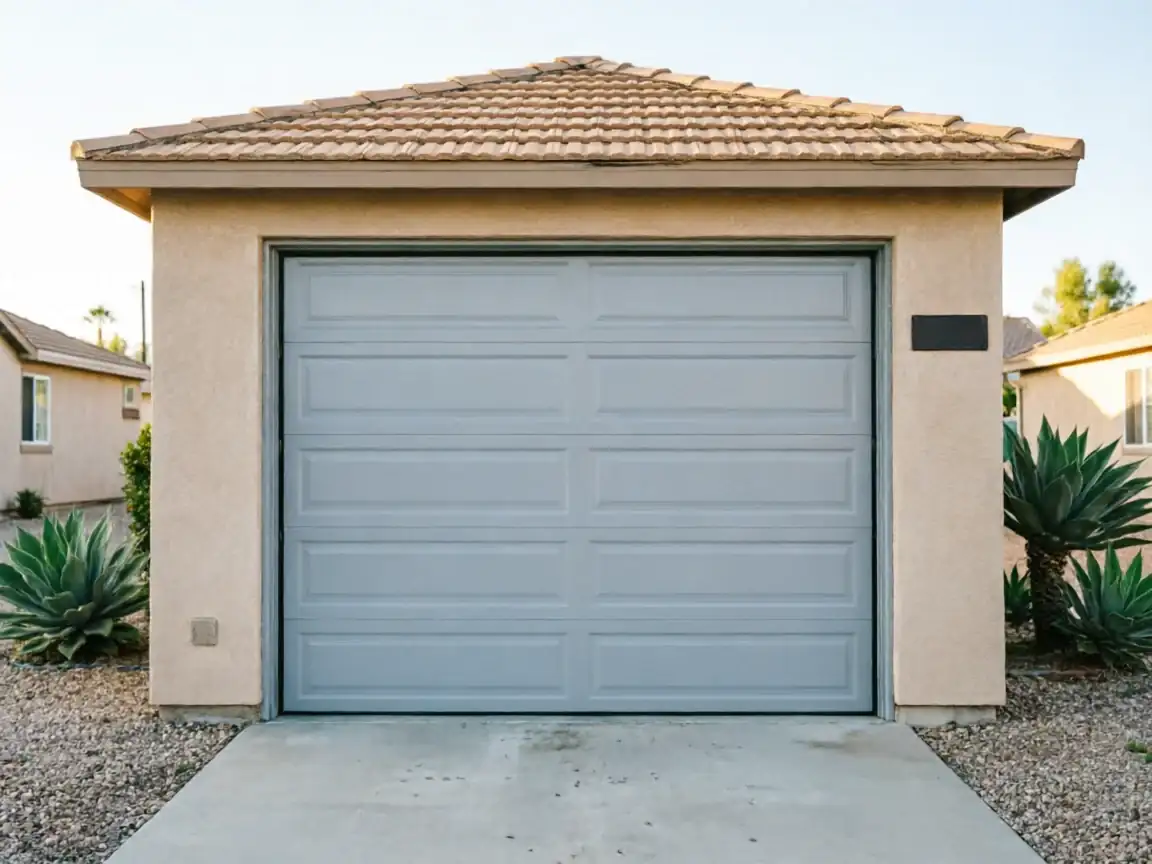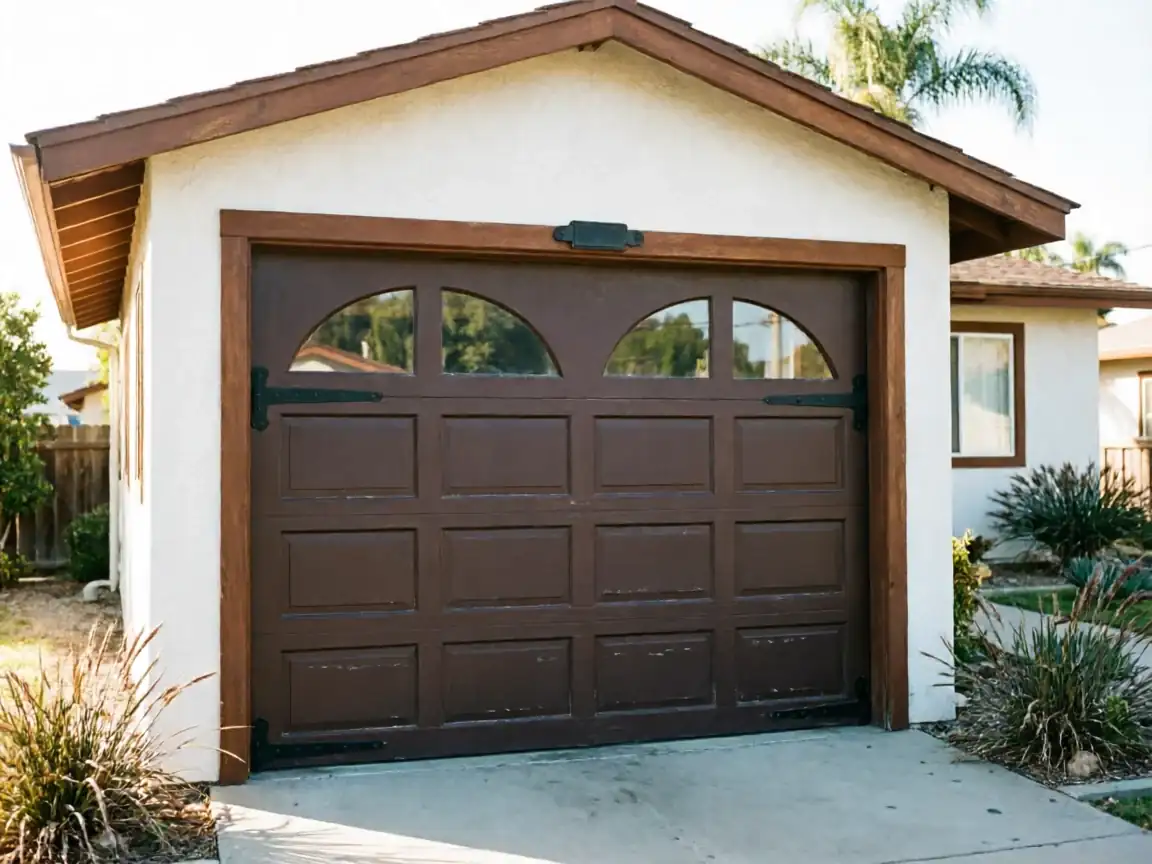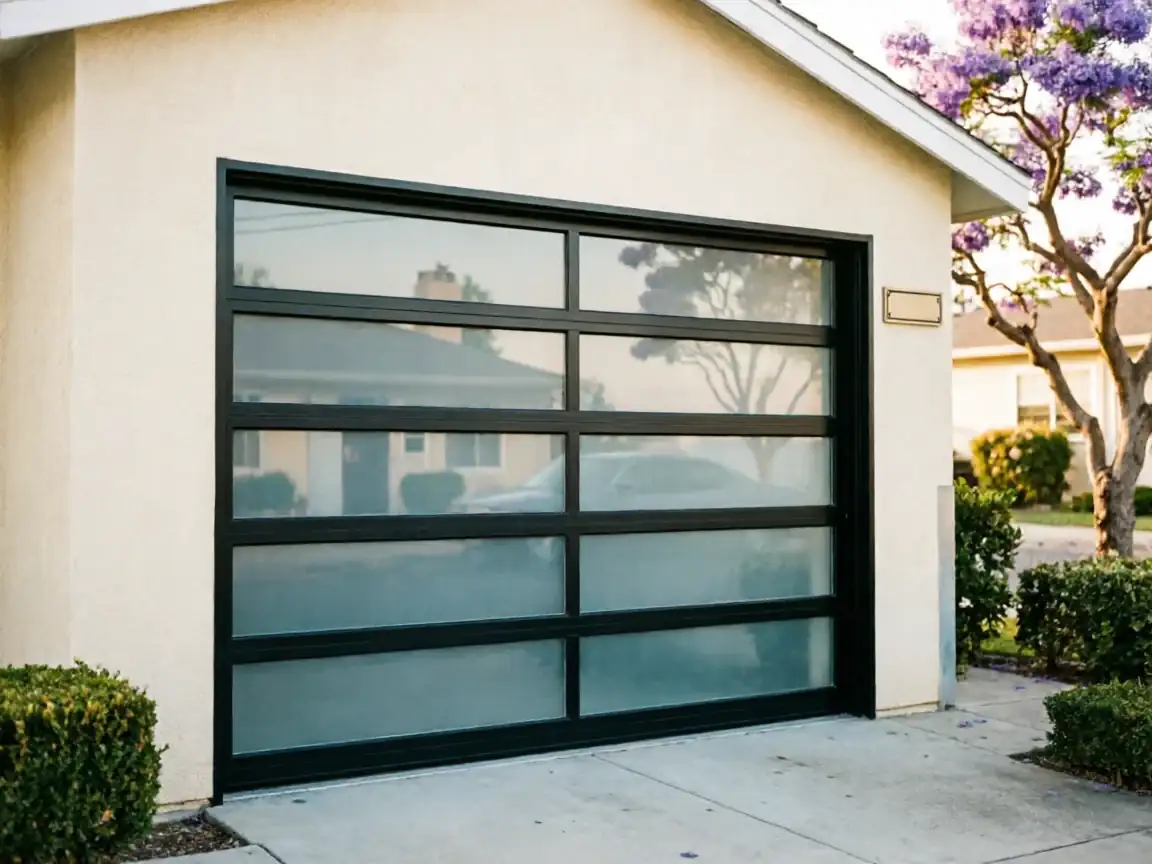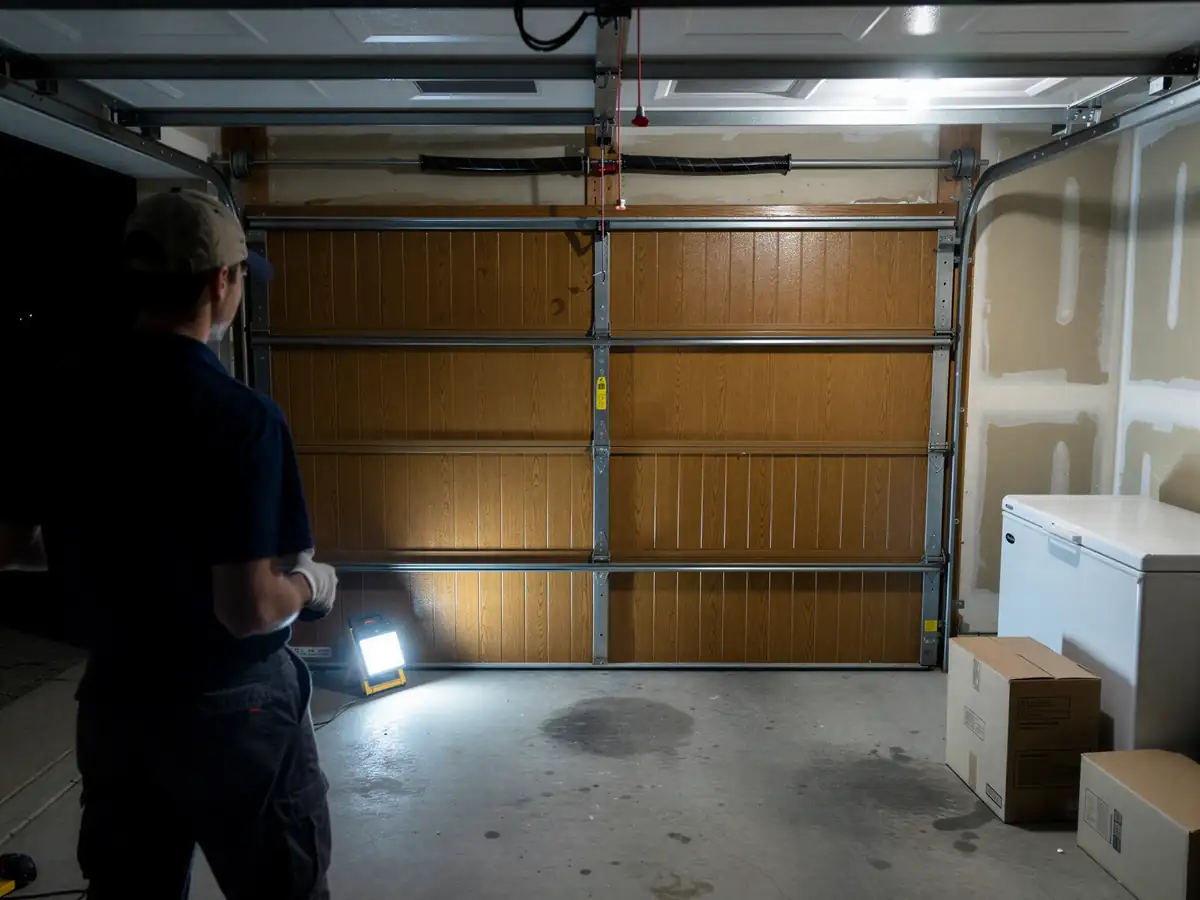
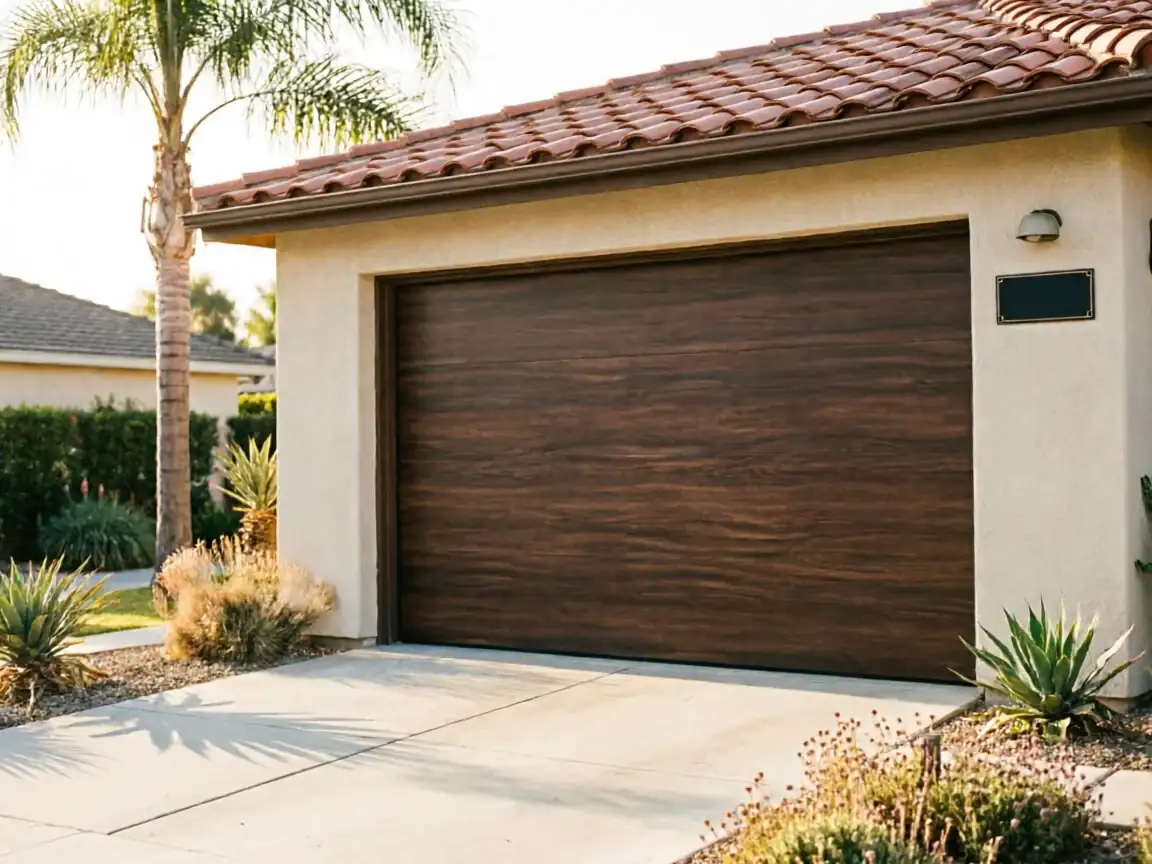
What You Are Seeing
Claremont's median household income runs $122,127, well above the $102,449 average across the wider Pomona service area we cover. That number matters more than it sounds like it should, because it changes the math on every repair call. At this income level, a lot of Claremont owners skip the patch-job and go straight to a full opener or door replacement once a part fails, rather than nursing a twenty-year-old unit along for another winter. We still see plenty of straight repairs too - a cracked bottom panel, a cable that jumped the drum - but the decision point sits differently here than it does in older, lower-income pockets of the service area.
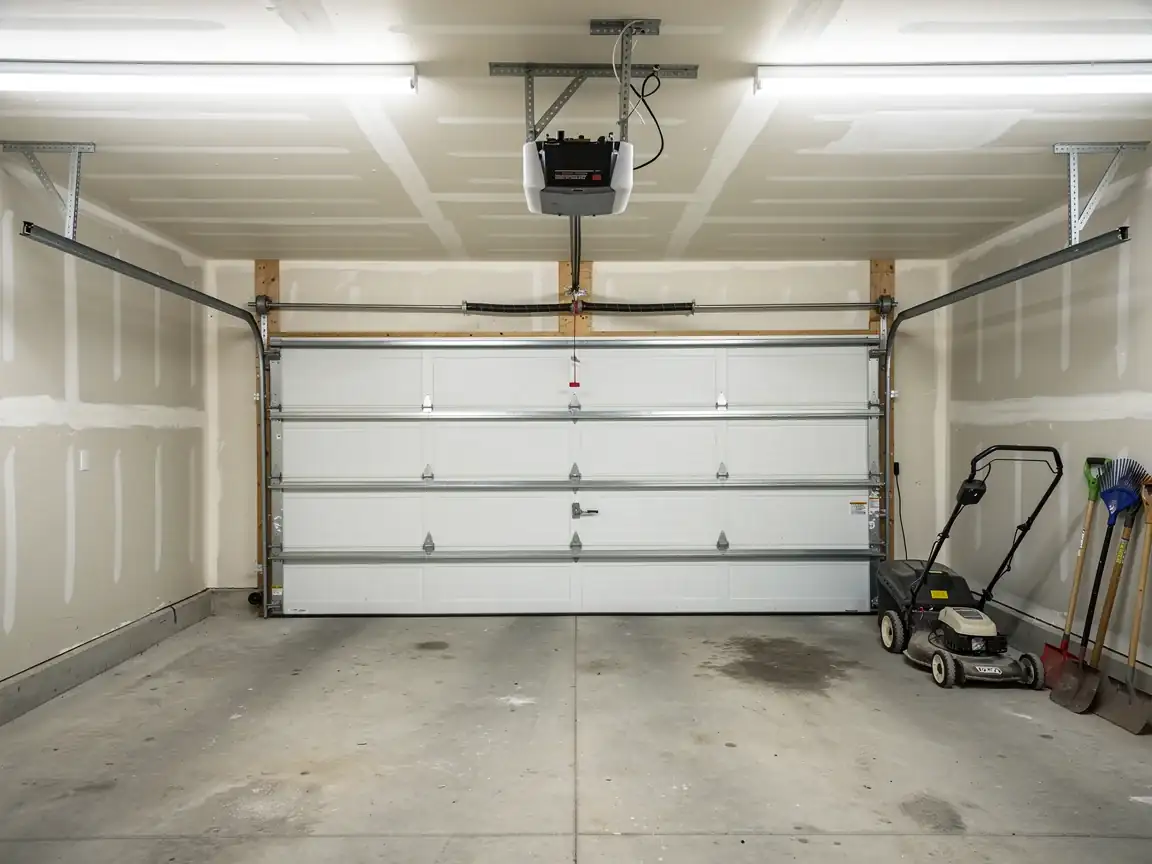
The housing itself backs this up. Claremont's median year built is 1966, which lines up with the broader area's 1951-2007 range and its 1965 median, but Claremont sits right at that midpoint rather than skewing older or newer. That means original torsion springs on steel track, single-layer doors with no insulation, and openers that have been swapped once or twice since the house was built. The fix usually isn't exotic. It's a known hardware generation, and we carry parts for it.
Time on the Job
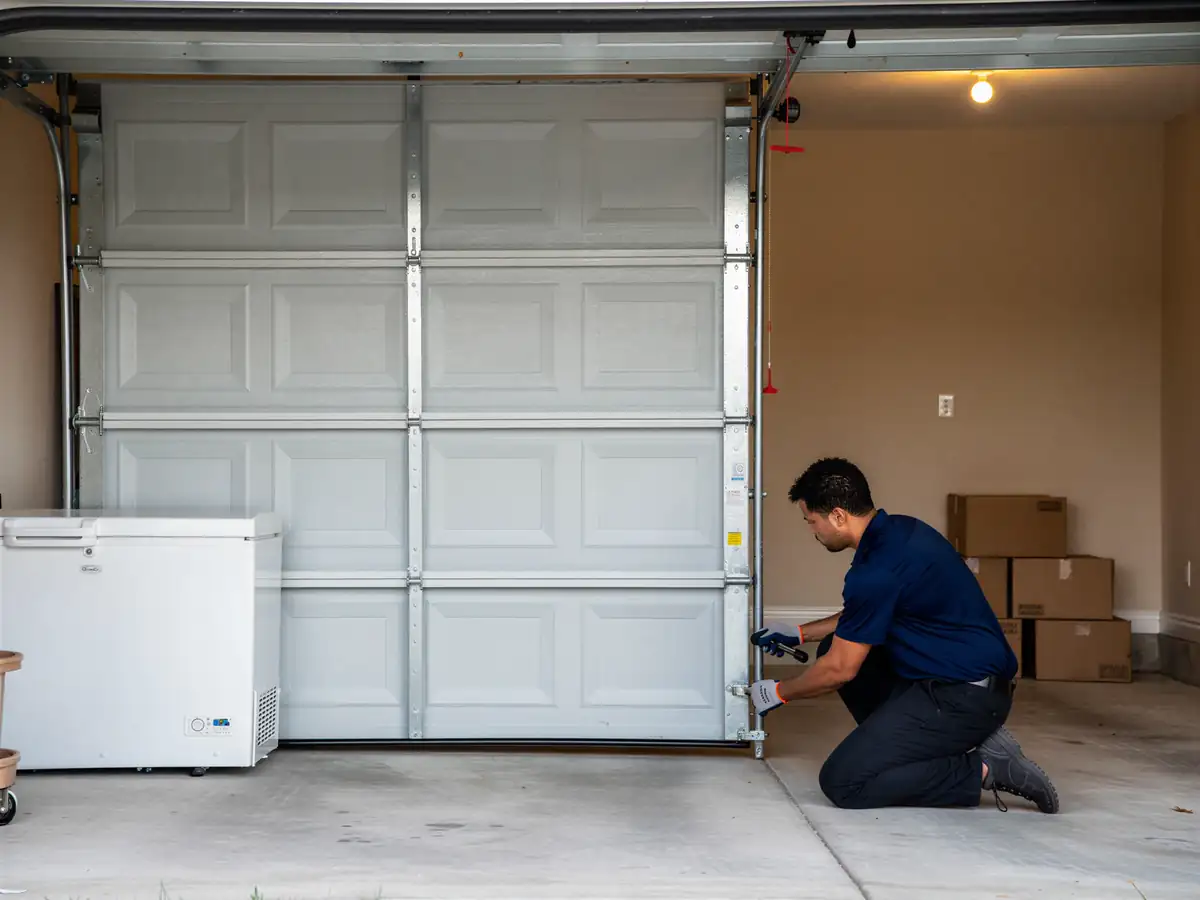
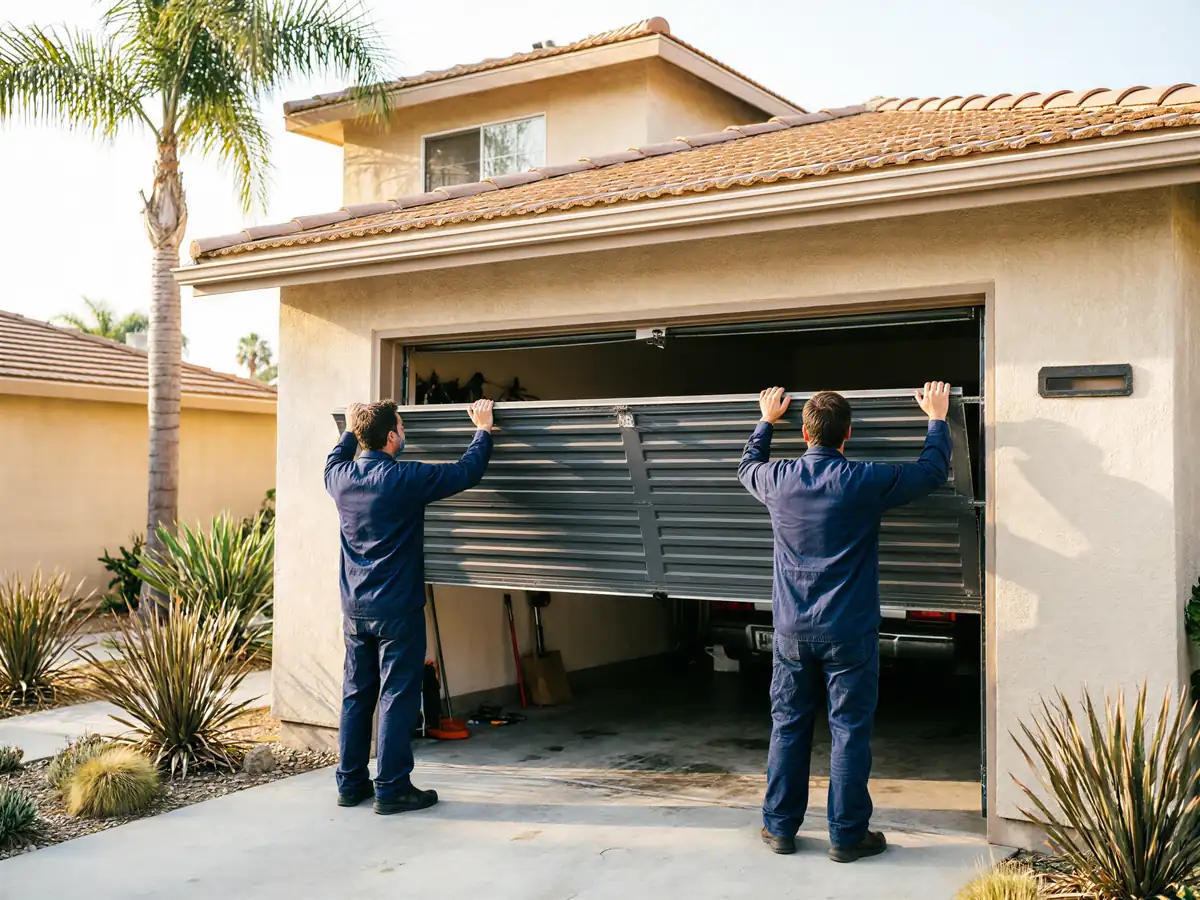
We run out of Pomona, about 5 miles from most Claremont addresses, so travel time is short and doesn't eat into the appointment window the way it might on a longer run. Once the truck's in the driveway, a spring swap or cable replacement on a standard single door is usually finished within the same visit - we don't carry those jobs over to a second trip unless we hit something underneath the surface, like a bent track that needs more than a quick straighten.
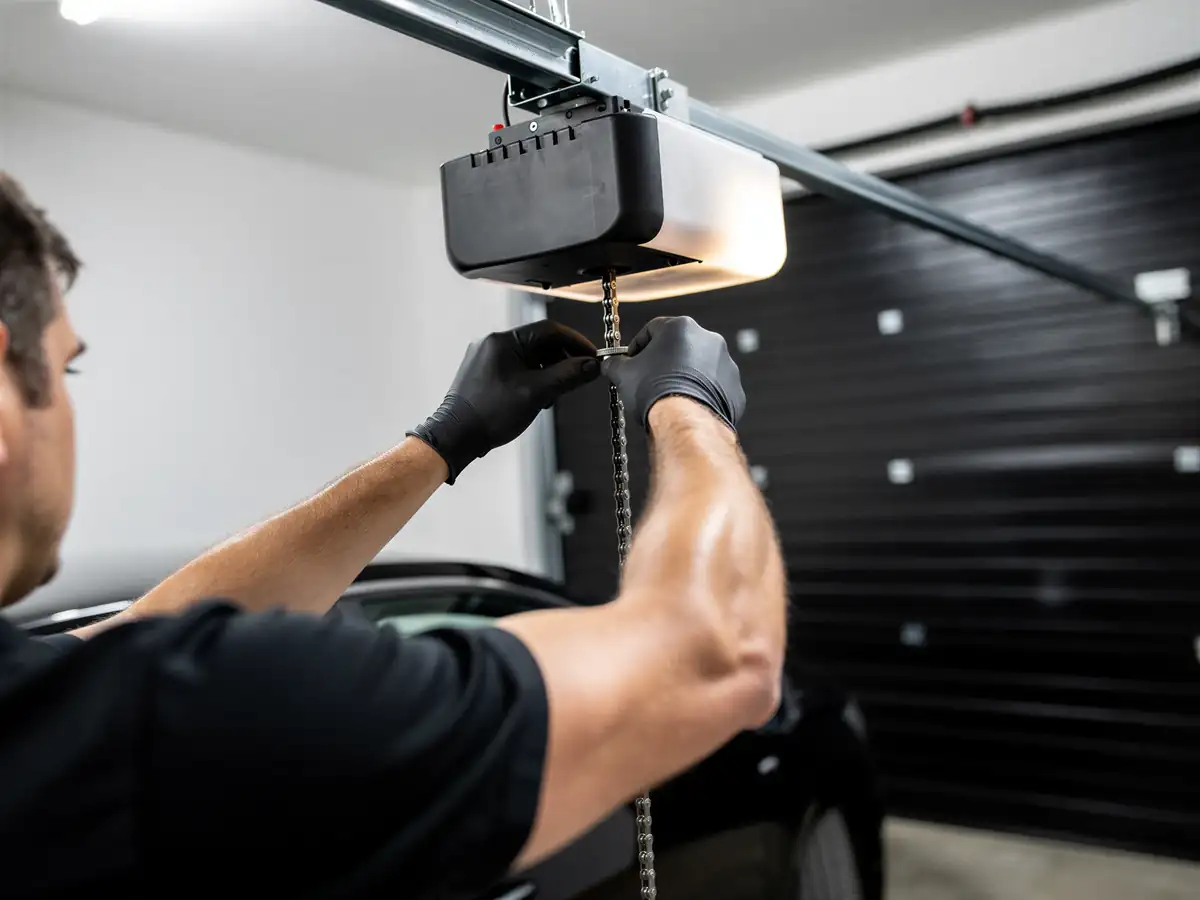
Opener work takes a bit longer if the unit is original to a 1960s build, since the wiring and wall control often need updating to match a modern head unit. We budget extra time for that rather than rushing it, because a rewired opener done fast is a callback waiting to happen.
What Is on the Truck
For a service area with housing concentrated in the 1960s-70s era
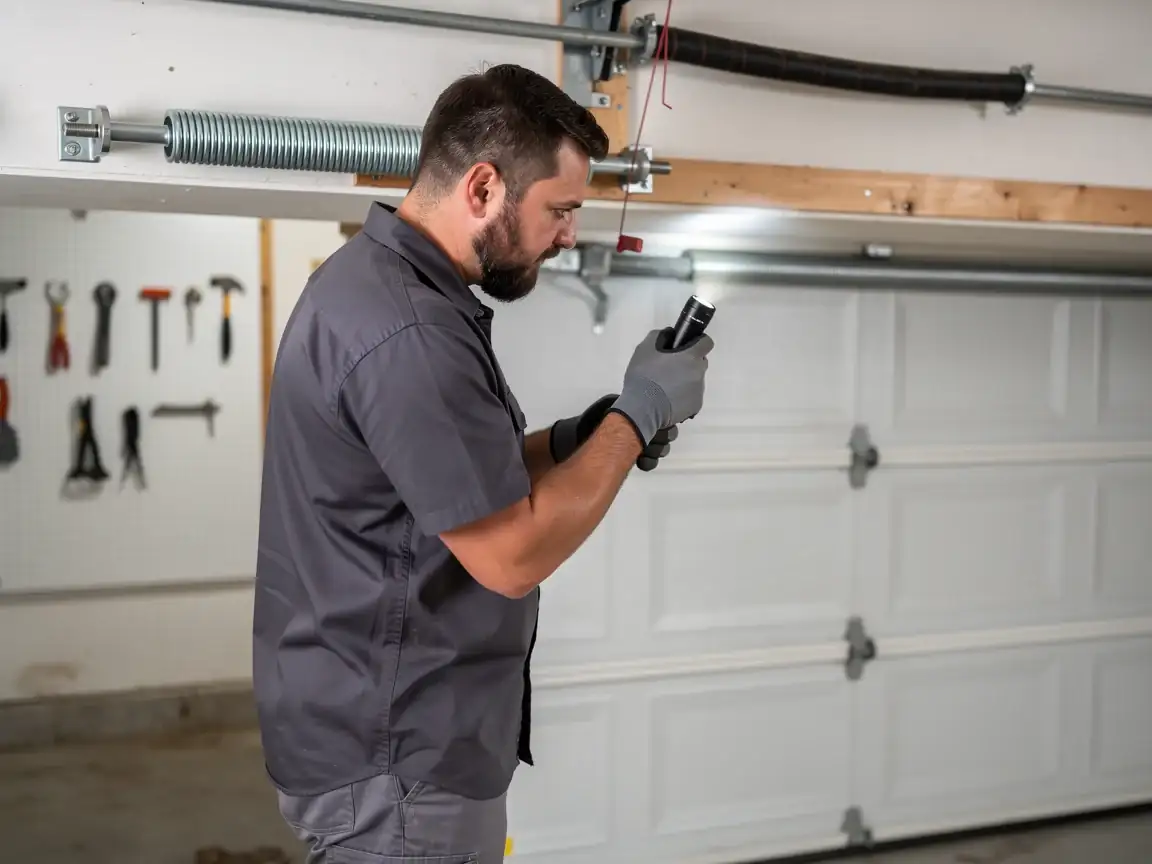
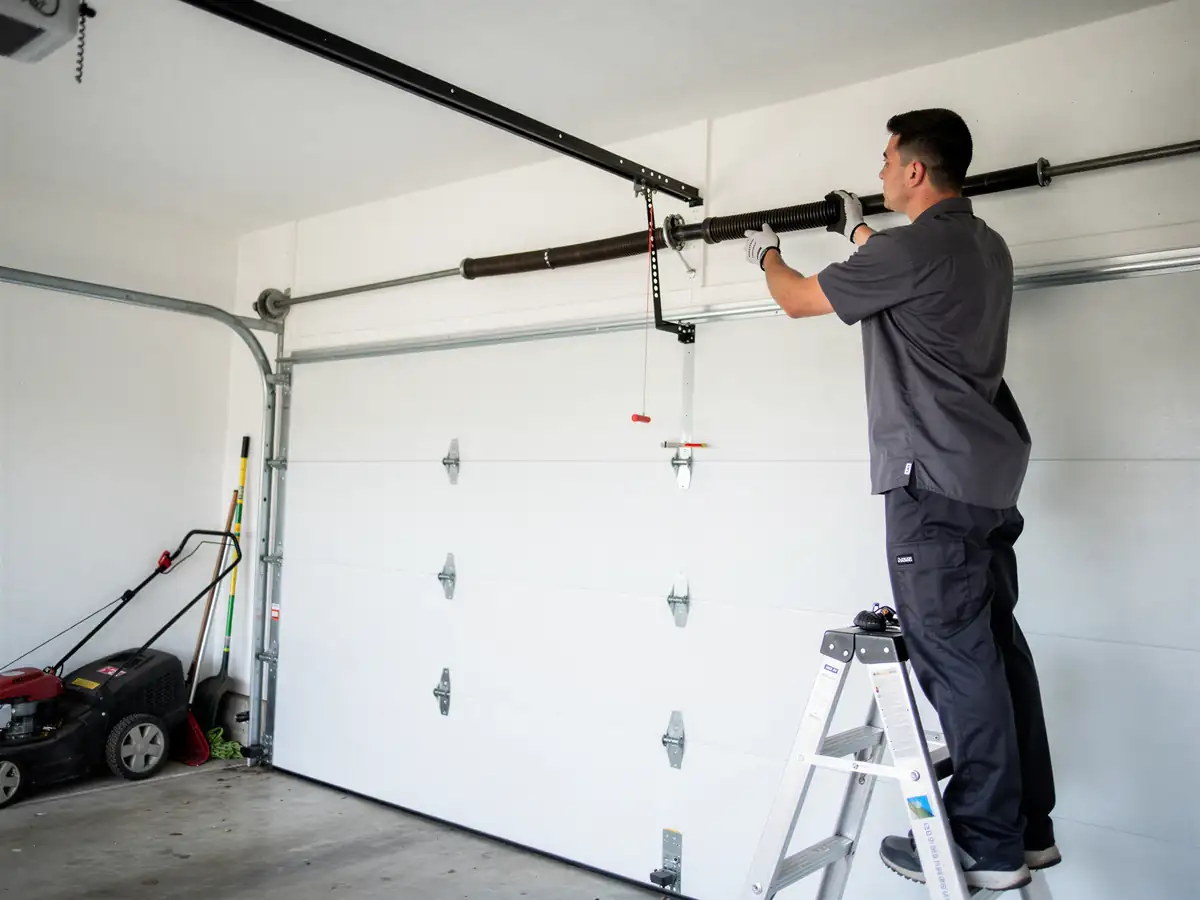
We stock torsion springs sized for that generation of door, standard-width tracks, and the rollers and cables that wear out fastest on doors that have been opened and closed for five or six decades of daily use. We don't stock every custom panel size on the truck - a non-standard width or a discontinued insulated panel sometimes means ordering in, and we'll tell you that up front rather than pretending we can swap it same-day.
The climate here is on the moderate end of the heat band for this region
So we're not loading the truck for extreme cold-weather lubricant issues the way a crew in a harsher climate zone would. That keeps the standard kit lighter and the common jobs quicker to close out.
The DIY Question
A torsion spring under tension is not a weekend project, full stop - that's true in any town, but it's worth saying plainly before the next paragraph gets specific. On a 1960s-era door with original hardware, the spring sizing and drum setup often don't match what's printed on a generic online guide, because the hardware generation predates a lot of the standardized parts sold today.
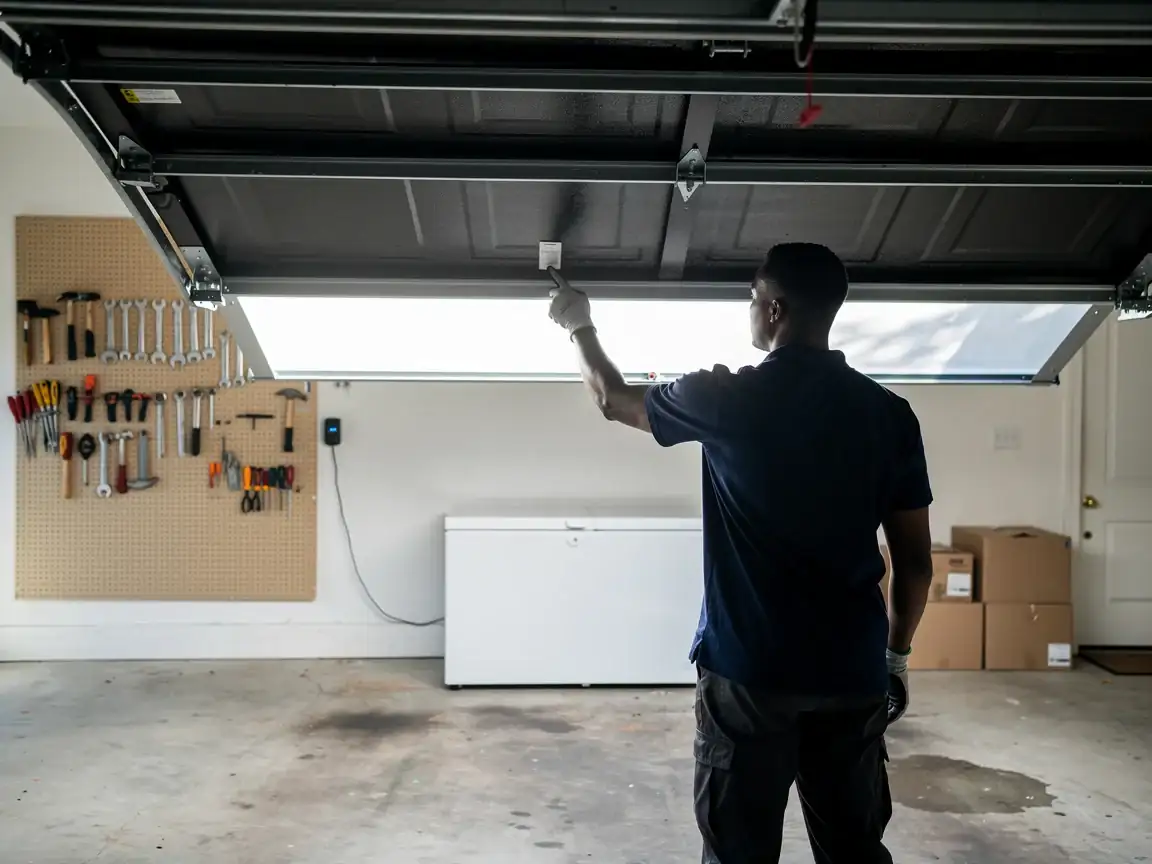
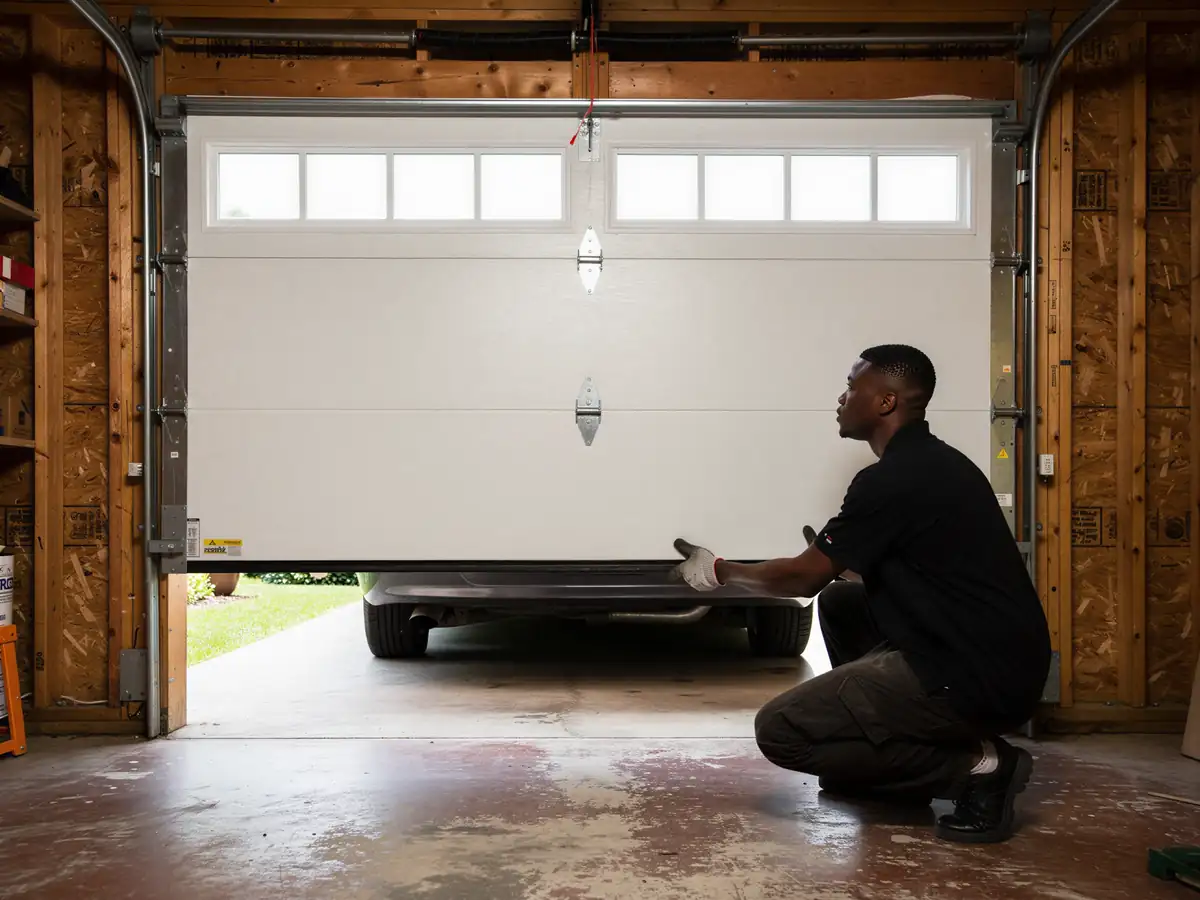
What you can safely check yourself: the photo-eye sensors near the floor, the track bolts for looseness, and whether the door is balanced (it should hold steady about halfway open, unsupported). If it drops or shoots up, the spring tension is off and that's a call, not a DIY fix.
The Cost of This Job
We don't publish flat prices here because the job varies with door width, spring count, and whether the opener needs replacing alongside the door hardware. What we can say is how the decision tends to land in Claremont specifically: given the median income of $122,127, a meaningful share of calls end in a full door or opener replacement rather than a patch repair, especially once a homeowner is looking at a second or third repair on the same original-era hardware.
That's not a sales pitch - plenty of repairs are the right call and we'll say so on the visit. But if a 1966-era door has a worn bottom panel, a tired spring, and an opener original to the house, the repeat-repair math stops making sense fairly quickly at this income level, and most of our Claremont customers land on replacement when we lay out both numbers.