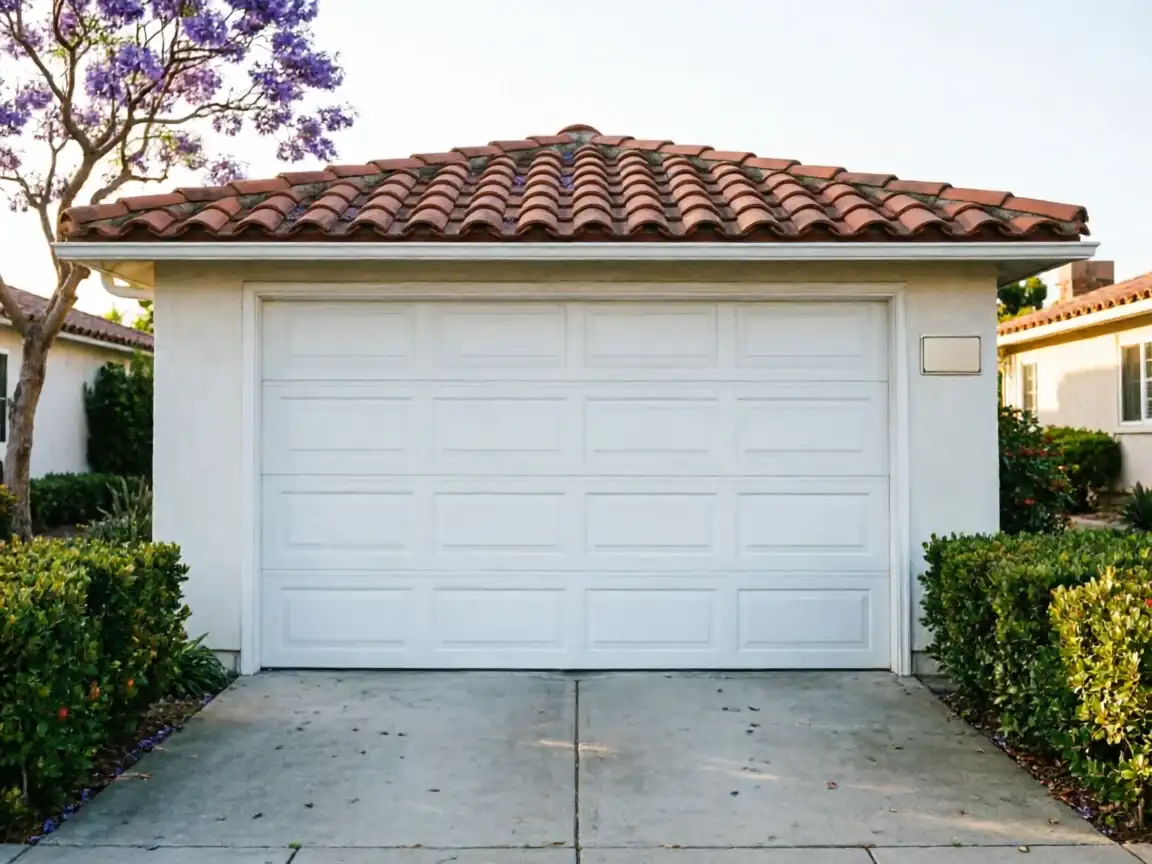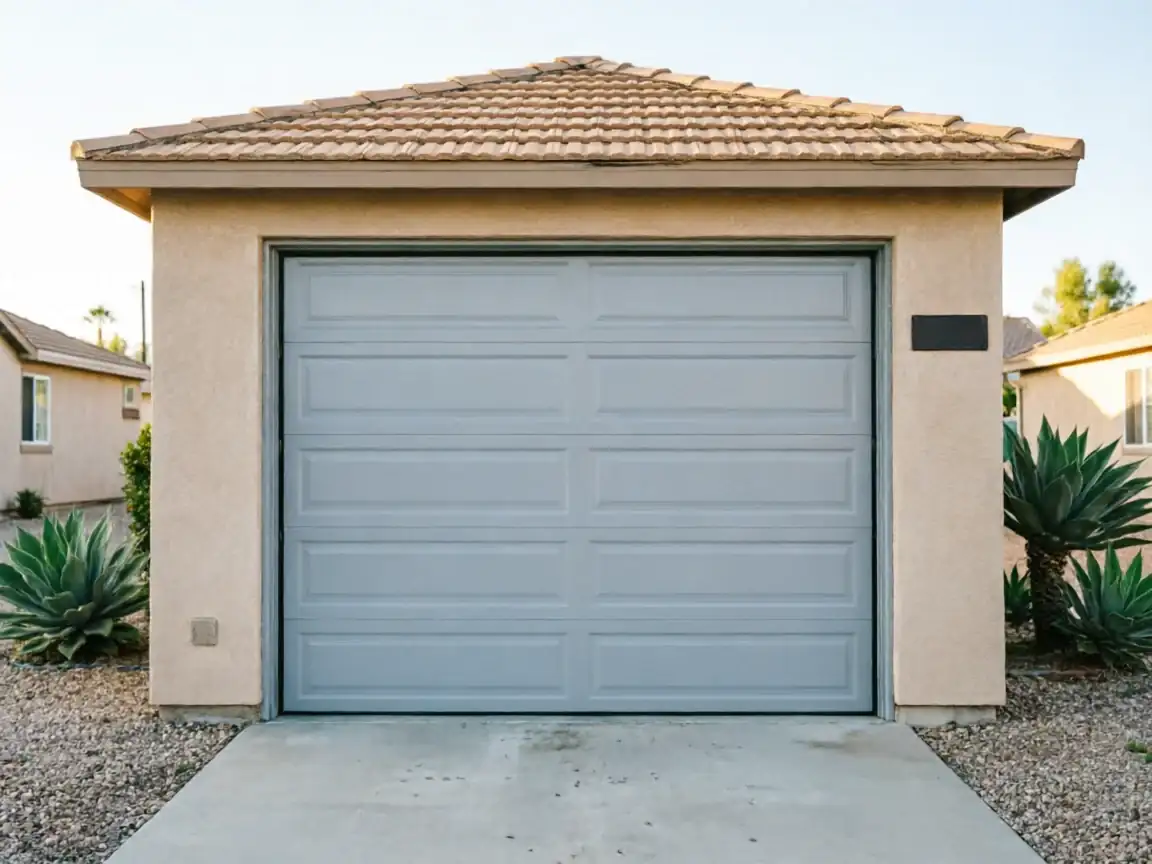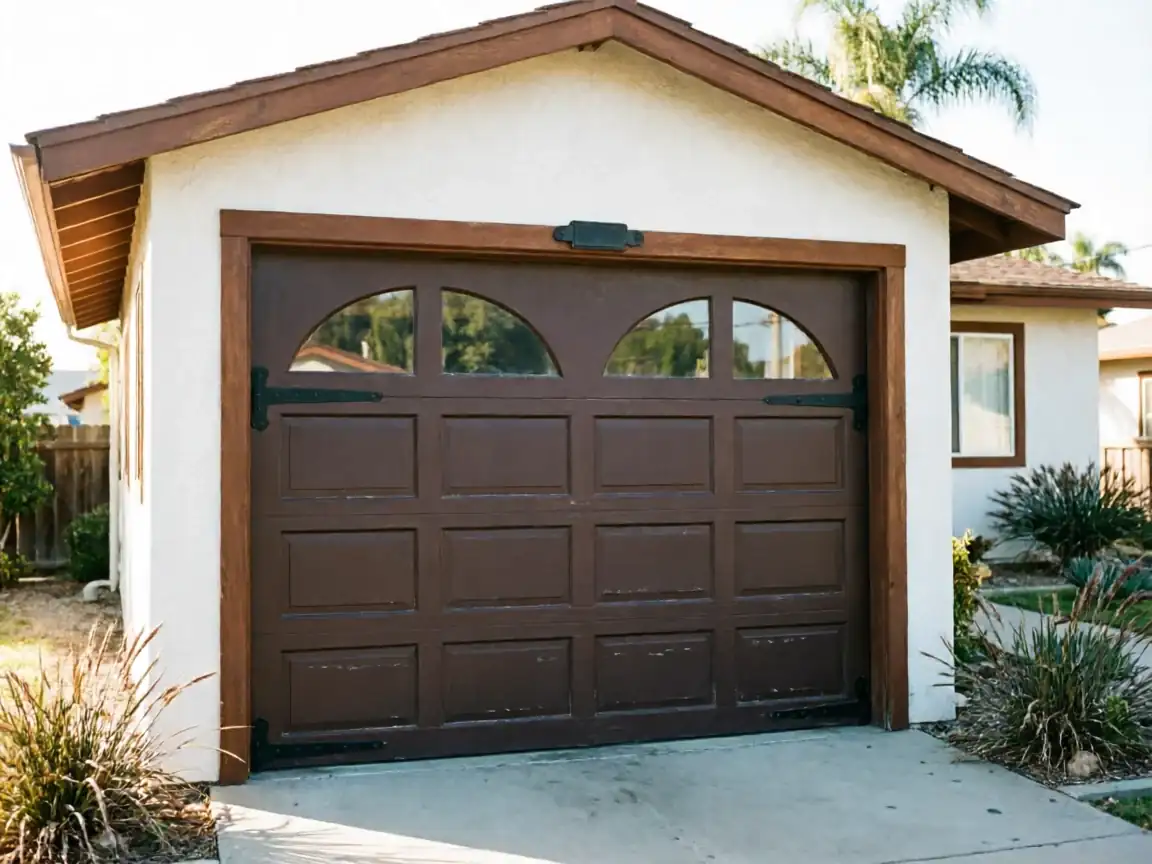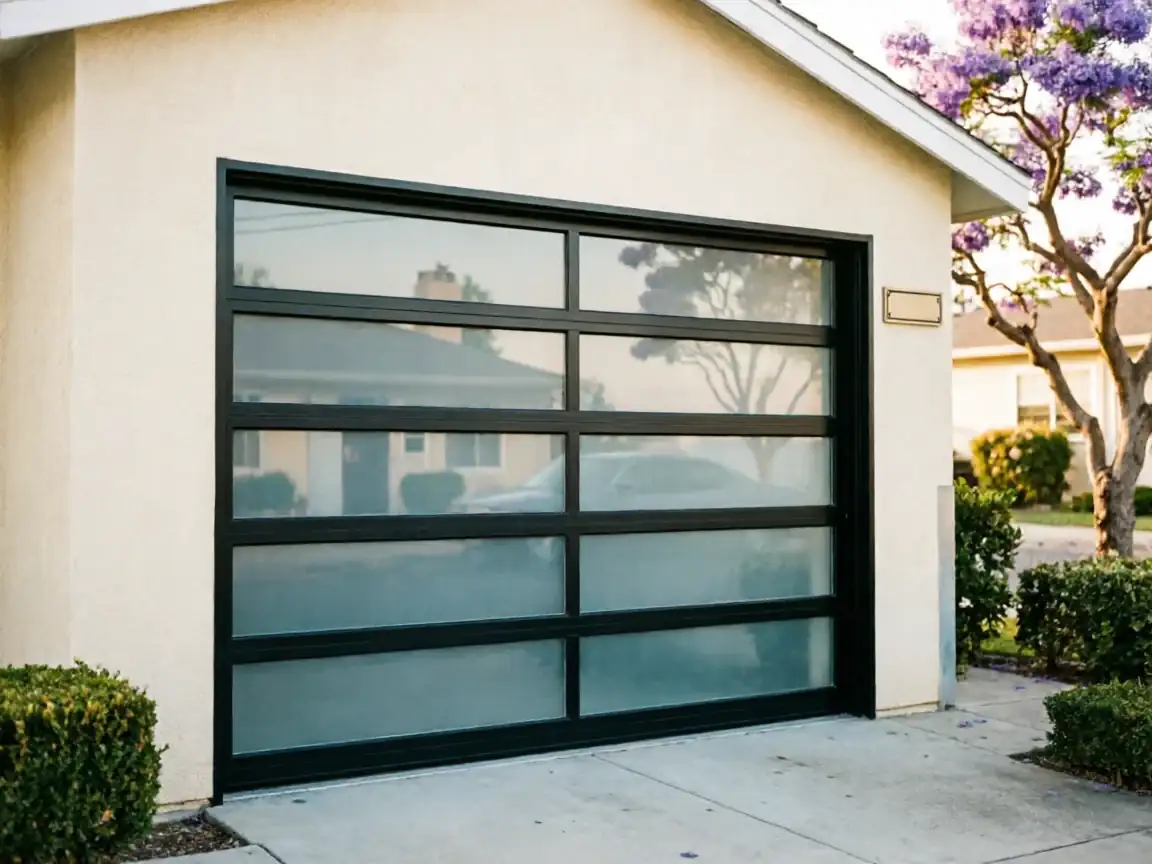
What You Are Seeing
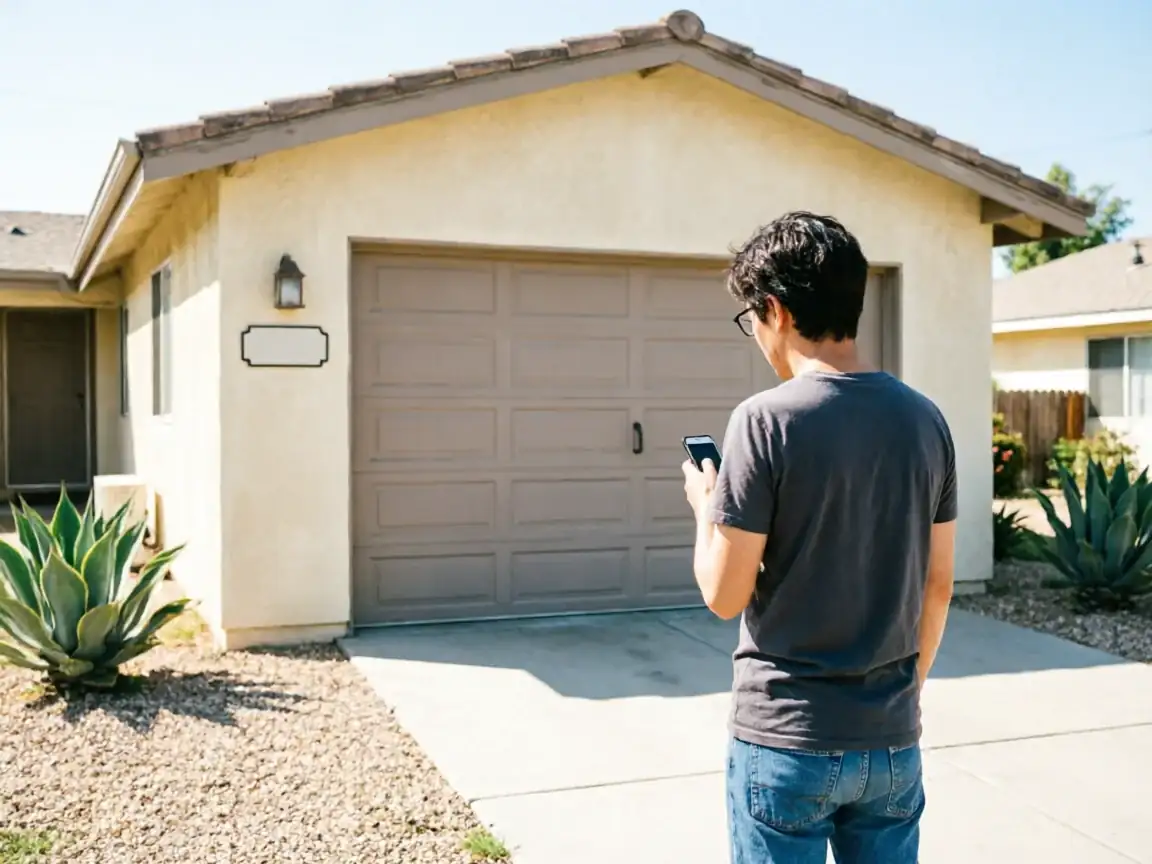
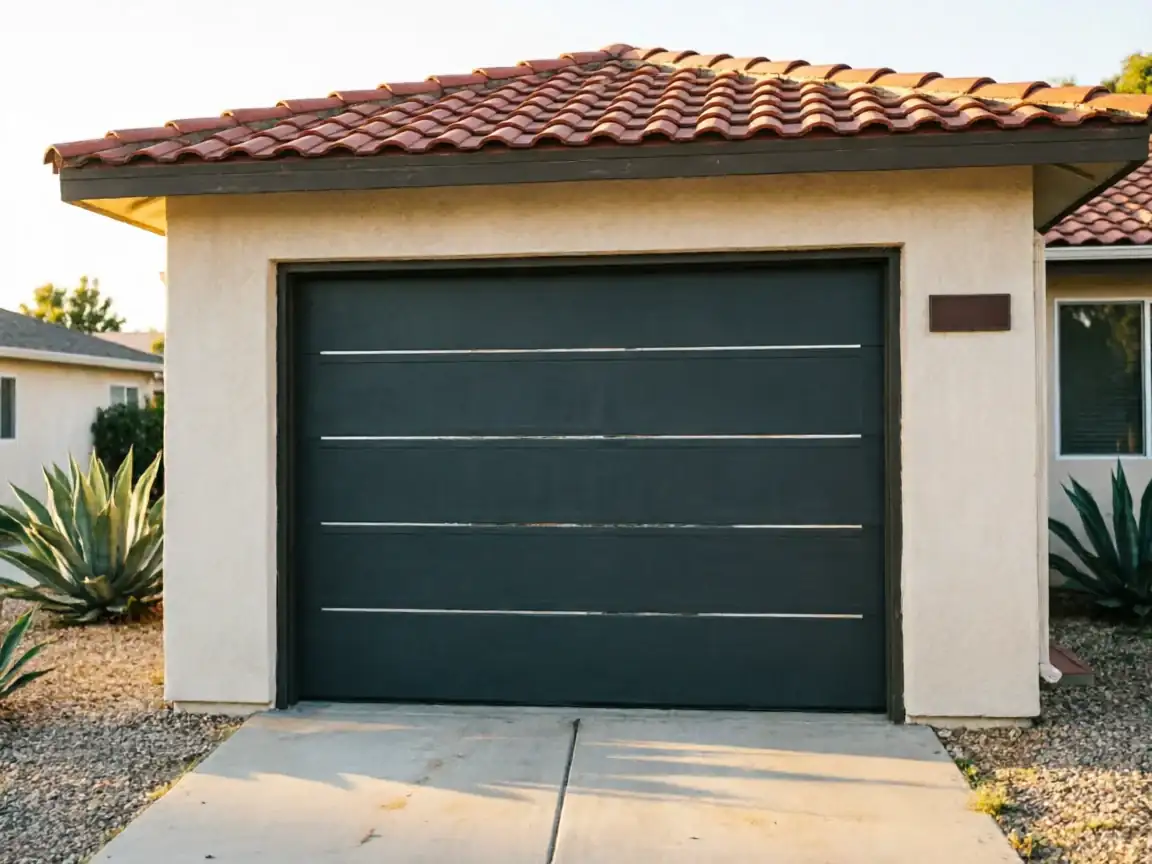
Pomona's own housing stock runs wide - homes went up anywhere from 1951 to 2007, median around 1965, so the city itself has a mix of original openings and newer construction. Claremont doesn't share that spread. The median year built here is 1966, and the bulk of the tract sits close to that single decade. That matters for an install because it means door openings across this area tend to run the same width and height as the house two doors down, not a patchwork of eras like you'd find closer to Pomona's center.
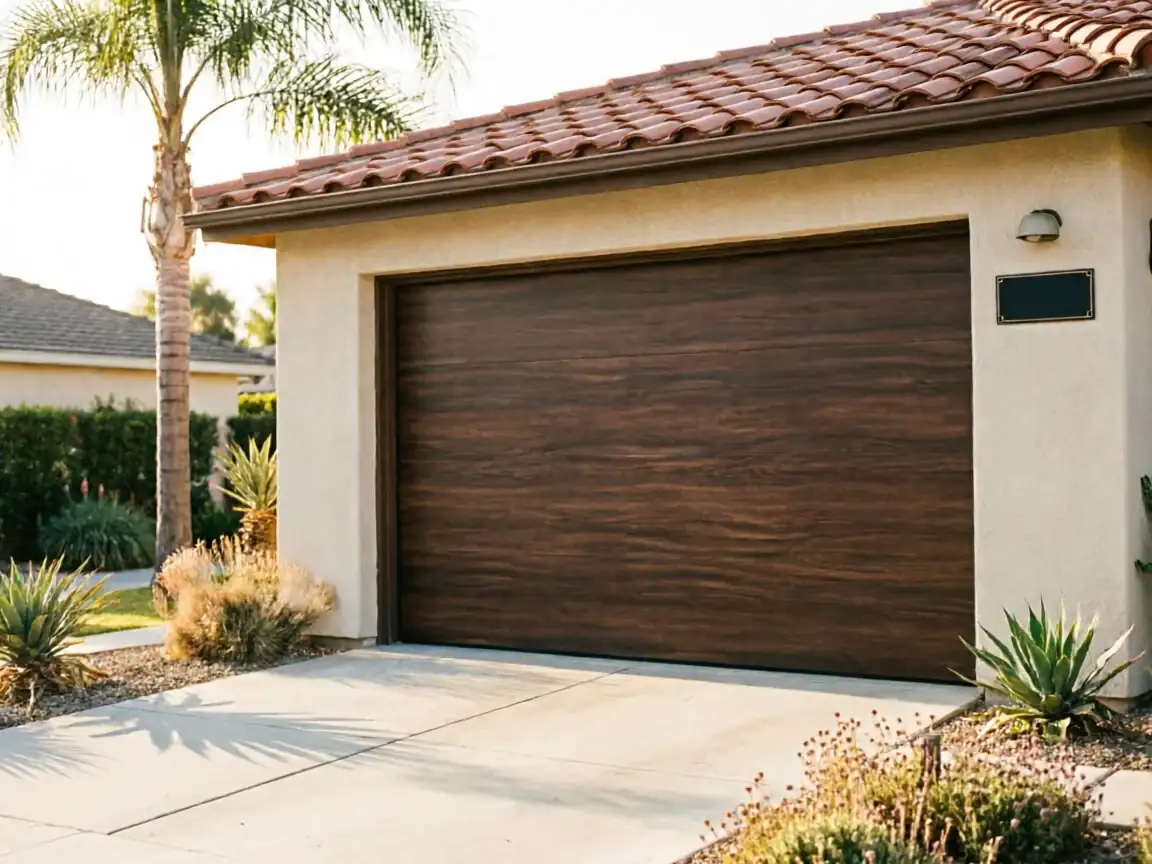
It also shows up in what people ask for. Claremont's median household income, $122,127, sits well above the service area's $102,449, and that gap tends to show up in the order sheet - more requests for insulated steel panels and quieter openers, fewer requests for the bare single-layer door that was standard when these houses were framed. We size the new door to the existing jamb and header from that era, then talk through whether the original track position still makes sense or whether the opening calls for a different lift type.
Time on the Job
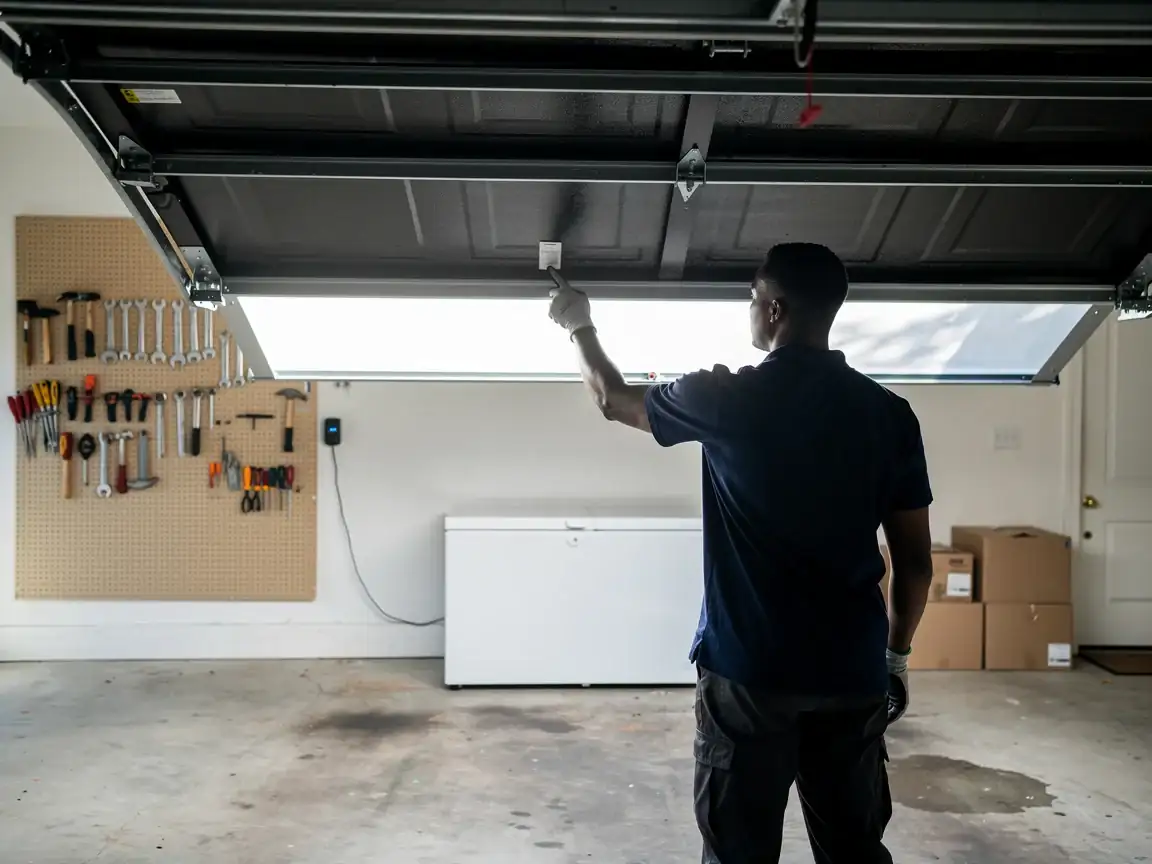
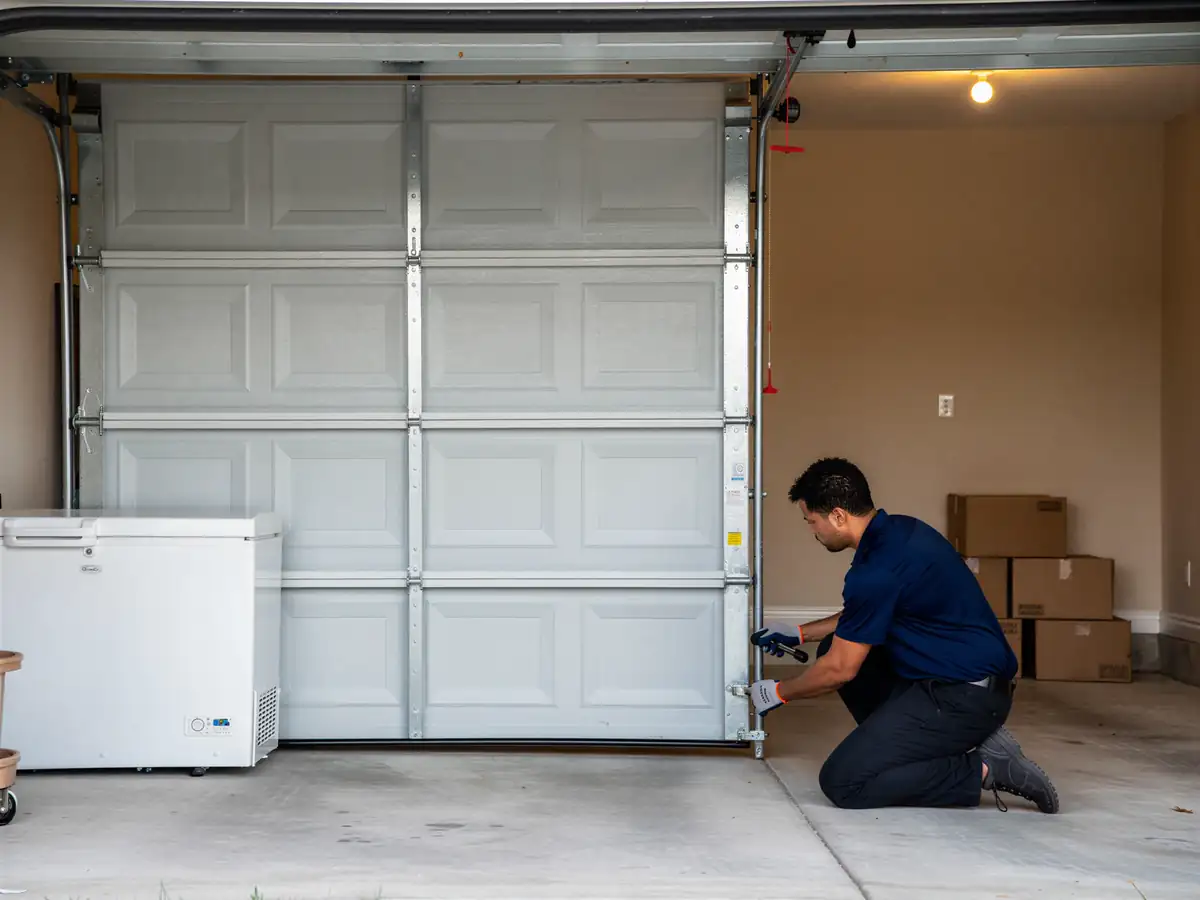
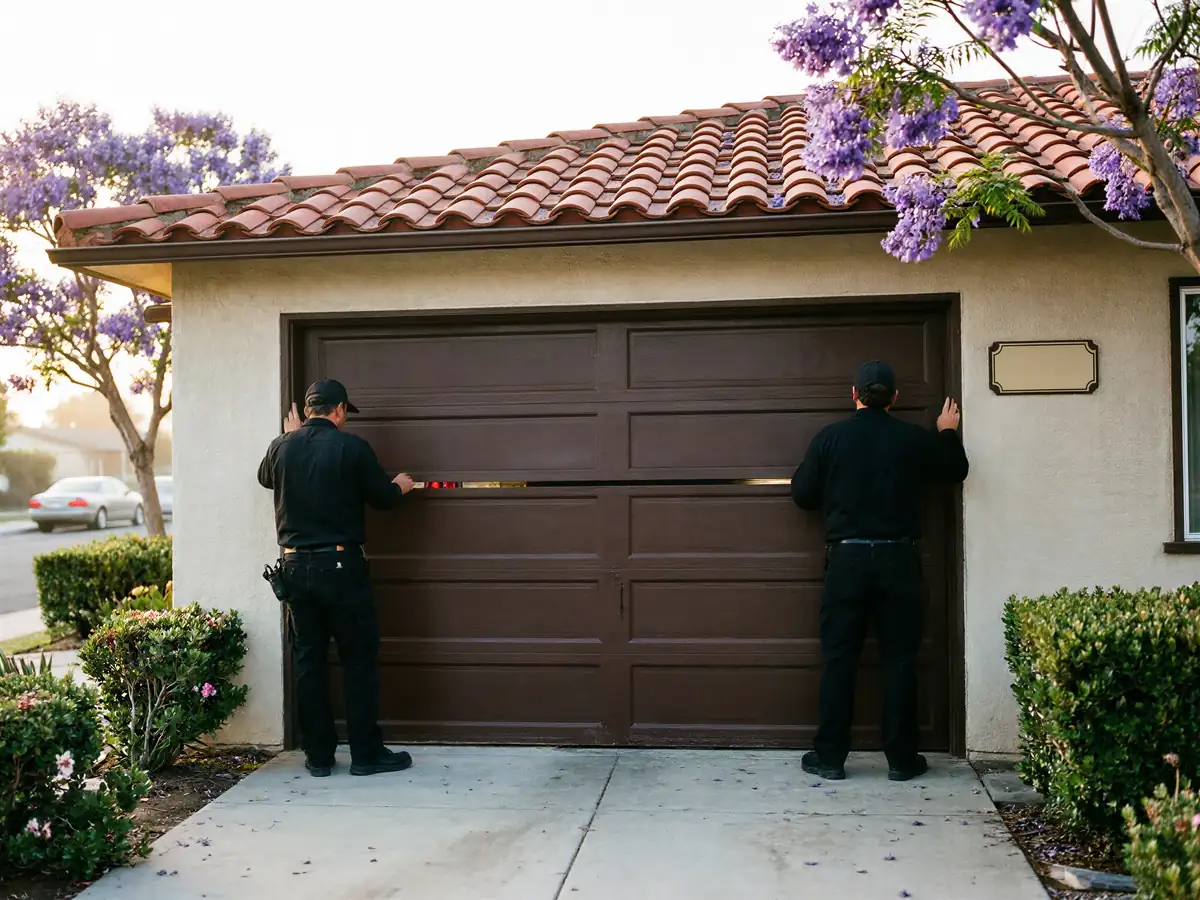
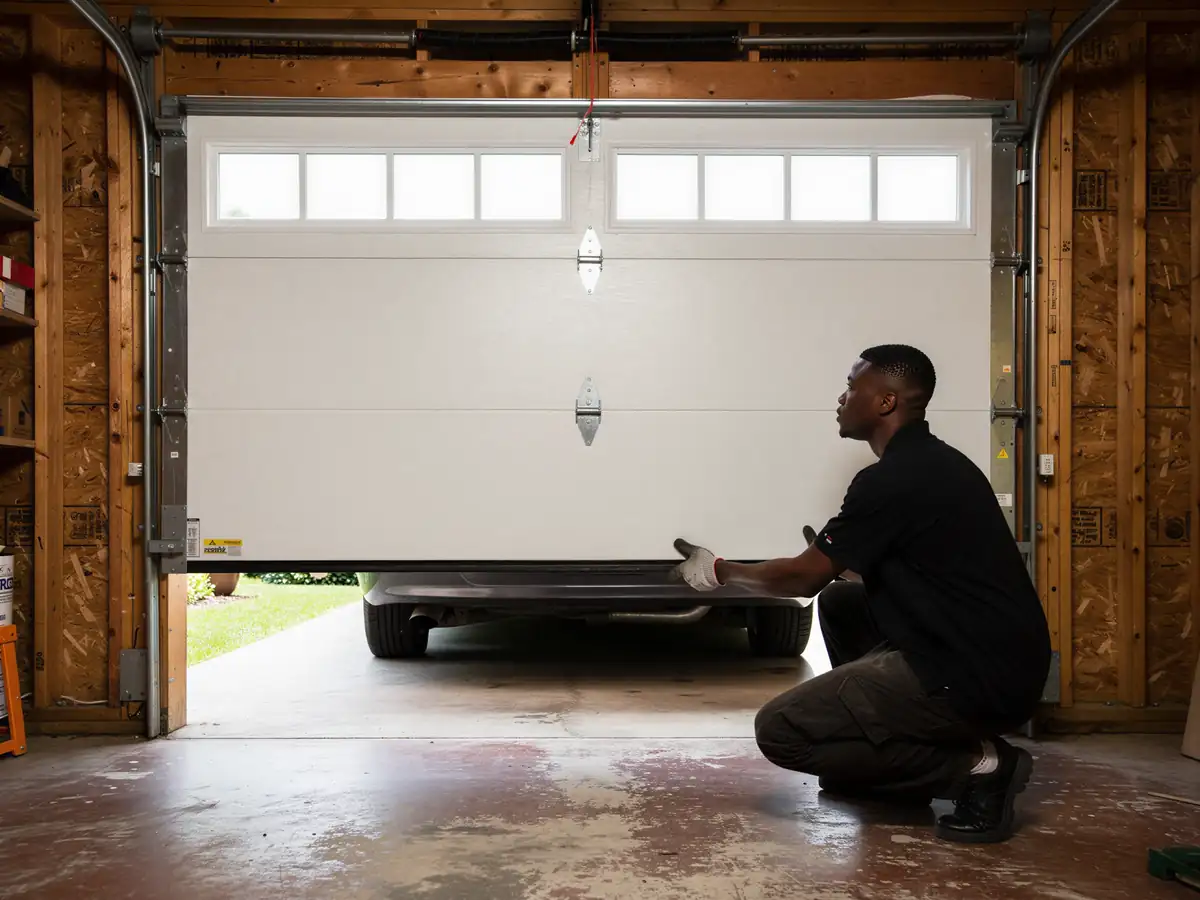
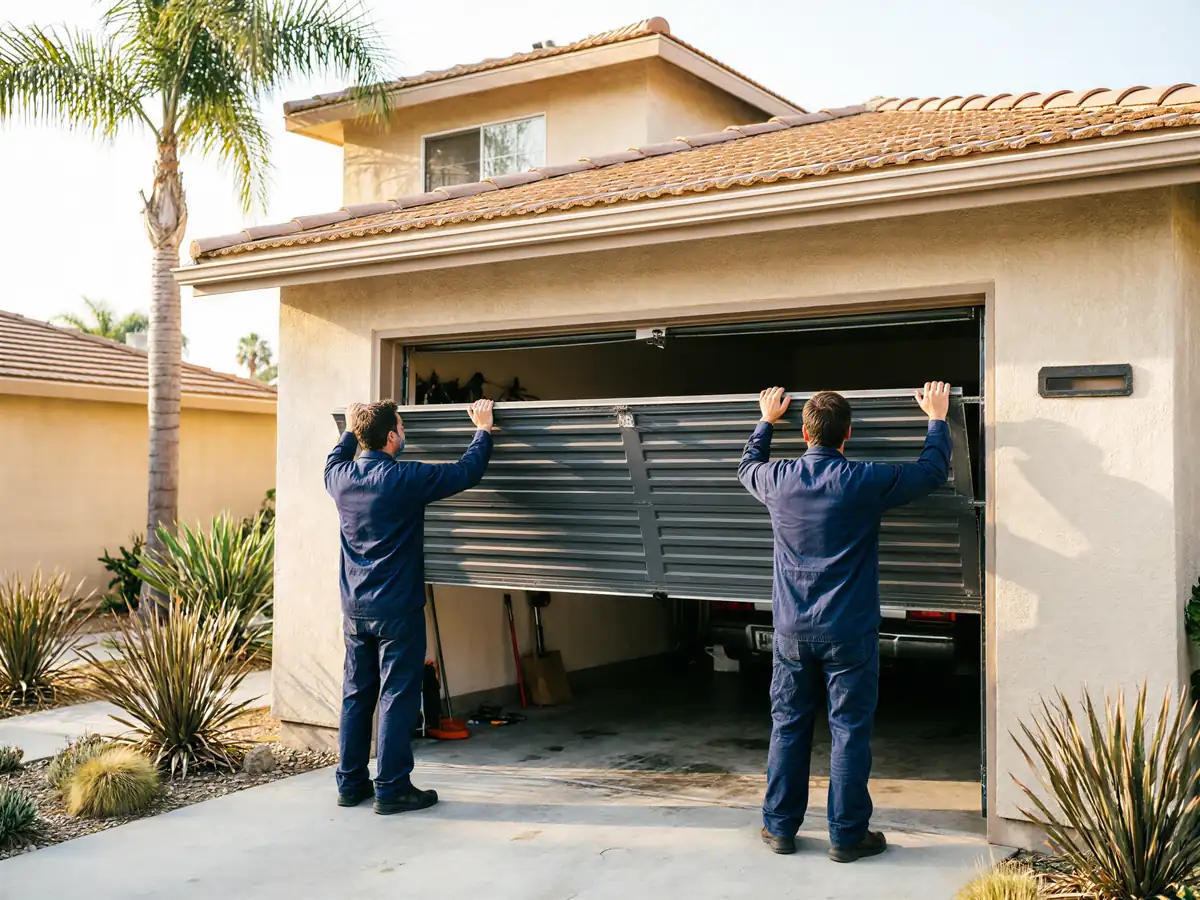
A straight swap - same size opening, new door on the existing track and jamb - is usually a one-day job once the door itself is on site. Where it slows down is custom sizing. If the opening in a 1966-era Claremont garage has settled or been framed slightly off from standard, or if you want a door wider than what shipped standard with the house, that unit gets ordered rather than pulled off the truck, and that adds time before the install date even gets set.
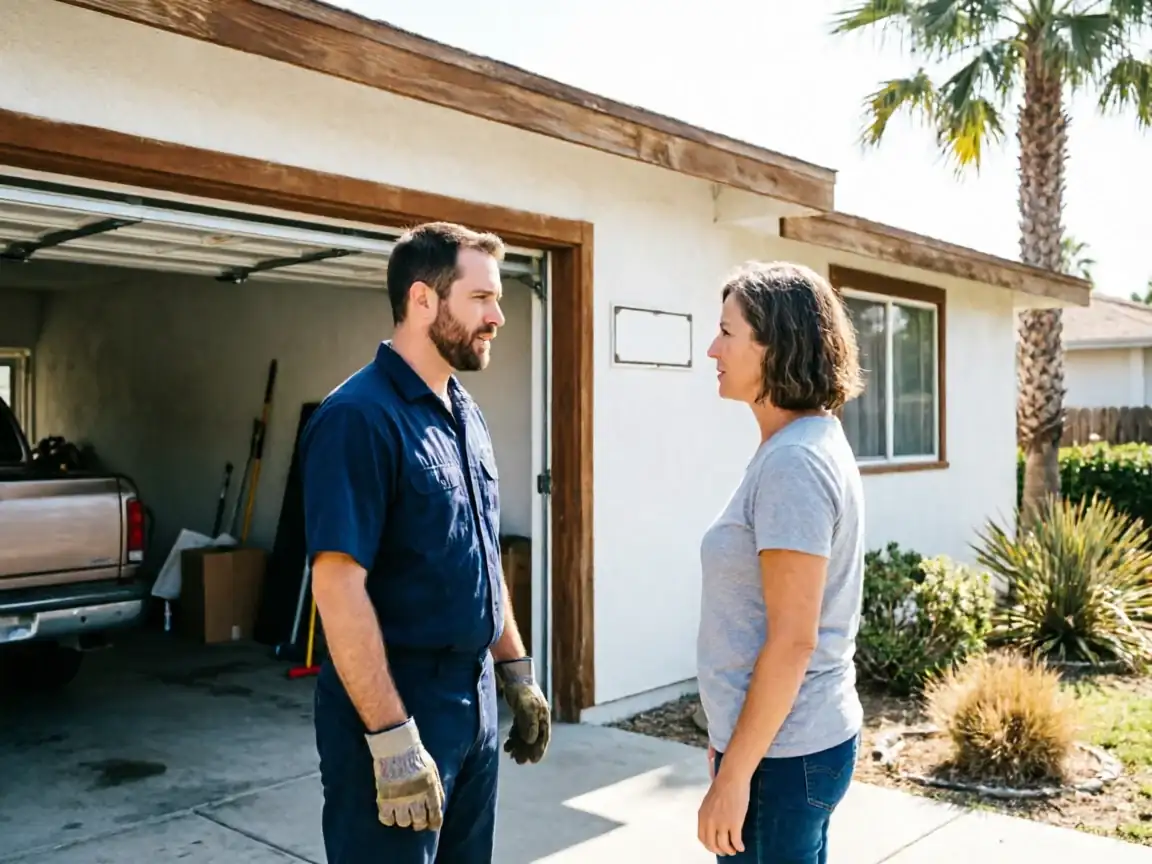
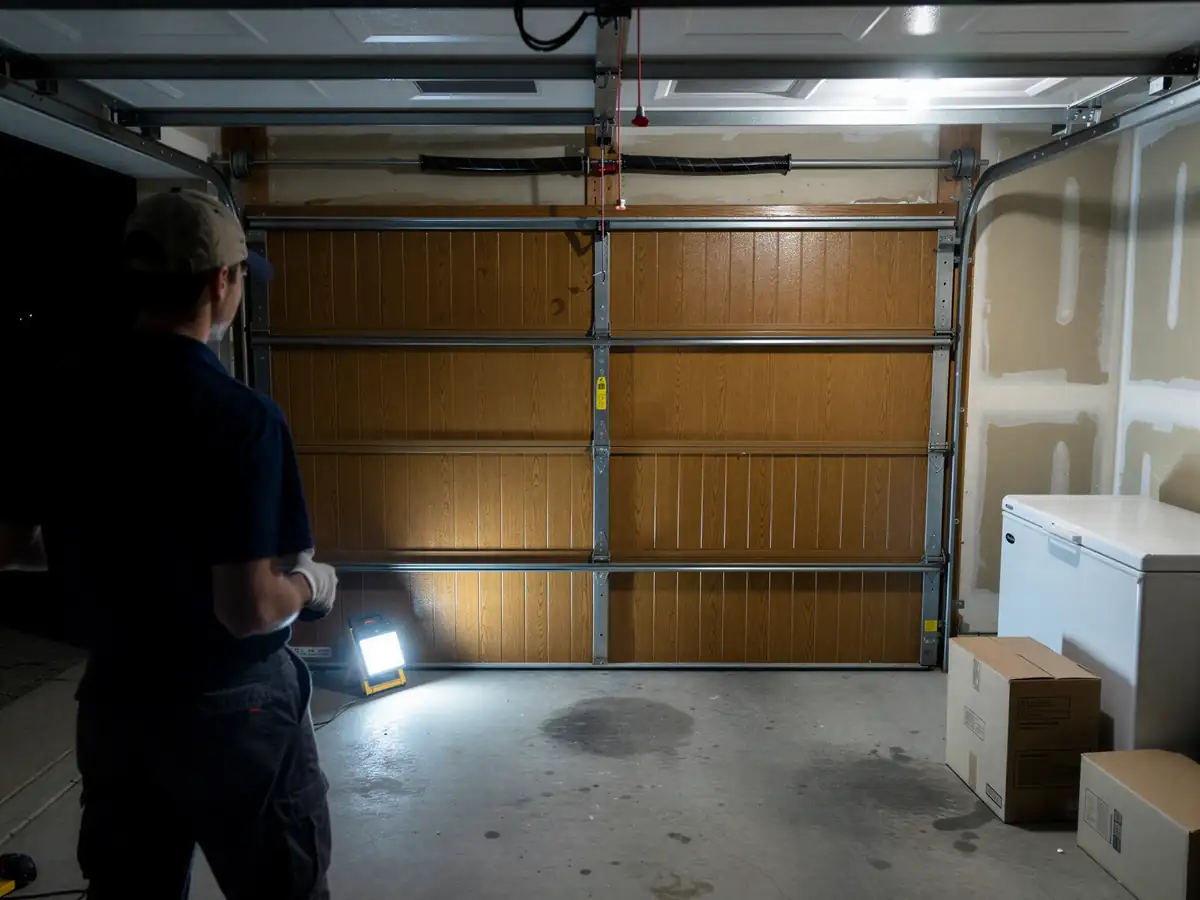
We don't load a truck in Pomona and guess at a Claremont job. Before we drive out, we confirm opening dimensions, headroom, and what's already on the track - torsion or extension, centered or side-mounted - because getting that wrong on site costs more time than it saves. We'd rather spend ten minutes on the phone than show up with the wrong spring configuration for a house built in that window.
What Is on the Truck
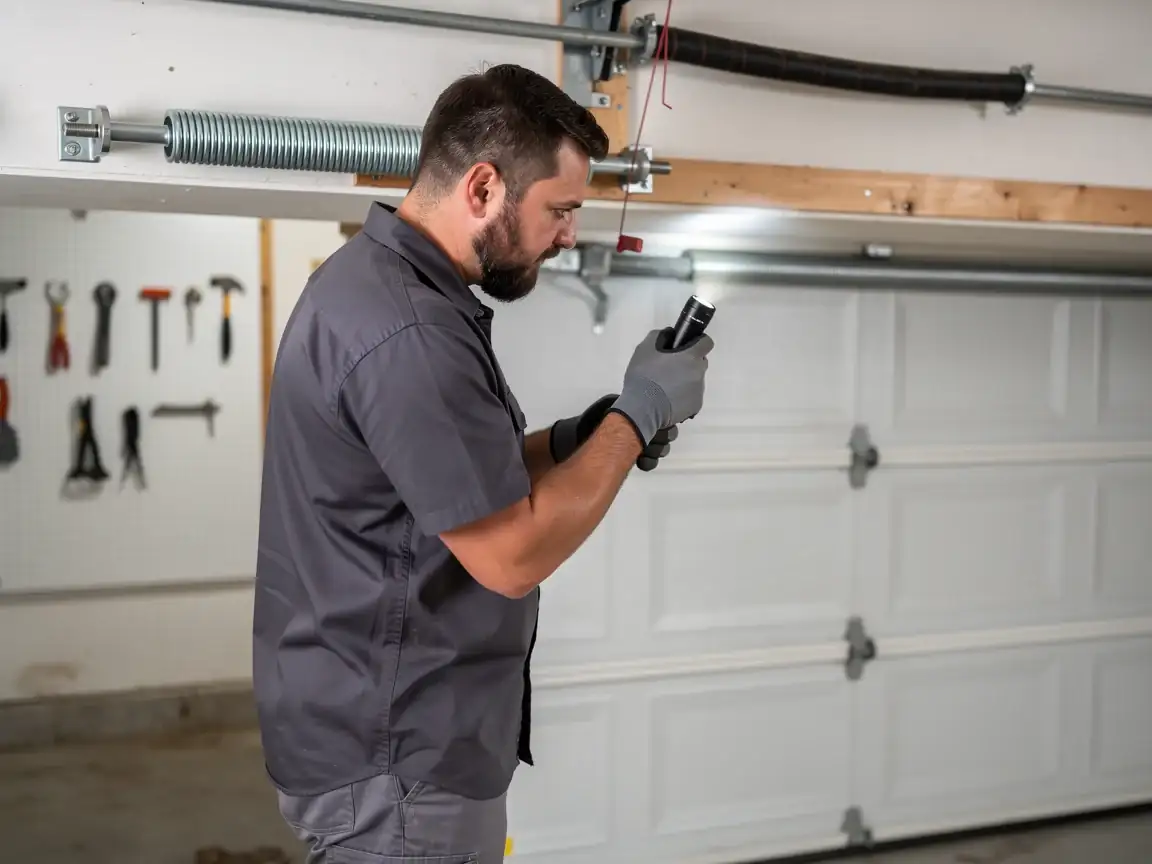
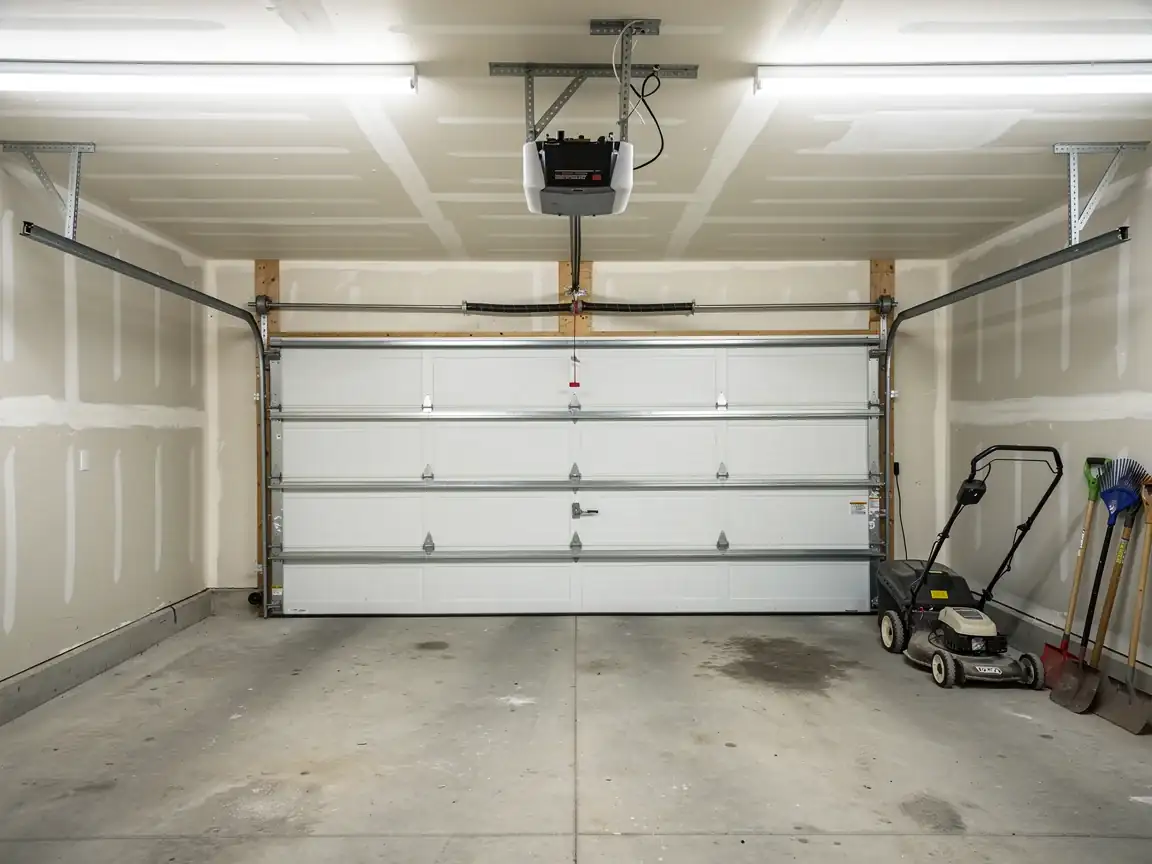
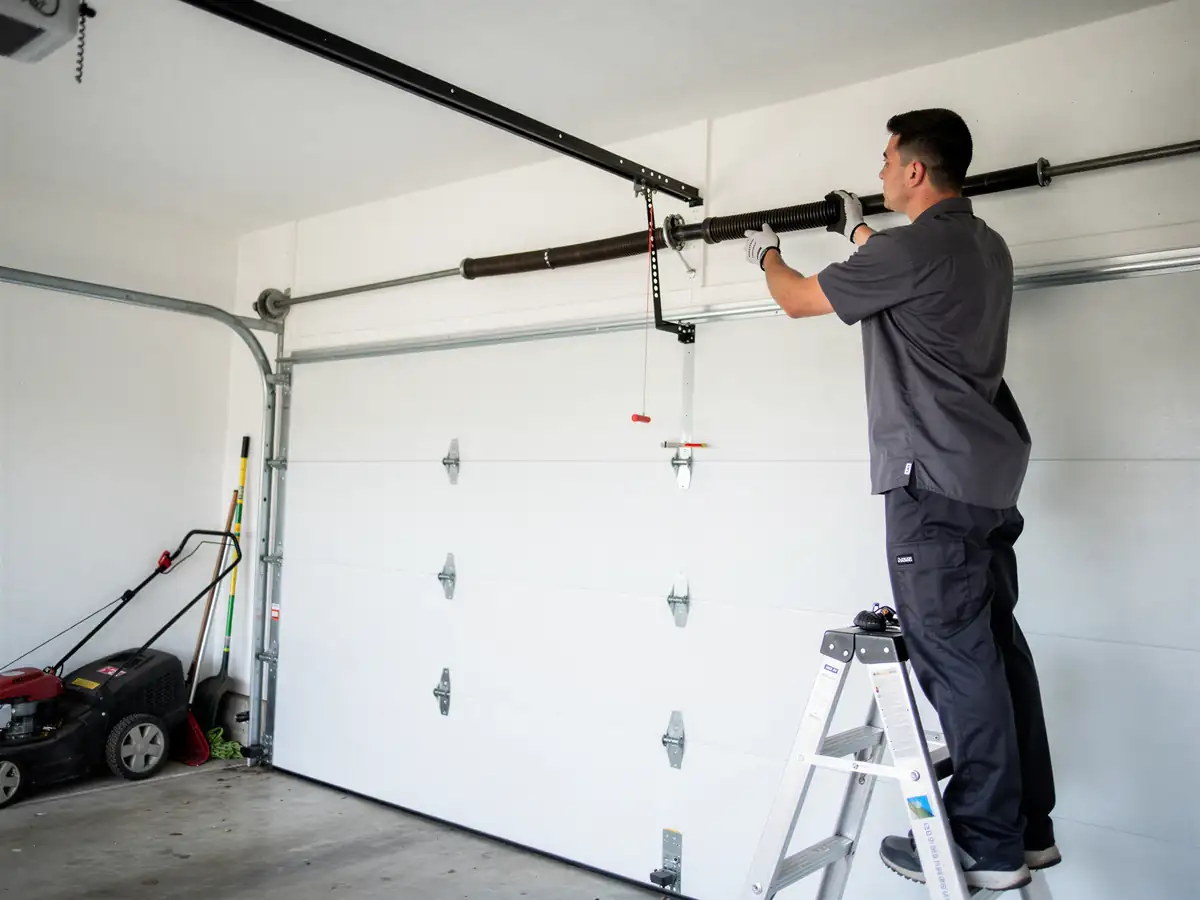
For a tract house from the mid-1960s, the stock setup is usually a torsion spring mounted on a header bracket above the opening
Running one or two doors depending on the original garage layout. We carry standard steel and insulated steel panels in the common widths that match that era's framing, along with the springs, cables, and rollers sized to those openings.
What we don't carry on the truck is an oversized custom door
Anything outside the standard widths, or a door style built to match a non-standard opening. Given the income levels in this area and the number of upgrade requests we see, that's not rare here, so it's worth asking up front rather than assuming it's a same-day swap. Special orders add lead time before install, and we'll tell you that straight rather than quote a date we can't hit.
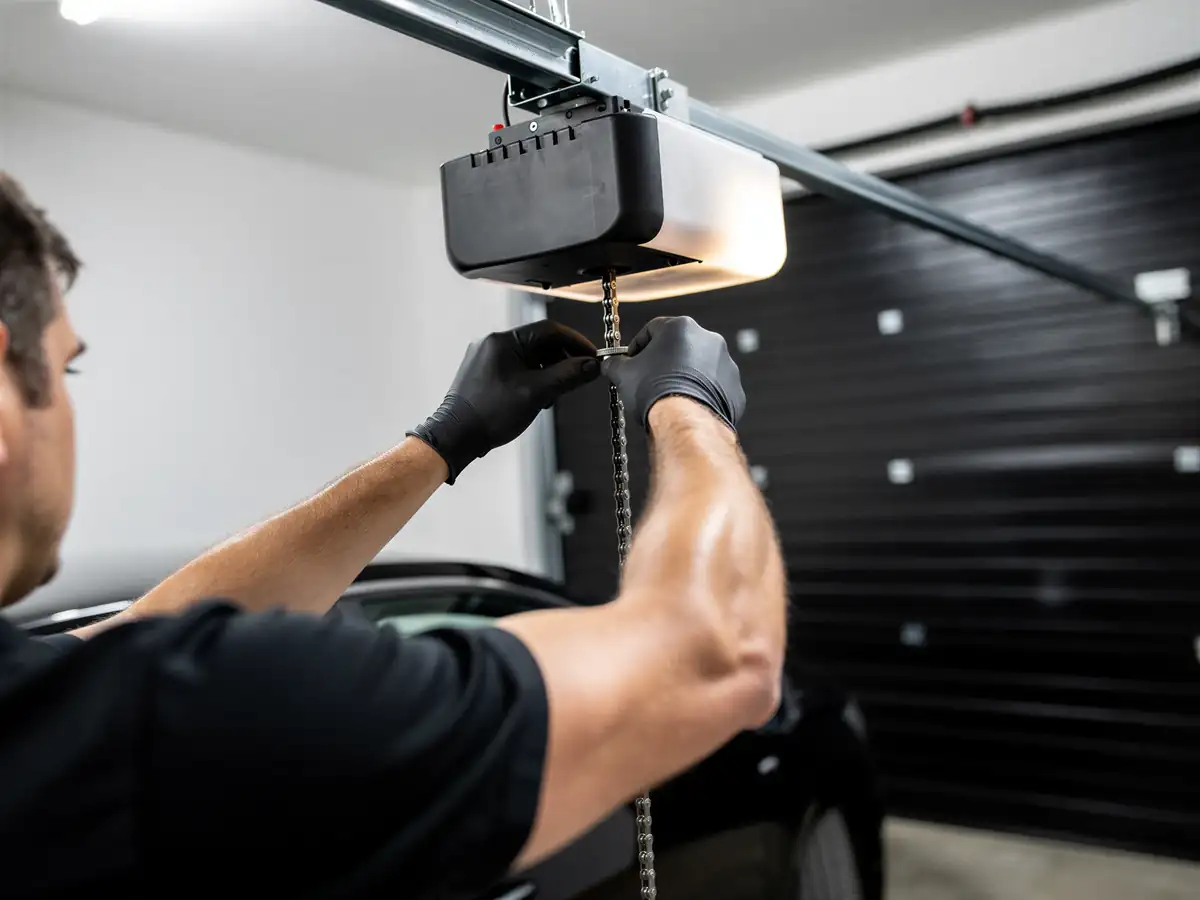
We also carry opener units compatible with the lift types common to this build era
Since a lot of original openers in houses this age are long past their service life and get replaced at the same time as the door.
The DIY Question
Swapping a garage door panel yourself isn't unreasonable if you've done it before and the opening is standard. What gets people hurt, or at least gets them a second bill, is the spring. A torsion spring on a double door built to this era's weight specs is under real tension, and winding or unwinding it without the right bars is the single most common injury call in this trade, not something specific to one town.
Where we draw a hard line is sizing. If you're not sure whether your opening is standard width for a house built around 1966 in this area, measure before you order anything, because a door that's a half inch off on either side either won't seal or won't track. We'll measure for you as part of a quote, free of guessing on your end.
The Cost of This Job
We're not going to put a number here that doesn't match what shows up on your invoice, so we won't quote one. What we can tell you is what moves the price: panel material, insulation level, opener type, and whether the job is a straight swap or needs a custom-sized door because the opening is non-standard.
Given that Claremont's median household income runs well above the area average, we see more jobs here land on the insulated end of the lineup rather than the base steel option - that's a choice, not something we push, but it's the pattern. A straight swap on a standard mid-1960s opening costs less than a job that needs a new header, a wider track, or a custom door ordered to fit. Ask for the breakdown when you call, not just the total, so you know which part of the number is the door and which part is labor.
How to Book
We run out of Pomona
And Claremont sits five miles out, close enough that we treat it as a same-day route rather than a special trip. Call or request a quote, give us the rough age of the house and whether anything's already failed - spring, track, opener - and we'll tell you up front if the job needs a standard door or a custom order.
For other suburbs near here, see the areas we cover
If you're looking for the full list of services we run out of Pomona itself, including repair work rather than new installs, that's covered on the Pomona installation page.