What You Are Seeing
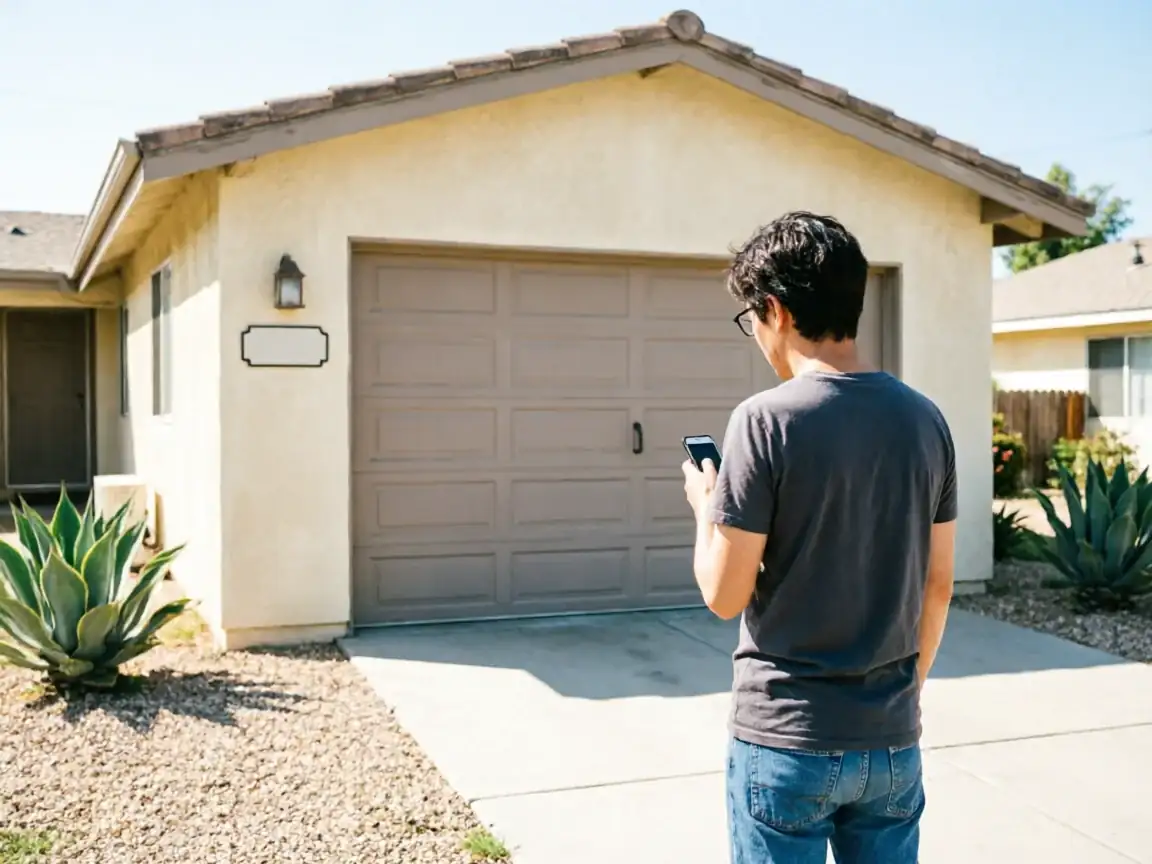
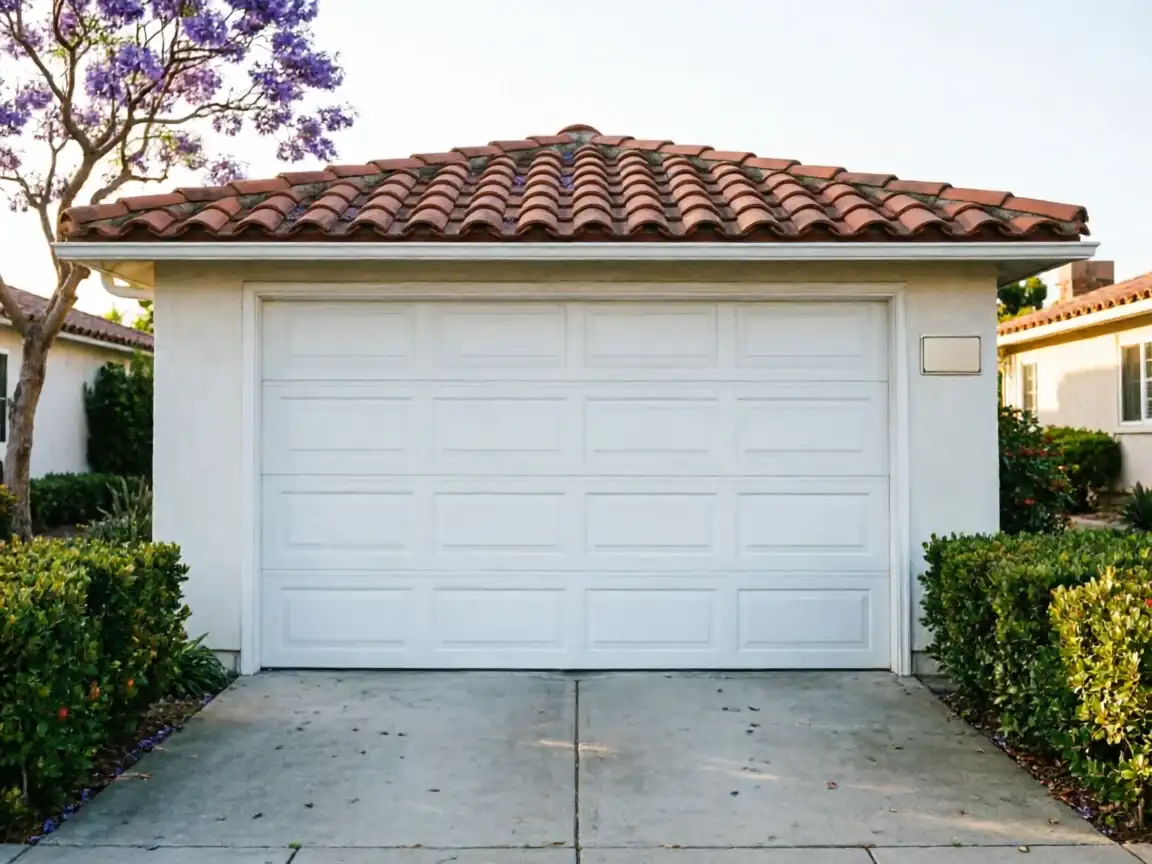
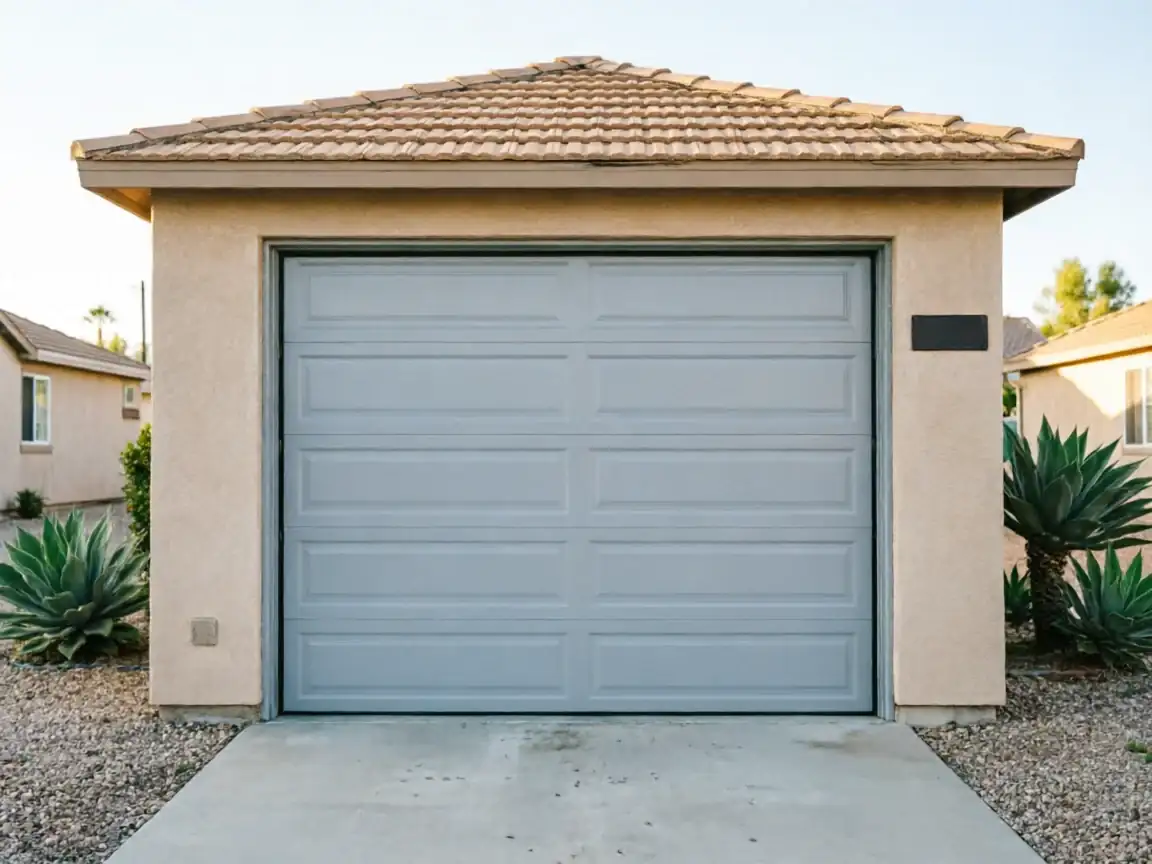
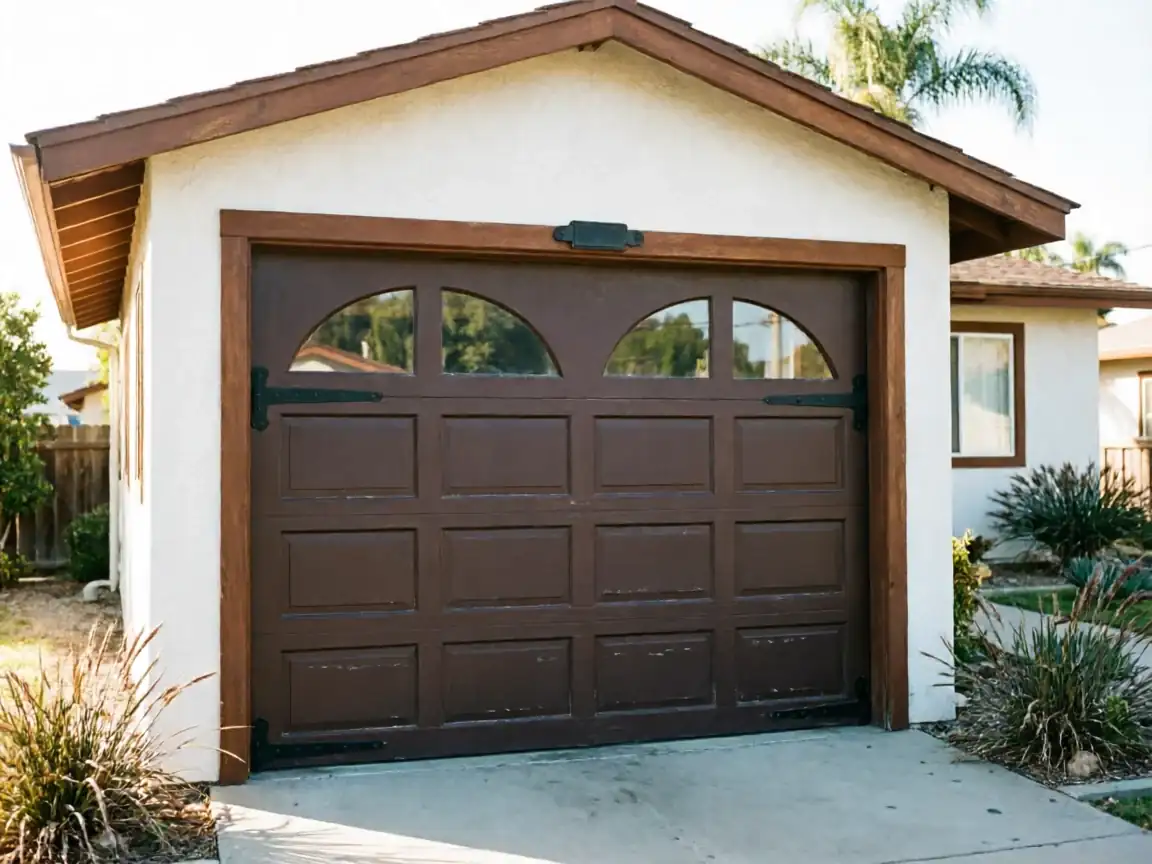
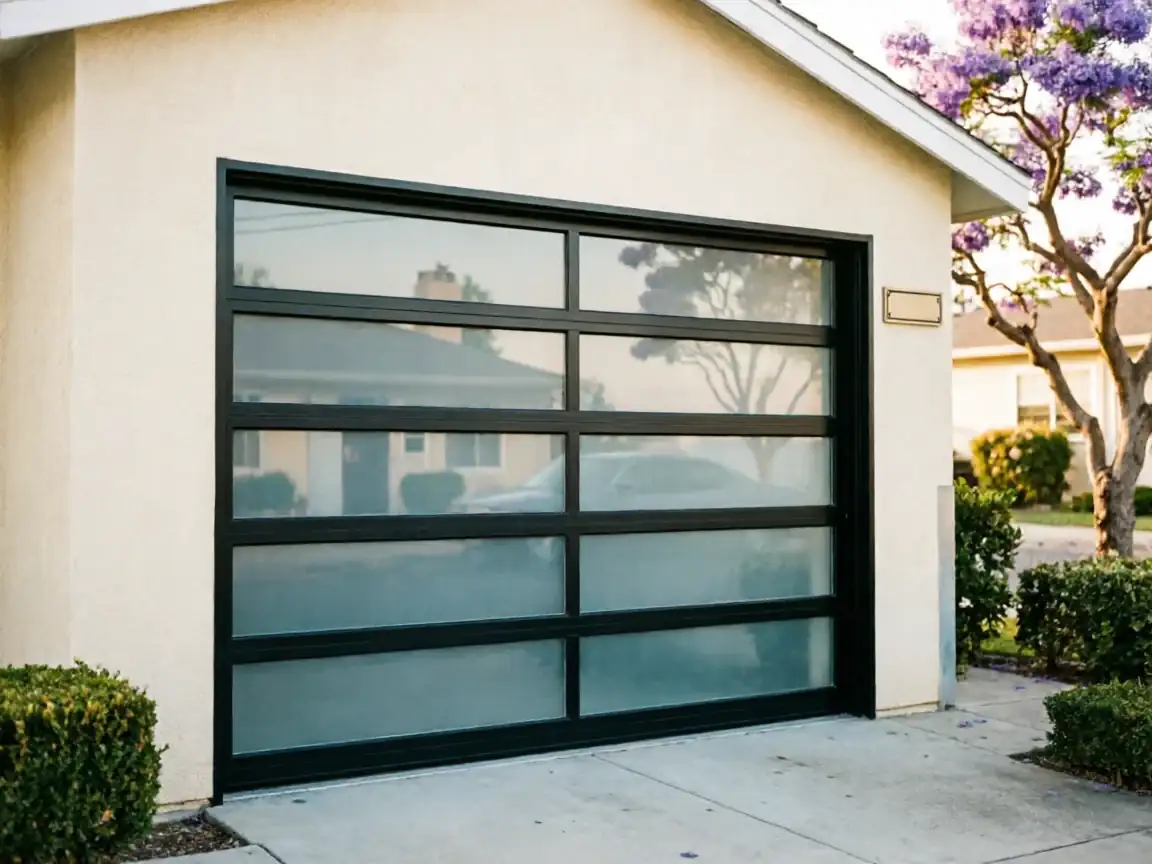
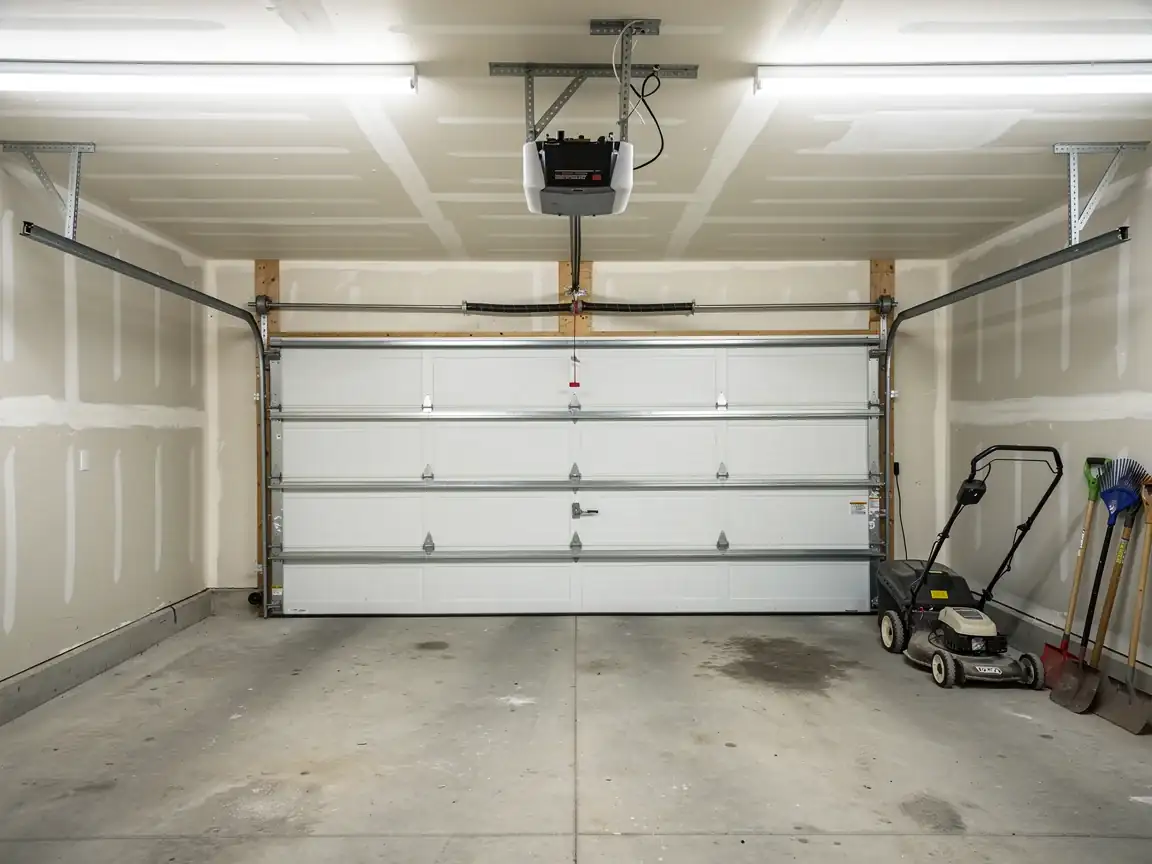
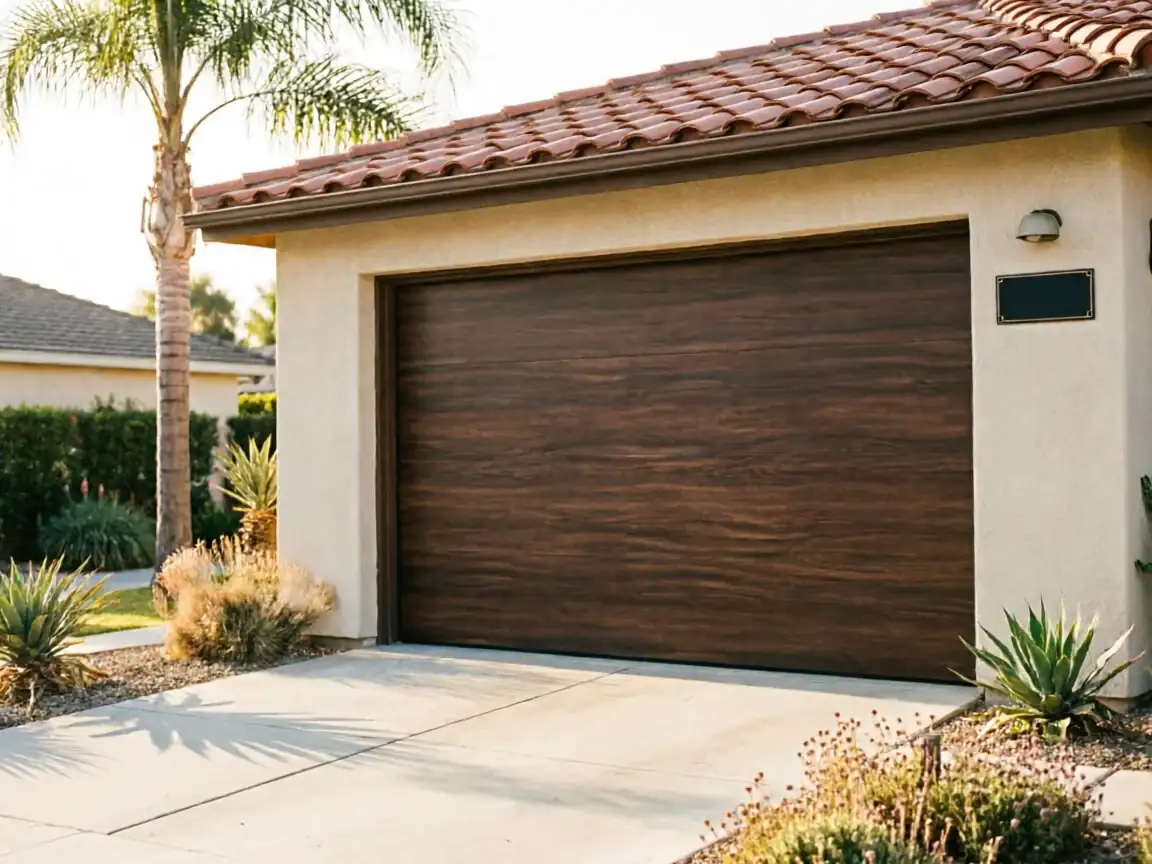
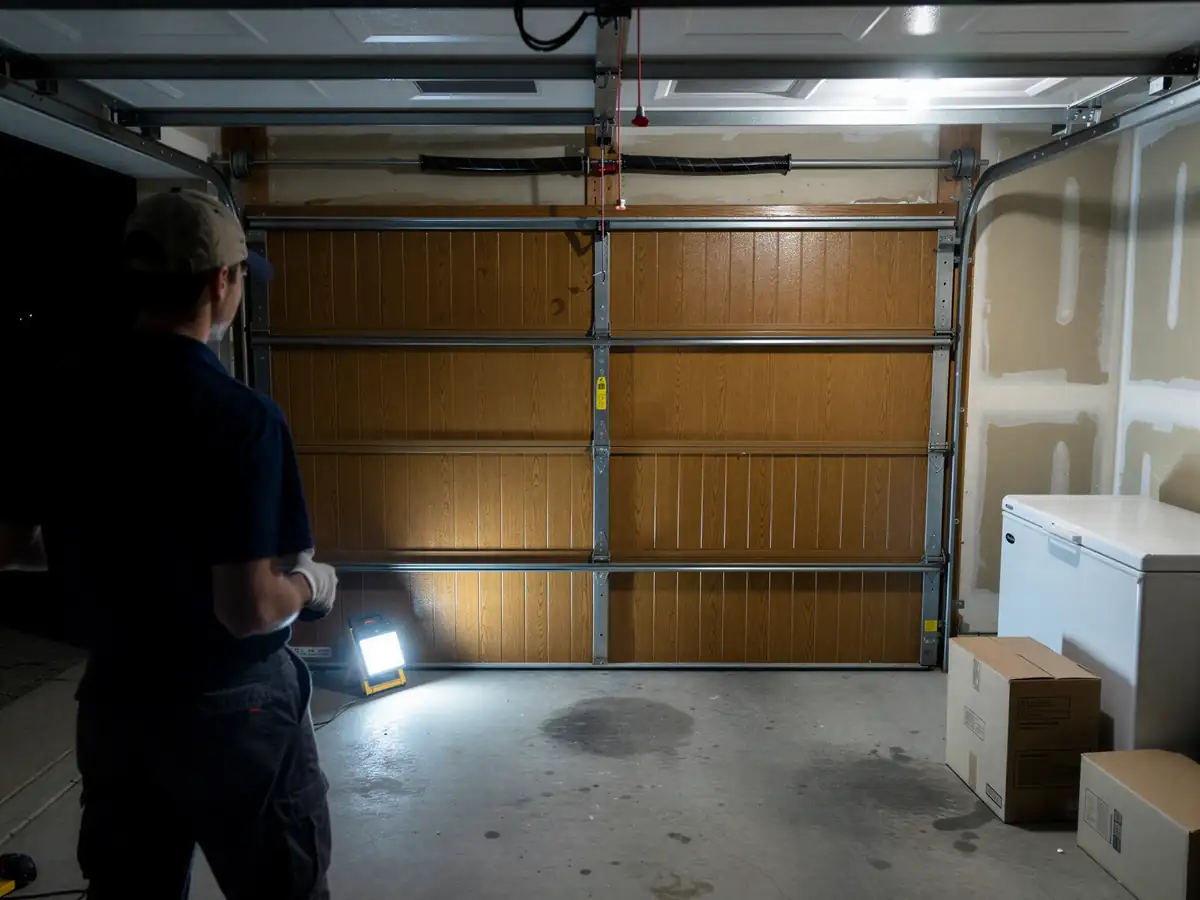
Claremont's housing stock centers on 1966, squarely inside the broader 1951-2007 build window across this service area. That means most garages here were framed for a single steel or wood-composite door sized to a standard two-car or one-car opening, hung on hardware meant to last decades, not the lighter sectional doors you see in newer tracts further out. The opener problem you're dealing with usually isn't the door itself - it's a drive unit that's been swapped once or twice since that 1966 frame went up, now out of sync with the original travel and hardware. You'll see a door that reverses for no reason, a remote that works from ten feet away but not from the driveway, or a motor that hums and doesn't move the chain. On a door this age, the opener and the door often don't match each other's original specs anymore, and that mismatch is usually the actual fault, not a dying motor.
We're not guessing at this from a truck in another county. Claremont sits about 5 miles from our Pomona base, and the call starts with the drive unit, not a sales pitch for a new door.
Time on the Job
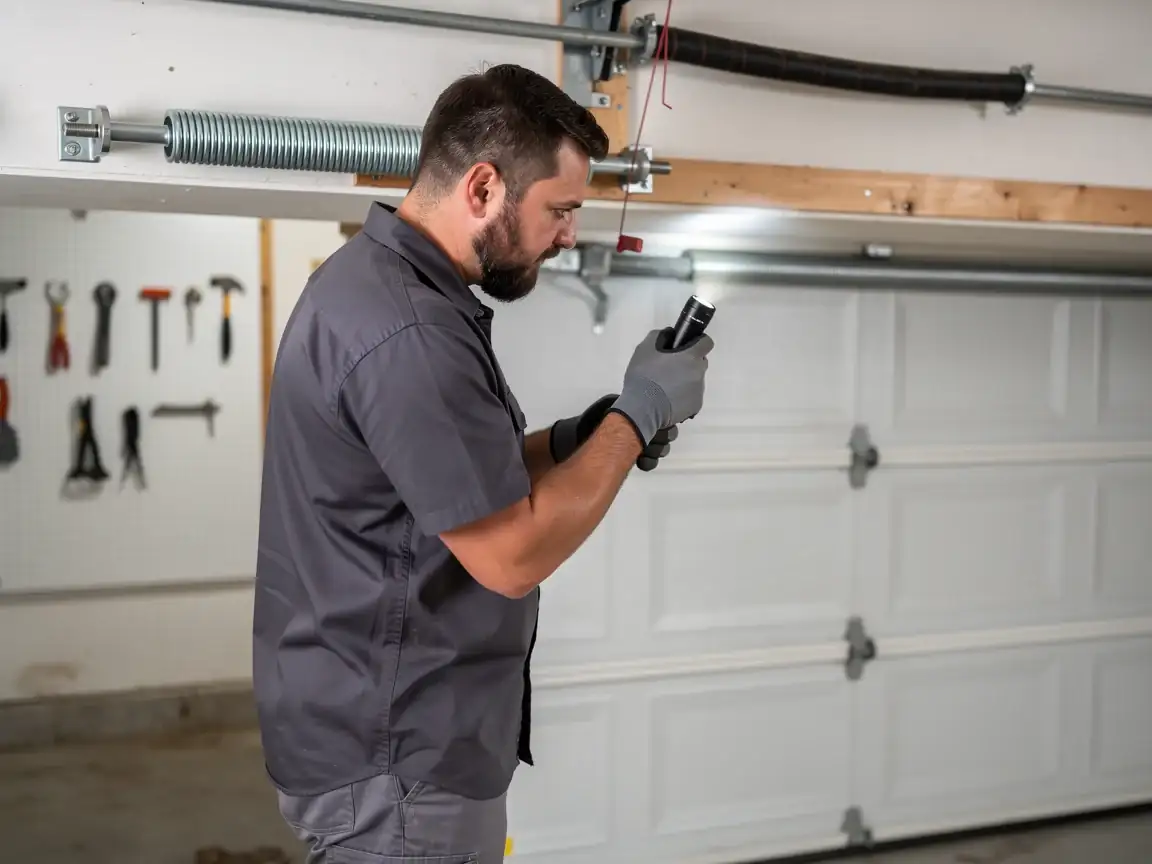
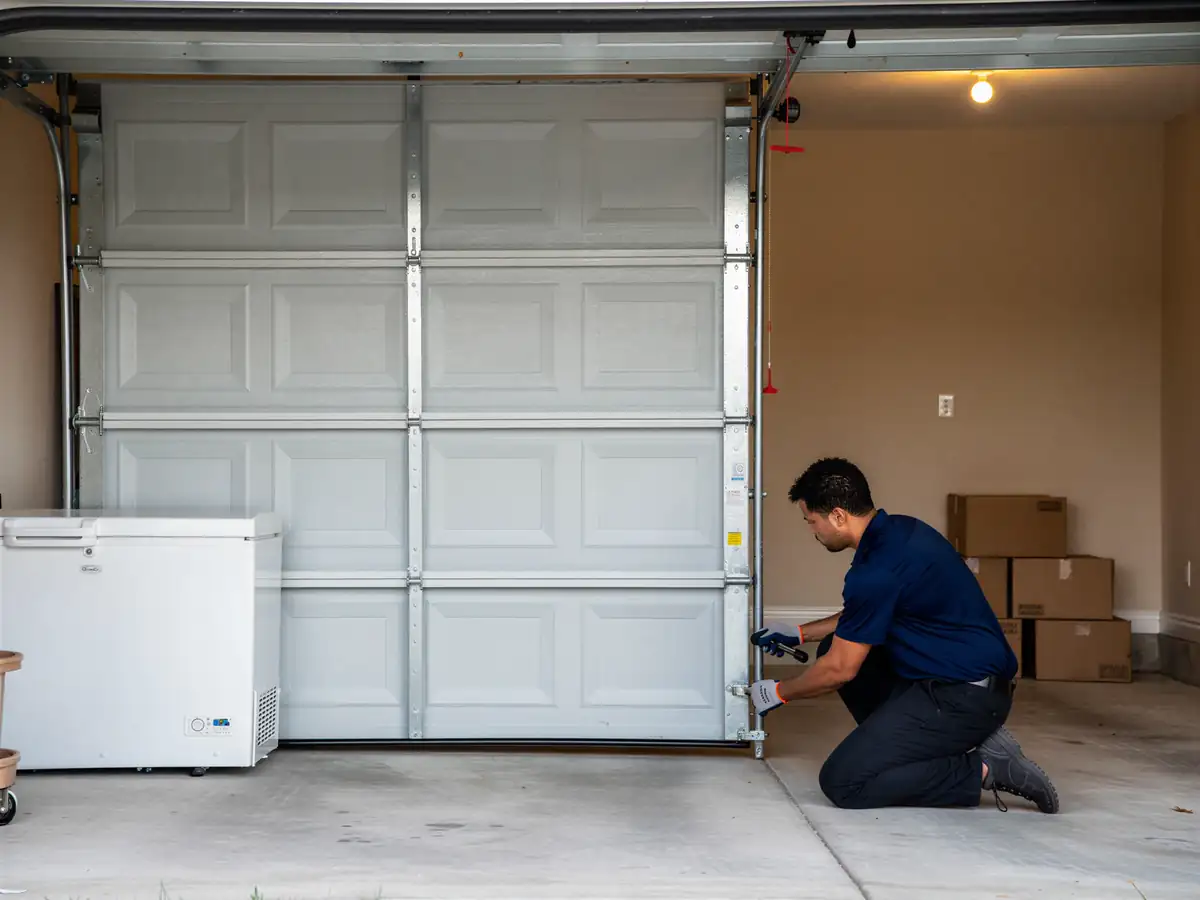
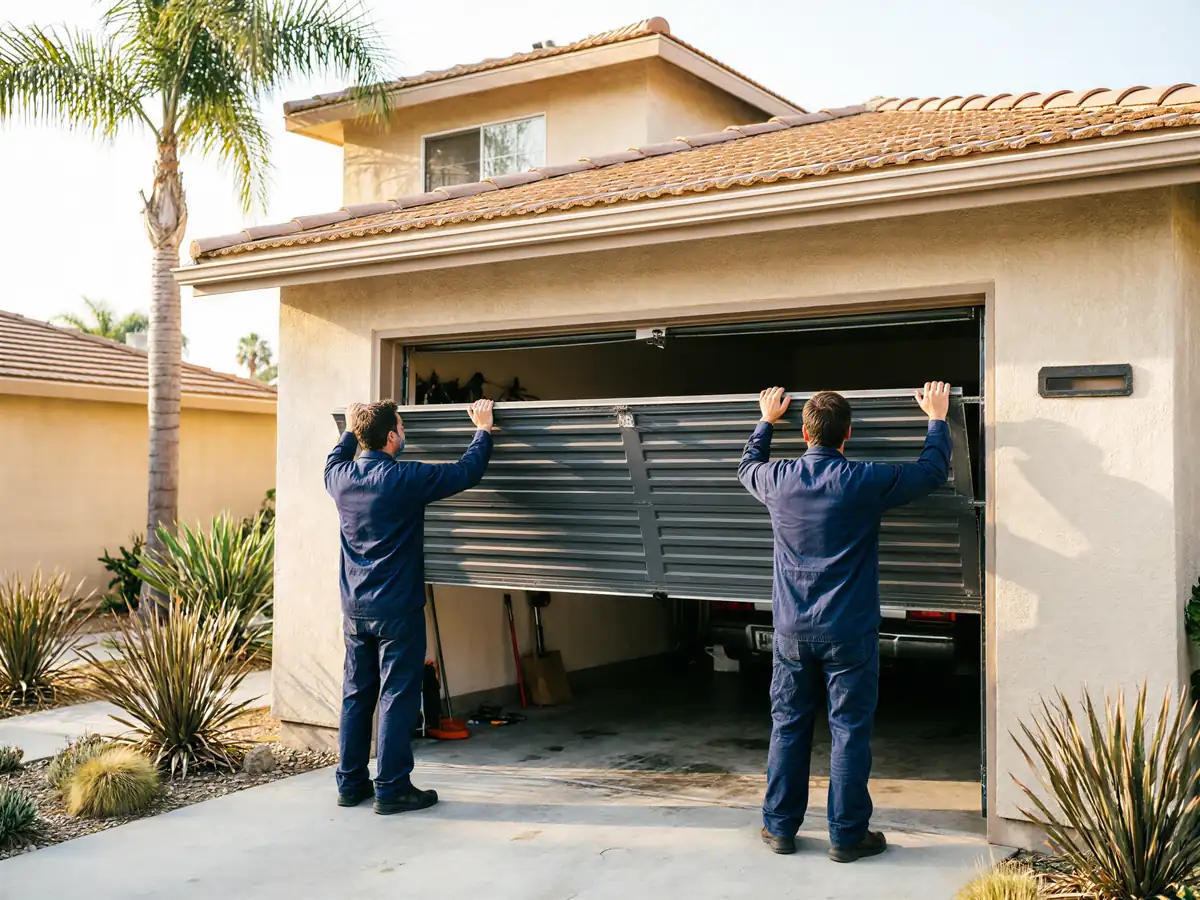
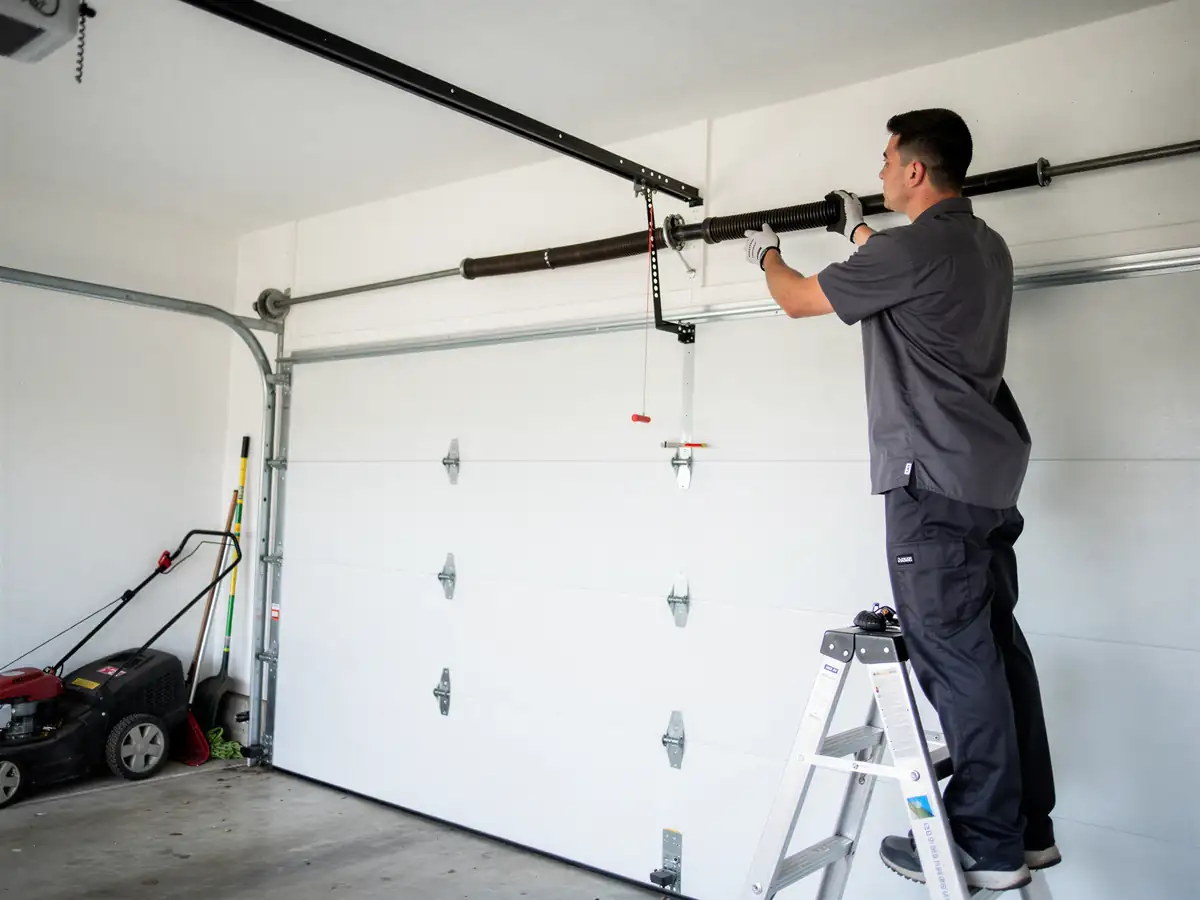
A straightforward opener diagnosis - bad sensor alignment, a stripped gear, a dead capacitor - usually gets sorted in one visit once we're on-site. What takes longer is anything tied to the original 1966-era door hardware: if the track or header bracket has shifted over sixty years of settling, the opener can't be tuned until that's addressed first, and that's a separate conversation about the door, not the motor.
We don't carry every logic board for every opener brand ever installed in this area on the truck, and we won't pretend otherwise. If your unit needs a specific control board that's been discontinued, we'll tell you that on-site and talk about whether repair or replacement makes more sense, rather than stringing out a job that's not fixable with what's on hand that day.
What Is on the Truck
Given how many homes in this part of the service area were built in the 1960s and 70s
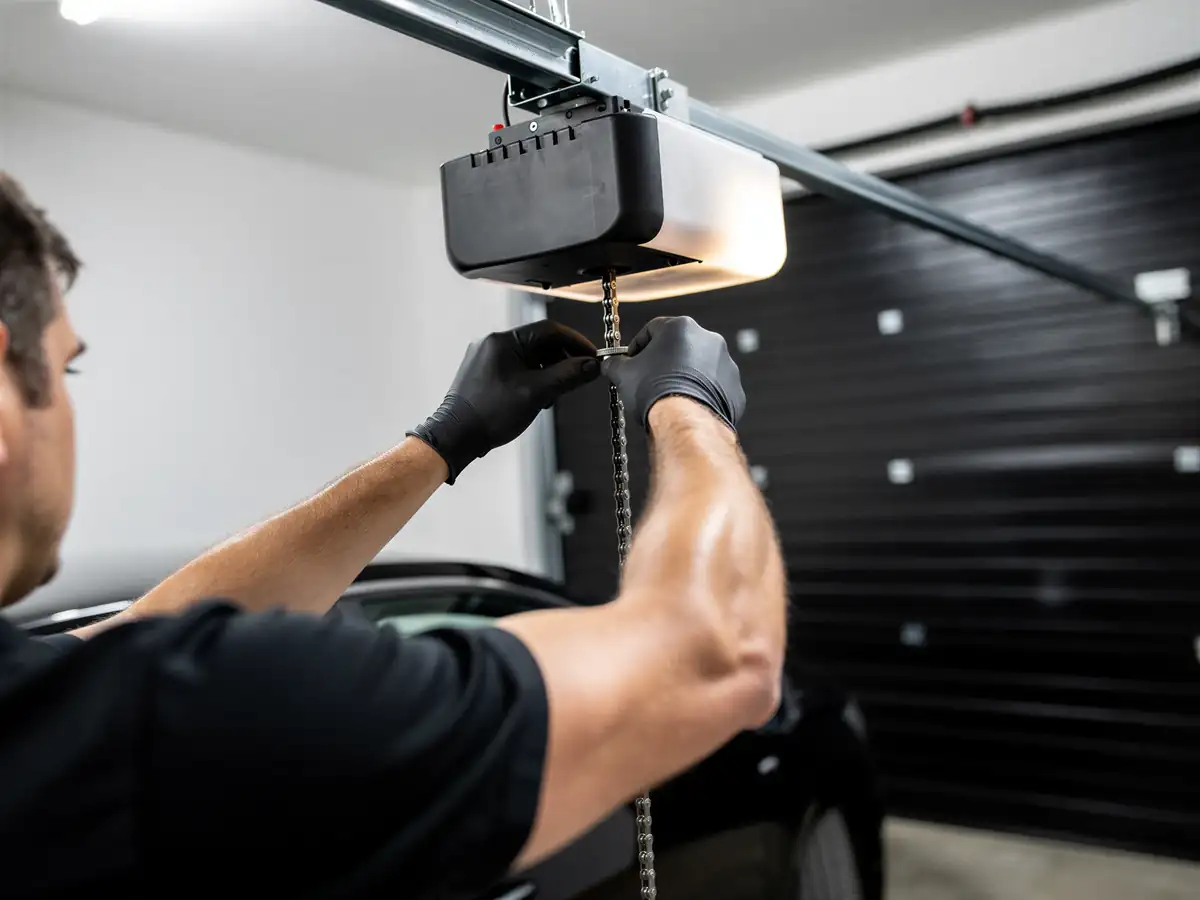
We stock the parts that actually fail on openers from that era and the replacements installed since: travel limit switches, drive gears and sprockets for chain units, safety sensor pairs, logic boards for the common belt and chain-drive brands, and remotes that pair to both older and newer receivers. Claremont's household income runs well above the service-area median - $122,127 against this area's broader number - and we see that reflected in more belt-drive and smart-opener replacements here than in some neighboring tracts, so we carry those boards too.
What we don't carry is a part for every discontinued opener model that was ever bolted to a 1966-era header
If yours is one of those, we'll order it rather than invent a fix.
The DIY Question
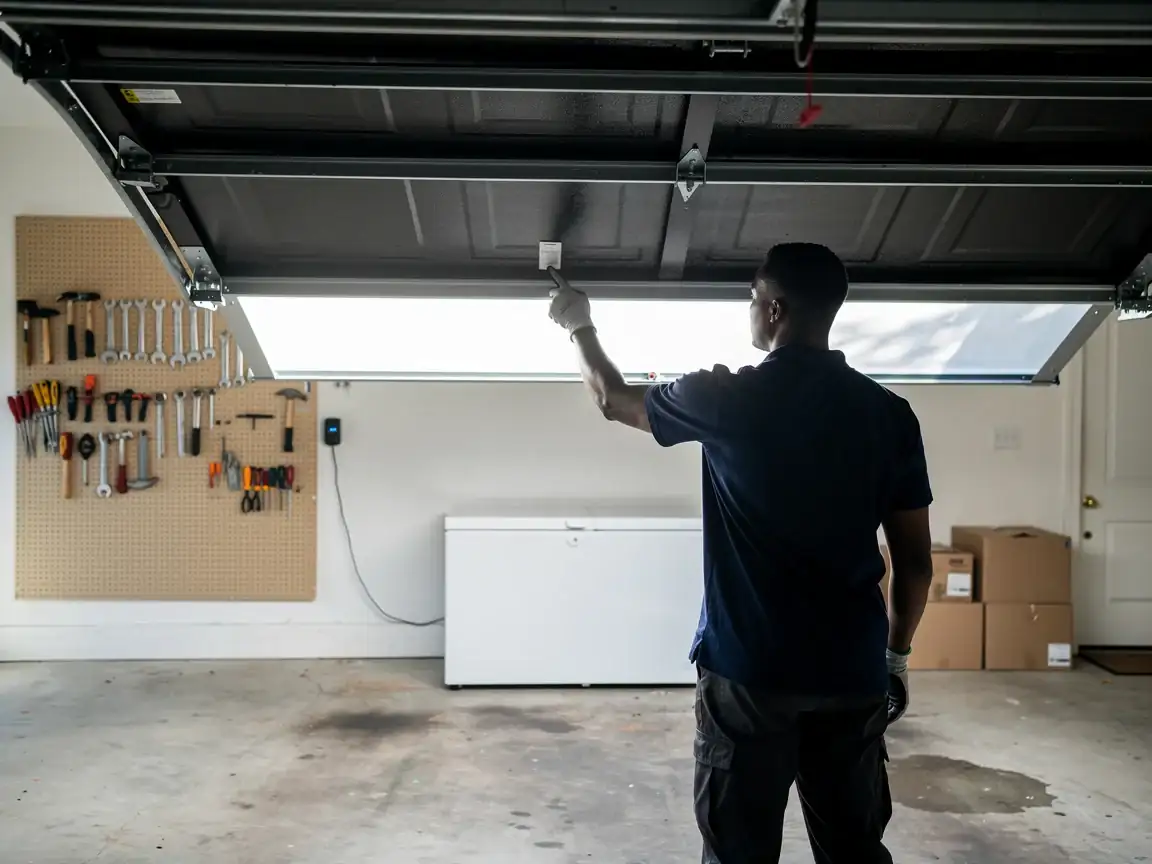
Reprogramming a remote or swapping sensor eyes is reasonable for most homeowners, and we'd rather you save the call-out for that than pay someone to press a learn button. Where it stops being a DIY job is anything involving the opener's travel limits on an older track, or the trolley and chain tension on a door that's had its springs serviced separately over the years - on a 1960s-era opening, those three systems are rarely still perfectly matched, and adjusting one wrong can put strain on a door that's held up fine for decades on its own.
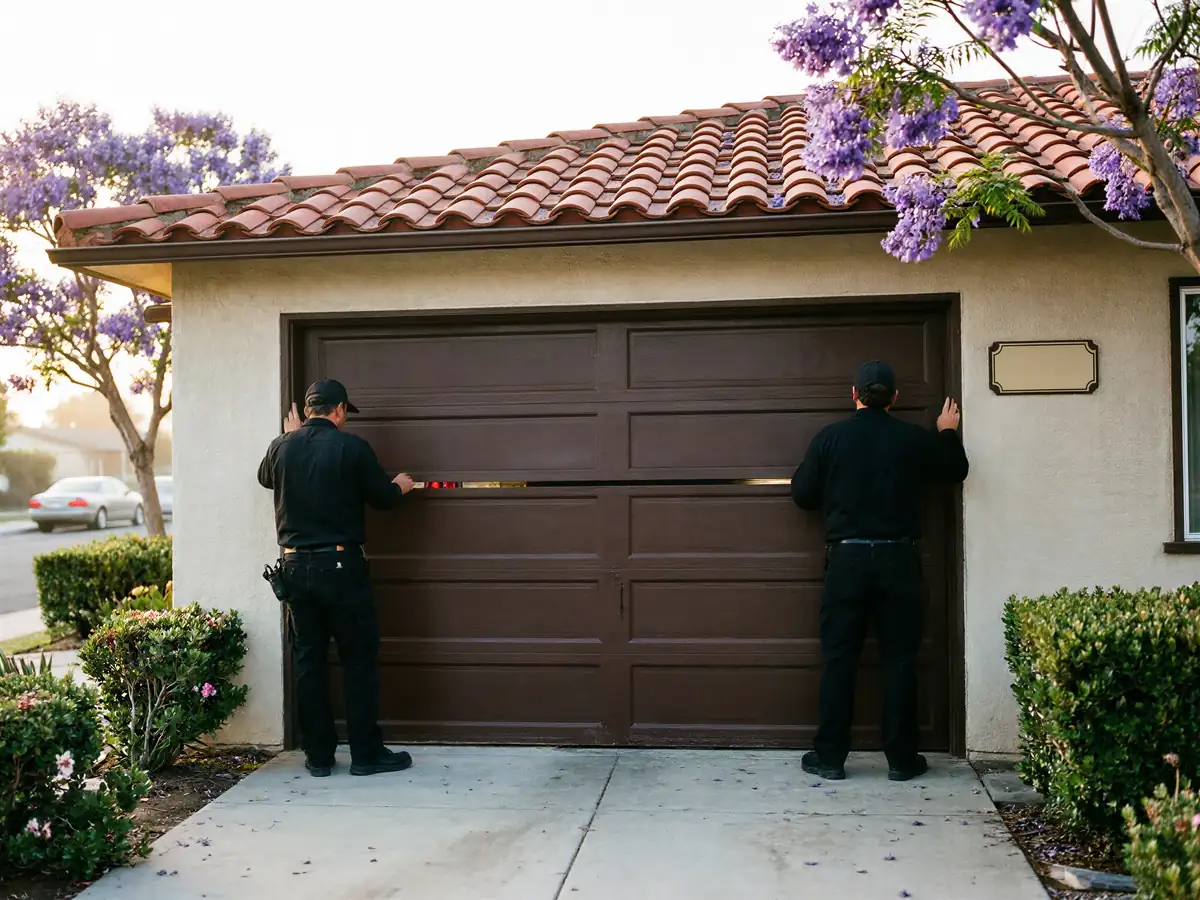
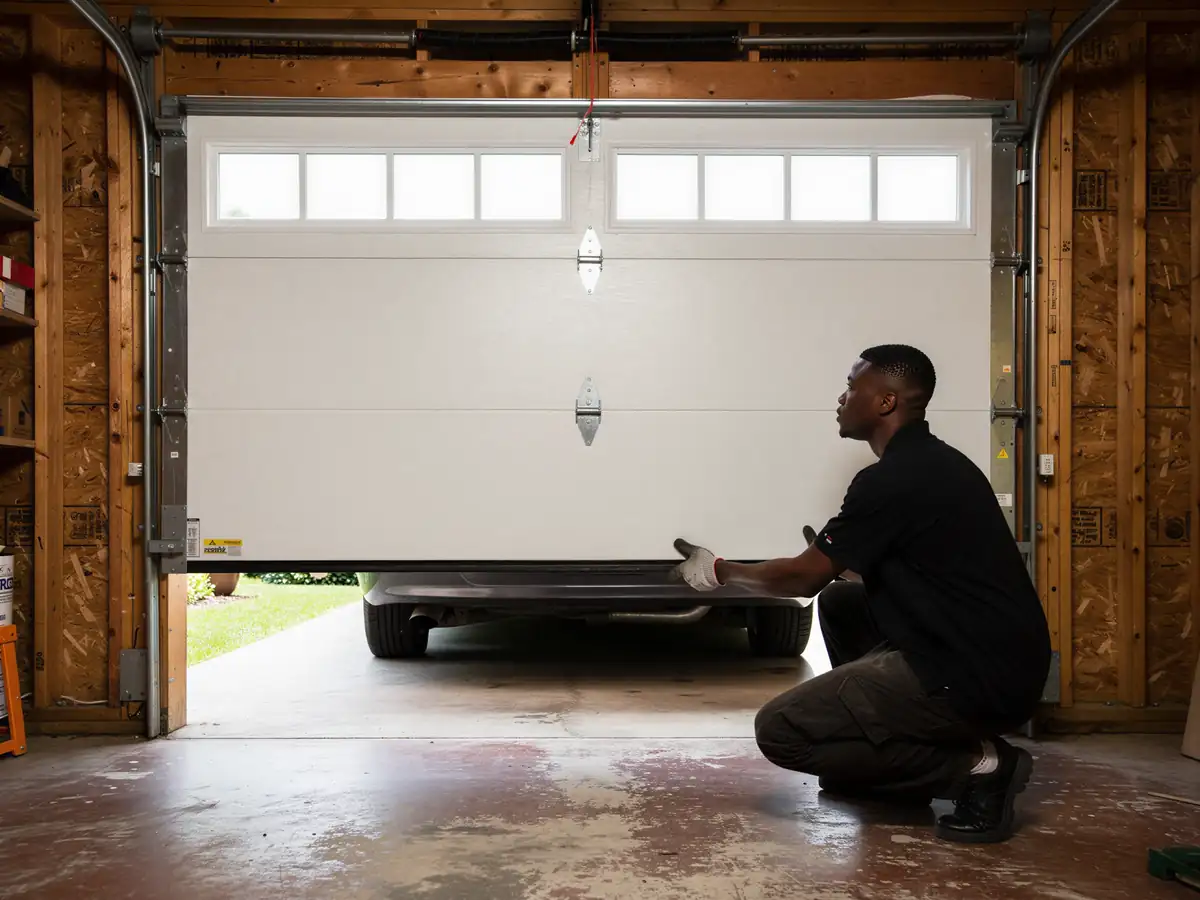
If the opener reverses on contact with the floor, or the wall button doesn't match the remote's behavior, that's a limit or force-setting issue, not a battery issue, and it's worth a second pair of eyes before you keep testing it yourself.
The Cost of This Job
We don't publish a flat number here because the fix ranges from a $20 sensor to a full logic board, and we're not going to invent a figure to fill this section. What we can tell you is that the diagnosis call is the same whether your opener is three years old or original to a 1966 build, and we price the repair itself after we've seen what's actually failed, not before.
Given Claremont's income profile relative to the rest of this service area, we do see more requests here for smart-opener upgrades alongside a repair call - Wi-Fi modules, battery backup - and those get quoted separately from the repair, not bundled into it.