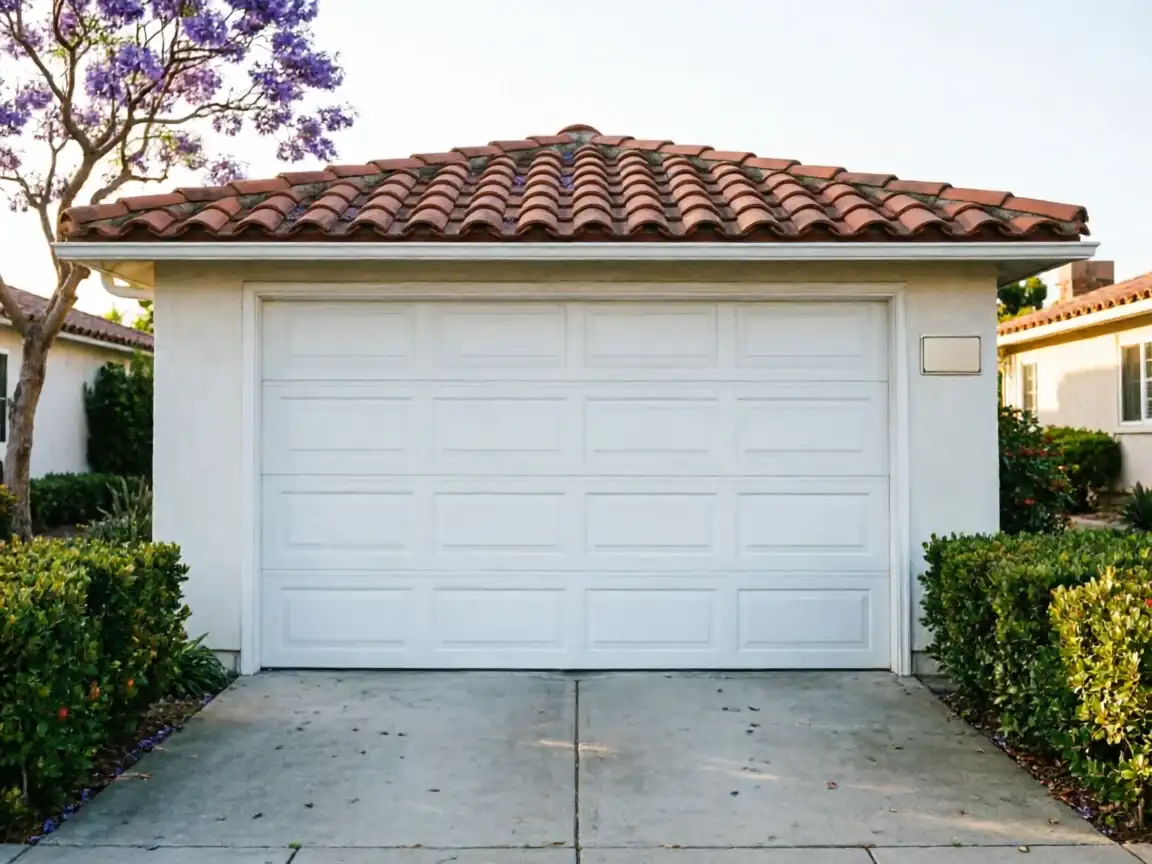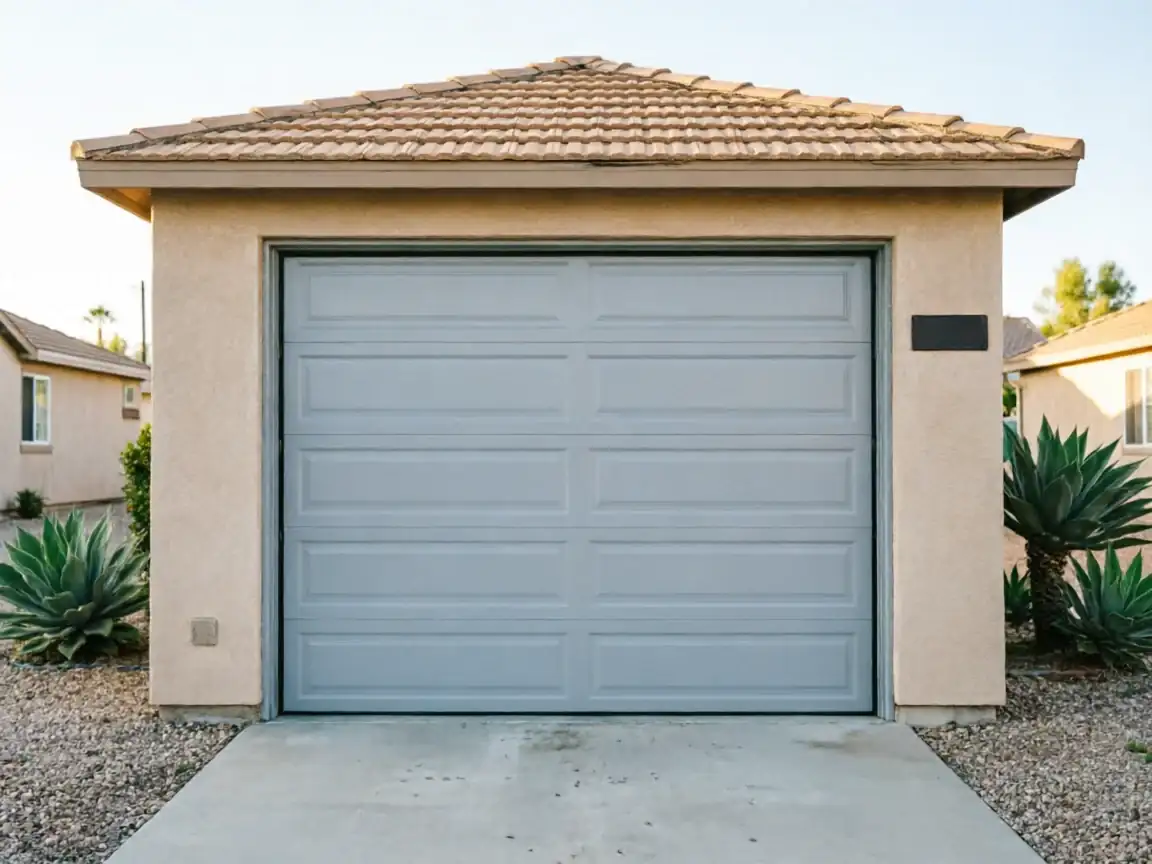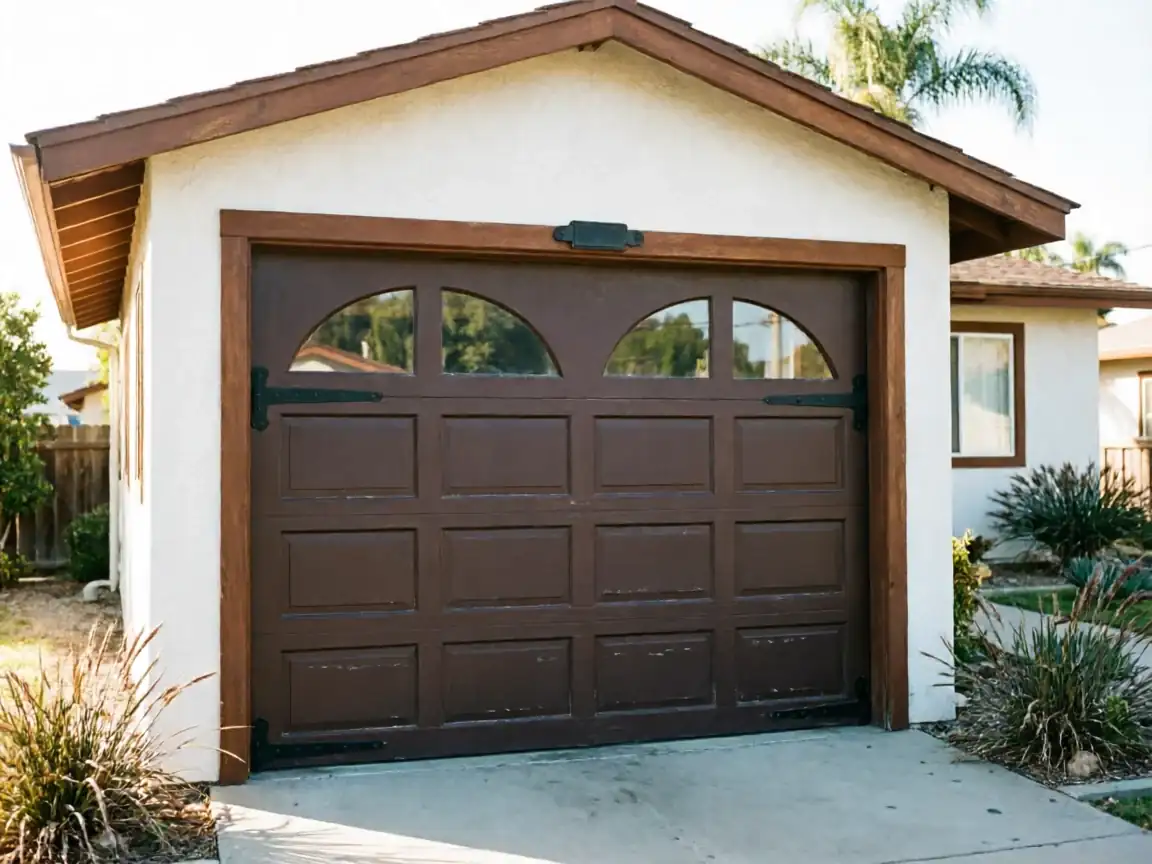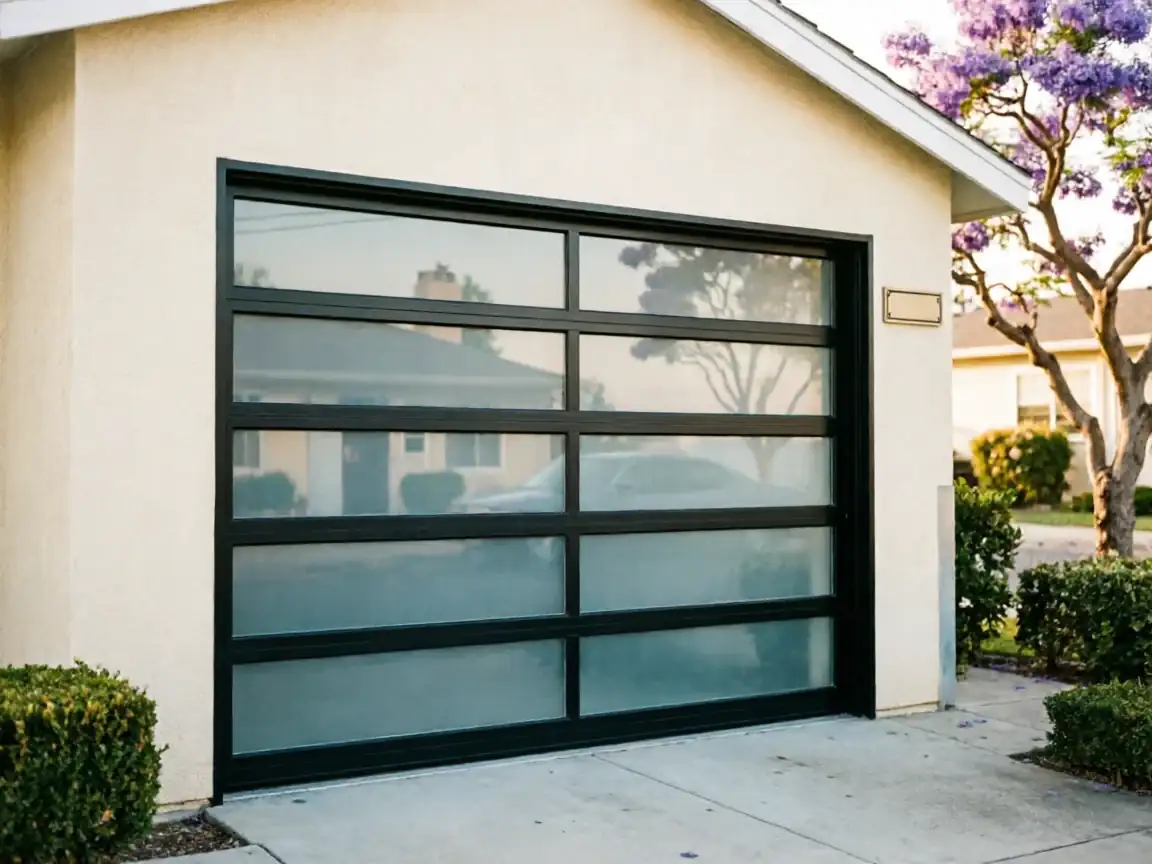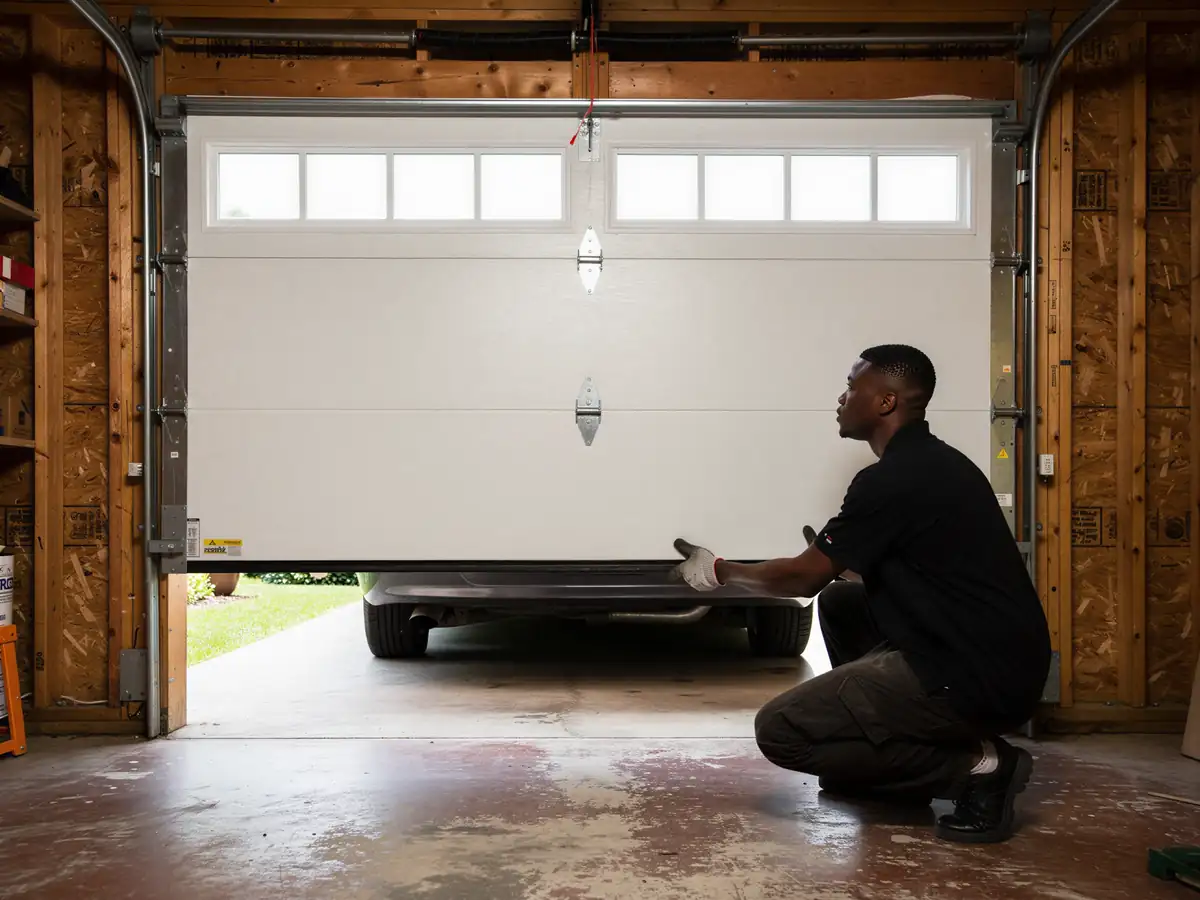
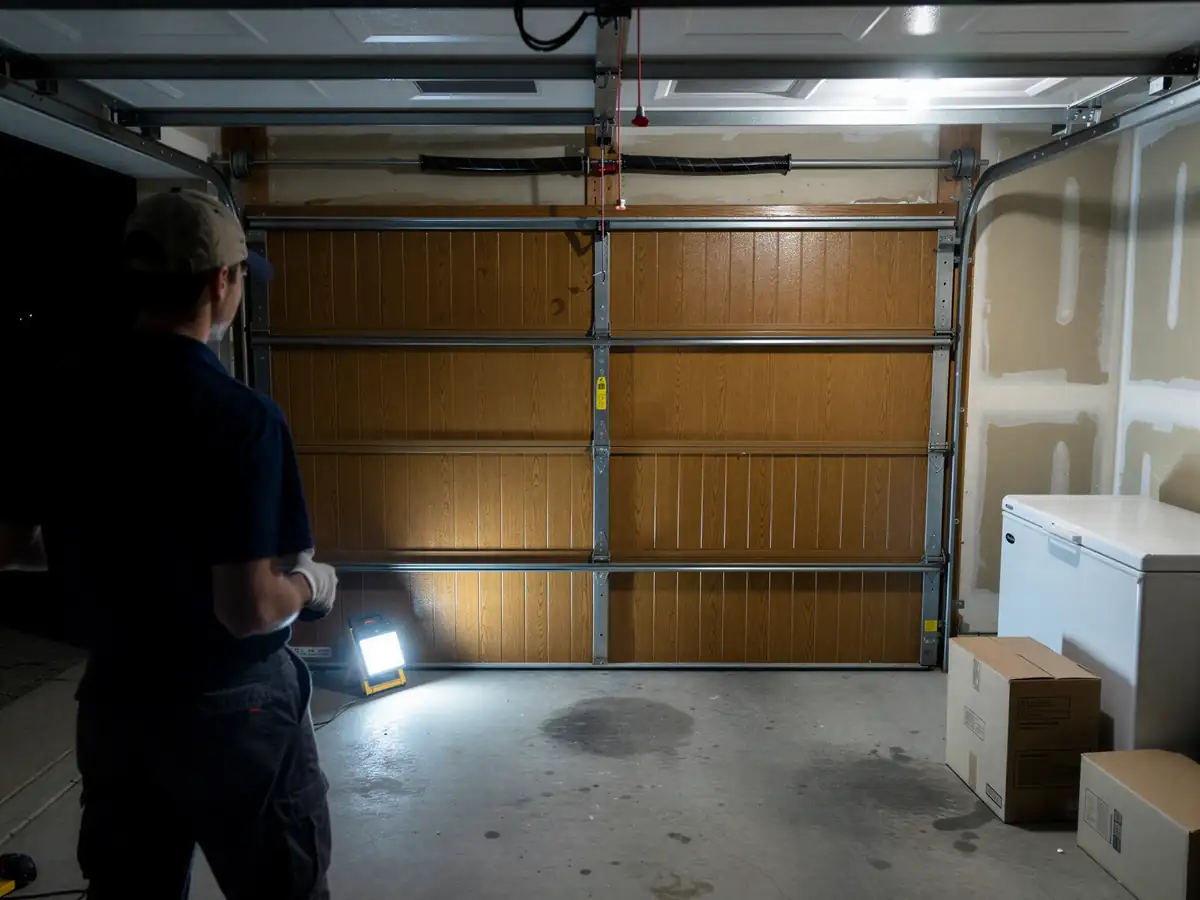
What You Are Seeing
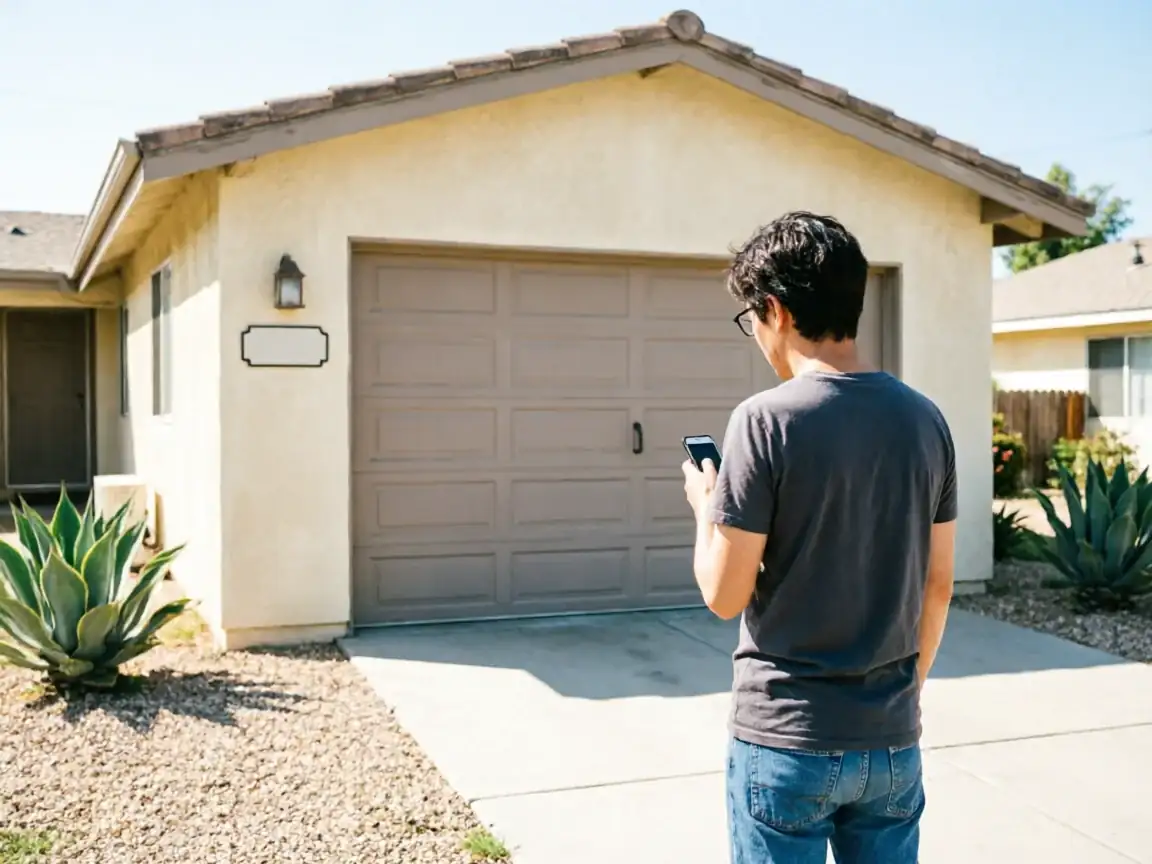
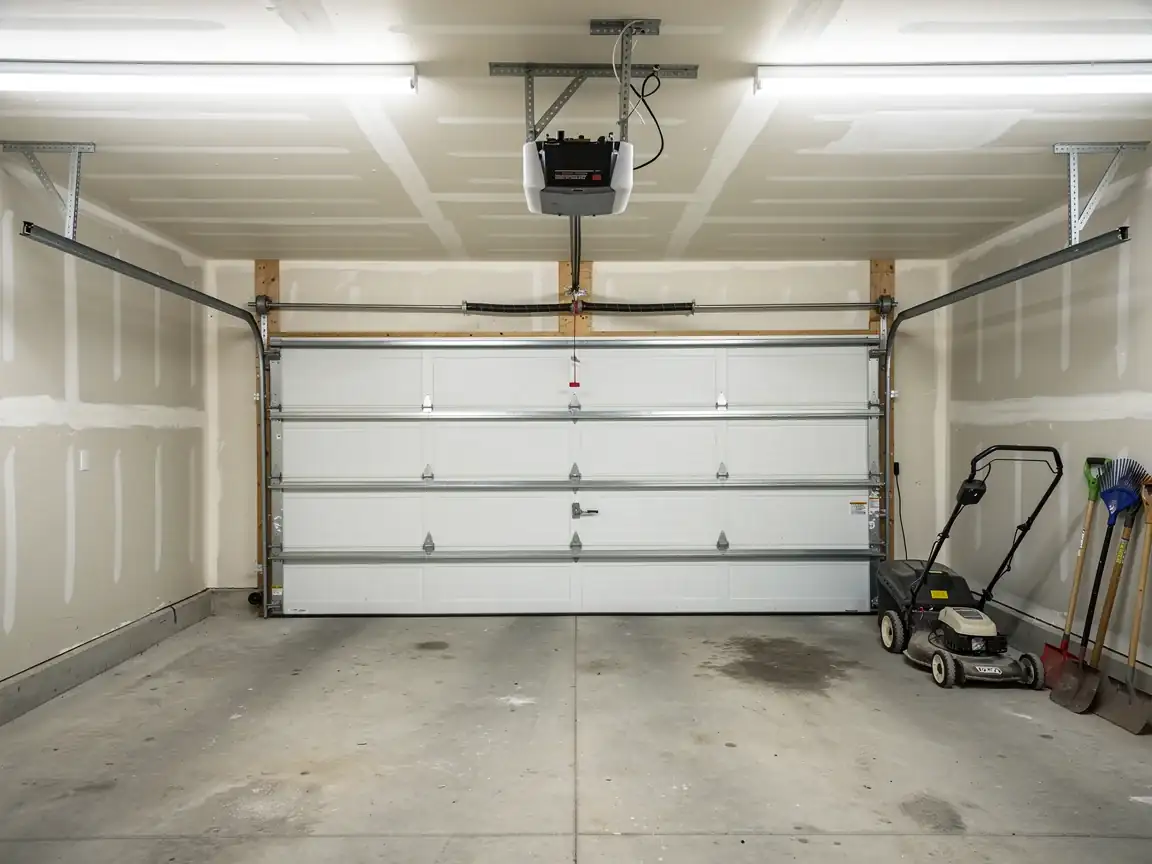
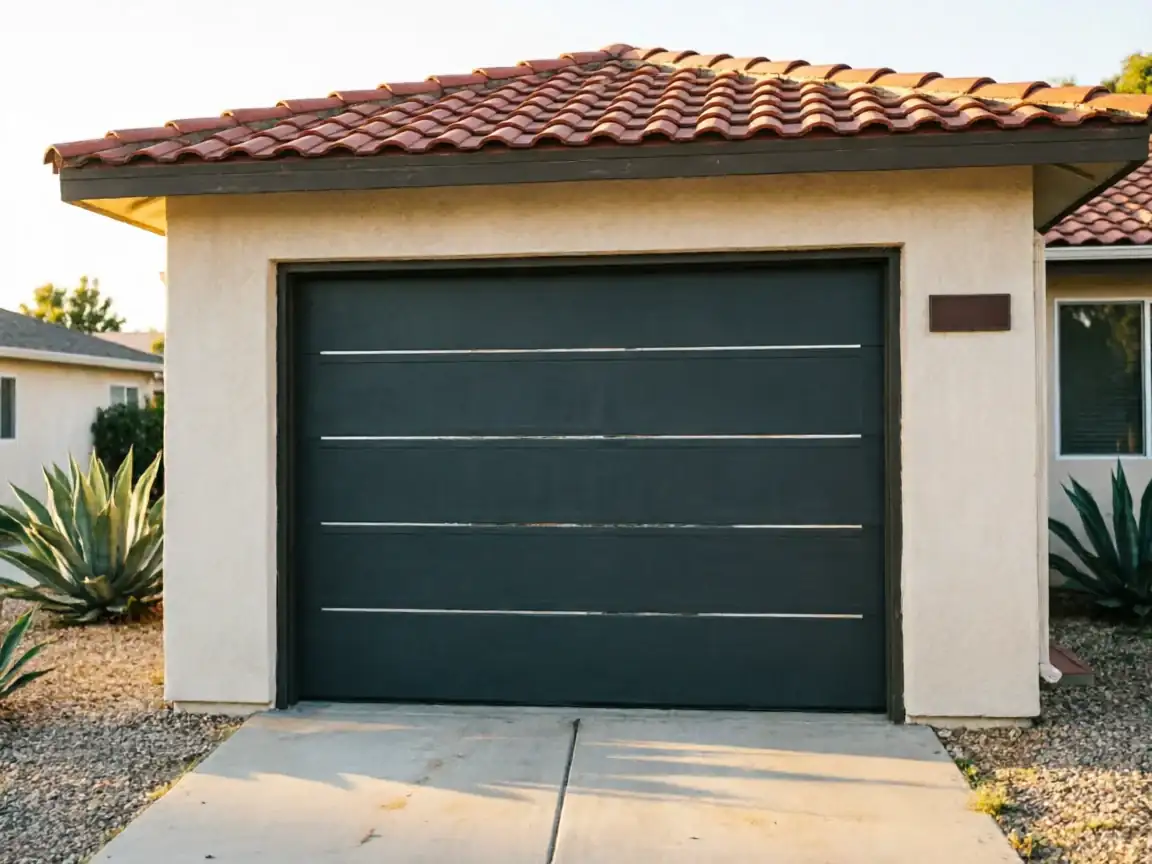
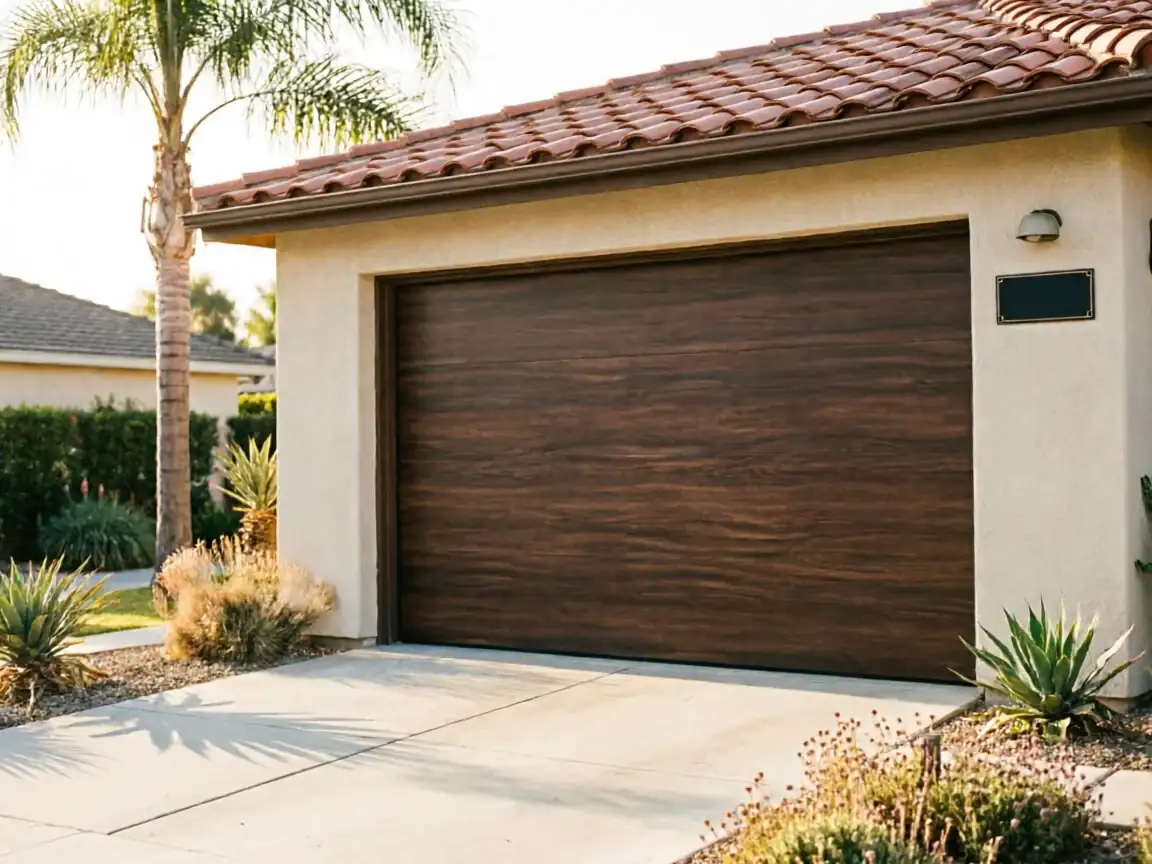
Most of the calls we take in Claremont start the same way: a spring lets go on a door that has been opening and closing since before anyone in the house owned a cell phone. The median home here was built around 1966, which puts the bulk of Claremont's garage doors squarely in the county's older build window of 1951 to 2007. That's not a coincidence - it's a cycle count problem. A torsion spring rated for roughly 10,000 cycles has had sixty years to use them up, and plenty of houses on these blocks never had the spring swapped even once.
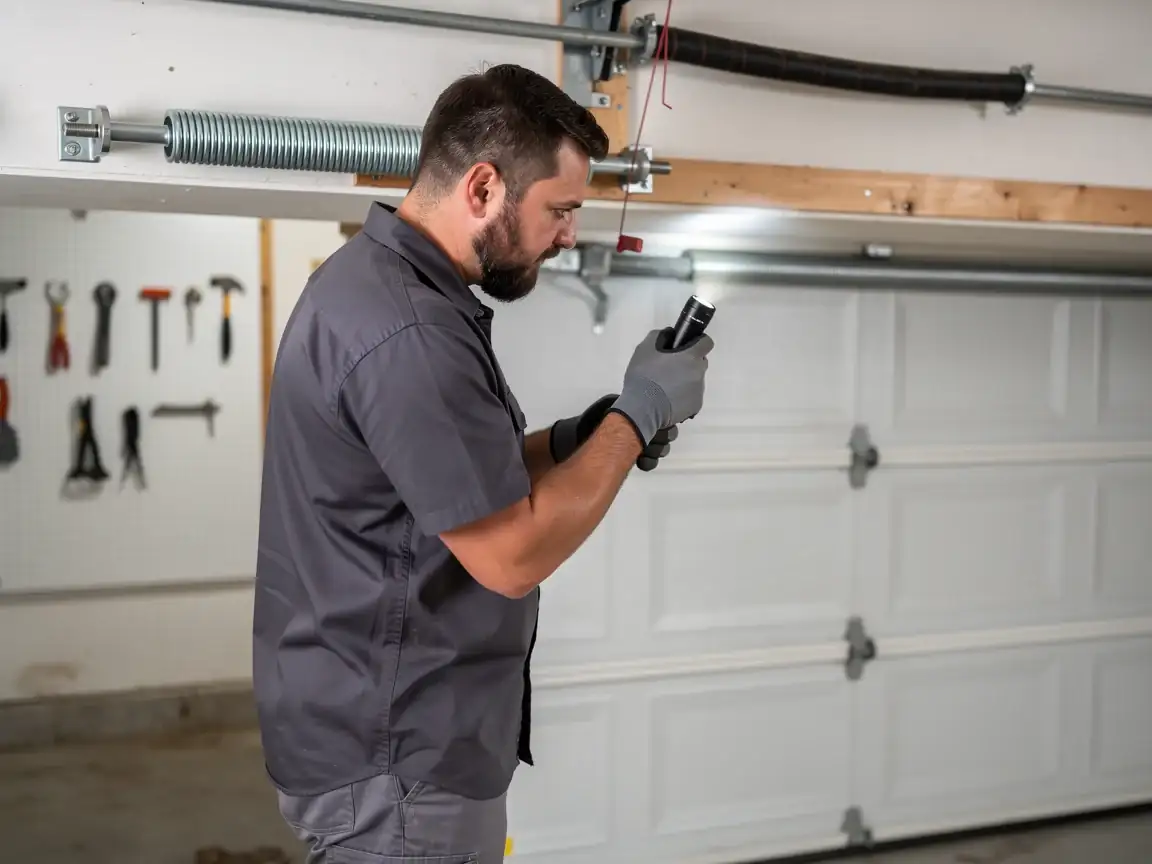
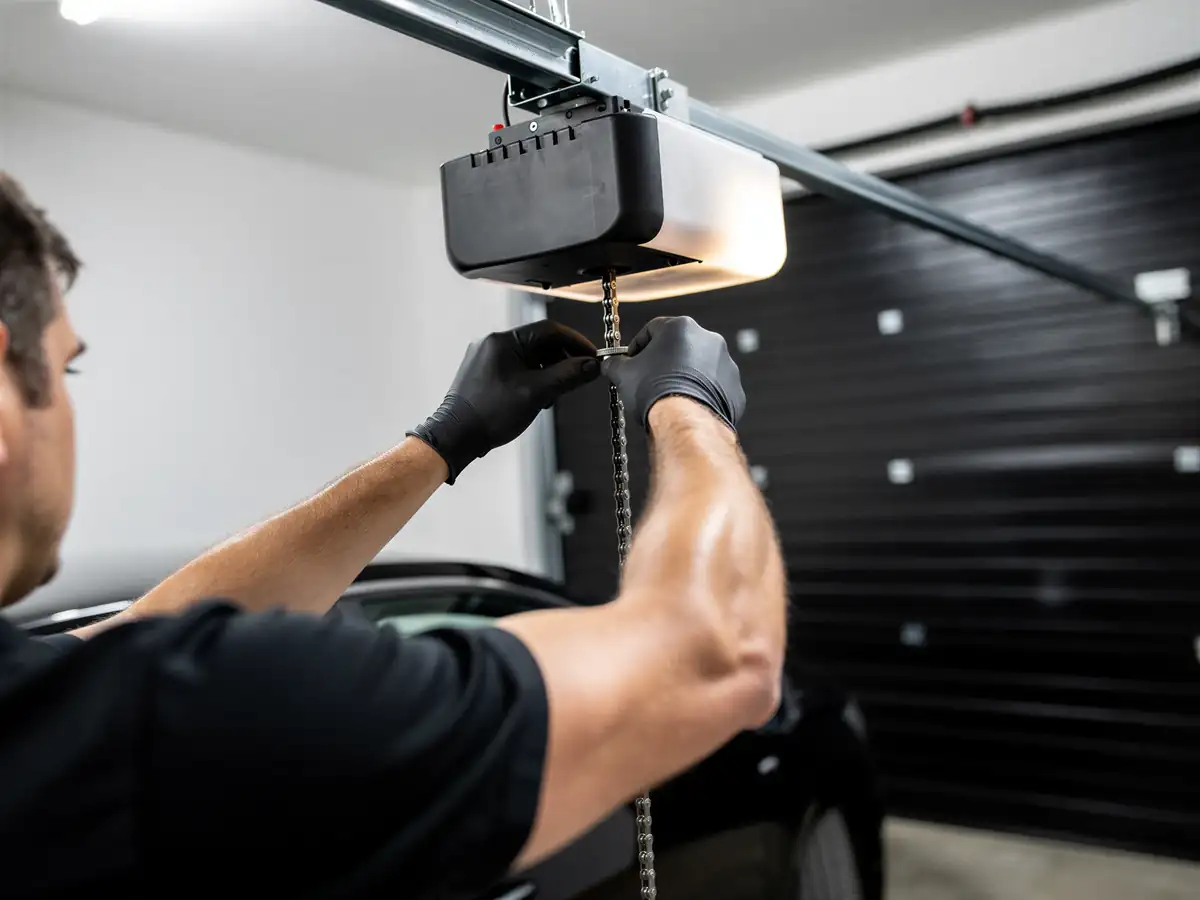
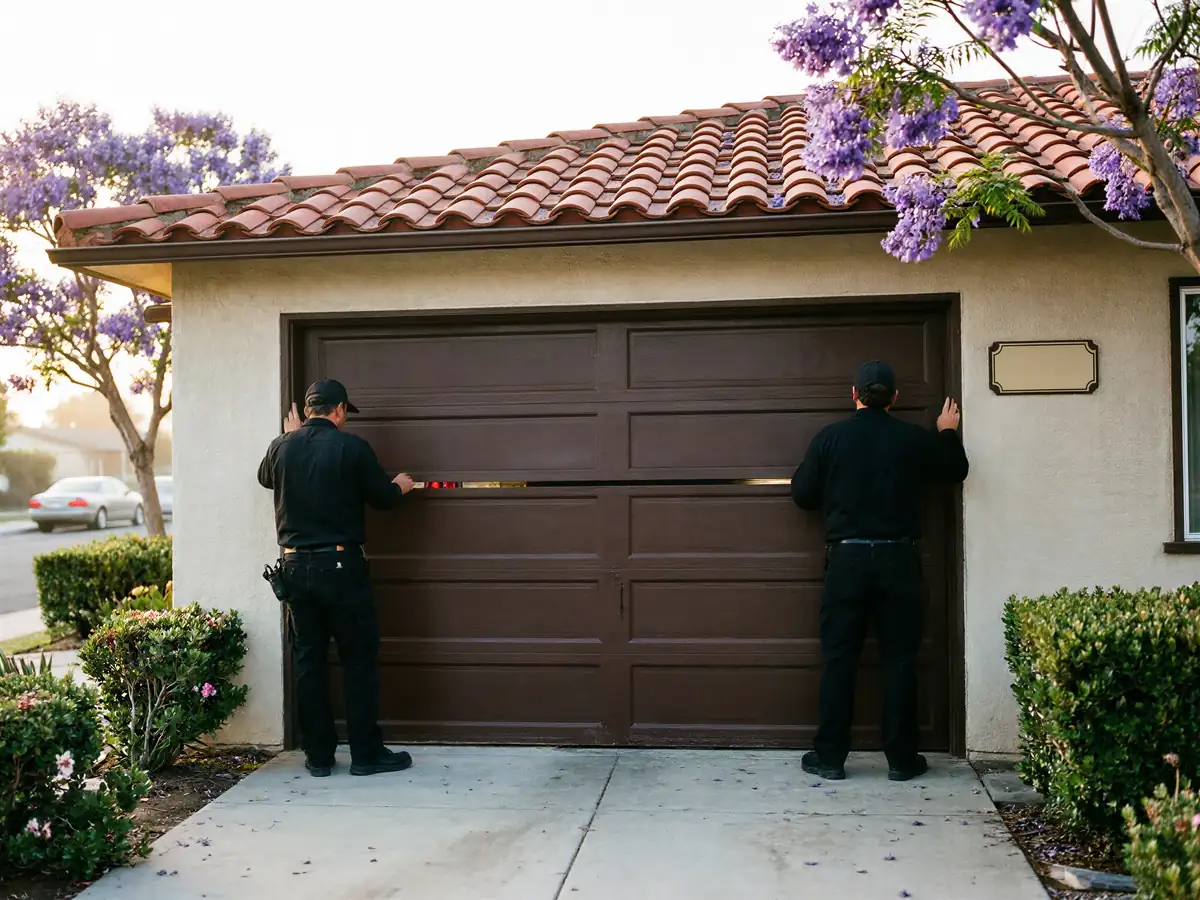
What that looks like in practice: a door that slams down the last foot of travel instead of settling, a cable that's frayed at the drum, or an opener straining against a spring that's lost its tension entirely. On the older galvanized springs common to this build era, you'll sometimes see surface rust well before the coil actually snaps - that's your warning, not a cosmetic issue to ignore. Moderate heat in this part of the county also speeds up grease breakdown on tracks and rollers that haven't been serviced, so a stiff, noisy door in summer is often the same spring problem starting earlier.
Time on the Job
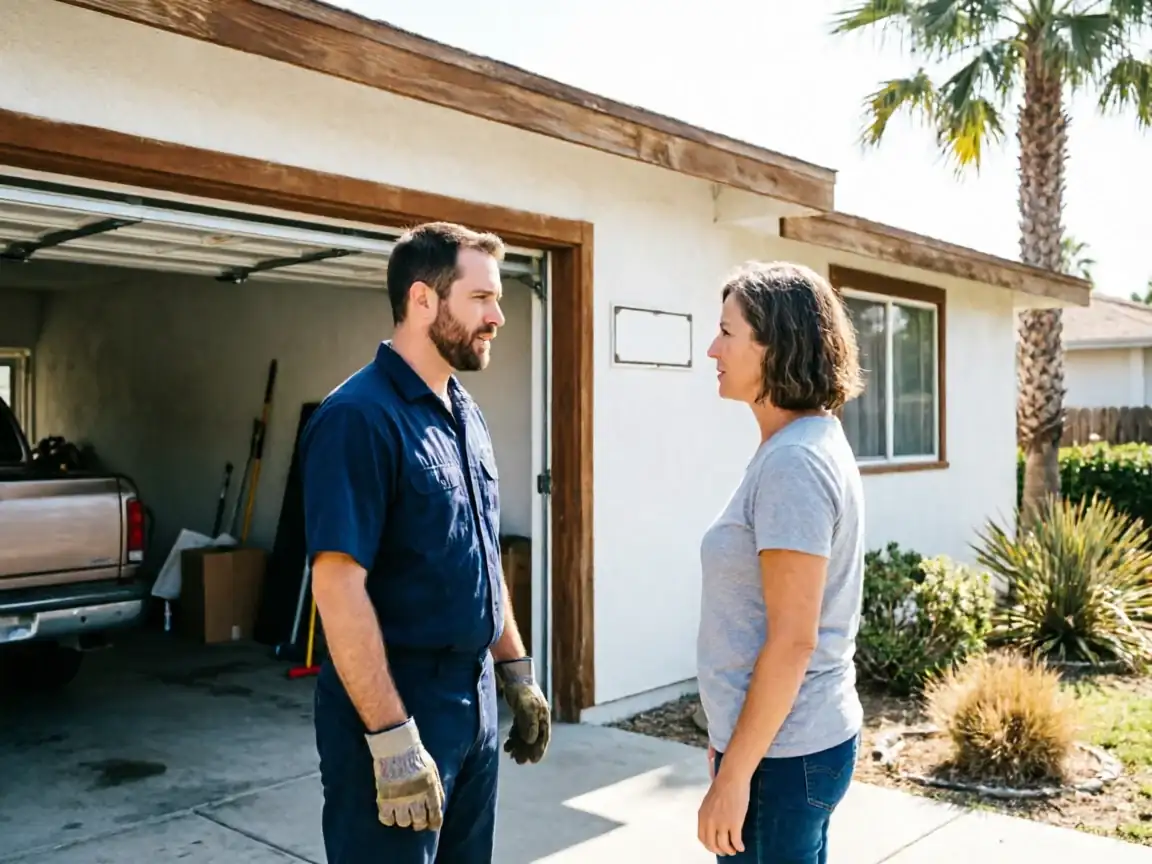
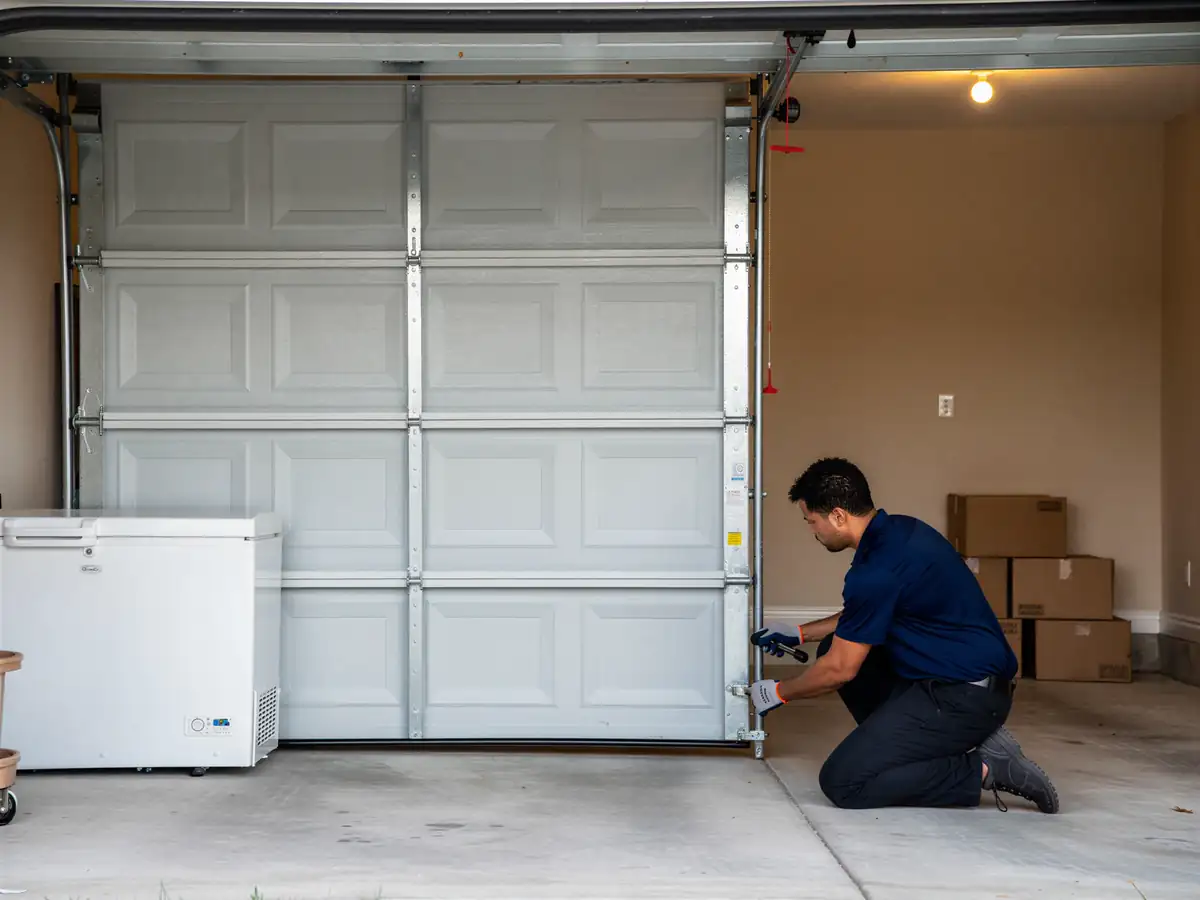
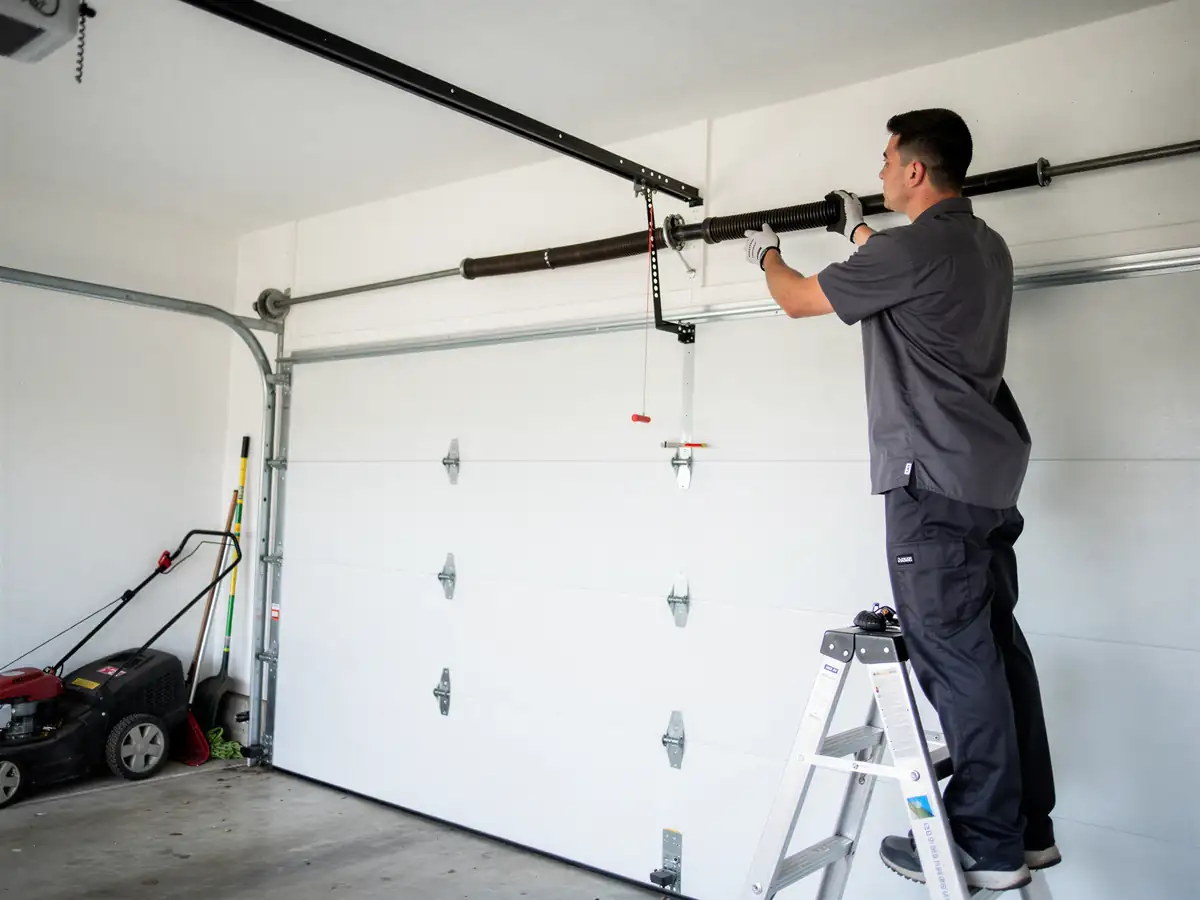
We run this call from Pomona, about five miles from Claremont, so there's no separate branch or depot to wait on - just the drive. A standard broken spring replacement on a residential door is usually a same-visit fix once the truck is on site: the tech pulls the broken spring, matches it against the door's weight and cycle rating, and winds in the replacement. Cable and roller issues go similarly fast when the track itself is straight and the opener isn't also failing.
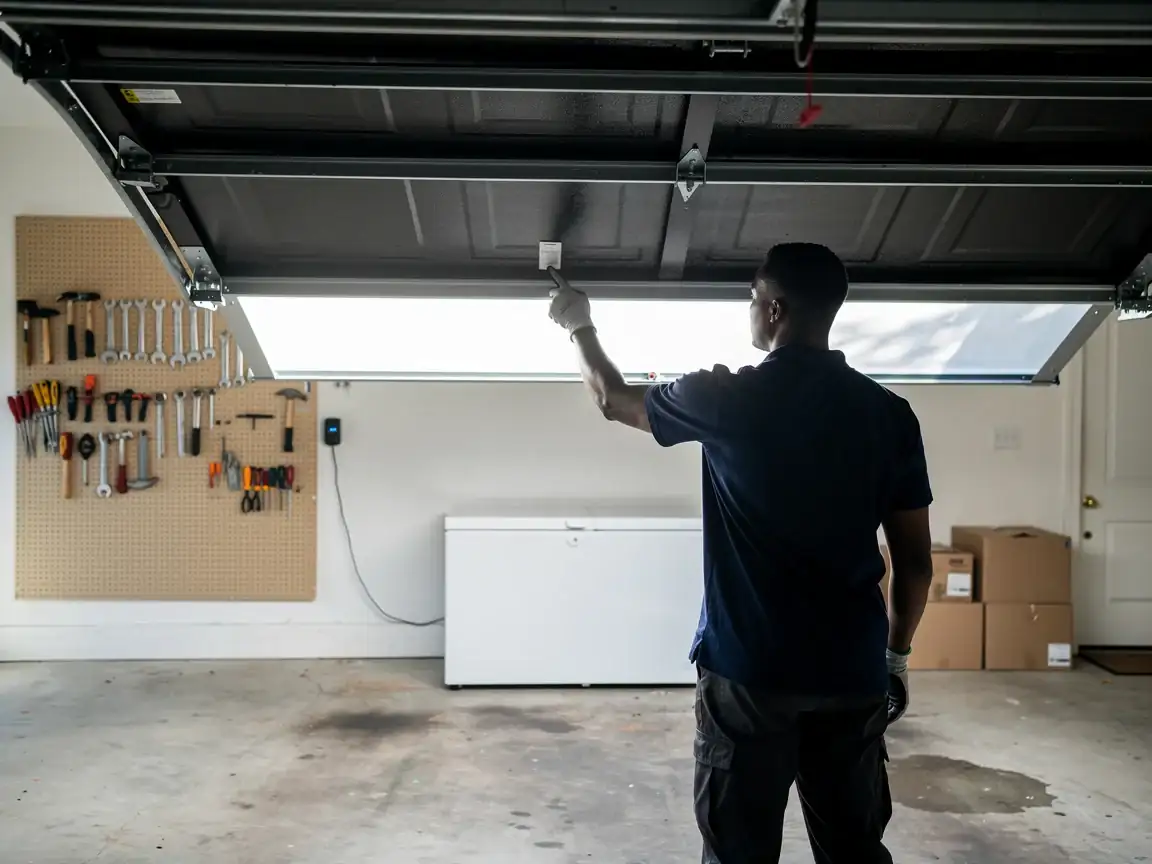
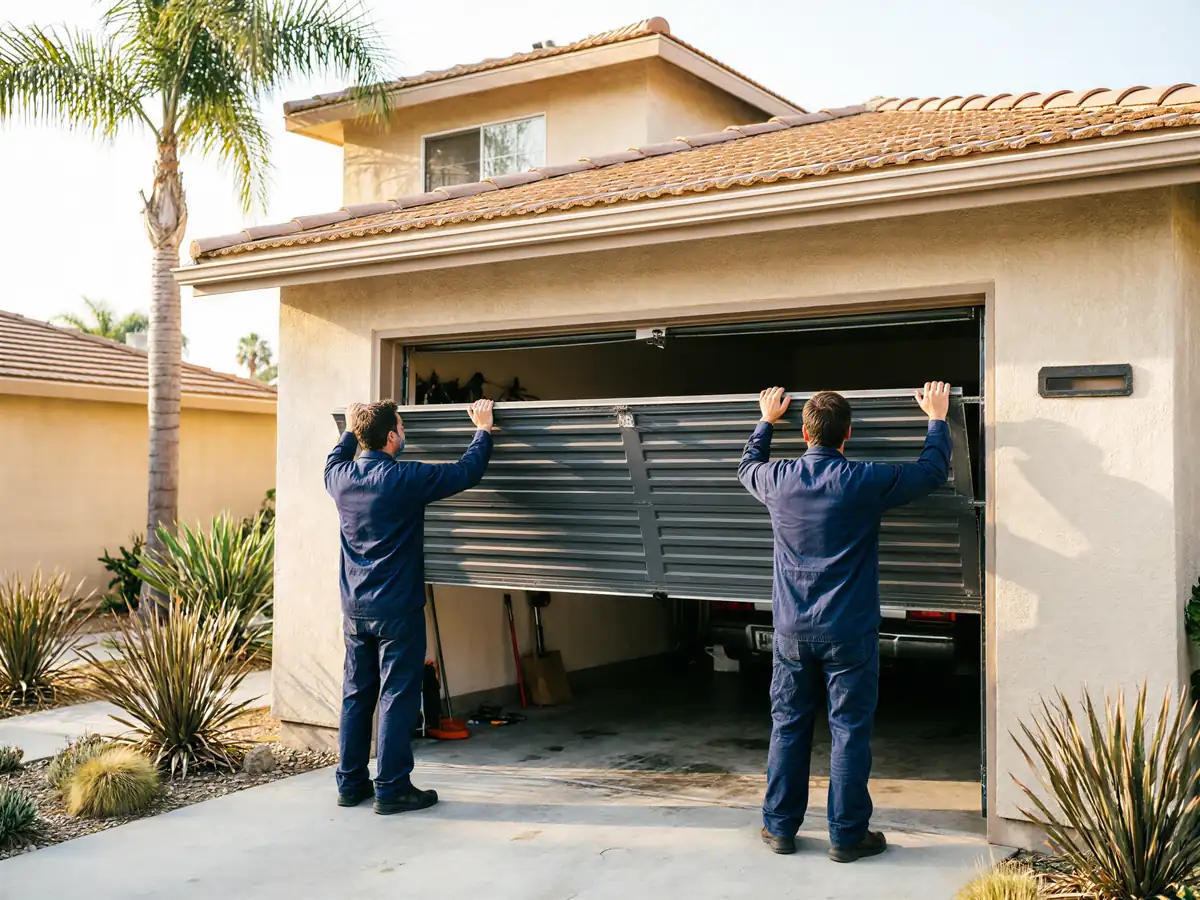
What takes longer is anything layered - a spring that's been broken long enough that the opener's gears have stripped trying to compensate, or a door where the cable jumped the drum and bent the shaft. We'll tell you on site if that's what we're looking at rather than guessing over the phone. One honest limit: if a part isn't something we stock for your door's size and era, that's a return trip, not a same-day promise we're willing to make.
What Is on the Truck
Given how many Claremont doors trace back to the same mid-1960s construction window
The truck carries torsion and extension springs sized for the panel weights and door dimensions common to that era, along with standard-gauge cables, drums, and rollers. These aren't exotic parts - they're the parts that fail most often on a 55-to-70-year-old door, and carrying them means we're not making a parts run mid-job.
What we don't carry is every proprietary opener board or a full stock of discontinued panel sections for doors that have been resized or modified over the decades
If your door has had aftermarket panels swapped in over the years, or the opener is a model that's been out of production a long time, we'll confirm compatibility before we quote the fix rather than after.
The DIY Question
A torsion spring under tension can put you in the hospital, and that's true whether the door is new or sixty years old - don't touch the spring yourself. Lubricating hinges, tightening loose roller brackets, or clearing debris from the track is reasonable homeowner maintenance and worth doing regularly, especially through the hotter months when dried-out lubricant on tracks and rollers makes the door work harder than it should.
Where people get into trouble is the cable and drum system, or trying to adjust spring tension themselves because a hardware store clerk said it was simple. It isn't, and on an older door with worn mounting hardware, the margin for error is smaller, not bigger. If the door won't open, won't stay open, or is making a grinding noise from the spring area, that's a call, not a weekend project.
The Cost of This Job
We don't post a flat number here because spring size, door weight, and whether the opener is also compromised all move the price, and quoting blind isn't honest. What we can say: Claremont's median household income, at $122,127, runs well above the wider service area's $102,449, and in practice that means more Claremont homeowners choose a full spring and cable replacement over patching just the broken part, since the labor to open the door up is most of the job either way.
If your door is old enough that the opener, springs, and tracks are all original, replacing the whole system at once is sometimes the better math than paying for three separate visits over two years. We'll lay out both options on site and let you decide - we're not going to upsell a replacement a repair can handle.