What Can Go Wrong
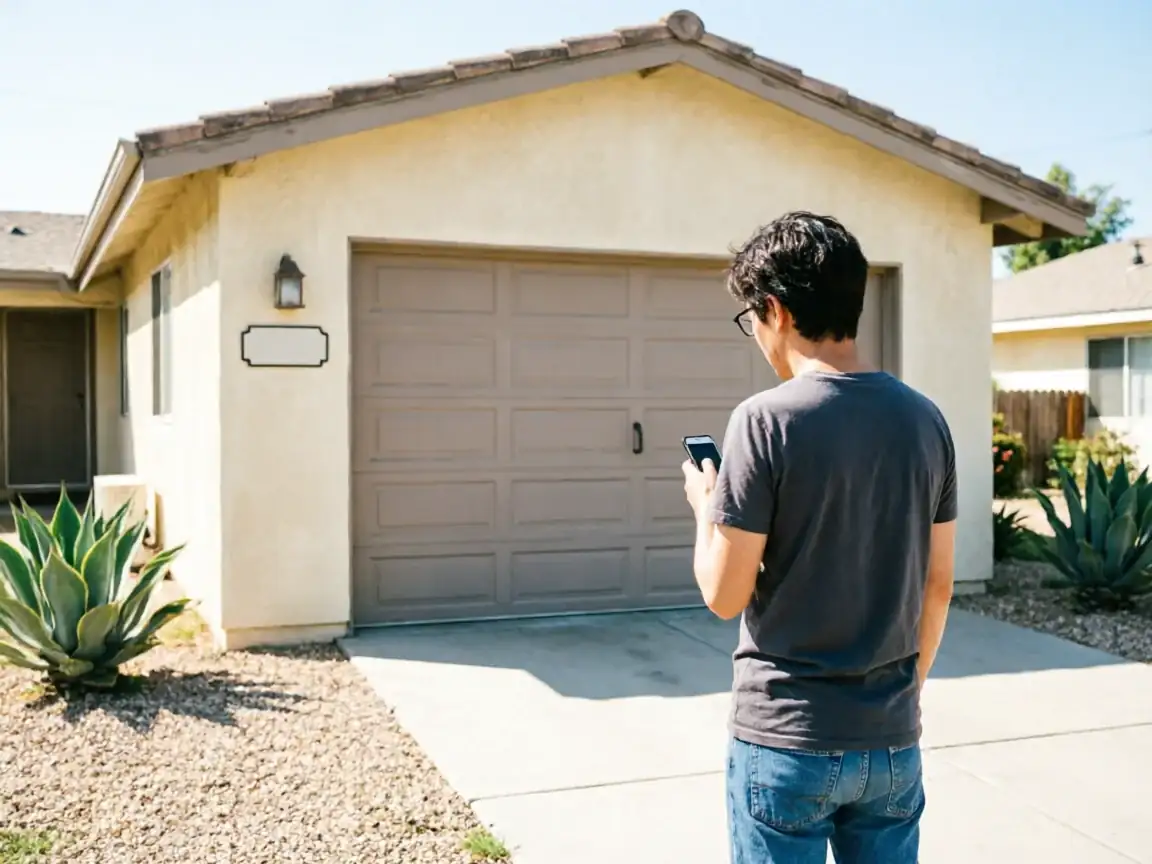
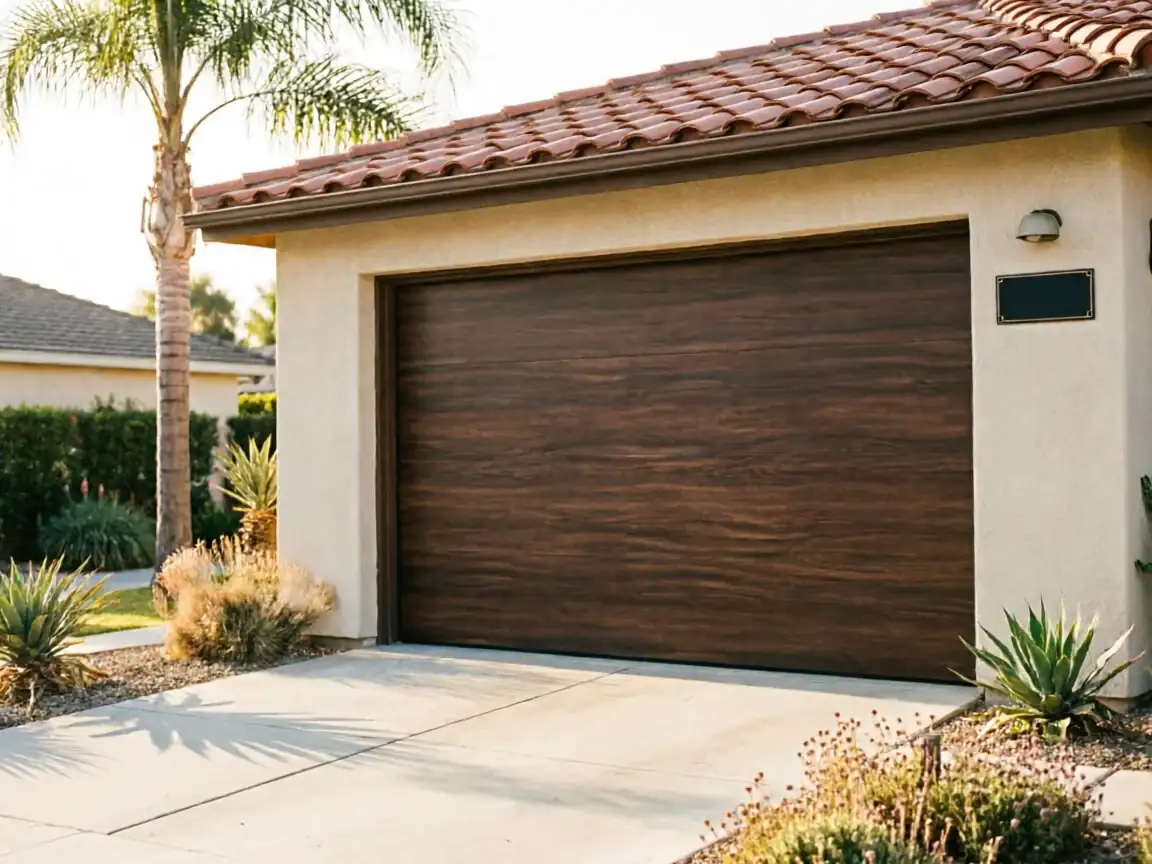
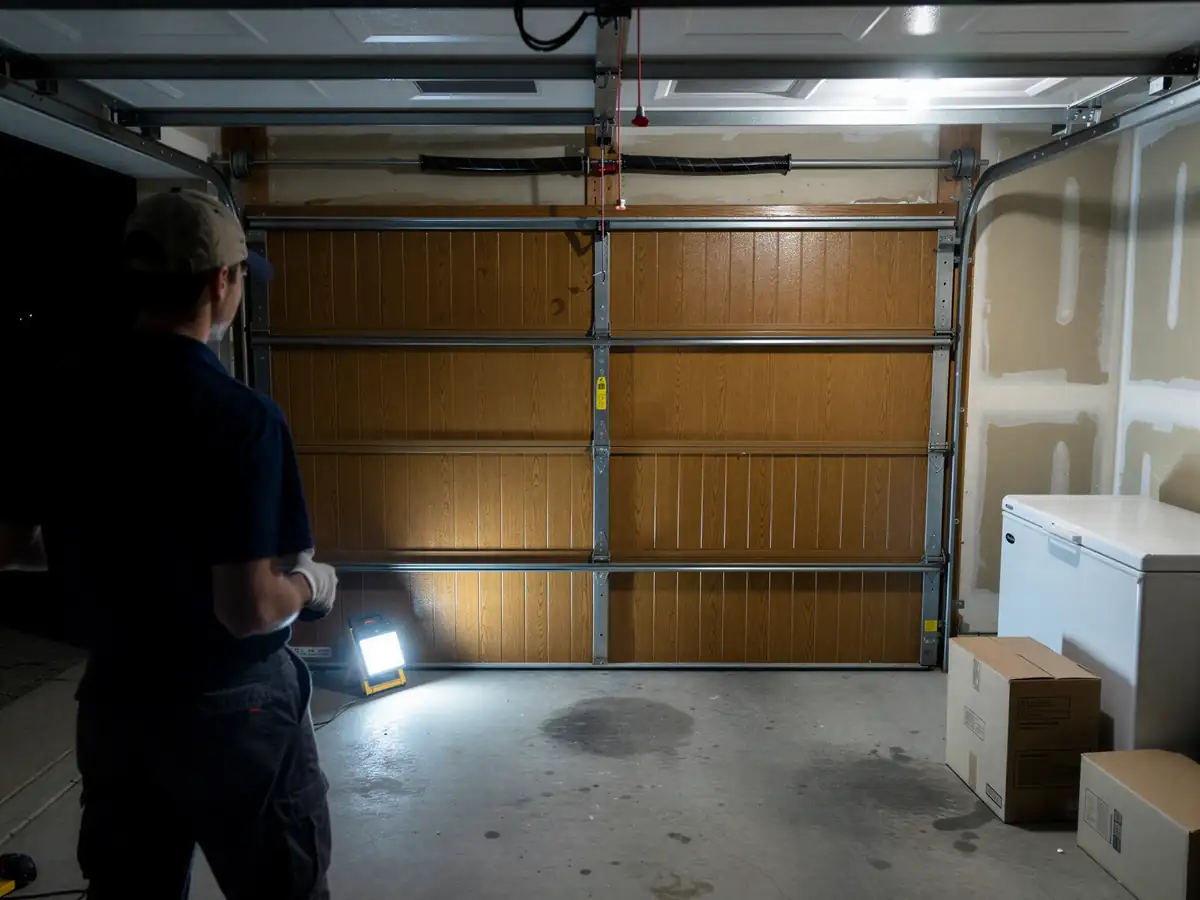
Most houses in Jurupa Valley went up around 1980, and a lot of garages still carry whatever spring setup came with the house. That's over four decades on the same steel. A spring doesn't fail because it's old in the calendar sense - it fails because it's cycled thousands of times and the metal fatigues until it snaps, usually on a cold morning when the extra tension from the chill tips it over the edge. On a double door from that era, you're often looking at a pair of extension springs stretched over the horizontal tracks, or a single torsion spring if the builder upgraded early. Either way, if nobody's touched it since the house was built, you're on borrowed time, not routine maintenance. The door looks fine right up until it doesn't - then it's stuck half-open, or it slams down because nothing's holding the weight anymore. We've seen both, and neither is a job to leave for later once the spring itself has let go.
The Cost of This Job
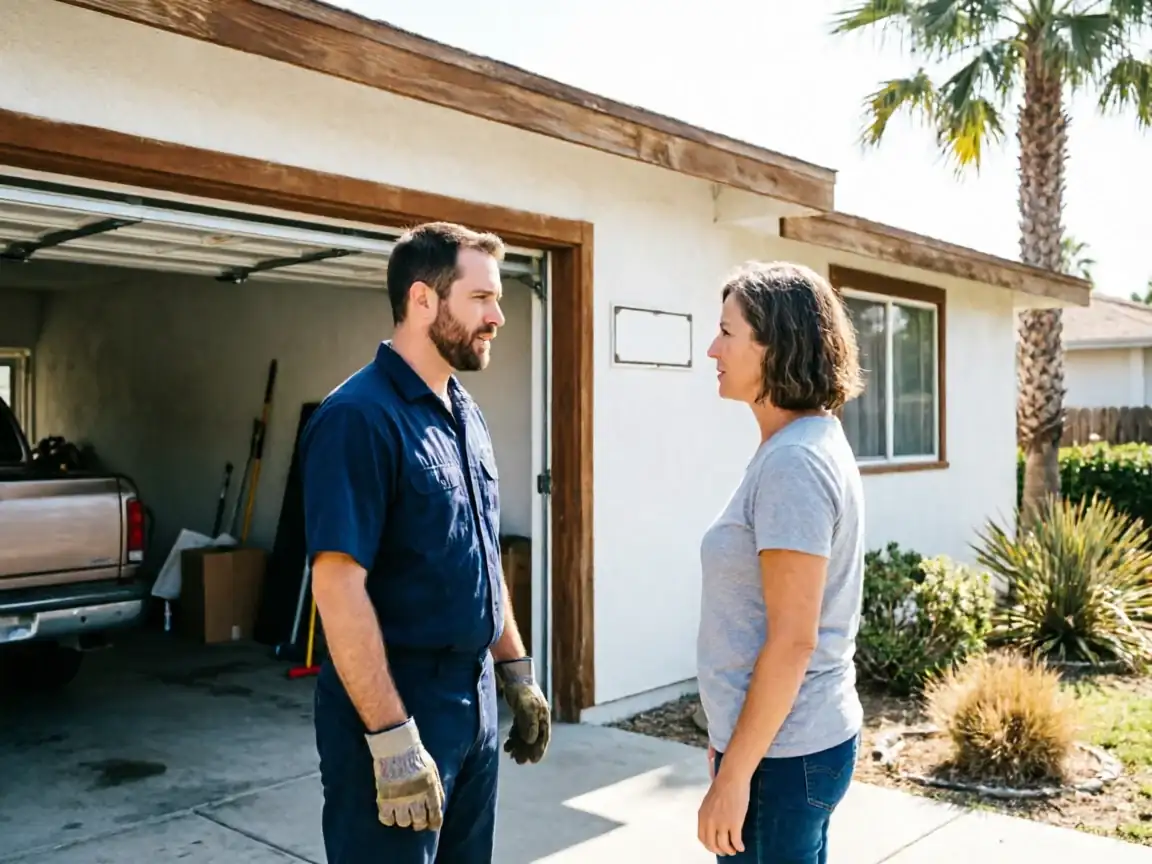
We're not going to quote you a number here, because every door is different - torsion versus extension, single spring versus a pair, 16-foot double versus an 8-foot single all change what parts and labor are involved. What we can tell you is the drivers: spring type, door size and weight, and whether the cable or drum needs replacing alongside it. A 1980-built home with original extension springs often needs the whole assembly brought up to a safer torsion setup rather than a like-for-like swap, and that's a different job than just hanging a new spring on existing hardware. Ask for the breakdown when we're on site so you know exactly what you're paying for and why.
What You Are Seeing
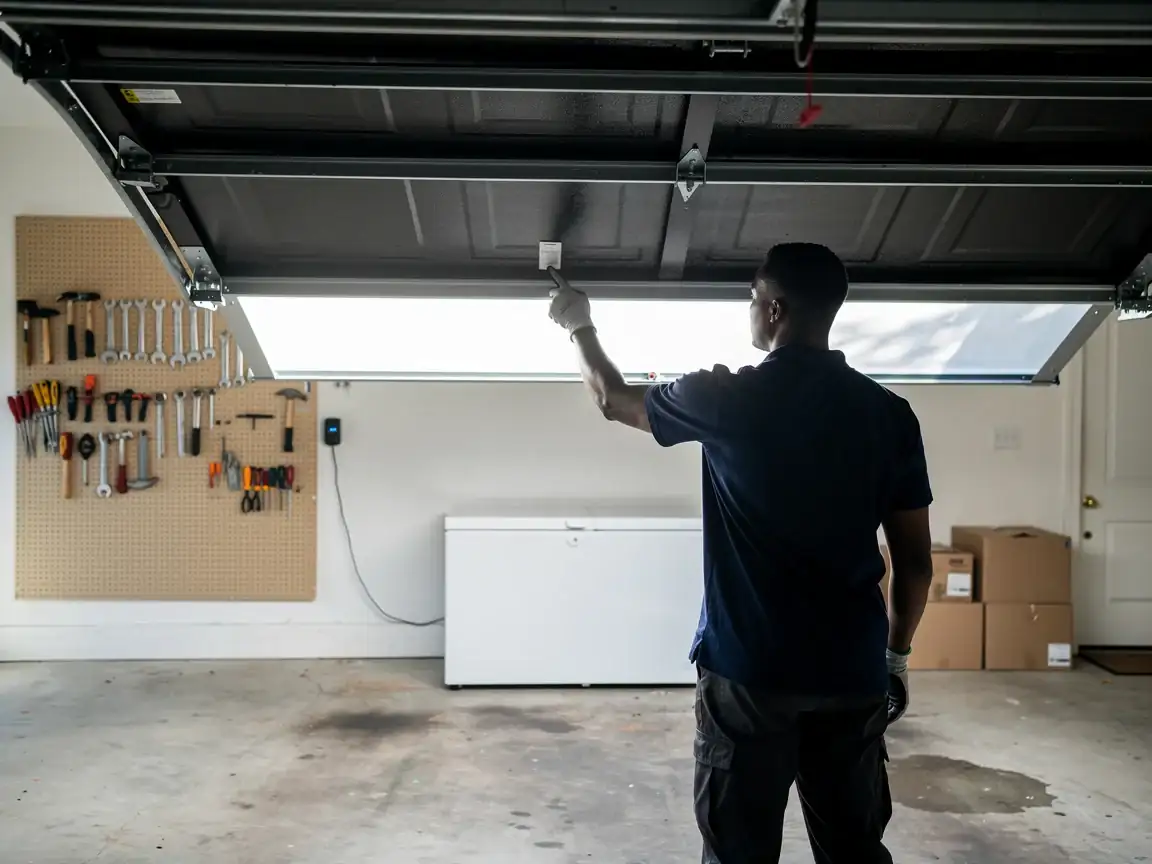
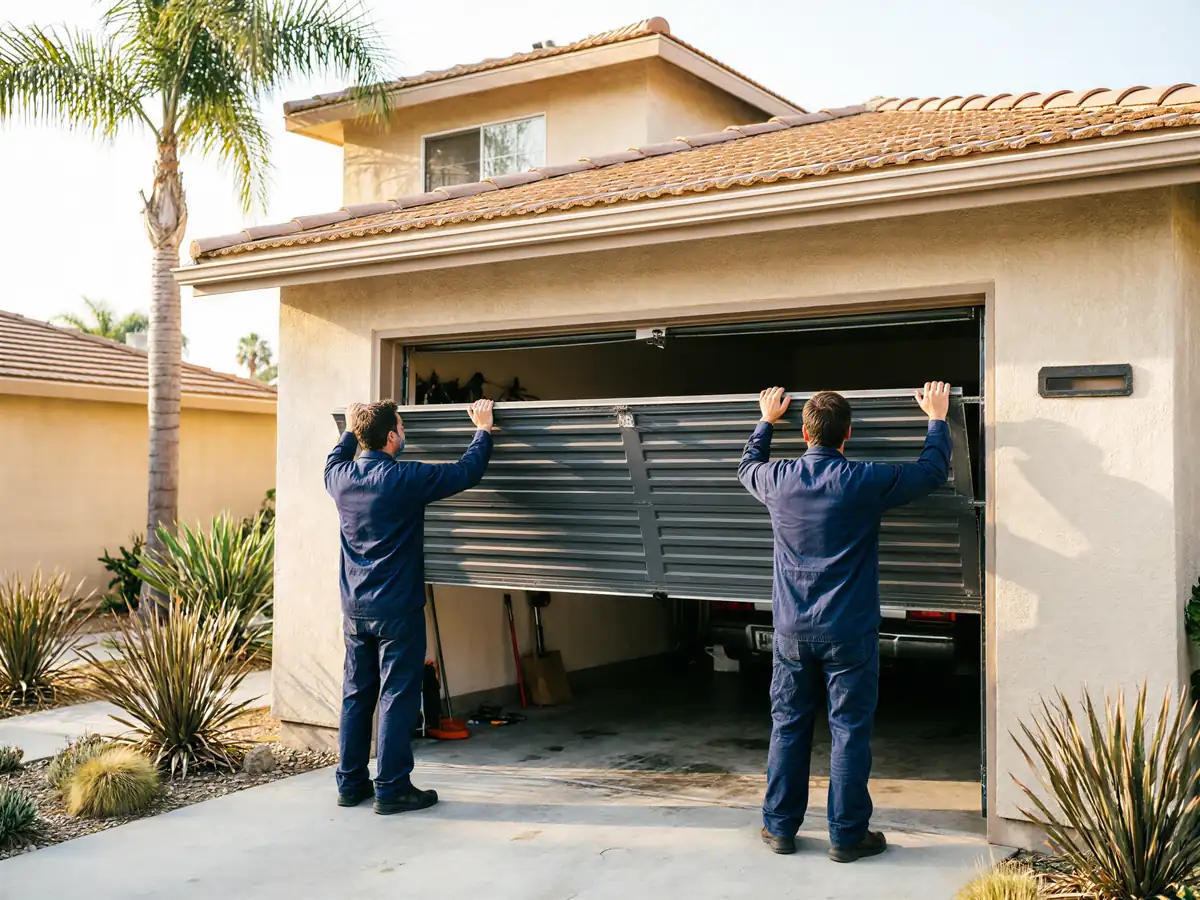
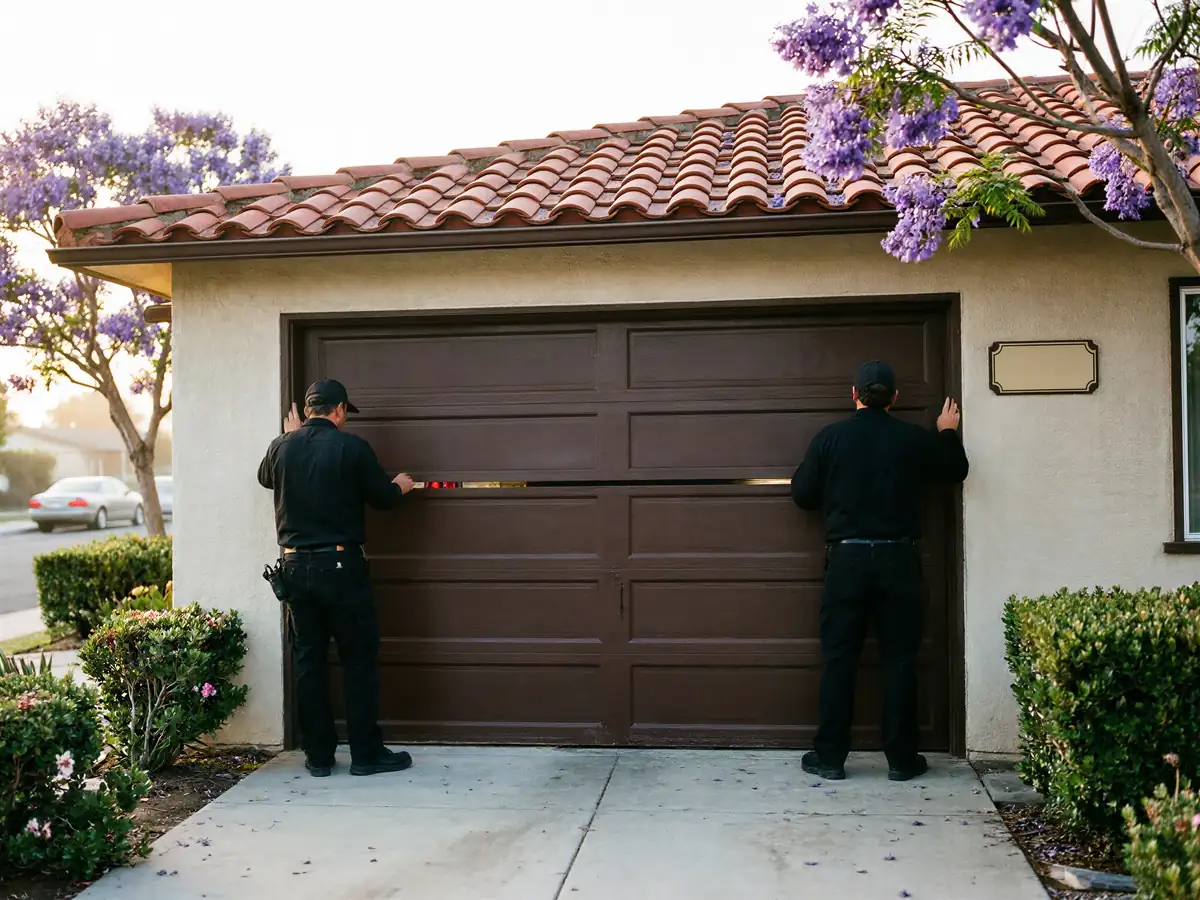
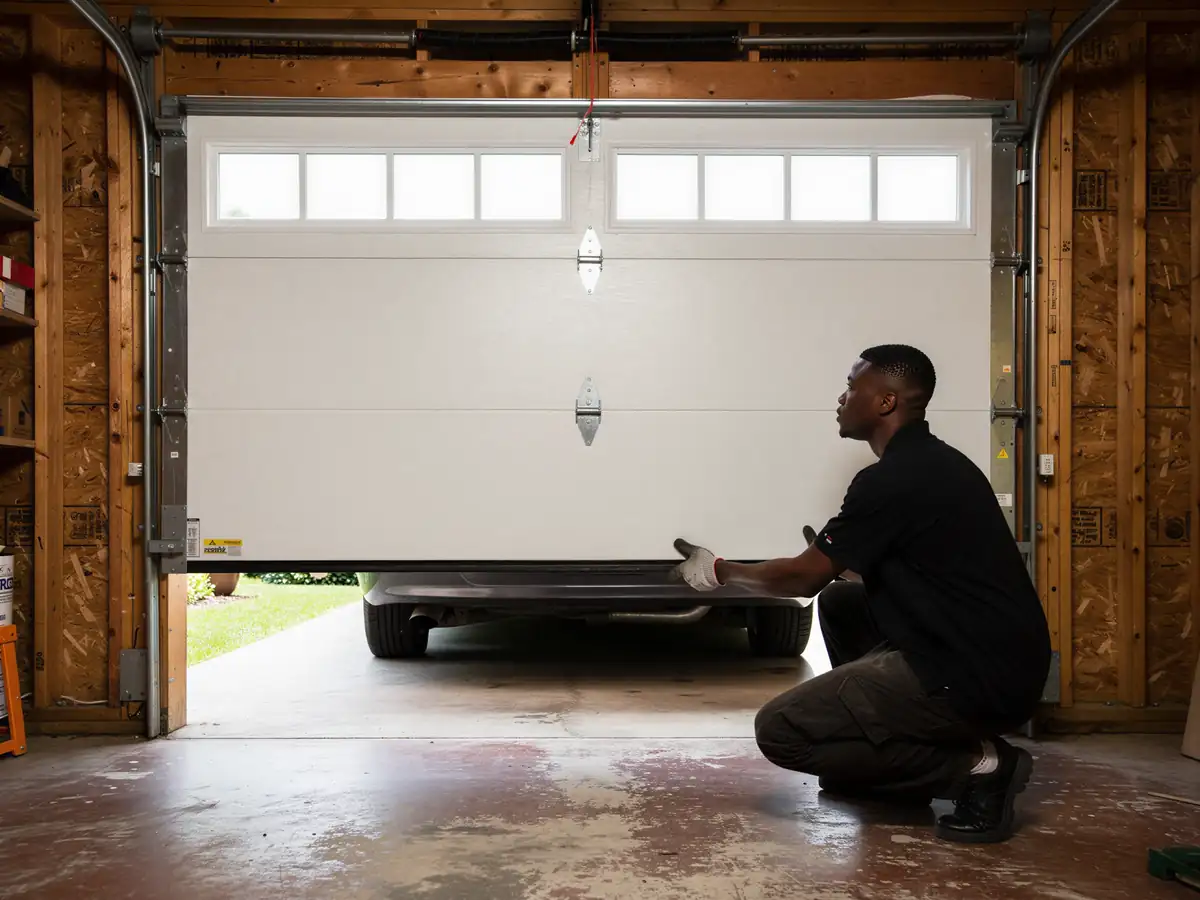
A door that won't lift past a foot or two, or one that takes noticeably more effort to raise by hand, usually means the spring has lost tension or snapped outright. Listen for a loud bang from the garage - that's often the spring letting go, not something falling off a shelf. You might also notice the door looking crooked as it opens, hanging lower on one side, which points to one spring in a pair giving out while the other still holds. If the opener strains, reverses partway, or the motor runs but the door doesn't move, the spring is likely gone and the opener is trying to lift weight it was never built to carry alone. None of these are safe to keep running through - a loaded spring under tension, broken or not, is the wrong thing to troubleshoot yourself.
What the Repair Takes
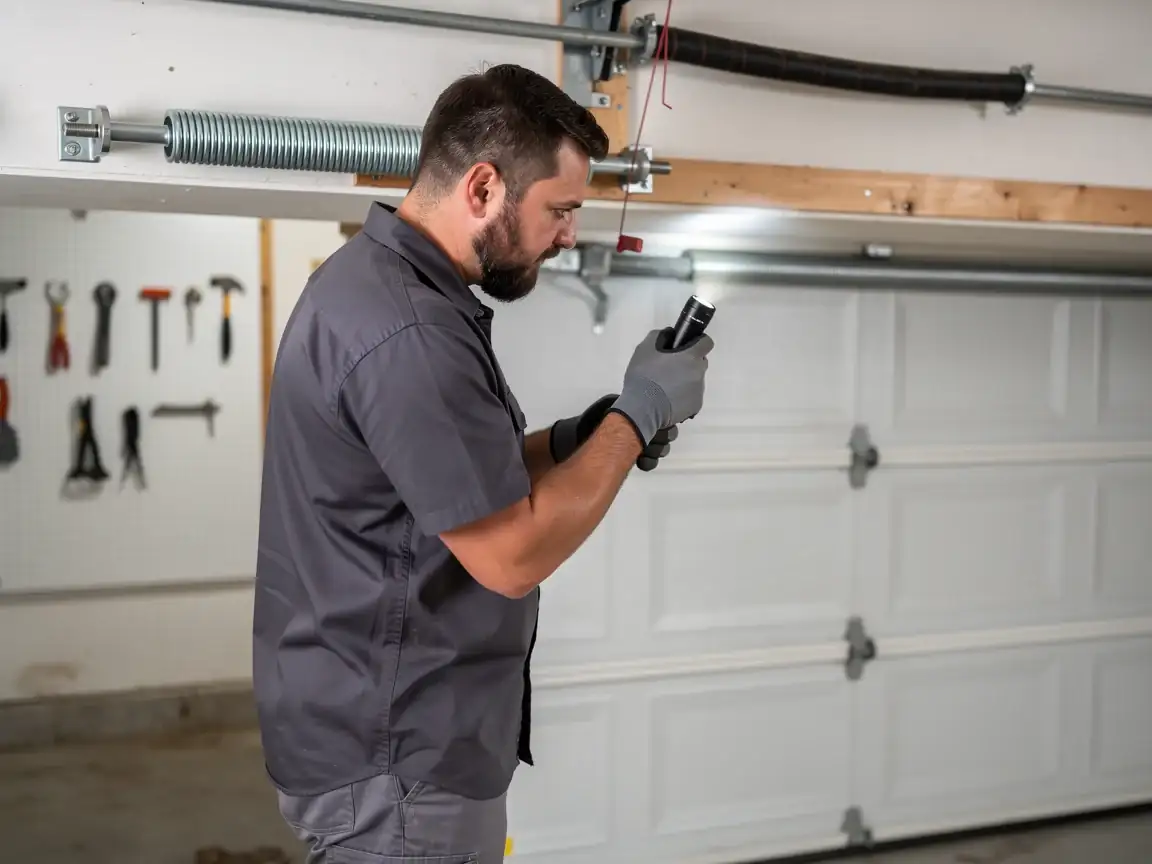
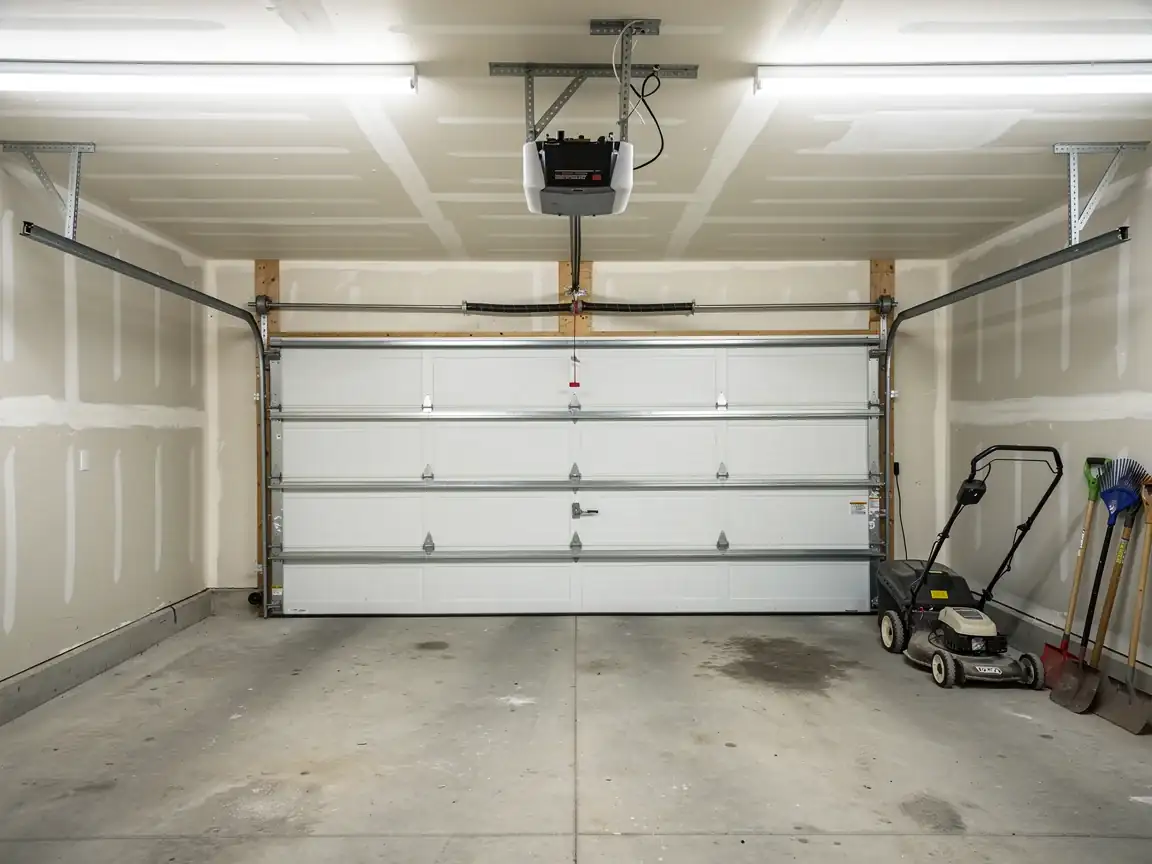
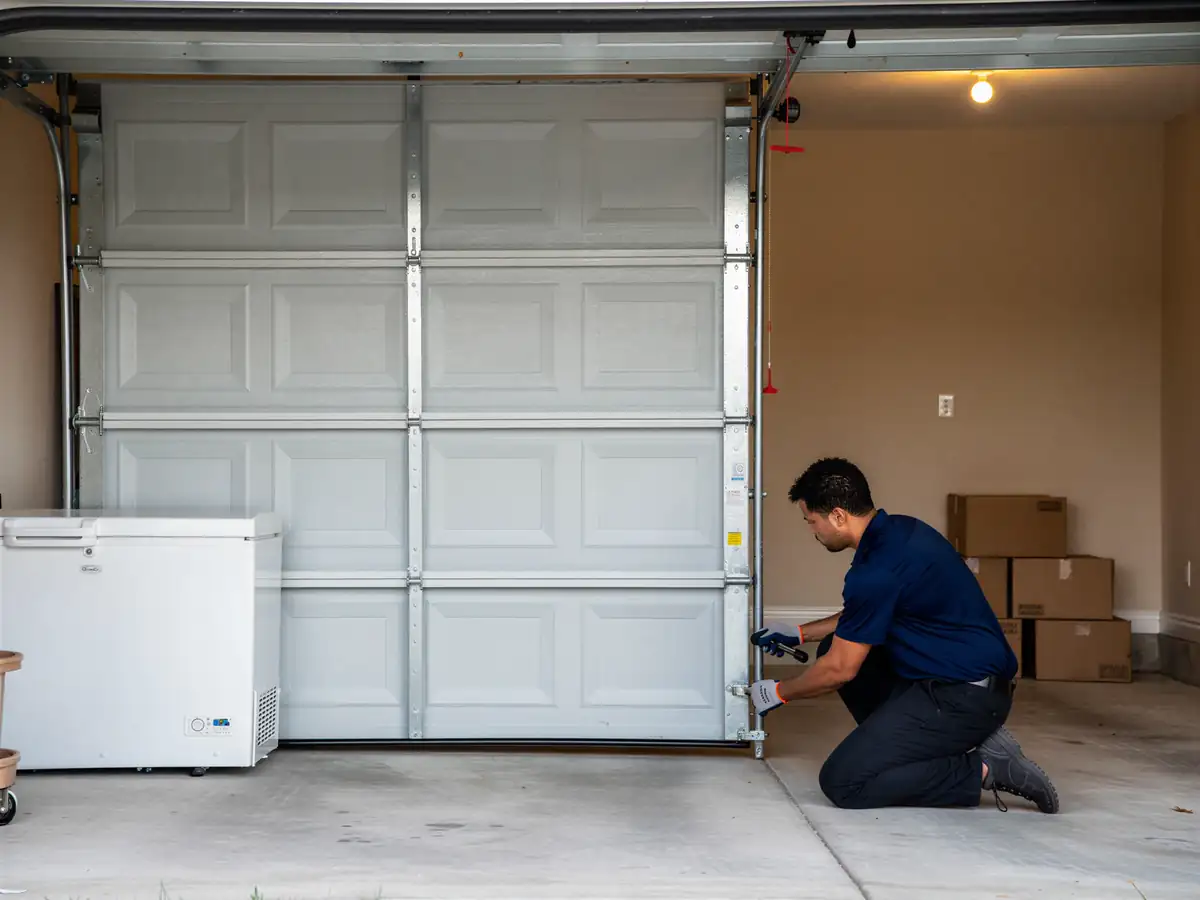
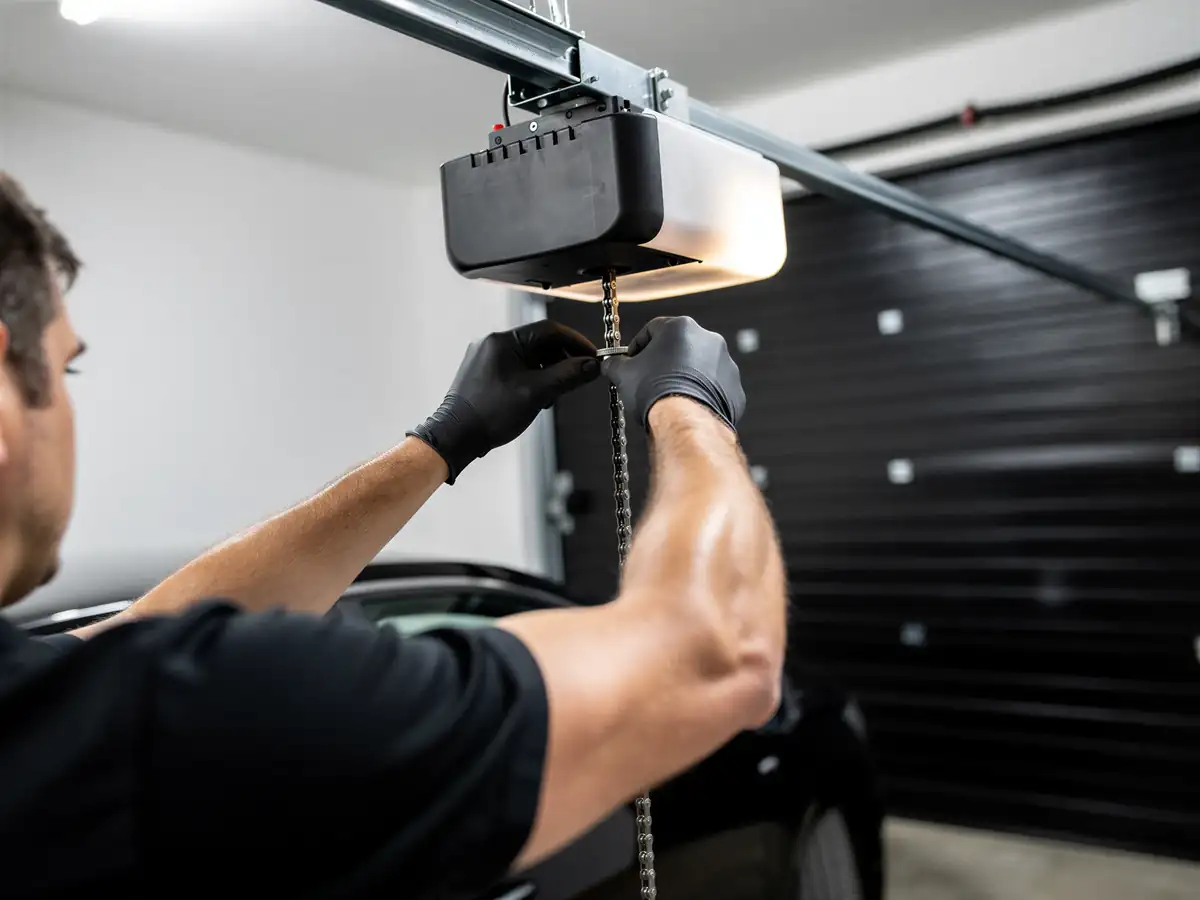
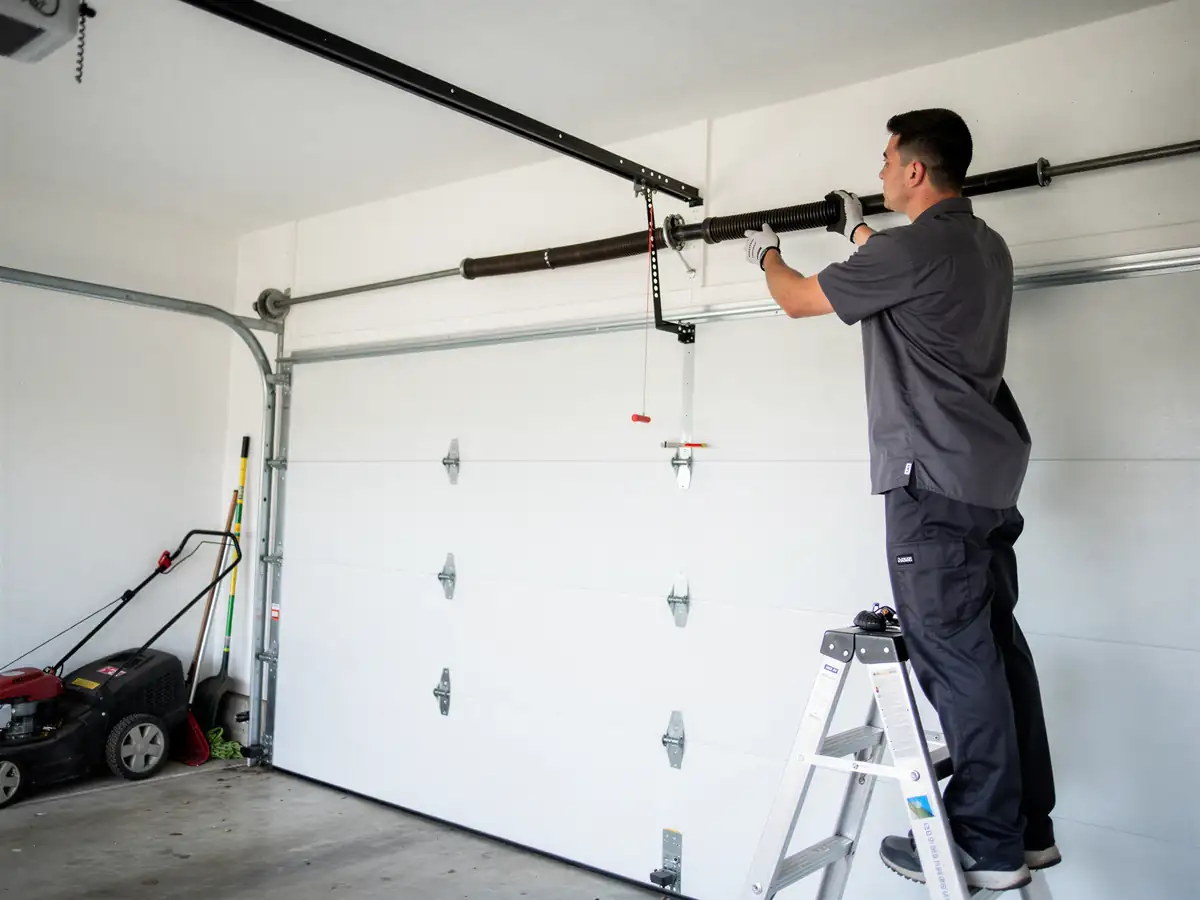
On a house from 1980, we're usually dealing with one of two setups: original extension springs mounted above the horizontal tracks, or an early torsion bar across the header. The fix starts with identifying which one you've got, checking the drums and cables for wear alongside the spring itself, and matching the new spring's wind and wire size to the door's actual weight - not just swapping in whatever's closest. If the extension springs lack safety cables, we'll flag that, since a failed spring without one can turn into a projectile. Torsion conversions take longer than a straight swap but hold up better long term on a door this age. Either way, the opener gets tested afterward, since a mismatched spring puts extra strain on the motor that shows up as problems weeks later.