What Can Go Wrong
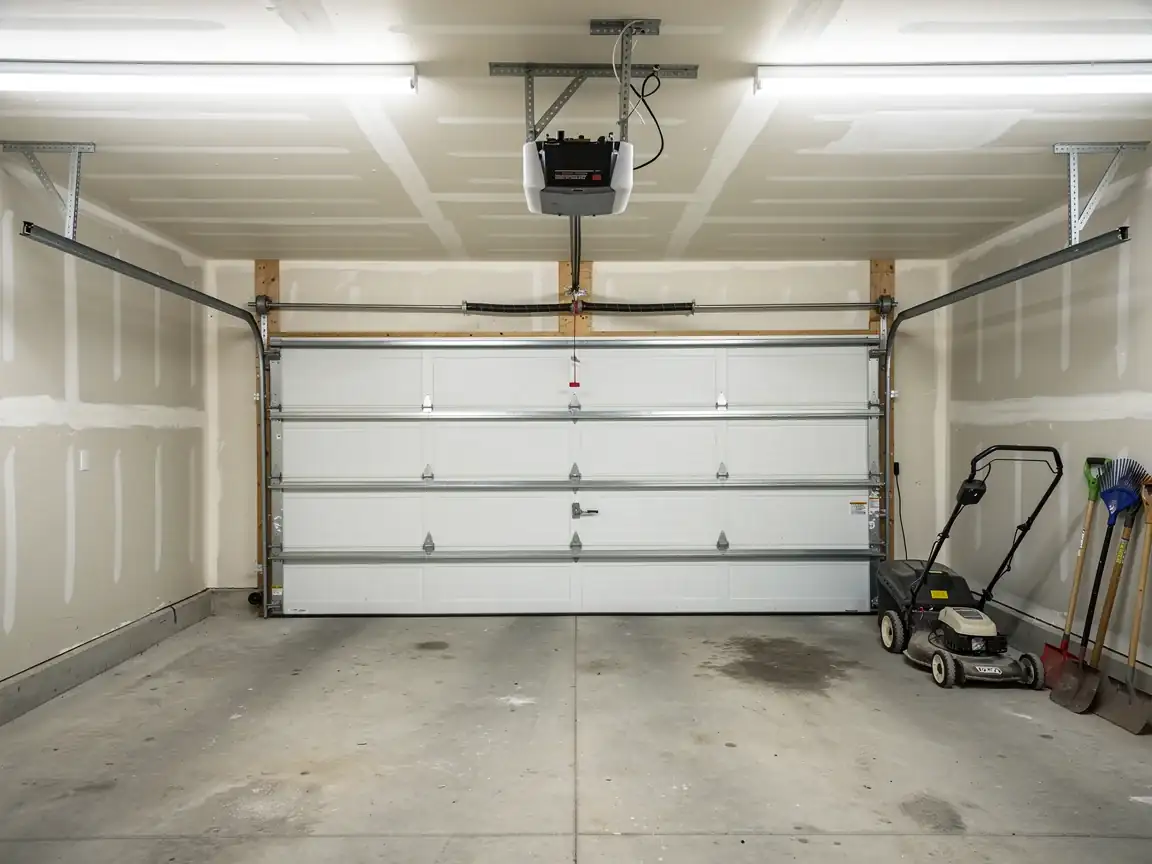
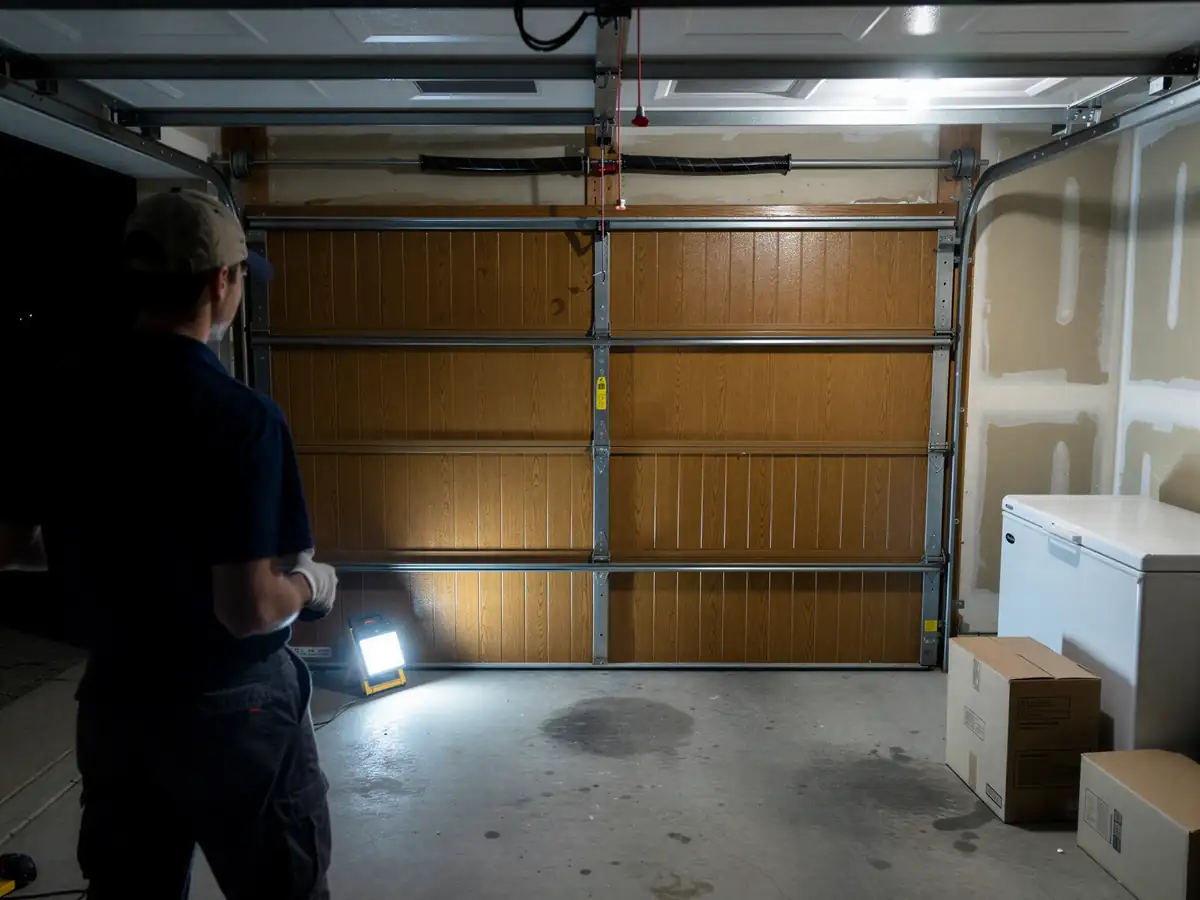
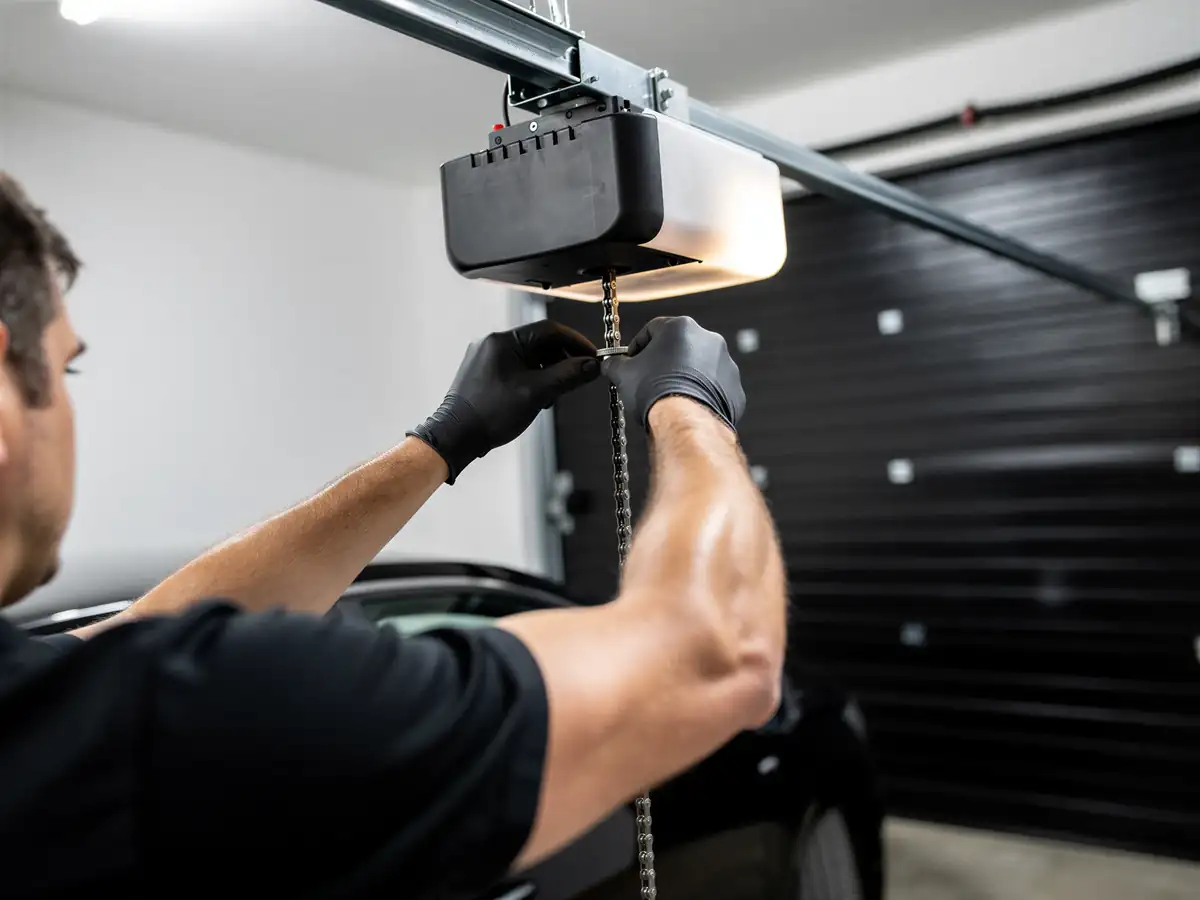
Pomona's housing median lands around 1965, but Jurupa Valley's stock runs a good fifteen years newer, centered on 1980. That matters more than it sounds like it should. A garage built in 1980 almost always shipped with a chain-drive opener on a steel track, not the older gear-drive units we still pull out of 1960s Pomona garages. The failure points are different: capacitor and circuit board age on the opener head, worn drive gears that strip quietly over a few seasons, and safety-eye sensors that were often added later as a retrofit rather than built in from day one. We also see more units where the logic board has been swapped once already by a previous owner, which means the remote codes and wall control don't always match what's actually installed. None of this is exotic. It's just a different generation of hardware than the older core of the service area, and diagnosing it starts from that assumption, not from guessing based on an older house.
The Cost of This Job
We don't publish a flat number for opener repair because the fix depends on what's actually failed - a logic board, a drive gear, a capacitor, or the sensors - and those parts price differently. What we can tell you is what drives the estimate in a neighborhood like this one: with 27,132 households in the area and a median income of $96,190, most of the opener units we're called out to are mid-tier consumer models rather than high-end commercial-grade units, so parts tend to be available rather than special-order. The honest limitation here is distance. We run out of Pomona, about 17 miles from Jurupa Valley, so the job cost reflects a service call from there, not a local depot. We'll quote the repair itself before we start, but the travel is part of how the visit gets scheduled.
What You Are Seeing
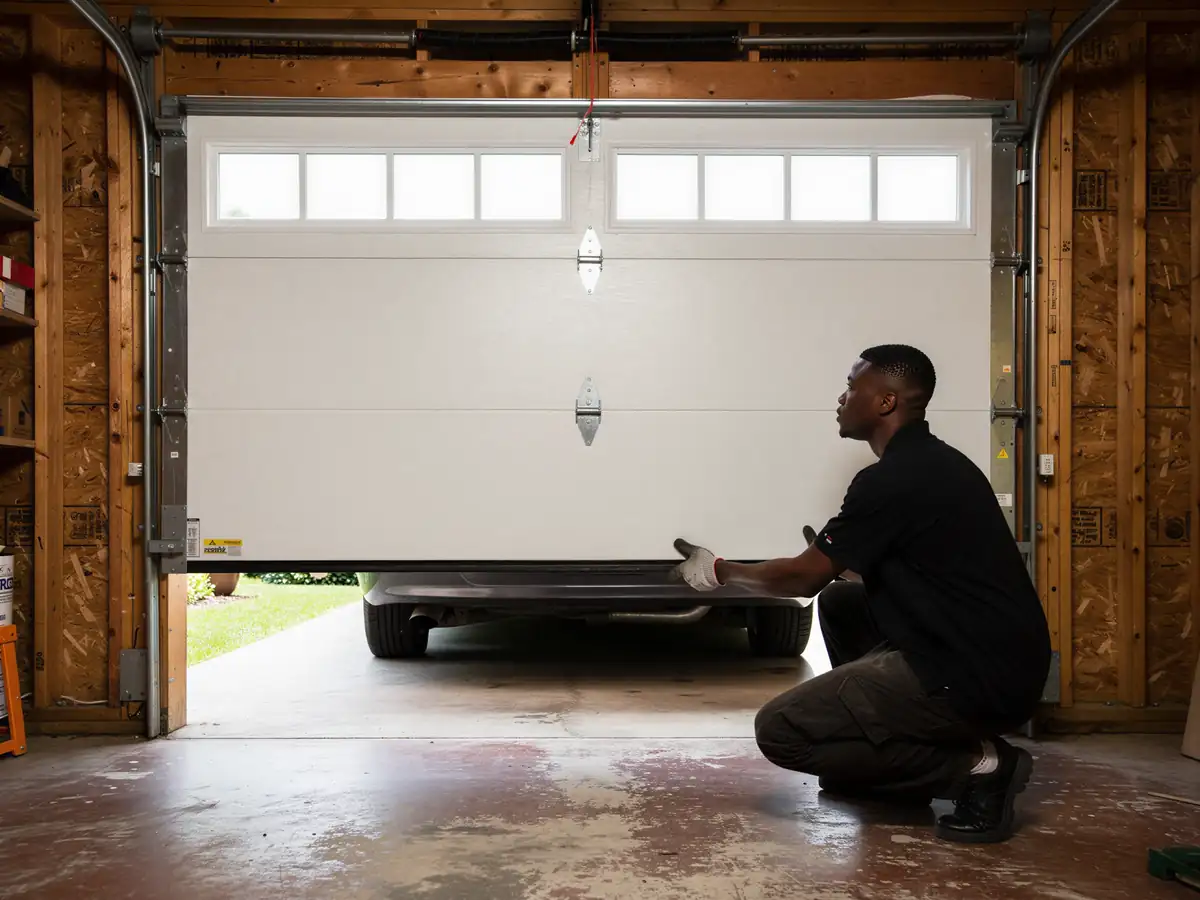
The most common call is an opener that runs the motor but the door doesn't move, which usually points to a stripped drive gear inside the housing - a known wear part on chain-drive units from this era. Close behind that: a door that reverses right before it closes, which is almost always the safety sensors, either misaligned or wired through a retrofit that's come loose. Some homeowners report the remote working inconsistently from the driveway but not from the car - that's a logic board or antenna issue, not a remote battery problem, even though a dead battery is where most people start troubleshooting. If the opener makes a humming noise and does nothing, that's often the capacitor, and it's a part worth replacing rather than living with, since a weak capacitor puts more load on the motor.
What the Repair Takes
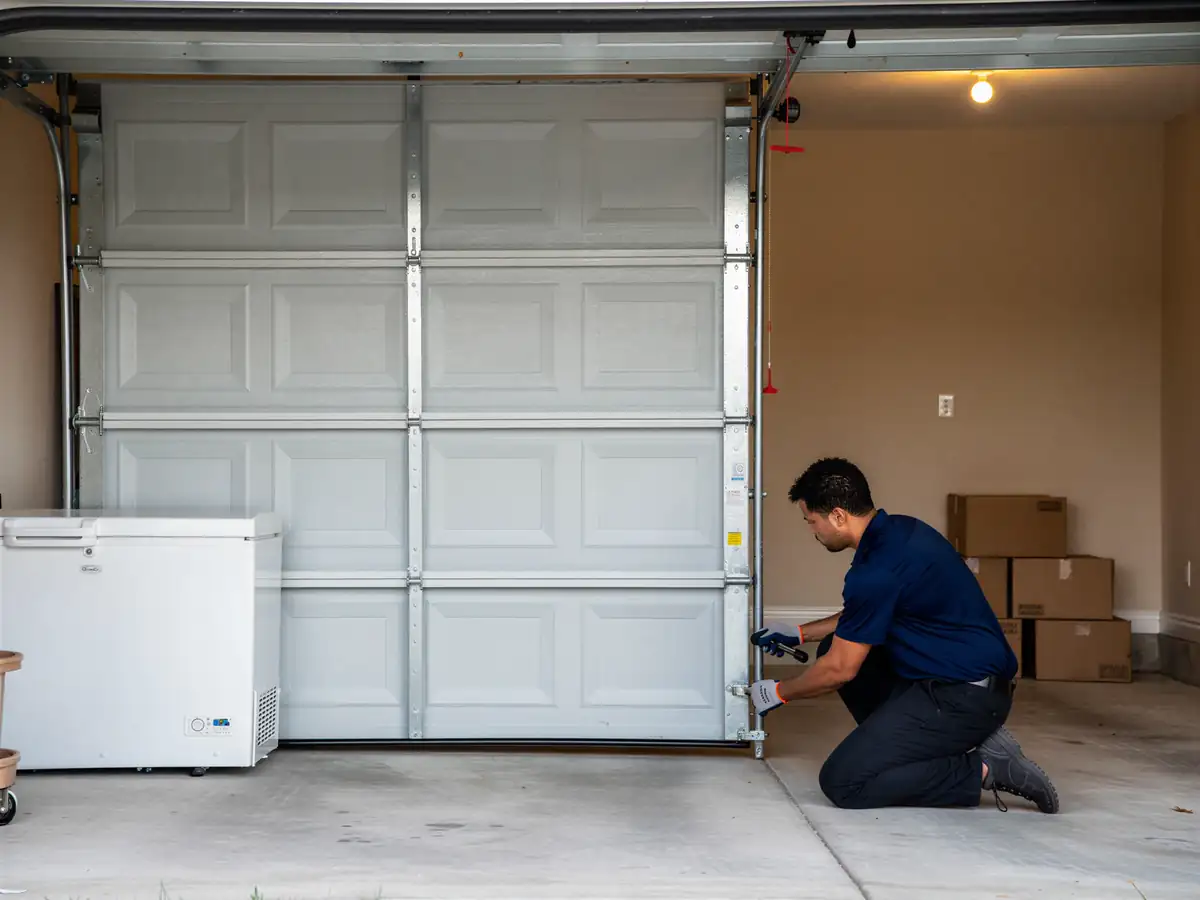
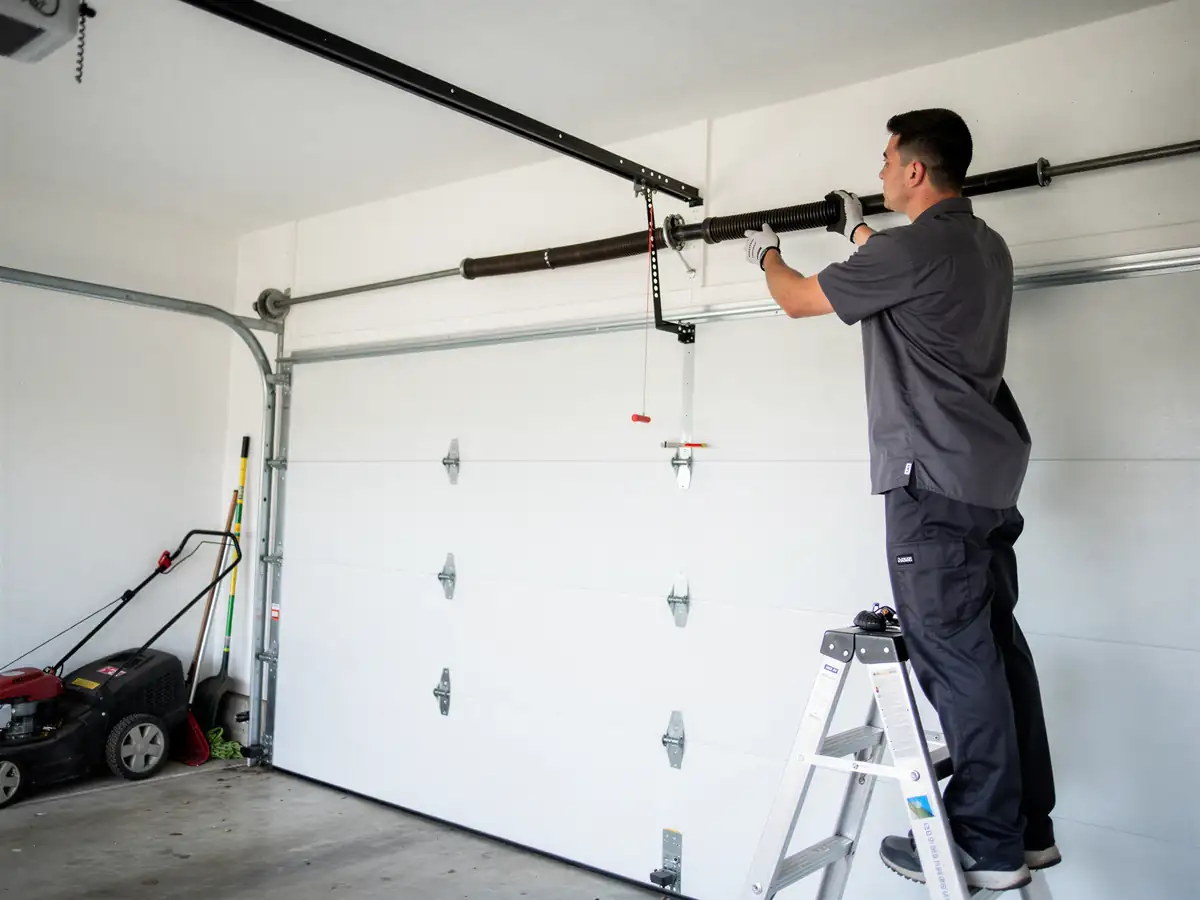
Most opener repairs in this age bracket are a single visit: diagnose the fault, replace the gear, board, capacitor, or sensor pair, and test the full cycle including the auto-reverse safety function before we leave. Where it takes longer is when a board has already been swapped once and the wiring doesn't match the original harness - that adds diagnostic time before any part gets replaced. We'll tell you straight if a repair doesn't make sense: once an opener is old enough that the manufacturer has stopped making boards for it, and a universal replacement costs nearly what a new opener runs, we'll say so instead of patching it. That's not common in a 1980-median neighborhood yet, but it does come up on the oldest houses in the area.