The Cost of This Job
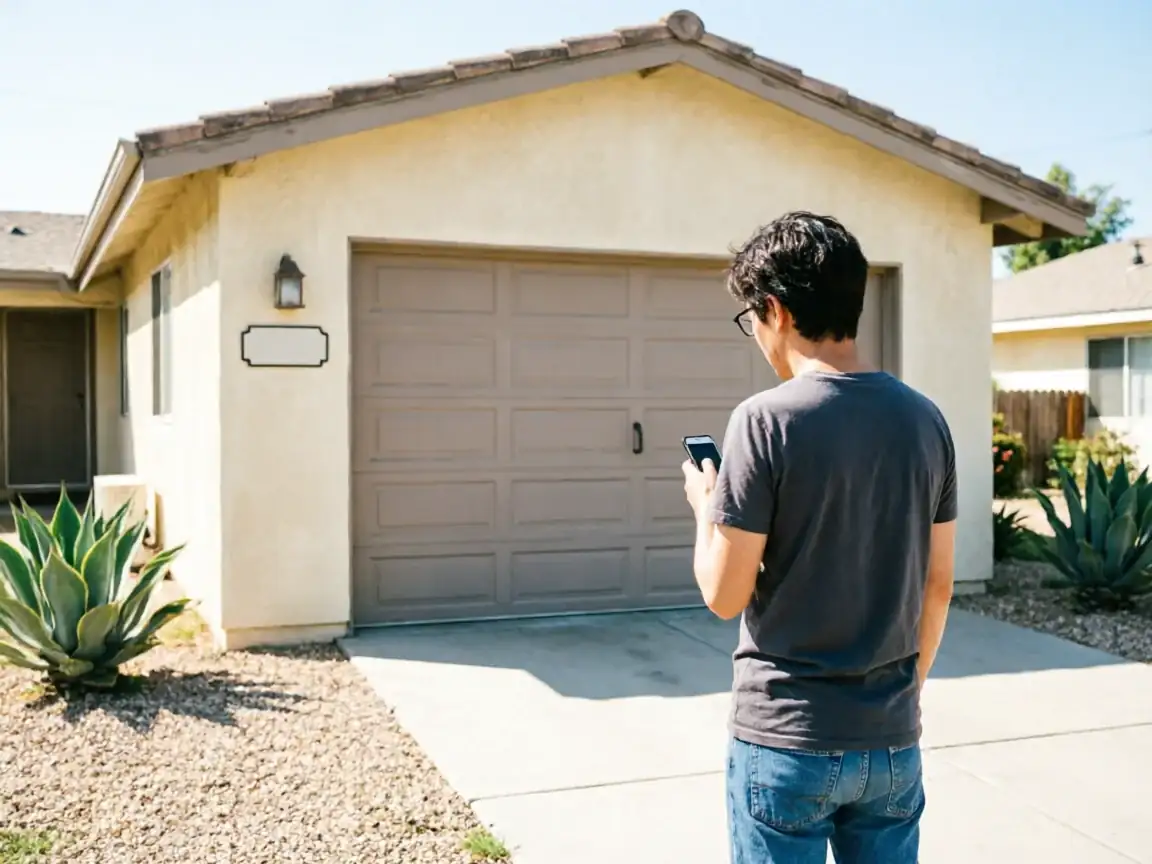
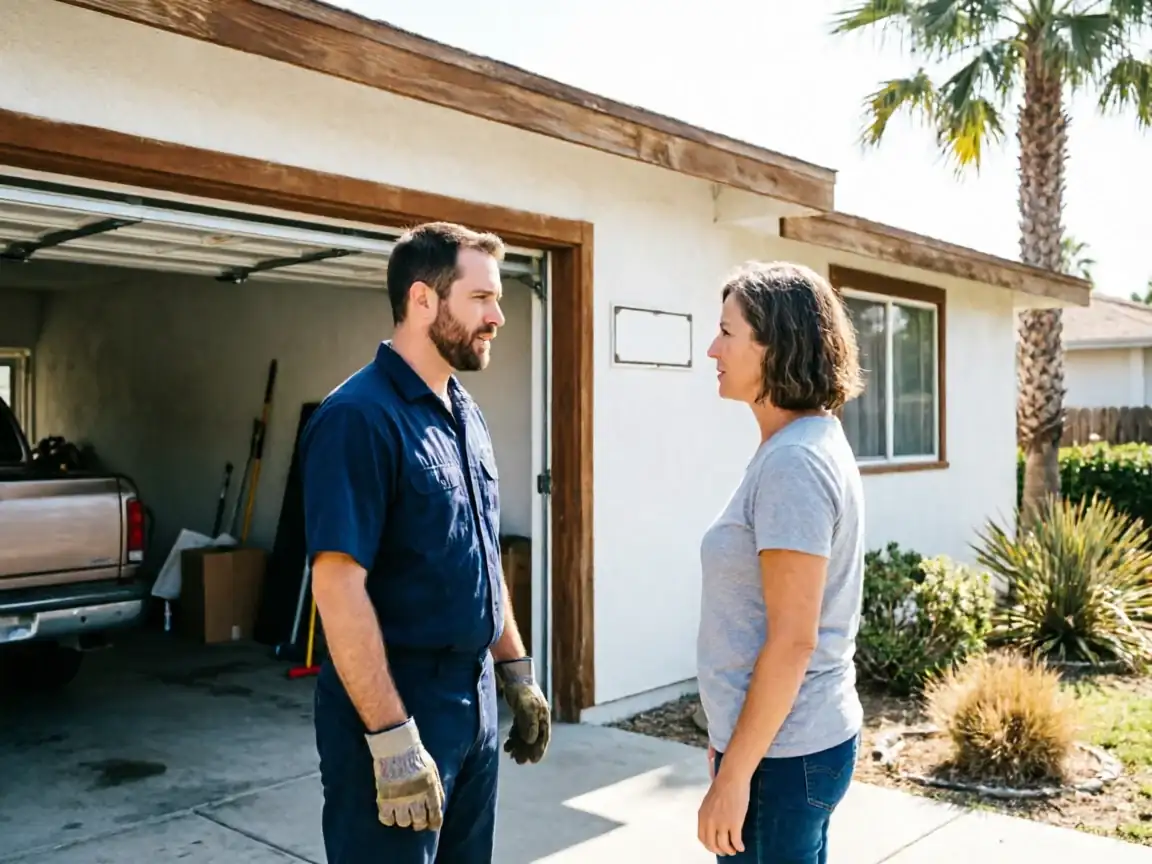
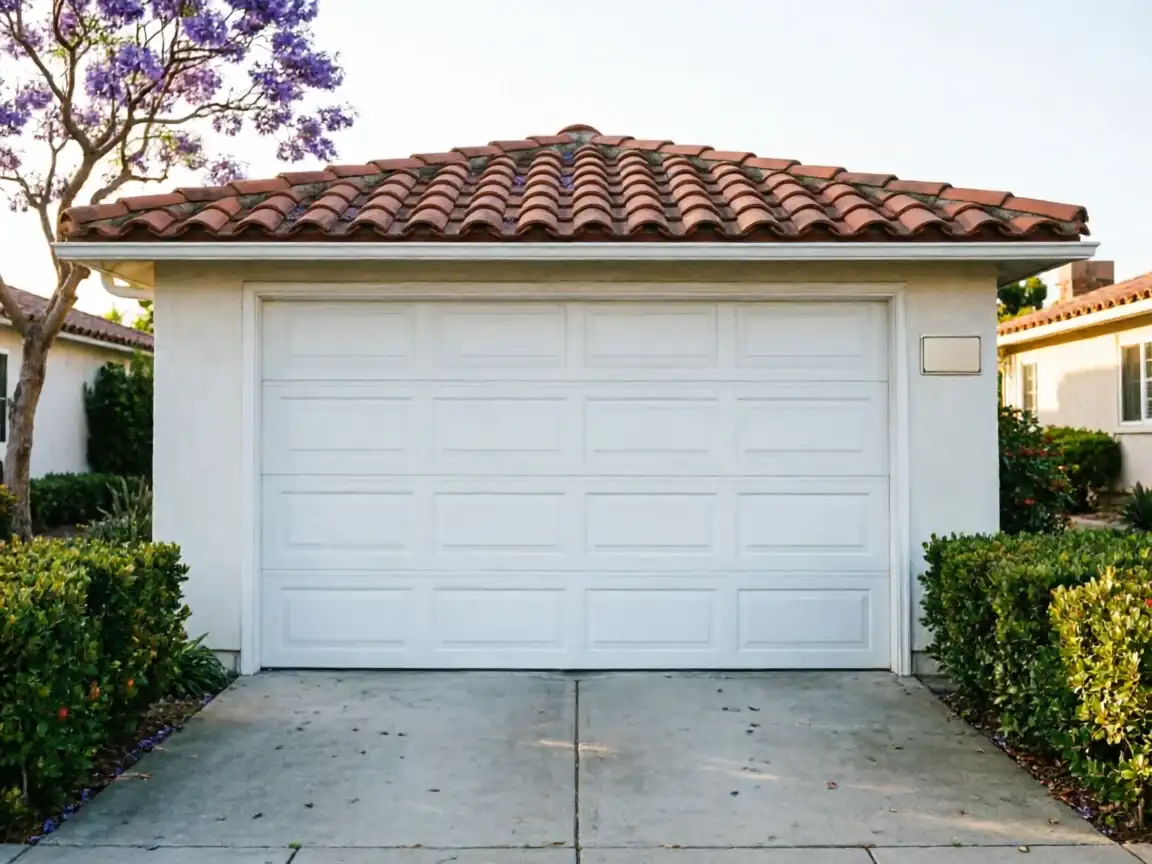
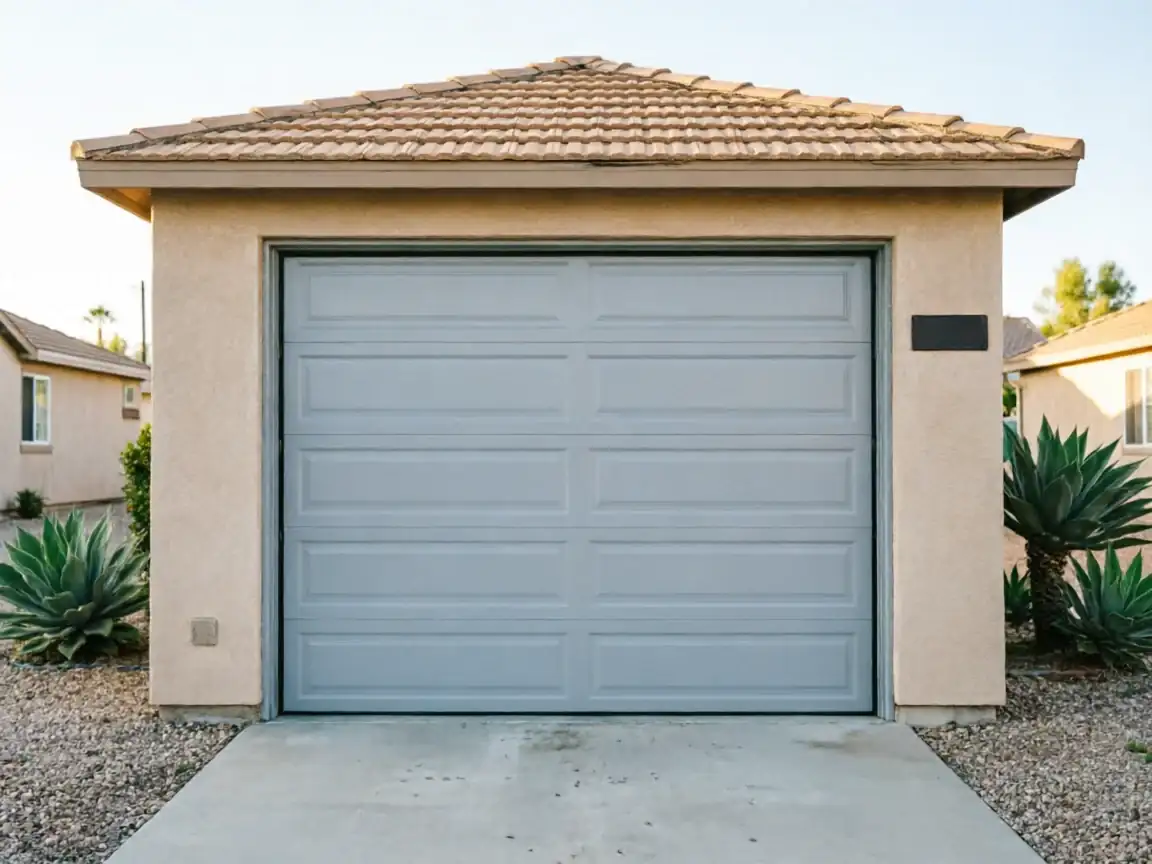
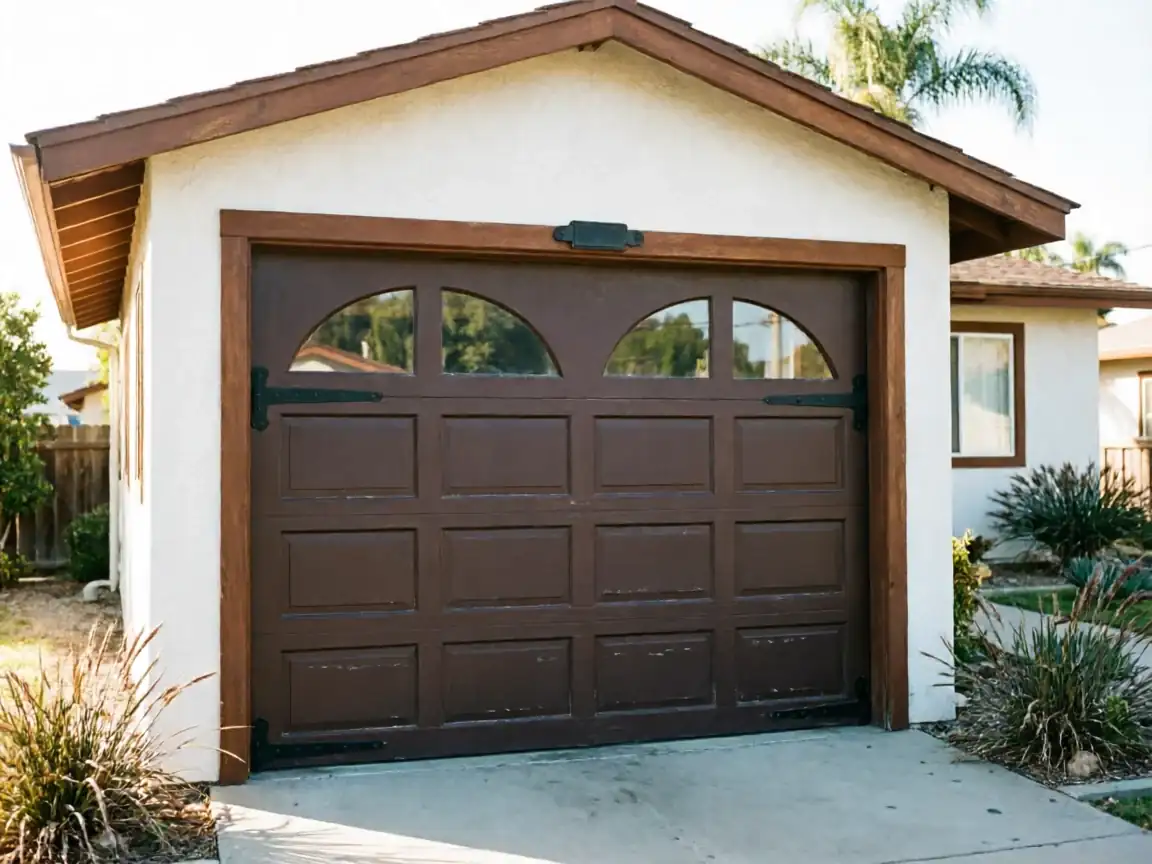
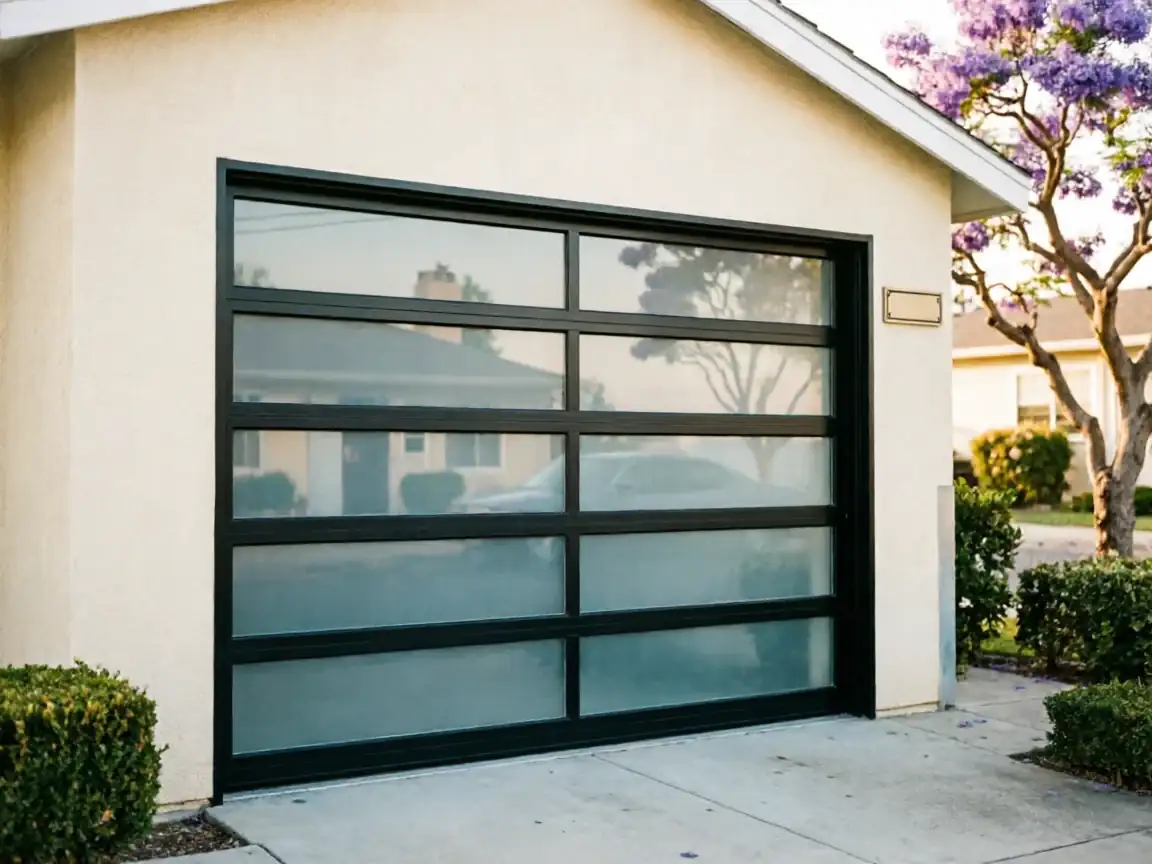
Glendora has 16,603 households, which is a small enough number that we're not running multiple trucks through town every day, but it's steady work because the housing here is old enough that panels fail on a predictable schedule. The median house here was built around 1964, which puts most original doors squarely in the steel-panel era before insulated composite doors became standard. A single-panel swap on one of these doors usually costs less than people expect, because the section itself is the part, not the whole door. Where the price climbs is when the door is a style nobody stocks anymore - some of those mid-60s tracked doors used panel profiles that newer sectional doors don't match, and a direct-fit replacement panel has to be sourced rather than pulled off a shelf. Median household income here runs $111,915, noticeably higher than the $102,449 median across the wider service area, and that shows up less in what people ask us to do and more in how fast they decide to do it instead of living with a dent. We quote the job after seeing the door, not over the phone, because panel condition on a 60-year-old door varies more than the age alone suggests.
What Is on the Truck
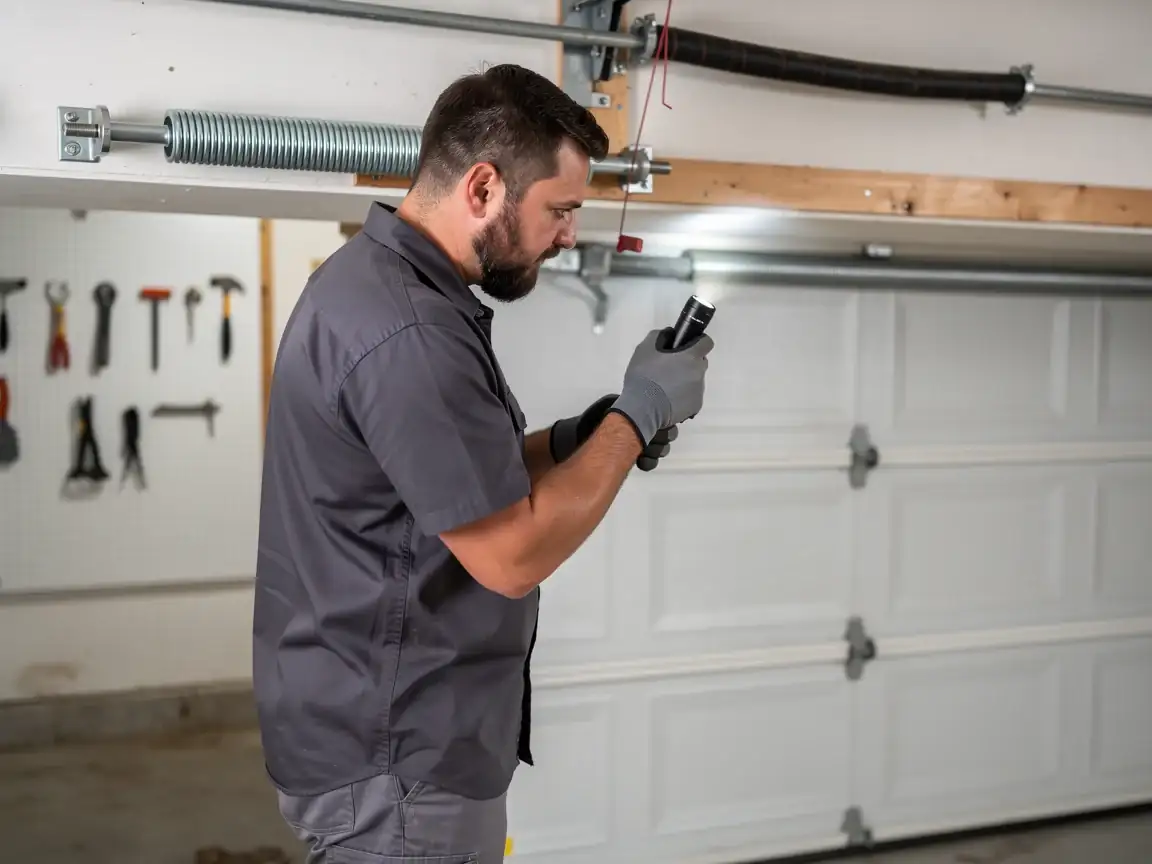
We come out of Pomona with a run of standard steel panel sections in the common widths, plus the hinges, end stiles, and strut reinforcement that usually go with a panel swap on an older door. What we don't carry is a match for every discontinued profile - if your door is an older tracked style with a section width that stopped being manufactured years ago, we measure on site and order the specific panel rather than guess. We also carry rollers, cable, and hinge hardware because a damaged panel on a 1960s door often damaged the hardware around it too, and replacing one without checking the other is how you end up back at the same door in six months. Given the region's moderate heat, we also carry weatherstrip and seal stock, since sun exposure over decades is as hard on a steel panel's finish as a physical dent is on its shape. What we don't stock on the truck is full replacement doors - those get ordered once we've confirmed a panel match isn't realistic, and that's a separate conversation from a same-visit panel swap.
What Can Go Wrong
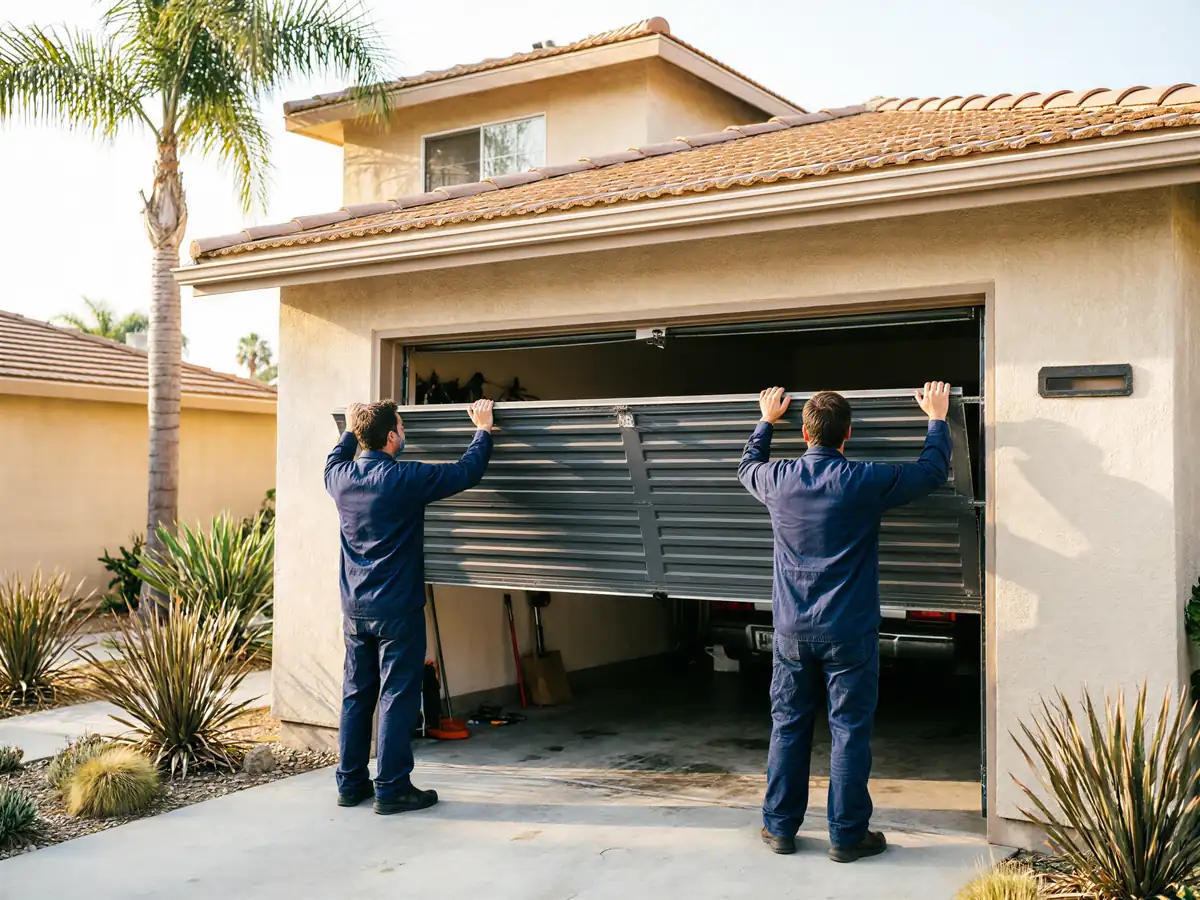
The most common problem on Glendora's older housing stock is a panel that doesn't exist anymore. A door built when the median home here went up, around 1964, may use a section width or style that the current manufacturers dropped decades ago, and there's no honest way around that - if we can't source or fabricate a match, full door replacement is the real answer, not a panel repair that won't fit right. Rust is the second issue, more common on ground-level panels that have taken years of lawn sprinkler overspray or standing water at the base of the door; rust at the bottom edge of a panel often means the next panel up is thinner than it looks. Sometimes a single bent panel also throws the door's balance enough that the opener starts working harder than it should, which shows up as a slow close or a reversing door - that's a spring or cable issue riding on top of the panel damage, not something a panel swap alone fixes. We check balance on every panel job for that reason.
Time on the Job
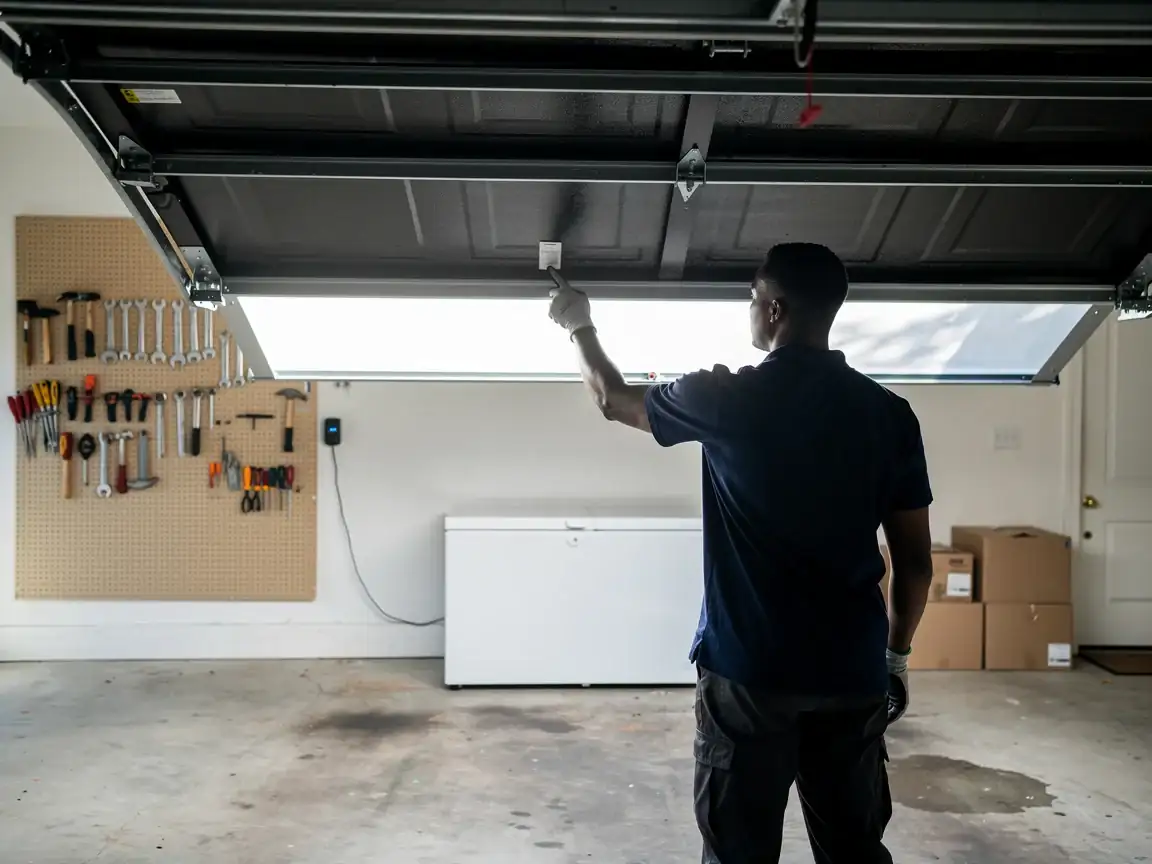
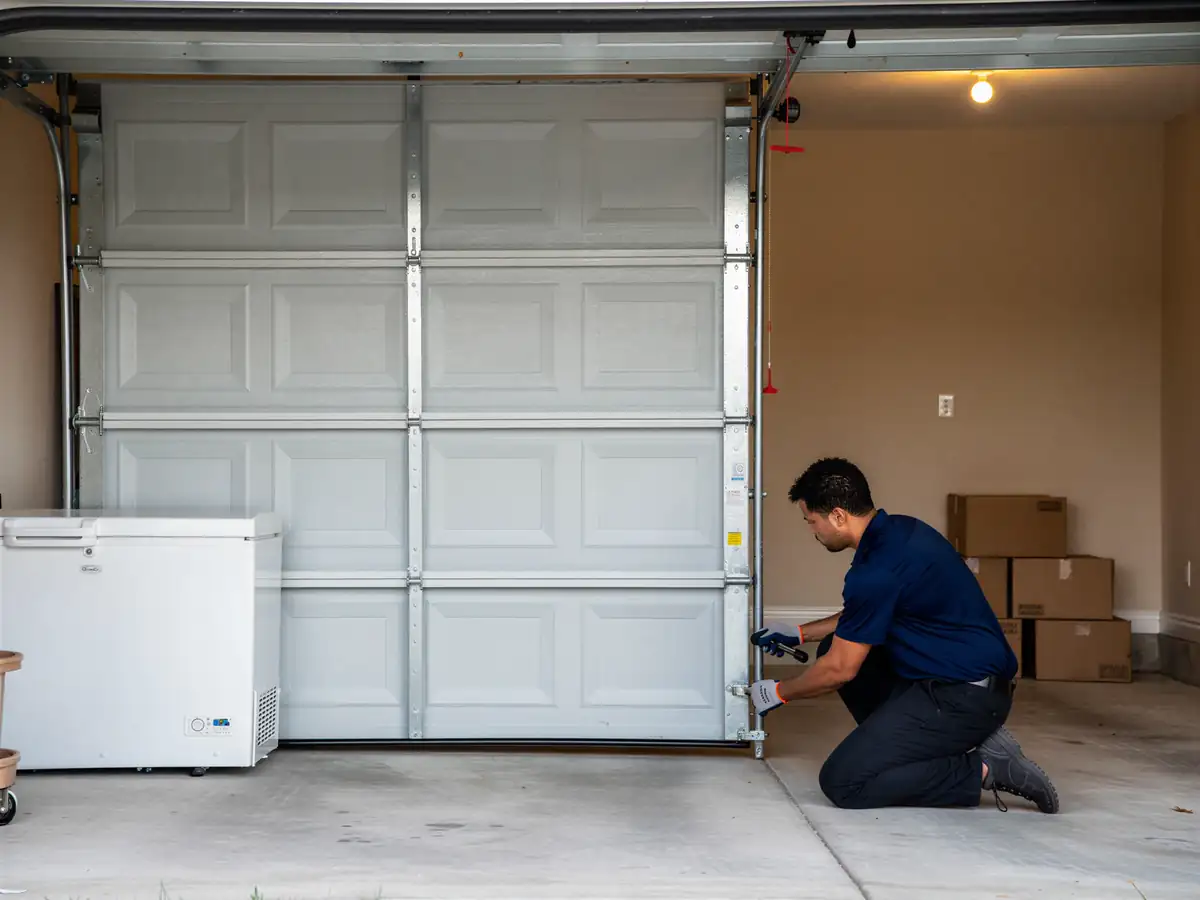
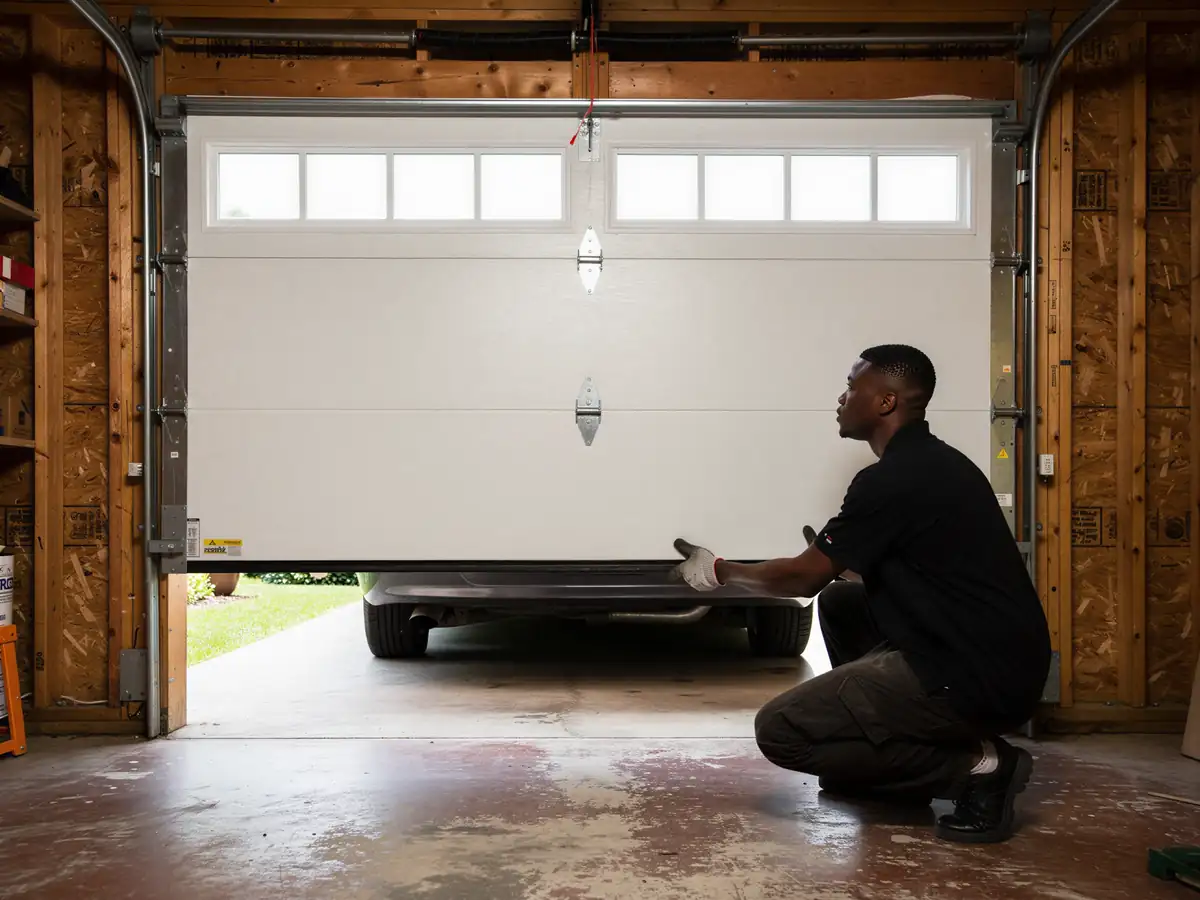
A straight panel swap where the replacement section matches the existing door is usually a single visit - most of the time on site goes to removing the damaged panel cleanly without bending the track, not to the new piece going in. Where it runs longer is matching: if we have to confirm a discontinued panel profile against the door in front of us, that part of the visit takes longer than the mechanical swap itself. We don't carry every panel style on the truck, so a job needing an ordered part means a return visit once the section arrives rather than a wait on site. We travel to Glendora from Pomona for every job, about 8 miles each way, and that's a detail about where the crew is based, not a promise about how fast we arrive - we don't quote response times we can't back with a fact.