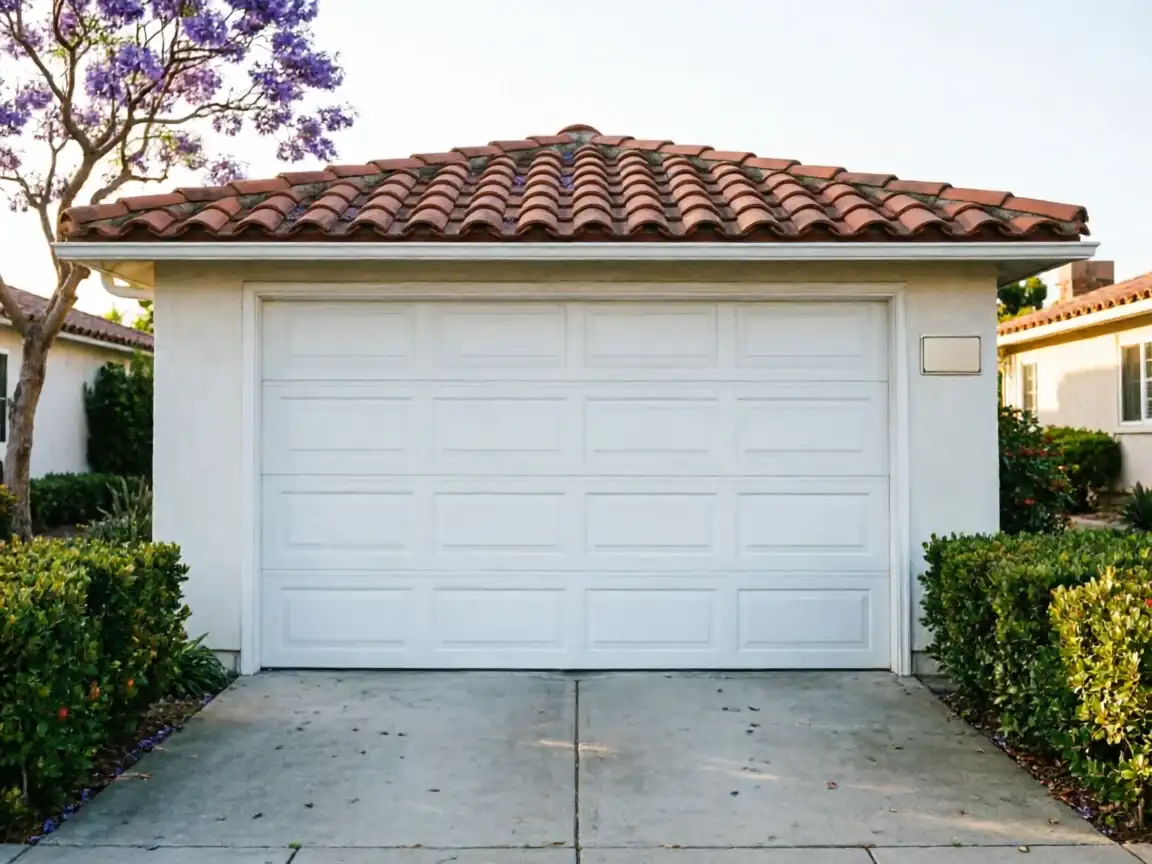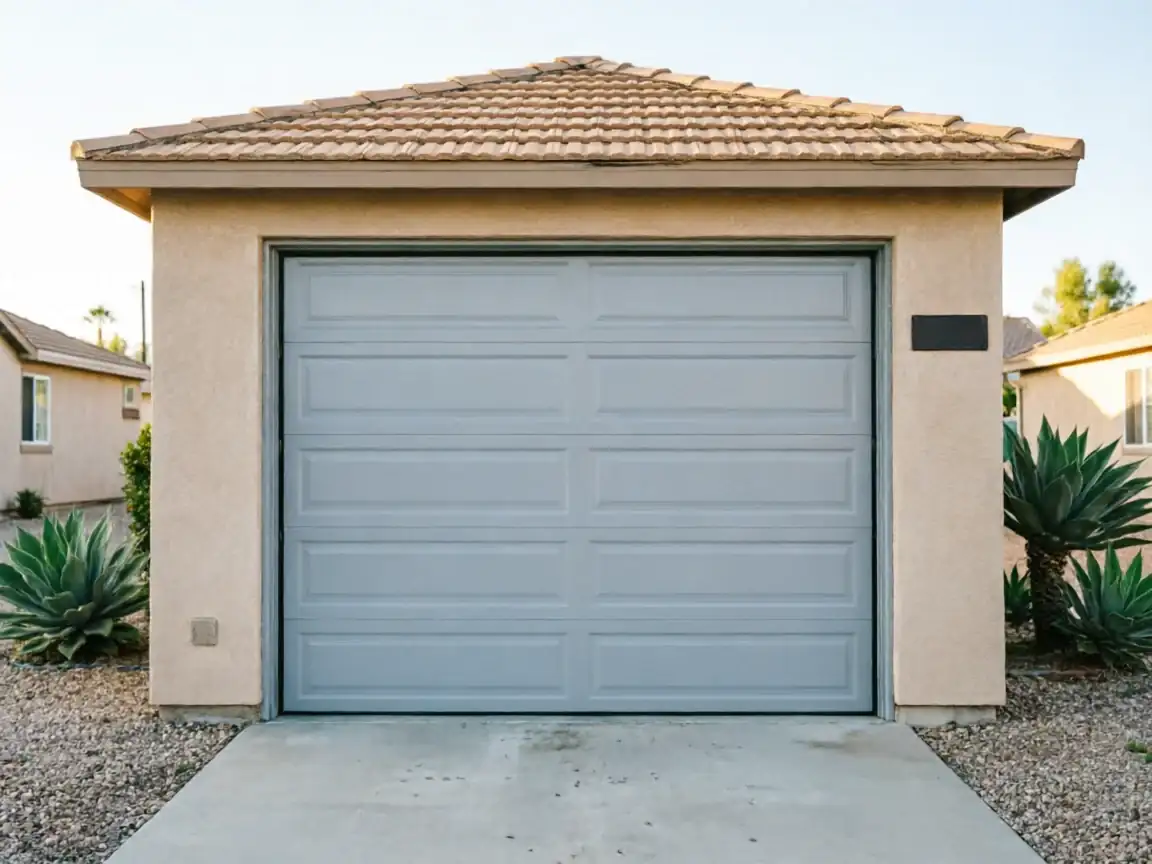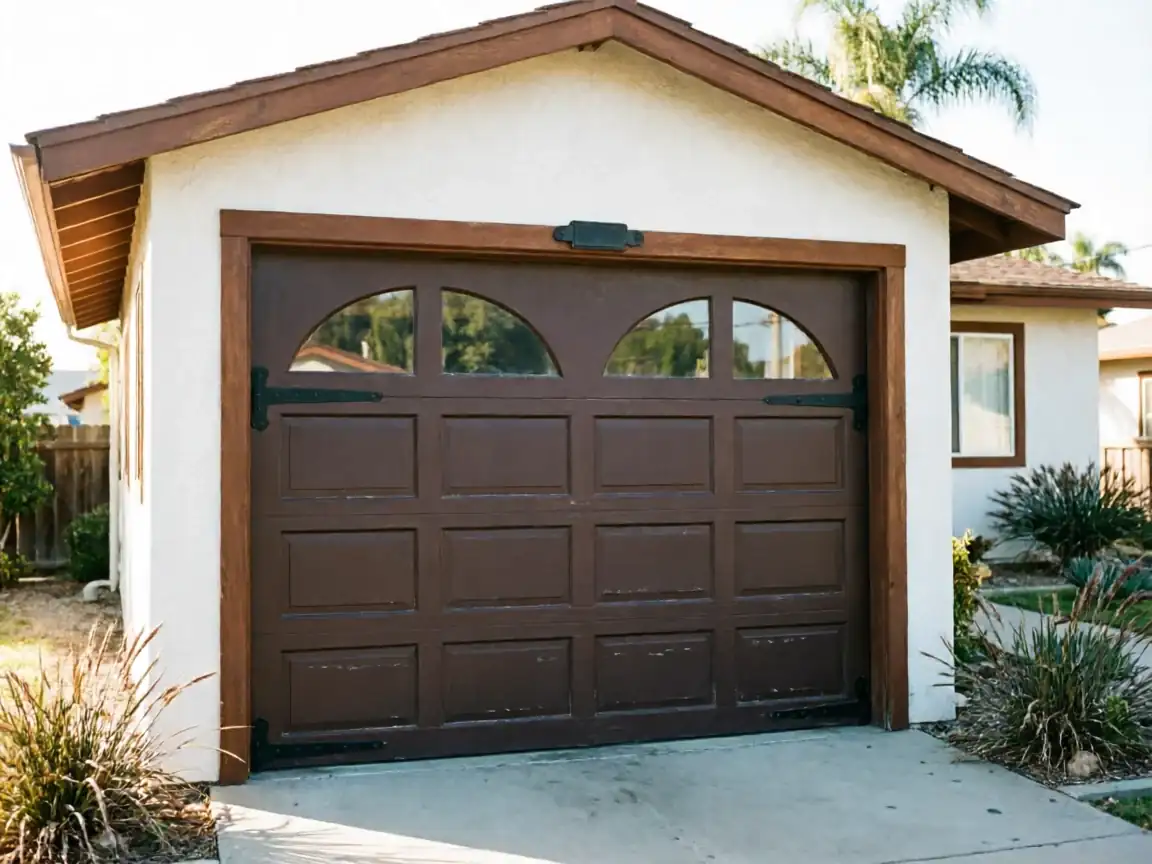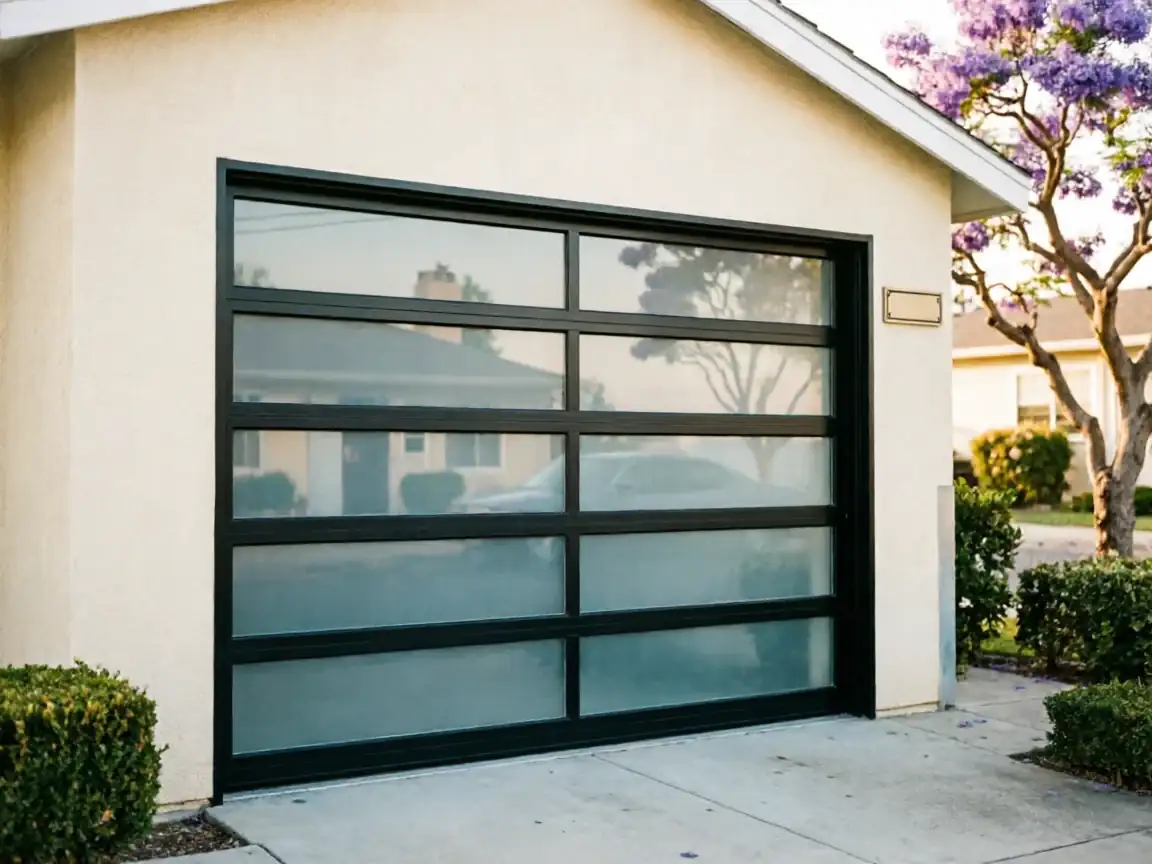
The Cost of This Job
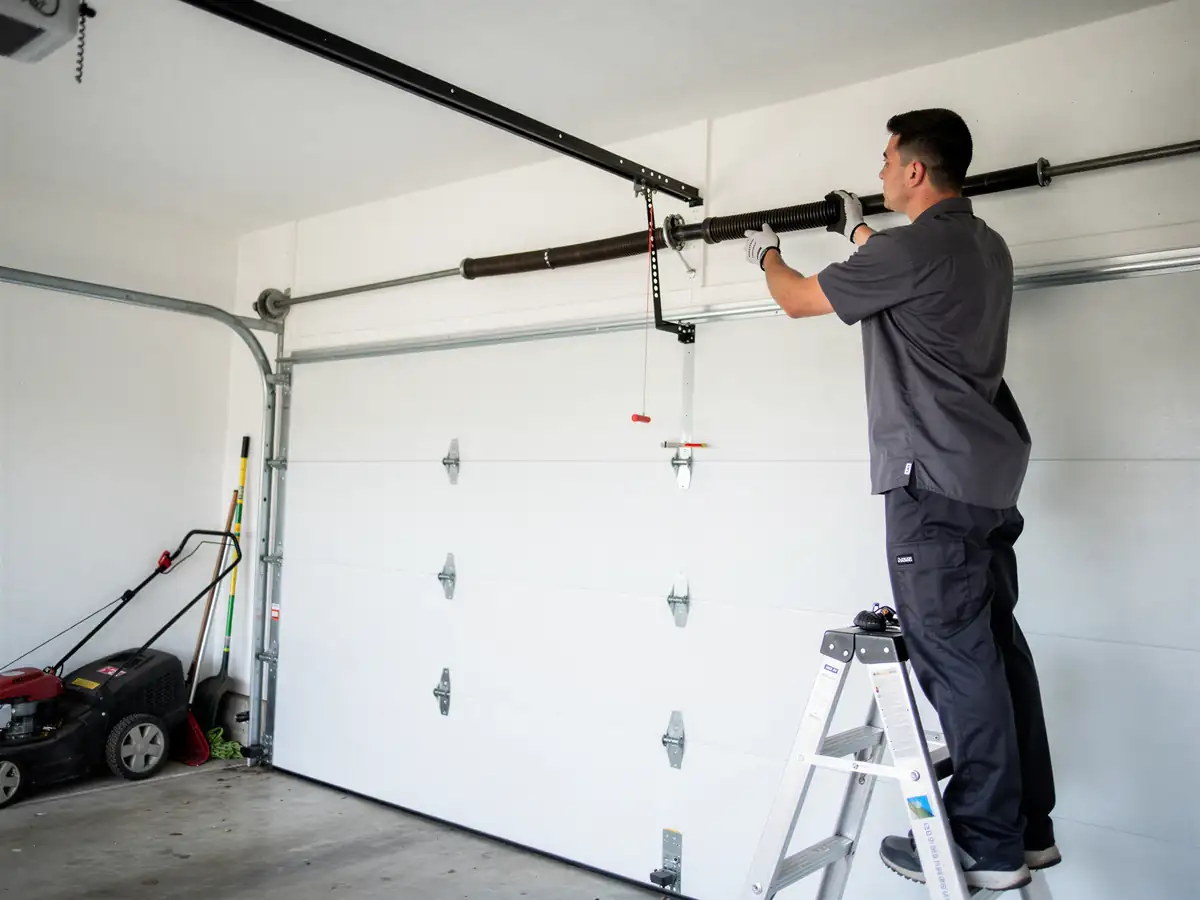
We don't quote a flat number here because the job changes with what's on the door, and in Glendora that's usually older gear. The median home in this part of town dates to 1964, which was before torsion springs mounted overhead became the standard setup on most production garage doors. A lot of what we find is still extension spring, running along horizontal track above the rollers. That hardware isn't expensive to maintain, but it is slower to service right: more joints to check, more rust to clean off galvanized coil, cables that may not have a safety loop if nobody's touched the door since it went up. Glendora also sits a notch above the wider service area on income, $111,915 against a $102,449 median across the 538,102 households we cover out of Pomona. In practice that tends to mean more scheduled tune-ups and fewer calls where a door's been grinding for two years before anyone addresses it. That matters for cost, because a spring or cable caught early is a maintenance line item. The same part ignored for another year is a repair call, sometimes a door replacement. See our main Pomona maintenance page for the service breakdown that applies across the whole area.
What Is on the Truck
For a street full of 1964-era doors, the truck carries what that hardware actually needs: extension spring replacement cables with the safety loop built in, steel rollers sized for horizontal track rather than the nylon rollers common on newer torsion setups, lubricant rated for open coil spring rather than the sealed torsion tube, and galvanized hinge stock to swap out anything pitted from decades of coastal-adjacent air. We also carry limit switch and relay parts for openers that have been retrofitted onto original track over the years, since a lot of these doors have had two or three openers installed on the same hardware since the house was built. What we don't carry is a guess. If a door has non-standard track width or a spring size outside common stock, that's a part we order, not one we fabricate on site. Older hardware sometimes means a short wait on a specific gauge or length, and we'd rather tell a homeowner that upfront than promise a same-visit fix we can't back.
What Can Go Wrong
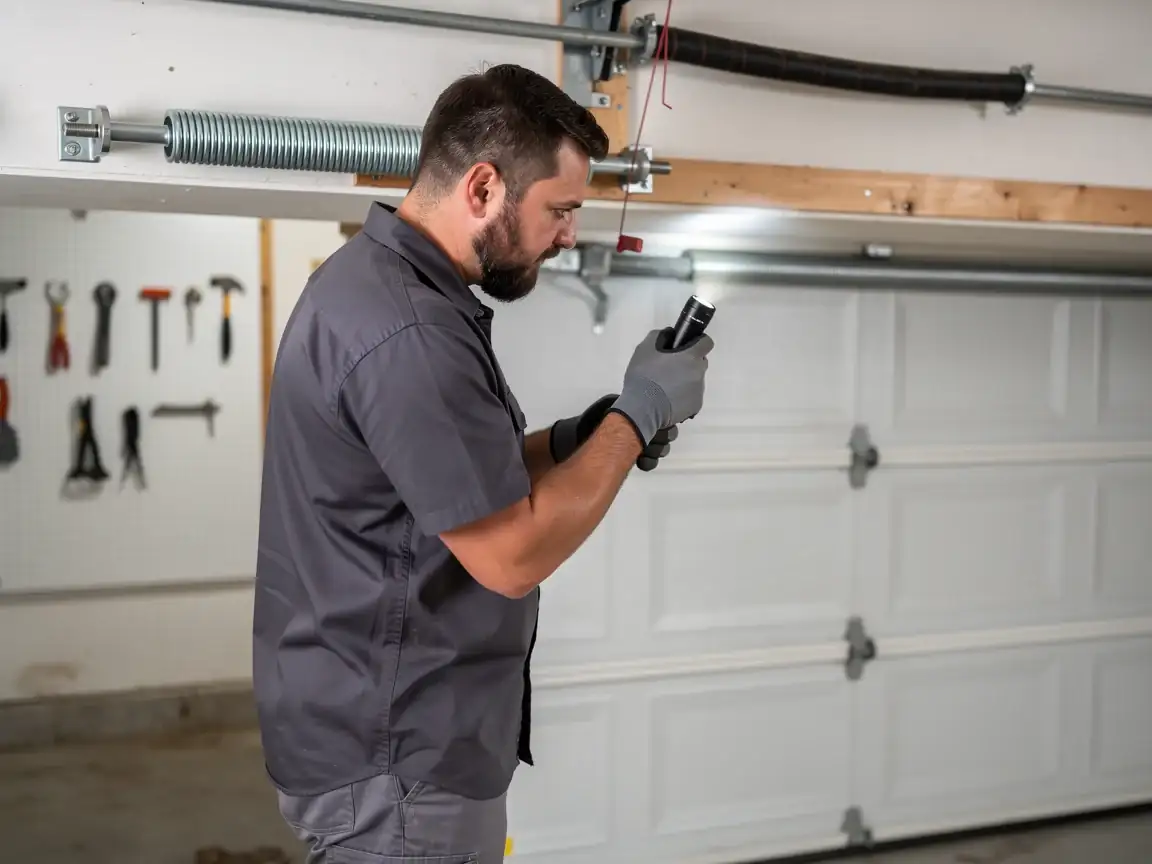
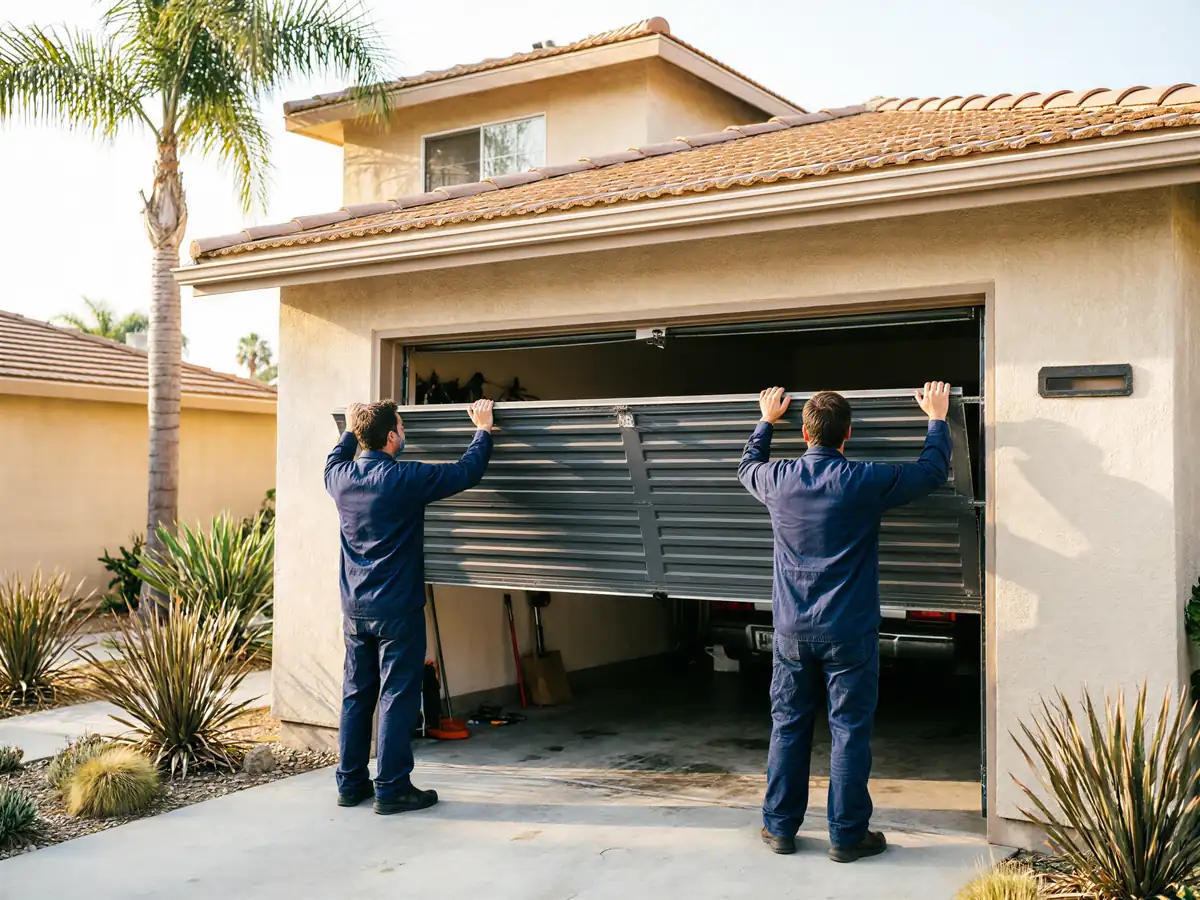
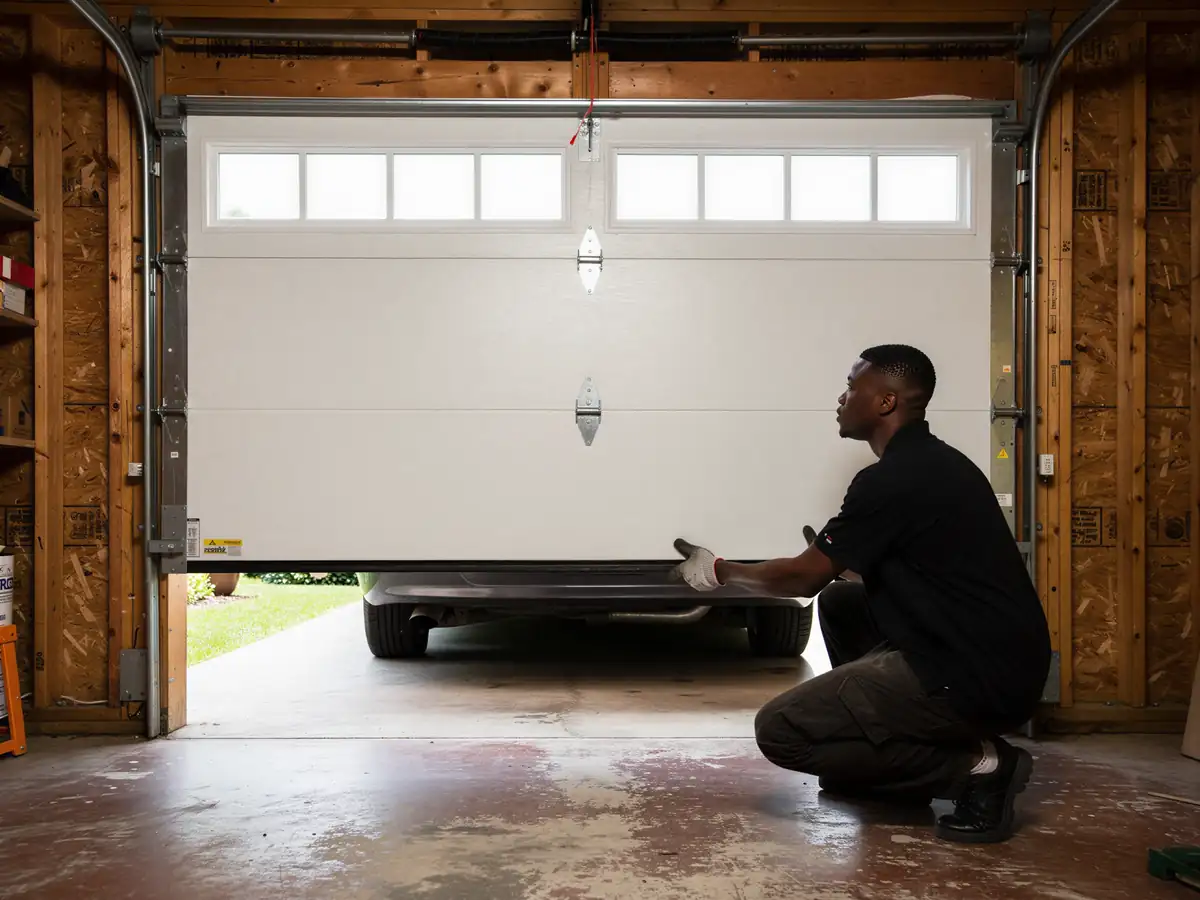
The single biggest risk on 1960s extension spring hardware is a cable without a safety loop. That requirement didn't exist when these doors went up, and if nobody's upgraded the cable since, a snapped spring has nowhere to go but into the garage. We check for this on every visit regardless of what else we're there for. Second is track bow from dry rollers, which on horizontal extension setups puts uneven load on both springs and can lead to one side failing years before the other. Third, in this climate band, is weatherstrip and seal breakdown; moderate heat doesn't crack vinyl the way a desert climate would, but seals still dry out and let in dust and the odd bit of debris over a long enough span. None of this is dramatic failure. It's slow wear on hardware that was built to a lower safety bar than what's standard now, which is exactly why a maintenance check on an older Glendora door tends to turn up more than the same check on a door installed in the last fifteen years.
Time on the Job
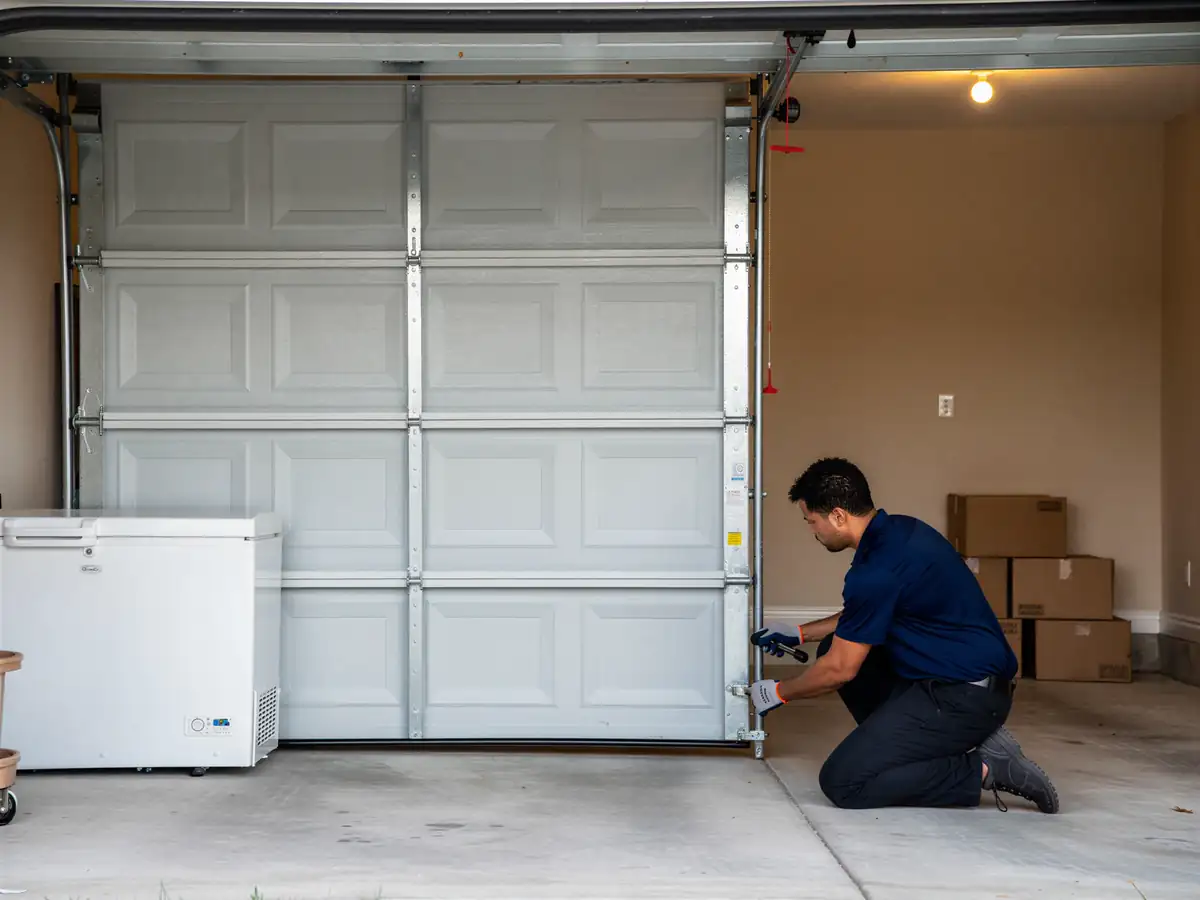
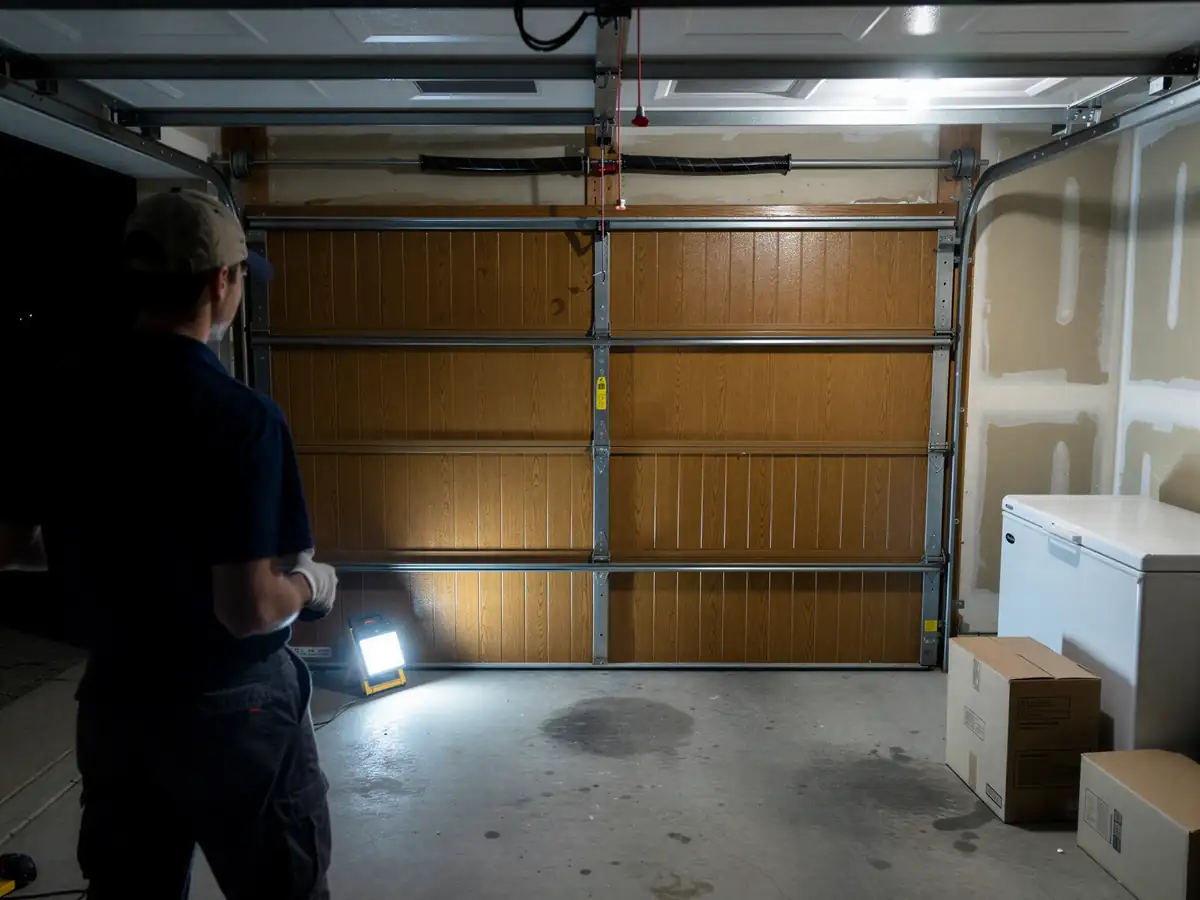
We travel from Pomona, eight miles in, so a maintenance visit here isn't a same-day drop-in the way it might be for a stop closer to the shop. We schedule it, and the drive is built into that window rather than promised against a clock. Once on site, the length of the visit depends on what the hardware's telling us. A door that's had regular tune-ups is a straightforward pass: lubrication, tension check, hardware tightening, done. A door running on original 1964-era extension spring track that hasn't been serviced in years takes longer, because we're inspecting cable condition joint by joint and testing balance before we touch anything else. We'd rather take the extra time on an older setup than rush a check on hardware that's been running unattended for decades. If a visit turns into a repair, we'll say so before starting rather than stretching a maintenance slot to cover work that needs its own appointment.