The Cost of This Job
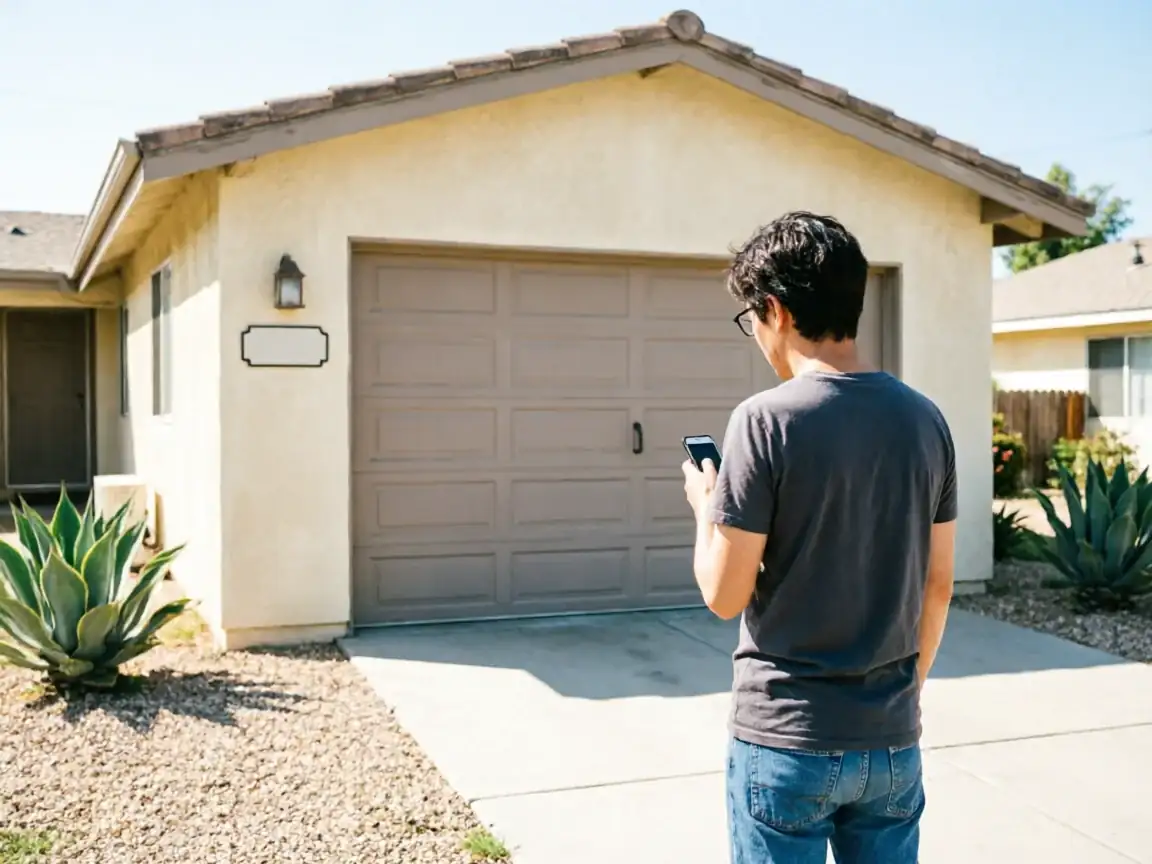
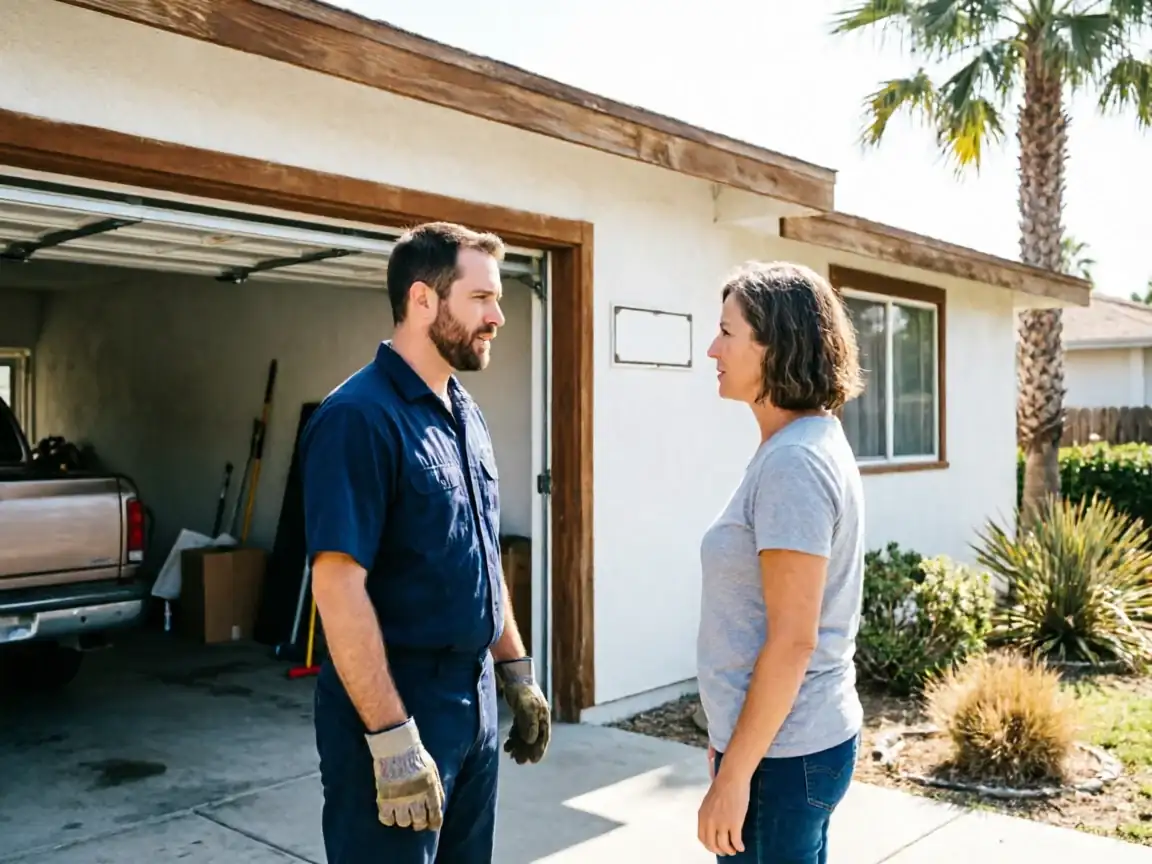
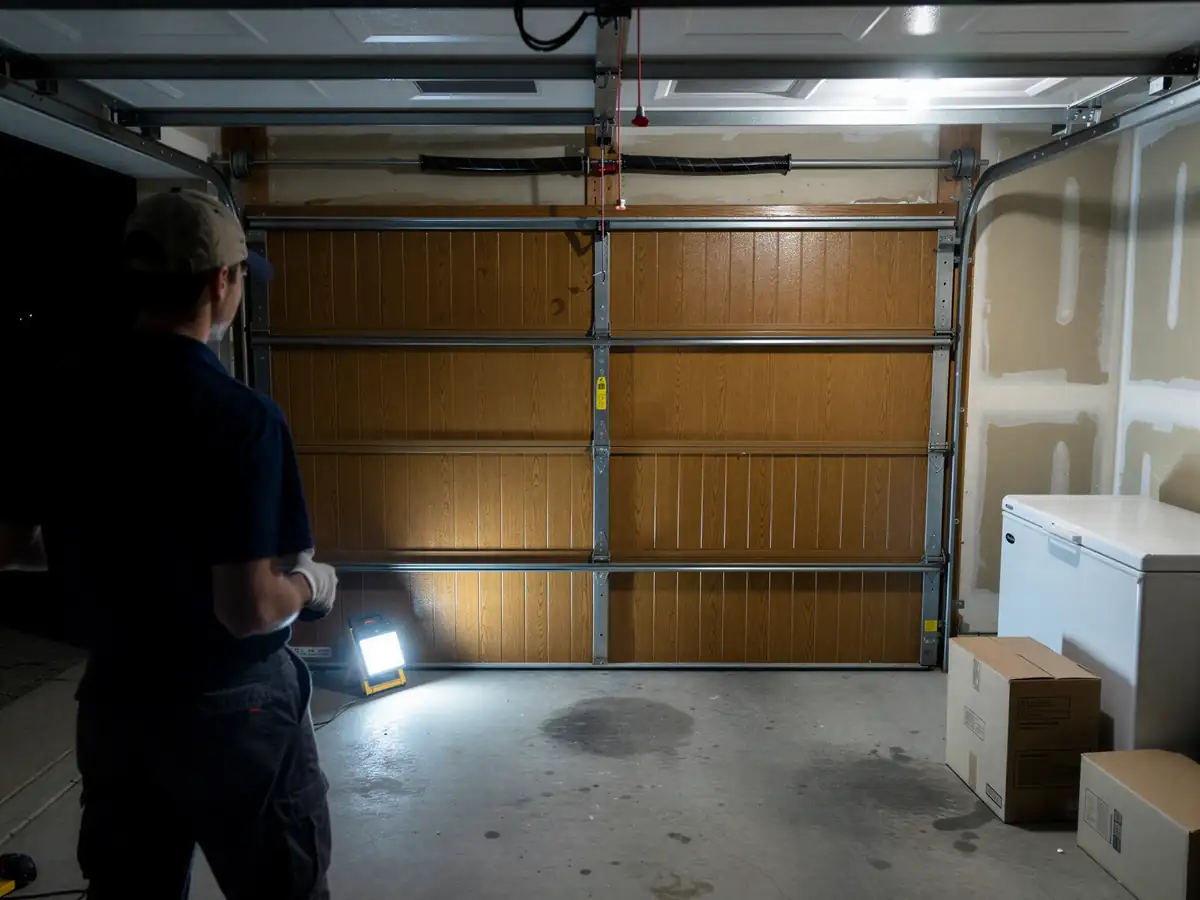
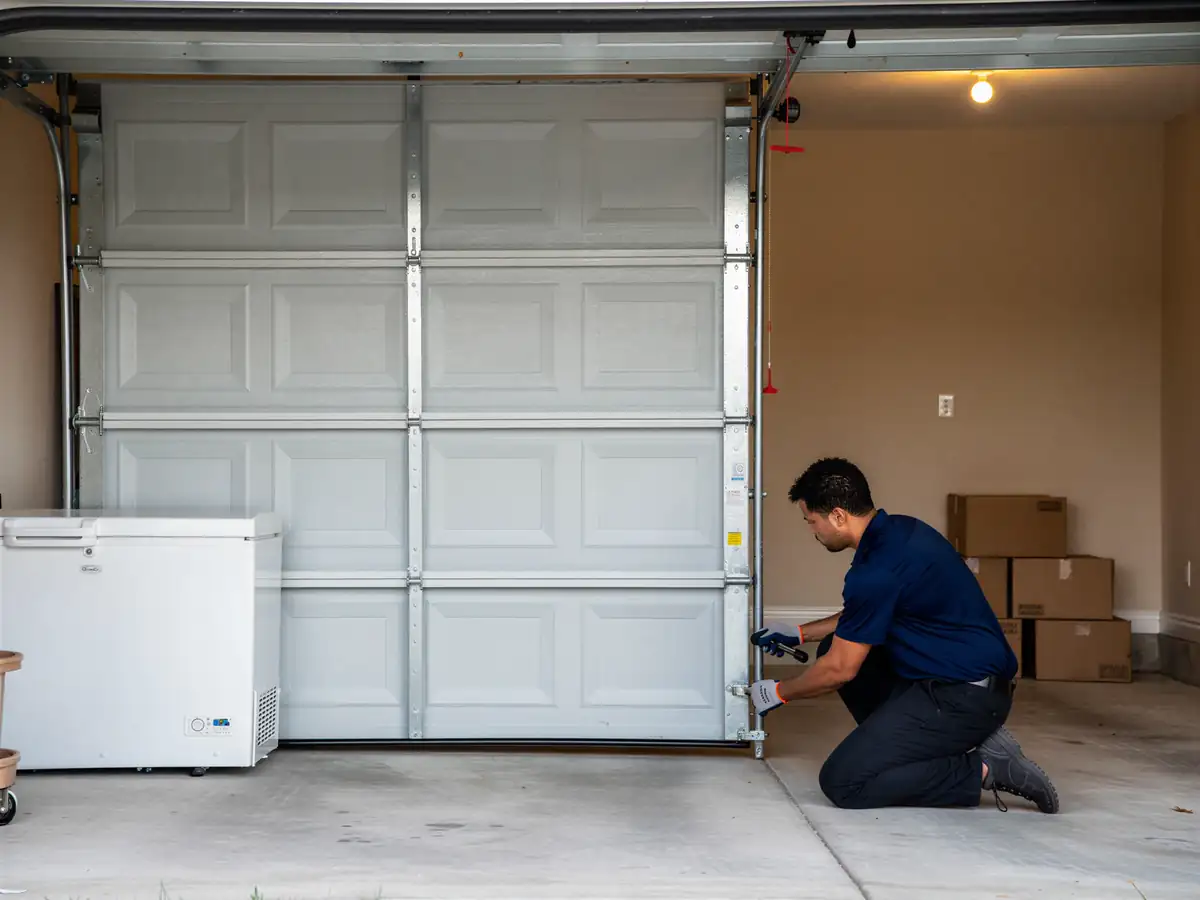
Glendora's housing stock centers on 1964, a year earlier than the 1965 median across the wider Pomona Garage Door Pros service area. That one-year gap doesn't sound like much until you're standing in front of the door. Houses built right around 1964 often still carry their original torsion hardware, or a replacement from decades back that was sized for an older, heavier door. Pricing a repair here means pricing for that hardware first, not for whatever's cheapest off the shelf. Glendora also runs higher on income than the service area average - $111,915 against a $102,449 median - which tends to mean more owners asking for a full spring and cable replacement done right the first time instead of a patch job meant to last a season. We quote the job in front of us, not a flat number, because a 1964 torsion setup and a 1990s extension-spring door are not the same repair even if they're both called 'the garage door is stuck.'
What Is on the Truck
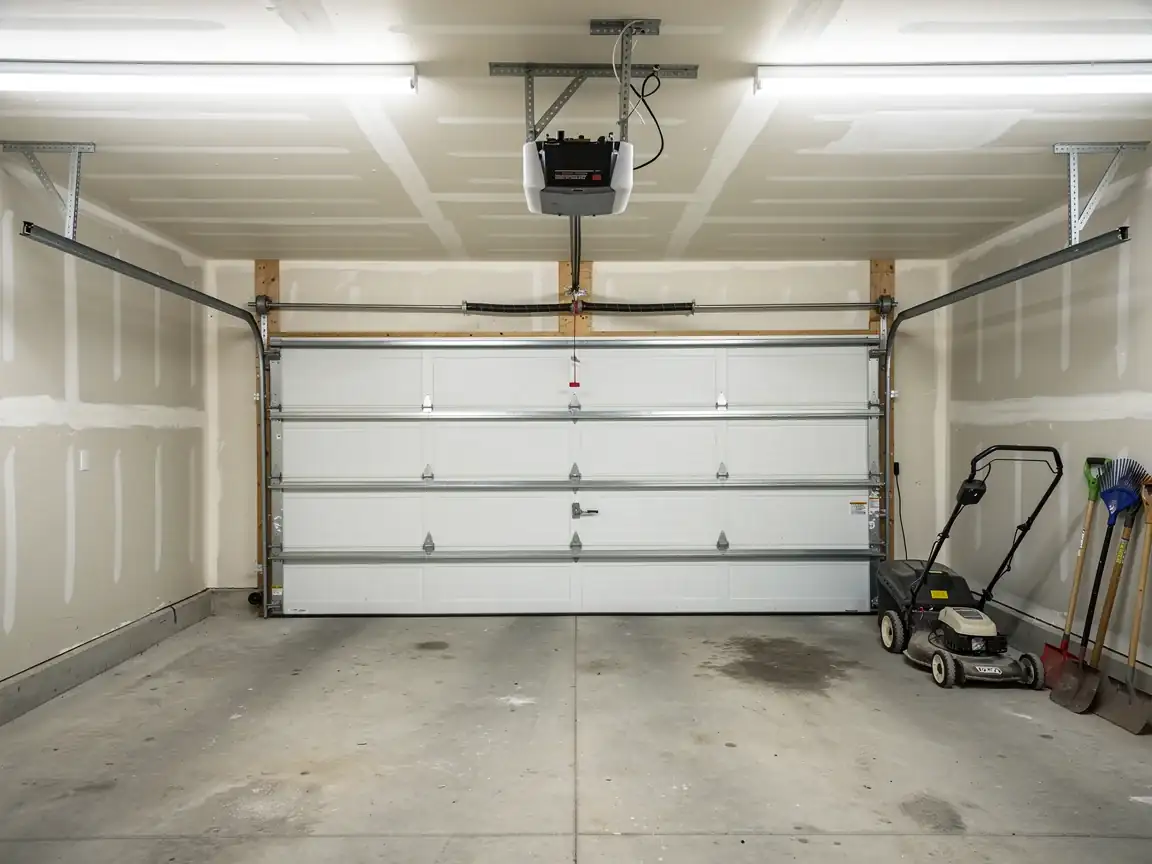
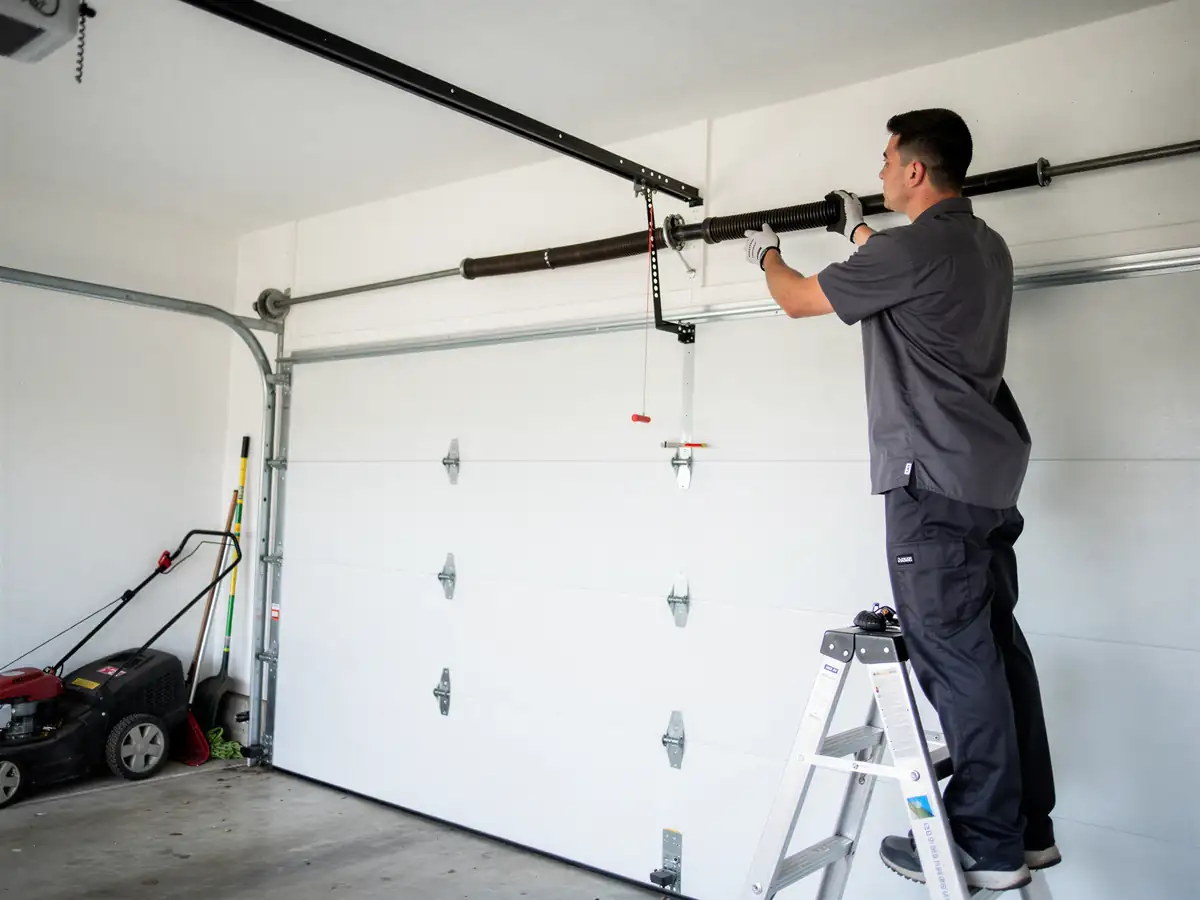
For a run into Glendora, the truck gets loaded with torsion springs sized for the heavier, older sectional doors common to mid-1960s construction, plus the more standard parts that cover the newer homes mixed into the area. We carry rollers, cables, and center and end bearing plates in the sizes that fit 1960s track systems, since those dimensions shifted over the decades and a wrong-size roller just wears the track faster. We don't carry every obsolete panel profile - some original one-piece doors from this era used hardware nobody manufactures anymore, and if your door falls into that category, we'll tell you plainly rather than promise a match we can't deliver. That's the one limitation worth saying up front: a 60-year-old panel sometimes means full replacement is the honest answer, not another repair.
What Can Go Wrong
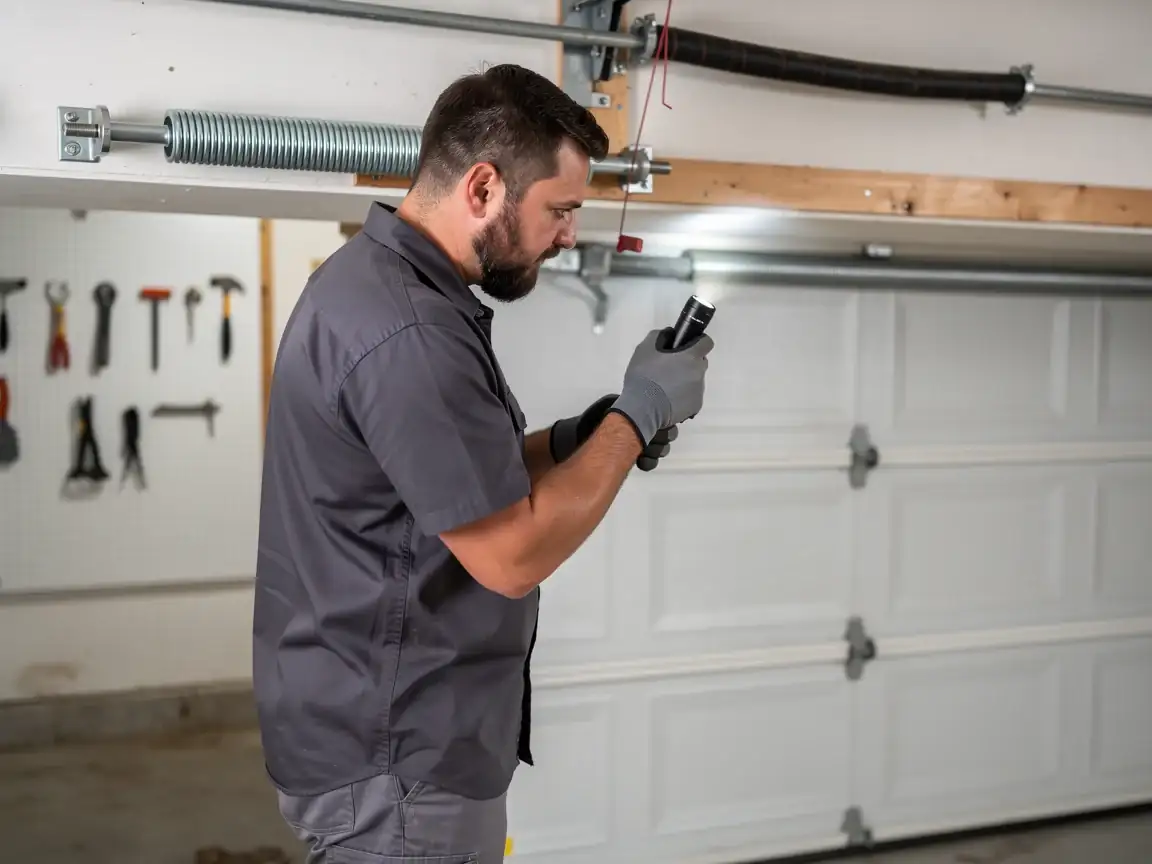
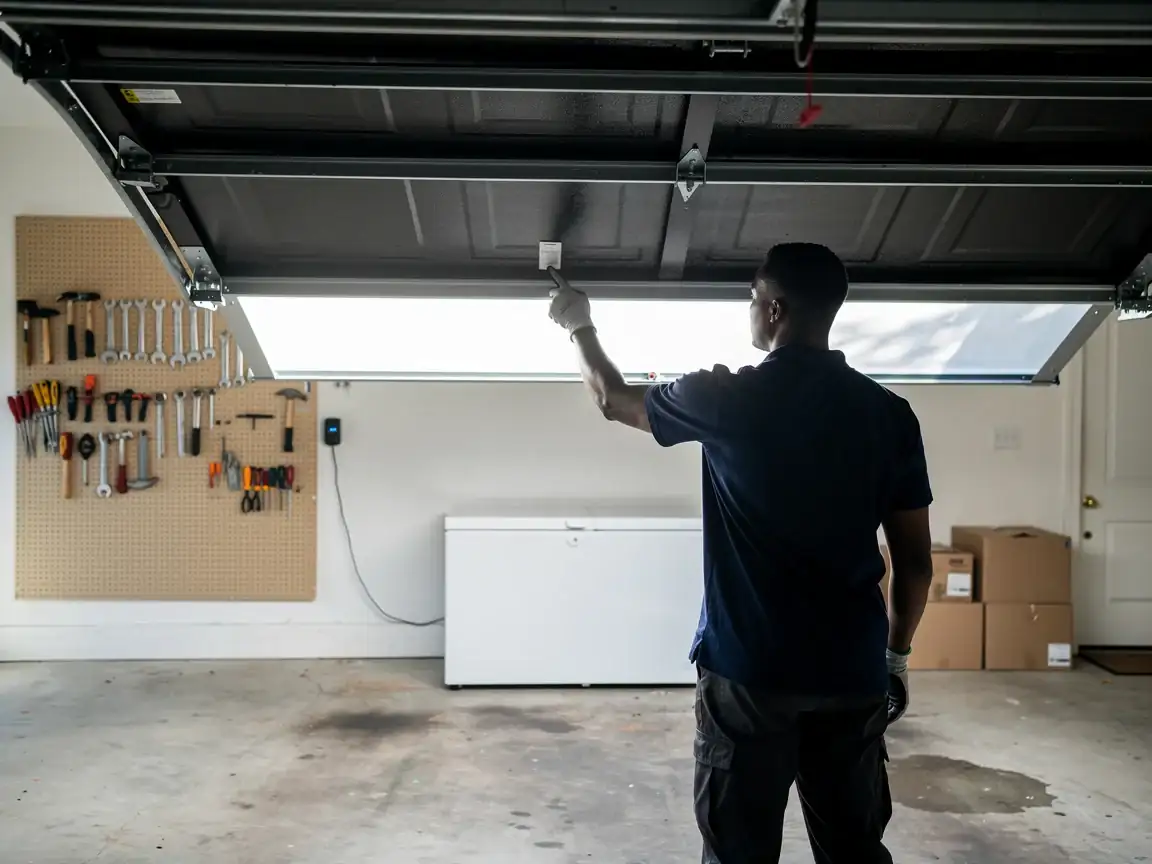
The fault we see most in Glendora traces straight back to the 1964 build year: original torsion springs that were never upsized when a heavier insulated door replaced the original lightweight panel. That mismatch puts stress on the opener that the opener was never built to handle, so what looks like a motor problem is often a spring problem wearing out the motor. Track misalignment is the second common issue - decades of settling on homes this age can pull a track a few degrees out of true, which shows up as a door that binds on one side only. With 16,603 households in Glendora built mostly in that same narrow window, these aren't rare one-off failures; they're the pattern for the area, which is why we check for them specifically rather than treating every call as a blank slate.
Time on the Job
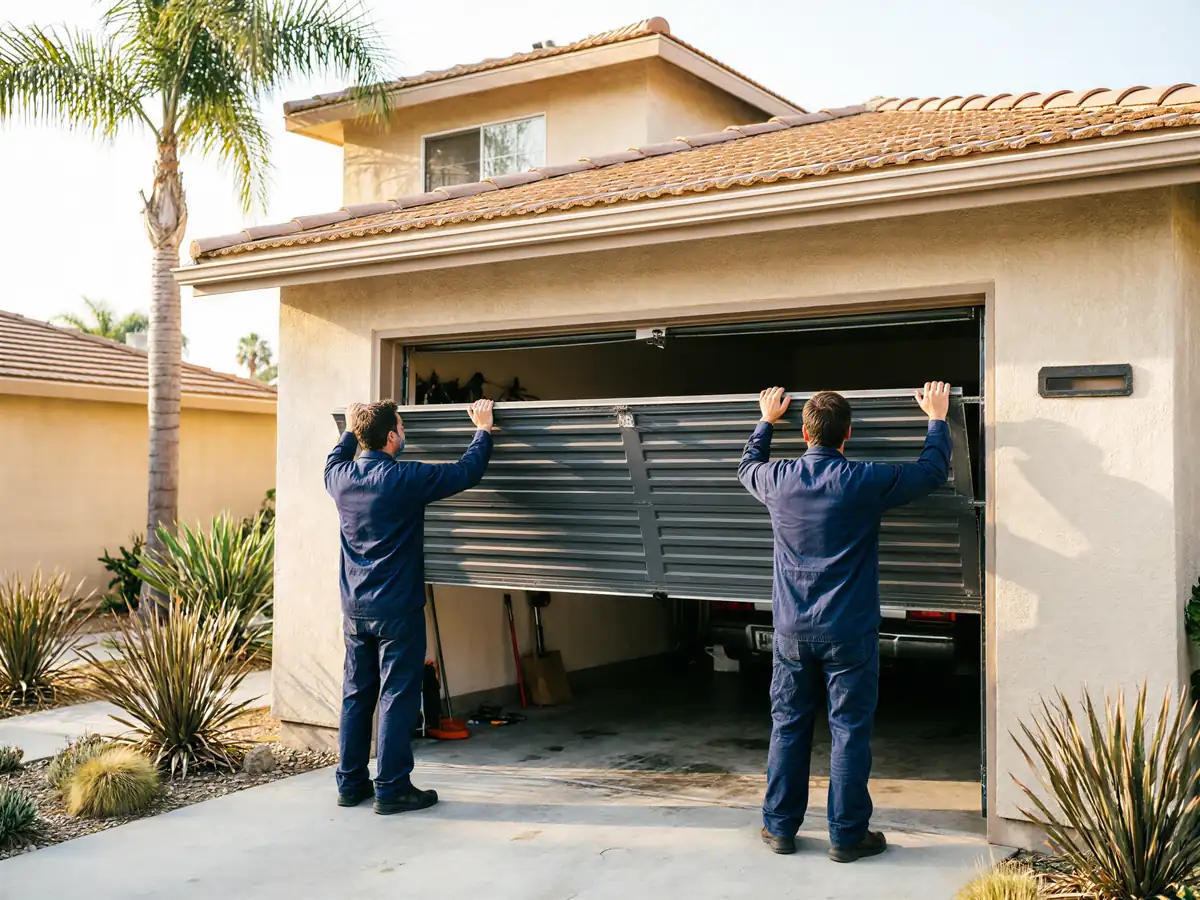
A straightforward spring swap on a Glendora door, once we've confirmed the shaft and drum sizes match what's on the truck, runs like most torsion jobs of this vintage - it's not a quick five-minute fix, but it's not an all-day teardown either. Jobs get longer when the track needs realignment on top of the spring, or when original hardware has to be adapted rather than dropped in directly. We won't pad the clock on a simple call, and we won't rush a job that needs the track checked twice because a door that goes back up off-balance just means a second trip. The 8-mile run from Pomona is built into how we schedule the day, not an excuse for a longer wait.