The Cost of This Job
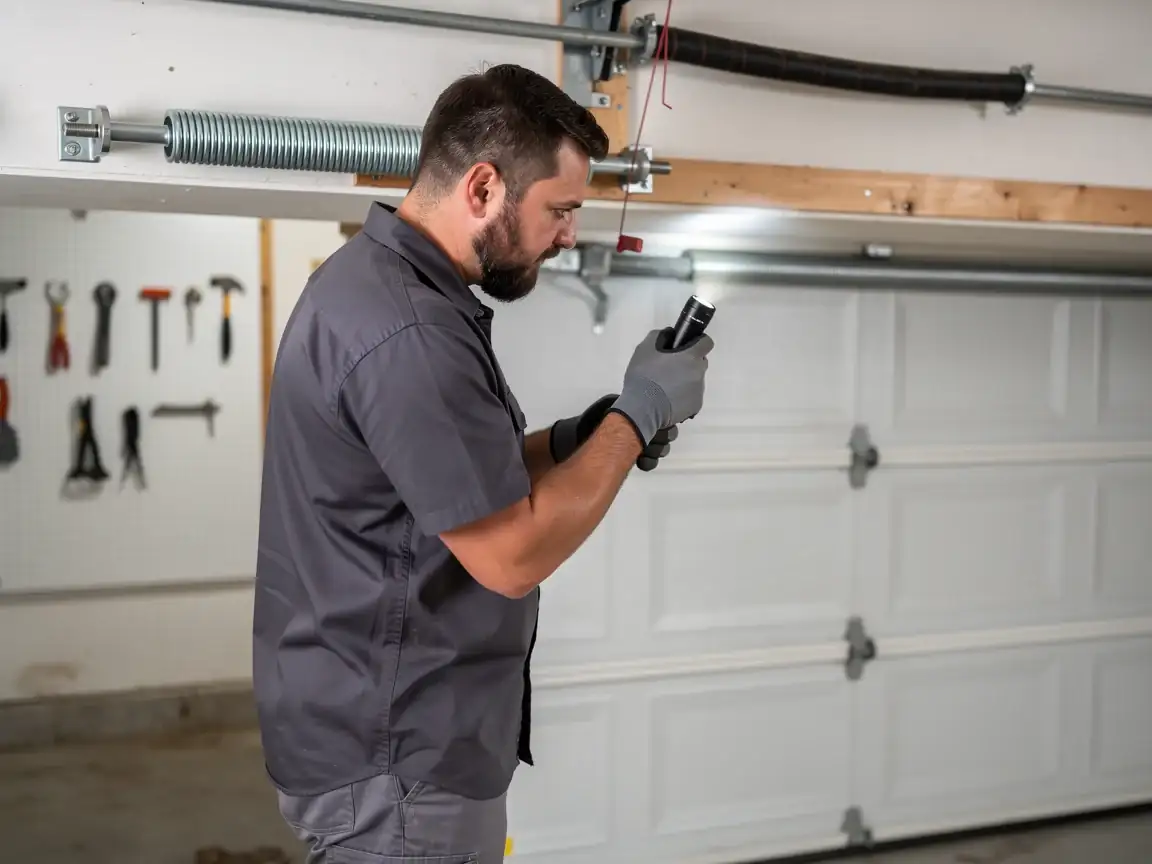
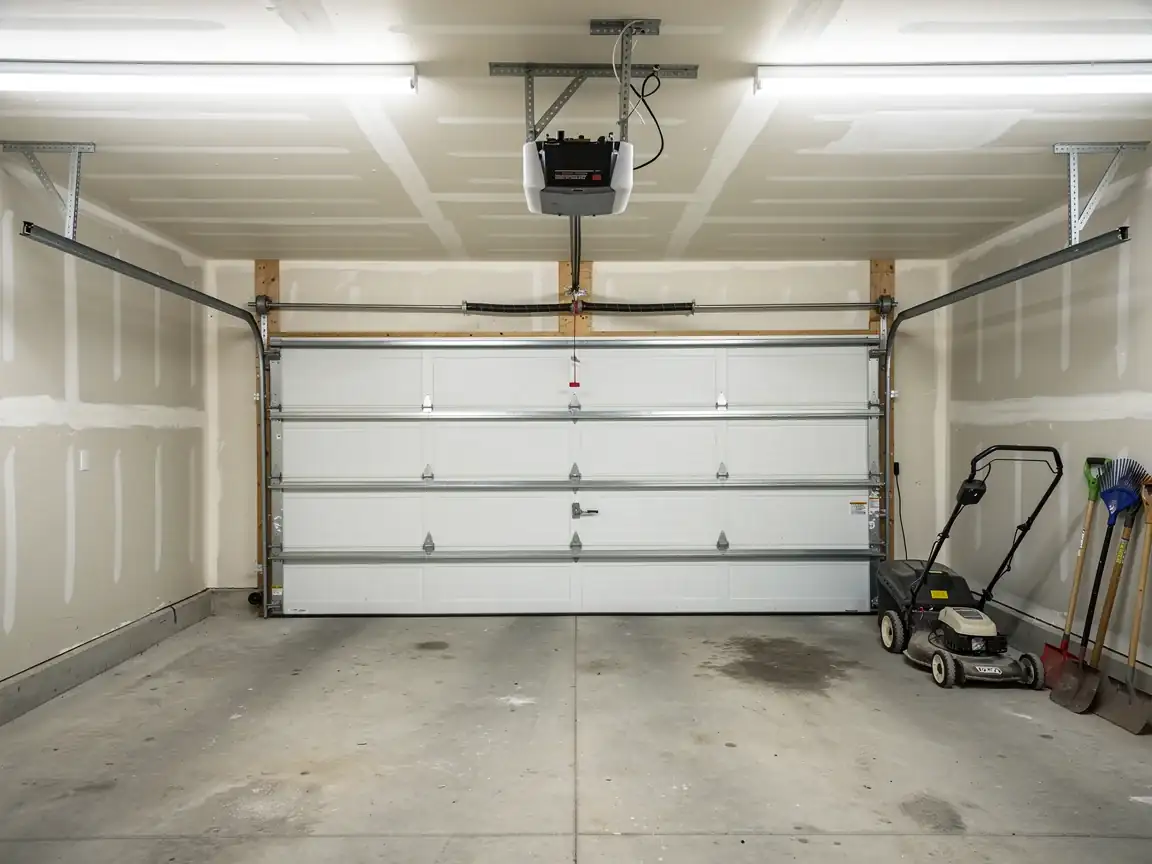
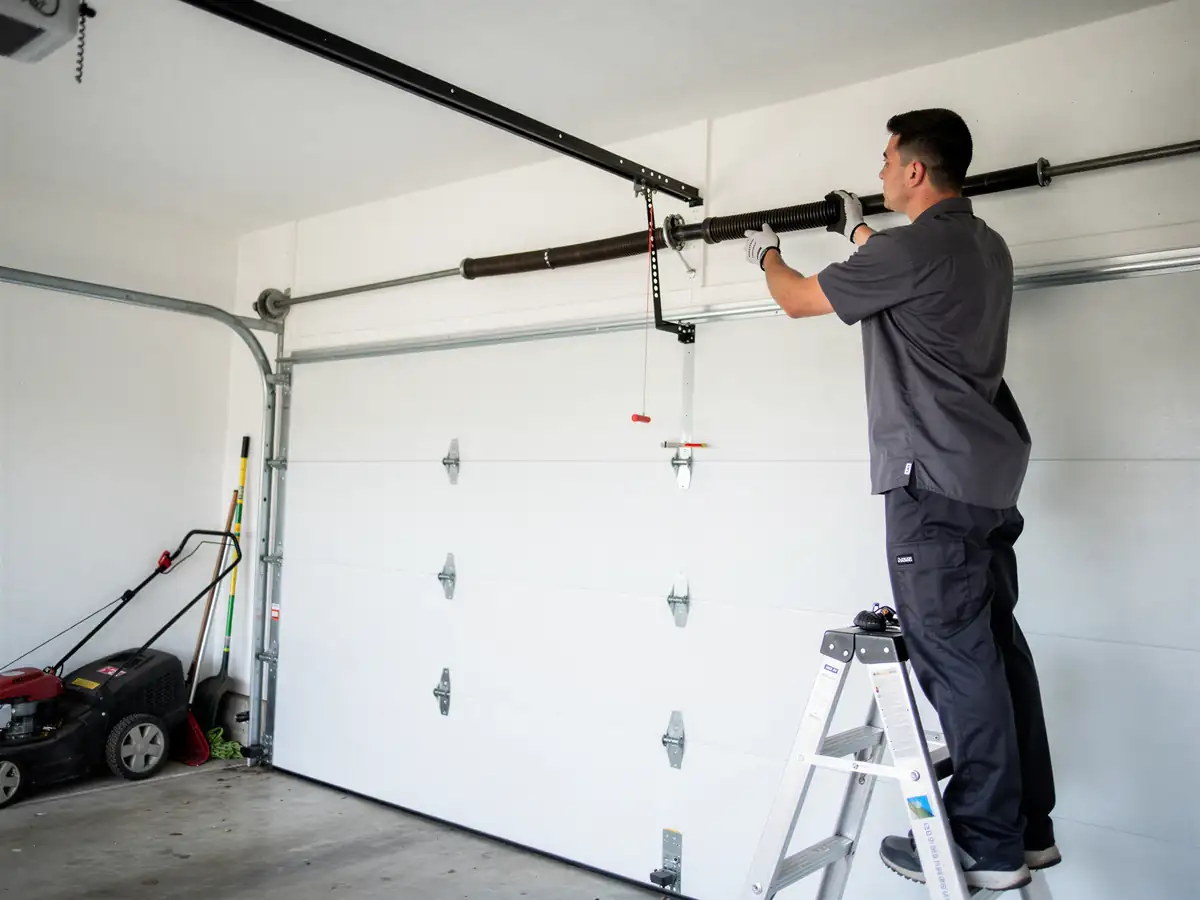
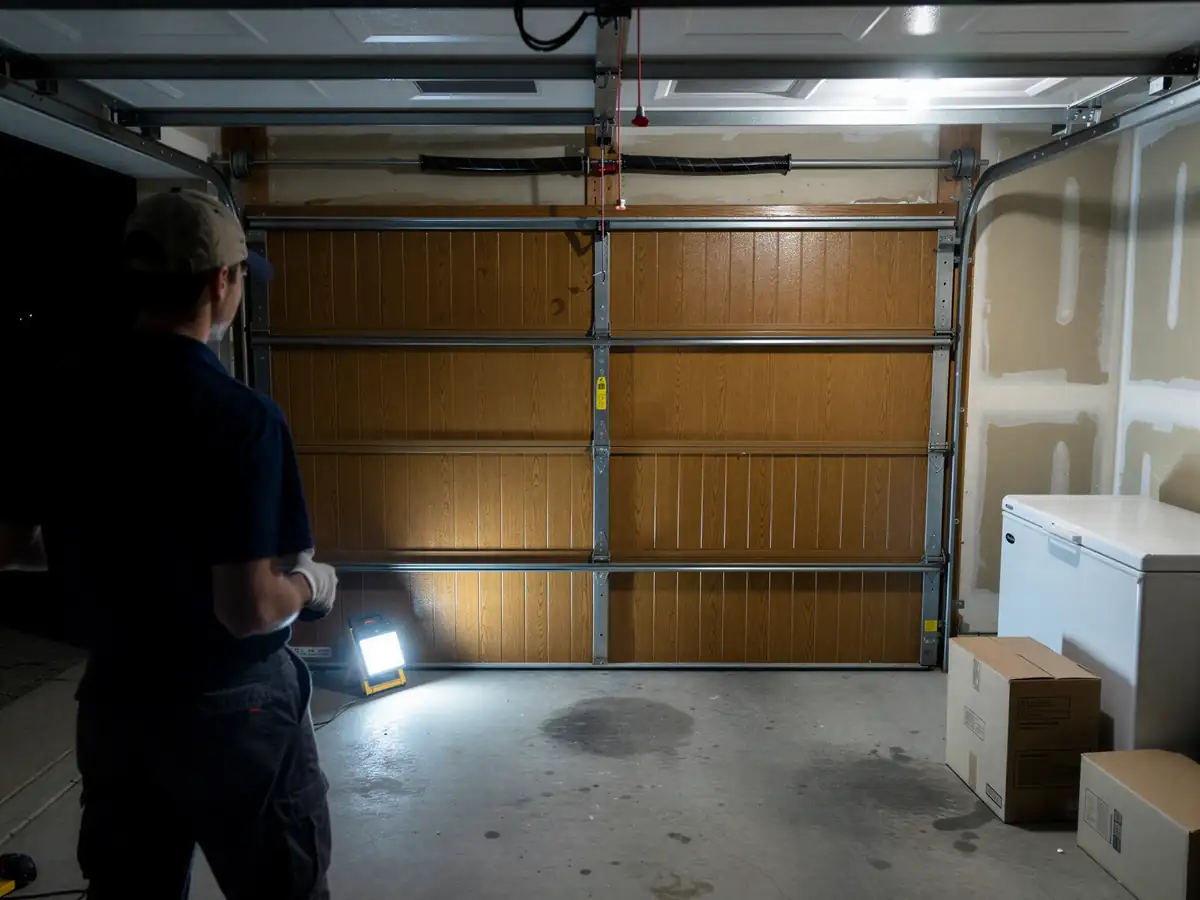
The fault we see most in Glendora is a torsion spring that's outlived the door it's lifting. With a median build year of 1964, a lot of these houses are running their second or third spring on hardware that was never upgraded when the door was replaced. That mismatch is where the money goes: a fair price on a modern 16x7 steel door turns into a bigger bill when the drum, shaft, and bearing plates underneath it are 60 years old and seized.\n\nWe price the job after we see what's actually on the wall, not off a phone estimate, because a spring swap on original hardware and a spring swap on hardware somebody already updated in the 2000s are two different jobs. Glendora's housing sits in a moderate heat band, so we're not dealing with the thermal cycling that cracks springs in desert climates faster - but age alone does the same job over sixty years. We don't quote a flat number here because we haven't seen your opener or your drum size; what we can tell you is the hardware era matters more than the door brand when it comes to cost.
What Is on the Truck
Since we're coming from Pomona, about 8 miles out, the truck gets stocked before we leave, not after we diagnose on site. For Glendora calls that means torsion springs in the sizes that match 1960s-era drum and shaft setups, standard rollers, and the lift cables that wear through on doors nobody's touched since the opener was swapped.\n\nWhat doesn't ride on every run is parts for doors outside that build window - a door installed new in the last ten years with a modern opener and sealed bearings is a different parts list, and if that's your situation we may need to order before we can finish the job. That's the one limitation worth saying plainly: we stock for what's common in this part of the service area, not for every possible door, and a less common torsion size or a discontinued opener board can mean a return trip.
What Can Go Wrong
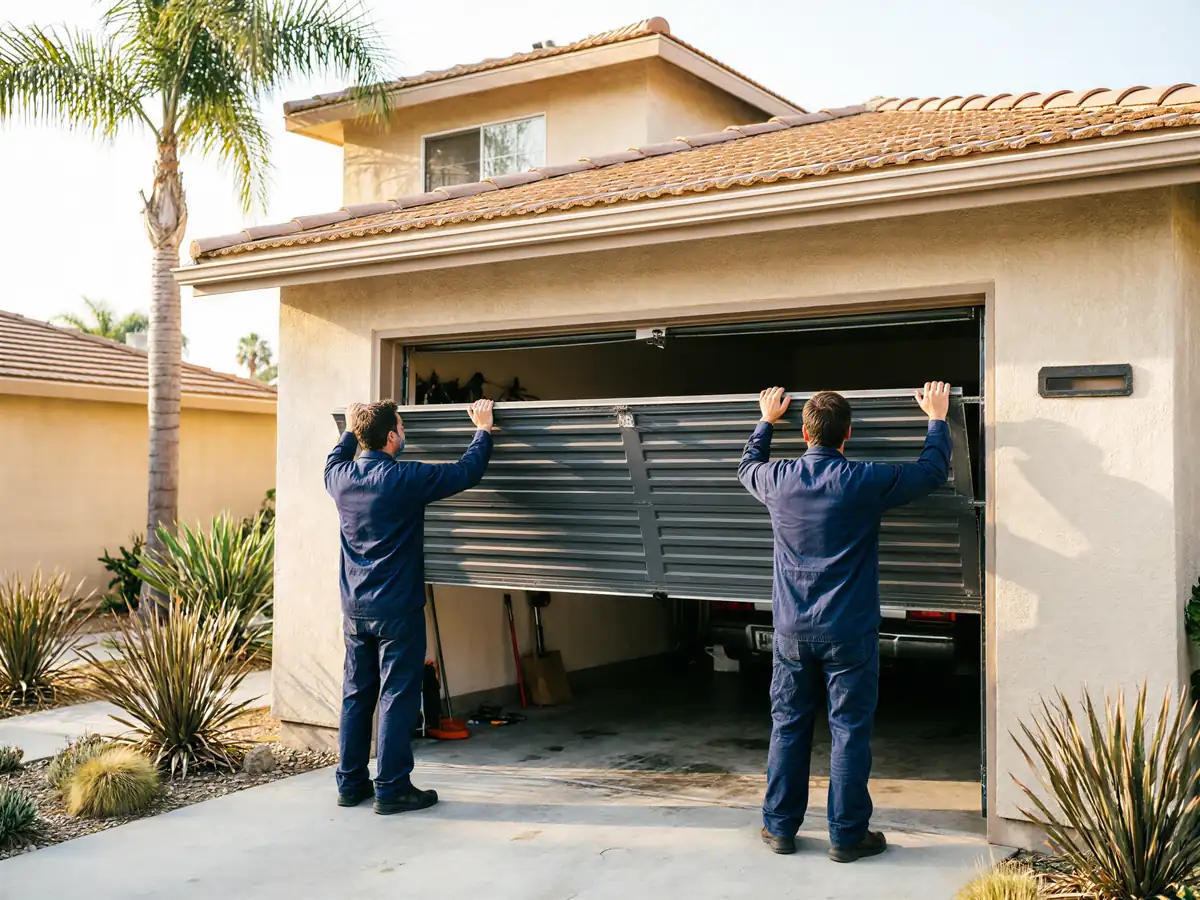
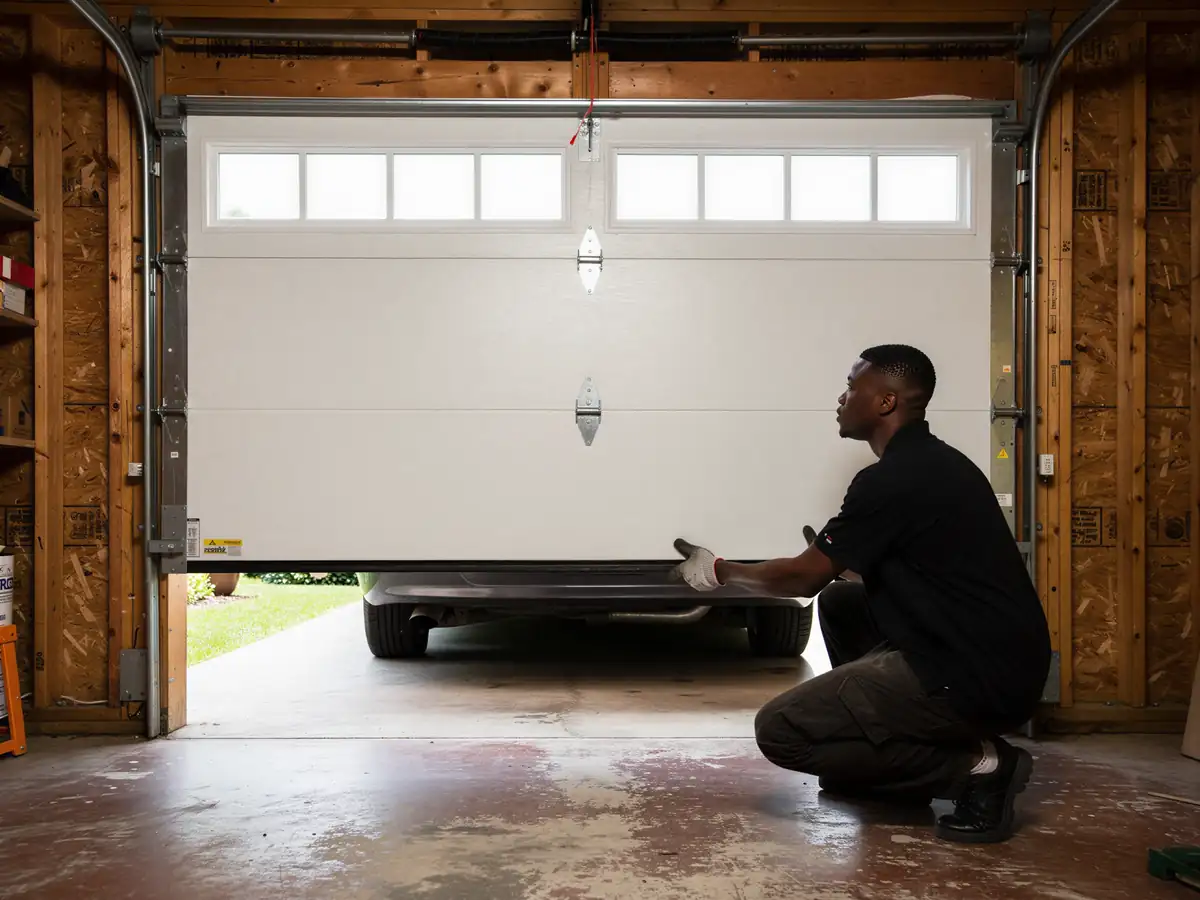
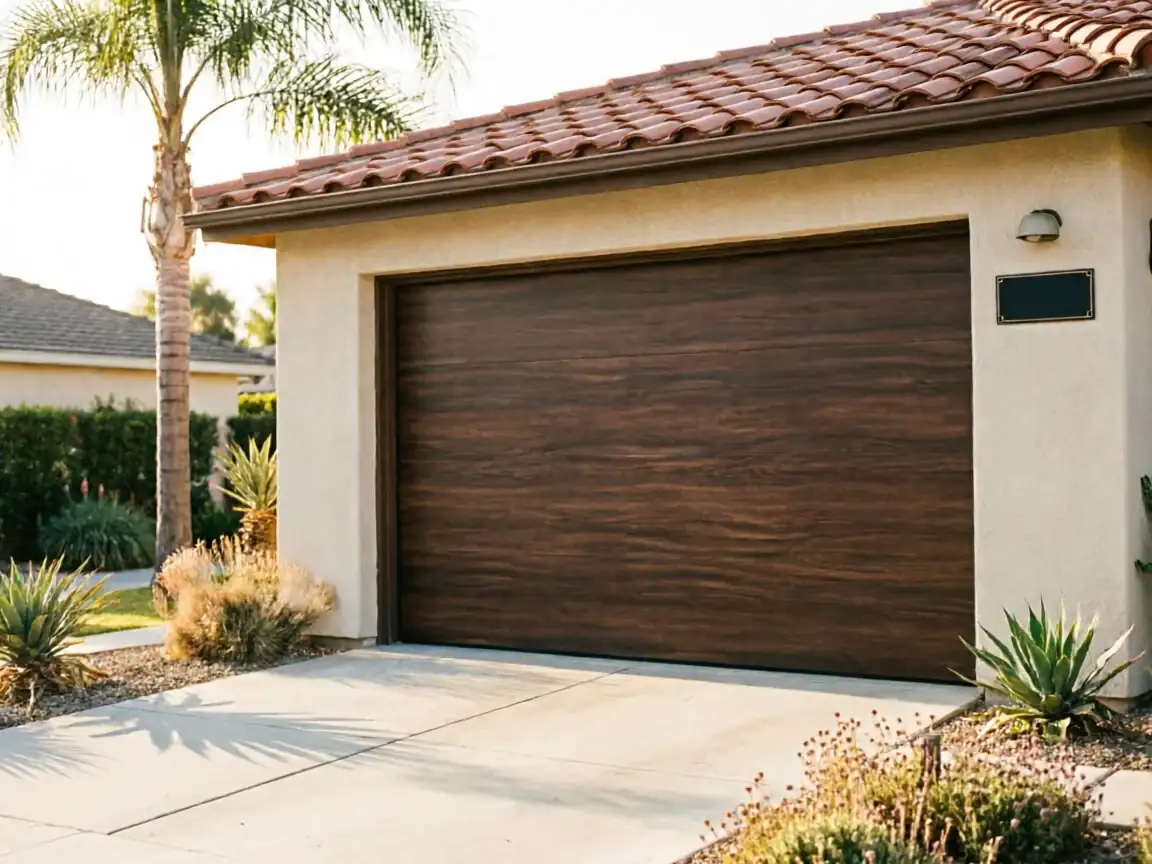
The thing that catches people off guard on a house this age is a cable or spring failure happening on a door that looks fine from the outside. Paint and panels hold up a lot longer than the torsion hardware behind them, so a door that's never been painted over or dented can still have a spring at the end of its life. That's the specific risk of a 1964-median neighborhood: cosmetic condition tells you nothing about the hardware.\n\nThe other failure we see is a track that's been bent slightly out of alignment for years and finally lets a roller jump out under load. On older doors with original tracks, that's often the first sign something's wrong, and by the time it happens the roller and sometimes the hinge need replacing too, not just the track. We don't recommend patching a bent track on a door this old if the roller's already worn - replacing both together costs less in a second visit than fixing one now and the other in six months.
Time on the Job
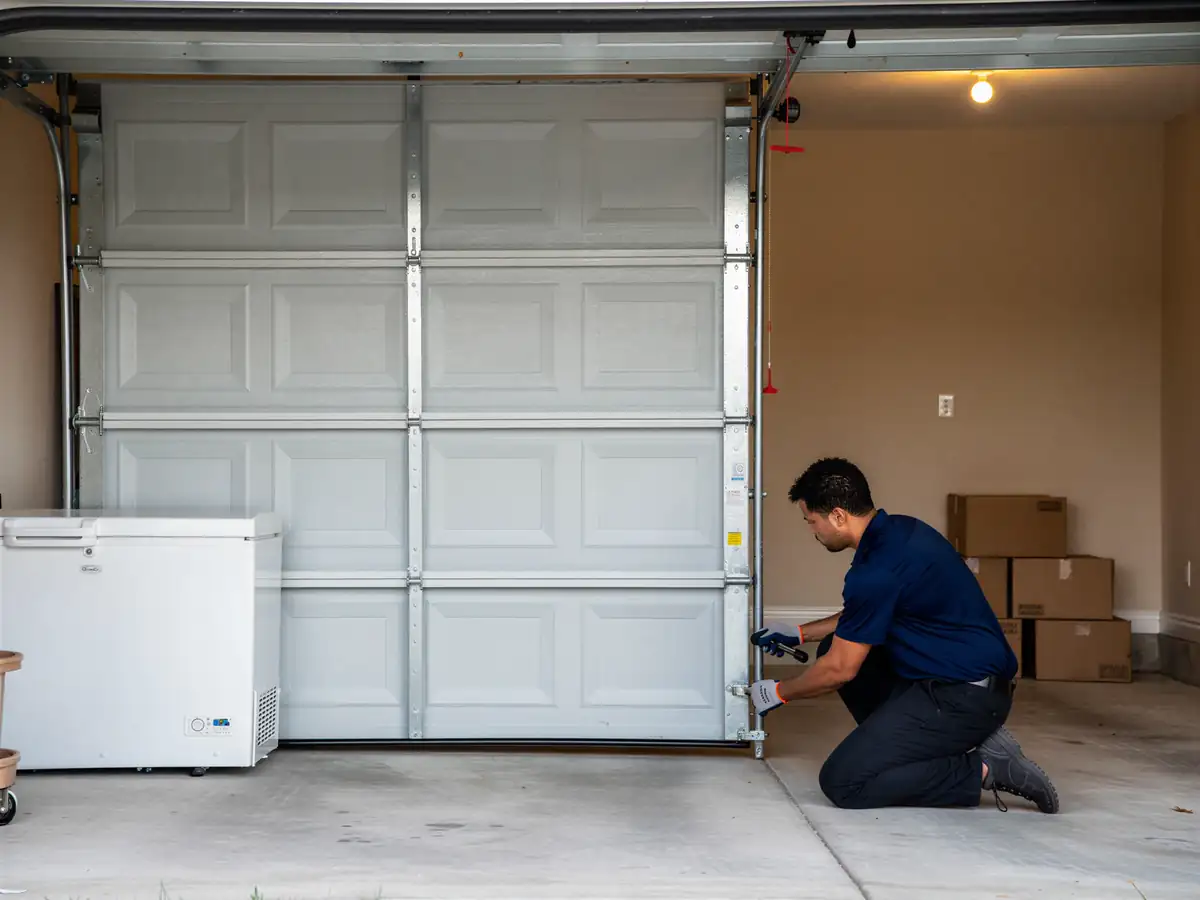
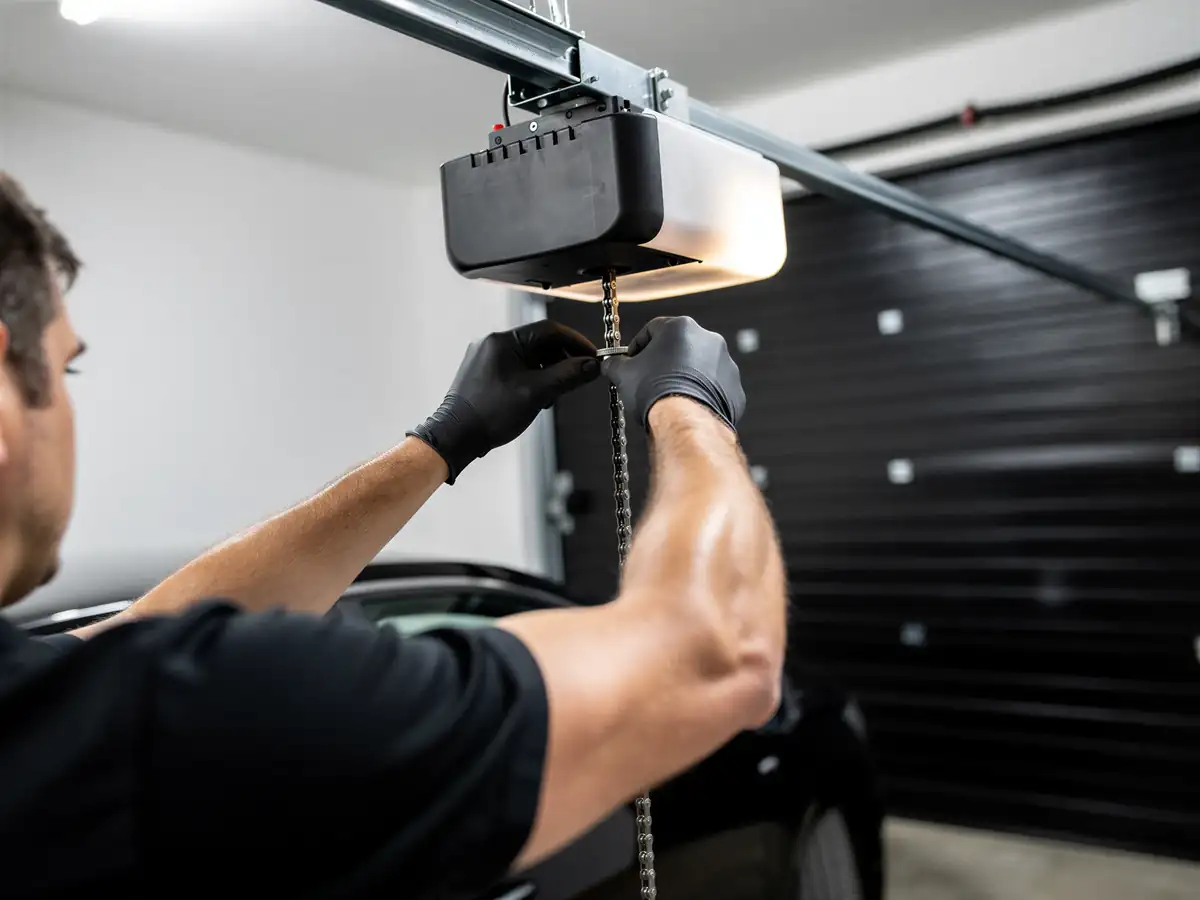
Because we're driving out from Pomona rather than working from a depot in Glendora, we schedule the visit around what the call tells us, not around a guess. A spring job on original hardware from the 1964 era typically runs long enough to also check the opposite spring, since torsion springs are sold and aged in pairs and replacing one without the other just moves the next failure a few months out.\n\nOpener-only calls run shorter. If the diagnosis turns up a part we don't carry for an older or discontinued unit, we'll say so on site rather than guess at a timeline we can't back up - that's the honest version of a repair estimate, not a number pulled out of the air.