The Cost of This Job
We don't quote opener repair prices over the phone without seeing the unit, and we won't pretend otherwise here. What we can tell you is what drives the cost on a Glendora call: the drive itself, and the age of the hardware once we get there. Glendora sits eight miles out from our Pomona base, and most of the houses we're called to were built right around 1964 - the same stretch of years that put a lot of chain-drive and screw-drive openers with early-generation circuit boards into these garages. A board swap on one of those older units is a different job, and a different cost, than reprogramming a modern belt-drive opener with a smart module. Glendora's median household income runs higher than the wider Pomona-based service area - $111,915 against $102,449 - which doesn't change what a part costs, but it does mean more of the calls we get here are for full opener replacement rather than a patch job, because owners would rather not keep babying a unit from the Johnson administration era of their own garage. We price the opener and the labor, not the mileage, but the eight miles is real and it's part of how the day gets scheduled.
What Is on the Truck
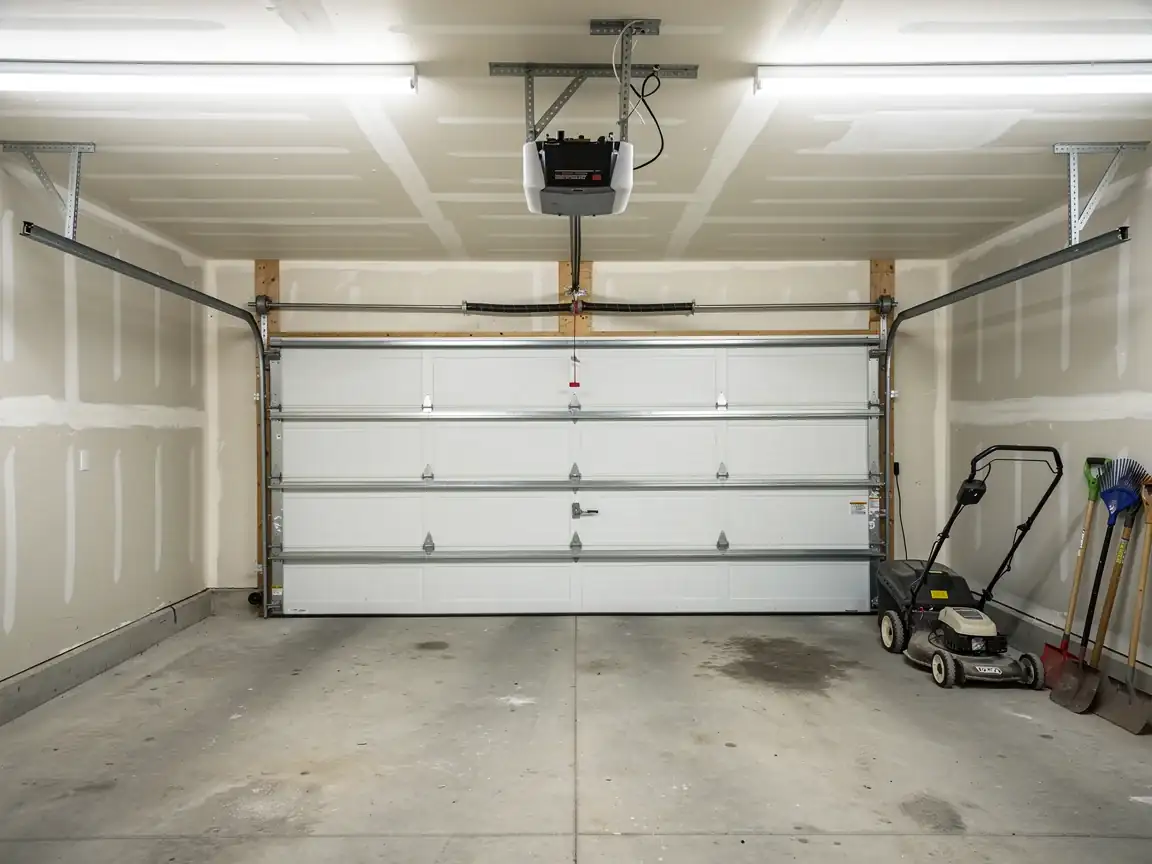
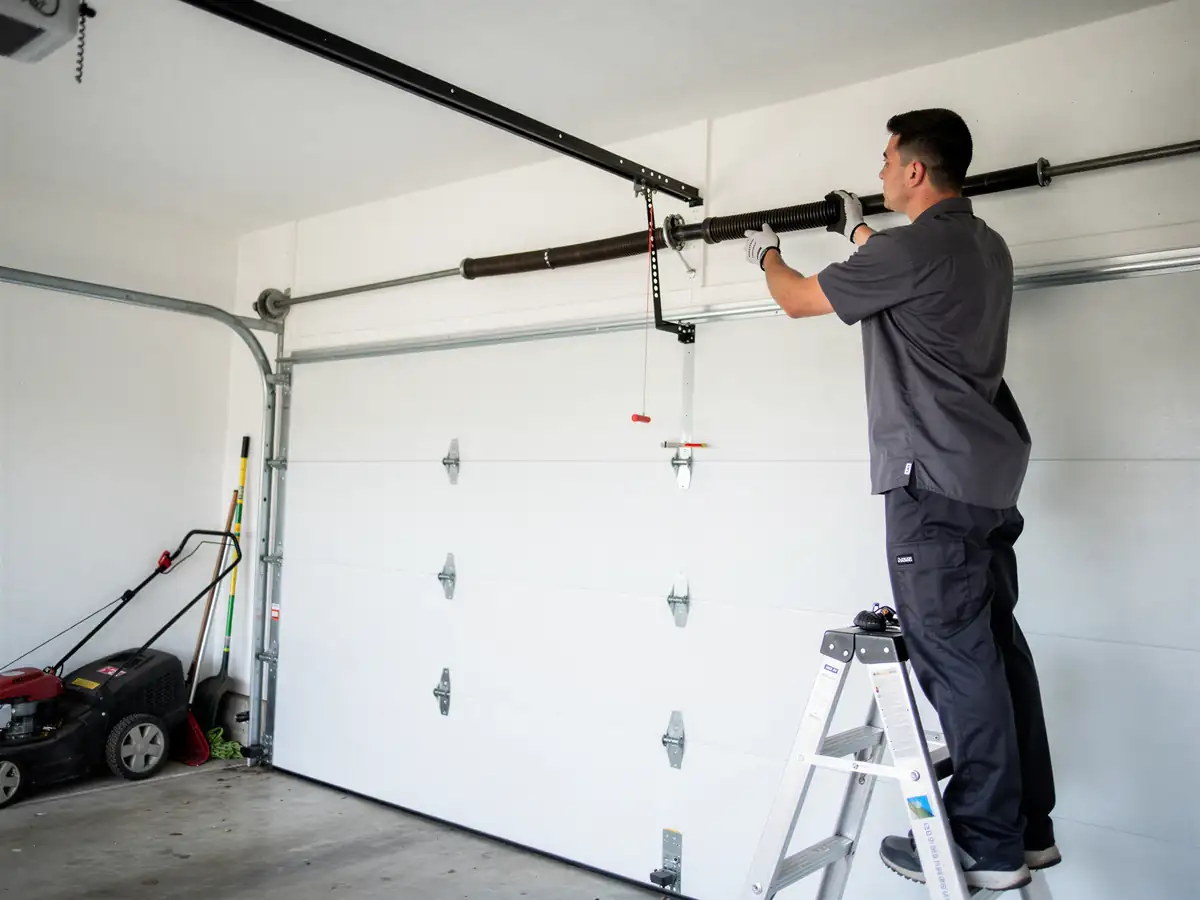
For a town built mostly in the 1960s, the truck carries what that decade actually needs, not just what's new. That means logic boards and capacitors sized for older chain-drive and screw-drive units, not only belt-drive replacement motors. Glendora falls inside the moderate heat band for this region, and heat is hard on the circuit boards and capacitors inside an opener housing - components bake in a hot garage for years before they finally fail, and when they go, they go without warning. We stock sensor pairs and wiring harnesses that match the mounting heights and hardware common to homes from that build era, since a lot of these garages have never had the opener swapped since it was first installed. We also carry wall console and remote units that pair with older receiver boards, because telling a homeowner their 1960s opener needs a whole new rail system when the problem is a forty-dollar receiver is bad work. What we don't carry is every obsolete part ever made. If a unit is old enough that the manufacturer stopped making boards for it years ago, we say so on the spot rather than stringing out a repair that should be a replacement.
What Can Go Wrong
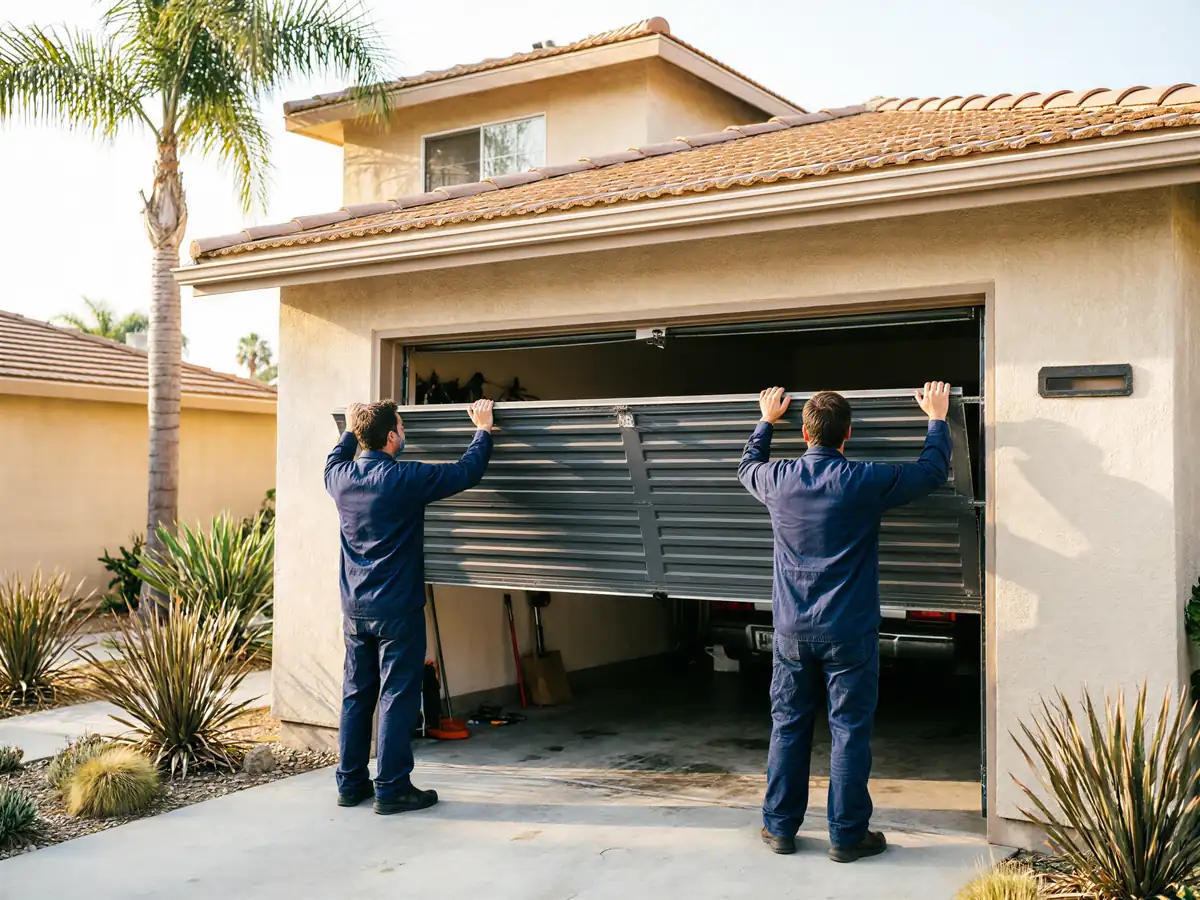
The most common surprise on a Glendora call is wiring, not the opener itself. Houses from around 1964 often have garage circuits that were never updated when the opener was added years after the house was built, and a flickering or dead opener sometimes traces back to a loose connection or an undersized circuit rather than the unit. Heat is the other factor - the moderate heat band this area sits in means capacitors and circuit boards age faster than they would somewhere cooler, so a board that looks fine on a mild day can fail outright by midsummer. We also see mismatched retrofits: a newer opener bolted onto an old bracket system, or a safety sensor pair from one generation wired into a receiver from another. None of that is unusual for a town with this much mid-century stock, but it does mean every call starts with a look at the whole system, not just the motor housing. The honest limitation here: if the rail or the bracket mounting is bent or outdated past the point of a clean match, we'll tell you replacement is the better call rather than forcing a repair that won't hold.
Time on the Job
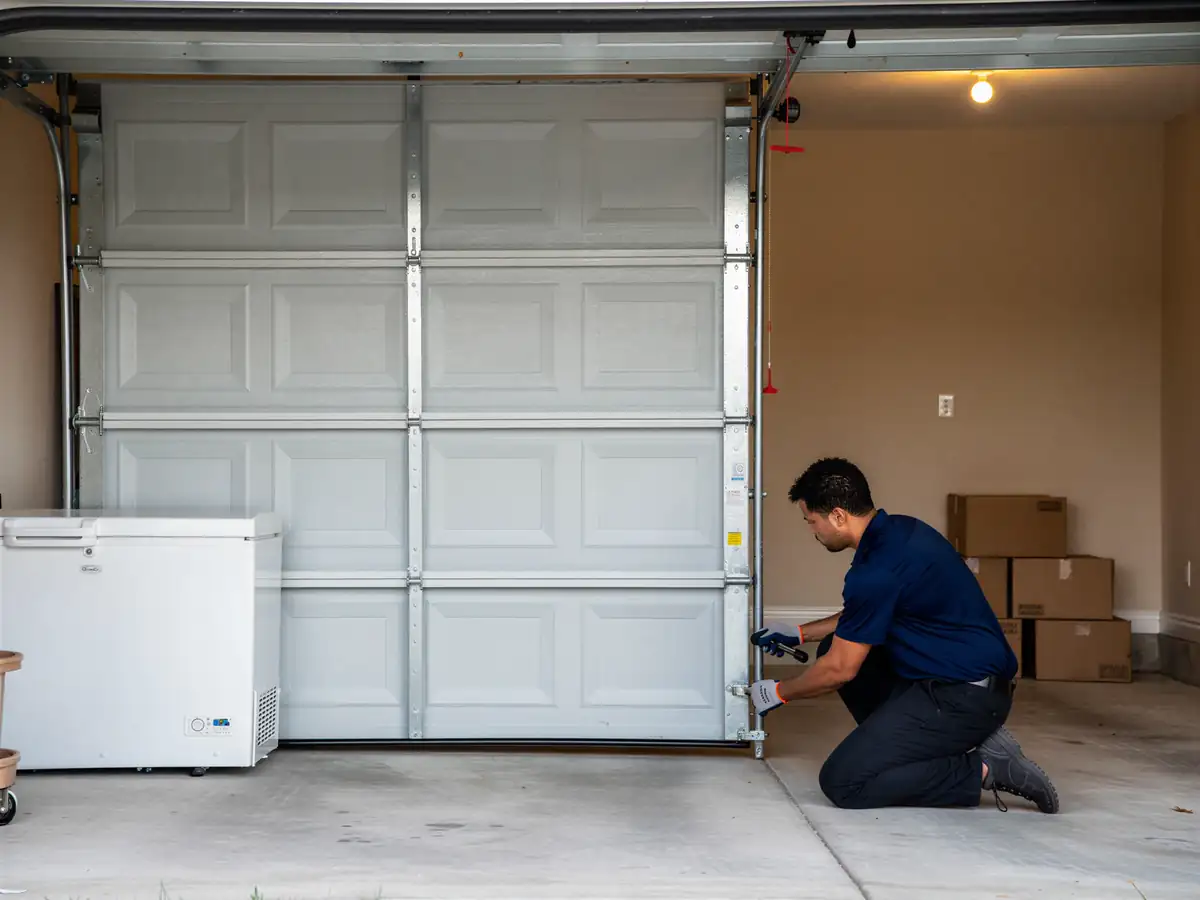
A straightforward board or capacitor swap on one of these older units usually runs shorter than a full opener replacement, which makes sense - we're not rebuilding the rail or remounting a motor, just correcting what failed. Full replacements take longer because we're matching new hardware to brackets and wiring that may be sixty years old, and that fit isn't always clean on the first try. We don't rush that part. A smart opener crammed onto mismatched mounting hardware is a callback waiting to happen, and callbacks cost everyone more time than doing it right once. One limitation worth saying plainly: some parts for the oldest units in Glendora's housing stock aren't stocked anywhere locally anymore, and if we hit that wall mid-job, replacement becomes the faster and more honest path forward, even if that wasn't the original plan when the truck left Pomona.