How to Book
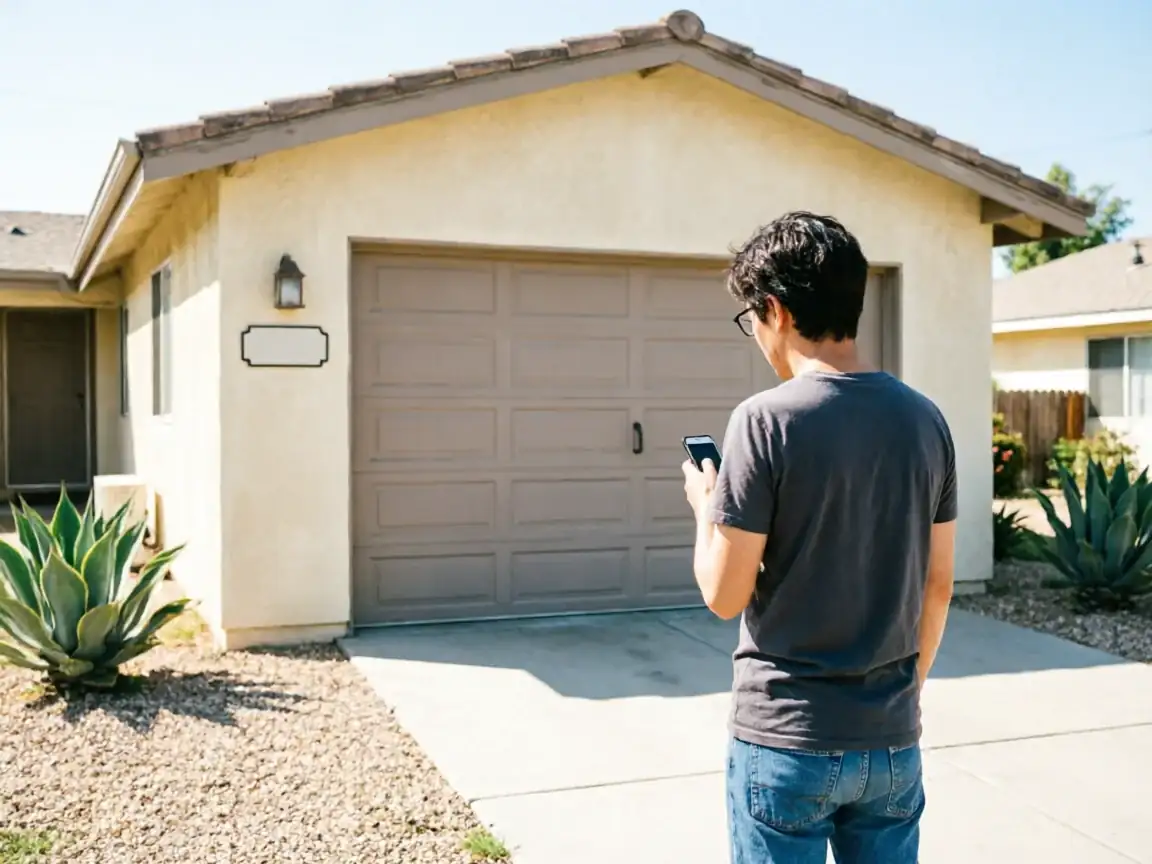
We're based in Pomona, about 8 miles from West Covina, and we don't keep a separate crew or depot in town. When you call, you're booking a truck that drives out from Pomona, so we're upfront that we can't promise a same-hour slot the way a shop sitting on your block could. What we can do is give you a real appointment window once we know what the opener is doing - grinding, not responding to the remote, reversing halfway up, or dead silent.
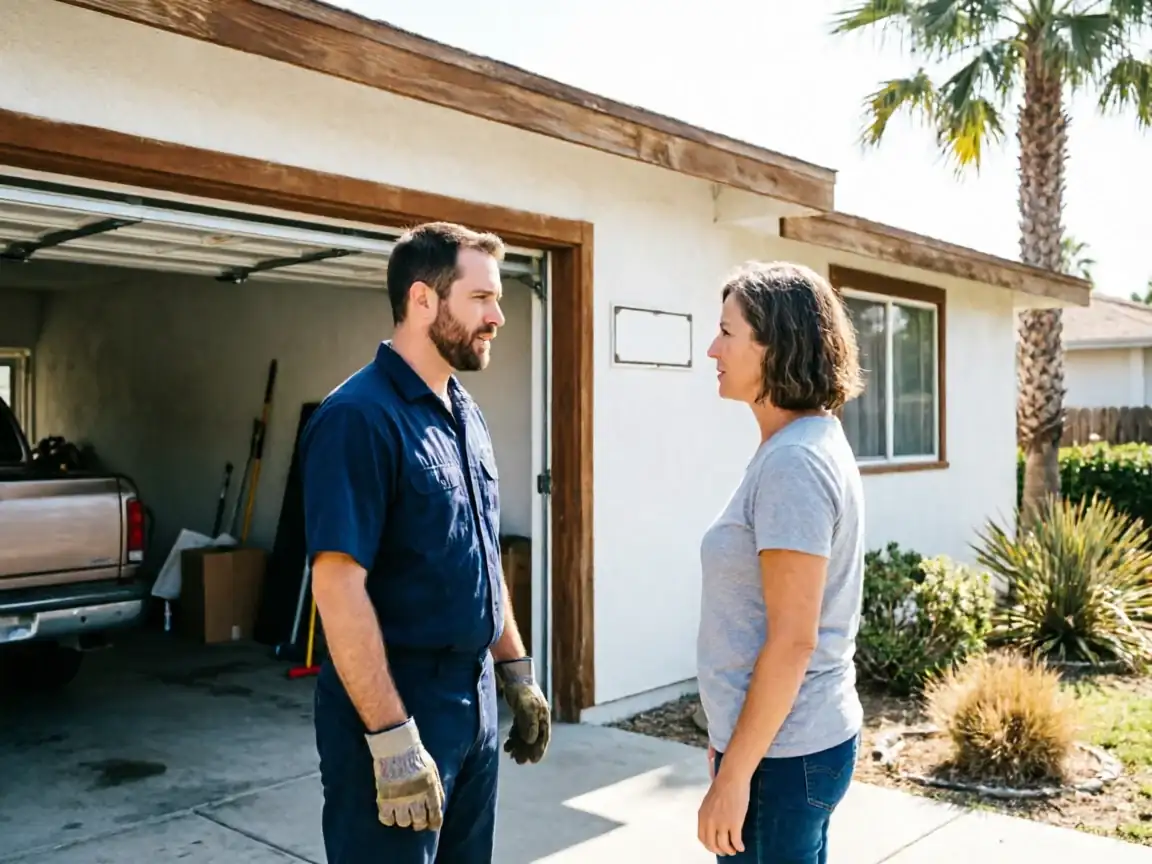
If you're not sure whether the issue is the opener itself or the door it's lifting, say so when you call. A door that's dragging on bent track will burn out a good opener fast, and we'd rather diagnose that over the phone than send a truck for the wrong fix. For the full rundown of what we handle out of Pomona, including other door and spring work, see our main opener repair page. For how we cover the towns around here, including West Covina, there's a page for that too.
We don't do emergency dispatch with a guaranteed arrival time in West Covina specifically - that's a Pomona-side service, not something we extend this far out without knowing the job first.
Links: /garage-door-opener-repair-pomona-ca and /near/west-covina/ for scheduling context.
The Cost of This Job
We're not going to quote a number here that we can't back up for your house, because opener repair cost swings hard depending on what's actually dead - a logic board, a capacitor, a gear kit, or the whole motor unit. We don't have a published price list for this specific job and we're not going to invent one just to fill the page.
What we can tell you honestly: in a West Covina home from the late 1960s, the opener you've got may not be the original unit (those rarely survive this long), but it's often a mid-life replacement that's now old enough to be hitting end-of-life parts like the main drive gear or the circuit board. Those repairs tend to cost less than a full opener swap, but once the motor itself is going, replacement usually makes more financial sense than chasing a second failure six months later.
The one honest limitation here: we price the job after we've opened the housing and looked at the unit, not before. A phone estimate on an opener we haven't seen is a guess, and we'd rather tell you that than give you a number that's wrong by the time the truck leaves.
What the Repair Takes
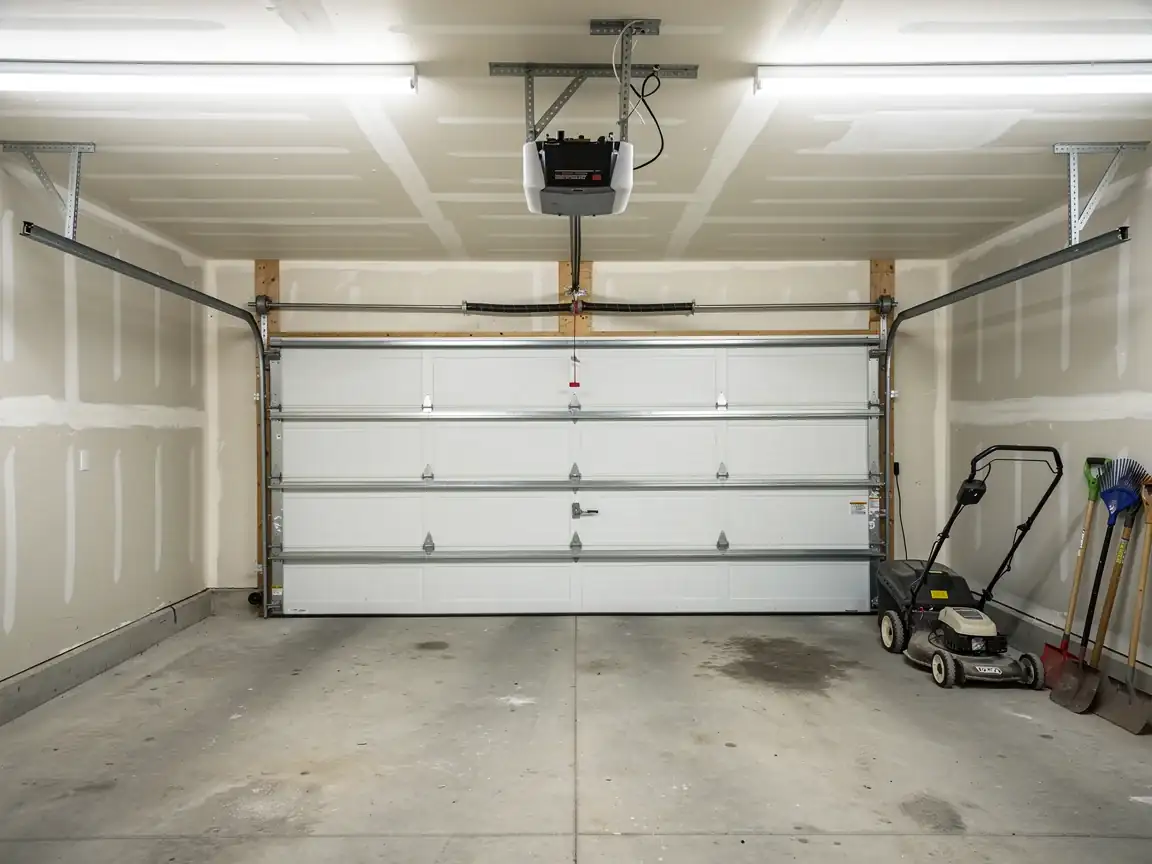
Most of the openers we find in houses from this era are chain-drive units
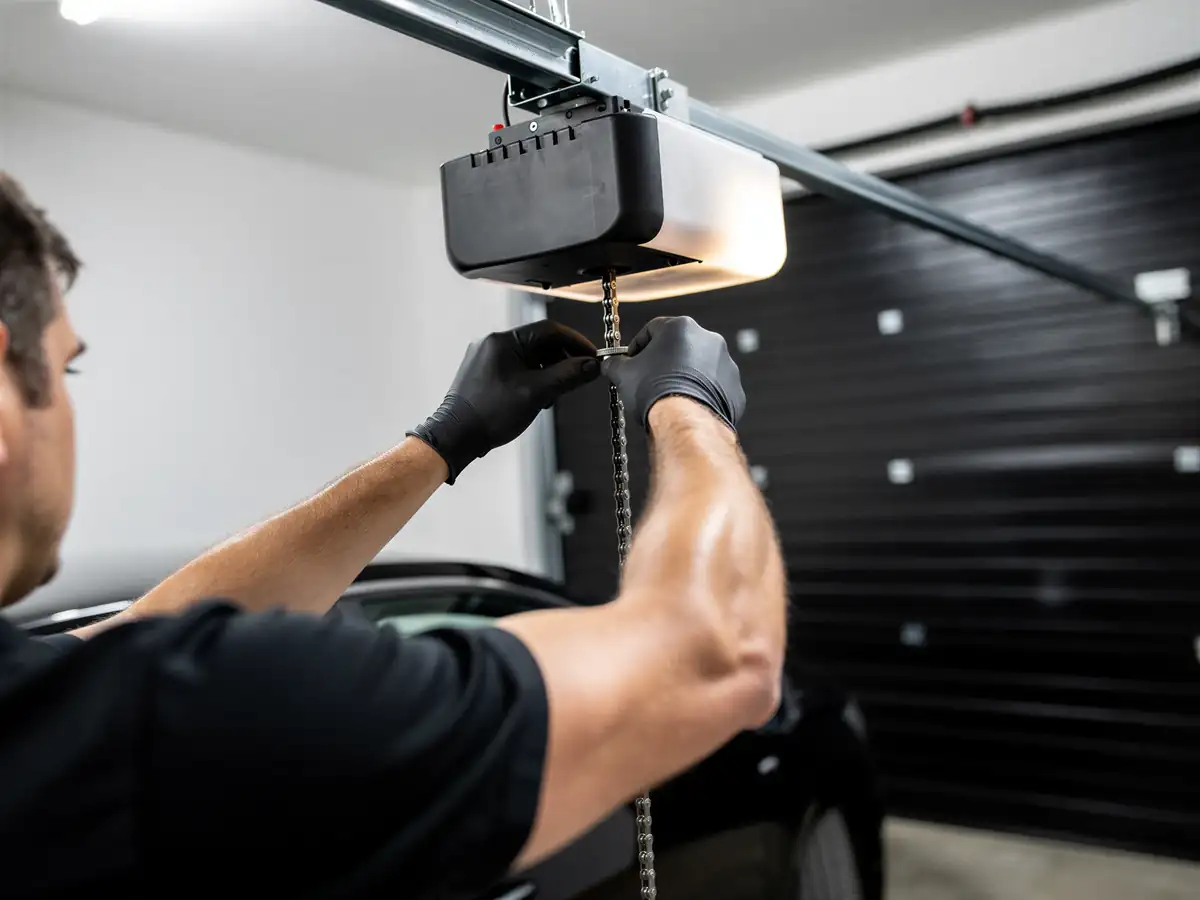
Heavier-duty than belt drives, but noisier as the gear kit wears, and the first thing to go is usually the nylon drive gear inside the motor housing. When that strips, the chain won't move even though the motor's running, which homeowners often describe as "it hums but the door doesn't go up."
After the gear kit, the next common failure is the circuit board or the capacitor that starts the motor
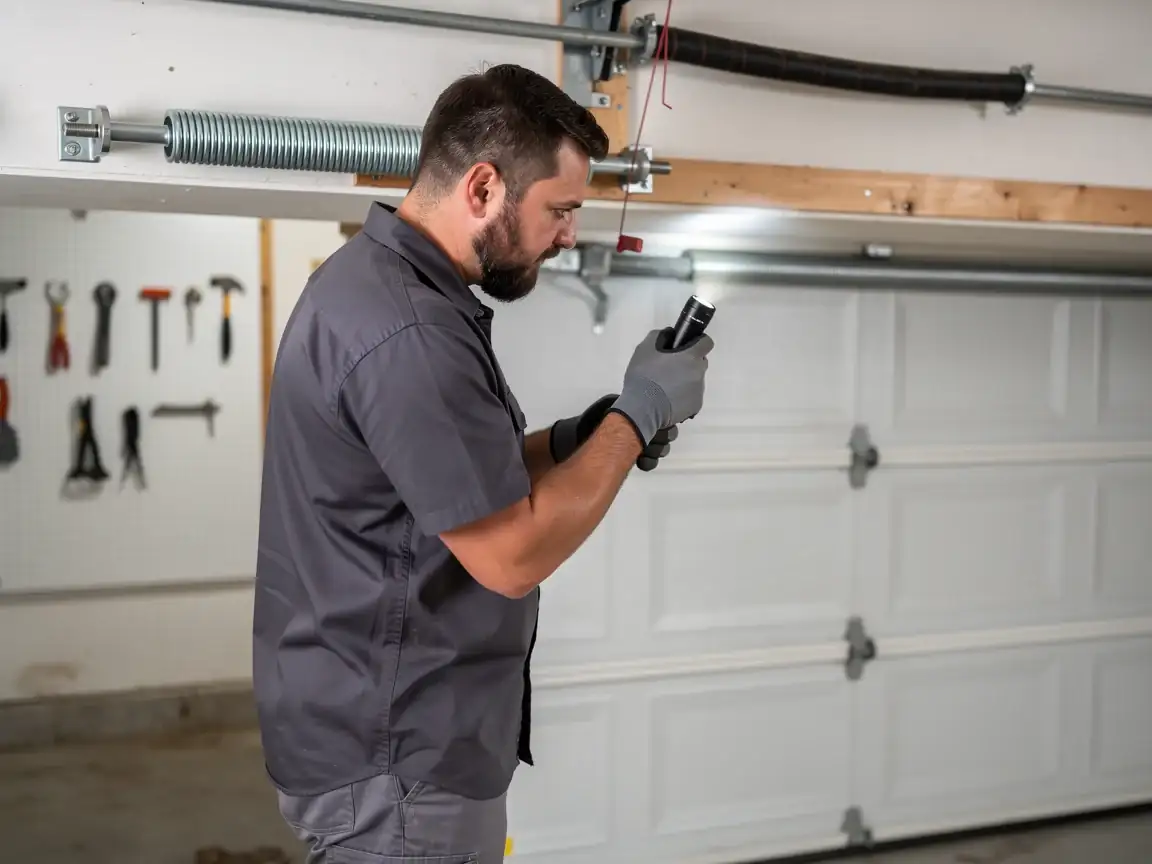
Heat cycling takes a toll on both over the years - not dramatic heat, just the ordinary warm-to-hot swing this area sees, which slowly dries out capacitors and stresses solder joints on the board. We test the board, the capacitor, the limit switches, and the safety reversal before we touch the gear kit, because replacing one part when another's also failing just means a second visit.
We carry common gear kits and boards on the truck
But not every model - some manufacturers discontinue parts for units this old, and if yours is one of them, replacement is the only real option.
Time on the Job
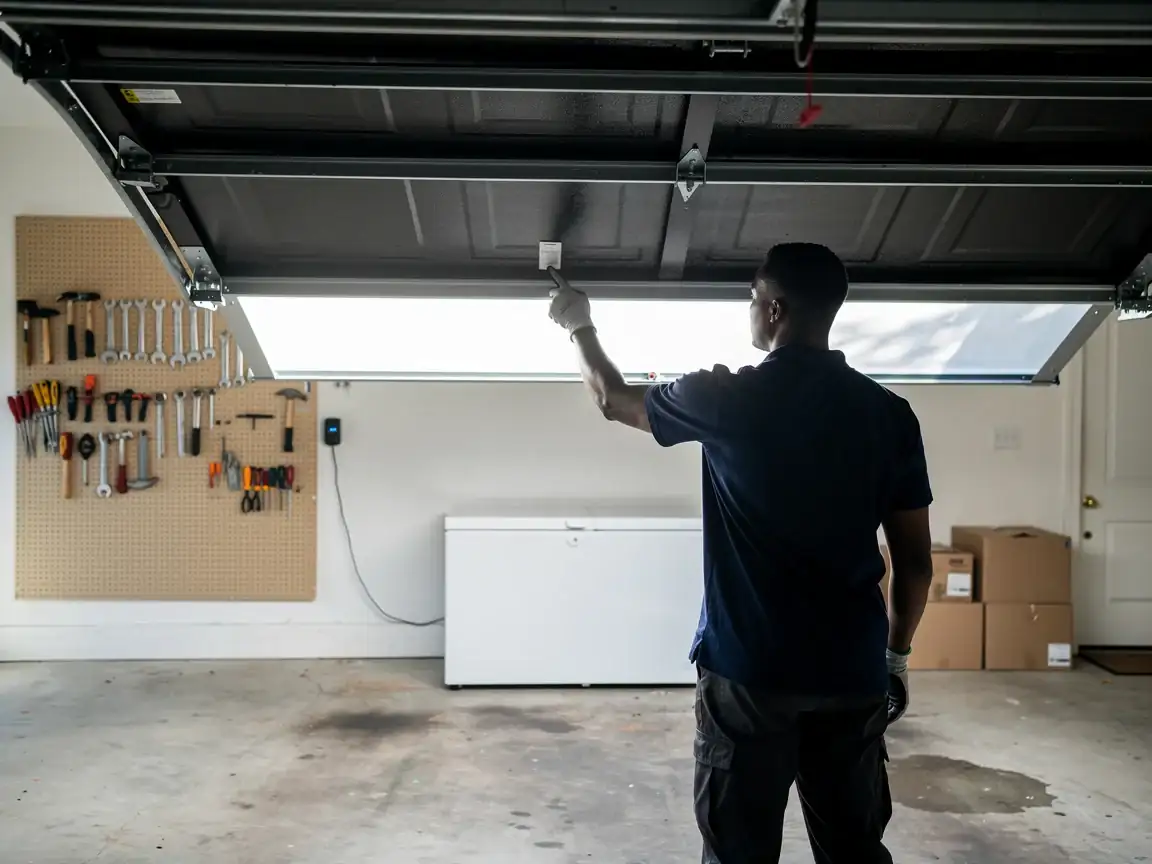
A straightforward gear kit or capacitor swap on an opener like this usually runs under an hour once we're on site and have diagnosed it. Board replacement takes a bit longer because we test the whole safety reversal system afterward - travel limits, auto-reverse on contact, and the photo sensors if your unit has them.
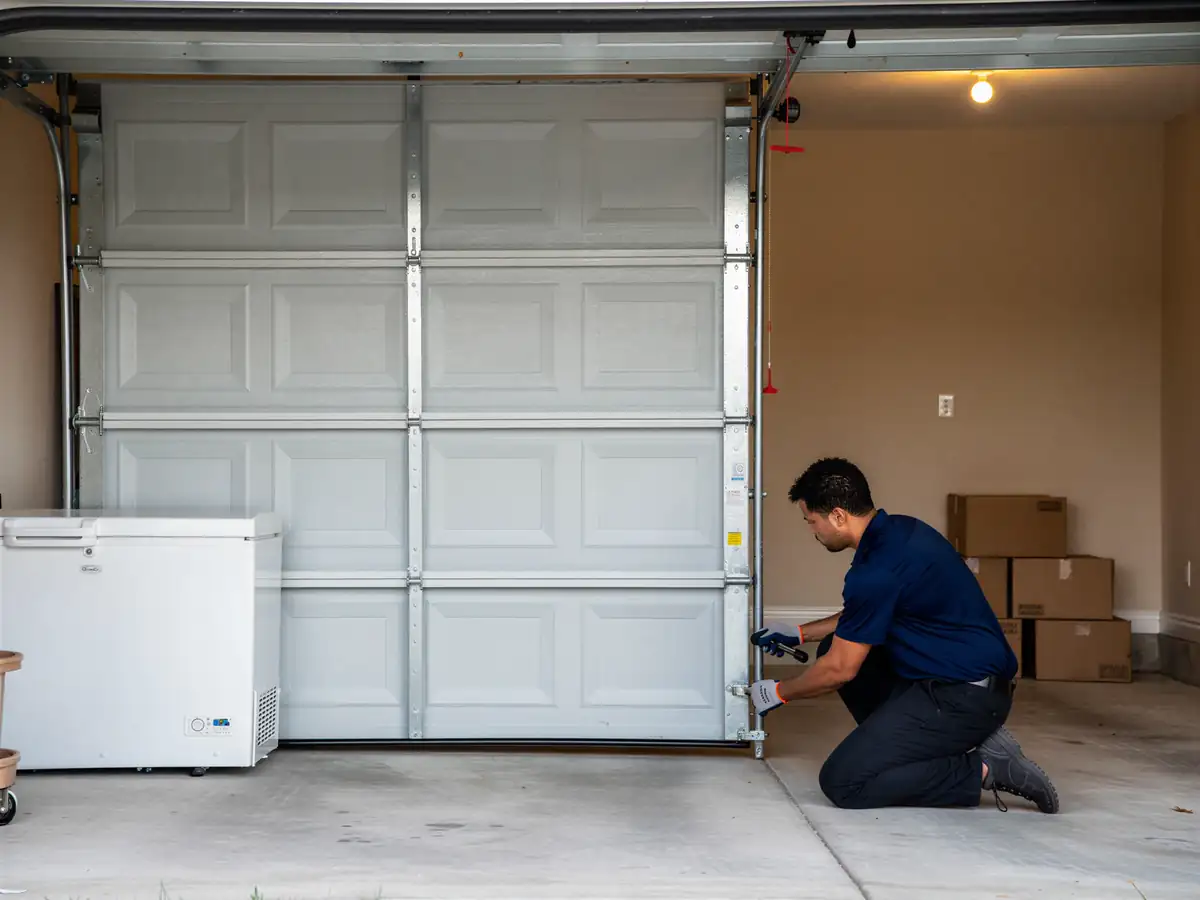
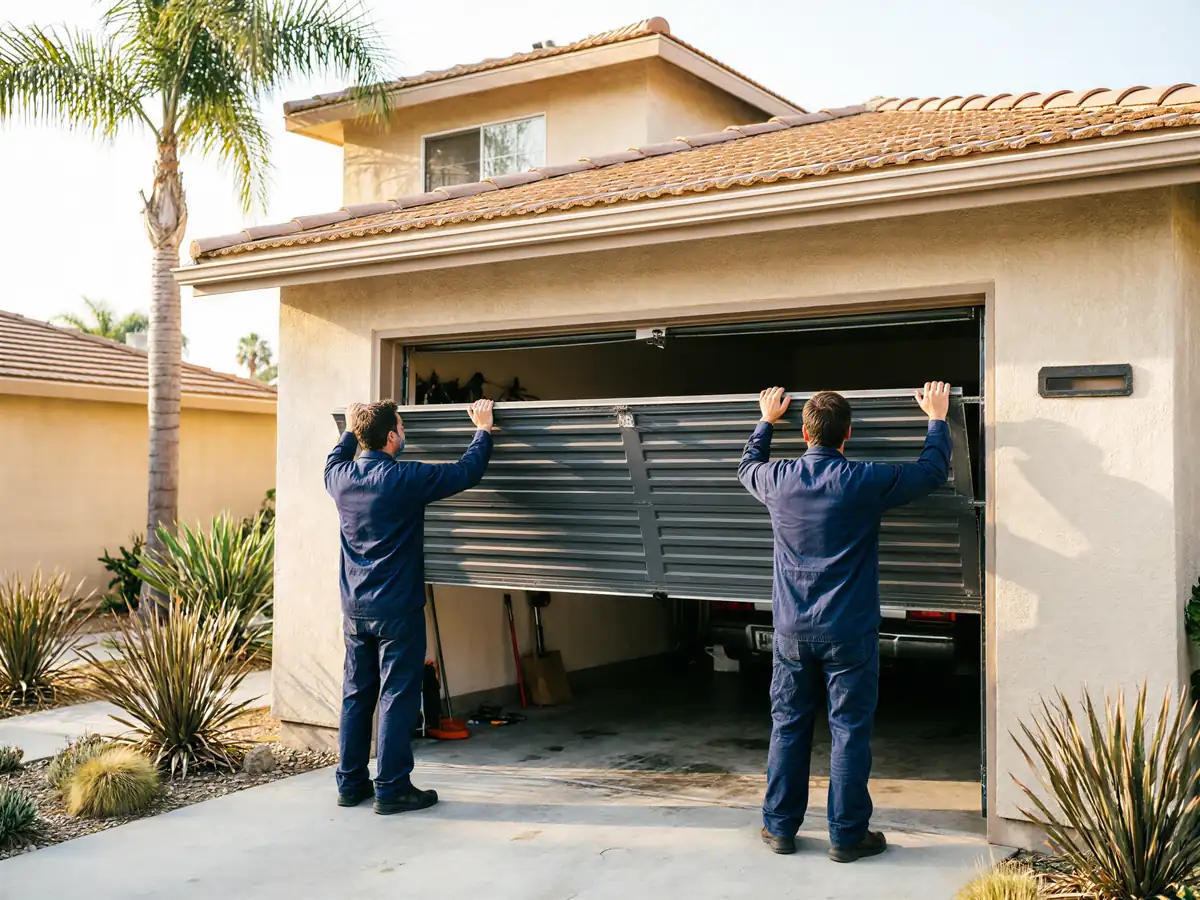
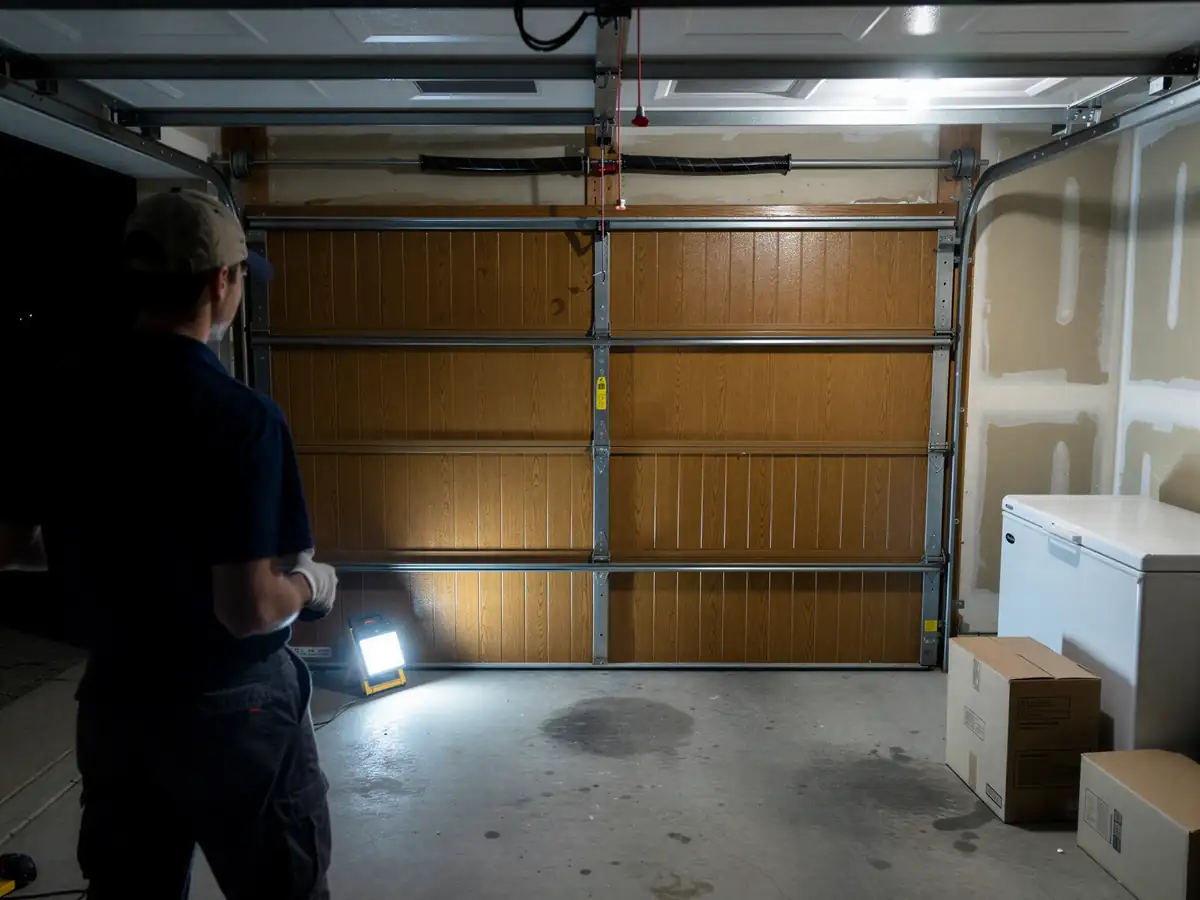
What takes longer is when the opener itself isn't the problem - when the real issue is a door that's been dragging on worn rollers or a spring that's lost tension, and the opener's just the part that finally gave up carrying the load. That diagnosis adds time up front but saves you from paying to fix an opener that'll just fail again in a few months.
We don't promise a fixed number of minutes because every unit and every garage is different, and we'd rather be accurate than fast with a number we can't hit.
Why It Happens Here
West Covina's housing stock centers around 1968, and that build year matters more than people expect when it comes to openers. Houses from that period were built with garages sized for the cars and doors of the time - lighter panels, simpler track - and the openers installed in them over the decades since have mostly been mid-tier chain-drive units, not the heavy-duty belt systems you'd find in newer construction.
Those units age out predictably: gear kits strip, capacitors weaken, and boards fail, usually in that order, over fifteen to twenty-five years of regular use. With a median household income here around $98,570, most of what we see is routine maintenance deferred a year or two longer than it should've been, not neglect - people wait until the opener actually stops rather than replacing a noisy one proactively.
The area's moderate heat band doesn't cause dramatic failures, but it does shorten the working life of capacitors and circuit boards through ordinary thermal cycling, which is part of why a unit installed decades ago in a 1968-era garage is often due for exactly this kind of repair now.