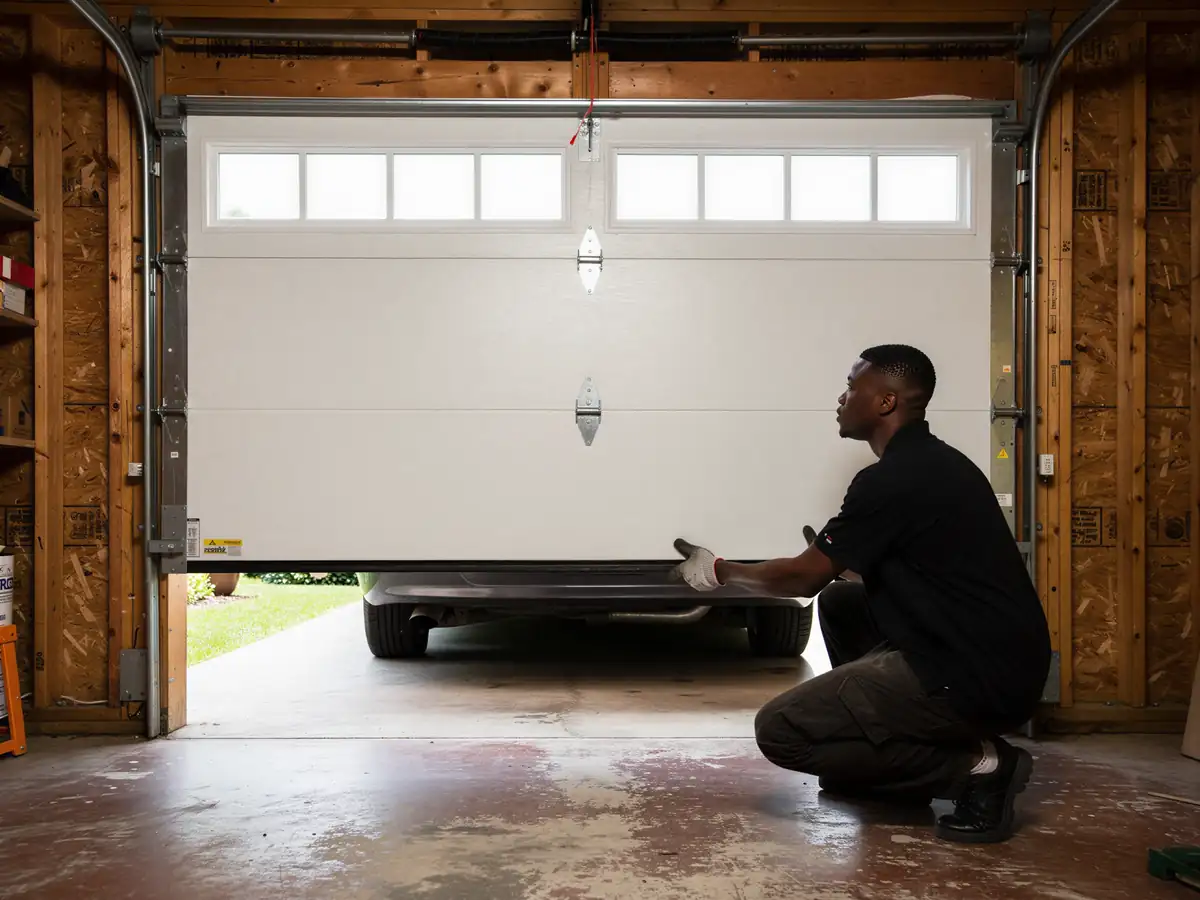
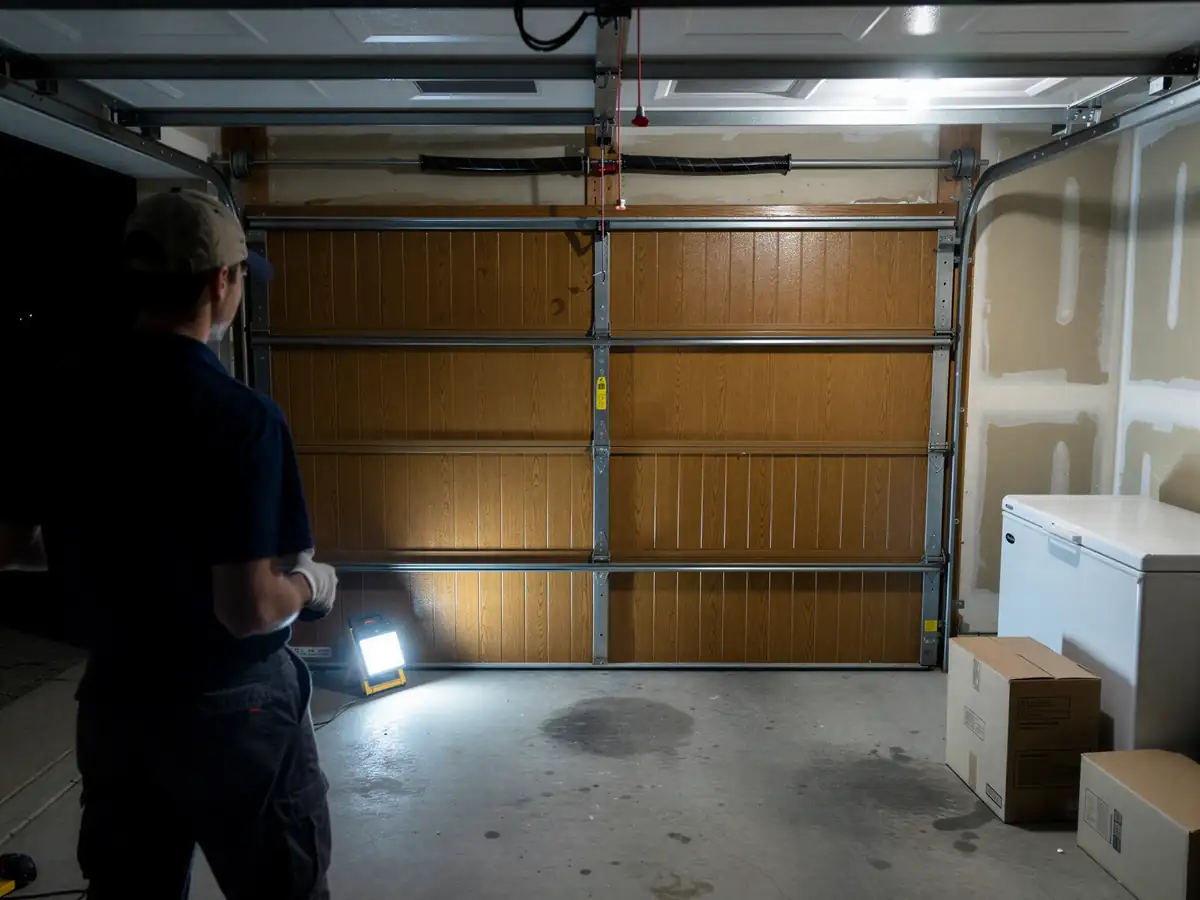
How to Book
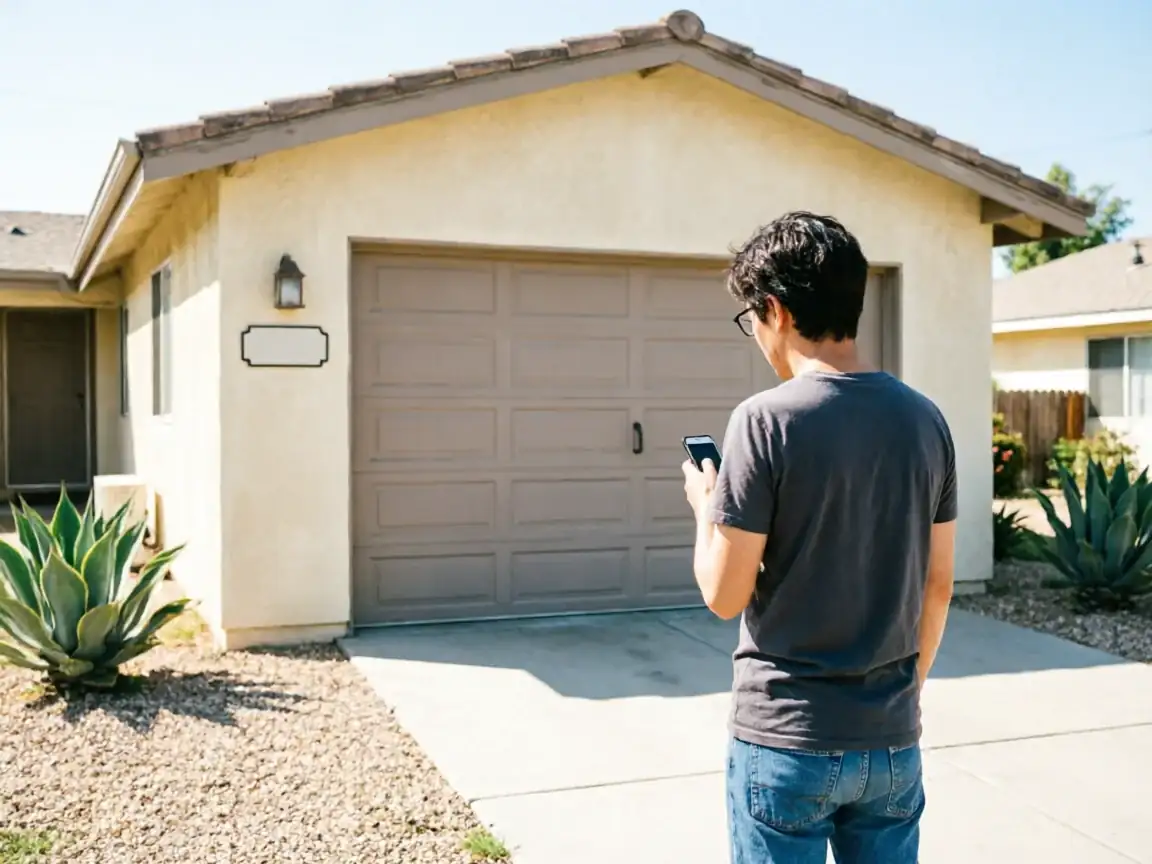
We run this job out of our Pomona shop, about eight miles from West Covina. That distance matters less for whether we can get to you and more for how you should plan the call - tell us up front what the door is doing (won't open, stuck halfway, cable off the drum, opener grinding but nothing moves) so we bring the right spring size and hardware instead of guessing and coming back twice. We don't have a West Covina branch and we're not going to pretend otherwise; the truck comes from Pomona. For general scheduling and what we cover across the wider area, see our service area page. If you're comparing this against our main Pomona page, that one covers the full menu of services - this page is just the broken-door, right-now situation.
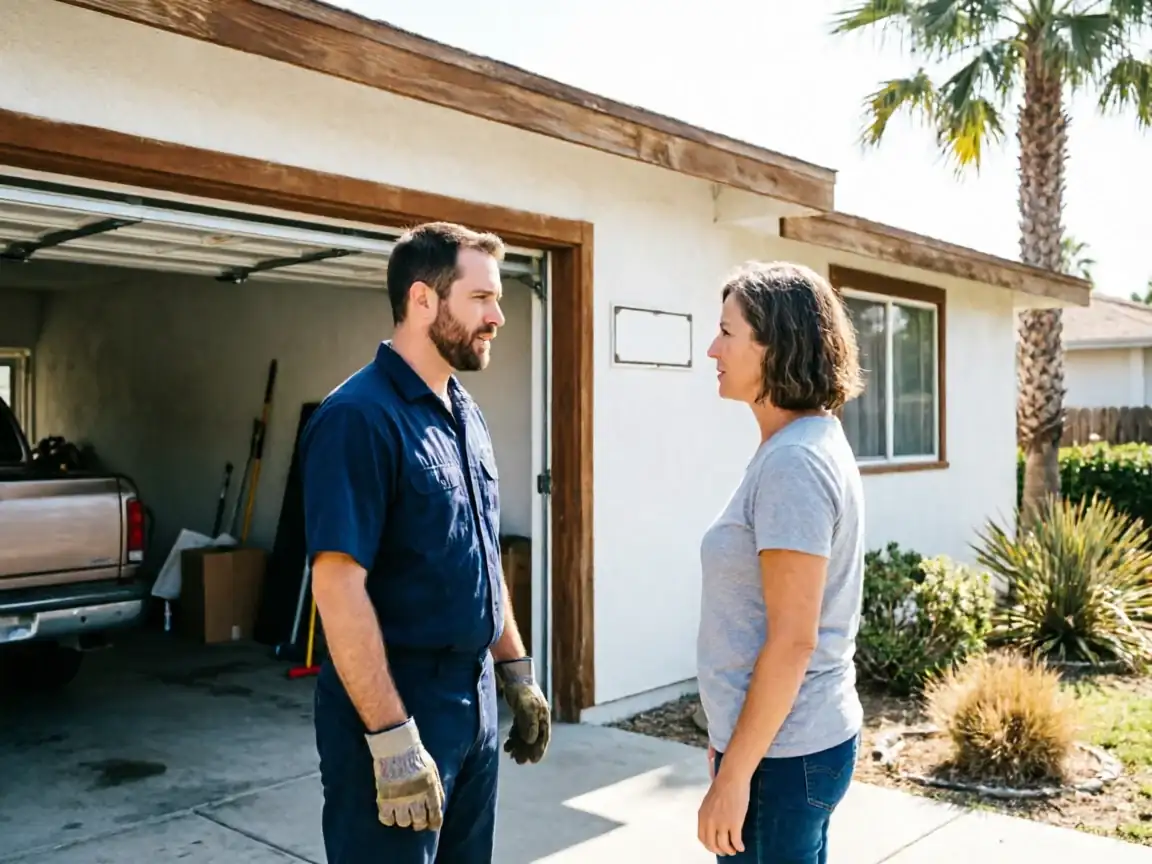
Have the house ready: clear the driveway, know whether the door is wood, steel, or an insulated sandwich panel, and if you can, get a photo of the spring or broken cable before we arrive. It saves time on site and keeps the visit to one trip instead of a parts run.
The Cost of This Job
West Covina's median household income runs about $98,570, a touch under the $102,449 median across the wider service area. That gap is small, but it's the right number to weigh against a repair-or-replace decision. On a door that's mechanically sound - tracks straight, panels intact - a torsion spring and drum replacement is the job that makes sense at this income level: it's a parts-and-labor repair, not a financed purchase. Where it stops making sense is a door with a cracked or delaminated panel, rusted-through tracks, or an opener that's failed twice in two years. At that point you're paying repair money toward a door that's going to need the same call again.
We won't quote a number here we can't stand behind sight unseen - spring size, drum type, and whether the opener needs a new circuit board all move the price. What we can tell you is which side of the line your door is likely on before we show up, if you describe the symptom clearly on the call.
What the Repair Takes
Most emergency calls in West Covina are springs, not openers
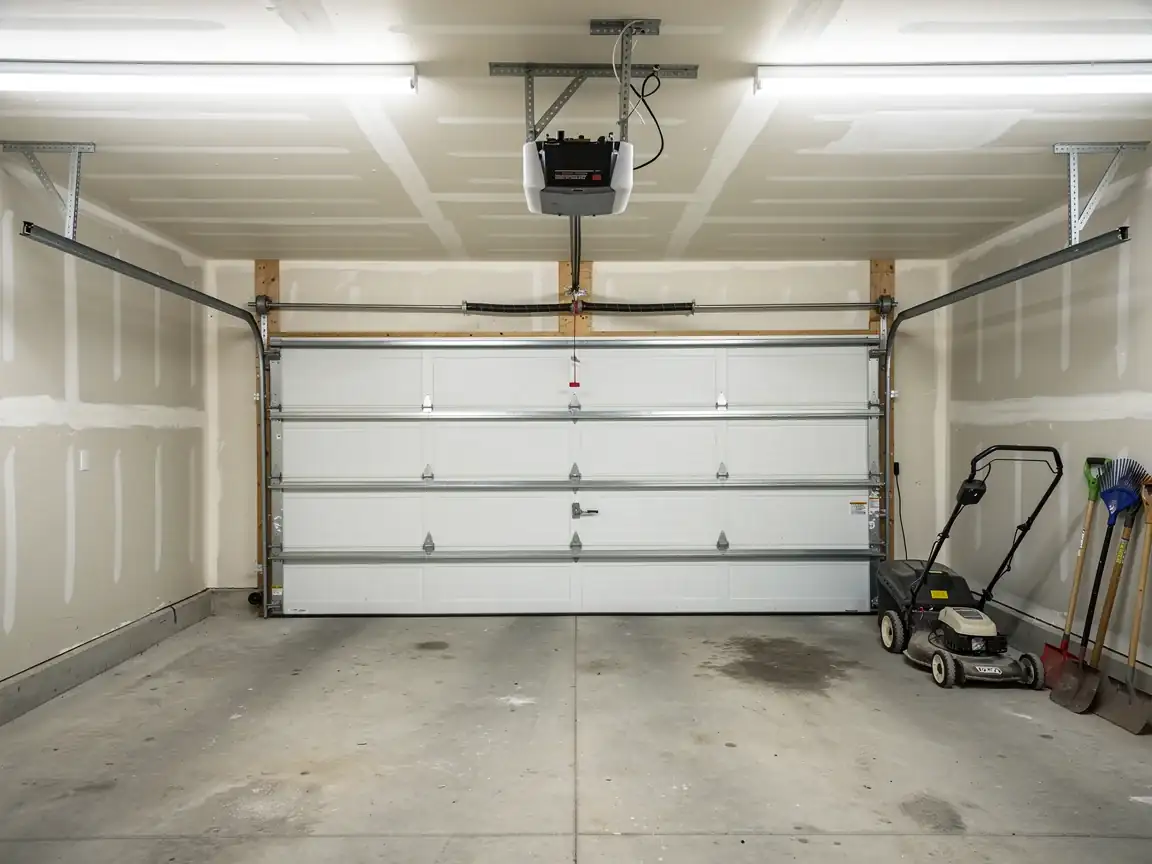
The area's housing stock mostly went up in the 1960s and 70s, with a median build year here of 1968 - old enough that a lot of doors are on their second or third torsion spring, but the drum, bearing plate, and sometimes the track itself are original. That combination is what breaks: a spring sized for a lighter door decades ago, now carrying a heavier replacement panel installed at some point without anyone resizing the hardware underneath it.
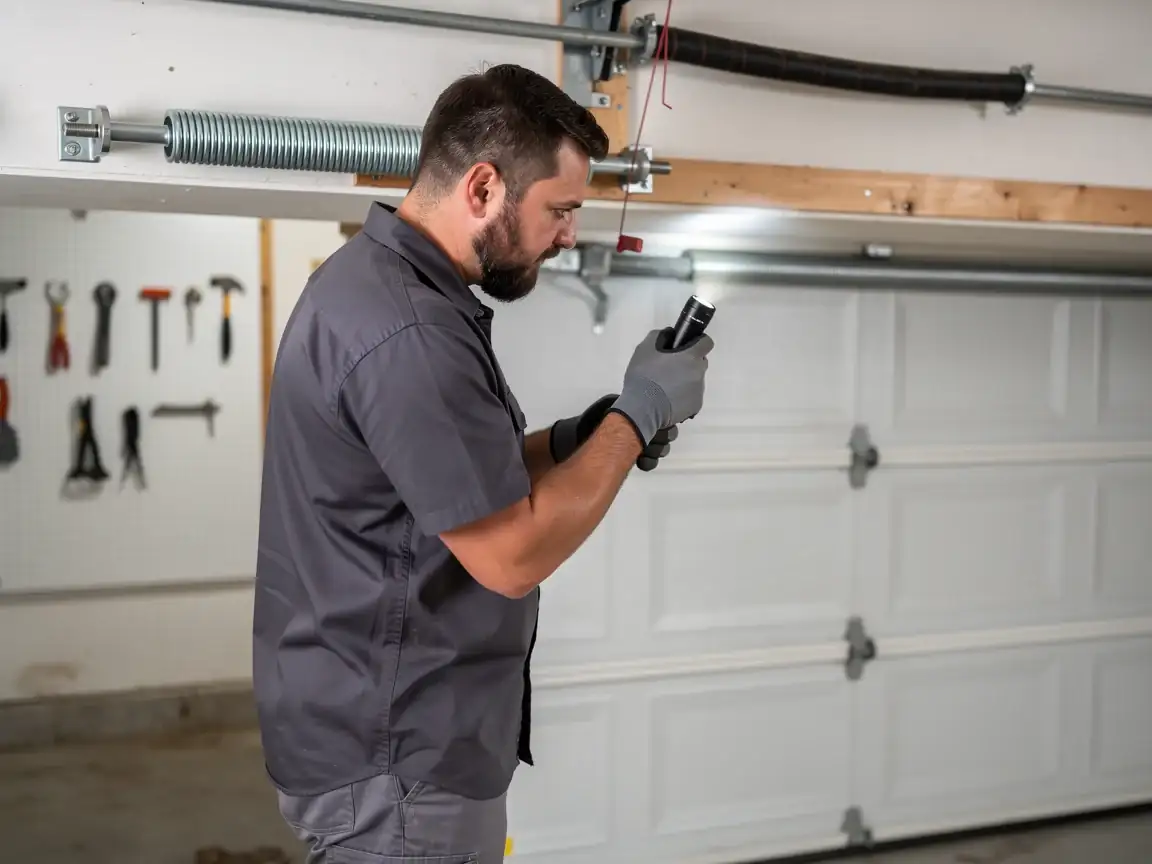
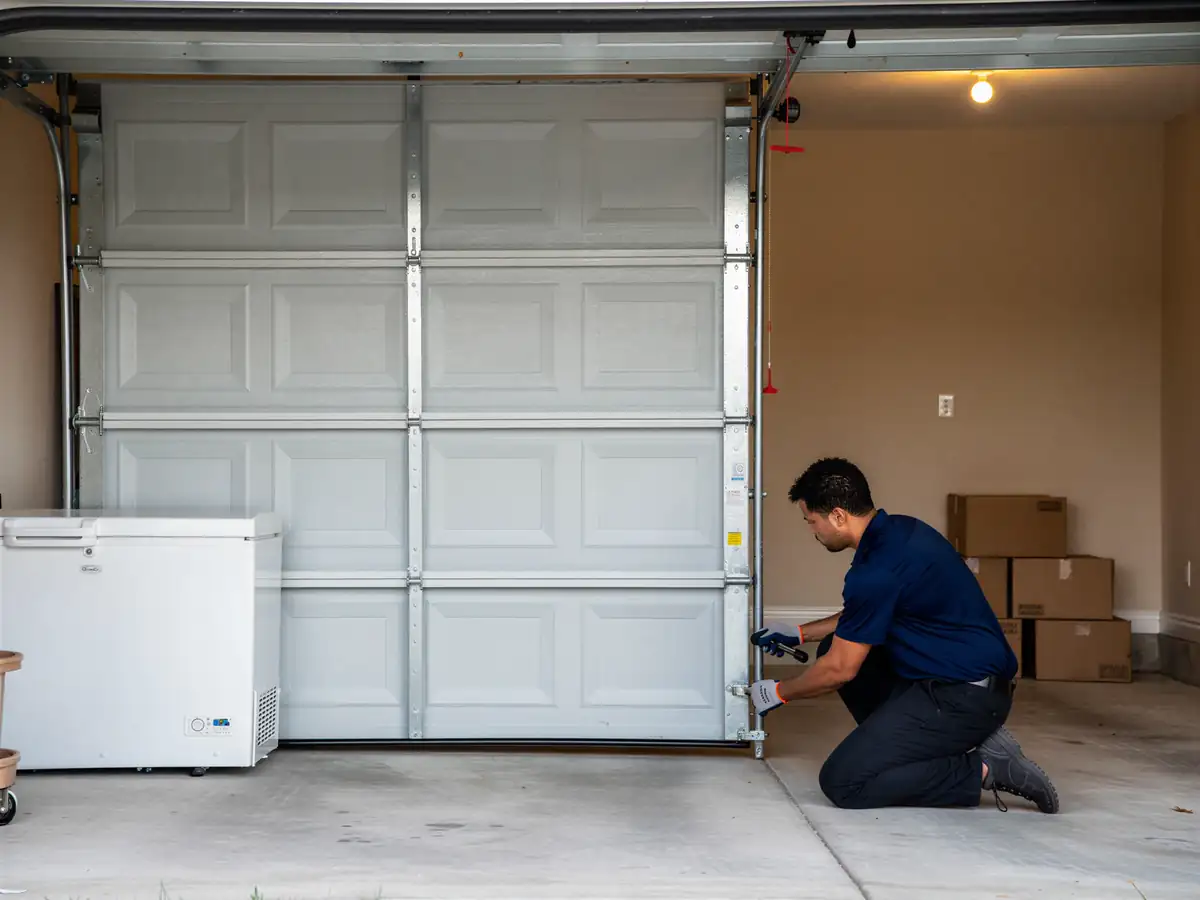
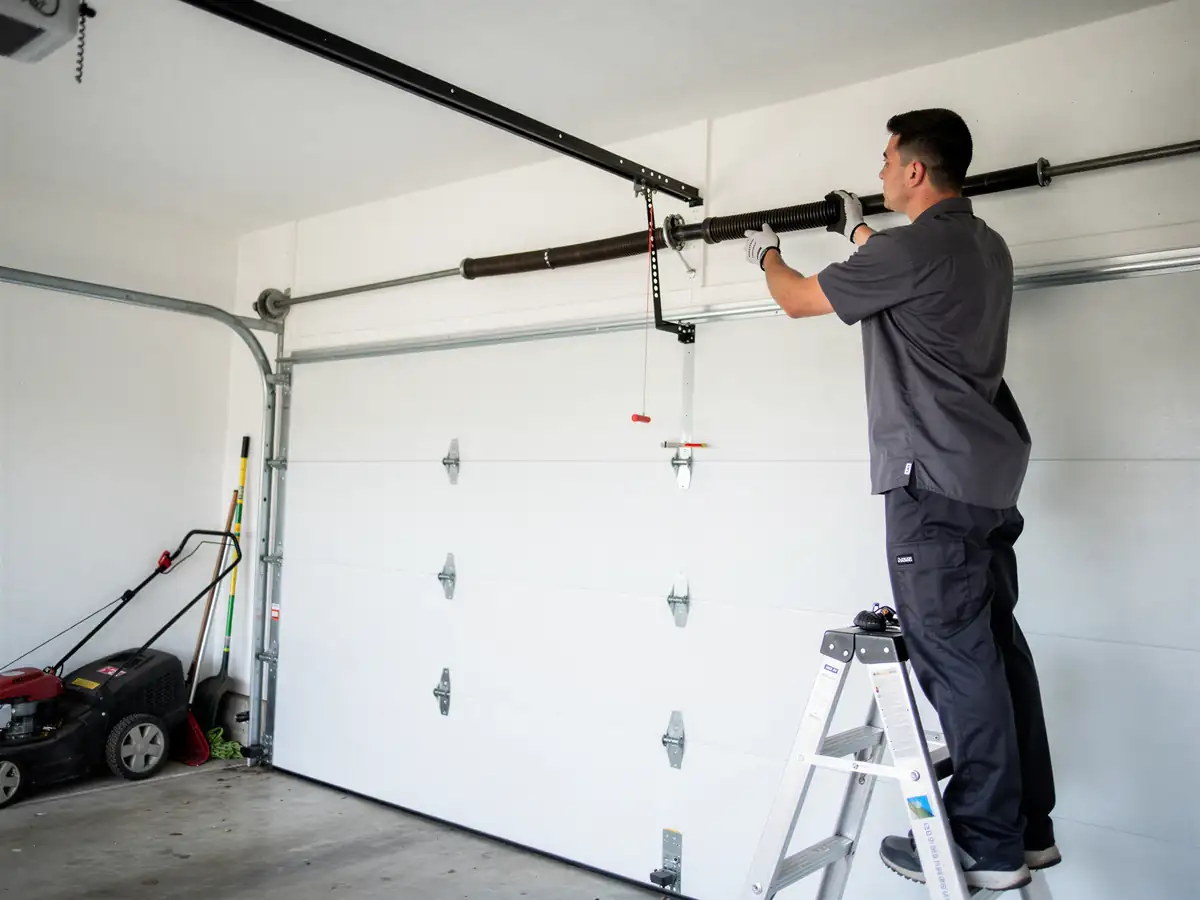
We pull the broken spring, check the drum and cable for wear (a spring snaps once
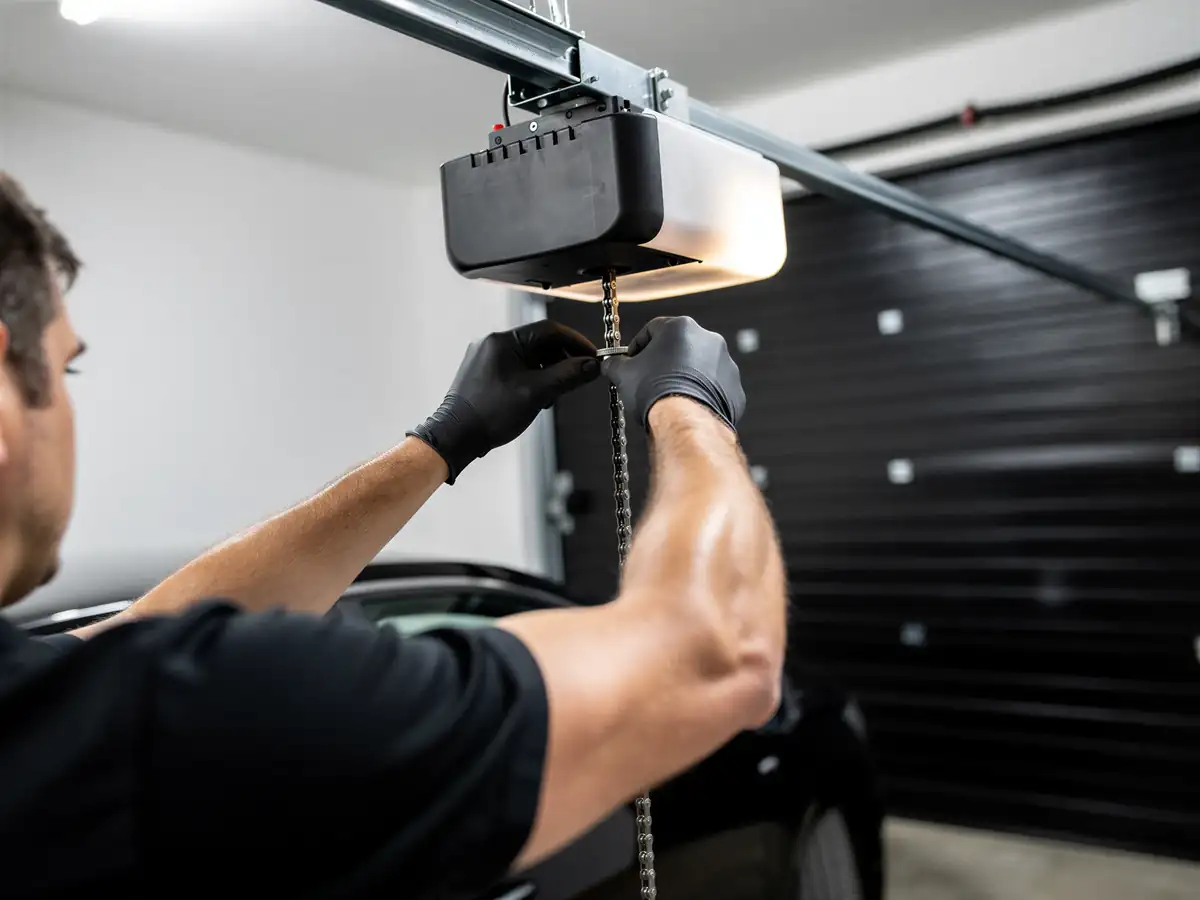
But it often takes the cable with it), and reset the door balance by hand before we test the opener against it. If the opener's travel limits are off or the safety sensors are misaligned, we handle that in the same visit. What we don't do on an emergency call is a full opener swap if the unit itself is dead - that's a parts order, not a same-visit fix, and we'll tell you that straight instead of stretching the appointment.
Time on the Job
A straight torsion spring replacement on a standard double door, once we're on site, is usually the shortest part of the visit - it's the travel and the diagnosis that take the time, not the swap itself. Doors from the 1968-era stock common in West Covina sometimes have non-standard spring winding cones or drums that don't match what's on the truck for a newer door, which is the one thing that turns a quick job into a parts-order callback. We carry common sizes, but we're not going to claim we always have the exact match for a sixty-year-old drum on the first trip.
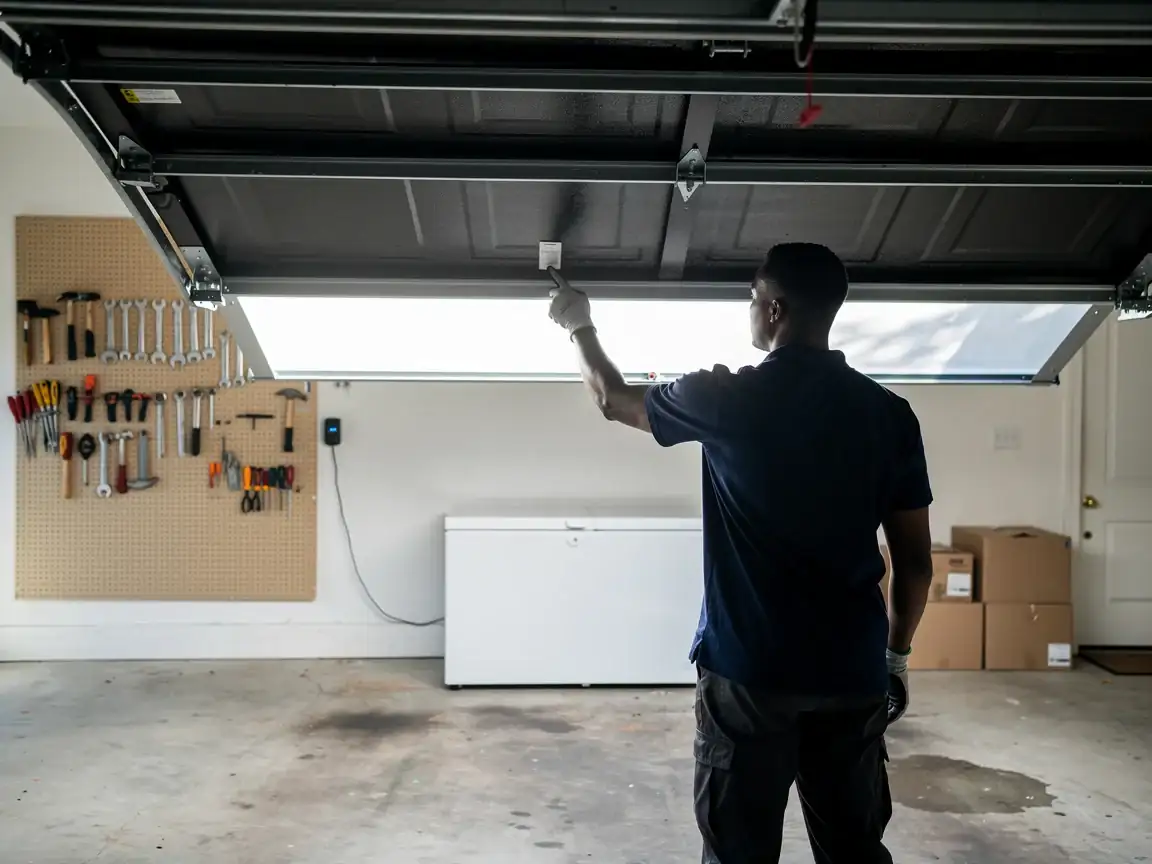
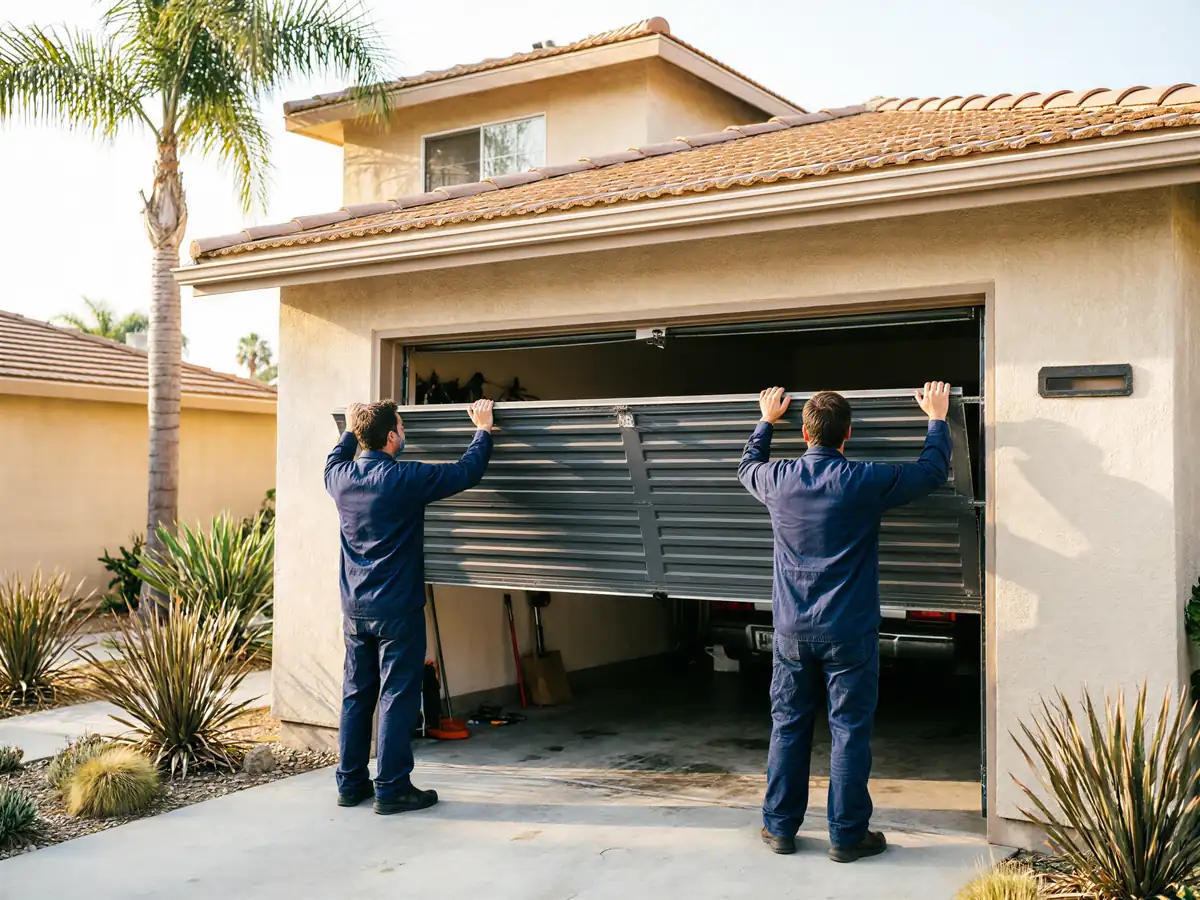
If the cable's jumped the drum or the door's come off a roller entirely, that adds time to re-track the panel before we even get to the spring. Opener reprogramming, if needed, adds a few minutes at the end once the door itself is moving correctly by hand.
Why It Happens Here
With 32,586 households in West Covina and a median build year of 1968, there's a large, fairly uniform batch of doors from the same two decades aging out at roughly the same time. That's different from a newer tract where failures are scattered - here we see clusters of the same fault: torsion springs rated for the original lighter door now straining under a heavier retrofit panel, and bearing plates worn oval from forty-plus years of cycles.
The moderate heat band this area sits in isn't the dramatic climate story some regions have, but it's not nothing - steady summer heat dries out lubricant on tracks and rollers faster than owners expect, and a dry track under a heavy, aging spring is a common way these doors finally let go. None of that is specific to one street; it's specific to the age of the stock sitting on that side of the valley.