How to Book
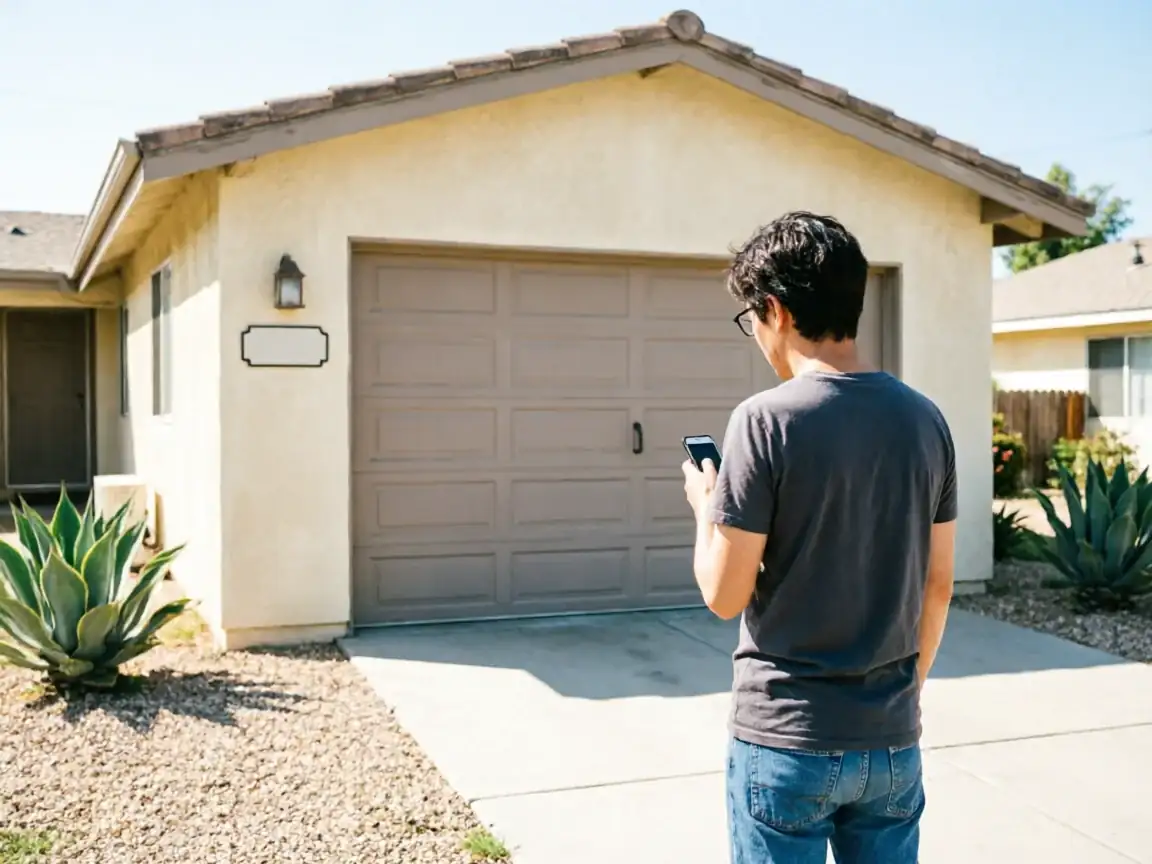
West Covina sits about 8 miles from our shop in Pomona, which puts it on the far edge of how we route a day. That distance doesn't change what we bring to the job, but it does mean we schedule West Covina calls in blocks rather than squeezing one in between closer stops - if you call in the morning, you're more likely to get an afternoon slot than a same-hour one. We'd rather tell you that up front than promise a window we can't hit once we're actually on the 10 or surface streets getting across town. Book through the site or call, and say West Covina specifically so we plan the drive time into the day rather than finding out at 2pm that we're short on it.
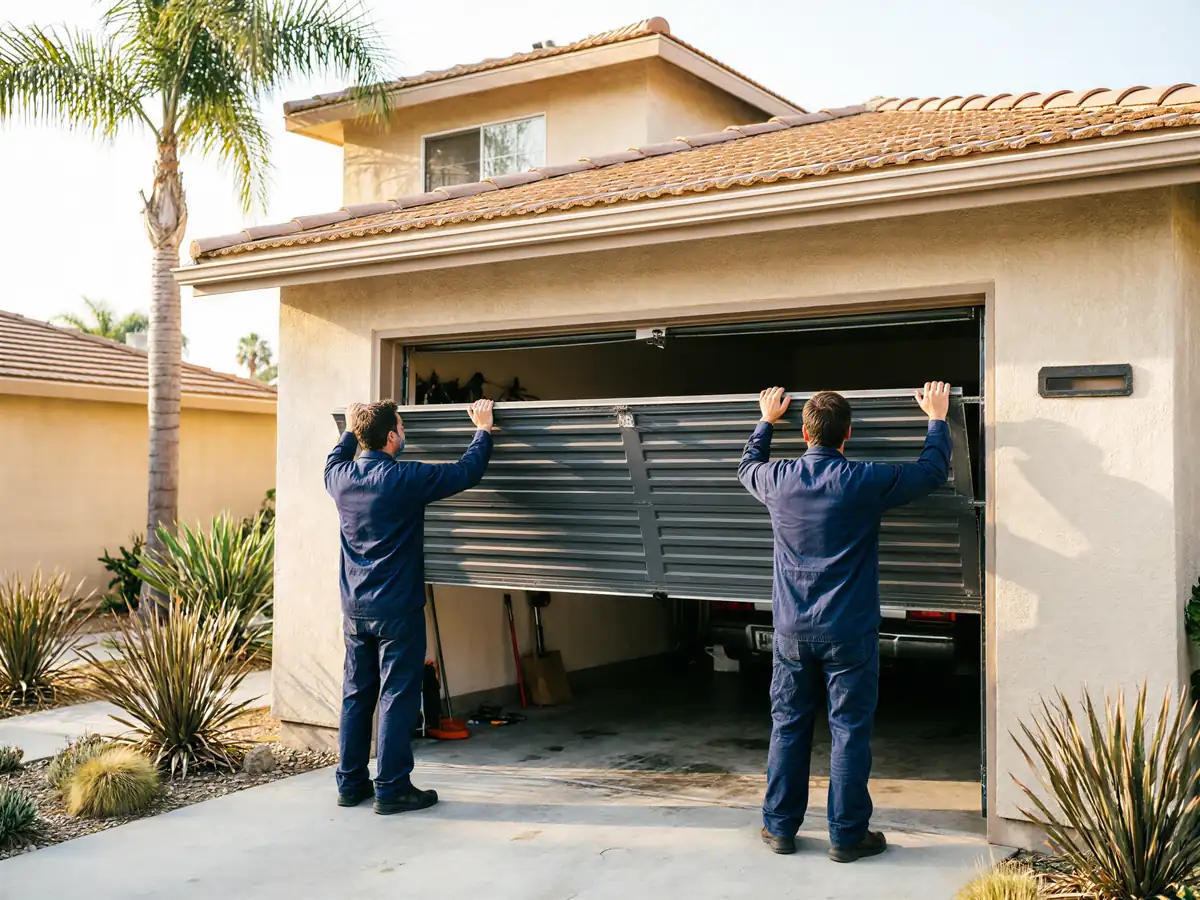
If timing is tight - a door stuck open overnight, a spring that let go with the car trapped inside - say so when you book. We can't promise a depot-fast response from here, but we can tell you honestly where you'll land in the day's route instead of guessing.
The Cost of This Job
We don't quote a number blind over the phone, because torsion spring jobs, opener swaps, and full door replacements price out differently and West Covina's housing stock pushes jobs toward a particular mix. With a median household income around $98,570 here - close to but a bit under the wider service area's $102,449 - most of the calls we get are repair-first: fix the spring, fix the opener, keep the existing door running rather than replace it outright. That's not a rule, just what the numbers and the age of the stock tend to produce.
The honest limitation: if your door is original to a house built in the late 1960s, parts for it may not be stocked anywhere, including on our truck, and sourcing them can push a repair quote higher than a straight replacement. We'll tell you which way the math goes before we start, not after.
What the Repair Takes
Homes in West Covina's part of the service area went up mostly in the late 1960s
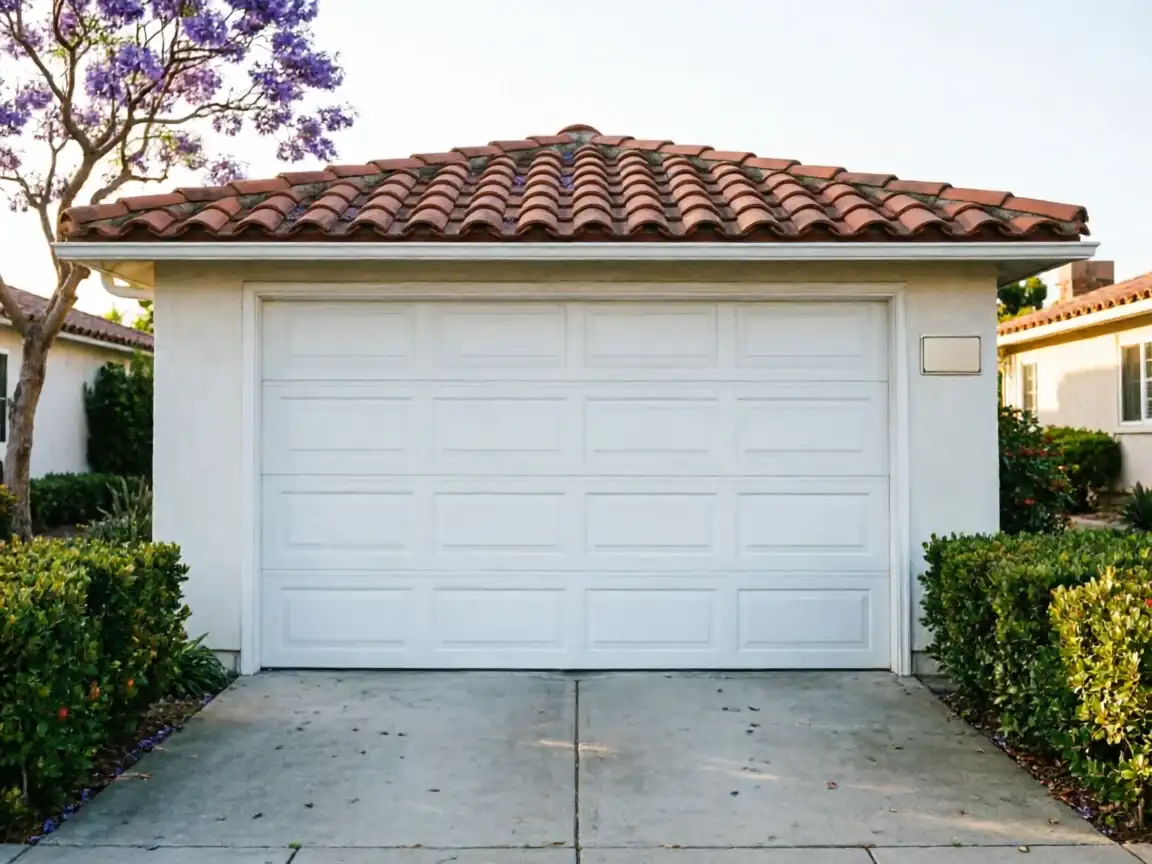
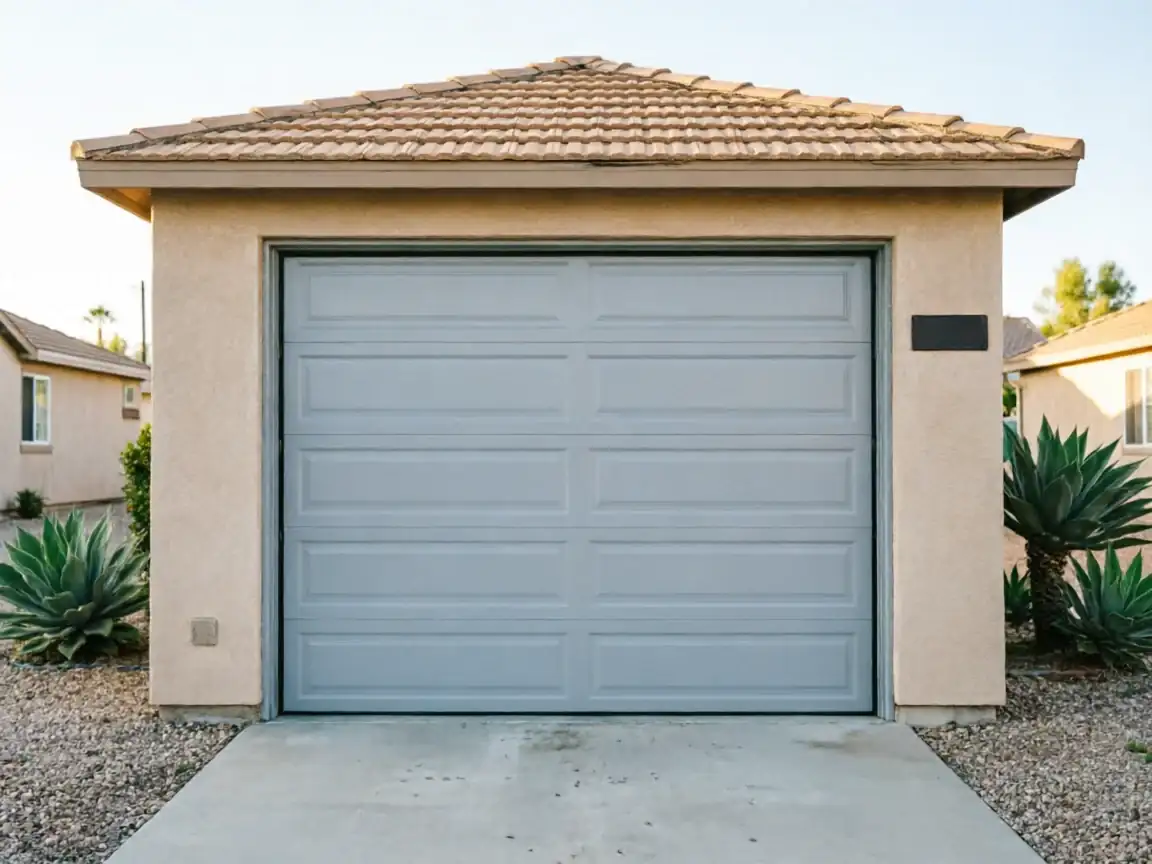
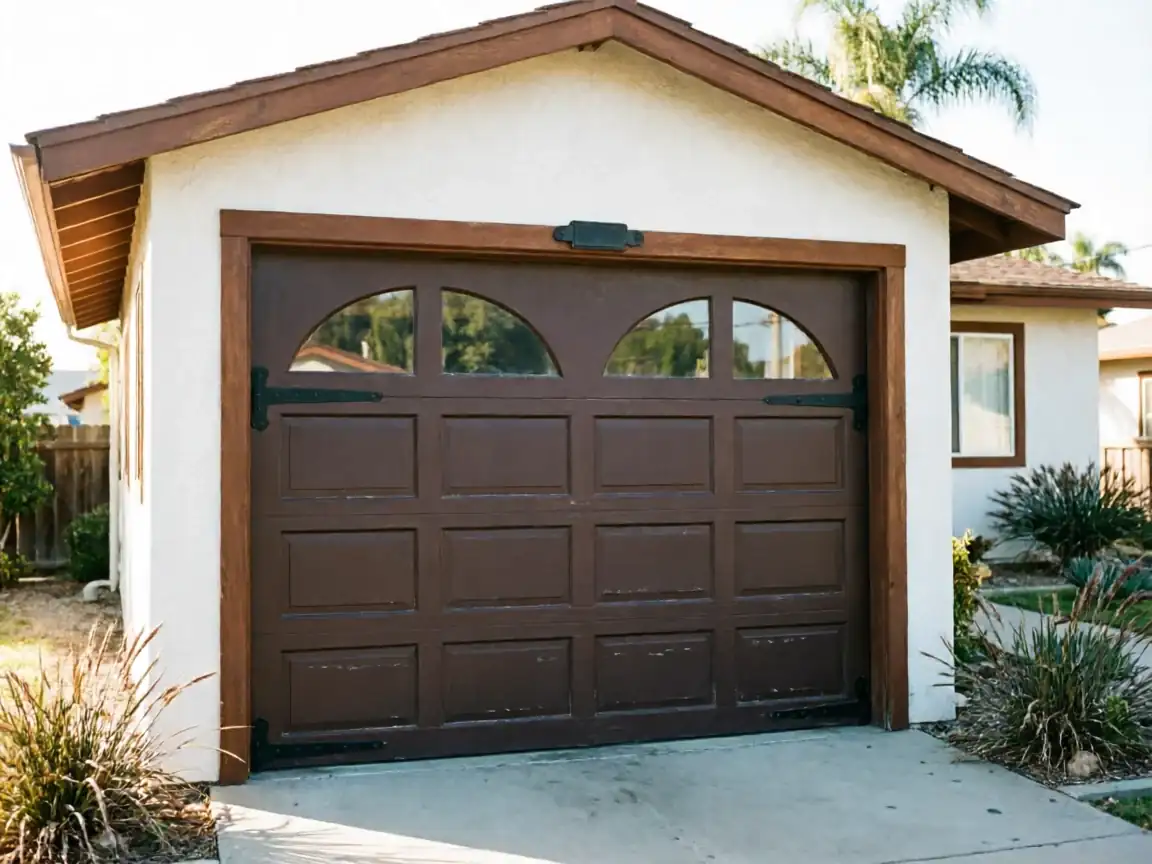
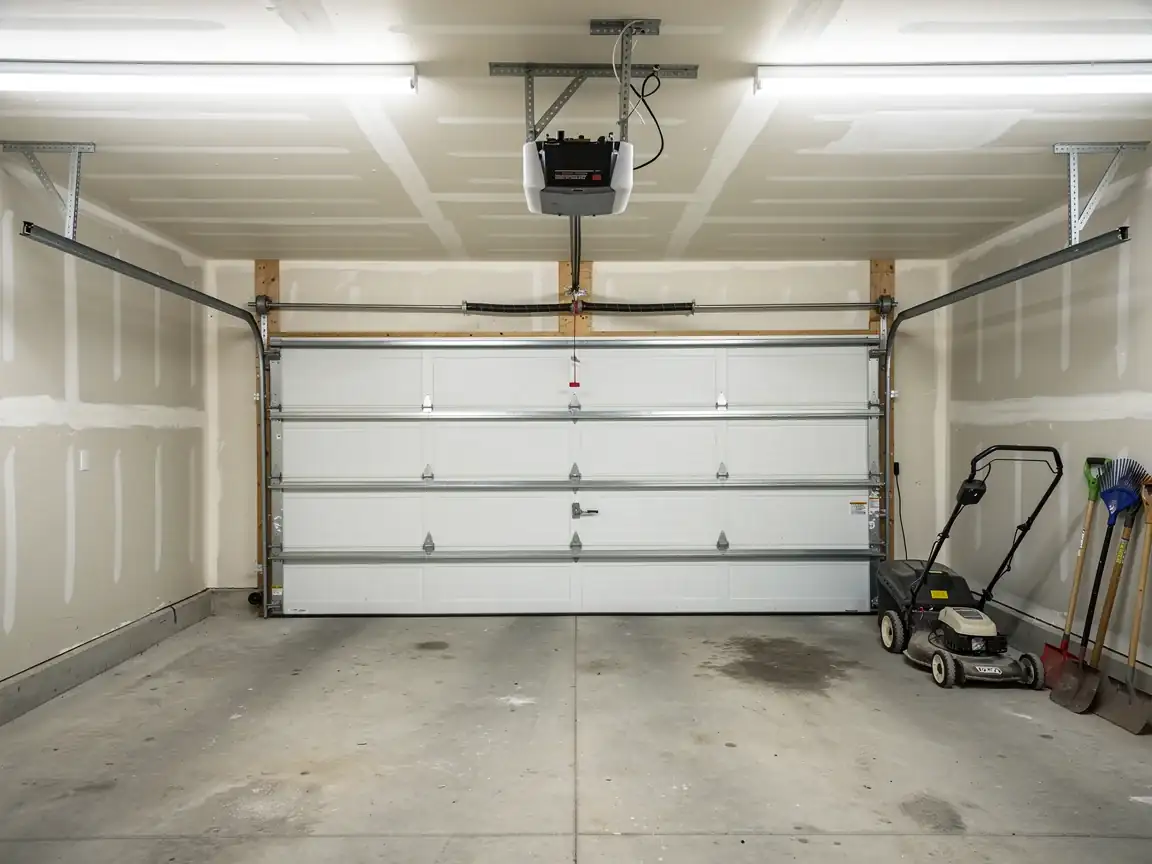
The local median build year here lands around 1968, a few years past the area-wide median of 1965. That generation of house usually came with a single-car or two-car garage, a door hung on side-mounted torsion hardware, and an opener that's been replaced once or twice since but is bolted to framing sized for the original door, not for anything heavier.
What that means on the job
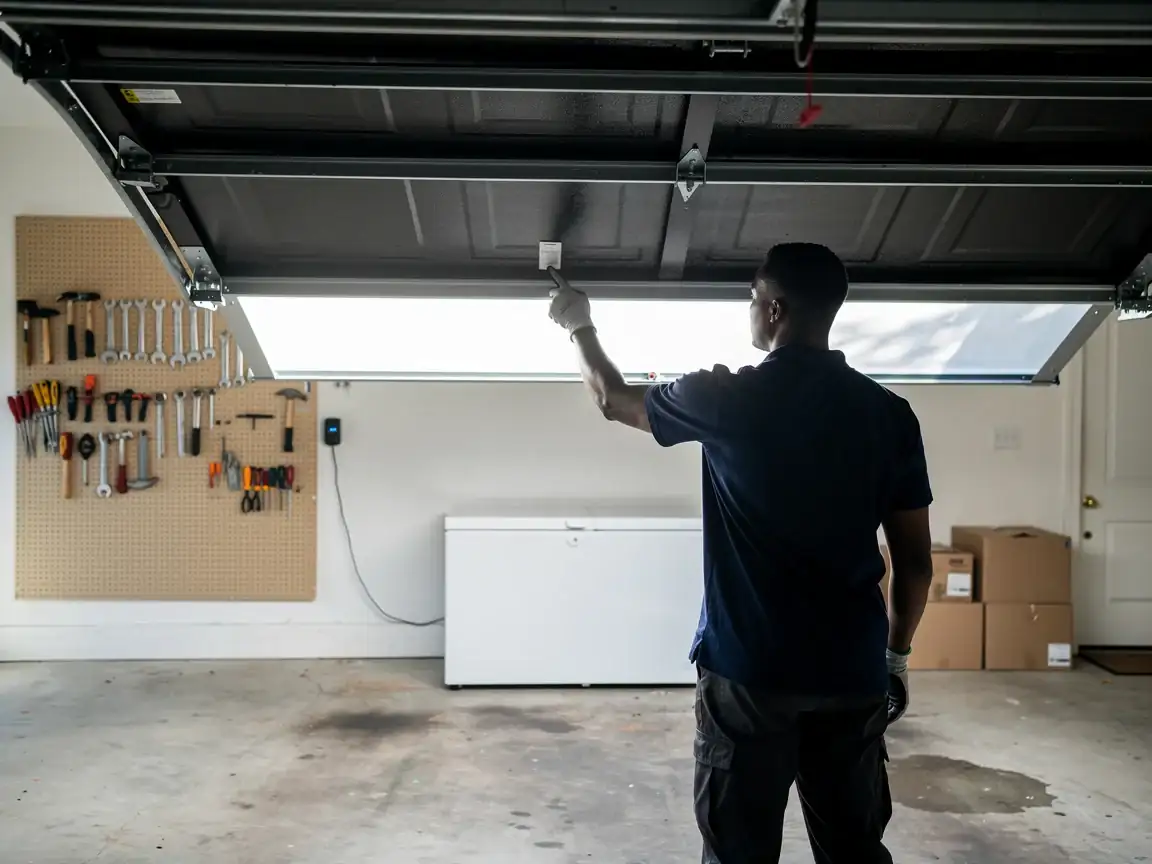
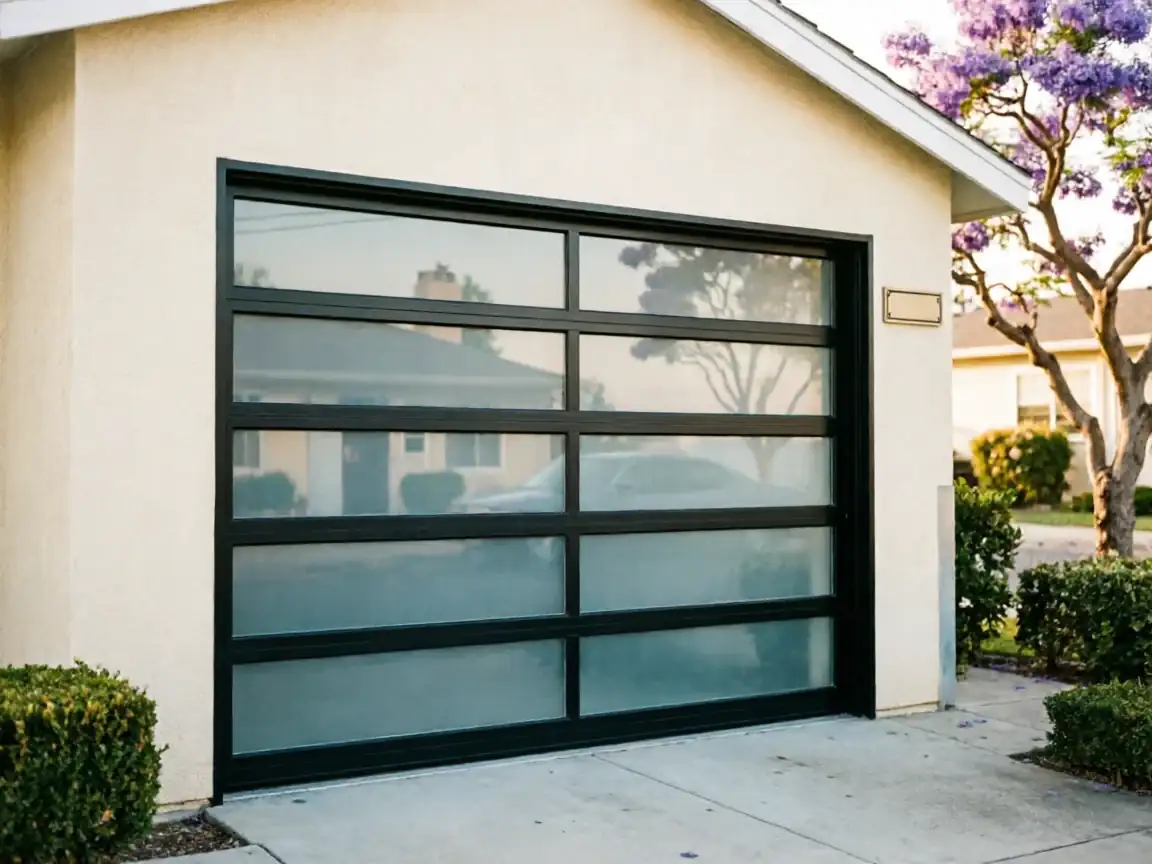
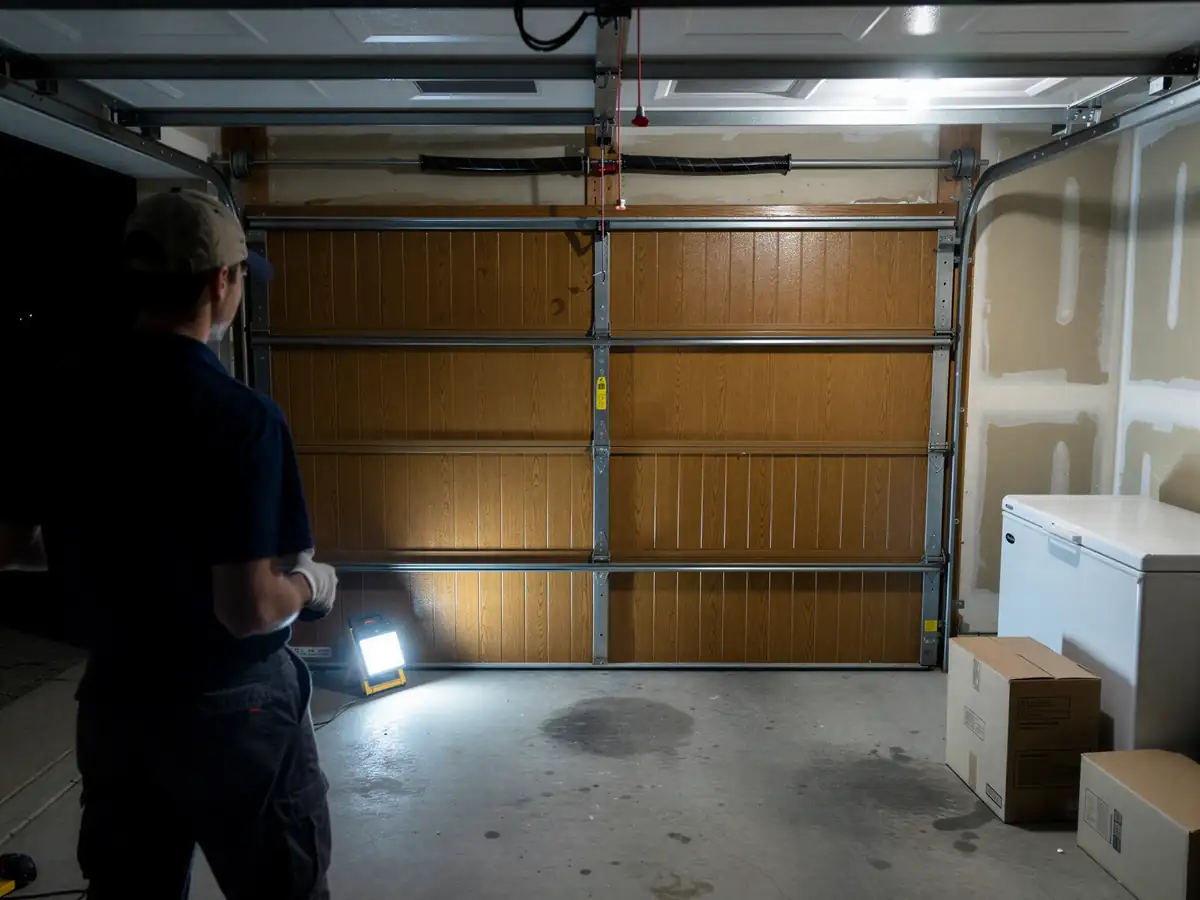
Swapping in a heavier insulated door on 1968-era framing sometimes means adding blocking or reinforcing the header, because builders then weren't planning for the door weights common now. We check that before we quote the swap, not after we've hung the door and found the track flexing. A straight repair - spring, cable, roller, opener board - usually doesn't run into this. A full replacement often does.
Time on the Job
Most calls here are an hour to two on site once we've arrived: a torsion spring job runs on the shorter end, a full opener swap or a door replacement runs longer, especially if we hit the framing issue noted above. None of that includes the drive - figure the 8 miles from Pomona adds real time to the front and back of the day, which is why we build West Covina stops into a route rather than treating each one as a standalone trip.
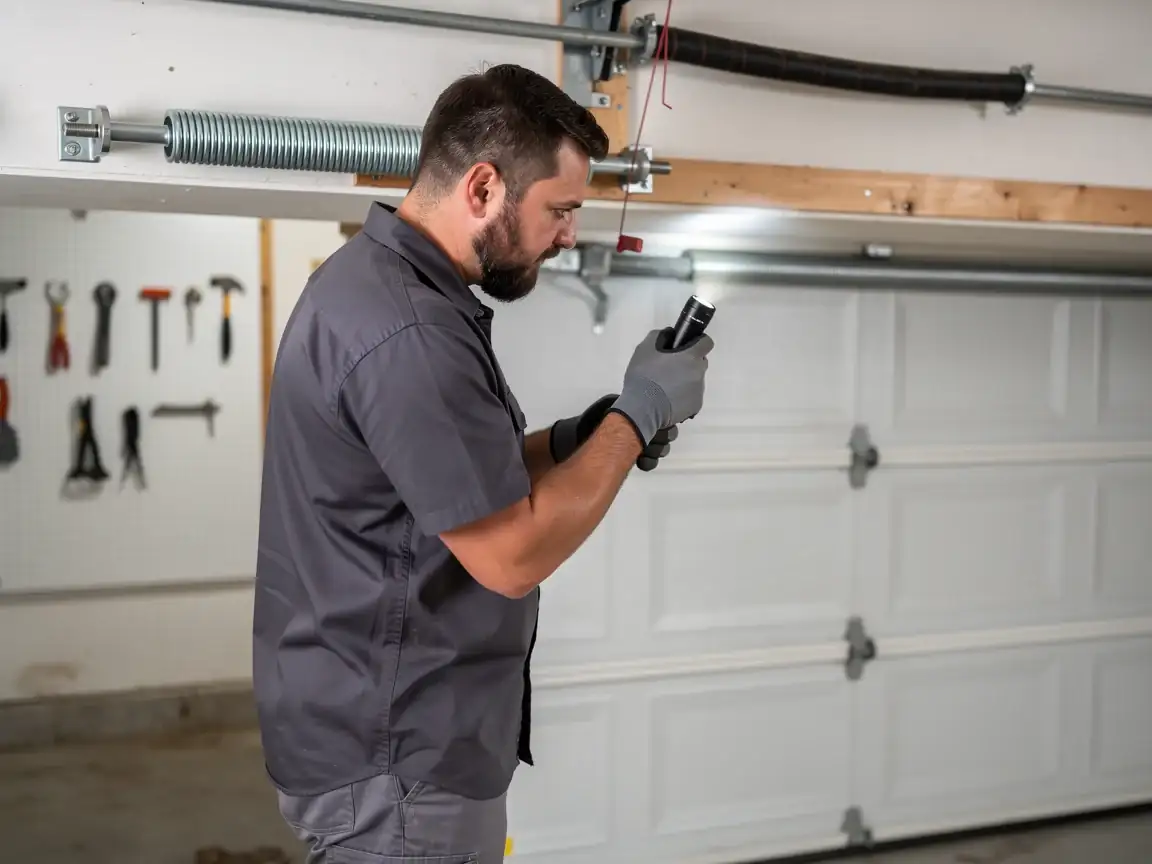
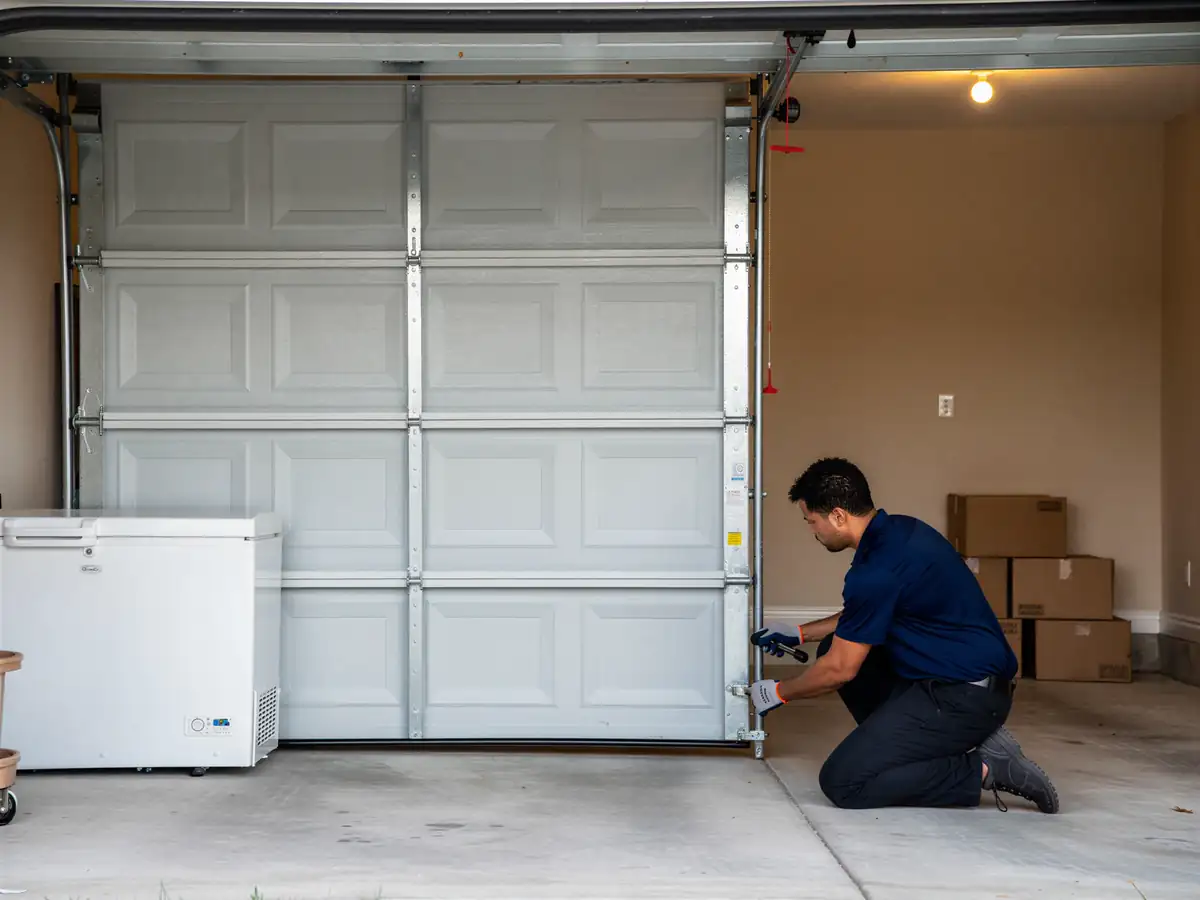
We don't rush a spring adjustment to save drive time. A torsion spring under tension is the one part on a garage door that can put someone in the hospital if it's handled wrong, and that doesn't change because the job is 8 miles further than the last one.
Why It Happens Here
The failures we see in West Covina track pretty directly to the age of the hardware, not to anything unusual about the town. A door and opener installed when a house was new in 1968 is now well past any reasonable service life, and a lot of the springs, rollers, and cable we replace here are original or close to it. Heat is moderate in this part of the service area, so we're not dealing with the kind of extreme cold-snap metal fatigue some regions see - it's age and cycle count wearing out steel, plain and simple.
With 32,586 households in this part of the area, a fair number of them are still running the door that came with the house. That's not a problem until a spring snaps or a cable frays, and by the time it does, the rest of the hardware is usually close behind it.