What Can Go Wrong
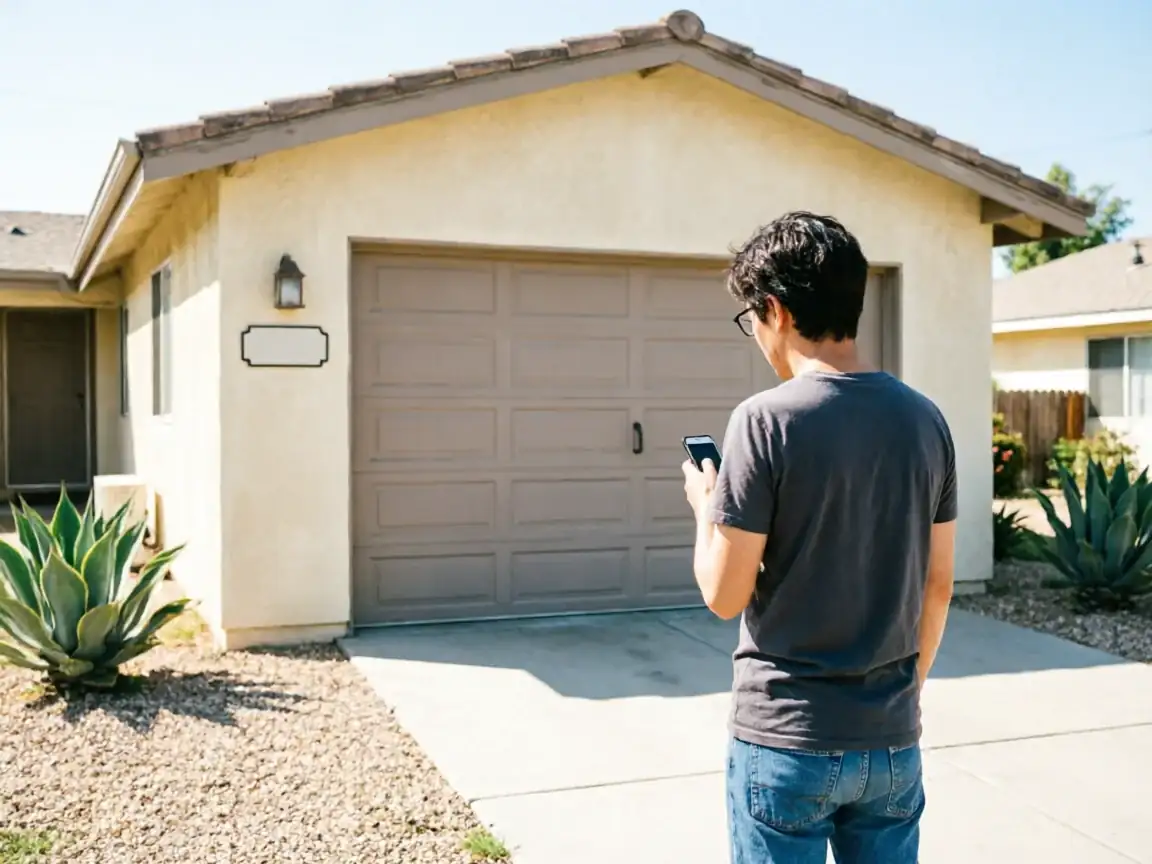
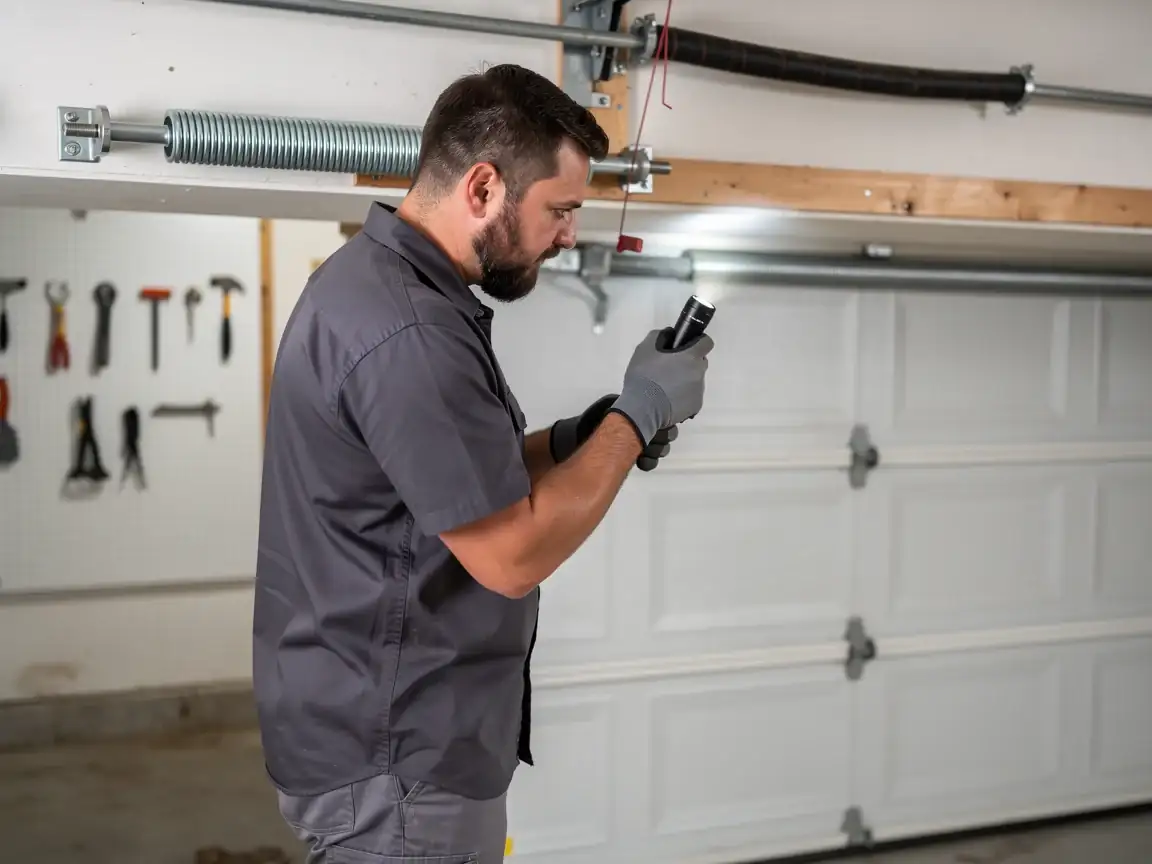
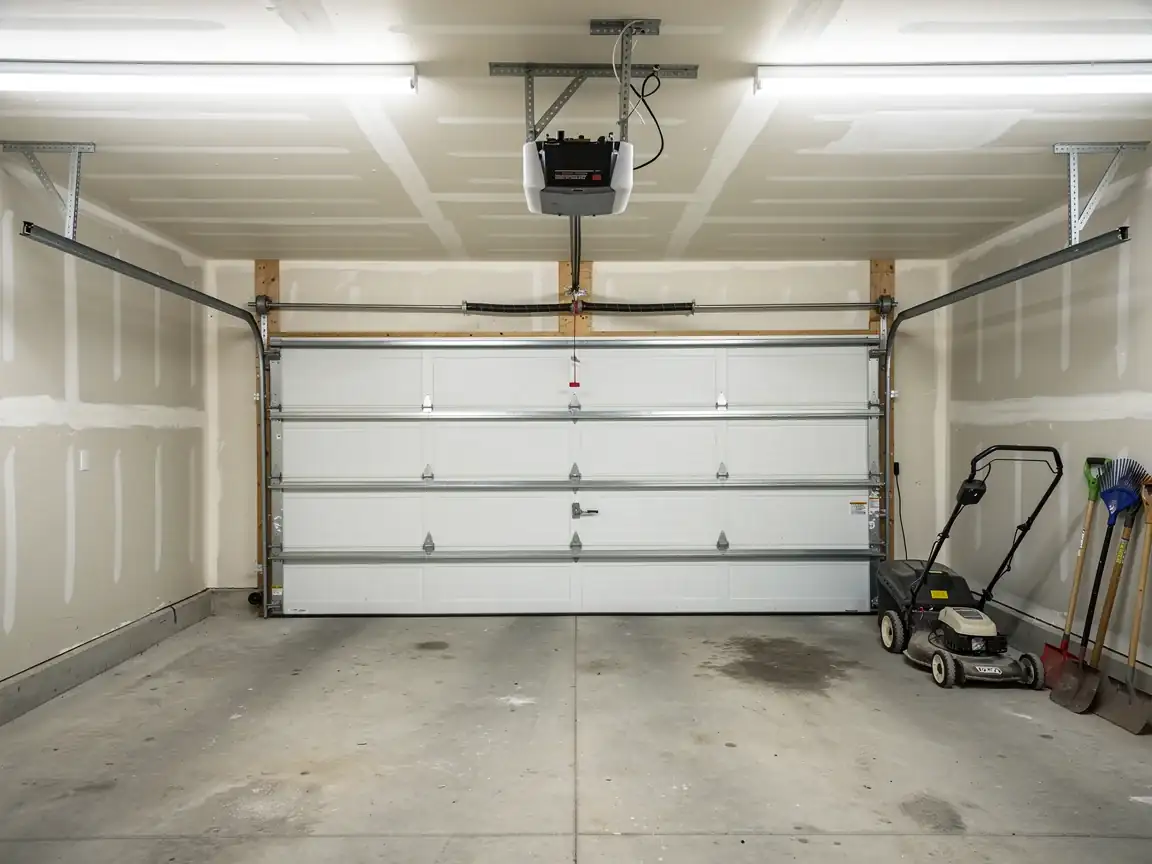
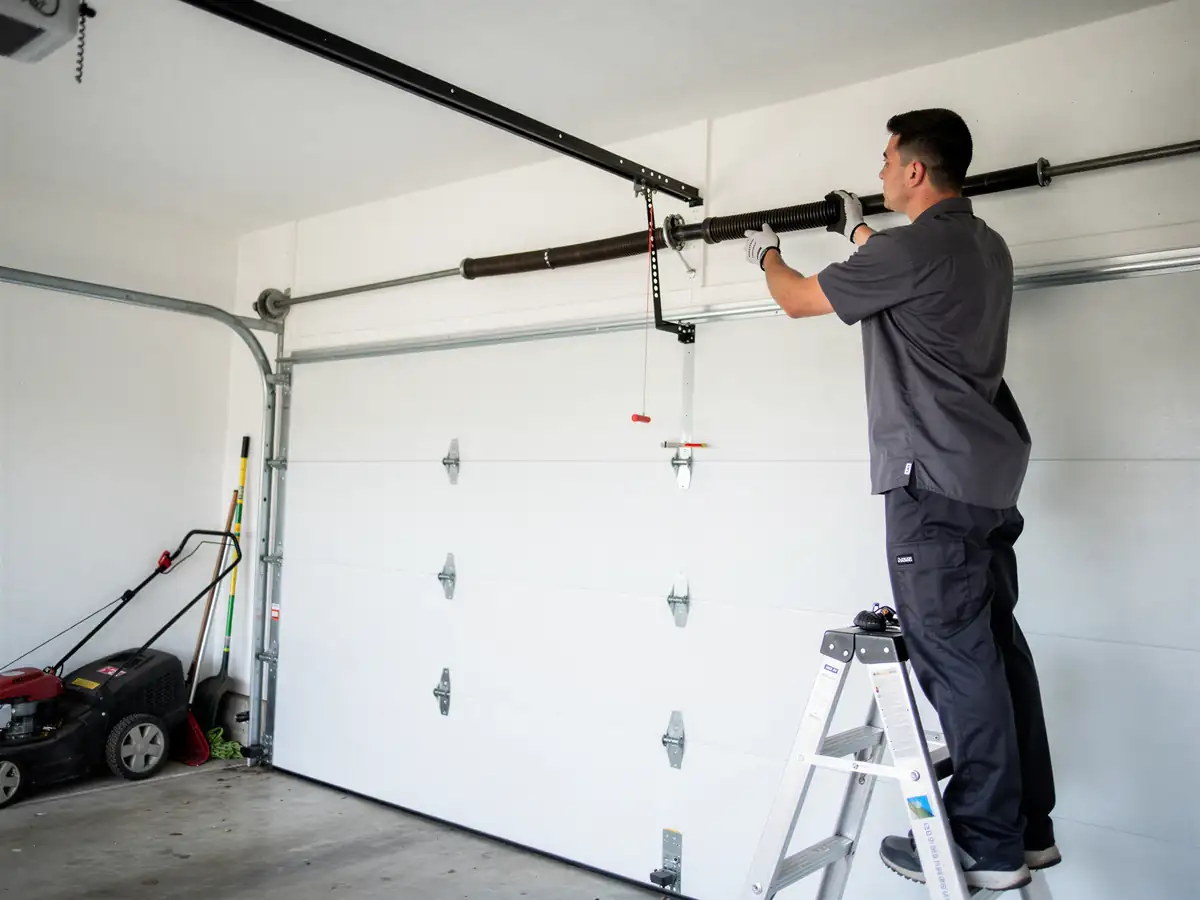
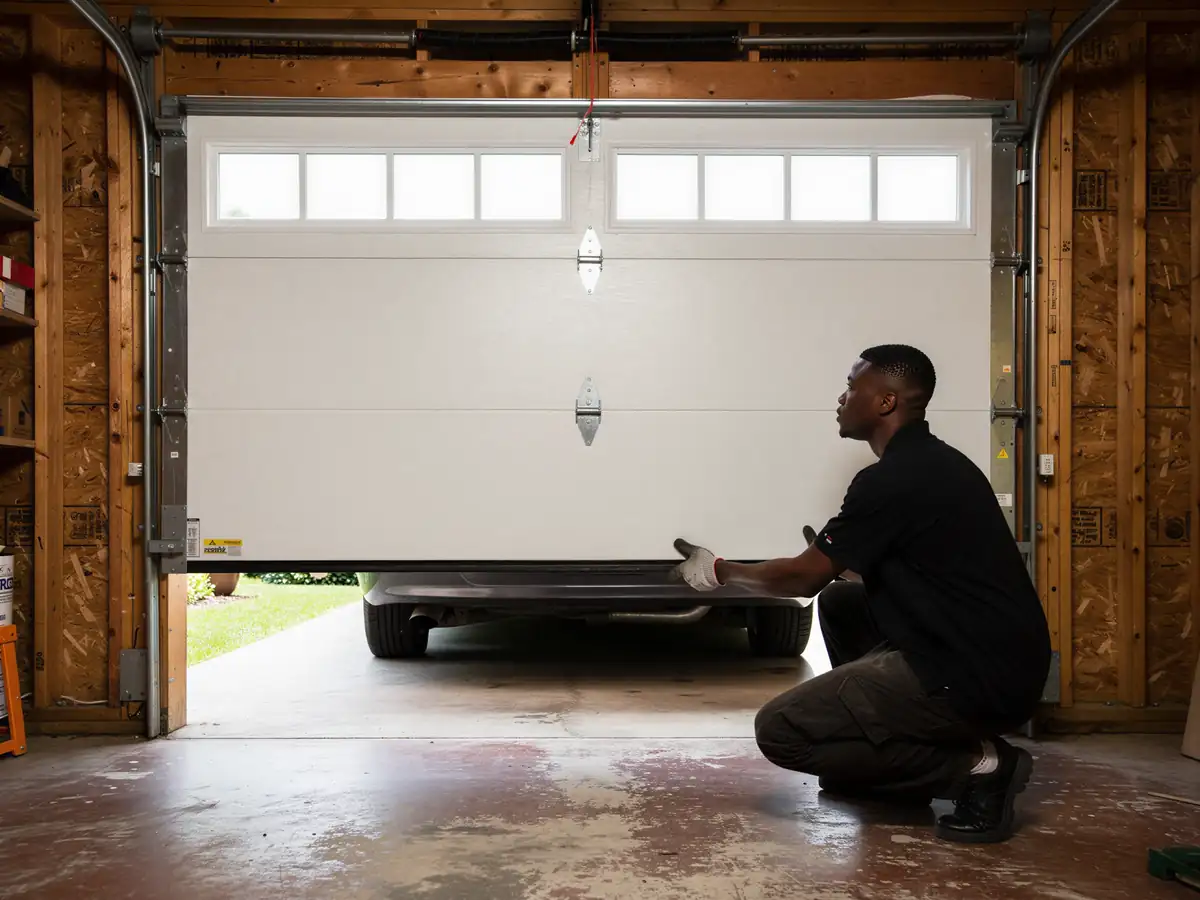
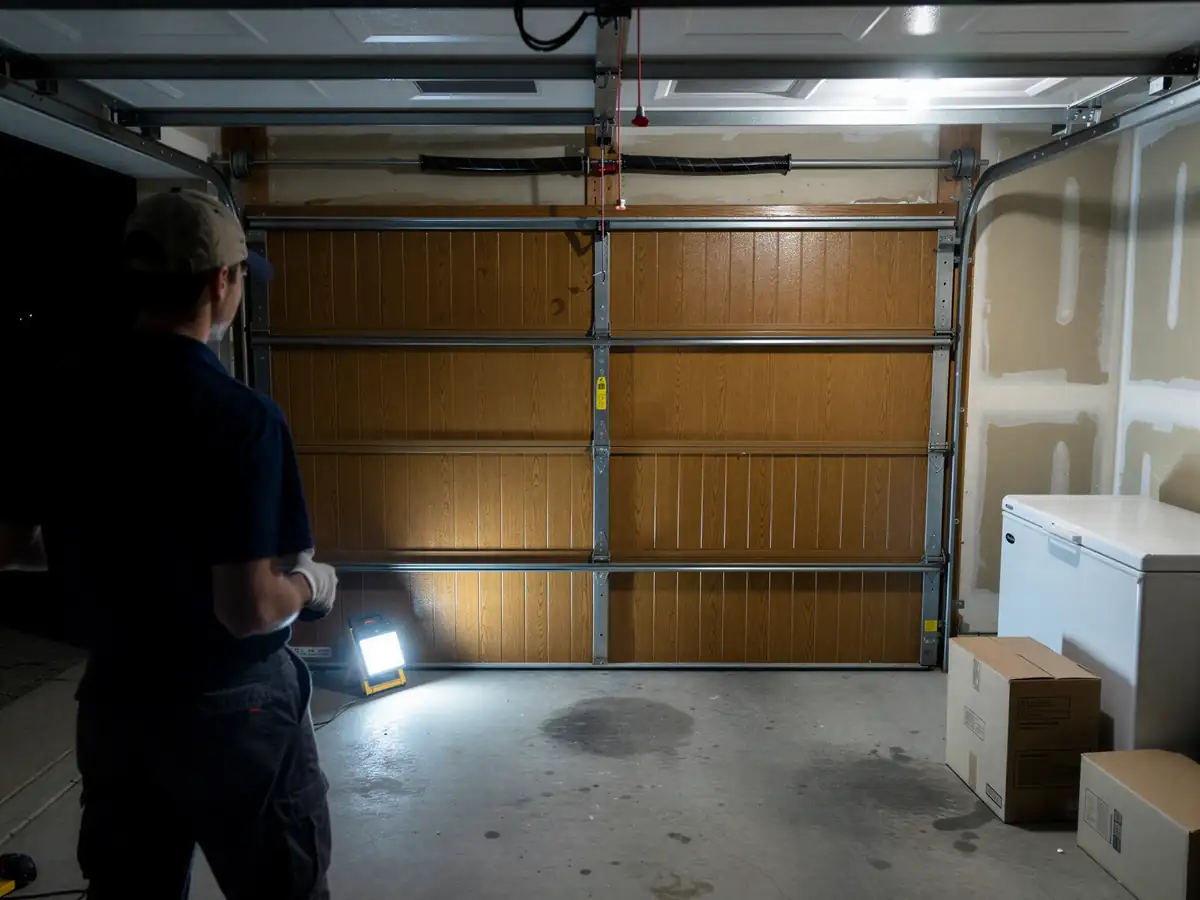
Most houses in Chino Hills went up around 1990, which means the garage door hardware behind them is a different generation than what we see on the older side of the service area. These doors came standard with torsion springs mounted on a center shaft, steel rollers, and chain or screw-drive openers - not the extension-spring, side-mounted setups common on houses from the 1960s stock that still makes up a lot of the rest of the area. Thirty-plus years on, the failure points are predictable: a torsion spring that's cycled past its rated life and snaps, a steel roller that's worn its track groove ragged, or an opener logic board that's simply aged out. Cables fray at the drum. Bottom brackets loosen. None of this is unusual for a door this age - it's just a different set of parts than what you'd be fixing on a house fifteen miles the other direction. The one thing we don't do here is guess. If a spring's tension is off by enough that the door won't hold itself at mid-travel, that's a spring job, not an opener job, even if the opener strains loudest.
What the Repair Takes
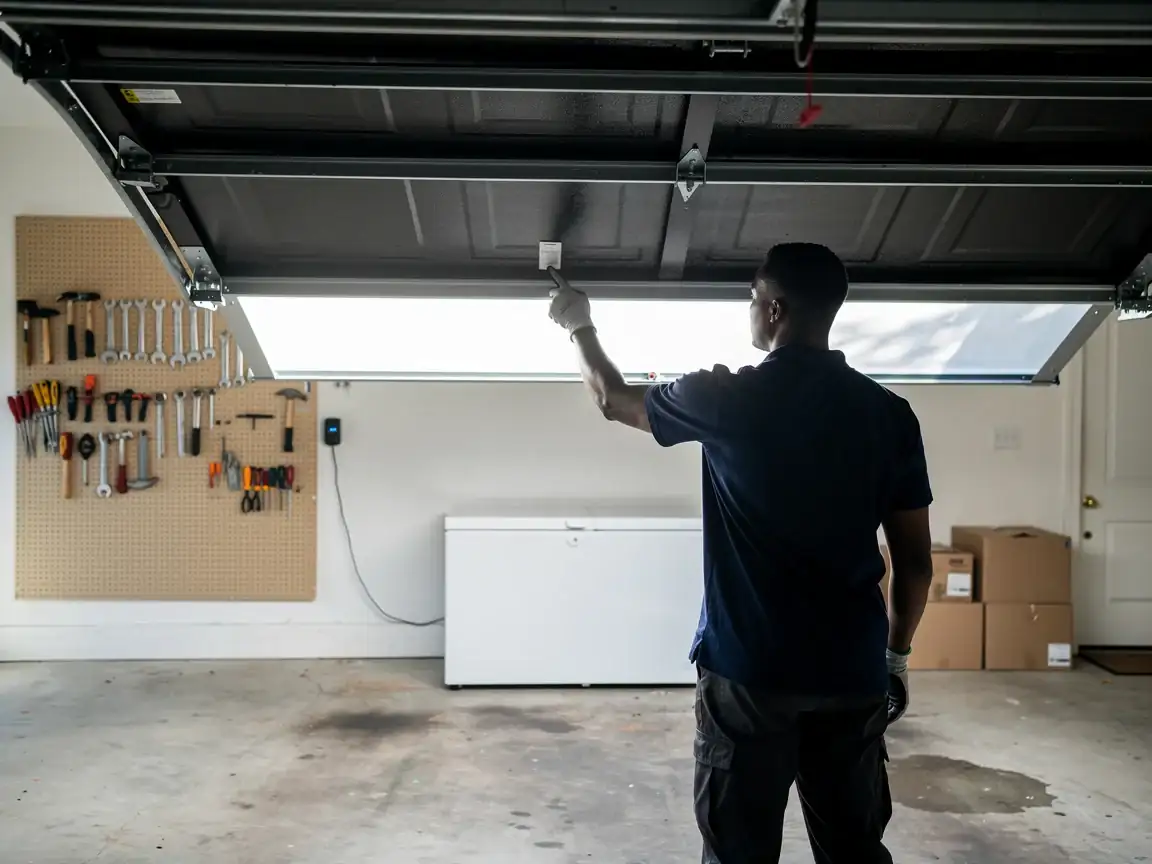
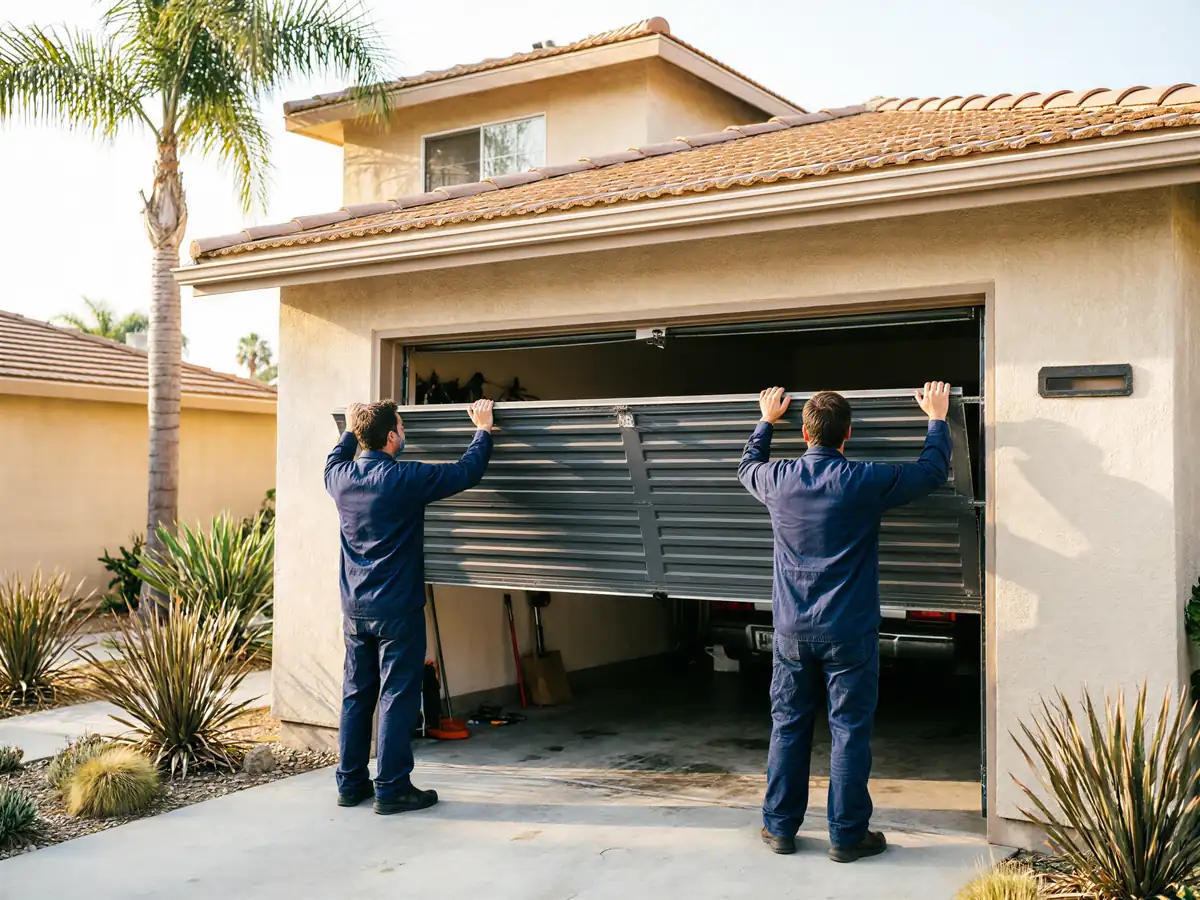
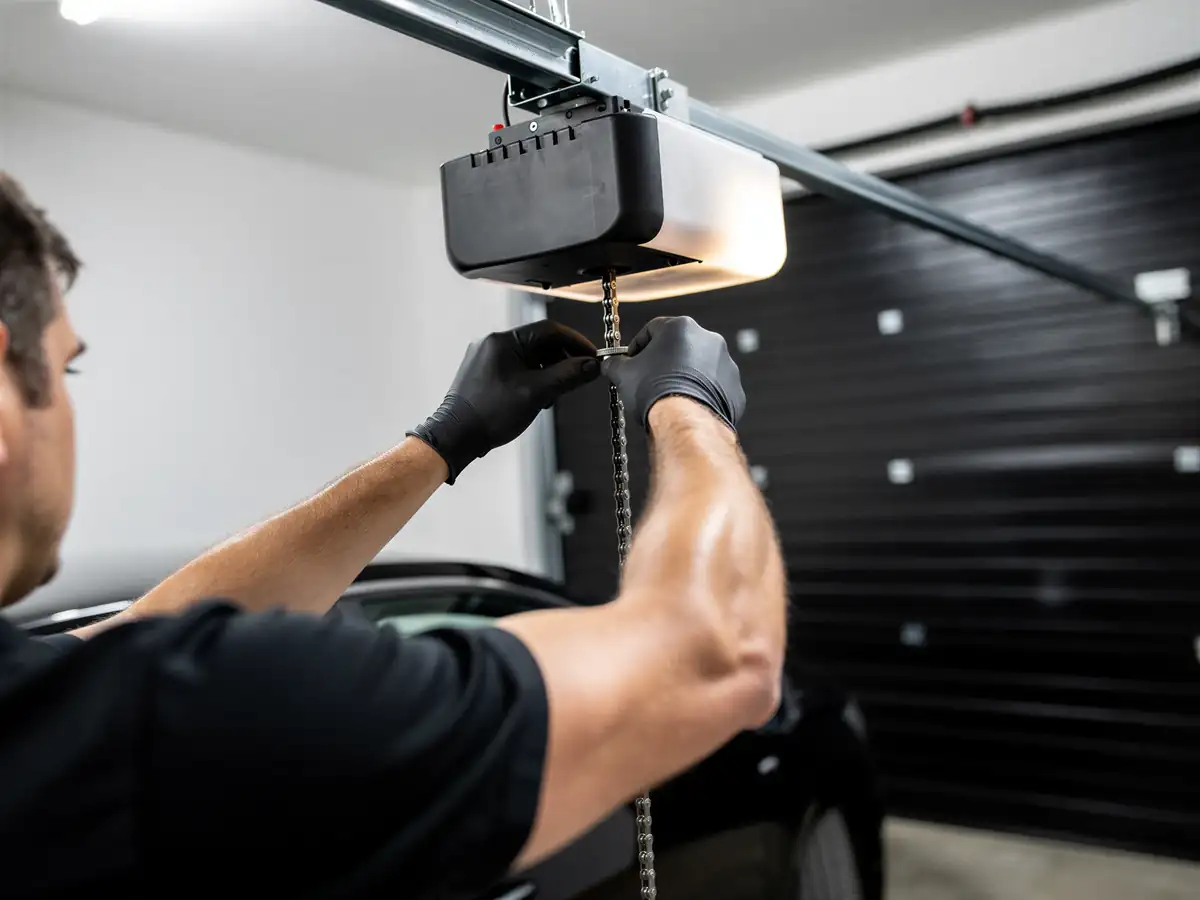
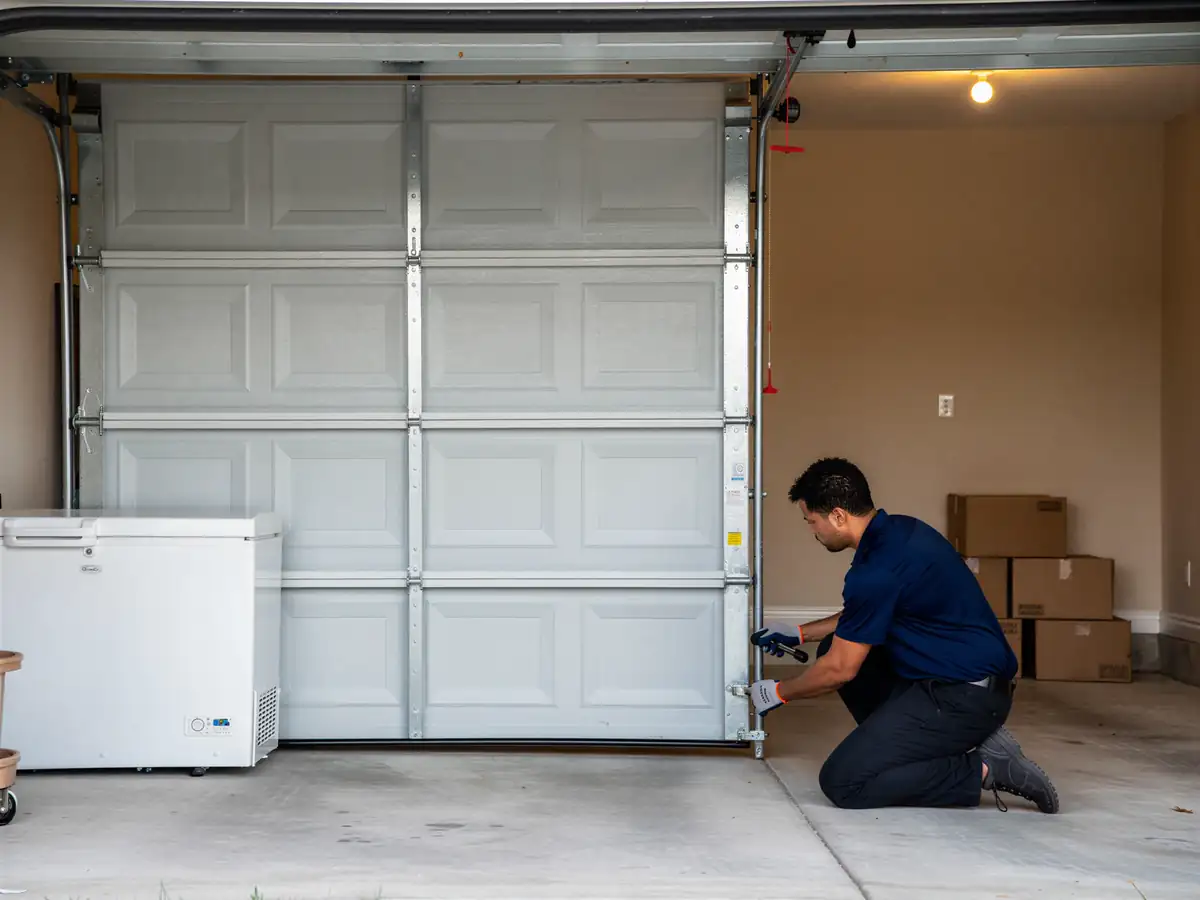
A torsion spring swap on a door this age runs on a known pattern: release tension on the old spring, match the wire gauge and wind to the replacement, set the drums, and re-tension against the door's actual weight - not a guess. Steel rollers get pulled and swapped as a set, not one at a time, since the rest are usually close behind on wear. If the opener itself is the problem, we check the logic board and the drive gear before assuming the whole unit needs replacing; chain-drive openers from this era often just need a gear kit, not a new motor. We carry common torsion spring sizes and roller stock on the truck for 1990s-era doors, since that's most of what we're called out for in this part of the territory. What we don't carry is everything - a door with an obsolete extension-spring kit or a proprietary opener board sometimes means an order and a second trip. We'll tell you straight if that's the case rather than stall you with a part that doesn't fit.
The Cost of This Job
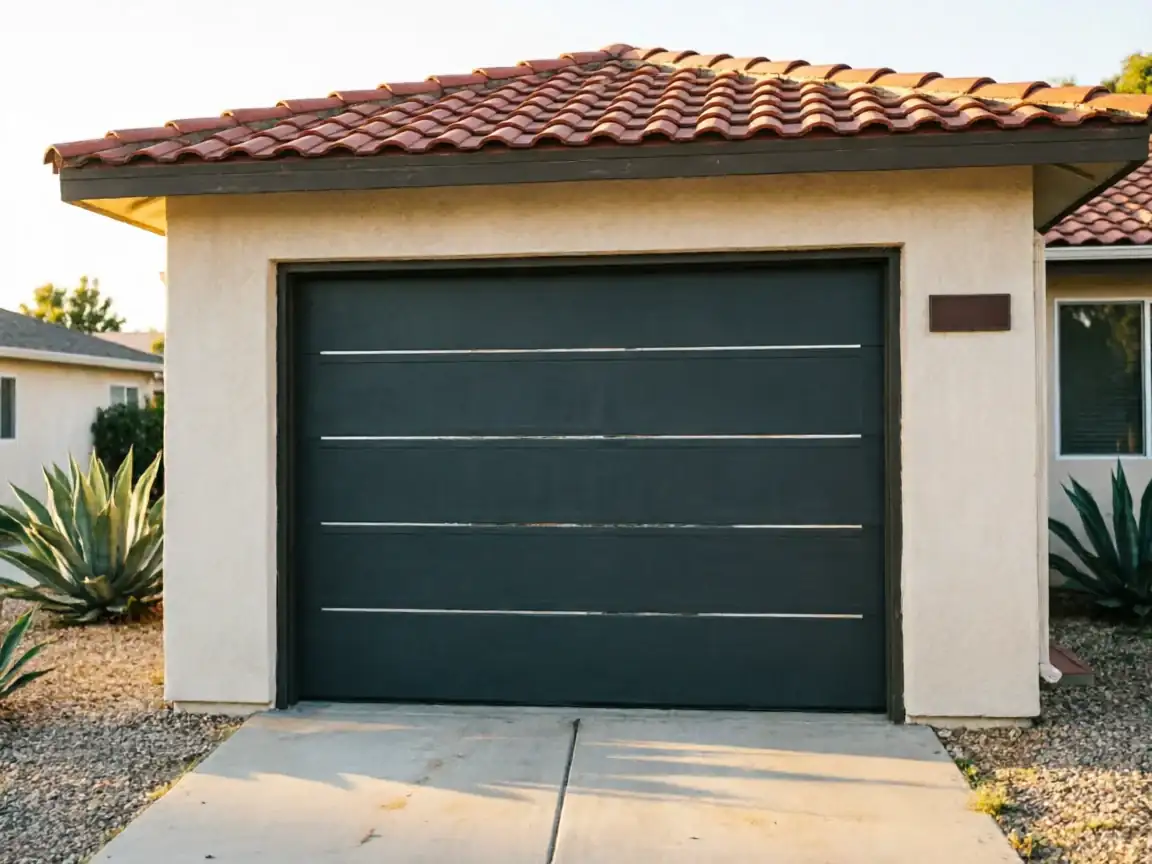
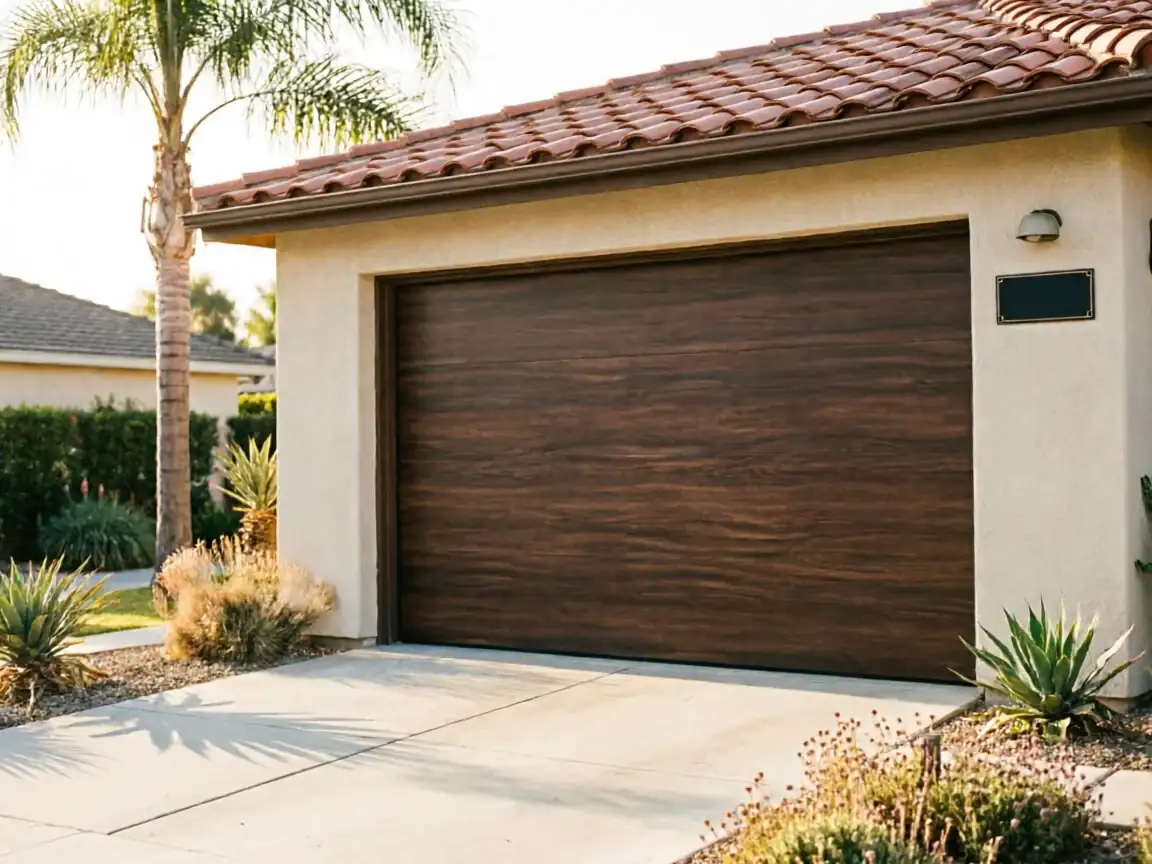
With a median household income of $122,600 in Chino Hills - noticeably higher than the $102,449 median across the wider service area - we see more owners here choose a straightforward replacement over stacking repairs on an aging door, especially once a spring job and a roller job start competing for the same service call. That's a judgment call, not a rule: a 1990s door with good panels and a sound track is usually worth fixing even twice before replacement pencils out. Where it stops making sense is a door with rust through the bottom panel or a drum that's cracked - at that point parts cost starts rivaling the price of a new section. We'll tell you which side of that line your door is on before we start work, not after.
How to Book
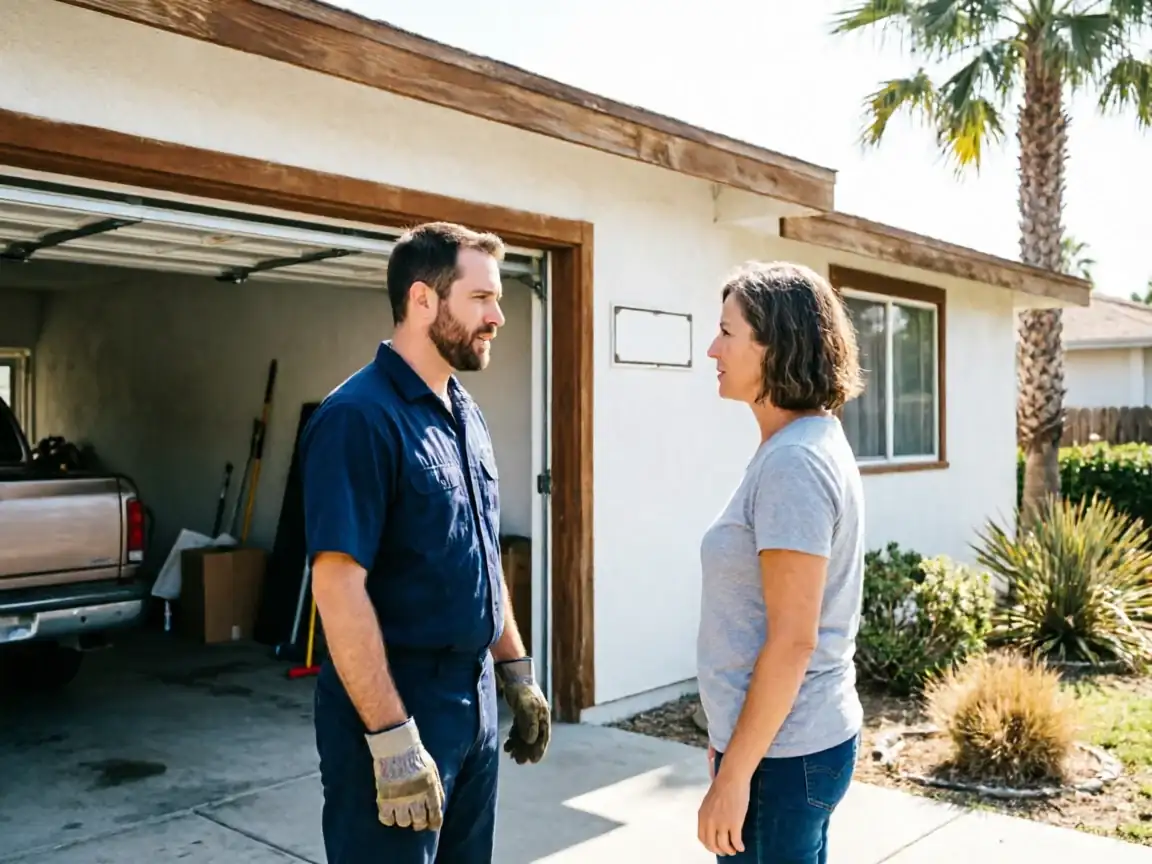
We run out of Pomona, about eight miles from Chino Hills, and we schedule calls out there as part of the regular route rather than as a separate branch - there's no local depot, just a truck that comes out for the job. Tell us what the door is doing (won't move, moved and stopped, making noise, opener dead) and whether it's a spring, a roller, or an opener question, and we'll bring the right stock for a 1990s-era door. See more on areas we cover near Chino Hills, or check the main Pomona repair page if you're outside Chino Hills itself.